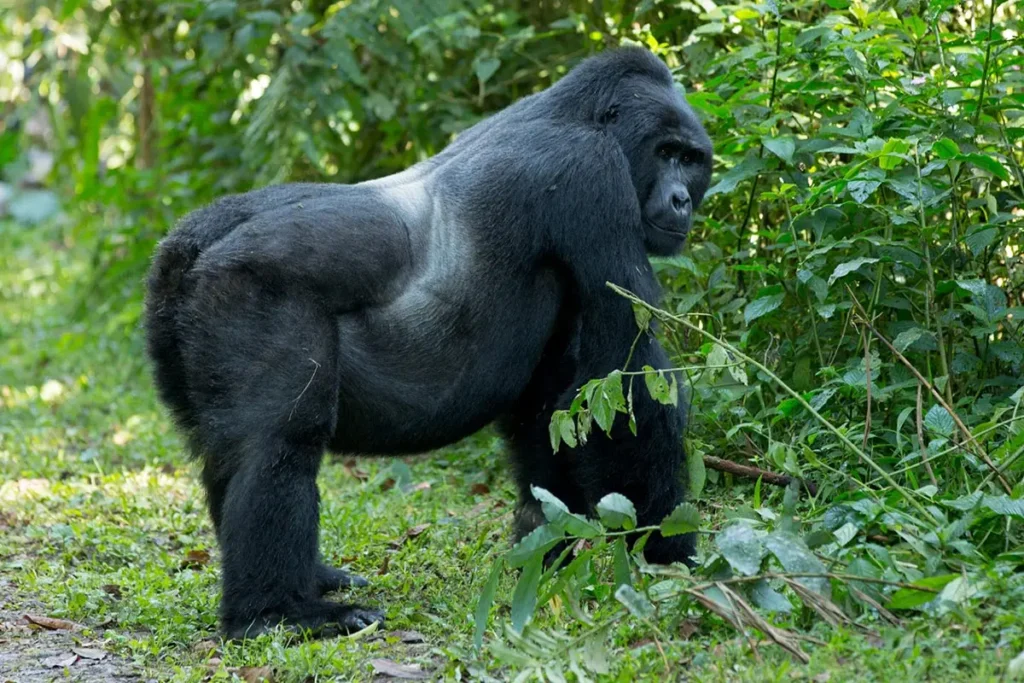
A Private Gorilla Safari Rwanda and Uganda offers one of Africa’s most personal wildlife experiences. It combines close encounters with endangered mountain gorillas, beautiful rainforest landscapes, professional local guides, and the freedom to travel at your own pace.
Unlike a scheduled group tour, a private safari is designed around you. Your vehicle, driver-guide, accommodation, activities, and daily schedule are arranged for your party alone. Therefore, you do not need to wait for other travelers or follow a fixed group itinerary. You can spend more time taking photographs, visit cultural sites that interest you, and select lodges that match your budget.
Rwanda and Uganda are among the best destinations for mountain gorilla trekking. Rwanda offers convenient access to Volcanoes National Park from Kigali. Uganda provides gorilla trekking in Bwindi Impenetrable National Park and Mgahinga Gorilla National Park. Uganda also offers the Gorilla Habituation Experience, which allows visitors to spend more time learning about a gorilla family undergoing habituation.
Although both destinations provide excellent gorilla encounters, they offer different travel styles. Rwanda is often preferred for short, luxury gorilla safaris. Uganda is well suited to longer journeys that combine gorillas with chimpanzees, wildlife viewing, boat cruises, and scenic road trips. However, a combined Rwanda and Uganda gorilla safari gives travelers the best of both countries.
This complete guide explains how to plan your journey. It covers gorilla trekking permits, accommodation, transport, costs, fitness, packing, travel seasons, border crossings, responsible tourism, photography, and sample itineraries. It also explains how a private tour operator can manage the important arrangements before you arrive.
What Is a Private Gorilla Safari?
A private gorilla safari is a tailor-made tour operated exclusively for one traveler, a couple, a family, or a small group of friends. The guests travel in their own safari vehicle with a dedicated driver-guide. They do not share the general road itinerary with strangers.
However, “private safari” does not usually mean that the gorilla trek itself is completely exclusive. National park authorities assign permit holders to small trekking groups. In Rwanda, a maximum of eight visitors normally tracks one habituated gorilla family. Uganda also manages trekking groups according to strict conservation rules.
Therefore, your vehicle, lodge arrangements, transfers, and wider itinerary can be private, while the forest trek may include other permitted visitors. Travelers who need a more exclusive arrangement should discuss the available options with their safari planner well in advance.
A private tour normally includes:
- Airport pickup and departure transfer
- A private four-wheel-drive safari vehicle
- An experienced English-speaking driver-guide
- Reserved accommodation
- Meals listed in the itinerary
- Bottled drinking water in the vehicle
- Gorilla-permit booking assistance
- National park transfers
- Border-crossing support
- Selected cultural and wildlife activities
- Emergency and 24-hour local support
Flights, visas, travel insurance, personal purchases, gratuities, and optional activities may be excluded. Consequently, travelers should read the inclusions and exclusions carefully before confirming a booking.
Why Choose a Private Gorilla Safari Rwanda and Uganda?
A Private Gorilla Safari Rwanda and Uganda provides flexibility, privacy, and personal attention. These benefits are especially valuable because gorilla trekking involves permit availability, early starts, changing road conditions, and different levels of physical ability.
You Control the Travel Pace
A private itinerary allows you to travel at a comfortable speed. For example, you can stop for landscape photography, take a longer lunch break, or spend more time at a community project. You can also leave earlier when you want to avoid traffic or arrive at your lodge before sunset.
This flexibility is useful for families, older travelers, photographers, honeymooners, and guests with specific mobility needs. It also creates a more relaxed safari because the schedule does not depend on a larger group.
You Receive Personal Guiding
Your driver-guide remains focused on your party throughout the trip. As a result, you can ask detailed questions about Rwanda, Uganda, wildlife, culture, history, and daily life. The guide can also adjust the level of explanation to match your interests.
A professional local guide does much more than drive. The guide monitors the schedule, communicates with lodges, checks activity times, assists at borders, and responds when plans change. This local support is one of the most important advantages of booking a private African safari.
You Can Choose Your Accommodation
Private tours can be designed at budget, midrange, luxury, or super-luxury level. You may prefer a comfortable forest lodge with excellent views, an exclusive villa with a private host, or a simple lodge close to the park headquarters.
Furthermore, you can mix accommodation categories. For instance, you may select a luxury lodge near the gorillas and use good midrange hotels elsewhere. This approach can improve the overall experience while keeping the total safari cost manageable.
You Can Combine Different Experiences
A private tour is not limited to gorilla trekking. Depending on your available time, you can add:
- Golden monkey trekking in Volcanoes or Mgahinga
- Chimpanzee trekking in Nyungwe or Kibale
- Big Five game drives in Akagera National Park
- Wildlife safaris in Queen Elizabeth National Park
- A Kazinga Channel boat cruise
- Lake Kivu relaxation and boat trips
- Kigali city and cultural tours
- Batwa community experiences
- Birdwatching
- Nature walks
- Coffee and tea experiences
- Canopy walks in Nyungwe Forest
- Lion, elephant, buffalo, hippo, and leopard viewing
Therefore, a private Rwanda and Uganda safari can become a complete East African holiday rather than a single trekking trip.
It Offers Better Privacy
Some travelers prefer quiet journeys without the social demands of a group tour. A private safari gives couples, families, solo travelers, and friends their own space during road transfers and lodge stays.
Moreover, private travel makes it easier to discuss personal preferences with the guide. These may include meal requirements, photography stops, bathroom breaks, room arrangements, or preferred walking speeds.
Rwanda or Uganda for Gorilla Trekking?
Choosing between Rwanda and Uganda depends on your available time, budget, preferred accommodation, fitness, and wider travel interests. Neither country is automatically better for every visitor.
Rwanda is known for efficient travel connections and high-end gorilla tourism. Uganda offers more trekking locations, a lower standard international permit price under its published tariff, and easy combinations with other national parks.
| Feature | Rwanda | Uganda |
|---|---|---|
| Main trekking park | Volcanoes National Park | Bwindi and Mgahinga |
| Standard foreign non-resident permit | USD 1,500 | USD 800 under the published 2024–June 2026 tariff |
| Travel from main airport | About 2.5–3 hours from Kigali | Longer from Entebbe; shorter when entering from Kigali |
| Trekking sectors | One main park headquarters area | Buhoma, Ruhija, Rushaga, Nkuringo and Mgahinga |
| Gorilla Habituation Experience | Not generally offered | Available in designated areas |
| Best suited to | Short and luxury trips | Longer and value-focused safaris |
| Easy combinations | Kigali, Lake Kivu, Akagera, Nyungwe | Queen Elizabeth, Kibale, Lake Mburo |
| Accommodation range | Strong luxury and super-luxury selection | Broad budget-to-luxury range |
Rwanda’s official tourism website lists its standard gorilla permit at USD 1,500 per person and a minimum trekking age of 15. Uganda’s published July 2024–June 2026 conservation tariff lists the foreign non-resident permit at USD 800. Because Uganda’s published tariff period ends in June 2026, travelers planning later journeys should request confirmation of the applicable rate before paying. Visit Rwanda and Uganda Wildlife Authority tariff.
Gorilla Trekking in Rwanda
Volcanoes National Park
Volcanoes National Park lies in northwestern Rwanda near Musanze. Its rainforest covers the slopes of the Virunga volcanoes and forms part of the wider Virunga conservation landscape. The scenery includes bamboo forest, thick vegetation, cultivated hills, and dramatic volcanic peaks.
Travelers usually begin their journey in Kigali. The drive from Kigali to the Musanze and Kinigi area generally takes about two and a half to three hours, depending on traffic, weather, and the location of the lodge. This short transfer makes Rwanda especially suitable for travelers with limited time.
A two-day Rwanda gorilla safari may include an afternoon transfer from Kigali, one night near the park, a morning gorilla trek, and a return to Kigali. Nevertheless, a three- or four-day itinerary feels less rushed and provides time for other experiences.
What Happens on a Rwanda Gorilla Trek?
On the morning of the trek, visitors report to the park headquarters in Kinigi. Staff members check permits and passports before assigning guests to gorilla families.
The allocation process considers several factors. These may include fitness, age, mobility, and the location of the gorilla families. However, gorillas move freely in the forest. As a result, no operator can guarantee a short or easy trek.
After the briefing, visitors drive to the relevant trailhead. They then enter the forest with park guides, trackers, and optional porters. The search may take a short time or several hours. Rain, mud, altitude, vegetation, and the gorillas’ movements all influence the trek.
Once the gorillas are located, visitors normally spend up to one hour observing them. This controlled viewing period helps reduce disturbance while giving travelers time to watch the group’s behavior.
You may see a silverback resting, younger gorillas playing, or adults feeding among the vegetation. The experience often feels calm and intimate. However, visitors must always follow the ranger’s instructions.
Benefits of Gorilla Trekking in Rwanda
Rwanda offers several important advantages:
- Short road transfer from Kigali
- High-quality road network
- Excellent luxury accommodation
- Easy short safari itineraries
- Convenient combination with Lake Kivu
- Professional park organization
- Good options for golden monkey trekking
- Easy connection with Akagera and Nyungwe
For this reason, Rwanda attracts travelers seeking a smooth, time-efficient, and high-end African gorilla safari.
Gorilla Trekking in Uganda
Uganda offers gorilla trekking in two parks: Bwindi Impenetrable National Park and Mgahinga Gorilla National Park. Both lie in southwestern Uganda, close to Rwanda and the Democratic Republic of Congo.
Bwindi Impenetrable National Park
Bwindi is Uganda’s best-known gorilla trekking destination. The forest contains exceptional biodiversity and supports many habituated gorilla families. Trekking takes place from four main tourism sectors:
- Buhoma
- Ruhija
- Rushaga
- Nkuringo
Each sector has separate trailheads, accommodation, access roads, and gorilla families. Therefore, the sector written on the permit must match the traveler’s lodge and transport plan.
A lodge in Buhoma, for example, may be several hours from a trailhead in Rushaga. Booking accommodation before confirming the permit sector can create difficult transfers and very early departures. A knowledgeable safari operator should secure the permit first or coordinate both bookings at the same time.
Buhoma Sector
Buhoma is located on the northern side of Bwindi. It has a long history of gorilla tourism and a good range of lodges. It also connects well with the Ishasha sector of Queen Elizabeth National Park.
Travelers combining gorilla trekking with a Uganda wildlife safari often choose Buhoma because of this route. However, permit availability and lodge space can fill quickly.
Ruhija Sector
Ruhija lies on the eastern side of Bwindi. The area is known for forest views, birdlife, and access toward Kabale. Its altitude can make mornings cool, so warm layers are useful.
Ruhija works well in routes linking Bwindi with Queen Elizabeth National Park or Lake Bunyonyi. Road conditions may vary, particularly during wet periods.
Rushaga Sector
Rushaga is situated in southern Bwindi. It provides access to several habituated gorilla families and is often used for the Gorilla Habituation Experience.
The sector is also convenient for travelers entering Uganda from Kigali through the Cyanika or Gatuna border region, depending on the wider route. Several budget, midrange, and luxury lodges operate around Rushaga.
Nkuringo Sector
Nkuringo is known for steep landscapes and impressive views. Some treks can be physically demanding because of the area’s terrain. However, the scenery is rewarding, and the sector has several attractive lodges.
Travelers should discuss their fitness and mobility honestly with the tour operator. Although trek length cannot be guaranteed, careful planning can improve comfort.
Mgahinga Gorilla National Park
Mgahinga is Uganda’s smallest national park. It lies in the Virunga Mountains near Kisoro and shares the wider volcanic ecosystem with Rwanda’s Volcanoes National Park.
The park offers gorilla trekking, golden monkey trekking, birdwatching, and volcanic hikes. Its mountain setting makes it a strong choice for travelers who want a quieter Uganda gorilla safari.
According to the Uganda Wildlife Authority, Mgahinga generally offers a smaller number of daily gorilla permits than Bwindi. Therefore, early booking is important. Uganda Wildlife Authority.
Benefits of Gorilla Trekking in Uganda
Uganda appeals to travelers for several reasons:
- Lower standard permit price than Rwanda under the published tariff
- Two gorilla trekking parks
- Several Bwindi trekking sectors
- Gorilla Habituation Experience
- Wide selection of budget and midrange lodges
- Easy combination with chimpanzee trekking
- Excellent wildlife safari extensions
- Strong birdwatching opportunities
- Diverse landscapes and cultures
Consequently, Uganda works particularly well for travelers who have seven days or more.
Private Gorilla Safari Rwanda and Uganda Combination
A combined Private Gorilla Safari Rwanda and Uganda allows visitors to experience different forests, trekking systems, landscapes, and cultures within one journey.
Kigali is often the most convenient arrival point for a cross-border gorilla safari. From Kigali, travelers can reach Volcanoes National Park quickly. They can also continue to southern Bwindi or Mgahinga through a land border.
A common route is:
- Arrive in Kigali.
- Explore Kigali.
- Travel to Volcanoes National Park.
- Trek gorillas or golden monkeys in Rwanda.
- Cross into Uganda.
- Trek gorillas in Bwindi or Mgahinga.
- Visit Lake Bunyonyi or Queen Elizabeth National Park.
- Return to Kigali or continue to Entebbe.
Alternatively, travelers may trek gorillas only once in Uganda and use Rwanda as the arrival and departure point. This option can reduce transfer time compared with starting in Entebbe, especially when the chosen trekking sector is in southern Bwindi or Mgahinga.
Why Trek Gorillas in Both Countries?
Some visitors choose two gorilla treks because no two encounters are the same. Gorilla family structure, vegetation, weather, hiking conditions, and animal behavior change each day.
A second trek also provides another photography opportunity. On one day, vegetation may partly cover the gorillas. On another, the family may rest in a more open area. However, sightings and photographic conditions can never be guaranteed.
Trekking twice also reduces the pressure to capture every moment during one encounter. Travelers can spend more time observing the gorillas instead of constantly looking through a camera.
Gorilla Trekking Permits
A gorilla permit is an official authorization allowing one person to join a gorilla trek on a specific date and in a specific destination. It is one of the most important parts of the booking process.
Rwanda Gorilla Permit Price
Rwanda’s standard gorilla trekking permit costs USD 1,500 per person per trek for international visitors. The permit includes park entry for the gorilla activity, ranger services, trackers, and the permitted viewing period.
It does not normally include:
- Accommodation
- Private road transport
- Meals outside the park arrangement
- Porter services
- Personal equipment
- Visa fees
- Travel insurance
- Gratuities
Special resident or promotional rates may apply to eligible travelers. Nevertheless, visitors should confirm the terms directly with the relevant authority or through a licensed local operator before relying on a discounted price.
Uganda Gorilla Permit Price
The Uganda Wildlife Authority’s published July 2024–June 2026 tariff lists the gorilla trekking permit at USD 800 for a foreign non-resident. Other rates apply to foreign residents, citizens of the rest of Africa, and East African citizens.
Because official prices and tariff periods can change, travelers planning a safari after June 2026 should request an updated written quote. The operator should also state whether the price includes any permit-booking or payment charges.
Uganda Gorilla Habituation Permit
The Gorilla Habituation Experience is different from a normal gorilla trek. It allows visitors to accompany researchers and trackers as they gradually help a wild gorilla family become accustomed to carefully controlled human presence.
Uganda’s published July 2024–June 2026 tariff lists the foreign non-resident habituation permit at USD 1,500. The activity generally allows a longer period with the gorillas once they have been located. However, it can involve a long and demanding day in the forest.
This experience is best for:
- Serious wildlife enthusiasts
- Gorilla researchers and conservation supporters
- Photographers
- Repeat gorilla trekkers
- Travelers comfortable with longer forest walks
It may not be suitable for visitors who prefer a shorter trek or have limited mobility.
When Should You Book Gorilla Permits?
Travelers should book permits as soon as their travel dates are confirmed. For peak months, booking six to twelve months ahead is sensible. Luxury lodges and preferred trekking dates can also sell out early.
Last-minute permits may occasionally be available. However, travelers should not build an international trip around that possibility.
Permit availability should usually be checked before purchasing non-refundable flights. Once the permits are available, the operator can place or confirm the booking according to the authority’s payment rules.
Information Needed to Book a Permit
A tour operator may request:
- Full name as shown on the passport
- Passport number
- Nationality
- Date of birth
- Preferred trekking date
- Country of residence
- Passport copy
- Confirmation of the traveler’s age
The traveler should ensure that every detail is correct. A spelling difference or incorrect passport number may cause problems during permit verification.
Permit Cancellation and Rescheduling
Gorilla permits are controlled by national park authorities. Therefore, operator cancellation conditions and government permit rules are not always the same.
Permits may be non-refundable or subject to strict cancellation and rescheduling charges. Rules can also depend on how early the request is submitted and whether a change is approved.
Before paying, ask for written confirmation of:
- Cancellation rules
- Rescheduling charges
- Name-change conditions
- Date-change procedures
- Medical restrictions
- Refund eligibility
- What happens if a border closes
- What happens if the traveler misses the trek
Travel insurance should cover unexpected illness, trip cancellation, interruption, and other eligible emergencies. However, travelers must read the policy wording because not every policy covers gorilla permits.
Best Time for a Private Gorilla Safari Rwanda and Uganda
Gorilla trekking operates throughout the year. The best month depends on your tolerance for rain, preferred scenery, budget, and wider safari plan.
June to September
June, July, August, and September are popular travel months. These months often have drier conditions, although rain remains possible in tropical forests.
Trails may be less muddy during a dry spell. Therefore, some travelers find hiking more comfortable. Wildlife viewing in savannah parks can also be excellent because animals gather near water sources.
However, this is a busy period. Gorilla permits, guides, vehicles, and popular lodges may sell out early. Prices can also be higher.
December to February
Late December, January, and February often bring another relatively dry travel period. These months are popular for gorilla trekking, photography, and combined wildlife safaris.
The Christmas and New Year season can be especially busy. Consequently, early reservations are important.
March to May
March, April, and May are generally wetter. Forest paths may become slippery, while clouds and rain can affect photography. Road travel in remote parts of Uganda may also take longer.
Nevertheless, the rainy season has advantages. Forests are green, visitor numbers may be lower, and some lodges offer seasonal value. Photographers may enjoy soft light and dramatic clouds.
October and November
October and November can also receive significant rainfall. Even so, gorilla trekking continues unless park authorities determine that conditions are unsafe.
Rain does not normally last all day every day. Travelers who pack suitable clothing and maintain a flexible attitude can still have an excellent safari.
Understanding Tropical Weather
No month guarantees dry weather. Mountain forests create their own conditions, and rain can fall at any time. Likewise, a month described as rainy may contain many bright periods.
Therefore, the best strategy is to prepare for both sun and rain. Pack layered clothing, waterproof protection, and strong footwear regardless of the season.
How Difficult Is Gorilla Trekking?
Gorilla trekking can range from moderate to demanding. Some groups find their assigned gorilla family quickly. Others hike for several hours through steep, wet, and uneven terrain.
The main factors include:
- Gorilla location
- Trail conditions
- Rainfall
- Altitude
- Vegetation density
- Trek duration
- Individual fitness
- Trekking sector
- Pace of the group
Travelers do not need to be athletes. However, reasonable mobility, balance, and endurance are valuable.
Preparing for the Trek
In the weeks before the safari, regular walking can improve comfort. Routes with gentle hills are especially useful. Travelers should also break in their hiking shoes before departure.
This preparation is about safe mobility and stamina rather than speed. The forest group moves together, and rangers allow rest stops when appropriate.
Porters
Hiring a porter is strongly recommended. A porter can carry a daypack, water, camera equipment, and rain jacket. Porters can also provide steady support on steep or slippery sections.
In addition, porter employment brings tourism income directly to nearby communities. Some porters are former participants in activities that harmed the forest. Tourism employment can therefore support both livelihoods and conservation.
Even travelers who feel fit may benefit from a porter. Weather and trail conditions can change quickly, while camera equipment becomes heavier during a long trek.
Walking Sticks
Walking sticks are often available at the trailhead or lodge. They help with balance on mud, roots, slopes, and stream crossings.
Use the stick carefully and follow the guide’s advice. In dense vegetation, a porter may also show you where to place your feet.
Travelers With Mobility Concerns
Travelers with mobility limitations should speak with their operator before booking. The operator can explain the terrain and available assistance without promising an easy trek.
In some locations, specialized support may be available at an additional cost. Nevertheless, arrangements vary and must be confirmed in advance.
Gorilla Trekking Rules and Responsible Behavior
Gorilla trekking rules protect both visitors and gorillas. Mountain gorillas are vulnerable to human illnesses. They can also become stressed when visitors approach too closely or behave unpredictably.
Common rules include: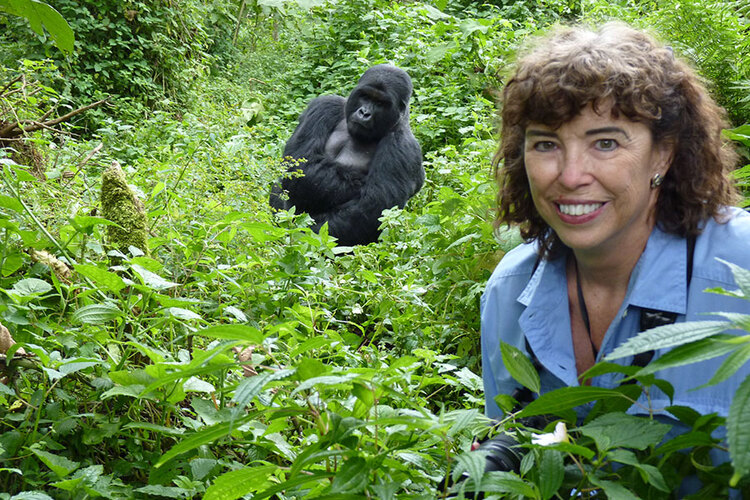
- Follow the ranger’s instructions.
- Keep the required distance from the gorillas.
- Do not touch the animals.
- Avoid loud voices and sudden movement.
- Do not use flash photography.
- Do not eat or drink near the gorillas.
- Do not leave rubbish in the forest.
- Cover your mouth and turn away if you need to cough or sneeze.
- Do not trek when you have a contagious illness.
- Remain with your assigned group.
- Respect the permitted viewing time.
If a gorilla moves closer, remain calm and follow the ranger’s directions. The correct response may depend on the situation. Therefore, do not act independently.
The official minimum age for gorilla trekking in Rwanda is 15 years. Families should also confirm Uganda’s applicable age rules before booking. Children below the permitted age can enjoy alternative activities with prior arrangements.
What to Pack for Gorilla Trekking
Packing correctly makes the trek safer and more comfortable.
Essential Clothing
Wear or carry:
- Lightweight long trousers
- A long-sleeved shirt
- Waterproof hiking shoes
- Long hiking socks
- A breathable rain jacket
- Gardening or trekking gloves
- A warm layer
- A hat
- Gaiters when conditions are muddy
Long sleeves and trousers protect the skin from plants, insects, and branches. Some travelers tuck their trousers into their socks to reduce insect exposure.
Avoid wearing heavy cotton clothing as your only layer. Cotton can remain wet for a long time. Quick-drying materials are generally more practical.
Daypack Essentials
Your trekking daypack may contain:
- Drinking water
- Packed lunch or snacks supplied by the lodge
- Camera
- Spare camera battery
- Waterproof bag
- Sunscreen
- Insect repellent
- Personal medicine
- Hand sanitizer
- Passport copy if requested
- Permit documentation if supplied
- Small towel or cloth
- Face covering if required by current park rules
Keep electronics in waterproof protection. Even when the sky looks clear, rain can arrive quickly.
Camera Equipment
A mirrorless camera or digital single-lens reflex camera with a medium telephoto lens can work well. However, heavy equipment can become difficult to manage on steep trails.
A lens in the general range of 70–200 mm offers flexibility, while a wider lens can be helpful when gorillas approach within the permitted viewing setting. Exact equipment depends on your photography style.
Remember that flash is prohibited. Therefore, understand your camera’s ISO, shutter speed, and exposure settings before entering the forest.
Photography Tips for a Private Gorilla Safari
Gorilla photography can be challenging because forests are dark and vegetation is dense. Moreover, the animals move and lighting changes quickly.
Use these practical tips:
- Prepare your settings before the gorillas are located.
- Use a faster shutter speed for moving animals.
- Increase ISO when necessary.
- Focus on the eyes.
- Take both close and environmental photographs.
- Avoid spending the entire encounter behind the camera.
- Protect equipment from rain and moisture.
- Bring spare batteries and memory cards.
- Listen to ranger instructions at all times.
- Never move beyond the permitted area for a better angle.
A private road safari also allows more photography stops outside the park. However, the gorilla trek itself remains controlled by park rules and group safety.
Accommodation for a Private Gorilla Safari
Both Rwanda and Uganda offer accommodation across several price levels.
Budget Accommodation
Budget lodges provide simple rooms, private or shared bathrooms, meals, and basic services. They are suitable for travelers who prioritize the wildlife experience over luxury facilities.
Always check the lodge’s distance from the correct trekking trailhead. A cheap room far from the permit sector can create costly and uncomfortable transport.
Midrange Lodges
Midrange lodges usually offer private bathrooms, comfortable beds, hot showers, restaurants, gardens, and better room design. Many also have fireplaces or views of the forest and mountains.
This category often provides the best balance between comfort and price.
Luxury Lodges
Luxury gorilla lodges may provide spacious cottages, high-quality dining, personal service, spa treatments, laundry, beautiful views, and premium guest experiences. Some rates include drinks or selected activities, while others do not.
Because inclusions vary, compare the full package instead of looking only at the nightly room rate.
Super-Luxury Lodges
Super-luxury accommodation delivers a highly personalized stay. Features may include private villas, dedicated hosts, premium dining, wellness experiences, conservation activities, and exclusive transfers.
Rwanda has an especially strong collection of high-end properties near Volcanoes National Park. Uganda also offers excellent luxury forest lodges in and around Bwindi.
Choosing the Right Lodge
Consider:
- Distance from the trailhead
- Permit sector
- Road access
- Meal plan
- Room type
- Heating or fireplace
- Laundry
- Dietary support
- Wi-Fi
- Views
- Accessibility
- Cancellation policy
- Included activities
- Single-room supplements
A beautiful lodge is not useful if it is located several hours from your assigned trekking sector. Therefore, route planning should come before brand preference.
Private Safari Transport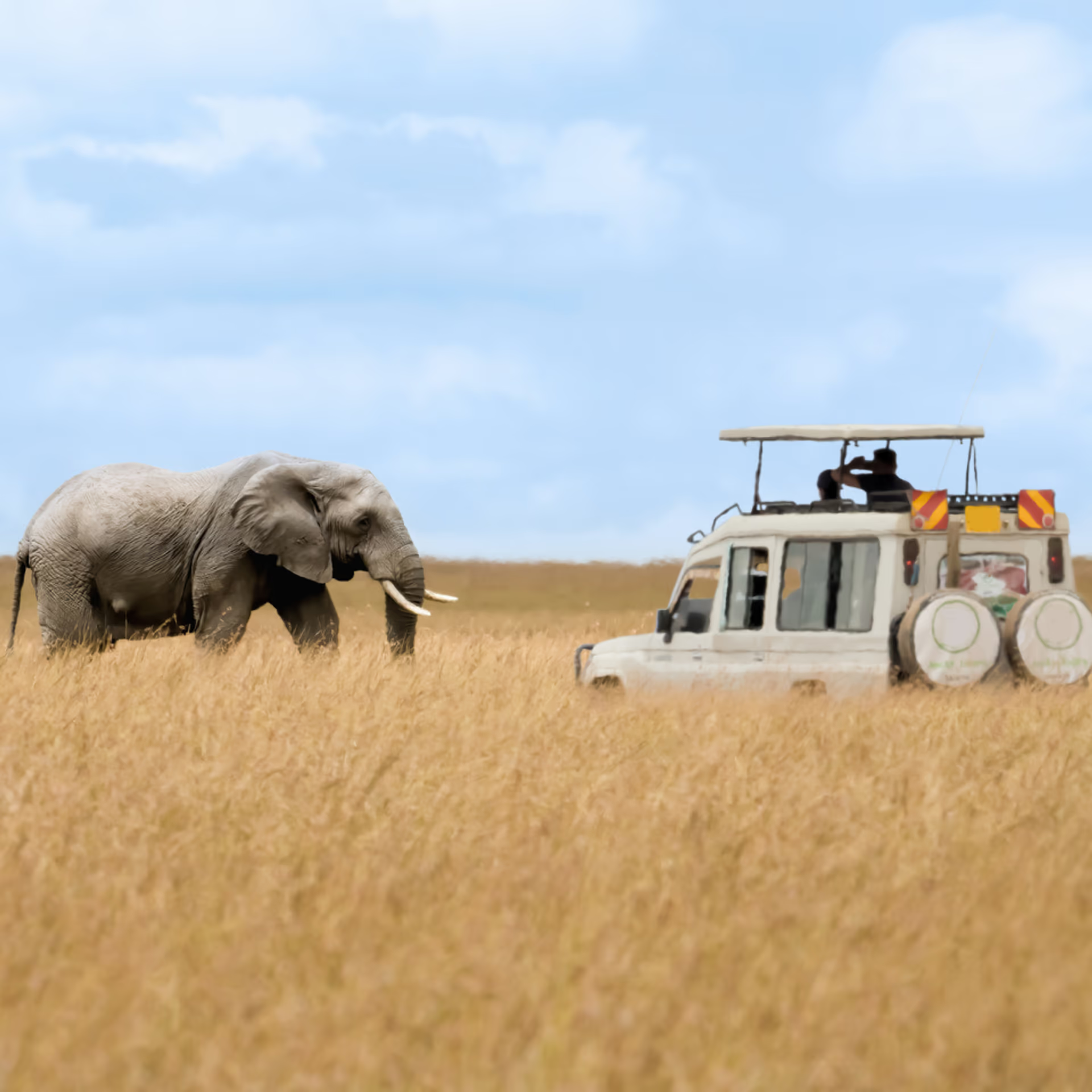
Most private gorilla safaris use a four-wheel-drive vehicle. The vehicle should be suitable for mountain roads, unpaved sections, national parks, and changing weather.
Common options include safari Land Cruisers, extended Land Cruisers, and other capable four-wheel-drive vehicles. Some have pop-up roofs for savannah game viewing.
A quality private transport service should include:
- Professional driver-guide
- Fuel
- Vehicle insurance
- Passenger insurance where applicable
- Bottled water
- Basic first-aid supplies
- Charging points where available
- Emergency communication
- Regular vehicle maintenance
- Replacement support in case of a serious breakdown
For two-country tours, the vehicle must also have the correct cross-border documents. The operator should manage these requirements before departure.
Crossing Between Rwanda and Uganda
Road travel between Rwanda and Uganda is common on private gorilla safaris. The correct border depends on the itinerary, trekking sector, road conditions, and current regulations.
Travelers must carry the original passport used for the booking. They should also have the correct visa or entry authorization.
The East African Tourist Visa allows tourism travel between Rwanda, Uganda, and Kenya. It is generally valid for 90 days and allows multiple travel within the three-country bloc, but it becomes invalid if the traveler exits that bloc. The issuing country should be the traveler’s first entry point. Uganda Directorate of Citizenship and Immigration Control.
Visa rules depend on nationality and may change. Therefore, travelers should verify requirements through official immigration websites before departure. Uganda’s official system states that visa-prone travelers should apply online, while Rwanda publishes visa-on-arrival and online application information for eligible visitors. Uganda e-Visa and Rwanda Immigration.
Do not use unofficial visa websites. Fraudulent sites may charge excessive fees or misuse personal information.
How Much Does a Private Gorilla Safari Cost?
The price depends on:
- Number of travelers
- Number of gorilla treks
- Rwanda or Uganda permit
- Travel season
- Lodge category
- Number of safari days
- Vehicle type
- Border-crossing costs
- Additional activities
- Domestic flights
- Guide services
- Single-room supplements
- Meals and drinks
- Special requests
A private safari for one person costs more per traveler because one guest covers the vehicle, fuel, and guide. As group size increases, these shared costs are divided among more people.
Main Cost Components
Gorilla Permits
Permits usually represent a large part of the budget. A traveler trekking once in each country must budget for two separate permits.
Accommodation
Accommodation can range from modest forest lodges to super-luxury properties costing several thousand dollars per night. Meal plans also influence the rate.
Private Vehicle and Guide
The transport price covers more than fuel. It includes the vehicle, professional driver-guide, maintenance, insurance, border paperwork, guide accommodation, and operational support.
Activities
Chimpanzee permits, golden monkey permits, game drives, boat cruises, community visits, and canopy walks add to the total.
Flights
Some travelers use scheduled or charter flights to reduce long road transfers. Flights save time but increase the safari cost.
Ways to Manage the Budget
To obtain better value:
- Travel with two to six guests.
- Trek in Uganda if the permit price suits your plan.
- Use Kigali as the gateway to southern Uganda.
- Combine midrange and luxury lodges.
- Avoid unnecessary one-night stops.
- Book early.
- Choose meaningful activities instead of filling every day.
- Ask for an itemized quotation.
- Confirm every inclusion before paying.
The cheapest itinerary is not always the best value. Poor route planning can lead to long drives, missed activities, unsuitable lodges, and unexpected fees.
Sample 4-Day Private Rwanda Gorilla Safari
Day 1: Arrival in Kigali
Meet your private driver-guide at Kigali International Airport. Transfer to your hotel and receive a safari briefing. Depending on your arrival time, relax or explore a nearby part of Kigali.
Day 2: Kigali to Volcanoes National Park
Visit selected Kigali attractions, which may include the Kigali Genocide Memorial, a local market, an art center, or a cultural project. After lunch, drive through Rwanda’s hills toward Volcanoes National Park.
Check in at your lodge near Kinigi or Musanze. Enjoy dinner and prepare your trekking equipment.
Day 3: Gorilla Trekking
After an early breakfast, transfer to the park headquarters for registration and briefing. Join your assigned trekking group and enter the forest.
Once the gorillas are found, enjoy the permitted observation period. Later, return to the lodge for lunch and rest. An optional cultural visit can be arranged if time and energy allow.
Day 4: Return to Kigali
Enjoy breakfast before driving back to Kigali. Stop for photographs or local shopping when suitable. Transfer to the airport or a Kigali hotel.
Sample 5-Day Private Uganda Gorilla Safari From Kigali
Day 1: Kigali Arrival
Meet your guide at the airport and transfer to your Kigali hotel. Depending on the flight time, take a short city tour.
Day 2: Kigali to Bwindi
Drive from Kigali toward the Rwanda–Uganda border. Complete immigration procedures with assistance from your guide. Continue through the scenic highlands to your lodge near the correct Bwindi sector.
Day 3: Gorilla Trekking in Bwindi
Report to the trailhead for the morning briefing. Trek through Bwindi with rangers and trackers. After locating the gorilla family, enjoy the controlled viewing period.
Return to the lodge for rest. If appropriate, a community experience may be arranged later.
Day 4: Lake Bunyonyi or Cultural Experience
Travel to Lake Bunyonyi for relaxation, canoeing, or a boat trip. Alternatively, spend another day near Bwindi and enjoy a forest or community activity.
Day 5: Return to Kigali
Drive back across the border to Rwanda. Continue to Kigali International Airport or your city hotel.
Sample 8-Day Private Gorilla Safari Rwanda and Uganda
Day 1: Arrival in Kigali
Airport pickup and transfer to your hotel.
Day 2: Kigali City Tour and Volcanoes Transfer
Explore Kigali with a private guide. Later, drive to Volcanoes National Park.
Day 3: Rwanda Gorilla Trekking
Complete a gorilla trek in Volcanoes National Park. Relax at the lodge afterward.
Day 4: Golden Monkeys and Transfer to Uganda
Track golden monkeys in the morning. After lunch, cross into Uganda and continue to Mgahinga or southern Bwindi.
Day 5: Uganda Gorilla Trekking
Trek a second gorilla family in Uganda. Compare the forest, scenery, and experience with your Rwanda trek.
Day 6: Lake Bunyonyi
Travel to Lake Bunyonyi for rest and a boat experience.
Day 7: Return to Kigali
Cross back into Rwanda. Enjoy a relaxed evening in Kigali.
Day 8: Departure
Transfer to Kigali International Airport.
Sample 10-Day Rwanda and Uganda Primate Safari
A longer itinerary may include:
- Kigali city tour
- Volcanoes gorilla trekking
- Golden monkey trekking
- Bwindi gorilla trekking
- Queen Elizabeth National Park
- Kazinga Channel boat cruise
- Kibale chimpanzee trekking
- Bigodi Wetland Sanctuary
- Transfer to Entebbe
This route works well for travelers who want gorillas, chimpanzees, savannah wildlife, birds, and cultural experiences in one journey.
Combining Gorilla Trekking With Other Experiences
Golden Monkey Trekking
Golden monkeys live in the Virunga region and can be tracked in Rwanda’s Volcanoes National Park and Uganda’s Mgahinga Gorilla National Park.
The activity is generally less demanding than some gorilla treks, although this varies. Golden monkeys move quickly through bamboo vegetation, making photography lively and challenging.
Chimpanzee Trekking
Rwanda offers chimpanzee trekking in Nyungwe National Park. Uganda’s best-known destination is Kibale National Park, while other chimpanzee experiences are available in selected forests.
Chimpanzees are active and vocal. Therefore, the encounter feels different from the quieter observation of mountain gorillas.
Akagera National Park
Akagera is Rwanda’s main savannah safari destination. Visitors can take game drives and boat trips while looking for elephants, buffaloes, giraffes, hippos, lions, rhinos, antelopes, and many bird species.
A Rwanda gorilla and wildlife safari commonly combines Volcanoes National Park with Akagera.
Queen Elizabeth National Park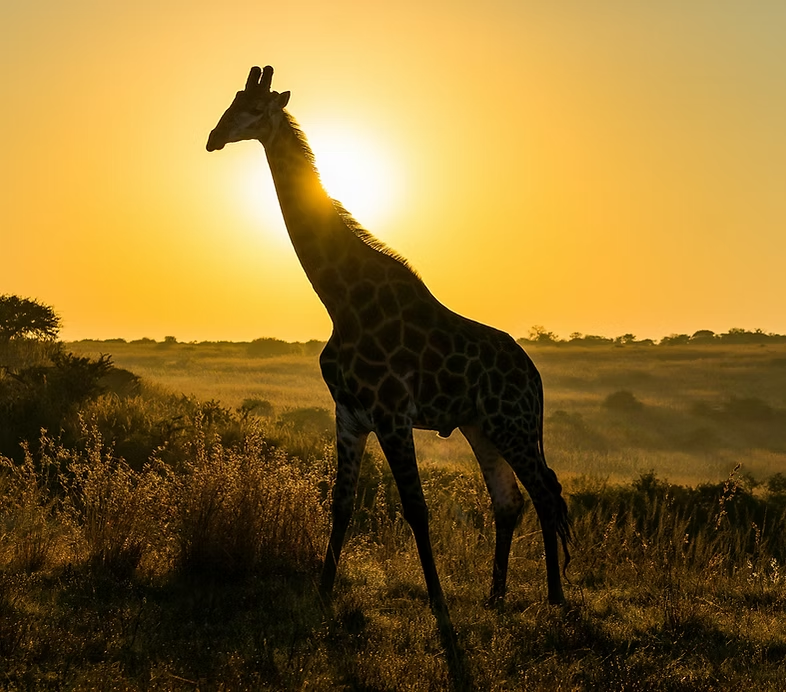
Queen Elizabeth National Park is a natural addition to a Bwindi safari. The park offers game drives, beautiful crater landscapes, and boat trips on the Kazinga Channel.
Wildlife may include elephants, buffaloes, hippos, antelopes, lions, and numerous birds. Sightings always depend on nature and cannot be guaranteed.
Lake Kivu
Lake Kivu offers a relaxing break after gorilla trekking. Visitors can enjoy boat trips, coffee experiences, lake views, and sections of the Congo Nile Trail.
Popular bases include Gisenyi or Rubavu, Kibuye or Karongi, and Rusizi.
Lake Bunyonyi
Lake Bunyonyi lies in southwestern Uganda. Its terraced hills and islands create a peaceful setting after a Bwindi trek.
Visitors can take boat trips, enjoy local experiences, or simply rest at a lakeside lodge.
Is a Private Gorilla Safari Safe?
Rwanda and Uganda receive many international safari visitors. Reputable tour operators monitor routes, park procedures, weather, border conditions, and local updates.
Still, every traveler should use normal precautions:
- Book with a licensed and established operator.
- Purchase comprehensive travel insurance.
- Follow park and guide instructions.
- Keep valuables secure.
- Avoid walking alone in unfamiliar areas at night.
- Use official visa websites.
- Carry copies of important documents.
- Consult a medical professional about travel health.
- Check current government travel advice.
- Share dietary, medical, and mobility needs early.
Private transport adds convenience because a known guide manages your movements throughout the itinerary.
Health and Travel Preparation
Travelers should consult a qualified travel-health professional before departure. Advice depends on personal health, itinerary, travel history, and current regulations.
Topics to discuss may include:
- Routine vaccinations
- Yellow fever documentation
- Malaria prevention
- Insect-bite prevention
- Prescription medication
- Altitude
- Food and water precautions
- Travel insurance
- Fitness for trekking
Carry essential medicine in your hand luggage. Keep it in its original packaging and bring enough for the full trip, plus a small reserve for reasonable delays.
If you develop signs of a contagious illness before the gorilla trek, inform the operator. Protecting the gorillas must take priority.
Responsible and Sustainable Gorilla Tourism
Gorilla tourism supports conservation when it is carefully managed. Permit revenue helps fund park protection, veterinary monitoring, research, ranger operations, and community programs.
Visitors can improve their positive impact by:
- Following every trekking rule
- Hiring local porters
- Staying in responsibly managed lodges
- Buying locally made products
- Respecting community photography rules
- Reducing single-use plastic
- Avoiding wildlife disturbance
- Using licensed guides
- Supporting genuine conservation projects
- Never purchasing wildlife products
Responsible travel also requires respectful cultural behavior. Ask before photographing people, dress appropriately, and avoid treating communities as entertainment.
Choosing a Private Gorilla Safari Operator
The tour operator has a major influence on the quality of the journey. Before booking, check whether the company provides:
- Legal registration and tourism credentials
- Clear contact information
- Recent client reviews
- Detailed written itineraries
- Itemized inclusions and exclusions
- Secure payment methods
- Permit-booking procedures
- Appropriate vehicle insurance
- Experienced guides
- Emergency support
- Fair cancellation conditions
- Cross-border operating experience
Ask for a quotation that identifies the lodge, room type, meal plan, vehicle type, activities, and permit cost. Avoid descriptions that only say “luxury hotel” or “safari transport” without naming the actual service.
A professional operator should explain trade-offs honestly. For example, a lower-cost lodge may require a longer drive, while an attractive itinerary may include too many activities for the available time.
Frequently Asked Questions
Is Gorilla Trekking Guaranteed?
A valid permit allows you to participate in the trek, but wildlife sightings can never carry an absolute guarantee. Trackers monitor gorilla movements, and sightings are very successful. However, gorillas remain wild animals in a natural forest.
Can I Take a Private Gorilla Trek?
Your wider safari can be completely private. The actual trek normally includes other permit holders assigned by the park authority. Ask your operator about any available exclusive arrangements, but do not assume they are included.
How Close Can Visitors Get to Gorillas?
Park authorities set a minimum viewing distance. Rangers explain the current rule during the briefing. Gorillas may sometimes move closer, but visitors must remain calm and follow instructions.
How Long Do Visitors Spend With Gorillas?
A standard trek usually permits up to one hour with the gorillas after they are located. Uganda’s Gorilla Habituation Experience generally offers a longer observation period under its specific rules.
What Is the Minimum Age?
Rwanda’s official minimum gorilla trekking age is 15. Families should confirm the current rule for their chosen Uganda activity before buying permits.
Can Older Travelers Trek Gorillas?
Yes, many older travelers complete gorilla treks. Fitness and mobility matter more than age alone. Discuss health and walking ability with the operator before booking.
Can Solo Travelers Book a Private Safari?
Yes. A solo private gorilla safari offers maximum flexibility and personal guiding. However, the per-person cost is higher because one traveler covers the private vehicle and guide.
Are Gorilla Permits Included in Safari Prices?
Some quotations include permits, while others list them separately. Always check the written inclusions.
Should I Trek in Rwanda or Uganda?
Choose Rwanda for convenient access, short itineraries, and a strong luxury lodge selection. Choose Uganda for multiple trekking sectors, wider safari combinations, and a lower standard permit price under the published tariff. Choose both for the most complete experience.
How Many Days Are Recommended?
Allow at least three days for a comfortable Rwanda gorilla safari and four or five days for a Uganda gorilla tour from Kigali. Seven to fourteen days is ideal for a combined primate and wildlife journey.
Final Planning Advice
A Private Gorilla Safari Rwanda and Uganda should be planned around permits, not only hotels or flights. First, choose the destination and approximate dates. Next, check permit availability. Then match the permit sector with suitable accommodation and an efficient driving route.
Book early when traveling during June to September, December, or the New Year period. Also disclose fitness, mobility, dietary, and medical requirements before confirmation. These details help the operator choose suitable lodges and create a realistic schedule.
Most importantly, leave enough time between activities. Gorilla trekking can be tiring, and long road transfers may take more time than expected. A well-paced itinerary feels more enjoyable than a rushed list of attractions.
With professional planning, private transport, carefully selected lodges, and experienced local guides, a gorilla safari can become much more than a wildlife encounter. It can connect Rwanda’s volcanic landscapes, Uganda’s ancient forests, local communities, conservation work, and some of Africa’s most remarkable animals.
Plan Your Private Gorilla Safari Rwanda and Uganda
Universal Ventures Rwanda organizes tailor-made gorilla trekking tours in Rwanda and Uganda. Services include confidential quotations, permit assistance, private four-wheel-drive vehicles, experienced guides, accommodation booking, cross-border logistics, and 24-hour local support.
Universal Ventures Rwanda
Address: KK 15 Road, Kigali, Rwanda
Telephone/WhatsApp: +250 781 441 853
Email: info@rwandagorillatours.rw
Contact the team with your preferred dates, number of travelers, accommodation level, trip duration, and desired activities. You can then receive a customized Private Gorilla Safari Rwanda and Uganda itinerary based on your interests and budget.