
First-Time Gorilla Safari Rwanda and Uganda Guide
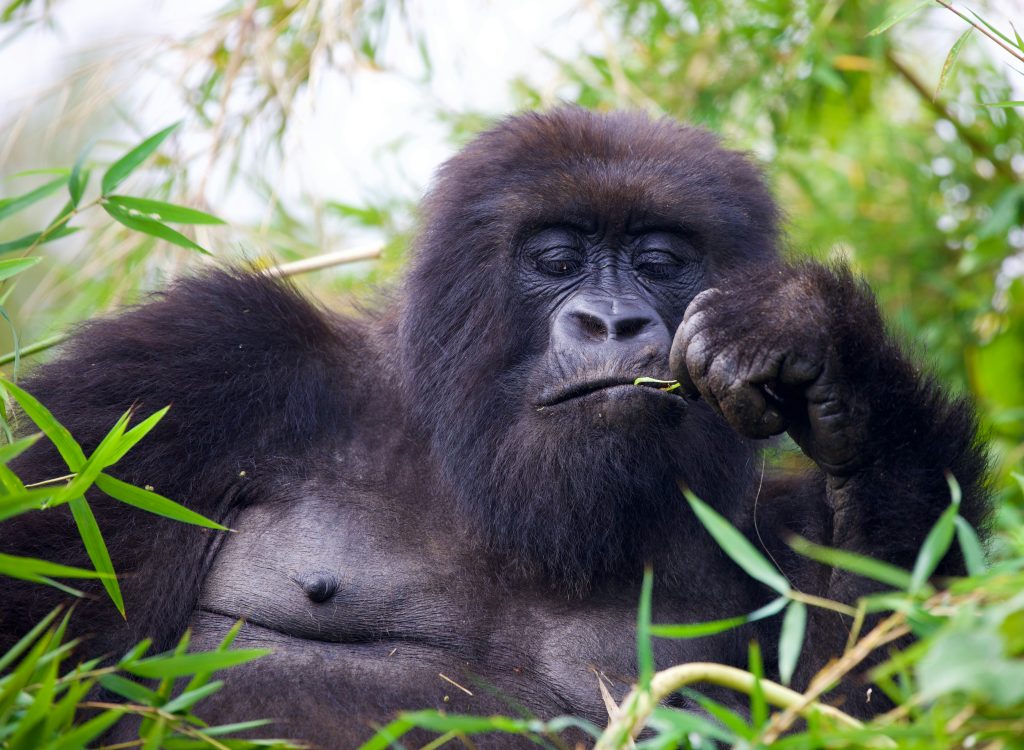
A first encounter with mountain gorillas is one of Africa’s most memorable wildlife experiences. Unlike a traditional safari, where animals are usually observed from a vehicle, gorilla trekking takes you into the forest on foot. Accompanied by professional rangers, trackers and porters, you walk through mountain vegetation until you reach a habituated gorilla family living freely in its natural environment.
The experience is intimate, carefully controlled and deeply moving. You may watch a silverback resting beneath thick vegetation, young gorillas playing on nearby branches, or a mother quietly carrying her infant. However, reaching that moment requires thoughtful preparation. Travelers must choose between Rwanda and Uganda, secure a limited gorilla permit, select the correct accommodation, prepare for unpredictable terrain and understand the rules protecting the gorillas.
This First-Time Gorilla Safari Rwanda and Uganda Guide explains the complete journey from initial research to trekking day. It covers gorilla permit prices, the differences between Rwanda and Uganda, the best trekking destinations, travel costs, accommodation, fitness, packing, safety, visas, sample itineraries and responsible tourism.
Whether you are organizing a short gorilla trek from Kigali or planning a longer Uganda primate safari, this guide will help you make informed decisions and avoid common booking mistakes.
Why Go on a Gorilla Safari in Rwanda or Uganda?
Mountain gorillas are among the rarest and most closely protected primates in the world. They survive naturally in only a small part of East and Central Africa. Their habitat includes the Virunga mountain range, which crosses Rwanda, Uganda and the Democratic Republic of Congo, as well as Uganda’s Bwindi Impenetrable Forest.
Seeing these animals in the wild is completely different from seeing gorillas in captivity. The forest determines the experience. There are no artificial feeding areas, viewing platforms or predetermined photo locations. The gorillas decide where they travel, feed and rest.
Several qualities make a mountain gorilla safari extraordinary.
A genuinely wild encounter
The gorillas you visit are habituated rather than domesticated. Habituation is a gradual process in which a gorilla family becomes accustomed to the controlled presence of researchers, conservation staff and small groups of visitors.
The gorillas remain wild. They move freely, choose their own food and maintain natural social relationships. Rangers do not command them or arrange the family for photographs.
Small trekking groups
The number of visitors assigned to each gorilla family is strictly limited. A standard trekking group commonly includes no more than eight visitors, although the wildlife authority determines the final arrangement.
Small groups reduce pressure on the gorillas and give travelers a quieter forest experience. They also allow rangers to manage movement, safety and viewing positions more effectively.
An important conservation contribution
Gorilla permit revenue supports the people and systems required to protect the parks. These include rangers, trackers, veterinary monitoring, habitat protection, research and community-related conservation programs.
Tourism also creates employment for driver-guides, lodge workers, porters, farmers, craftspeople and local activity providers. When managed responsibly, a gorilla safari connects wildlife protection with economic opportunities around the parks.
A personal and emotional experience
Many travelers describe gorilla trekking as more reflective than a conventional safari. Gorillas share recognizable behaviors, including play, grooming, communication, protection of infants and family interaction.
Their familiarity can feel powerful, but visitors should avoid treating them like humans or pets. The most respectful experience comes from observing quietly and allowing the gorillas to behave naturally.
Where Can You See Mountain Gorillas?
Travelers planning gorilla trekking in Rwanda or Uganda have three principal destinations:
- Volcanoes National Park in Rwanda
- Bwindi Impenetrable National Park in Uganda
- Mgahinga Gorilla National Park in Uganda
Each park offers a legitimate mountain gorilla experience, but the landscapes, access, accommodation and wider itineraries differ.
First-Time Gorilla Safari Rwanda and Uganda Guide to the Main Parks
Volcanoes National Park in Rwanda
Volcanoes National Park lies in northwestern Rwanda, close to Musanze. The park protects Rwanda’s portion of the Virunga Mountains, a dramatic chain of volcanoes extending across Rwanda, Uganda and the Democratic Republic of Congo.
Its gorilla habitat includes bamboo forest, montane vegetation and high-altitude slopes. On clear days, the volcanic scenery creates one of Africa’s most impressive safari landscapes.
One of Volcanoes National Park’s greatest advantages is accessibility. The journey from Kigali usually takes approximately two and a half to three hours under normal conditions. This allows travelers to organize a relatively short Rwanda gorilla safari without spending an entire day driving from the international airport.
Most visitors arrive near the park one day before trekking. On the following morning, they travel to the official briefing point, meet the ranger team and receive their gorilla family allocation.
Volcanoes National Park works especially well for: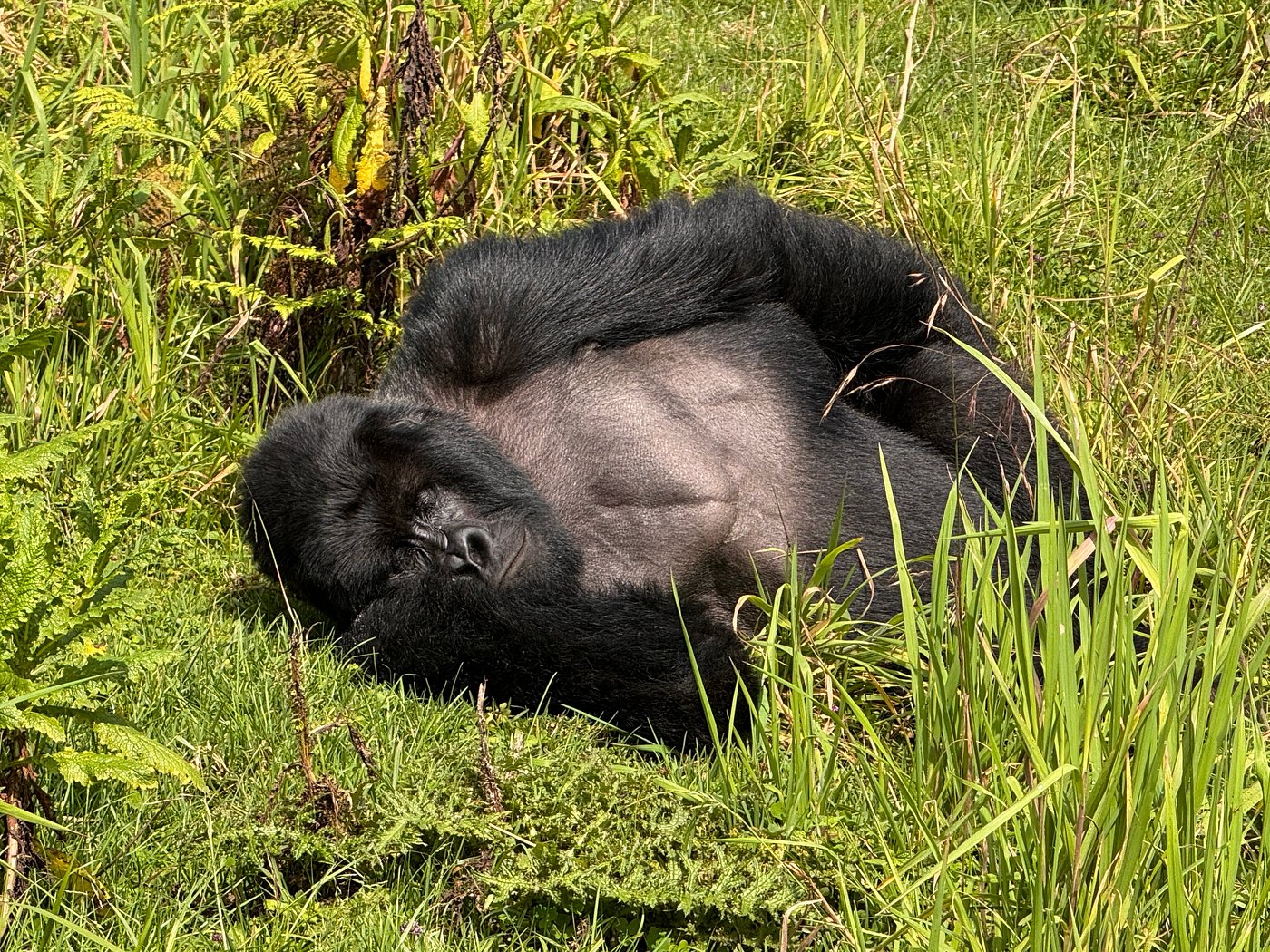
- Short two- or three-day gorilla safaris
- Luxury gorilla trekking holidays
- Travelers arriving through Kigali
- First-time visitors who prefer shorter transfers
- Couples and honeymoon travelers
- Travelers combining gorillas with golden monkeys
- Visitors adding Lake Kivu, Akagera or Nyungwe
Activities around the park can include golden monkey trekking, conservation education, selected cultural experiences, Twin Lakes visits and guided hikes.
A visit to the Ellen DeGeneres Campus of the Dian Fossey Gorilla Fund can also add important context. It introduces travelers to gorilla science, conservation history and the continuing work required to protect mountain gorillas.
Bwindi Impenetrable National Park in Uganda
Bwindi Impenetrable National Park is located in southwestern Uganda. This UNESCO World Heritage Site protects an exceptionally rich rainforest ecosystem and one of the world’s most significant mountain gorilla populations.
The word “impenetrable” reflects the forest’s dense vegetation, steep ridges, tangled plants and deep valleys. Although rangers and trackers help participants move through the forest, trekking conditions can be physically demanding.
Bwindi is divided into separate gorilla trekking sectors. These commonly include:
- Buhoma
- Ruhija
- Rushaga
- Nkuringo
This sector system is extremely important. A permit assigned to Rushaga, for example, should generally be matched with accommodation serving Rushaga. Staying in the wrong sector can create a long and difficult morning transfer, potentially putting the trek at risk.
Buhoma is one of Bwindi’s longest-established tourism areas. It can combine well with routes through the Ishasha area of Queen Elizabeth National Park.
Ruhija sits at higher elevation and offers impressive forest scenery. It may suit itineraries connecting through Kabale or other parts of southwestern Uganda.
Rushaga has a strong collection of trekking options and is frequently used for journeys starting or ending in Kigali.
Nkuringo is known for beautiful highland views and steep terrain. It also works well for selected cross-border itineraries.
Bwindi is particularly suitable for:
- Longer Uganda safari holidays
- Travelers seeking a deep rainforest environment
- Visitors combining gorillas and chimpanzees
- Travelers adding Queen Elizabeth National Park
- Budget-conscious or midrange visitors
- Photographers planning more than one gorilla trek
- Travelers entering southwestern Uganda from Rwanda
Because Bwindi is far from Entebbe by road, visitors should allocate enough time. Domestic flights can shorten the journey, but they still require road transfers between the airstrip and the lodge.
Mgahinga Gorilla National Park in Uganda
Mgahinga Gorilla National Park is Uganda’s smaller mountain gorilla destination. It protects part of the Virunga Massif near Kisoro and the borders with Rwanda and the Democratic Republic of Congo.
The park’s volcanic setting gives it a different character from Bwindi. Bamboo forest, mountain views and open sections of vegetation can create excellent scenery.
Mgahinga has fewer gorilla trekking opportunities than Bwindi, so permit availability may be more limited. However, it can be an excellent choice when permits align with the traveler’s dates.
The park also offers golden monkey tracking. This makes it possible to combine two distinctive primate experiences while staying in the Kisoro area.
Mgahinga is worth considering for:
- Travelers entering Uganda from Kigali
- Visitors staying around Kisoro
- Gorilla and golden monkey combinations
- Travelers attracted to volcanic scenery
- Short southwestern Uganda itineraries
- Visitors seeking an alternative to Bwindi
Rwanda vs Uganda Gorilla Trekking
Choosing between Rwanda and Uganda is the most important decision for many first-time travelers. Both countries provide regulated mountain gorilla trekking, experienced ranger teams and remarkable wildlife encounters.
The better destination depends on your budget, available time, preferred accommodation, route and other safari interests.
Accessibility
Rwanda offers the easiest international access for a short gorilla safari. Kigali International Airport is only a few hours from Volcanoes National Park.
A traveler can arrive in Kigali, sleep in the city, transfer to the park the next morning and trek the following day. This makes Rwanda particularly attractive for visitors adding gorilla trekking before or after another African destination.
Uganda requires more travel time when starting from Entebbe. Driving from Entebbe or Kampala to Bwindi commonly occupies most of a day and may be divided with an overnight stop.
Travelers can reduce road time by taking a scheduled domestic flight to an airstrip serving southwestern Uganda. However, the flight cost and final road transfer must be included in the budget.
Another practical option is to enter Bwindi or Mgahinga from Kigali. Depending on the selected sector and border conditions, this can be considerably shorter than driving from Entebbe.
Gorilla permit price
Rwanda’s standard international gorilla permit costs USD 1,500 per person.
Uganda’s recently published foreign nonresident price has been USD 800 per person. Because Uganda Wildlife Authority tariffs apply to stated periods and may be revised, travelers should confirm the rate covering their actual trekking date.
Permit price is only one part of the total safari cost. Rwanda’s more expensive permit may be balanced partly by shorter transfers and fewer required nights. Uganda’s lower permit price can provide excellent value, but longer transport, additional accommodation or domestic flights affect the overall calculation.
Landscape and trekking atmosphere
Volcanoes National Park offers bamboo forest, volcanic slopes and expansive mountain scenery. Some areas feel more open than the thickest parts of Bwindi.
Bwindi creates a classic rainforest atmosphere. The forest is ancient, layered and highly biodiverse. Dense vegetation and steep ridges can make the trek feel more adventurous.
Mgahinga combines Virunga scenery with bamboo forest and volcanic terrain.
No destination can guarantee an easy trek. Gorillas move every day, and the difficulty depends on where the allocated family is located, the weather, trail conditions and the fitness of the participant.
Accommodation
Rwanda has an especially strong selection of high-end gorilla lodges. Travelers can choose from comfortable locally operated properties, quality midrange lodges and internationally recognized luxury accommodation.
Uganda also offers options across different budgets. Bwindi’s major sectors contain everything from simple guesthouses to premium forest lodges.
The essential consideration in Uganda is location. A lodge should match the trekking sector named on the permit.
Wider safari opportunities
Rwanda is ideal for travelers who want a compact national itinerary. Volcanoes National Park can be combined with:
- Kigali
- Akagera National Park
- Lake Kivu
- Nyungwe National Park
- Golden monkey trekking
- Cultural and conservation experiences
Uganda is well suited to longer, more varied wildlife circuits. Bwindi or Mgahinga can be combined with:
- Kibale National Park
- Queen Elizabeth National Park
- Lake Mburo National Park
- Murchison Falls National Park
- Golden monkey tracking
- Chimpanzee tracking
- Lake Bunyonyi
- Community-led activities
General recommendation
Choose Rwanda when:
- You have only two to four days
- You prefer shorter road transfers
- You want a polished luxury experience
- Kigali is your main international gateway
- Convenience matters more than permit price
- You plan to continue to another country by air
Choose Uganda when:
- You have five days or longer
- Permit cost is a major consideration
- You want a broader overland safari
- You wish to combine gorillas and chimpanzees
- You enjoy remote forest destinations
- You want several national parks in one itinerary
Choose both countries when:
- You have at least seven to ten days
- You want a cross-border primate safari
- You would like to trek twice
- You want Rwanda’s accessibility and Uganda’s forest variety
- You prefer entering southwestern Uganda through Kigali
Understanding Gorilla Trekking Permits
A gorilla permit is official authorization for one person to participate in a gorilla trek on a specific date. It is not an open ticket that can be used whenever the traveler arrives.
Permits are limited because only a controlled number of people may visit each habituated gorilla family daily. Once permits for a date sell out, travelers must select another date or destination.
What does a gorilla permit include?
The exact terms depend on the country, but a standard permit generally covers:
- Participation in the official gorilla trek
- Services of the park ranger team
- Gorilla tracking arrangements
- The regulated viewing period
- Relevant park access connected to the activity
- Conservation-related contributions included by the authority
A gorilla permit generally does not cover:
- Accommodation
- Airport transfers
- Private safari transport
- Meals outside the park arrangement
- Porter services
- Visa fees
- Travel insurance
- Personal equipment
- Tips
- Additional activities
Rwanda gorilla permit cost
The standard Rwanda gorilla permit for international travelers is USD 1,500 per person.
Special promotional, resident or regional categories may sometimes exist, but travelers should not assume they qualify. Eligibility may depend on nationality, legal residency, travel dates or other conditions.
Ask for written confirmation before paying under a discounted category.
Uganda gorilla permit cost
Uganda’s recent official tariff listed the foreign nonresident gorilla tracking permit at USD 800 per person. Other categories were available for eligible foreign residents, residents of other African countries and East African citizens.
Uganda also offers a separate Gorilla Habituation Experience at a higher price. This is not the same as an ordinary gorilla trek and has different arrangements.
Since tariffs are updated periodically, request the official price for the exact travel date.
When should you reserve permits?
For peak periods, reserving six to twelve months ahead is sensible. Popular dates include:
- June through September
- Christmas and New Year
- Easter holidays
- July and August family holidays
- Major international vacation periods
Permits may still be available closer to departure, particularly during quieter months. However, last-minute availability should never be assumed.
Information required for permit booking
The operator or booking authority may request:
- Full name as shown on the passport
- Passport number
- Nationality
- Date of birth
- Passport expiration date
- Residency information where applicable
- Preferred trekking date
- Alternative dates
Check every detail before the permit is issued. Correcting mistakes later may require administrative approval.
Cancellation and rescheduling
Gorilla permits normally have stricter terms than hotels. Cancellation may result in partial or complete loss of the permit payment.
Rescheduling may depend on:
- Availability on the new date
- The reason for the request
- How early the request is submitted
- Administrative charges
- The wildlife authority’s current policy
- Whether the change remains within an allowed period
Do not rely on an old blog post for cancellation terms. Request the conditions applying at the time of booking.
Travel insurance may provide protection for certain covered circumstances, but policies differ. Confirm whether gorilla permits, trekking activities and cancellation for medical reasons are included.
First-Time Gorilla Safari Rwanda and Uganda Guide to Trekking Day
Gorilla trekking day begins early. Your lodge may serve breakfast before sunrise, after which your driver-guide takes you to the designated park meeting point.
The exact process varies by park and sector, but most trekking days follow a similar structure.
Early breakfast and departure
Prepare your clothing and daypack the previous evening. Breakfast is normally served early enough to reach the park before registration and briefing.
Take the identification and permit information requested by your operator. Your driver-guide will usually assist with check-in.
Registration and briefing
Park staff verify participants and explain the day’s procedures. Rangers cover essential rules, including:
- Maintaining the required distance
- Avoiding flash photography
- Keeping voices low
- Following ranger instructions
- Not eating near gorillas
- Remaining with the group
- Protecting the forest from litter
- Reporting illness honestly
Listen carefully even if you have already read the rules. The ranger’s instructions reflect conditions on that particular day.
Gorilla family allocation
Participants are divided into small groups and assigned to habituated gorilla families.
Allocation may consider operational information, including:
- The gorilla families available
- Their most recent known locations
- Group size
- Visitor mobility
- Fitness considerations
- Ranger deployment
- Park management requirements
Tell the ranger or your driver-guide about a genuine mobility concern. Staff may try to consider it, but nobody can promise the shortest trek. Gorillas move freely, and their location can change after allocation.
Reaching the trailhead
Some treks begin near the meeting point. Others require an additional drive to a trailhead.
At the trailhead, visitors meet the ranger team and porters. This is the best time to hire a porter if one has not already been arranged.
Entering the forest
The trek may pass through community farmland, bamboo, rainforest, streams, ridges and thick vegetation. Rangers lead the group while trackers communicate information about the gorillas’ location.
Participants should stay together and move at a sustainable pace. This is not a race. The ranger may stop the group for rest, water or updated tracking information.
Approaching the gorillas
When trackers locate the gorilla family, the ranger normally prepares the group before the final approach.
Food, large bags and walking sticks may need to remain with the porters at a safe point. Cameras should be ready with flash disabled.
The group then approaches quietly under ranger control.
The viewing hour
Standard gorilla trekking normally permits up to one hour with the gorilla family after it is located.
The gorillas may be:
- Feeding
- Resting
- Grooming
- Moving through vegetation
- Climbing
- Caring for infants
- Playing
- Communicating with one another
Not every family member will necessarily be visible at the same time. Dense forest is part of the experience.
Rangers help visitors find safe viewing positions, but they cannot direct the gorillas or guarantee unobstructed photographs.
Returning from the forest
After the viewing period, the group withdraws and walks back to the trailhead.
The return can still be physically demanding, so keep some water and energy in reserve. Depending on the gorillas’ location, you may return around midday or later in the afternoon.
Once back at the lodge, lunch, a shower and rest are usually the best plan. Avoid booking a fixed afternoon activity that cannot be moved.
How Difficult Is Gorilla Trekking?
Gorilla trekking ranges from moderate to strenuous. Some visitors reach their assigned family relatively quickly, while others walk for several hours.
The difficulty depends on:
- The gorillas’ location
- The trekking sector
- Elevation
- Rain
- Mud
- Vegetation
- Steepness
- Distance
- The participant’s fitness
- The pace of the group
A trek described as easy on one day can be more challenging the next because the gorillas have moved.
Altitude
Volcanoes National Park and Mgahinga are high-altitude destinations. Travelers arriving from lower elevation may notice heavier breathing during uphill sections.
Bwindi also contains elevated and steep terrain, particularly in certain sectors.
Arriving near the park a day early gives your body time to adjust and prevents the trek from beginning immediately after a tiring international journey.
Fitness preparation
You do not need to be an athlete. However, regular preparation improves comfort and confidence.
Useful training may include:
- Brisk walking
- Hill walking
- Climbing stairs
- Moderate hiking
- Balance exercises
- Walking on uneven ground
- Gradually increasing distance
Begin several weeks before departure rather than attempting intense exercise at the last minute.
If you have an important medical or mobility concern, obtain suitable professional advice before travel. Explain your practical needs to the tour operator early.
Why you should hire a porter
Hiring a porter is strongly recommended, even if your bag feels light at the start.
A porter can:
- Carry your daypack
- Help on slippery sections
- Offer stability when crossing difficult ground
- Reduce fatigue
- Keep your hands free
- Assist during steep climbs and descents
Porter work also provides direct income to communities around the parks. What may seem like a small expense to a visitor can be meaningful local employment.
Use the official porter system at the trekking point and follow local guidance regarding payment and tips.
Gorilla Trekking Rules
Gorilla trekking rules protect the animals, the forest and the visitors. Mountain gorillas are vulnerable to human diseases because of their biological similarity to us.
Rules may be updated, and ranger instructions always take priority. The following principles commonly apply.
Maintain the required distance
Visitors are generally instructed to remain at least seven meters from the gorillas.
Vegetation and gorilla movement can make distance difficult to judge. If a gorilla comes closer, do not reach toward it, run away or make a sudden movement. Stay calm and follow the ranger’s directions.
Never touch a gorilla
Gorillas are not pets. Touching can expose them to disease and interfere with natural behavior.
Even when an animal approaches voluntarily, visitors must not initiate physical contact.
Do not trek when seriously ill
Tell your guide if you have fever, flu symptoms or a contagious respiratory illness.
A visitor may be prevented from trekking when illness could endanger the gorillas. Although missing the experience is disappointing, hiding symptoms puts an endangered population at risk.
Do not use flash
Flash photography is prohibited. Disable automatic flash before entering the forest.
Check phones, compact cameras and professional cameras because flash settings can reactivate when a device changes mode.
Keep voices low
Quiet conversation allows the group to hear ranger instructions and reduces disturbance.
Do not shout, play audio, imitate gorilla calls or try to attract attention for a photograph.
Do not eat or drink near the gorillas
Food and drinks must remain packed away during the encounter. Eating can attract attention and create contamination risks.
The ranger will indicate when the group can safely stop for water or lunch.
Remain with the group
Do not leave the ranger-led group to find a different angle.
Separating can damage vegetation, disturb the gorillas and create safety problems.
Do not litter
Carry all waste out of the forest. This includes food wrappers, tissues, bottles and photography accessories.
If an urgent toilet situation occurs during a long trek, speak privately with the ranger and follow the official procedure.
Respect the viewing limit
The standard viewing period is normally limited to one hour.
If the gorillas show signs of stress or the ranger identifies another concern, the encounter may end earlier. The animals’ welfare takes priority.
What to Pack for Gorilla Trekking
The best gorilla trekking clothing is practical rather than fashionable. Prepare for mud, rain, vegetation, insects and temperature changes.
Waterproof hiking boots
Wear comfortable waterproof hiking boots with strong grip and ankle support.
Do not save new boots for the safari. Break them in through several walks before departure to reduce the chance of blisters.
Ordinary trainers may become slippery and waterlogged on muddy trails.
Long trousers
Long trousers protect your legs from vegetation, insects and mud.
Lightweight hiking trousers that dry quickly are ideal. Avoid heavy denim because it becomes uncomfortable when wet.
Many visitors tuck their trousers into long socks to prevent insects and debris from entering.
Long-sleeved shirt
A breathable long-sleeved shirt protects your arms while remaining comfortable during physical activity.
Wear neutral or natural colors where possible. Bright colors are not always prohibited, but muted clothing is generally better for wildlife travel.
Waterproof jacket
Rain can occur at any time in mountain and rainforest environments.
Carry a lightweight waterproof jacket or poncho inside your daypack, even when the morning appears clear.
A breathable jacket is more comfortable during uphill walking.
Gloves
Gardening gloves or light trekking gloves protect your hands when holding vegetation or steadying yourself.
Choose gloves that allow a secure grip and do not become excessively hot.
Daypack
Use a small, comfortable backpack. Pack only what is needed for the trek.
A typical daypack may contain:
- Drinking water
- Packed lunch
- Rain jacket
- Sunscreen
- Insect repellent
- Personal medication
- Tissues
- Camera batteries
- Memory cards
- Waterproof pouch
- Passport or identification if requested
Allow a porter to carry the bag.
Gaiters and long socks
Gaiters help keep mud, water and insects away from the lower legs. Some lodges supply them, while others rent or sell them.
Long socks remain useful even when gaiters are unavailable.
Walking stick
A sturdy walking stick helps with balance on steep or slippery ground.
Park teams, porters or lodges commonly provide simple trekking sticks.
Camera equipment
A versatile zoom lens is generally more useful than carrying several heavy lenses.
Bring:
- Charged batteries
- Spare battery
- Sufficient memory
- Rain cover
- Lens cloth
- Protective bag
Set the camera before approaching the gorillas. Flash must remain disabled.
Dry clothing for afterward
Leave clean shoes, socks and clothing in the vehicle or lodge.
Changing after a wet trek improves comfort and prevents mud from spreading through the room.
Photography Tips for Gorilla Trekking
Gorilla photography is challenging because forest light changes quickly. Dark fur, bright leaves, movement and dense vegetation can confuse automatic camera settings.
Prepare before trekking
Practice using the camera before the safari. You should be able to change exposure, shutter speed and focus without spending several minutes searching through menus.
Synchronize the camera’s date and time if you want photographs organized correctly.
Disable flash completely
Do not wait until the gorillas are visible. Turn off flash during the morning briefing and confirm that it remains disabled.
Use a suitable shutter speed
Gorillas may appear still and then move suddenly. A moderately fast shutter speed helps reduce motion blur.
When light is low, increasing ISO is often preferable to using an excessively slow shutter.
Watch the background
Bright openings behind dark gorilla fur can create exposure problems. Adjust exposure compensation when necessary.
A slightly different position approved by the ranger may improve the photograph without moving closer.
Avoid changing lenses repeatedly
The forest can be wet and dusty. Frequent lens changes expose equipment and waste valuable time.
A flexible zoom lens allows you to photograph individuals and wider family scenes.
Take photographs in short sequences
Continuous shooting produces hundreds of similar images and can prevent you from appreciating the encounter.
Capture a short sequence when something meaningful happens, then lower the camera.
Experience the moment without a screen
Set aside several minutes to watch with your own eyes.
Notice the gorillas’ movements, forest sounds and interactions. A technically perfect photograph cannot replace personal observation.
Best Time for Gorilla Trekking in Rwanda and Uganda
Gorilla trekking is available throughout the year. There is no month when the gorillas disappear from the parks.
Weather influences trail conditions, but it does not completely determine the quality of the encounter.
Drier travel periods
June through September is one of the most popular periods for gorilla trekking. December through February can also offer relatively drier conditions.
Potential advantages include:
- Less mud on some trails
- Easier road conditions
- Convenient international holiday timing
- Better compatibility with savannah safaris
The disadvantages are stronger demand, earlier permit sellouts and potentially higher accommodation prices.
Wetter travel periods
Heavier rainfall commonly occurs from March through May and again around October and November, although weather patterns vary.
Potential advantages include:
- Lush scenery
- Fewer visitors in some periods
- Possible lodge promotions
- Attractive conditions for forest photography
- Strong birding opportunities
Possible disadvantages include:
- Slippery trails
- Heavier mud
- Slower road travel
- More challenging photography
- Greater need for waterproof equipment
Rain can fall during any month. Similarly, a traditionally wet month can include clear, beautiful mornings.
Choosing the right month
Consider the complete safari rather than gorilla trekking alone.
For example, a traveler combining gorillas with Akagera, Queen Elizabeth or the Serengeti may choose dates based partly on savannah wildlife patterns.
A traveler interested primarily in gorillas may prioritize permit availability, lodge value and personal schedule.
How Much Does a Gorilla Safari Cost?
The gorilla permit forms a major part of the budget, but it is not the complete safari price.
A well-prepared quotation may include:
- Gorilla permit
- Airport pickup
- Private or shared vehicle
- Professional driver-guide
- Fuel
- Accommodation
- Meals
- Bottled or safely provided drinking water
- Park transfers
- Border assistance
- Selected activities
- Applicable taxes
Common exclusions may include:
- International flights
- Visas
- Travel insurance
- Porter fees
- Tips
- Alcoholic drinks
- Personal purchases
- Optional activities
- Medical expenses
Rwanda gorilla safari costs
The permit alone costs USD 1,500 for a standard international visitor.
Accommodation can range from budget guesthouses to exceptionally expensive luxury lodges. Transport costs depend on the number of travelers, trip duration, vehicle type and included activities.
A private solo traveler normally pays more per person because the vehicle and driver-guide costs are not divided.
A two-day Rwanda gorilla safari may cost less than a longer itinerary, but it provides little flexibility. A three-day safari is generally more comfortable because it allows arrival near the park before trekking and a relaxed departure afterward.
Uganda gorilla safari costs
Uganda has offered a lower standard foreign nonresident permit price than Rwanda. However, transport from Entebbe can involve a full-day drive, additional nights or domestic flights.
The final price depends on:
- Bwindi sector or Mgahinga
- Starting point
- Road or air transport
- Number of nights
- Accommodation level
- Group size
- Additional national parks
- Border arrangements
- Permit category
Budget, midrange and luxury travel
A budget safari prioritizes clean accommodation, reliable transport and essential services. It may use simple lodges and fewer optional activities.
A midrange safari usually provides stronger comfort, private bathrooms, good meals, pleasant views and personalized service without the cost of premium luxury.
A luxury safari can include exclusive accommodation, exceptional design, premium dining, spa services and highly personalized attention.
Luxury does not extend the official gorilla viewing period. All travelers remain subject to the same park rules.
Comparing quotations correctly
Ask the operator to identify:
- Total trip price
- Price per person
- Room type
- Permit inclusion
- Lodge names
- Meal plan
- Vehicle type
- Private or shared services
- Included activities
- Excluded costs
- Deposit amount
- Final payment date
- Cancellation conditions
Do not compare two prices until you understand what each contains.
Accommodation Near the Gorilla Parks
Accommodation affects comfort, but location affects whether the itinerary works.
Accommodation near Volcanoes National Park
Travelers can stay in Musanze town or closer to the park boundary.
Properties near the park may provide:
- Shorter morning transfers
- Volcano views
- Quieter surroundings
- Easy access to conservation attractions
- Higher rates in premium categories
Musanze accommodation can offer value and convenient access to shops, restaurants and town services.
Accommodation in Bwindi
Choose the lodge only after confirming the trekking sector.
A Buhoma permit requires accommodation with practical access to Buhoma. The same principle applies to Ruhija, Rushaga and Nkuringo.
Ask for the expected driving time from the lodge to the briefing point. Do not accept a description such as “near Bwindi” without identifying the sector.
Accommodation near Mgahinga
Travelers commonly stay around Kisoro or at properties with convenient access to Mgahinga.
The area can also serve selected southern Bwindi itineraries, but driving times should be checked carefully.
Questions to ask a lodge or operator
Confirm:
- Early breakfast availability
- Packed lunch for trekking
- Distance to the briefing point
- Boot-cleaning service
- Laundry turnaround
- Hot-water arrangements
- Charging facilities
- Electricity schedule
- Wi-Fi availability
- Dietary accommodation
- Double or twin bedding
- Family-room configuration
Two nights near the trekking park should be considered the practical minimum. Three nights allow more time for additional activities and relaxation.
Visas and Cross-Border Travel
Visa requirements depend on nationality, passport type, route and current government policy.
Use official immigration websites or obtain guidance from a qualified operator. Never rely exclusively on social-media comments or another traveler’s old experience.
Passport validity
Many entry systems require a passport valid for at least six months.
The passport should also have sufficient blank pages and be in good condition.
East Africa Tourist Visa
The East Africa Tourist Visa can be useful for travelers visiting Rwanda, Uganda and Kenya on one journey.
Rwanda’s immigration authority states that the visa costs USD 100, remains valid for 90 days and permits multiple entries while the traveler stays within the participating countries.
The first country of entry must usually be the country through which the visa was issued. Confirm this before applying.
The visa does not automatically cover Tanzania, Zanzibar or the Democratic Republic of Congo.
Rwanda visitor arrangements
Rwanda offers visitor visa arrangements that vary by nationality. Certain travelers may receive visas on arrival, while others may qualify for visa-free entry or need prior approval.
Check the official Rwanda immigration information for your passport.
Uganda visitor arrangements
Travelers who require a Uganda tourist visa generally apply through the official immigration system.
Use only recognized government channels. Fraudulent visa websites can imitate official services and charge unnecessary fees.
Crossing between Rwanda and Uganda
A cross-border gorilla safari is practical, especially between Kigali and southwestern Uganda.
Allow time for:
- Immigration procedures
- Luggage checks
- Traffic
- Road conditions
- Vehicle formalities
- Possible driver or vehicle changes
- Currency arrangements
Do not schedule a tight international flight immediately after a long border transfer.
Health Preparation and Travel Insurance
Gorilla habitat lies in a tropical region, and some parks are remote. Appropriate health planning is essential.
Consult a qualified travel-health professional well before departure. Advice depends on your medical history, nationality, route, trip length and current public-health requirements.
Personal medication
Carry enough prescribed medication for the entire trip plus a reasonable delay.
Keep medicine in original packaging and place essential supplies in hand luggage.
Respiratory health
Gorillas can be affected by human respiratory infections.
If you develop symptoms before trekking:
- Inform the operator
- Do not hide the illness
- Follow medical advice
- Accept the park authority’s decision
- Use a mask when required
- Keep additional distance if instructed
Protecting the gorillas is more important than completing one activity.
Travel insurance
Choose comprehensive insurance covering:
- Emergency medical care
- Evacuation
- Trip cancellation
- Trip interruption
- Delayed travel
- Lost luggage
- Missed connections
- Relevant trekking activities
Check altitude and adventure-activity exclusions. Confirm whether nonrefundable wildlife permits are covered under qualifying circumstances.
Safety During a Gorilla Safari
Official gorilla trekking is a carefully organized activity. Visitors are accompanied by trained rangers and trackers throughout the forest experience.
However, normal travel precautions remain important.
Book through a reputable provider
A legitimate operator should provide:
- A detailed itinerary
- Clear company identity
- Transparent pricing
- Permit-booking information
- Written payment terms
- Reliable communication
- Emergency support
- Realistic travel times
Be cautious when a company promises impossible prices, guaranteed easy gorilla groups or permit availability without checking.
Road safety
Travel with an experienced driver-guide and a suitable vehicle.
Wear a seat belt where available. Allow extra time for mountain roads, rain, traffic and border procedures.
Avoid an itinerary that requires dangerous speeding to reach a flight or park briefing.
Personal valuables
Keep passports, cash and electronics secure. Use hotel safes where appropriate and avoid displaying large amounts of money.
Carry copies of important documents separately from the originals.
Solo traveler safety
Solo gorilla safaris are common and practical.
A solo visitor joins a ranger-managed trekking group at the park, even when private transport is used for the rest of the trip.
Share the itinerary with a trusted contact and confirm the driver’s details before arrival.
Follow current advice
Border, health and regional conditions can change.
Review current official travel information before departure and remain in contact with the local operator.
First-Time Gorilla Safari Rwanda and Uganda Guide for Responsible Travel
Responsible gorilla tourism involves more than purchasing a permit. It requires visitors, operators and accommodation providers to minimize harm and distribute benefits fairly.
Follow every wildlife rule
Distance requirements, group limits and viewing restrictions exist for conservation reasons.
Do not pressure a ranger to allow closer photographs, additional viewing time or behavior that violates park rules.
Hire a porter
Porter services provide practical help while supporting local employment.
Use the recognized system, pay the official fee and tip fairly for good service.
Choose community-led experiences
Cultural activities should be organized with the participation and benefit of the community.
Avoid experiences that present local people as props or encourage intrusive photography.
Ask permission before photographing individuals, particularly children.
Support local businesses
Consider purchasing locally produced crafts and using locally operated services.
Longer stays can distribute visitor spending more effectively than a rushed visit that includes only the permit and one hotel night.
Reduce waste
Carry reusable items where practical, use safe water-refill systems and avoid leaving disposable products in remote areas.
Take every piece of litter out of the forest.
Respect privacy and dignity
Do not photograph people without consent. Avoid giving money or sweets directly to children.
When donations are appropriate, use established community organizations or verified programs.
Avoid misleading wildlife content
Do not post photographs suggesting that touching gorillas is acceptable. Avoid sharing sensitive location information outside official tourism settings.
Use captions that explain distance rules and conservation responsibility.
Combining Gorilla Trekking With Other Experiences
A gorilla trek can be the centerpiece of a longer East African itinerary.
The best combinations follow logical geography and allow recovery time.
Golden monkey trekking
Golden monkey trekking is available in Volcanoes National Park and Mgahinga Gorilla National Park.
Golden monkeys live mainly in bamboo habitat and move quickly through the vegetation. The experience is energetic and visually different from gorilla trekking.
It can be completed before or after the gorilla trek, depending on permits and fitness.
Kigali
Kigali works well at the beginning or end of a Rwanda or cross-border safari.
Possible experiences include:
- Kigali Genocide Memorial
- Art galleries
- Local markets
- Community enterprises
- Historical sites
- Selected culinary experiences
The genocide memorial should be visited respectfully and with enough time for reflection.
Lake Kivu
Lake Kivu provides a relaxing contrast after mountain trekking.
Depending on the selected destination, travelers may enjoy:
- Boat trips
- Coffee experiences
- Lakeside relaxation
- Island visits
- Kayaking
- Congo Nile Trail activities
Remember that Lake Kivu extends across a large area. Gisenyi, Kibuye and other destinations have different driving times and experiences.
Akagera National Park
Akagera offers savannah wildlife in eastern Rwanda. It can add lions, elephants, giraffes, buffaloes, rhinos, antelopes, hippos and diverse birdlife to a gorilla-focused journey.
A boat trip on Lake Ihema complements game drives.
Although a day trip from Kigali is possible, staying inside or near the park usually provides better wildlife hours.
Nyungwe National Park
Nyungwe is known for chimpanzee trekking, forest walks, birding and canopy experiences.
Combining Volcanoes and Nyungwe requires substantial driving, so allow enough days.
A balanced Rwanda itinerary connecting Kigali, Volcanoes, Lake Kivu and Nyungwe normally requires at least six or seven days.
Queen Elizabeth National Park
In Uganda, Bwindi combines naturally with Queen Elizabeth National Park.
The Ishasha area can fit routes between Bwindi and the main sections of Queen Elizabeth. Game drives and a Kazinga Channel boat trip create a strong contrast with forest trekking.
Kibale National Park
Kibale is Uganda’s most famous chimpanzee tracking destination.
A journey combining Bwindi gorillas and Kibale chimpanzees is ideal for primate enthusiasts. Adding Queen Elizabeth National Park between the two forests creates a well-rounded Uganda safari.
Lake Bunyonyi
Lake Bunyonyi can provide rest after a Bwindi trek, depending on the trekking sector and route.
Its scenery, islands and quiet setting make it suitable for a slower afternoon or overnight stay.
Kenya, Tanzania and Zanzibar
Gorilla trekking can be combined with the Masai Mara, Serengeti, Ngorongoro Crater or Zanzibar.
These combinations normally require regional flights. Add a connection buffer, especially when the gorilla itinerary ends with a long road transfer.
Sample Gorilla Safari Itineraries
Two-day Rwanda gorilla safari
Day 1: Kigali to Volcanoes National Park
Meet your driver-guide in Kigali and travel to Volcanoes National Park. Depending on the starting time, add a short Kigali visit or conservation attraction. Check in near the park and prepare for trekking.
Day 2: Gorilla trekking and Kigali return
Attend the early briefing and complete the gorilla trek. After leaving the forest, have lunch and return to Kigali.
This itinerary is efficient but fast. It works best when the traveler is already in Kigali before Day 1 and does not have a tight flight after the trek.
Three-day Rwanda gorilla safari
Day 1: Kigali and Volcanoes transfer
Arrive in Kigali or begin from a city hotel. Complete a selected Kigali activity and continue to the Volcanoes region.
Day 2: Gorilla trekking
Complete the gorilla trek and spend the afternoon resting at the lodge.
Day 3: Additional activity and departure
Choose golden monkeys, a conservation visit, Twin Lakes or a community-led experience. Return to Kigali with enough time for the flight.
This is one of the best first-time Rwanda gorilla itineraries because it balances convenience and comfort.
Four-day Uganda gorilla safari from Kigali
Day 1: Kigali to southwestern Uganda
Travel from Kigali through the border to the confirmed Bwindi sector or Mgahinga area.
Day 2: Gorilla trekking
Complete the trek and rest afterward.
Day 3: Complementary experience
Add golden monkeys, a community experience, Lake Bunyonyi or a carefully selected nature activity.
Day 4: Return to Kigali
Cross back into Rwanda and continue to Kigali.
Confirm visa eligibility and border timing before finalizing the route.
Five-day Uganda gorilla safari from Entebbe
Day 1: Entebbe or Kampala to southwestern Uganda
Drive toward Bwindi with stops along the way. Alternatively, fly domestically and transfer to the lodge.
Day 2: Gorilla trekking
Complete the trek in the confirmed sector.
Day 3: Community or forest activity
Enjoy a slower activity and recover from trekking.
Day 4: Begin the return journey
Travel toward Entebbe, possibly stopping near Lake Mburo.
Day 5: Entebbe departure
Complete the final transfer and depart.
Seven-day Rwanda and Uganda primate safari
Day 1: Arrive in Kigali.
Day 2: Kigali tour and transfer to Volcanoes National Park.
Day 3: Gorilla or golden monkey trekking in Rwanda.
Day 4: Cross into Uganda and continue to Bwindi.
Day 5: Gorilla trekking in Bwindi.
Day 6: Community experience or Lake Bunyonyi.
Day 7: Return to Kigali.
This route can be adapted so that only one gorilla trek is included, reducing permit costs.
Ten-day Uganda gorillas, chimpanzees and wildlife
Day 1: Arrive in Entebbe.
Day 2: Travel to Kibale.
Day 3: Chimpanzee tracking.
Day 4: Continue to Queen Elizabeth National Park.
Day 5: Game drive and boat safari.
Day 6: Travel through Ishasha toward Bwindi.
Day 7: Gorilla trekking.
Day 8: Community or relaxation day.
Day 9: Travel toward Lake Mburo or Entebbe.
Day 10: Departure.
The order may change according to permit availability, domestic flights and lodge confirmation.
A Practical Gorilla Safari Booking Timeline
Nine to twelve months before travel
Decide on the preferred country, travel period and approximate budget.
Check permit availability before purchasing fixed international flights. Popular dates can sell out far ahead.
Six to nine months before travel
Secure the gorilla permit and accommodation.
Confirm:
- Permit date
- Traveler names
- Passport details
- Trekking sector
- Lodge location
- Deposit terms
- Cancellation policy
Buy travel insurance after making significant nonrefundable payments.
Three to six months before travel
Finalize the wider itinerary, including additional national parks and regional flights.
Check passport validity and begin reviewing visa requirements.
Start regular walking or hiking preparation.
One to three months before travel
Consult an appropriate travel-health professional.
Break in hiking boots and obtain clothing, gloves, rain protection and other equipment.
Reconfirm dietary and mobility requirements with the operator.
Two weeks before travel
Check the final itinerary, pickup details and emergency contacts.
Download copies of:
- Passport
- Visa
- Insurance
- Flight tickets
- Safari confirmation
- Permit information
- Operator contacts
Pack essential trekking clothing in hand luggage.
The day before trekking
Prepare the daypack, charge batteries and confirm the departure time.
Eat a normal meal, drink sufficient water and sleep early.
Common Gorilla Safari Booking Mistakes
Booking flights before confirming permits
Flights may be available while gorilla permits are sold out.
Always check the wildlife activity first when the gorilla trek is the main purpose of the journey.
Staying in the wrong Bwindi sector
Bwindi’s sectors are separated by difficult roads and significant driving time.
Match the permit, lodge and briefing point before confirming accommodation.
Arriving on trekking morning
Flight delays, lost baggage, traffic and road conditions can cause a missed briefing.
Sleep near the park the night before.
Comparing only permit prices
A lower permit does not always produce a lower total trip price.
Compare transport, accommodation, meals, visas and the number of required nights.
Wearing unsuitable shoes
Fashion trainers and smooth-soled shoes perform poorly in wet mountain terrain.
Use waterproof, broken-in hiking boots.
Refusing a porter
Even fit travelers benefit from a porter. Conditions can become more difficult after rain, and the return walk may be tiring.
Scheduling too much after trekking
The return time cannot be guaranteed.
Leave the afternoon flexible instead of booking another activity with a fixed starting time.
Ignoring cancellation terms
Permits, hotels and operator services may each have different rules.
Read every term before paying.
Hiding illness
Concealing respiratory symptoms can endanger gorillas.
Inform the operator and follow the park authority’s decision.
Choosing an unrealistic itinerary
A map may make destinations appear close even when roads are mountainous or unpaved.
Use local driving estimates and include border or weather delays.
Selecting the cheapest unexplained offer
An unusually low price may exclude permits, use inappropriate accommodation or rely on unsafe timing.
A good quotation explains exactly what is included.
First-Time Gorilla Safari Rwanda and Uganda Guide for Different Travelers
Solo travelers
Solo travelers can join the official ranger-led trek while using private transport for the surrounding itinerary.
Ask whether the price includes: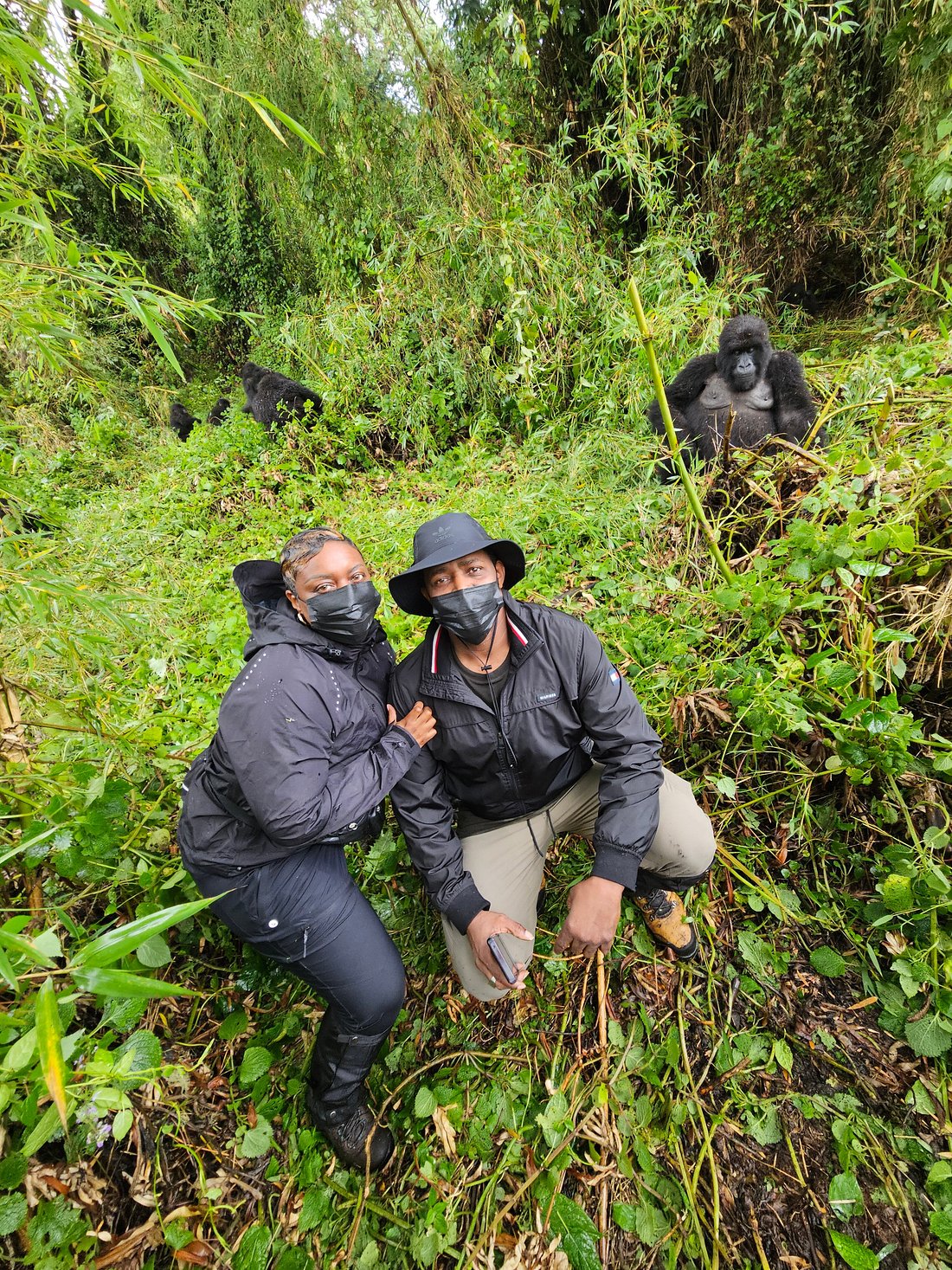
- Single-room supplement
- Private vehicle
- Shared airport transfer
- Permit
- Porter
- Additional activities
Group departures may reduce cost, but dates and accommodation must match.
Couples
Couples often value a private vehicle and a comfortable lodge near the park.
Confirm whether the room contains one double bed or two separate beds. The phrase “double room” does not always guarantee the bedding arrangement.
Allow enough free time to enjoy the lodge rather than filling every hour with activities.
Honeymoon travelers
A honeymoon gorilla safari works best with slower pacing.
Consider three nights near the park, a private driver-guide, a scenic lodge and an additional relaxing destination such as Lake Kivu.
Tell the operator about the honeymoon in advance, but confirm whether any special service has an extra charge.
Families
The usual minimum gorilla trekking age is 15.
Families traveling with younger children must organize supervised alternatives while eligible participants trek.
Confirm childcare arrangements directly. Do not assume a lodge can provide them without notice.
Older travelers
Age alone does not determine trekking ability.
Balance, endurance, joint comfort and general health are more useful considerations. Porters and certain additional assistance options can help, but the forest remains natural and unpredictable.
Discuss needs well before permits are purchased.
Travelers with mobility concerns
Provide accurate details rather than simply requesting an “easy trek.”
The operator may communicate the concern during allocation, but no gorilla family can be guaranteed to remain close.
Ask about available assistance, extra porters and the terrain around the selected sector.
Photographers
Photographers may consider purchasing two permits on separate days.
A second trek reduces pressure to capture every image during one encounter. However, each day remains unpredictable and requires a separate permit.
Luxury travelers
Premium accommodation improves comfort, privacy and service.
It does not permit closer access, a private gorilla family or additional viewing time unless a separate official activity explicitly provides different arrangements.
Frequently Asked Questions About Gorilla Safaris
Is gorilla trekking safe?
Official gorilla trekking is a structured activity led by trained rangers and trackers. Visitors must follow instructions because gorillas remain wild and the forest terrain can be challenging.
Is Rwanda or Uganda better for first-time gorilla trekking?
Rwanda is usually more convenient for a short trip from Kigali. Uganda often suits longer safaris and travelers seeking a lower permit price. Both offer excellent gorilla encounters.
How long can visitors stay with the gorillas?
Standard gorilla trekking normally allows up to one hour with the family after it has been located.
The walk before and after the encounter may take several hours.
What is the minimum trekking age?
The usual minimum age is 15 in Rwanda and Uganda. Confirm current rules before booking.
Do visitors always find the gorillas?
Trackers monitor habituated families, so sightings are highly successful. However, gorillas are wild, and wildlife encounters can never be guaranteed absolutely.
Can I choose a particular gorilla family?
Travelers can express preferences or explain mobility needs, but park authorities control daily allocation.
Specific family requests cannot always be granted.
Can I touch a gorilla?
No. Visitors must not touch or approach gorillas.
If a gorilla moves closer, remain calm and follow the ranger’s instructions.
What happens if I have a cold?
You may be prevented from trekking because respiratory illnesses can pass from humans to gorillas.
Notify the operator immediately.
Are gorilla permits refundable?
Permit terms are restrictive and may change. Refund or rescheduling eligibility depends on current official policy and the reason for cancellation.
Request written conditions before paying.
Should I hire a porter?
Yes. A porter carries your bag, assists on difficult terrain and earns direct income from tourism.
Can I trek gorillas from Kigali in one day?
A one-day Rwanda gorilla trek from Kigali is technically possible with a very early departure. However, sleeping near Volcanoes National Park the previous night is more comfortable and less risky.
A one-day cross-border trek requires even more caution and is generally not the best choice for a first-time visitor.
What footwear is best?
Wear waterproof hiking boots with strong tread and ankle support.
Break them in before traveling.
Are masks required?
Mask requirements can change according to wildlife authority policy and health conditions.
Carry a suitable mask and follow the ranger’s instructions.
Can I use flash photography?
No. Flash photography is prohibited around gorillas.
Can I take a drone?
Do not bring or operate a drone without explicit official authorization.
Protected areas and countries regulate drone importation and use, and wildlife disturbance is a serious concern.
What happens if it rains?
Trekking normally continues unless park authorities decide conditions are unsafe.
Wear waterproof clothing, protect electronics and expect mud.
Is a gorilla trek suitable for beginners?
Yes, many first-time hikers complete gorilla trekking successfully.
Basic fitness, suitable clothing, a porter and realistic expectations are important.
Can Rwanda and Uganda be visited on one safari?
Yes. Kigali can serve as a gateway for Volcanoes National Park, Bwindi or Mgahinga.
Confirm visas, border arrangements, permits and driving times.
How many days are needed?
Allow at least two nights for a basic Rwanda gorilla safari. Three days are more comfortable.
A Uganda safari from Entebbe generally needs at least four or five days. Longer combinations may require seven to fourteen days.
Is gorilla habituation different from trekking?
Yes. Uganda’s Gorilla Habituation Experience is a separate activity with its own permit, price and procedures.
Standard gorilla trekking and habituation should not be presented as identical products.
How to Choose a Reliable Gorilla Safari Operator
A professional tour operator should make the journey easier to understand.
Look for a company that asks about:
- Travel dates
- Group size
- Nationality or residency
- Passport details
- Accommodation preference
- Fitness concerns
- Dietary needs
- Additional safari interests
- Arrival and departure flights
The operator should provide a day-by-day itinerary identifying the trekking park, sector where relevant, accommodation and major driving times.
Verify the quotation
A clear quotation should state:
- Total price
- Currency
- Number of travelers
- Permit inclusion
- Accommodation
- Room type
- Meals
- Vehicle
- Activities
- Exclusions
- Deposit
- Payment deadline
- Cancellation conditions
Verify the business
Review the company’s identity, recent feedback and contact information.
If bank details change unexpectedly, verify them using a previously confirmed communication channel.
Expect realistic information
A responsible operator will not guarantee:
- The easiest gorilla family
- Perfect weather
- A specific silverback photograph
- An exact trek duration
- Wild animal behavior
- Special access outside park rules
Professional service includes explaining uncertainty honestly.
Look for support after booking
After payment, the operator should continue providing useful information, including:
- Permit coordination
- Final itinerary
- Pickup details
- Driver-guide contact
- Packing advice
- Visa guidance
- Dietary communication
- Emergency contact
- Schedule updates
Final Gorilla Safari Checklist
Before departure, confirm the following:
- Gorilla permit date
- Correct traveler names
- Passport validity
- Visa arrangements
- Trekking park
- Bwindi sector, if applicable
- Lodge location
- Airport pickup
- Border route
- Travel insurance
- Health consultation
- Broken-in hiking boots
- Long trousers
- Long-sleeved shirt
- Waterproof jacket
- Gloves
- Daypack
- Camera settings
- Porter budget
- Emergency contacts
- Final payment status
- Dietary requirements
- Flight buffer
Conclusion: Planning Your First Gorilla Safari
A successful gorilla safari begins long before you enter the forest. The most important decisions are securing the correct permit, choosing the right country, matching accommodation to the trekking location and allowing realistic travel time.
Rwanda offers excellent convenience. Its principal gorilla destination is only a few hours from Kigali, making it ideal for a short, refined safari. The country also combines gorilla trekking naturally with golden monkeys, Lake Kivu, Akagera National Park, Nyungwe and Kigali.
Uganda offers outstanding variety. Bwindi provides several trekking sectors and an immersive rainforest environment, while Mgahinga adds Virunga scenery and golden monkeys. Longer itineraries can include chimpanzees, Queen Elizabeth National Park, Lake Bunyonyi and other wildlife destinations.
Neither country is universally better. Rwanda is often the stronger choice for travelers with limited time, while Uganda frequently suits visitors seeking a longer journey and lower permit cost. A combined Rwanda and Uganda safari can provide the advantages of both.
The forest itself remains unpredictable. Rain may fall, paths may be muddy and the gorillas may move farther than expected. These uncertainties are not problems to eliminate; they are part of encountering wildlife in a natural habitat.
Use this First-Time Gorilla Safari Rwanda and Uganda Guide to establish the essential details, but keep the final itinerary balanced. Arrive near the park before trekking, hire a porter, follow the ranger’s instructions and leave the afternoon free for recovery.
Most importantly, approach the encounter with patience and respect. The purpose of gorilla trekking is not simply to stand close to a rare animal. It is to witness a wild mountain gorilla family while supporting the systems, people and protected landscapes that make its survival possible.
Book Your Gorilla Safari With Universal Ventures Rwanda
Planning your first gorilla safari involves more than choosing a destination. Gorilla permits are limited, Bwindi accommodation must correspond with the correct trekking sector, and cross-border journeys require careful coordination.
Universal Ventures Rwanda organizes tailor-made gorilla trekking safaris in Rwanda and Uganda. The team can assist with permit reservations, private 4×4 transportation, accommodation, airport transfers and personalized itineraries based on your preferred dates, budget and travel style.
Contact Universal Ventures Rwanda
Email: info@universalventuresrwanda.com
Telephone/WhatsApp: +250 781 441 853
Office address: KN 15 Road, opposite IPRC Main Entrance, 1st Floor, Sangwa Plaza, Kigali, Rwanda
Website: www.universalventuresrwanda.com