 Skip to content
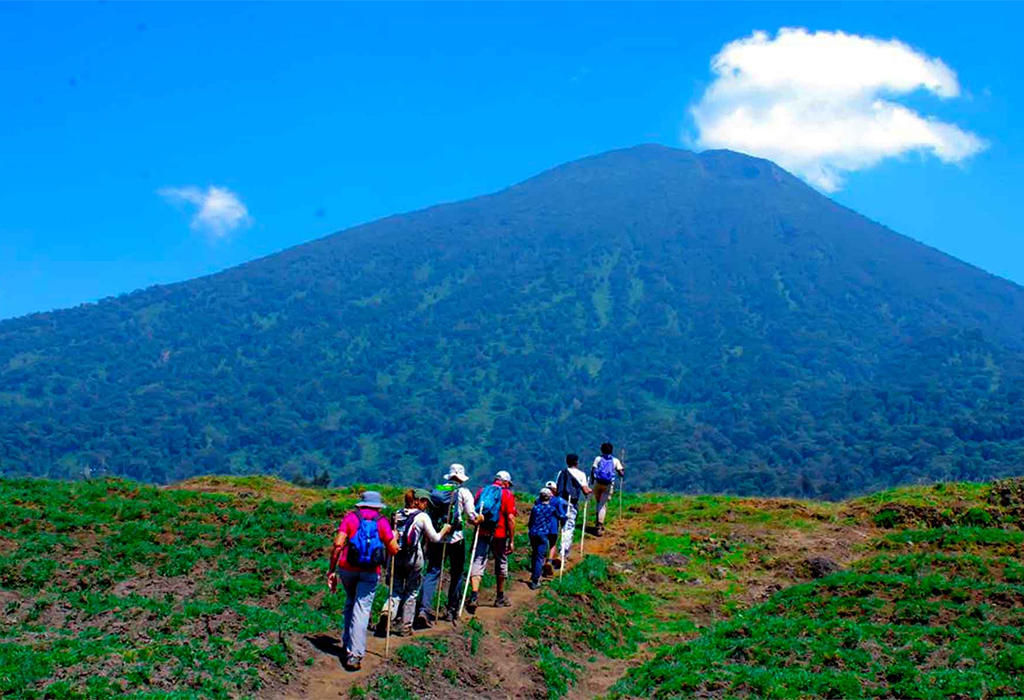
The best time for gorilla safaris in Rwanda and Uganda depends on more than rainfall. Your ideal month may be influenced by trekking conditions, permit availability, accommodation prices, photography preferences, the other national parks you want to visit, and whether you prefer popular or quieter travel periods.
Mountain gorilla trekking is available throughout the year in Rwanda’s Volcanoes National Park and Uganda’s Bwindi Impenetrable and Mgahinga Gorilla national parks. Therefore, there is no single month when gorillas can be seen and another when they disappear. Habituated gorilla families are monitored throughout the year, and authorized trackers help locate them each trekking day.
The main difference between seasons is the experience of reaching the gorillas. The drier months generally produce less muddy forest trails and easier road conditions. Wetter months bring lush vegetation, atmospheric mist, fewer visitors at some properties, and potentially attractive accommodation offers. Rain is nevertheless possible at any time because the gorillas live in tropical and montane forests.
For many travelers, June to September and December to February provide the most comfortable general trekking conditions. March to May and October to November can still be excellent, particularly for visitors who accept wetter trails and value green landscapes or quieter travel.
This complete guide compares every month and season to help you choose the right time for a Rwanda or Uganda gorilla safari.
Quick Answer: When Is the Best Time for Gorilla Safaris in Rwanda and Uganda?
For generally drier trekking conditions, the strongest periods are:
- June to September: Longer dry season
- December to February: Shorter dry season
These periods are popular because trails may be less slippery, road transfers are normally easier, and travelers can combine gorilla trekking with traditional wildlife safaris.
For greener scenery, potentially lower lodge rates, and fewer visitors at some properties, consider:
- March to May: Longer rainy season
- October to November: Shorter rainy season
There is no guarantee of completely dry weather during the dry seasons. Equally, rainy-season travel does not mean that rain will fall throughout every day.
Best months by travel priority
| Travel priority | Recommended period |
|---|---|
| Generally easier trekking | June–September and December–February |
| Gorilla photography | June–September or wetter months for atmospheric forest images |
| Lower accommodation prices | March–May and selected dates in October–November |
| Combining gorillas with savannah wildlife | June–September and December–February |
| Green landscapes | March–May and October–November |
| Birdwatching | Depends on resident and migratory species |
| Family travel during school holidays | July–August and December |
| Quieter lodge experience | March–May and parts of October–November |
| Two-country Rwanda–Uganda safari | June–September or January–February |
| Christmas and New Year holiday | December–early January, booked well in advance |
Understanding Gorilla Safari Seasons
Rwanda and Uganda lie close to the equator, but elevation moderates temperatures in the gorilla regions. Volcanoes, Bwindi, and Mgahinga are mountainous, forested environments where rain can occur during any month.
The regional year is commonly divided into four broad periods:
- Shorter dry season: December to February
- Longer rainy season: March to May
- Longer dry season: June to September
- Shorter rainy season: October to November
These labels are useful for planning but should not be interpreted as fixed daily forecasts. Climate patterns vary, and individual years may be wetter or drier than expected.
What “dry season” means
Dry season does not mean the forest becomes dry. Gorilla habitats remain green and humid, while showers are always possible.
The practical difference is usually:
- Less frequent or less prolonged rainfall
- Firmer trails
- Easier road access
- More predictable outdoor activities
What “rainy season” means
Rainy season does not necessarily mean uninterrupted rainfall. Showers may arrive in the afternoon, overnight, or in shorter periods.
Travelers should prepare for:
- Muddy or slippery paths
- Wet vegetation
- Reduced visibility during showers
- Longer road journeys
- More demanding trekking
- Beautiful green scenery
- Mist and softer photography conditions
Best Time for Gorilla Safaris in Rwanda and Uganda by Month
January: Good Weather and Strong Demand
January falls within the shorter dry season and is one of the best months for combining gorilla trekking with a broader East African safari.
Expected conditions
- Generally lower rainfall than in the major wet seasons
- Warm daytime conditions at lower elevations
- Cooler mornings in the mountains
- Potentially firmer trekking trails
- Good conditions for road transfers
Why visit in January?
January is suitable for travelers who want to combine gorillas with Akagera National Park in Rwanda or Queen Elizabeth, Lake Mburo, and Murchison Falls in Uganda.
It is also attractive to visitors escaping winter in Europe or North America.
Points to consider
Demand can remain high after the Christmas and New Year holidays. Gorilla permits and preferred accommodation should be reserved in advance.
Rain protection remains essential.
February: One of the Best All-Round Months
February is often a favorable month for gorilla trekking, photography, and combined wildlife holidays.
Advantages
- Generally drier trail conditions
- Good road accessibility
- Suitable for gorillas and savannah wildlife
- Comfortable for multi-country itineraries
- Attractive for photography
Possible limitations
Conditions may begin changing toward the longer rainy period later in the month. Exact timing varies each year.
February is an excellent option for travelers who want dry-season advantages but cannot travel during June, July, or August.
March: Transition Into the Rainy Season
Rain normally increases during March, although early March can sometimes retain drier conditions.
Advantages
- Increasingly green scenery
- Potentially fewer visitors
- Possible seasonal lodge offers
- Dramatic skies and forest atmosphere
- Good availability compared with peak months
Challenges
- Muddy trails
- More frequent showers
- Wetter road conditions
- Photography equipment requires protection
March suits travelers who prioritize value and lush landscapes over the easiest possible trekking conditions.
April: Wet, Green and Quiet
April is usually among the wettest months in the gorilla regions.
Advantages
- Rich green vegetation
- Atmospheric mist and cloud
- Quieter atmosphere at some lodges
- Potentially attractive accommodation rates
- Less pressure on some popular travel dates
Challenges
- Slippery forest trails
- Rain during the trek
- Difficult photography light
- Greater need for waterproof clothing
- Slower road transfers
April is best for adventurous travelers who understand the conditions and pack correctly.
A capable 4×4, experienced driver-guide, sturdy footwear, gaiters, gloves, and reliable rain protection become especially important.
May: The Rainy Season Begins to Ease
May often starts wet, with rainfall generally becoming less persistent as the month progresses.
Why consider May?
- Beautiful vegetation
- Potentially fewer travelers
- Good seasonal value
- Improving conditions toward the end of the month
- Interesting birding opportunities
Trekking conditions
Trails may still be muddy, especially after sustained rain. Travelers should not assume late May will be completely dry.
May can provide a useful balance for visitors who want fewer crowds without traveling in the wettest part of April.
June: Beginning of the Long Dry Season
June marks the beginning of one of the most popular gorilla trekking periods.
Advantages
- Generally reduced rainfall
- Firmer trails
- Easier road journeys
- Good combination with wildlife parks
- Comfortable conditions for longer itineraries
- Strong photography possibilities
Points to consider
Permit demand rises, particularly from mid-June onward. Accommodation near Volcanoes National Park and popular Bwindi sectors may sell out.
June is one of the strongest choices for first-time gorilla trekkers.
July: Peak Gorilla Safari Season
July is among the most popular months for Rwanda and Uganda gorilla safaris.
Why July is popular
- Generally favorable trekking conditions
- Major summer-holiday travel period
- Excellent for combining several East African destinations
- Good road conditions
- Suitable for families with eligible teenagers
- Strong safari conditions in many savannah parks
Disadvantages
- High permit demand
- Premium accommodation fills early
- Fewer opportunities for last-minute planning
- Peak-season lodge rates may apply
- More travelers at briefing points
The gorilla encounter itself remains regulated. A maximum number of visitors is allocated to each habituated family, which helps control the number of people with the gorillas.
Travelers planning for July should normally begin arrangements several months in advance.
August: Excellent Conditions and High Demand
August offers similar advantages to July.
Benefits
- Generally drier weather
- Easier trekking
- Good for Rwanda–Uganda combinations
- Strong traditional safari conditions
- Convenient for international holiday schedules
Booking advice
Gorilla permits, flights, private vehicles, and well-located lodges can become limited. Book early if you require:
- Two gorilla treks
- A particular Bwindi sector
- Luxury accommodation
- Family rooms
- A private photographic vehicle
- Specific travel dates
September: Popular and Often Favorable
September is normally part of the longer dry period, although rainfall may increase toward the end of the month.
Advantages
- Generally good trekking conditions
- Pleasant for photography
- Suitable for gorillas and wildlife
- Strong option for couples and adult travelers
- May be slightly quieter than July and August
September is also important in Rwanda because conservation-related events may take place around this period. The scheduled date of any event should be checked before designing an itinerary.
For example, Visit Rwanda lists the 2026 Kwita Izina gorilla-naming ceremony for 4 September 2026. Event schedules can change, so verify them before booking. Kwita Izina information.
October: Return of the Short Rains
October generally marks the start of the shorter rainy season.
Advantages
- Fresh green vegetation
- Fewer peak-season travelers
- Atmospheric photography
- Possible lodge availability
- Good option for flexible visitors
Challenges
- Increasingly muddy paths
- Unpredictable showers
- Wet-weather photography requirements
- Slower transfers on some roads
October can be an excellent month for repeat visitors or photographers who value forest atmosphere more than clear skies.
November: Wet but Rewarding
November is normally one of the wetter periods.
Why travel in November?
- Richly colored forest landscapes
- Potentially fewer visitors
- Seasonal accommodation value
- More flexible room availability
- Suitable for travelers who do not mind rain
What to prepare for
Waterproof hiking boots, rain trousers, a jacket, gloves, gaiters, and a protected daypack are recommended.
Photographers should carry rain covers, dry bags, absorbent cloths, spare batteries, and lens-cleaning materials.
December: Short Dry Season and Festive Travel
Rainfall often decreases during December as the shorter dry season develops.
Advantages
- Improving trekking conditions
- Christmas and New Year travel possibilities
- Suitable for family holidays
- Good for combined wildlife itineraries
- Attractive mountain scenery
Disadvantages
- Strong festive-season demand
- Higher accommodation rates at some lodges
- Limited last-minute permit availability
- Holiday flight prices
Travelers planning a Christmas or New Year gorilla safari should book well in advance.
Best Time for Gorilla Safaris in Rwanda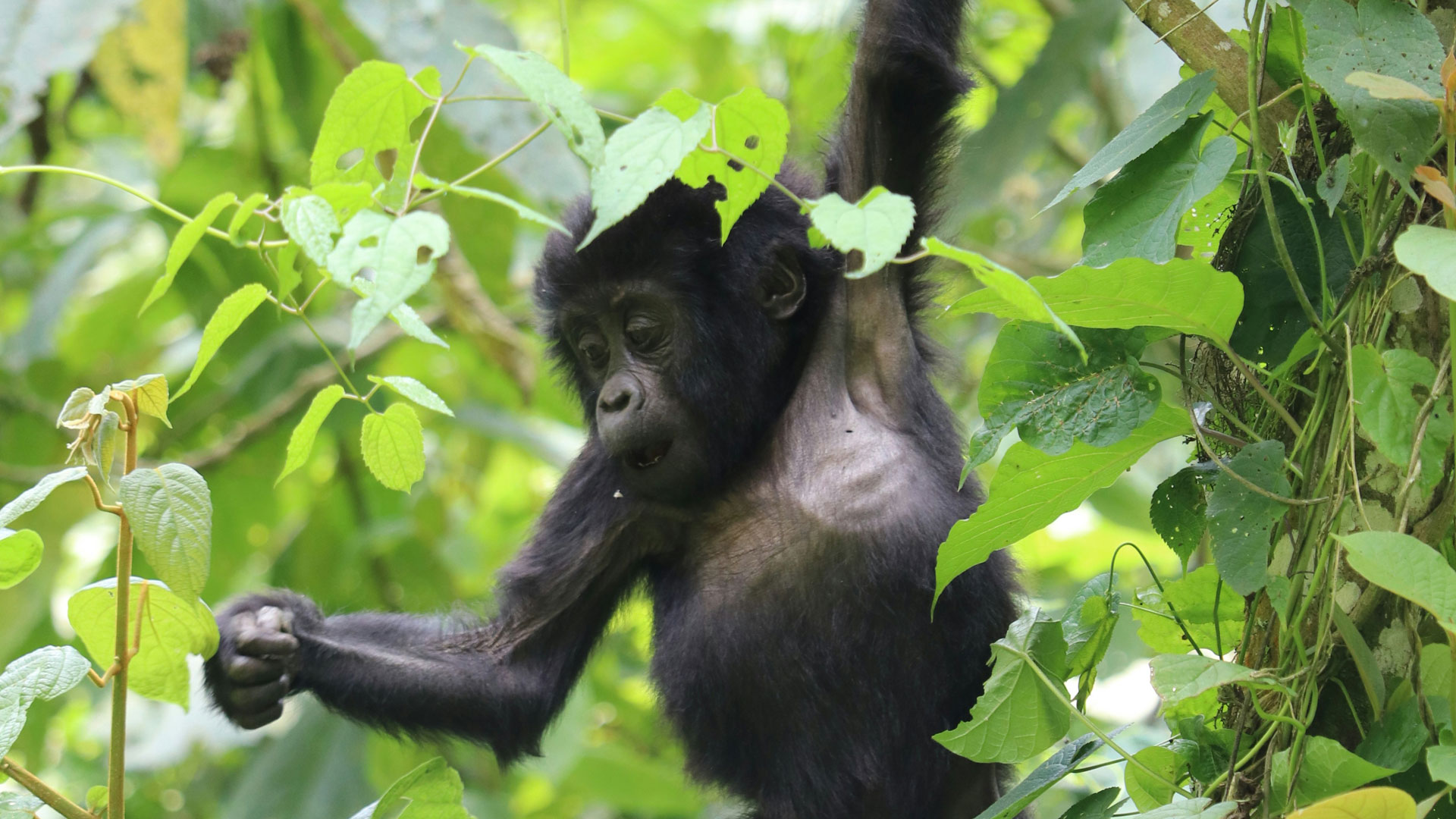
Rwanda’s mountain gorillas are visited in Volcanoes National Park. The park lies in the Virunga highlands, where cool temperatures, mist, and rainfall can occur throughout the year.
Best months for generally easier trekking
June through September and December through February are normally preferred for firmer trails and more predictable road travel.
Best months for green scenery
March through May and October through November produce lush vegetation and atmospheric forest conditions.
Rwanda’s accessibility advantage
Volcanoes National Park is relatively convenient from Kigali. This makes Rwanda suitable for:
- Two-day gorilla tours
- Three-day luxury extensions
- Business travelers with limited time
- Visitors combining Rwanda with Tanzania or Kenya
- Travelers who prefer shorter road transfers
Even with this accessibility, visitors should stay near Volcanoes National Park the night before trekking. The morning briefing begins early, and driving from Kigali on the trekking morning creates unnecessary risk.
Rwanda gorilla permit price
The standard Rwanda gorilla permit currently costs USD 1,500 per person per trek. The minimum trekking age is 15. Permit rates and conditions should be verified at the time of booking. Official Rwanda permit information.
Best time for two Rwanda gorilla treks
Photographers and wildlife enthusiasts may reserve two treks on separate days. June to September provides generally favorable conditions, but wetter months can offer soft light and quieter lodge stays.
Permit availability matters more than a small difference between neighboring dry-season months.
Best Time for Gorilla Safaris in Uganda
Uganda offers gorilla trekking in Bwindi Impenetrable National Park and Mgahinga Gorilla National Park.
Best dry-season periods
The Uganda Wildlife Authority identifies June to August and December to February as strong periods for primate tracking and savannah wildlife viewing. Uganda Wildlife Authority seasonal guidance.
September can also be favorable, although seasonal transitions vary.
Bwindi’s different trekking sectors
Bwindi is divided into multiple trekking sectors, including:
- Buhoma
- Ruhija
- Rushaga
- Nkuringo
Your permit is connected to a particular sector. Accommodation must therefore be chosen carefully.
A lodge in the wrong sector can create an extremely long or impractical morning transfer. The best operator will match the permit, lodge, vehicle, and reporting point before confirmation.
Mgahinga Gorilla National Park
Mgahinga lies near Kisoro within the Virunga Mountains. It provides gorilla trekking, golden monkey experiences, volcano hikes, and beautiful mountain scenery.
Permit availability is more limited than in Bwindi. Uganda Wildlife Authority states that Mgahinga issues approximately eight gorilla permits per day. Official gorilla-tracking overview.
Uganda permit price
Uganda’s 2026–2027 tariff information lists standard foreign non-resident gorilla tracking at USD 800, with separate categories for eligible foreign residents and East African citizens. Gorilla habituation is priced differently. Always verify eligibility and the rate for the intended date. Uganda Wildlife Authority tariff notice.
Rwanda or Uganda: Which Has Better Weather?
The countries share regional climate patterns, and their gorilla habitats are relatively close geographically. It is therefore inaccurate to claim that one country is always dry while the other is wet.
Differences experienced on a particular trek may result from:
- Elevation
- Local topography
- Forest structure
- Time of day
- Individual weather systems
- Trekking sector
- Recent rainfall
- Location of the gorilla family
Rwanda’s Volcanoes National Park and Uganda’s Mgahinga share the wider Virunga ecosystem. Bwindi is a separate forest environment but remains mountainous and wet.
Travel decisions should be based on the complete itinerary, permit cost, accessibility, accommodation preference, and desired activities—not weather alone.
Best Time for Gorilla Safaris in Rwanda and Uganda for Photography
Gorilla photography is possible throughout the year. Each season creates different visual opportunities.
Dry-season photography
Possible advantages include:
- Better chance of lighter trekking conditions
- Easier equipment transport
- Less frequent heavy rain
- Firmer footing
- More comfortable camera operation
Possible disadvantages include:
- Strong patches of sunlight through the canopy
- High contrast between black fur and bright leaves
- Peak-season competition for permits
- Busier briefing areas
Wet-season photography
Possible advantages include:
- Soft, diffused light
- Rich green vegetation
- Rain and mist
- Water droplets on fur
- Atmospheric forest backgrounds
- Potentially fewer visitors at lodges
Possible disadvantages include:
- Darker conditions
- Higher ISO requirements
- Rain on lenses
- More difficult hiking
- Greater need for equipment protection
Best overall photography recommendation
June, September, January, and February can provide a practical balance of trail conditions and light. However, serious photographers should consider booking two treks rather than trying to identify a single “perfect” month.
The behavior, location, and visibility of a gorilla family cannot be guaranteed.
Best Time for a Rwanda and Uganda Combined Gorilla Safari
A two-country itinerary allows travelers to compare Volcanoes National Park with Bwindi or Mgahinga.
June through September and January through February are generally the easiest periods for a cross-border road safari.
A combined journey may include:
- Kigali
- Volcanoes National Park
- Lake Kivu
- Bwindi Impenetrable National Park
- Mgahinga Gorilla National Park
- Queen Elizabeth National Park
- Kibale National Park
- Entebbe or Kampala
Cross-border planning
Allow time for:
- Immigration procedures
- Vehicle authorization
- Road conditions
- Permit-sector logistics
- Luggage
- Meal stops
- Possible delays
Do not schedule an international border crossing on the same morning as a gorilla trek.
Best Time to Combine Gorillas With Big Five Safaris
Rwanda: Gorillas and Akagera
A Rwanda safari can combine Volcanoes National Park with Akagera National Park.
The dry periods are popular because animals in savannah areas may gather around dependable water sources, vegetation can be less dense, and game-drive tracks are generally easier.
Akagera can still be visited during greener months, when landscapes are attractive and birding can be rewarding.
Uganda: Gorillas and savannah parks
Uganda gorilla trekking can be combined with:
- Queen Elizabeth National Park
- Lake Mburo National Park
- Murchison Falls National Park
- Kidepo Valley National Park
June to September and December to February are generally strong choices for a combined primate and wildlife itinerary.
Regional differences remain important. Northern Uganda can experience different conditions from the southwestern gorilla region.
Best Time to Combine Gorillas and Chimpanzees
Rwanda’s main chimpanzee destination is Nyungwe National Park. Uganda’s best-known chimpanzee destination is Kibale National Park.
Chimpanzee behavior and forest food availability can affect how far groups move. Trekking experiences therefore vary by season and day.
A combined gorilla and chimpanzee itinerary can operate year-round. The dry months may provide more comfortable trails, while wetter periods can influence food distribution and movement.
The correct choice depends on whether your priority is: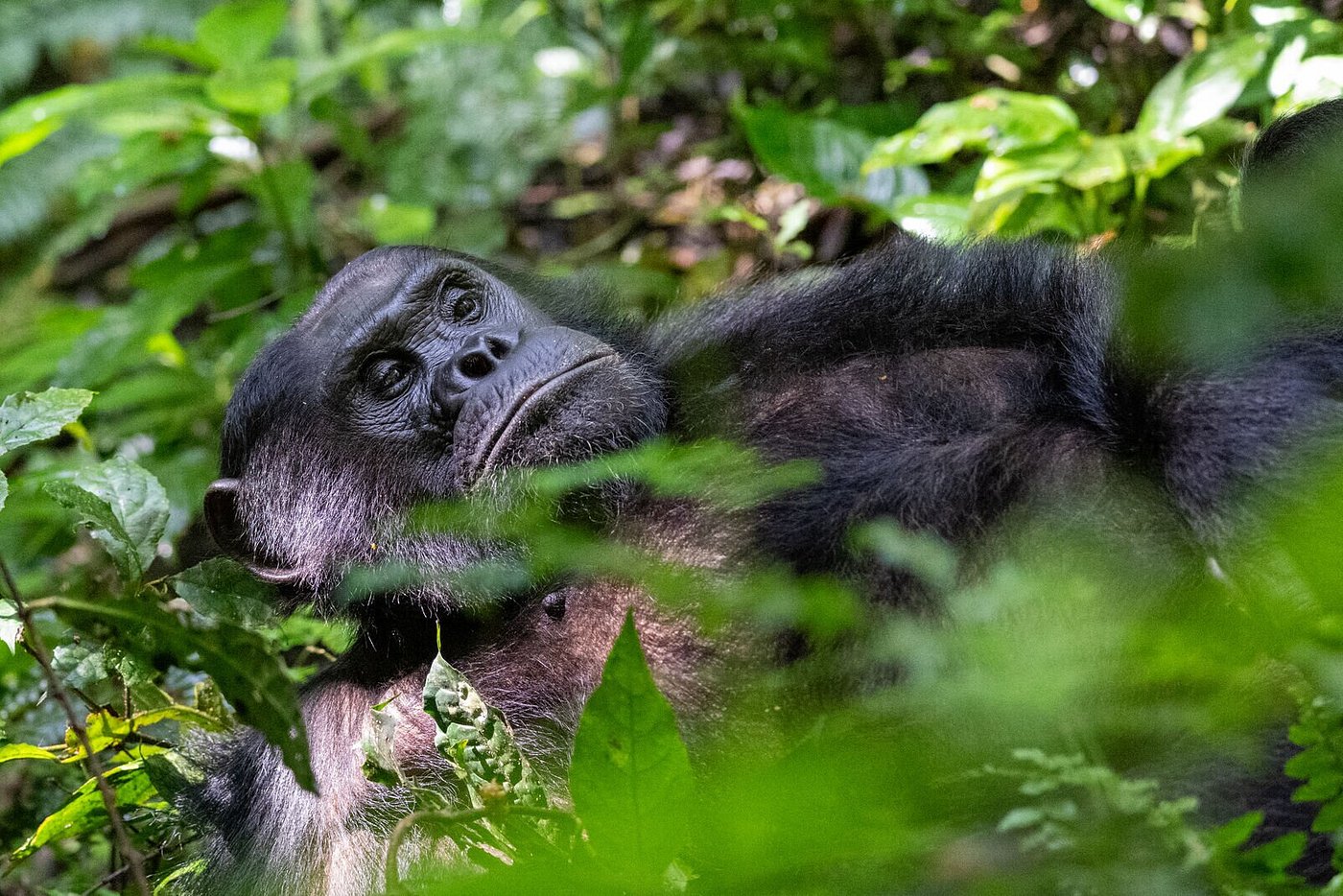
- Easier walking
- Primate photography
- Lower visitor numbers
- Birding
- Savannah wildlife
- Overall safari price
Best Time for Families to Take a Gorilla Safari
Gorilla trekking has a minimum age of 15 in Rwanda and Uganda. Families should confirm the current rule before purchasing permits.
July, August, and December are popular because they align with many international school holidays. This also makes them busy and expensive travel periods.
Families should book early when they require:
- Multiple gorilla permits
- Family rooms
- Interconnecting accommodation
- A large private vehicle
- Specific school-holiday dates
- Dietary arrangements
- Additional activities for younger children
Children below the trekking age can participate in alternative activities where properly arranged. These may include age-appropriate cultural visits, nature experiences, boat trips, or lodge activities.
A responsible adult and suitable care arrangements must be confirmed in advance.
Best Time for Luxury Gorilla Safaris
Luxury gorilla travel is available throughout the year. The best-known lodges near Volcanoes and Bwindi can have limited room inventory.
Peak-season luxury travel
June through September and the festive period bring strong demand. Benefits include generally favorable travel conditions, while disadvantages may include premium rates and restricted availability.
Green-season luxury travel
March through May and parts of October and November may offer:
- Greater room availability
- Seasonal rates
- Quiet lodge environments
- More flexible spa and dining reservations
- Atmospheric scenery
Travelers using private helicopter transfers should understand that flights remain subject to weather and operating conditions.
Best Time for Budget Gorilla Safaris
The permit remains the largest fixed expense in many gorilla tours. Its standard price normally does not fall simply because the weather is wet, although limited promotional categories or official offers may occasionally exist.
Budget-conscious visitors can look for savings through:
- Green-season accommodation rates
- Midrange or budget lodges
- Efficient itineraries
- Shared travel with friends or family
- Shorter road routes
- Early booking
- Avoiding festive periods
- Choosing Uganda’s lower standard permit price
Never rely on an unofficial permit discount. Gorilla permits should be secured through the responsible authority or a reputable tour operator.
How Rain Affects Gorilla Trekking
Rain influences the trail but does not automatically cancel a trek.
Possible effects include:
- Slippery ground
- Deeper mud
- Wet vegetation
- Lower visibility
- Cooler temperatures
- Slower hiking
- Darker photography conditions
- Longer vehicle access to some trailheads
Park personnel monitor safety and conditions. Their instructions must be followed.
Can rain improve the experience?
Rain can create mist, saturated greens, and quiet forest atmosphere. Gorillas may remain relatively sheltered or continue their natural activity.
The experience is never identical from one day to another.
Does the Season Affect Gorilla Sightings?
Habituated gorilla families are monitored by trackers, and trekking operates throughout the year. The season does not create a traditional migration in which gorillas leave Rwanda or Uganda.
However, daily trekking duration varies because gorillas move naturally while feeding, resting, and nesting.
Factors influencing trekking time include:
- The family’s location
- Terrain
- Recent movement
- Weather
- Vegetation
- Trail conditions
- Assigned gorilla group
A trek can be relatively short or last much of the morning. Visit Rwanda notes that tracking may take from approximately 90 minutes to the whole morning, followed by the regulated observation period once the gorillas are found. Official Rwanda itinerary guidance.
No operator should guarantee a particular trekking duration or exact gorilla position.
Gorilla Permit Availability by Season
Permit availability is often more important than minor differences in weather.
High-demand periods
Demand is normally strongest during:
- June
- July
- August
- September
- Christmas
- New Year
- January
- February
Lower-demand periods
Availability may be more flexible during:
- March
- April
- May
- October
- November
This is not guaranteed. Private groups, conferences, events, and lodge bookings can increase demand on any date.
When should permits be booked?
A practical guideline is:
- Peak-season travel: six months or more in advance
- Luxury or multiple-trek itinerary: nine to twelve months where possible
- Green-season travel: three to six months
- Last-minute travel: ask immediately and remain flexible
The permit is confirmed only after the required booking and payment process has been completed.
What to Pack in Every Season
Weather can change quickly, so the essential packing list remains similar throughout the year.
Bring:
- Waterproof hiking boots
- Long trekking trousers
- Long-sleeved shirt
- Rain jacket
- Long socks
- Gardening-style gloves
- Small waterproof daypack
- Reusable water bottle
- Hat
- Warm layer
- Personal medication
- Camera protection
- Spare batteries
- Insect repellent
- Sunscreen
- Copies of travel documents
Additional wet-season items
- Gaiters
- Rain trousers
- Dry bags
- Extra socks
- Absorbent cloth
- Waterproof backpack cover
Additional dry-season items
- Sun hat
- Sunscreen
- Lip protection
- Extra drinking water as advised
- Light breathable layers
Even during a dry-season visit, always carry a waterproof jacket.
Staying Healthy Before Gorilla Trekking
Mountain gorillas are vulnerable to some human illnesses. Visitors who are ill may not be allowed to trek.
Travelers should:
- Follow current health requirements
- Report relevant symptoms honestly
- Follow instructions about coughing and sneezing
- Avoid touching gorillas
- Maintain the required distance
- Wash or sanitize hands as directed
- Avoid leaving rubbish in the forest
- Follow the park’s guidance on food and drink
Travel insurance should cover illness, trip interruption, and non-refundable bookings according to the policy terms.
Choosing Between Rwanda and Uganda by Season
Choose Rwanda when:
- You have limited time.
- You want convenient access from Kigali.
- Luxury accommodation is a priority.
- You are combining gorillas with Akagera.
- You want a shorter premium itinerary.
- You prefer the Volcanoes region.
- You want to combine gorillas and golden monkeys.
Choose Uganda when:
- Permit price is an important consideration.
- You want a longer road safari.
- You want a choice of Bwindi sectors.
- Gorilla habituation interests you.
- You want to combine gorillas with Kibale.
- You want Queen Elizabeth National Park.
- You prefer an extensive Uganda circuit.
Choose both when:
- You want two different forest experiences.
- Photography is a major priority.
- You have at least seven to ten days.
- You want multiple gorilla treks.
- You are comfortable with a cross-border itinerary.
Sample Four-Day Rwanda Gorilla Safari
Day 1: Arrive in Kigali
Private airport collection and overnight in Kigali.
Day 2: Kigali to Volcanoes National Park
Take a private city tour or travel directly to the Volcanoes region. Check in and prepare for trekking.
Day 3: Gorilla trekking
Attend the morning briefing, complete the trek, and return to the lodge.
Day 4: Additional activity and Kigali
Visit the Ellen DeGeneres Campus, Twin Lakes, or a cultural attraction before returning to Kigali.
This itinerary works throughout the year, although rain protection is always required.
Sample Five-Day Uganda Gorilla Safari From Kigali
Day 1: Kigali arrival
Airport transfer and overnight.
Day 2: Kigali to Bwindi
Travel through the Rwanda–Uganda border to the correctly booked Bwindi sector.
Day 3: Gorilla trekking
Attend the briefing and enter the forest with the authorized park team.
Day 4: Cultural or nature experience
Enjoy a slower day near Bwindi or add a second trek when permits are available.
Day 5: Return to Kigali
Cross back into Rwanda and continue to Kigali.
A final Kigali night is advisable when the international flight schedule does not provide enough margin.
Sample Eight-Day Rwanda and Uganda Gorilla Safari
Day 1: Kigali arrival
Private airport welcome.
Day 2: Kigali to Volcanoes
City tour followed by a transfer to northern Rwanda.
Day 3: Rwanda gorilla trekking
Complete the first gorilla encounter.
Day 4: Golden monkeys or conservation experience
Choose an additional Volcanoes activity.
Day 5: Volcanoes to Bwindi
Cross into Uganda and continue to the assigned trekking sector.
Day 6: Uganda gorilla trekking
Experience the forest and gorillas of Bwindi.
Day 7: Bwindi to Kigali
Return across the border.
Day 8: Departure
Transfer to Kigali International Airport.
June to September and January to February are particularly convenient for this road itinerary, but it can be operated in every season with appropriate planning.
Common Mistakes When Choosing Travel Dates
Believing dry season guarantees no rain
The gorillas live in mountain forests. Rain is possible throughout the year.
Choosing a month before checking permits
A favorable month is not useful if permits are unavailable for your dates. Check availability first.
Booking the wrong Bwindi accommodation
Your lodge must match the trekking sector shown on the permit.
Selecting only by price
A cheaper lodge located far from the briefing point can create difficult transportation and early departures.
Scheduling the trek after a long transfer
Stay near the park the night before trekking.
Ignoring physical preparation
Even in the dry season, the terrain may be steep and demanding.
Packing for a warm savannah safari
Mountain mornings can be cool, wet, and muddy. Bring layers and proper hiking footwear.
Planning too many activities
Allow time to rest after gorilla trekking instead of immediately beginning a long road journey.
Waiting too long to reserve
Peak-season permits and preferred lodges can sell out months ahead.
Frequently Asked Questions
What is the best month for gorilla trekking?
July and August are popular for generally drier conditions, but June, September, January, and February are also excellent choices.
What is the cheapest time for a gorilla safari?
March through May and October through November may provide lower accommodation rates. Standard permit prices usually remain fixed unless an official offer applies.
Can I trek gorillas during April?
Yes, subject to park operations and permit availability. Prepare for rain, mud, and more demanding trails.
Is December a good month?
Yes. December can offer improving weather, but Christmas and New Year dates are busy and should be booked early.
Is January suitable for Uganda and Rwanda?
Yes. January is an excellent time for gorilla trekking and a combined wildlife safari.
Is February better than January?
Both are strong months. The difference depends more on the actual weather, permit availability, and itinerary than the calendar label.
Can I see gorillas during the rainy season?
Yes. Gorilla trekking operates throughout the year. The main difference is that trails may be wetter and more challenging.
Are gorillas easier to find during the dry season?
Trackers monitor the families throughout the year. The trek’s duration depends primarily on the family’s location and daily movement.
Which country is better in July?
Both Rwanda and Uganda offer favorable conditions in July. Choose according to permit budget, accessibility, parks, and accommodation.
Which country is more affordable?
Uganda’s standard foreign non-resident gorilla permit is lower than Rwanda’s. The final safari cost still depends on transportation, duration, accommodation, and other activities.
How far in advance should I book?
Book six to twelve months ahead for peak-season dates, multiple treks, or specific luxury lodges. Flexible green-season trips may require less notice.
What is the minimum trekking age?
The minimum age is generally 15 in Rwanda and Uganda. Confirm the current rule before booking.
How long do visitors spend with gorillas?
A standard gorilla trekking permit normally provides one regulated hour with the assigned family after it is located.
Can I trek twice?
Yes, when permits are available. Each trek requires a separate permit.
Should photographers book two treks?
Two treks are recommended when budget and time allow because conditions and gorilla behavior differ each day.
Does gorilla trekking happen on public holidays?
It generally operates daily, subject to park management and permit availability. Confirm arrangements for your particular date.
Why Plan With Universal Ventures Rwanda?
Universal Ventures Rwanda can help travelers identify the best time for gorilla safaris in Rwanda and Uganda according to their interests, budget, flight schedule, and preferred accommodation.
Services include:
- Rwanda gorilla permit reservations
- Uganda gorilla permit reservations
- Gorilla habituation inquiries
- Private 4×4 transportation
- Professional driver-guides
- Kigali airport transfers
- Volcanoes National Park safaris
- Bwindi gorilla tours
- Mgahinga gorilla tours
- Golden monkey trekking
- Chimpanzee tracking
- Akagera Big Five safaris
- Queen Elizabeth National Park
- Lake Kivu experiences
- Rwanda–Uganda cross-border safaris
- Luxury, midrange, and budget accommodation
- Family and private-group itineraries
- Gorilla photography tours
- Customized safari planning
A locally based operator can coordinate permits with accommodation and transportation, reducing the risk of selecting the wrong lodge, sector, or travel schedule.
Final Verdict: Best Time for Gorilla Safaris in Rwanda and Uganda
For most first-time visitors, the best time for gorilla safaris in Rwanda and Uganda is during the generally drier periods from June to September and December to February. These months often provide more comfortable trekking, better road conditions, and convenient combinations with savannah wildlife parks.
The rainy seasons from March to May and October to November should not be dismissed. They offer lush scenery, atmospheric photography, potentially quieter lodges, and possible accommodation savings. The tradeoff is a greater likelihood of muddy trails and rain.
The right time ultimately depends on five factors:
- Gorilla permit availability
- Preferred trekking conditions
- Accommodation budget
- Other destinations in the itinerary
- Personal tolerance for rain and challenging trails
Gorillas can be encountered throughout the year. Instead of searching endlessly for a perfect month, choose a suitable travel window, secure permits early, stay near the correct briefing point, pack for changing weather, and travel with an experienced local team.
Book Your Rwanda or Uganda Gorilla Safari
Contact Universal Ventures Rwanda for current permit availability, private transportation, accommodation, and a customized itinerary.
Universal Ventures Rwanda
Telephone/WhatsApp: +250 781 441 853
Email: info@universalventuresrwanda.com
Address: KK 15 Road, opposite the IPRC main entrance, BGRD Building, Kigali, Rwanda
Website: www.universalventuresrwanda.com
