 Skip to content
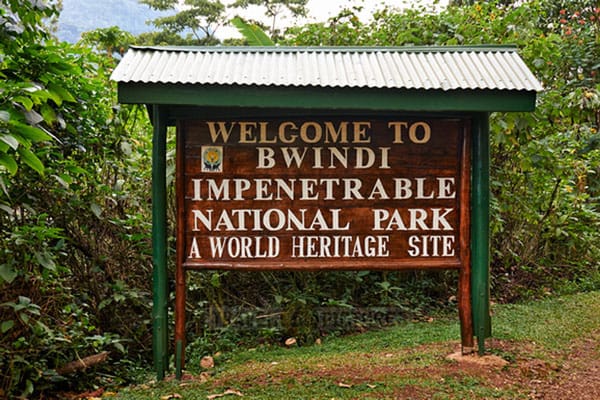
Gorilla trekking in Bwindi Impenetrable National Park is one of Africa’s most extraordinary wildlife experiences and the highlight of many safaris in Uganda. Bwindi protects nearly half of the world’s remaining mountain gorillas and offers the highest number of habituated gorilla families available for tourism anywhere in Africa. For first-time visitors, however, Bwindi can feel complex because the park is divided into multiple sectors, each with different trails, terrain, and permit allocations. Understanding these differences is essential for choosing the right trekking experience.
This guide clearly explains Bwindi gorilla trekking, including the park’s four trekking sectors, the nature of the trails, how gorilla permits work, and how to choose the best option for your travel style, fitness level, and budget. By the end, you will know exactly how Bwindi gorilla trekking works and how to plan it confidently.
Overview of Bwindi Gorilla Trekking
Bwindi Impenetrable National Park lies in southwestern Uganda along the edge of the Albertine Rift. The park is an ancient rainforest with steep ridges, deep valleys, and dense vegetation. Gorilla trekking here involves hiking through thick forest under the guidance of professional rangers and trackers.
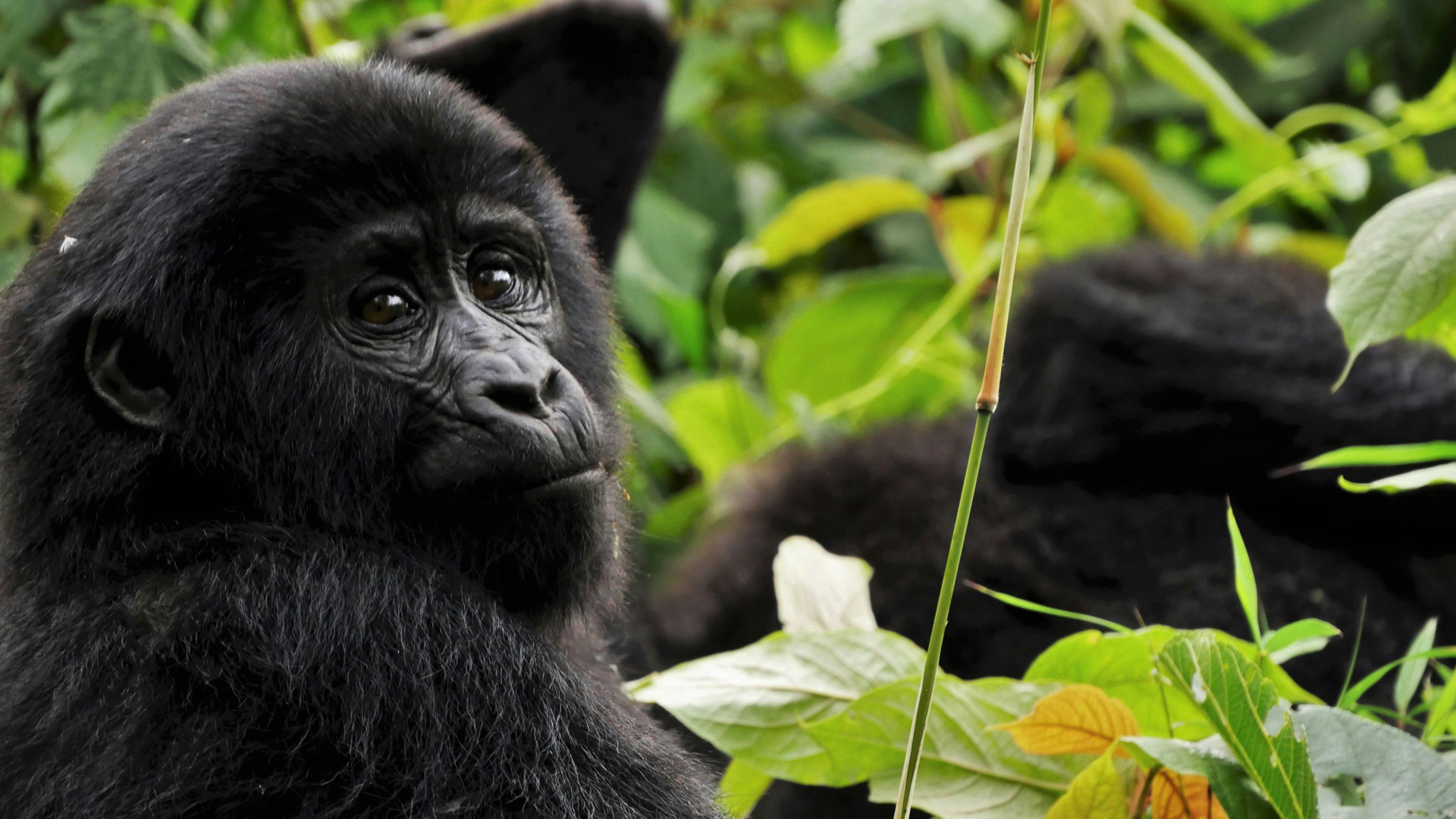 Each gorilla trek begins early in the morning with a briefing at the sector headquarters. Visitors are divided into small groups of up to eight people and assigned a specific gorilla family. Once the gorillas are located, trekkers spend one unforgettable hour observing them at close range.
Bwindi’s size and biodiversity make every trek unique. Some treks are short and relatively gentle, while others involve challenging climbs. This variation makes understanding the sectors and trails extremely important.
Bwindi Gorilla Trekking Sectors Explained
Bwindi has four main gorilla trekking sectors, each with its own entrance, trail network, and accommodation options. Gorilla permits are issued for a specific sector, so your choice directly affects your experience.
Buhoma Sector – The Most Popular and Accessible
The Buhoma sector sits on the northern edge of Bwindi and is the park’s oldest and most developed area. It was the first sector opened for gorilla tourism and remains the most popular.
Buhoma offers well-established trails, a wide range of accommodation options, and relatively easier access from other safari destinations such as Queen Elizabeth National Park. Trekking here ranges from moderate to challenging, depending on the gorilla family assigned. The terrain includes forested slopes and river valleys.
Buhoma suits travelers who want good infrastructure, varied lodging choices, and classic Bwindi scenery. It works especially well for first-time trekkers combining gorillas with a wider Uganda safari.
Ruhija Sector – Cooler Climate and Scenic Highlands
The Ruhija sector lies in the eastern part of Bwindi at a higher altitude. This area is cooler, quieter, and less crowded than Buhoma. The landscape features ridgelines, misty hills, and expansive forest views.
Gorilla trekking in Ruhija often involves longer hikes, but the terrain is sometimes less steep than in southern sectors. Ruhija is also excellent for birdwatching, as it lies within an important Albertine Rift birding zone.
This sector suits travelers seeking a peaceful environment, scenic hikes, and fewer visitors while still enjoying strong gorilla trekking success rates.
Rushaga Sector – Highest Permit Availability
The Rushaga sector, located in southern Bwindi, offers the highest number of gorilla permits in the park. This makes it one of the easiest sectors for securing permits, even during busy seasons.
Rushaga features many habituated gorilla families and also offers the Gorilla Habituation Experience, which allows visitors to spend up to four hours with a gorilla group under research conditions. Trails here can be steep and physically demanding, but ranger teams often assign groups based on fitness levels when possible.
Rushaga suits adventurous travelers, repeat gorilla trekkers, and those looking for flexible permit availability.
Nkuringo Sector – Most Challenging, Most Rewarding
The Nkuringo sector sits on the southwestern edge of Bwindi and offers some of the most dramatic trekking experiences. The terrain is steep, with deep valleys and sharp climbs, making treks physically demanding.
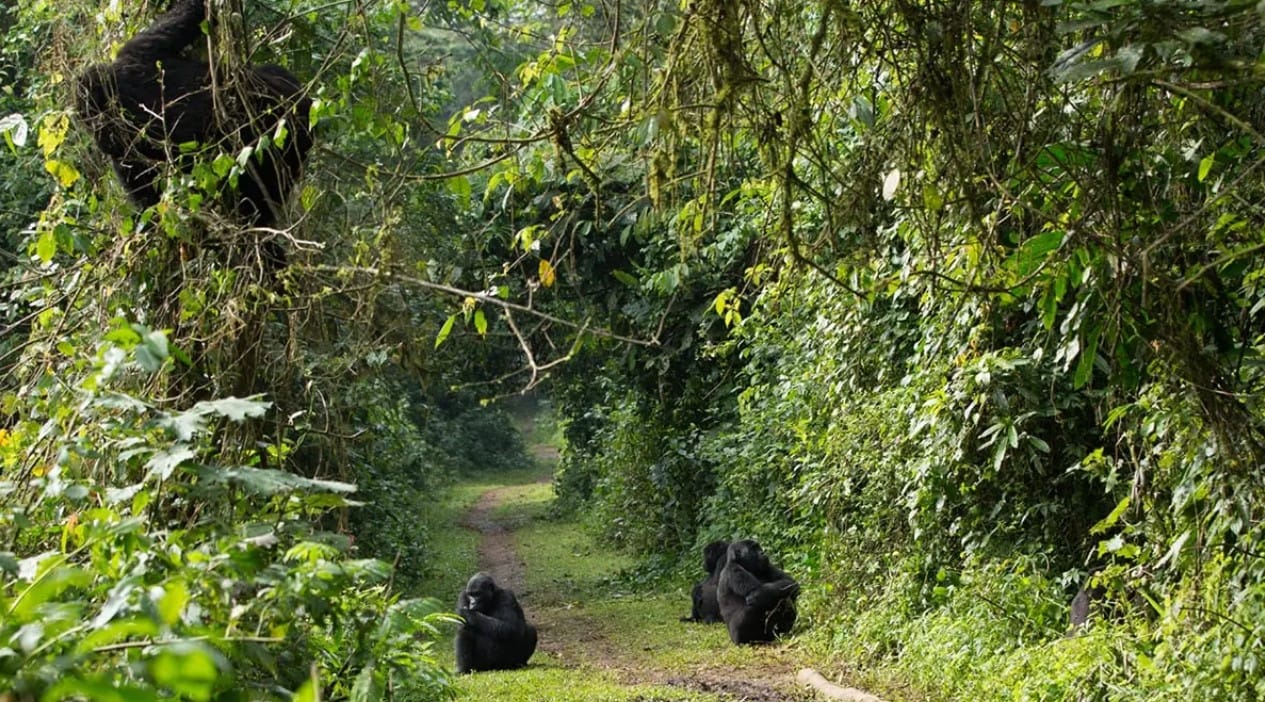 However, Nkuringo rewards effort with spectacular views and intimate gorilla encounters. Gorilla families here often occupy remote forest areas, adding to the sense of wilderness.
Nkuringo suits fit travelers who enjoy challenging hikes and want a less crowded, highly immersive gorilla trekking experience.
Bwindi Gorilla Trekking Trails and Difficulty
Bwindi’s trails vary significantly between sectors and even between different gorilla families within the same sector. Trek durations range from 30 minutes to over 6 hours, depending on where the gorillas are located on the day of your trek.
Trails often involve:
- Uneven forest paths
- Steep ascents and descents
- Muddy conditions, especially in rainy seasons
- Dense vegetation requiring careful footing
Porters are available at all sectors and are highly recommended. Hiring a porter supports local communities and greatly improves comfort and safety during the trek.
Gorilla Trekking Permits in Bwindi Explained
A gorilla trekking permit is mandatory to participate in any trek. The permit includes park entry, ranger guidance, and the one-hour gorilla encounter.
Key points about Bwindi permits:
- Permits are sector-specific
- Each permit allows one trek only
- Groups are limited to 8 visitors per gorilla family
- Permits should be booked well in advance
Because Bwindi has multiple sectors, availability varies. Rushaga and Buhoma often have better availability, while Ruhija and Nkuringo are more limited.
Permits contribute directly to conservation, ranger salaries, veterinary care, and community projects around Bwindi.
Best Time for Bwindi Gorilla Trekking
Bwindi gorilla trekking operates year-round, but weather affects trail conditions.
The dry seasons (June–September and December–February) offer easier hiking and more predictable conditions. These months are popular, so permits and lodges sell out early.
The rainy seasons (March–May and October–November) bring fewer visitors and lush forest scenery. Trails can be muddy, but gorilla sightings remain excellent.
For travelers who value comfort, dry seasons work best. For those seeking fewer crowds and lower lodge rates, rainy seasons can be rewarding.
How to Choose the Right Bwindi Sector
Choosing the right sector depends on several factors:
- Fitness level – Nkuringo and Rushaga are more demanding
- Permit availability – Rushaga offers the most flexibility
- Travel route – Buhoma fits well with Queen Elizabeth NP
- Crowd preference – Ruhija and Nkuringo are quieter
A knowledgeable safari planner can help match your needs with the right sector.
Final Thoughts on Bwindi Gorilla Trekking
Bwindi gorilla trekking offers unmatched variety, flexibility, and conservation value. With four distinct sectors, diverse trail systems, and strong permit availability, the park caters to first-time trekkers, adventure seekers, and repeat visitors alike.
Understanding Bwindi’s sectors, trails, and permits allows you to plan the right experience and enjoy one of the most meaningful wildlife encounters in the world. Whether you choose Buhoma, Ruhija, Rushaga, or Nkuringo, your time with mountain gorillas in Bwindi will remain a lifelong memory.
Contact – Bwindi Gorilla Trekking Planning
For gorilla trekking permits, sector advice, and customized Uganda safari itineraries:
📞 Phone / WhatsApp: +250781441853
📧 Email: info@universaljourneysrwanda.com
Contact us today to plan your Bwindi gorilla trekking adventure with expert guidance and seamless logistics.
