 Skip to content
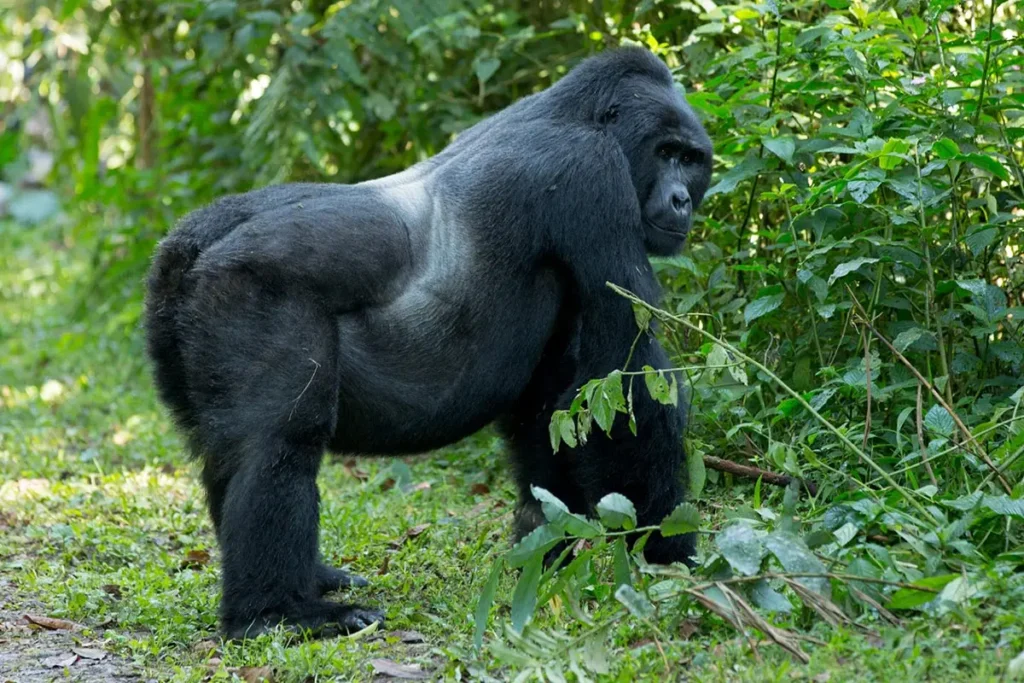
Gorilla Habituation Experience in Uganda: Is It Better Than Trekking? is one of the most important questions travelers ask when planning a premium gorilla safari. Uganda is the only country in the world that allows visitors to spend extended time with mountain gorillas during the habituation process. While traditional gorilla trekking already offers an extraordinary wildlife encounter, gorilla habituation goes deeper, lasts longer, and delivers a more immersive conservation experience. However, it also comes at a higher cost and requires a different level of commitment. Understanding the difference between gorilla habituation and standard trekking is essential before deciding which experience is right for you.
Uganda protects mountain gorillas mainly in Bwindi Impenetrable National Park, a vast and ancient rainforest located in the southwestern part of the country. Both gorilla trekking and the gorilla habituation experience operate under strict conservation guidelines designed to protect these endangered primates. Nevertheless, the structure, duration, and depth of each activity differ significantly. This detailed guide explains everything you need to know about the Gorilla Habituation Experience in Uganda, compares it clearly with gorilla trekking, and helps you decide whether it is better than trekking for your travel style and expectations.
Understanding the Gorilla Habituation Experience in Uganda
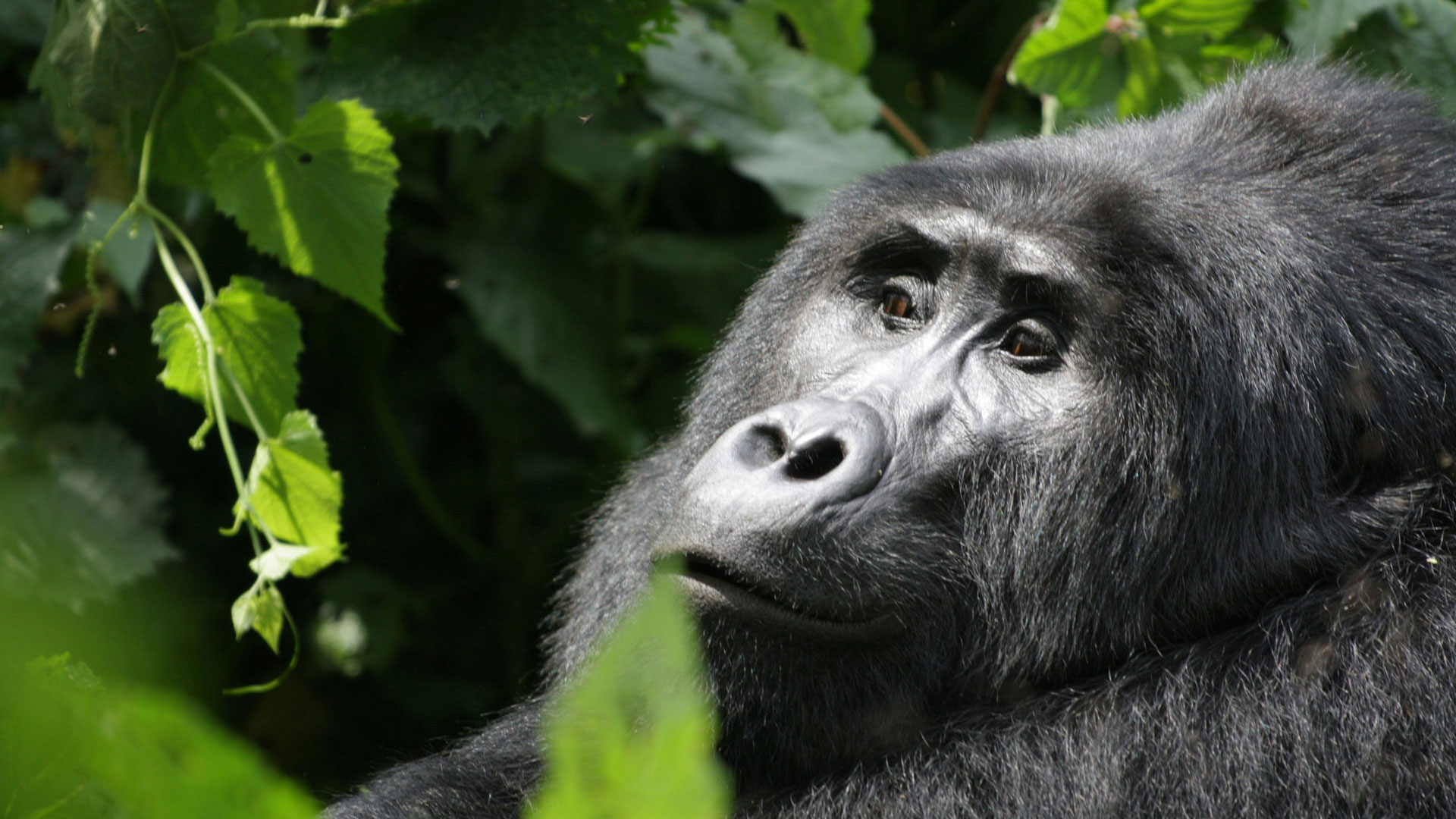 The Gorilla Habituation Experience in Uganda is a special conservation-focused activity that allows visitors to participate in the process of gradually familiarizing wild gorillas with human presence. Unlike fully habituated gorilla families used for standard trekking, habituation groups are still learning to tolerate humans without stress or behavioral change. As a result, the experience is more raw, unpredictable, and deeply educational.
During the Gorilla Habituation Experience in Uganda, visitors accompany researchers, trackers, and park rangers into the forest. You observe gorillas as scientists study their behavior, social interactions, feeding patterns, and movements. Most importantly, you are allowed to spend up to four hours with the gorillas, compared to just one hour during standard gorilla trekking. This extended time creates a much deeper connection and understanding of gorilla life in the wild.
Where Gorilla Habituation Takes Place in Uganda
Currently, the Gorilla Habituation Experience in Uganda is offered only in the southern sector of Bwindi Impenetrable National Park, particularly around Rushaga and Nkuringo areas. These regions are known for their steep terrain, remote forest trails, and active research programs.
Because habituation groups are not yet fully accustomed to humans, their movement patterns are less predictable. Consequently, trekking distances may be longer and more physically demanding. However, this also means fewer visitors, deeper forest exploration, and a more authentic wilderness experience.
Standard Gorilla Trekking in Uganda Explained
To understand whether the Gorilla Habituation Experience in Uganda is better than trekking, it is important to first understand what standard gorilla trekking involves. Gorilla trekking is the most popular wildlife activity in Uganda. It allows visitors to track a fully habituated gorilla family and spend one hour observing them at close range.
Standard gorilla trekking is well organized, highly regulated, and suitable for a wide range of travelers. Treks usually last between 2 and 6 hours, depending on gorilla location. Once the gorillas are found, visitors enjoy one unforgettable hour watching them feed, groom, rest, and interact.
Gorilla trekking offers excellent success rates and is less physically demanding than habituation. For many travelers, this one-hour encounter is already powerful and emotionally moving.
Gorilla Habituation vs Gorilla Trekking: Time and Access
One of the biggest differences when comparing Gorilla Habituation Experience in Uganda with standard trekking is time spent with gorillas. Trekking allows one hour. Habituation allows four hours.
Those extra hours make a significant difference. With more time, gorilla behavior becomes more relaxed and natural. You witness feeding cycles, play between juveniles, social interactions among silverbacks, and subtle communication signals. Therefore, for photographers, wildlife enthusiasts, and researchers, the Gorilla Habituation Experience in Uganda offers unmatched value.
Cost Comparison: Is Gorilla Habituation Worth the Price?
Cost is a key factor when asking, Gorilla Habituation Experience in Uganda: Is It Better Than Trekking?
- Gorilla Trekking Permit (Uganda): USD 800 per person
- Gorilla Habituation Permit (Uganda): USD 1,500 per person
The habituation permit costs nearly double, but it includes extended time, smaller groups, and direct participation in conservation work. For travelers who value depth over simplicity, the cost is often justified.
However, for travelers on a limited budget or short schedule, standard gorilla trekking remains an excellent option.
Group Size and Exclusivity
Another major advantage of the Gorilla Habituation Experience in Uganda is exclusivity. Habituation groups are limited to a maximum of four visitors per day, while standard trekking allows up to eight visitors per gorilla family.
Smaller group size means less noise, fewer distractions, and a more intimate experience. This exclusivity appeals strongly to luxury travelers, photographers, and those seeking meaningful wildlife encounters rather than checklist tourism.
Physical Demands and Trekking Difficulty
The Gorilla Habituation Experience in Uganda is generally more physically demanding than trekking. Because habituation gorillas are still wild and mobile, they may move deeper into the forest and higher up steep slopes. Treks can be longer, and terrain can be challenging.
Therefore, habituation is best suited for:
- Physically fit travelers
- Adventurous hikers
- Wildlife enthusiasts seeking immersive experiences
Standard gorilla trekking, on the other hand, is more suitable for:
- Older travelers
- Families
- Visitors with moderate fitness levels
Educational and Conservation Value
One of the strongest arguments for the Gorilla Habituation Experience in Uganda is its educational value. Visitors learn directly from researchers and rangers about gorilla behavior, conservation challenges, and the habituation process itself.
You gain insight into how gorillas are protected, how families are monitored, and why responsible tourism is essential. As a result, habituation is not just a wildlife experience but also a conservation lesson.
Photography and Filming Opportunities
For photographers, the Gorilla Habituation Experience in Uganda is often considered superior to trekking. With four hours in close proximity, you have more time to adjust settings, wait for ideal lighting, and capture natural behavior.
In contrast, the one-hour trekking limit can feel rushed, especially when gorillas are resting or hidden in dense vegetation.
Which Experience Is Better: Habituation or Trekking?
So, Gorilla Habituation Experience in Uganda: Is It Better Than Trekking? The answer depends on your travel goals.
Choose gorilla habituation if you:
- Want extended time with gorillas
- Seek exclusivity and deeper learning
- Are physically fit and adventurous
- Value conservation-focused tourism
Choose gorilla trekking if you:
- Have limited time
- Prefer a less demanding hike
- Want a more affordable option
- Are visiting Uganda for the first time
Both experiences are ethical, regulated, and unforgettable.
Final Thoughts on Gorilla Habituation Experience in Uganda
The Gorilla Habituation Experience in Uganda offers the deepest and most immersive gorilla encounter available anywhere in the world. While it is more expensive and physically demanding than standard trekking, it rewards travelers with time, intimacy, and understanding that trekking cannot match.
However, gorilla trekking remains one of Africa’s greatest wildlife experiences and continues to satisfy the majority of visitors. Ultimately, the best choice depends on your budget, fitness level, and desire for depth versus simplicity.
Whichever option you choose, Uganda guarantees a responsible, emotional, and life-changing encounter with mountain gorillas.
Contact – Plan Your Gorilla Habituation or Trekking Safari in Uganda
For permit availability, cost breakdowns, and customized gorilla safari itineraries:
📞 Phone / WhatsApp: +250781441853
📧 Email: info@universaljourneysrwanda.com
Contact us today to plan your Gorilla Habituation Experience in Uganda or classic gorilla trekking safari with expert guidance and transparent pricing.
