 Skip to content
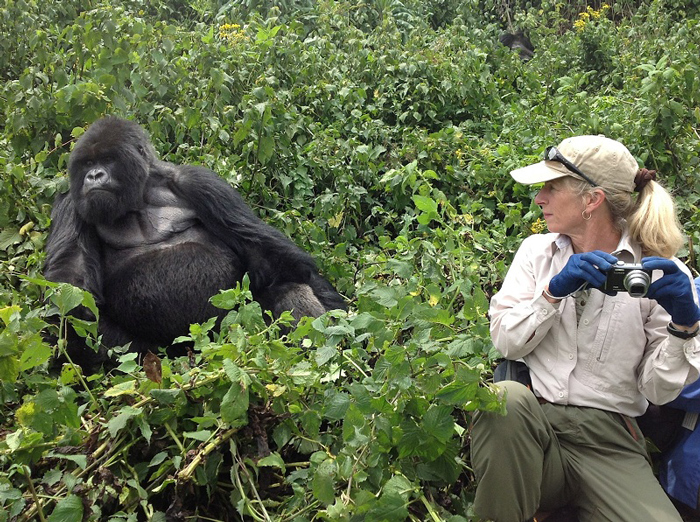
Uganda Gorilla Trekking Safety is one of the most searched concerns for travelers planning an African safari. Every year, thousands of visitors travel to Bwindi Impenetrable National Park and Mgahinga Gorilla National Park to experience mountain gorilla trekking in their natural habitat. While the adventure is thrilling and life-changing, many travelers ask important questions about health precautions, ranger protection, park security, and overall safety standards. The good news is that Uganda gorilla trekking safety measures are among the most organized and strictly monitored wildlife tourism systems in Africa. From armed ranger escorts and professional guides to strict health protocols and controlled visitor numbers, Uganda has developed a highly secure and well-managed gorilla trekking experience that protects both tourists and endangered mountain gorillas.
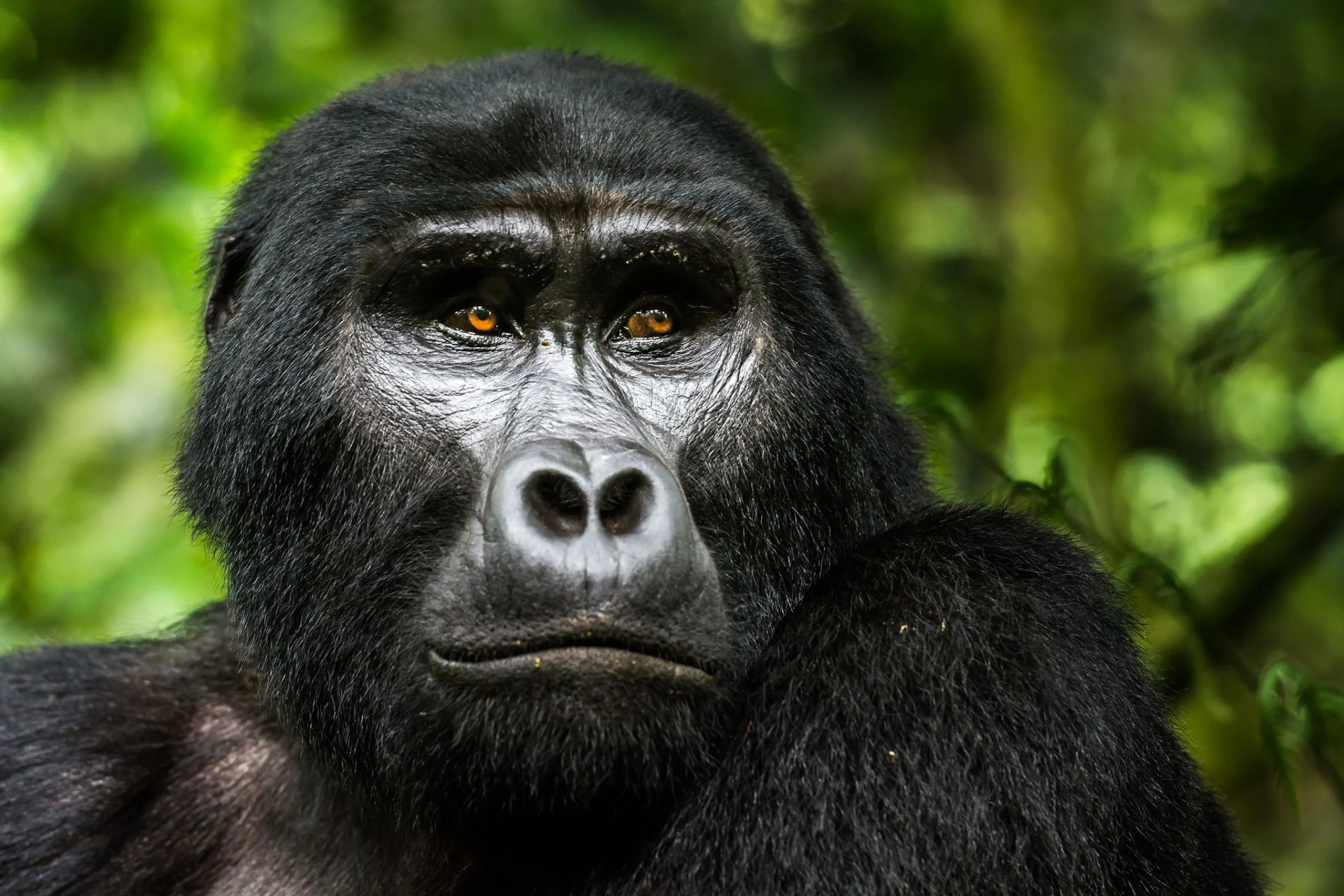 Gorilla trekking in Uganda operates under strict supervision from the Uganda Wildlife Authority (UWA), the government body responsible for managing national parks and wildlife conservation. Their comprehensive safety system ensures that every visitor is briefed, guided, monitored, and protected throughout the trekking experience. In this complete guide, we explore Uganda Gorilla Trekking Safety in detail, covering health regulations, ranger protection, armed security, emergency evacuation procedures, and why Uganda remains one of the safest destinations for gorilla trekking in Africa.
Uganda Gorilla Trekking Safety Standards Explained
Uganda Gorilla Trekking Safety begins with strict regulation. Only a limited number of permits are issued daily for each habituated gorilla family. This ensures small group sizes, minimal environmental impact, and safer, controlled trekking conditions. Each trekking group is accompanied by trained ranger guides, trackers, and in many cases armed security personnel.
The parks maintain daily patrol systems, intelligence monitoring, and coordination with local security forces. Uganda’s tourism zones in Bwindi and Mgahinga are heavily protected areas with no reported incidents involving tourists during gorilla trekking activities in recent years. This structured approach makes Uganda gorilla trekking safety a model for wildlife tourism management.
Health Safety in Uganda Gorilla Trekking
Uganda Gorilla Trekking Safety includes health screening measures before visitors join a trekking group. Since mountain gorillas share approximately 98% of their DNA with humans, they are highly susceptible to human illnesses. For that reason: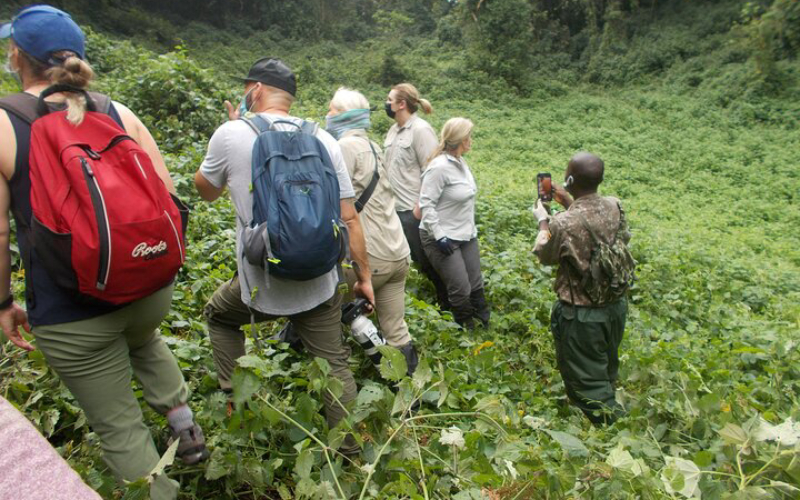
- Visitors showing flu symptoms are not allowed to trek.
- Anyone with contagious diseases may be denied participation.
- Hand sanitation is required before approaching gorillas.
- A 7-meter distance rule is strictly enforced.
These health measures protect both tourists and the endangered gorilla population.
Altitude and Physical Fitness Considerations
Trekking in Bwindi Impenetrable Forest involves hiking at elevations between 1,160 and 2,600 meters. The terrain can be steep, muddy, and physically demanding. Uganda Gorilla Trekking Safety guidelines recommend:
- Moderate physical fitness preparation.
- Wearing proper hiking boots.
- Carrying sufficient water.
- Hiring a porter (strongly encouraged).
Porters are affordable and significantly improve trekking safety by assisting with balance on steep slopes.
Rangers and Armed Security Protection
A key component of Uganda Gorilla Trekking Safety is armed ranger protection. Every trekking group is escorted by trained rangers who carry firearms as a precaution. While gorillas are habituated and peaceful, wild animals such as forest elephants or buffalo may be encountered. Rangers are trained to manage wildlife behavior and ensure tourist safety.
Their role includes:
- Securing trekking routes.
- Monitoring wildlife movement.
- Communicating with park headquarters.
- Providing emergency response if necessary.
Pre-Trek Security Briefings
Before entering the forest, all visitors attend a detailed safety briefing. This includes instructions on:
- How to behave around gorillas.
- What to do if a gorilla approaches.
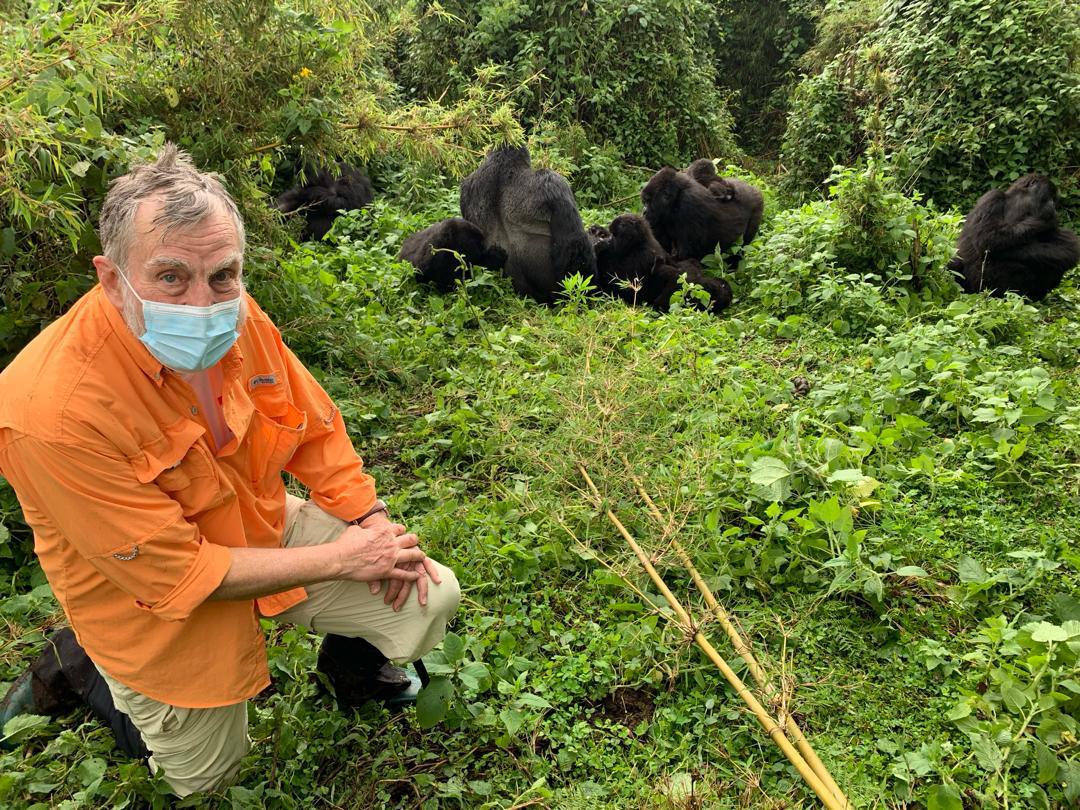
- Maintaining a safe distance.
- Avoiding sudden movements or loud noises.
This educational approach strengthens Uganda gorilla trekking safety by preparing tourists for real-life encounters.
Is Bwindi Impenetrable National Park Safe?
Bwindi Impenetrable National Park is located in southwestern Uganda near the borders of Rwanda and the Democratic Republic of Congo. The park is heavily protected and regularly patrolled. Uganda Gorilla Trekking Safety measures include coordination between park authorities and national security agencies. Tourism zones are considered stable and secure.
Travelers often compare safety in Uganda with Rwanda. Both countries maintain high standards; however, Uganda offers larger trekking sectors and more gorilla families, making it a preferred destination for many visitors seeking value and safety combined.
Mgahinga Gorilla National Park Security
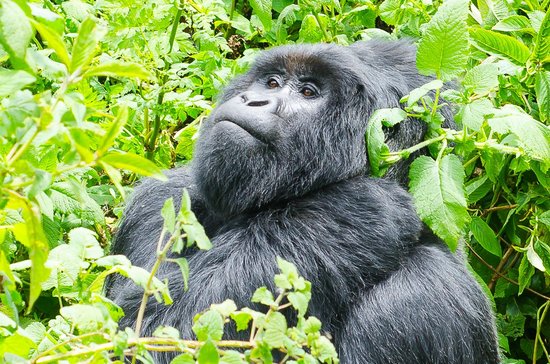 Mgahinga Gorilla National Park, part of the Virunga Conservation Area, also maintains strong ranger presence and daily monitoring systems. Uganda Gorilla Trekking Safety protocols here mirror those in Bwindi, ensuring visitors are escorted, monitored, and protected.
Emergency Medical Response & Evacuation
Uganda Gorilla Trekking Safety includes access to emergency evacuation services. In case of medical emergencies:
- Rangers communicate via radio to park headquarters.
- Stretchers are available for injured trekkers.
- Helicopter evacuation can be arranged through medical insurance providers.
Travelers are advised to purchase comprehensive travel insurance covering high-altitude trekking and emergency evacuation. Having insurance significantly enhances personal safety preparedness.
COVID-19 & Ongoing Health Protocols
Following global health events, Uganda Gorilla Trekking Safety guidelines incorporated additional measures such as:
- Mask-wearing near gorillas.
- Mandatory hand sanitizing.
- Temperature checks (when required).
- Reduced group interaction.
Although regulations evolve, Uganda maintains strict health standards to protect both wildlife and tourists.
Wildlife Safety During Gorilla Encounters
Mountain gorillas in Uganda are habituated to human presence. They are calm, peaceful primates. Uganda Gorilla Trekking Safety emphasizes:
- No direct eye contact for extended periods.
- No flash photography.
- Crouching down if a gorilla approaches.
- Following ranger instructions immediately.
Serious incidents during gorilla trekking are extremely rare. The controlled one-hour visitation rule further reduces risks.
Community Security & Local Support
Local communities surrounding Bwindi and Mgahinga play an active role in conservation and tourism. Revenue-sharing programs help improve livelihoods, creating strong community support for tourism safety. Uganda Gorilla Trekking Safety benefits from this collaboration because communities help maintain peaceful, welcoming environments for visitors.
Travel Advice for Maximum Safety
To ensure Uganda Gorilla Trekking Safety during your trip:
- Book permits through licensed tour operators.
- Avoid independent forest entry.
- Respect park rules strictly.
- Stay informed about weather conditions.
- Carry required travel documents.
Planning with experienced local safari companies improves overall safety and coordination.
Why Uganda Gorilla Trekking Safety Is Highly Trusted
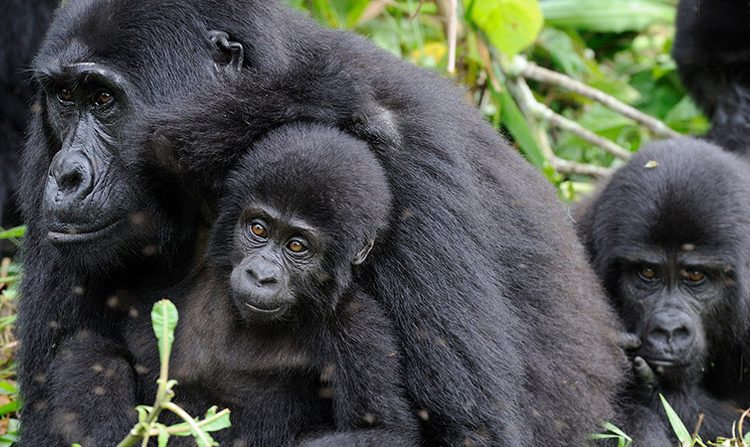 Uganda Gorilla Trekking Safety is built on three strong pillars:
- Professional ranger protection.
- Strict health regulations.
- Stable security infrastructure.
Uganda has hosted thousands of successful gorilla treks annually without major safety incidents. The structured permit system, controlled trekking groups, armed escorts, and community involvement all contribute to a secure experience.
Visitors from Europe, America, Asia, and Australia consistently rate Uganda as one of Africa’s safest gorilla trekking destinations. The combination of conservation discipline, trained rangers, and responsible tourism management makes Uganda gorilla trekking safety reliable and trustworthy.
Final Thoughts on Uganda Gorilla Trekking Safety
Uganda Gorilla Trekking Safety should not be a source of fear but rather reassurance. The systems in place within Bwindi Impenetrable National Park and Mgahinga Gorilla National Park are designed to protect both humans and wildlife. From armed ranger escorts to strict health guidelines and emergency preparedness, Uganda provides a safe, controlled, and unforgettable gorilla trekking adventure.
Travelers who follow guidelines, prepare physically, and book with reputable operators can confidently enjoy one of the most extraordinary wildlife experiences on earth.
For customized gorilla trekking packages, permits assistance, and secure safari planning, contact:
📧 Email: info@universalventuresrwanda.com
📞 Phone / WhatsApp: +250 781 441 853
Experience Uganda with confidence — where adventure meets safety in the heart of Africa.
