 Skip to content
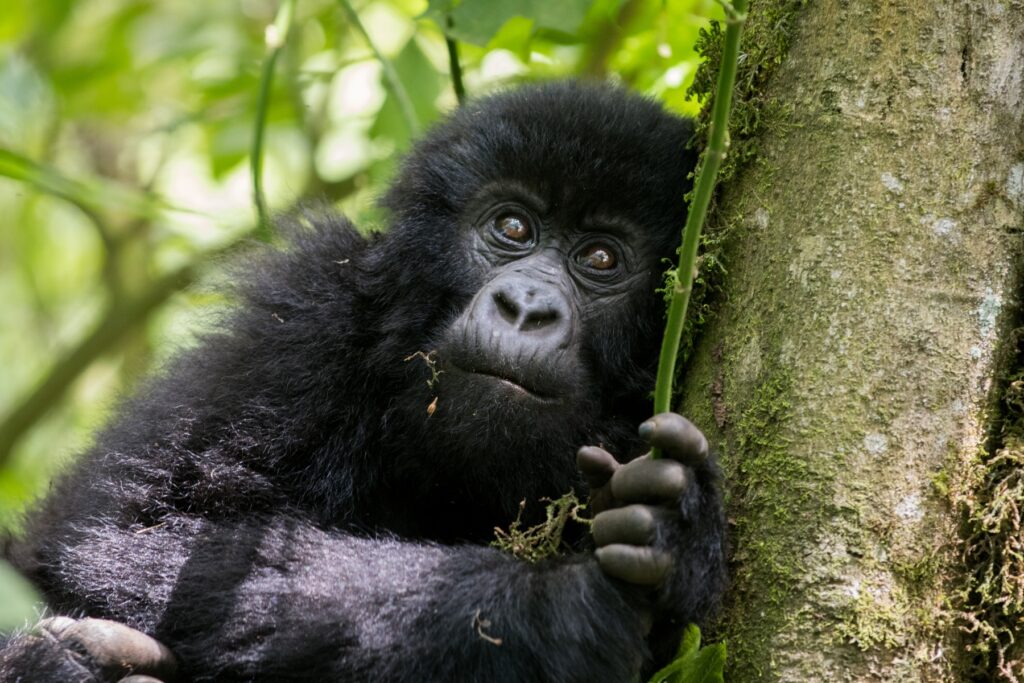
Uganda gorilla trekking is one of the most powerful wildlife experiences in the world, yet many travelers hesitate to book because of misinformation circulating online. The topic of Uganda Gorilla Trekking Myths vs Reality is more important than ever, especially for first-time safari visitors, families, photographers, and older travelers planning an African adventure. From exaggerated stories about extreme difficulty to misunderstandings about safety, permits, and success rates, several myths prevent travelers from experiencing one of Africa’s greatest highlights. In this detailed guide, we break down the most common Uganda Gorilla Trekking myths vs reality, providing clear, honest insights based on real safari operations in Bwindi Impenetrable National Park and Mgahinga Gorilla National Park.
Understanding Uganda Gorilla Trekking Myths vs Reality Before You Travel
Before booking a gorilla safari in Uganda, it is essential to separate fact from fiction. The reality is that Uganda offers one of the most affordable and rewarding gorilla trekking experiences in East Africa, with well-trained ranger guides, strict conservation protocols, and high success rates. However, outdated stories and online rumors often distort the experience.
When discussing Uganda Gorilla Trekking Myths vs Reality, it is important to consider:
- Permit availability and pricing
- Trekking difficulty levels
- Safety conditions
- Accommodation standards
- Gorilla sighting success rates
- Age restrictions
- Conservation impact
Let’s explore the most common myths and uncover the truth.
Myth 1: Gorilla Trekking in Uganda Is Extremely Dangerous
One of the biggest misconceptions is that gorilla trekking in Uganda is unsafe or risky. Some travelers imagine aggressive wildlife encounters or unstable security conditions. The reality is very different.
The Reality
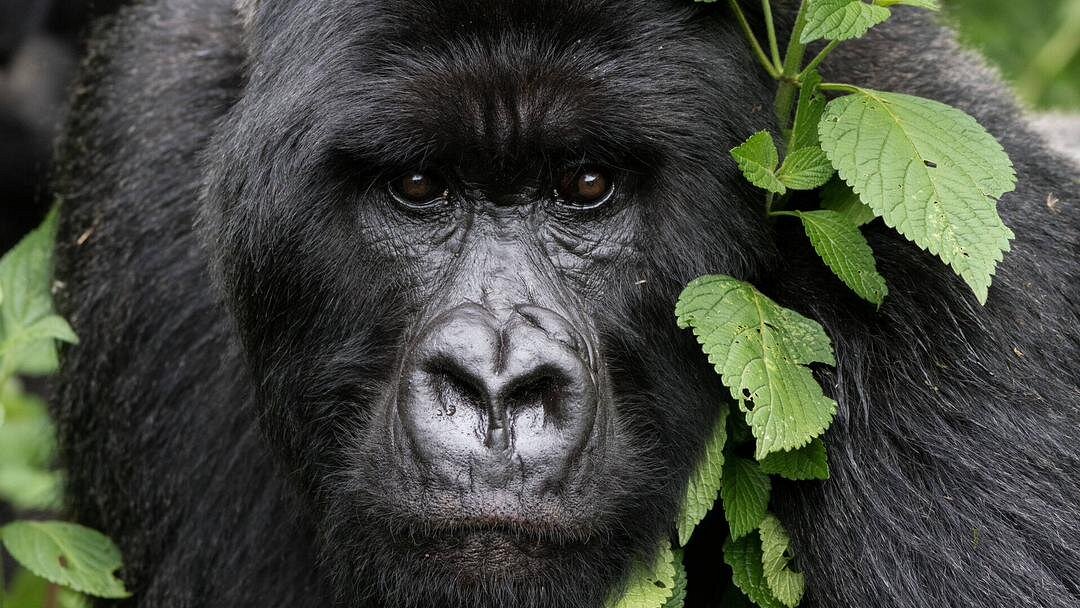 Uganda gorilla trekking is highly regulated and professionally managed. Each trekking group is accompanied by armed rangers, trained guides, and trackers who monitor gorilla movements daily. Mountain gorillas in Uganda are habituated, meaning they are accustomed to human presence. Rangers enforce strict rules, including maintaining a safe viewing distance of seven meters and limiting visits to one hour.
Both Bwindi and Mgahinga are secure protected areas with constant ranger patrols. Uganda has successfully hosted thousands of international visitors annually for gorilla trekking without incident.
The truth about Uganda Gorilla Trekking Myths vs Reality is that safety standards are extremely high, and the experience is carefully controlled.
Myth 2: Gorilla Trekking in Uganda Is Only for Young, Fit Travelers
Another common belief is that trekking through Bwindi’s forest requires extreme athletic ability. Many older travelers cancel plans because they think the hike is impossible.
The Reality
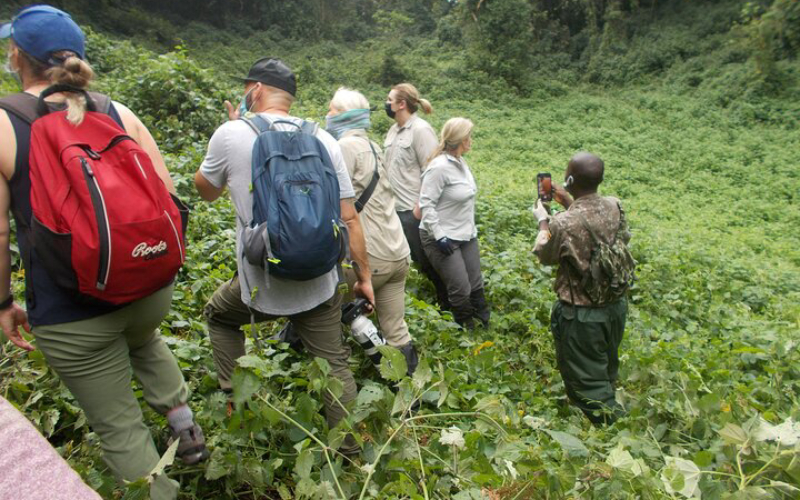 Trek difficulty varies. Some gorilla families are located closer to the starting point, while others require longer hikes. Park authorities assign gorilla families based on fitness level and age. Visitors in their 60s and 70s regularly complete treks successfully.
Porters are available for hire (around USD 20) to assist with bags and provide support on steep terrain. Sedan chair services (locally known as “African helicopter”) can also be arranged for those needing additional assistance.
In the discussion of Uganda Gorilla Trekking Myths vs Reality, the truth is that the trek can be adapted to different fitness levels.
Myth 3: Uganda Gorilla Trekking Permits Are Impossible to Get
Many people believe permits are always sold out or extremely difficult to secure.
The Reality
Uganda offers more permits than any other gorilla trekking destination. Bwindi alone has multiple trekking sectors including Buhoma, Ruhija, Rushaga, and Nkuringo. This increases daily permit availability significantly compared to other destinations.
Permits in Uganda are also more affordable than neighboring countries, making it one of the best-value gorilla trekking experiences in Africa.
Advance booking is recommended during peak seasons (June–September and December–February), but permits are regularly available with proper planning.
Myth 4: You Might Not See Gorillas After Paying for a Permit
Some travelers worry that they might pay for a permit and fail to see gorillas.
The Reality
Uganda’s gorilla trekking success rate exceeds 95%. Rangers track gorilla families daily, and trekkers are guided toward their known locations. It is extremely rare not to see gorillas.
The myth that sightings are uncertain is one of the biggest misunderstandings in Uganda Gorilla Trekking Myths vs Reality discussions. The experience is remarkably reliable.
Myth 5: Uganda Gorilla Trekking Is Not Comfortable
Many assume Uganda only offers basic lodging near the parks.
The Reality
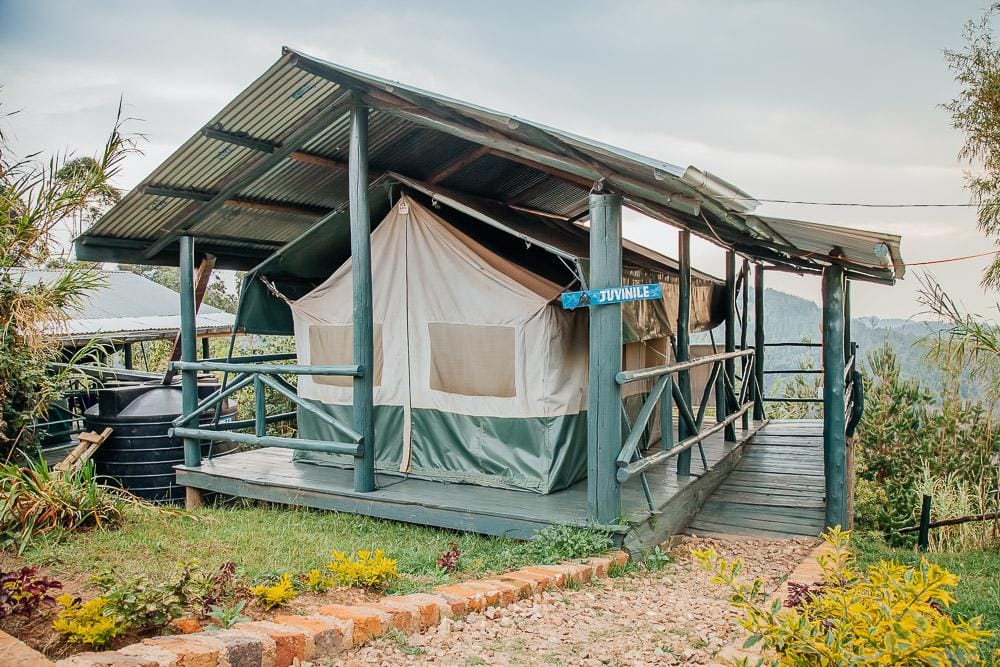 Accommodation options range from budget eco-lodges to luxury safari lodges overlooking the forest canopy. Travelers can choose based on comfort preference and budget.
Luxury lodges offer en-suite bathrooms, fine dining, fireplaces, spa services, and stunning views. Midrange options provide excellent comfort with professional hospitality.
The idea that Uganda gorilla trekking lacks comfort is outdated.
Myth 6: Gorilla Trekking in Uganda Harms Conservation
Some believe tourism negatively affects mountain gorillas.
The Reality
Gorilla trekking funds conservation. A large portion of permit revenue goes toward wildlife protection, anti-poaching patrols, and community development. Local communities benefit through employment and revenue-sharing programs, which reduces illegal activities.
Uganda’s conservation model has contributed to the steady growth of the mountain gorilla population.
The truth behind Uganda Gorilla Trekking Myths vs Reality is that tourism actively protects gorillas.
Myth 7: Uganda Gorilla Trekking Is the Same Everywhere
Travelers often think all trekking sectors offer identical experiences.
The Reality
Bwindi offers dense rainforest scenery with varied terrain and multiple sectors. Mgahinga provides dramatic volcanic landscapes and fewer trekking groups, offering a more intimate experience.
Both parks offer unforgettable encounters, but the landscapes and trekking styles differ.
What Really Happens on Trekking Day
To fully understand Uganda Gorilla Trekking Myths vs Reality, it helps to know what a typical trekking day involves:
- Early breakfast at the lodge
- Transfer to park headquarters
- Briefing by rangers
- Assignment to gorilla family
- Guided trek through the forest
- One hour with the gorillas
- Return hike and certificate presentation
The moment you stand a few meters away from a silverback gorilla observing his family is beyond description. The experience is peaceful, emotional, and deeply moving.
Best Time to Go – Myth vs Reality
Some believe gorilla trekking is only possible in dry seasons.
Reality
Gorilla trekking is available year-round. Dry seasons (June–September, December–February) offer easier hiking conditions. Wet seasons provide lush landscapes and fewer crowds.
Is Uganda Better Than Rwanda for Gorilla Trekking?
When analyzing Uganda Gorilla Trekking Myths vs Reality, many travelers ask about differences between countries.
Uganda offers:
- More permit availability
- Lower permit cost
- Larger trekking area
- Greater accommodation diversity
Each country offers excellent experiences, but Uganda is often preferred for value and variety.
Why Uganda Gorilla Trekking Is a Life-Changing Experience
The emotional connection during a gorilla encounter is something travelers never forget. Watching young gorillas play, observing mothers nurturing infants, and locking eyes with a silverback creates an unforgettable wildlife memory.
The myths fade quickly once visitors experience the reality.
Planning Your Uganda Gorilla Trekking Safari
To make your safari seamless:
- Book permits early
- Choose accommodation near your trekking sector
- Hire a professional tour operator
- Prepare proper trekking gear
- Consider combining gorilla trekking with a safari in Queen Elizabeth National Park
Final Thoughts on Uganda Gorilla Trekking Myths vs Reality
The conversation about Uganda Gorilla Trekking Myths vs Reality reveals one clear conclusion: most fears are based on outdated or inaccurate information. Gorilla trekking in Uganda is safe, well-managed, accessible to different age groups, highly successful, conservation-driven, and deeply rewarding.
If you are considering booking a gorilla safari in Uganda, the reality is far more inspiring than the myths suggest.
Plan Your Uganda Gorilla Trekking Safari With Us
For permit booking, customized itineraries, and accommodation options, contact:
Universal Ventures Rwanda
📍 Address: Kk 15 Rd, Kigali
📞 Phone/WhatsApp: +250 781441853
Email: info@universalventuresrwanda.com
We specialize in organizing seamless gorilla trekking safaris in Uganda and Rwanda, including luxury, midrange, and budget options tailored to your travel style.
Let us help you experience the true reality behind Uganda Gorilla Trekking Myths vs Reality.
