 Skip to content
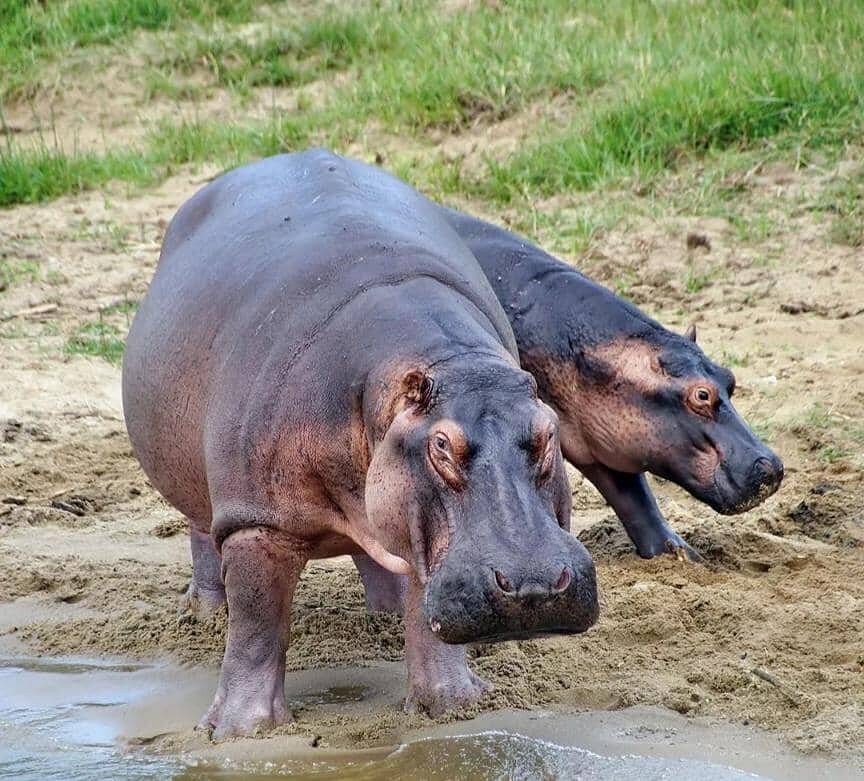
Rwanda is widely known around the world for its mountain gorilla conservation success, but another remarkable wildlife story has quietly unfolded in the eastern part of the country. Over the past decade, Rwanda has achieved one of Africa’s most inspiring conservation victories through the successful reintroduction of lions and rhinos into Akagera National Park. This initiative not only restored the park’s ecological balance but also transformed Rwanda into a destination where visitors can experience a complete Big Five safari.
The story of how Rwanda reintroduced lions and rhinos is one of determination, international cooperation, and innovative wildlife management. Today, Akagera National Park stands as a symbol of how conservation, tourism, and community involvement can work together to protect endangered species while supporting economic development.
In this article, we explore the history of wildlife loss in Akagera, the steps taken to restore the ecosystem, and how the reintroduction of lions and rhinos has reshaped Rwanda’s safari tourism industry.
Akagera National Park: Rwanda’s Savannah Wildlife Reserve
Akagera National Park is Rwanda’s only savannah park and one of the country’s most important wildlife conservation areas. Located in eastern Rwanda along the border with Tanzania, the park covers more than 1,100 square kilometers of diverse landscapes including savannah plains, lakes, wetlands, and woodlands.
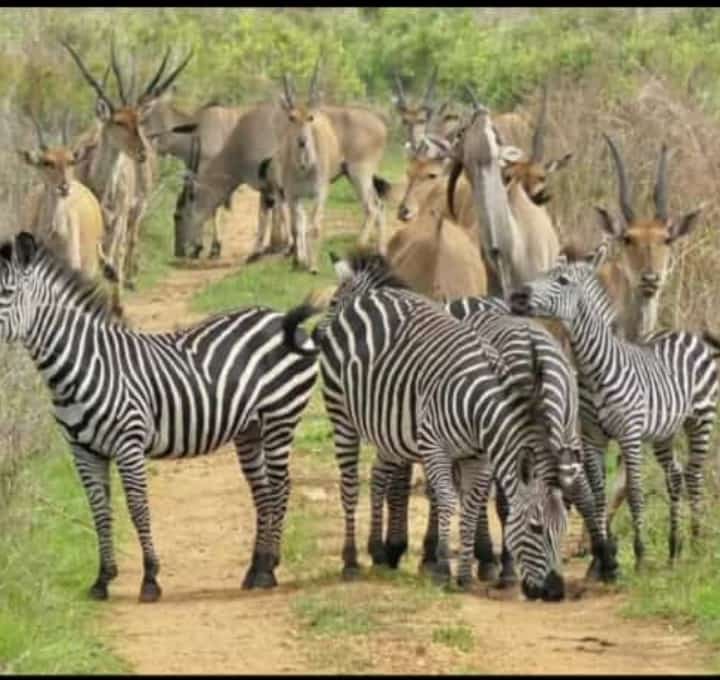 The park was originally established in 1934 and was once home to a wide variety of wildlife including lions, rhinos, elephants, giraffes, zebras, and numerous antelope species. However, the park faced major challenges in the late twentieth century due to political instability, population pressure, and poaching.
By the early 2000s, many of Akagera’s large predators had disappeared, and the park was struggling to maintain healthy wildlife populations.
Wildlife Decline in Akagera National Park
Before Rwanda reintroduced lions and rhinos, Akagera experienced significant wildlife loss. During the 1994 genocide and the years that followed, many displaced communities settled around the park and some areas were converted into farmland and grazing land.
These changes led to several challenges:
- Habitat loss
- Increased poaching
- Human-wildlife conflict
- Declining wildlife populations
As a result, lions disappeared from the park by the early 2000s, and the last black rhinos had already been lost years earlier.
Without top predators like lions and large herbivores such as rhinos, the park’s ecological balance was disrupted. Conservationists realized that restoring these species would be critical to rebuilding the park’s ecosystem.
Partnership Between Rwanda and African Parks
A turning point came in 2010 when the Rwanda Development Board partnered with African Parks, a conservation organization that manages protected areas across Africa.
This partnership focused on restoring Akagera National Park through:
- Strong anti-poaching patrols
- Community engagement programs
- Infrastructure development
- Wildlife reintroduction initiatives
African Parks introduced modern conservation strategies and invested heavily in protecting the park. One of the first major steps was the construction of a 120-kilometer predator-proof fence along parts of the park boundary to reduce human-wildlife conflict.
These improvements created the conditions needed for Rwanda to successfully reintroduce lions and rhinos.
The Return of Lions to Rwanda
The reintroduction of lions marked one of the most exciting milestones in Rwanda’s conservation journey.
Lion Reintroduction in 2015
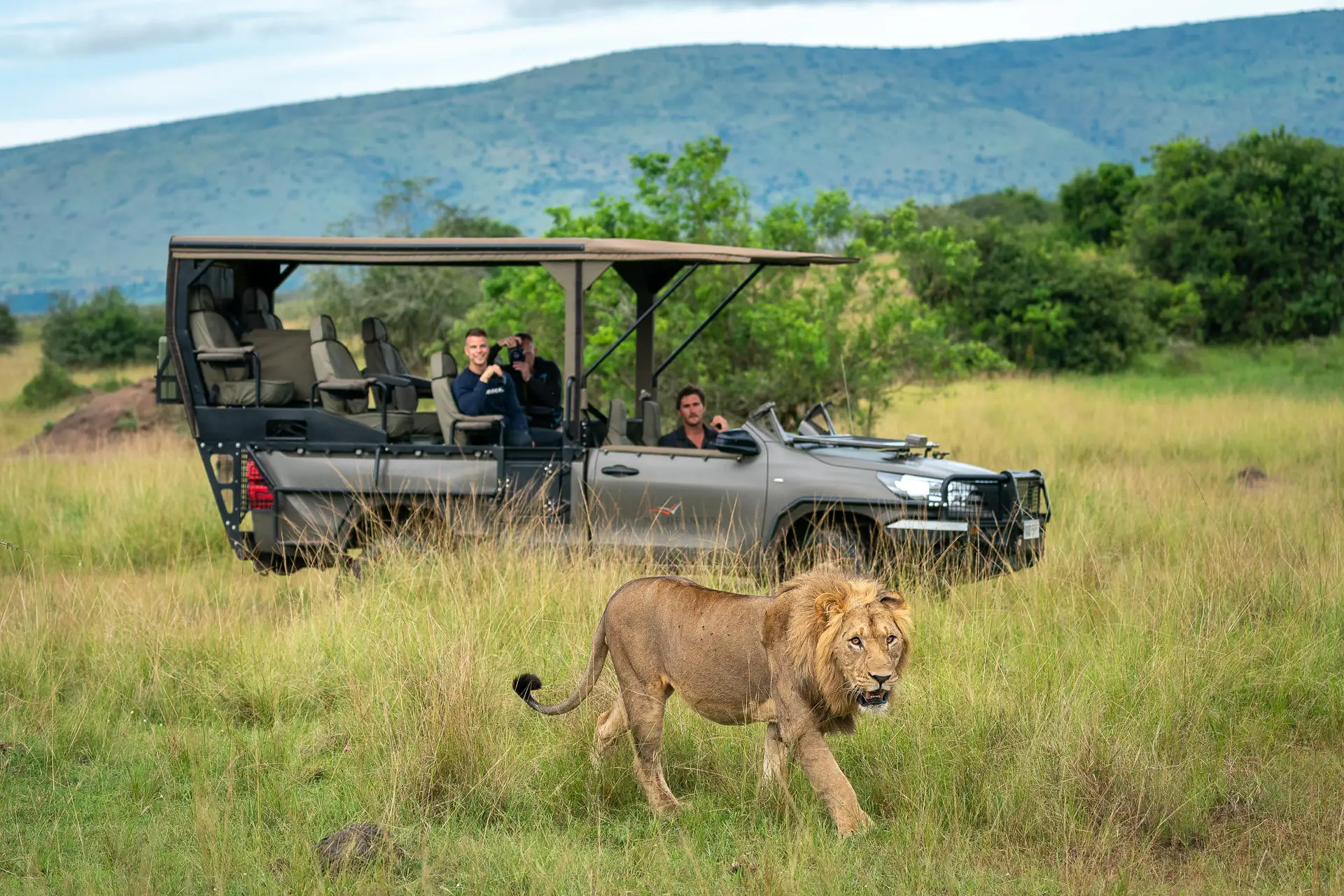 In 2015, Rwanda reintroduced lions to Akagera National Park after they had been absent for nearly two decades. Seven lions were relocated from South Africa to Rwanda in a carefully coordinated conservation effort.
The lions were transported by air and then released into the park under close monitoring by wildlife experts.
The goals of this reintroduction included:
- Restoring natural predator populations
- Rebalancing the ecosystem
- Boosting Rwanda’s safari tourism industry
Lion Population Growth
Since their reintroduction, the lion population in Akagera has grown steadily. Today, several lion prides live within the park, and sightings have become increasingly common during game drives in Akagera National Park.
The return of lions has also helped control herbivore populations, ensuring healthier ecosystems within the park.
The Return of Rhinos to Rwanda
Another historic milestone occurred when Rwanda reintroduced rhinos, restoring Akagera’s Big Five status.
Black Rhino Reintroduction in 2017
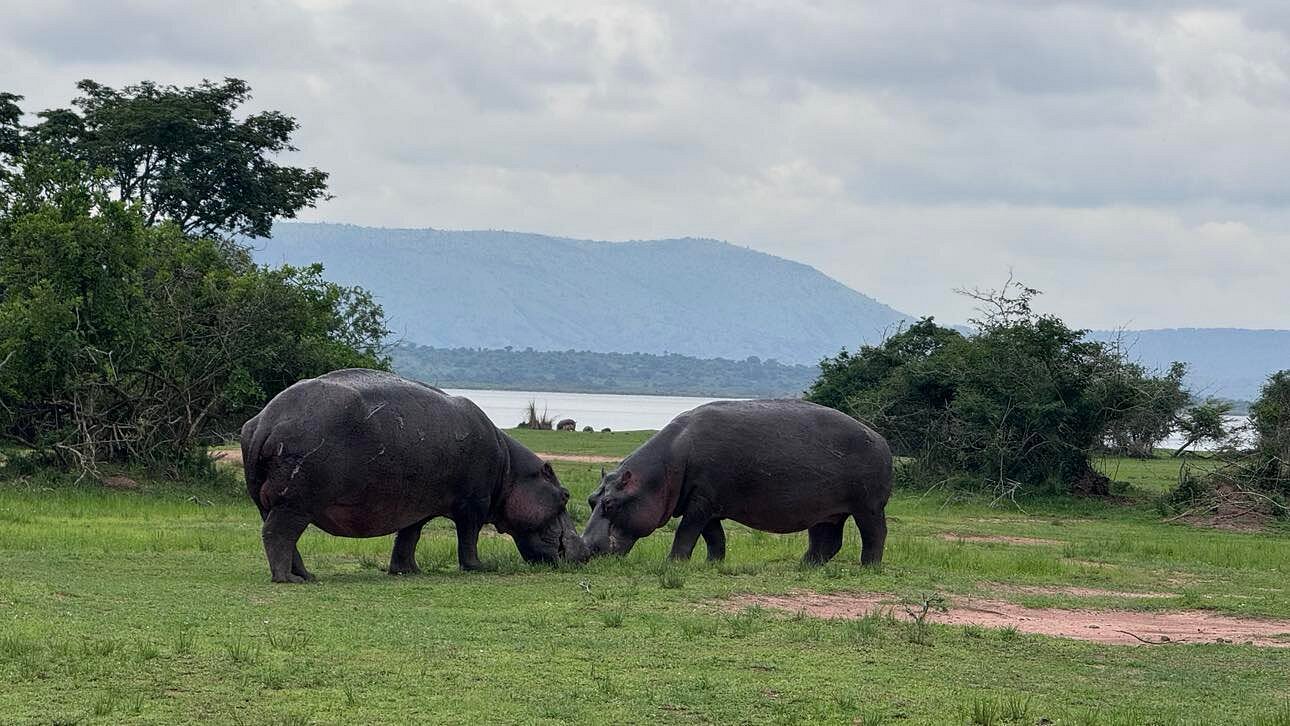 In 2017, Rwanda reintroduced 18 eastern black rhinos from South Africa. This was the first time in more than a decade that rhinos had been seen in Rwanda.
Black rhinos are critically endangered, making their reintroduction a major achievement for wildlife conservation.
These rhinos were carefully relocated and placed under strict protection inside Akagera National Park.
White Rhino Reintroduction in 2021
Rwanda strengthened its conservation efforts further in 2021 by introducing 30 southern white rhinos, one of the largest rhino relocations ever attempted.
This historic conservation project involved transporting rhinos thousands of kilometers from South Africa to Rwanda.
The successful relocation significantly increased rhino populations in Akagera and reinforced Rwanda’s reputation as a leader in wildlife protection.
Akagera Becomes a Big Five Safari Destination
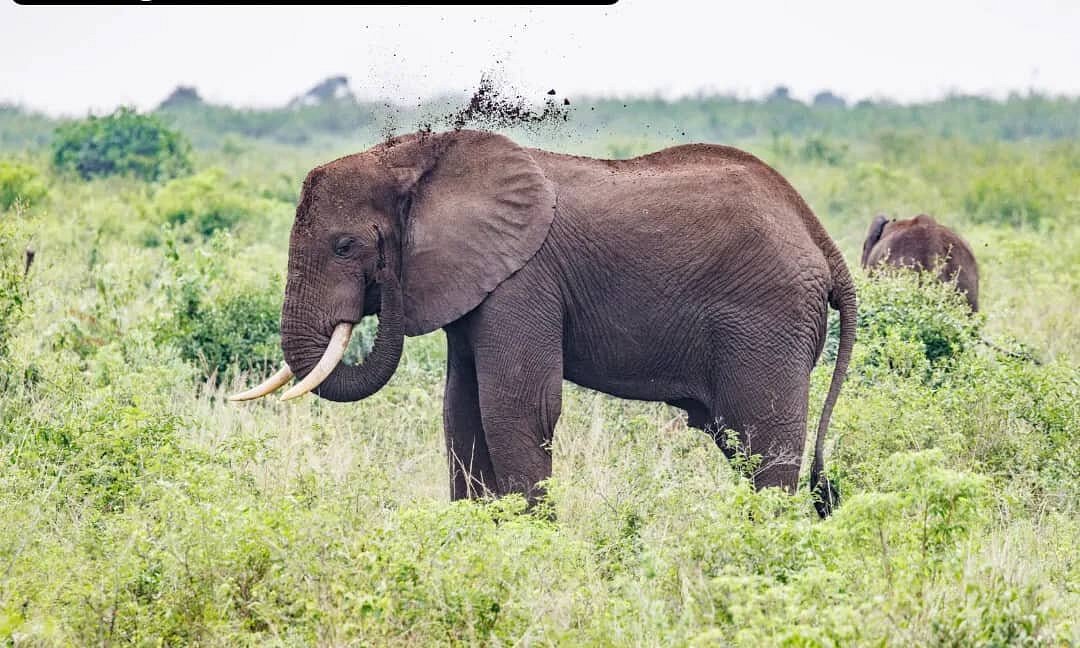 Thanks to the efforts to reintroduce lions and rhinos, Akagera National Park once again became home to the famous Big Five animals:
- Lions, Leopards, Elephants, Buffalo, Rhinos
This achievement has dramatically increased the park’s popularity among international tourists seeking a Rwanda wildlife safari.
Visitors now travel to Akagera to experience traditional African game drives while also exploring Rwanda’s unique landscapes and conservation success stories.
Conservation Benefits of Reintroducing Lions & Rhinos
The successful project where Rwanda reintroduced lions and rhinos has delivered several important benefits for conservation and tourism.
Restoring Ecological Balance
Large predators and herbivores play crucial roles in maintaining healthy ecosystems. Lions regulate prey populations while rhinos influence vegetation patterns through grazing behavior.
Their presence helps create balanced wildlife populations and healthier habitats.
Boosting Rwanda Safari Tourism
The return of the Big Five has helped position Rwanda as a full safari destination, complementing its world-famous gorilla trekking experiences.
Many visitors now combine:
- Gorilla trekking in Volcanoes National Park
- Big Five safari in Akagera National Park
- Chimpanzee trekking in Nyungwe Forest
This combination makes Rwanda one of Africa’s most diverse safari destinations.
Supporting Local Communities
Tourism revenue generated by Akagera supports surrounding communities through:
- Employment opportunities
- Community development projects
- Revenue sharing programs
These initiatives encourage local residents to participate in wildlife conservation efforts.
Anti-Poaching Efforts and Wildlife Protection
Protecting newly reintroduced animals requires strong conservation measures.
Akagera National Park has implemented advanced wildlife protection systems including:
- Highly trained ranger patrols
- Aerial surveillance
- Tracking technology
- Community conservation programs
These strategies have significantly reduced poaching and strengthened wildlife protection within the park.
Akagera Today: A Conservation Success Story
Today, Akagera National Park stands as one of Africa’s most inspiring conservation success stories.
The park now hosts:
- Growing populations of lions and rhinos
- Healthy elephant herds
- Numerous antelope species
- Rich birdlife with over 500 species
Wildlife numbers continue to increase, and the park attracts visitors from around the world who want to witness Rwanda’s incredible conservation achievements.
Visiting Akagera National Park Today
Travelers visiting Rwanda can experience the results of this conservation success through exciting safari activities such as:
- Morning and afternoon game drives, Night safaris, Boat safaris on Lake Ihema, Bird watching tours, Photography safaris
Seeing lions and rhinos thriving in Akagera offers visitors a deeper appreciation for Rwanda’s dedication to wildlife conservation.
Final Thoughts: Rwanda’s Conservation Leadership
The story of how Rwanda reintroduced lions and rhinos demonstrates what is possible when governments, conservation organizations, and communities work together.
By restoring these iconic animals to Akagera National Park, Rwanda has rebuilt an ecosystem, strengthened wildlife protection, and created new opportunities for sustainable tourism.
Today, visitors to Rwanda can witness a remarkable transformation where conservation success and safari tourism go hand in hand.
Plan Your Akagera Safari Experience
If you would like to explore Akagera National Park and see lions, rhinos, and other incredible wildlife, our team at Universal Ventures Rwanda can help organize a personalized safari experience.
Universal Ventures Rwanda
📍 Address: KK 15 Rd, Kigali, Rwanda
📞 Phone / WhatsApp: +250 781441853
📧 Email: info@universalventuresrwanda.com
We organize:
- Akagera National Park safaris, Big Five wildlife tours, Gorilla trekking packages, Rwanda luxury and mid-range safaris, East Africa wildlife adventures
Contact us today to start planning your unforgettable Rwanda safari adventure.
