 Skip to content
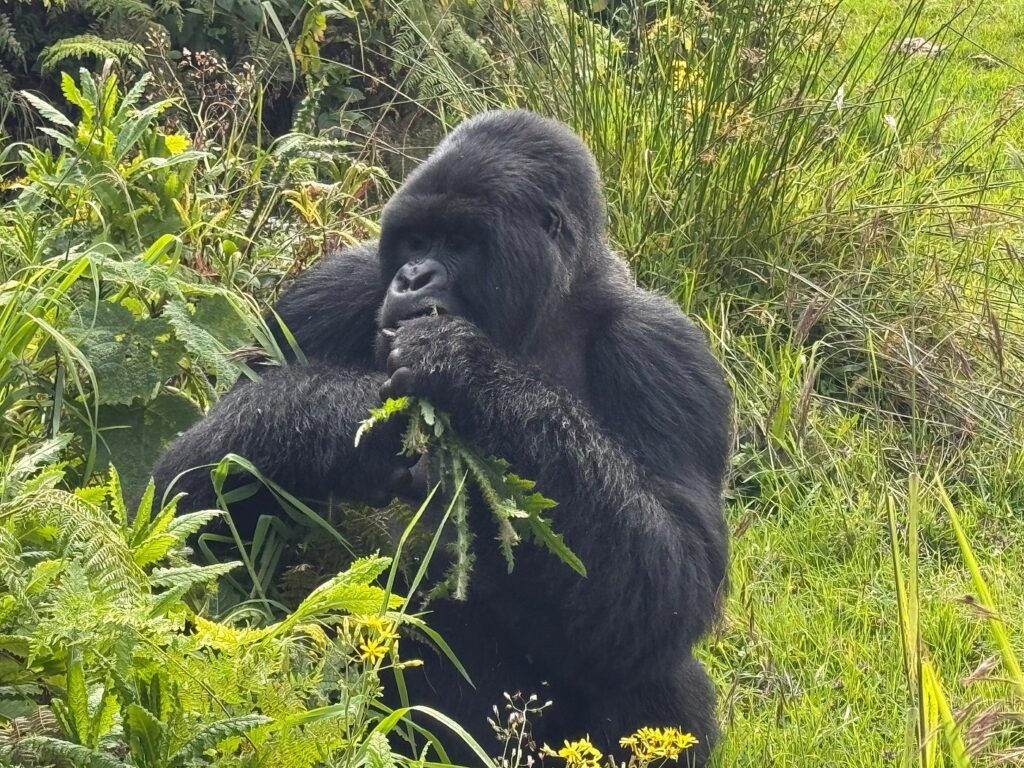
Responsible gorilla tourism in Rwanda protects mountain gorillas while creating lasting benefits for local communities and conservation programs. Rwanda follows a clear principle: gorilla trekking must protect gorillas first and serve tourism second. This approach has made Rwanda a global leader in ethical wildlife tourism and a model for conservation-led travel in Africa.
Mountain gorillas share over 98% of their DNA with humans. This close relationship makes them highly sensitive to stress and human diseases. Rwanda responds with strict rules, limited visitor numbers, and strong conservation enforcement. These measures keep gorillas safe while allowing visitors to experience them in the wild. Responsible gorilla tourism in Rwanda focuses on respect, science, and sustainability rather than mass tourism.
Mountain Gorillas and Their Habitat in Rwanda
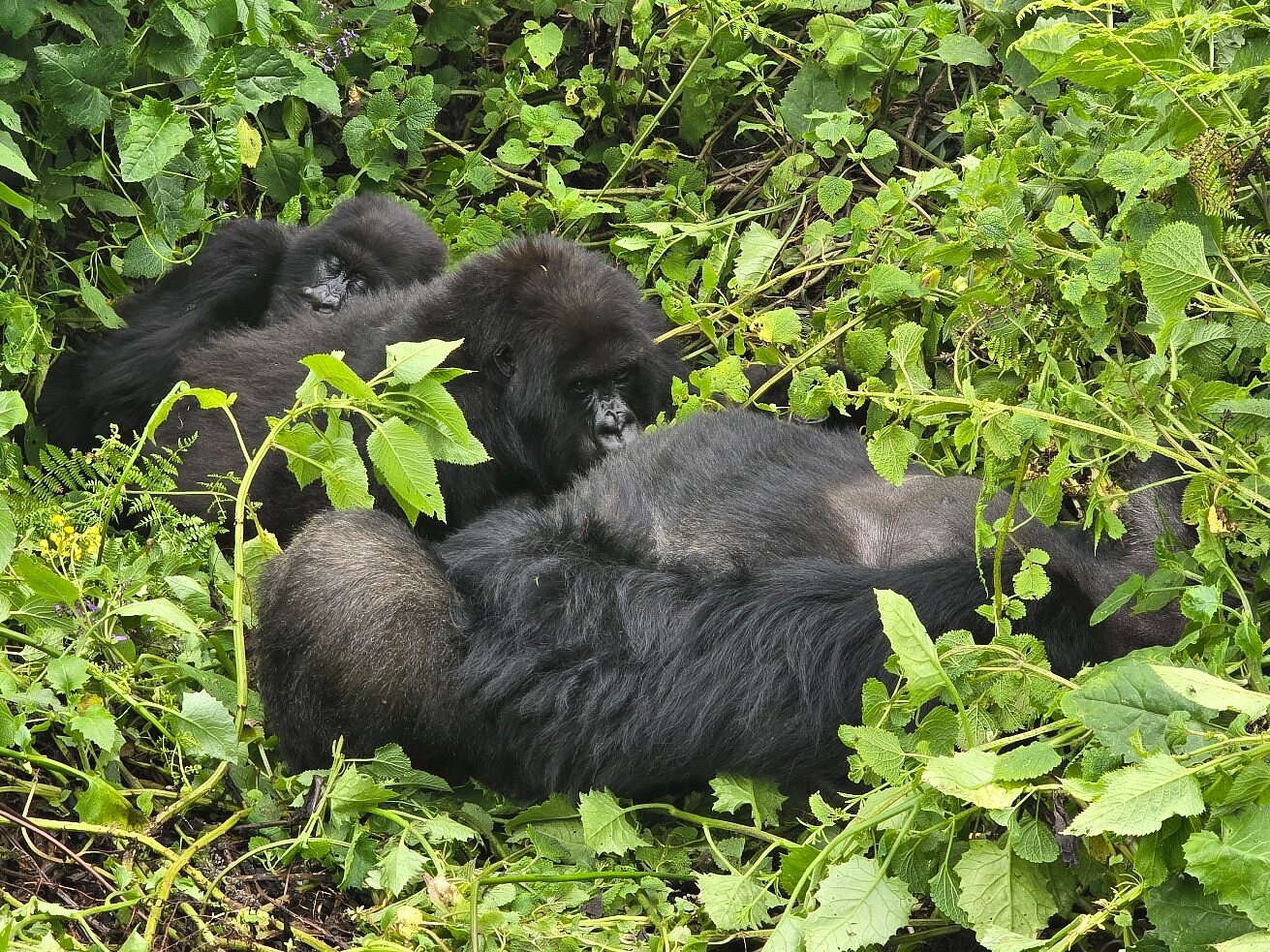 Rwanda’s mountain gorillas live in Volcanoes National Park, a protected area within the greater volcano Massif. This region provides volcanic soils, bamboo forests, and high-altitude vegetation that gorillas need to survive. The park also supports golden monkeys, birds, and diverse plant life.
In the past, poaching and habitat loss threatened mountain gorillas with extinction. Conservation efforts reversed this trend. Today, gorilla numbers continue to grow slowly because Rwanda links tourism revenue directly to protection efforts. Gorilla conservation in Rwanda succeeds because tourism funds ranger patrols, veterinary care, and habitat management every day.
Why Responsible Gorilla Tourism Matters
Gorilla trekking works as a conservation tool, not just a tourist activity. Permit fees support anti-poaching operations, gorilla health monitoring, and community projects. This system gives wildlife real economic value and encourages protection rather than exploitation.
Rwanda limits visitor numbers to reduce stress on gorilla families. The country chooses quality over quantity. This strategy protects gorillas and improves visitor experiences. Ethical gorilla trekking in Rwanda proves that tourism can succeed without harming endangered species.
Ethical Rules for Gorilla Trekking in Rwanda
Rwanda enforces strict rules to protect gorillas and their habitat. These rules guide all aspects of responsible gorilla tourism in Rwanda.
Only a small group of visitors may visit each gorilla family per day. This limit prevents overcrowding and reduces disturbance. Visitors may spend only one hour with the gorillas. This time limit protects natural behavior and lowers stress levels.
Trekkers must keep a minimum distance of seven meters from gorillas. This rule reduces disease risk and allows gorillas to move freely. Rangers enforce this rule at all times. Touching gorillas is strictly forbidden.
Health screening plays a critical role. Visitors with flu or respiratory symptoms cannot trek. Human illnesses can kill gorillas. Rwanda applies this rule strictly to protect gorilla health.
Gorilla Permits and Conservation Funding
Rwanda prices gorilla permits at a premium to control visitor numbers and fund conservation. Permit revenue supports ranger salaries, veterinary teams, research, and park protection. Gorilla doctors monitor families daily and treat injuries when needed.
Tourism revenue also funds Rwanda’s community revenue-sharing program. This program supports schools, health centers, clean water systems, and local infrastructure. Communities benefit directly from conservation success, which strengthens long-term protection efforts.
Community Involvement in Gorilla Conservation
Responsible gorilla tourism in Rwanda places communities at the center of conservation. Local people work as guides, porters, rangers, and lodge staff. Tourism creates jobs and improves livelihoods near Volcanoes National Park.
Many former poachers now protect gorillas as rangers. This shift shows how ethical tourism can change attitudes and create pride in conservation. When communities benefit from gorilla tourism, they protect gorillas and their habitat.
Role of Rangers and Conservation Teams
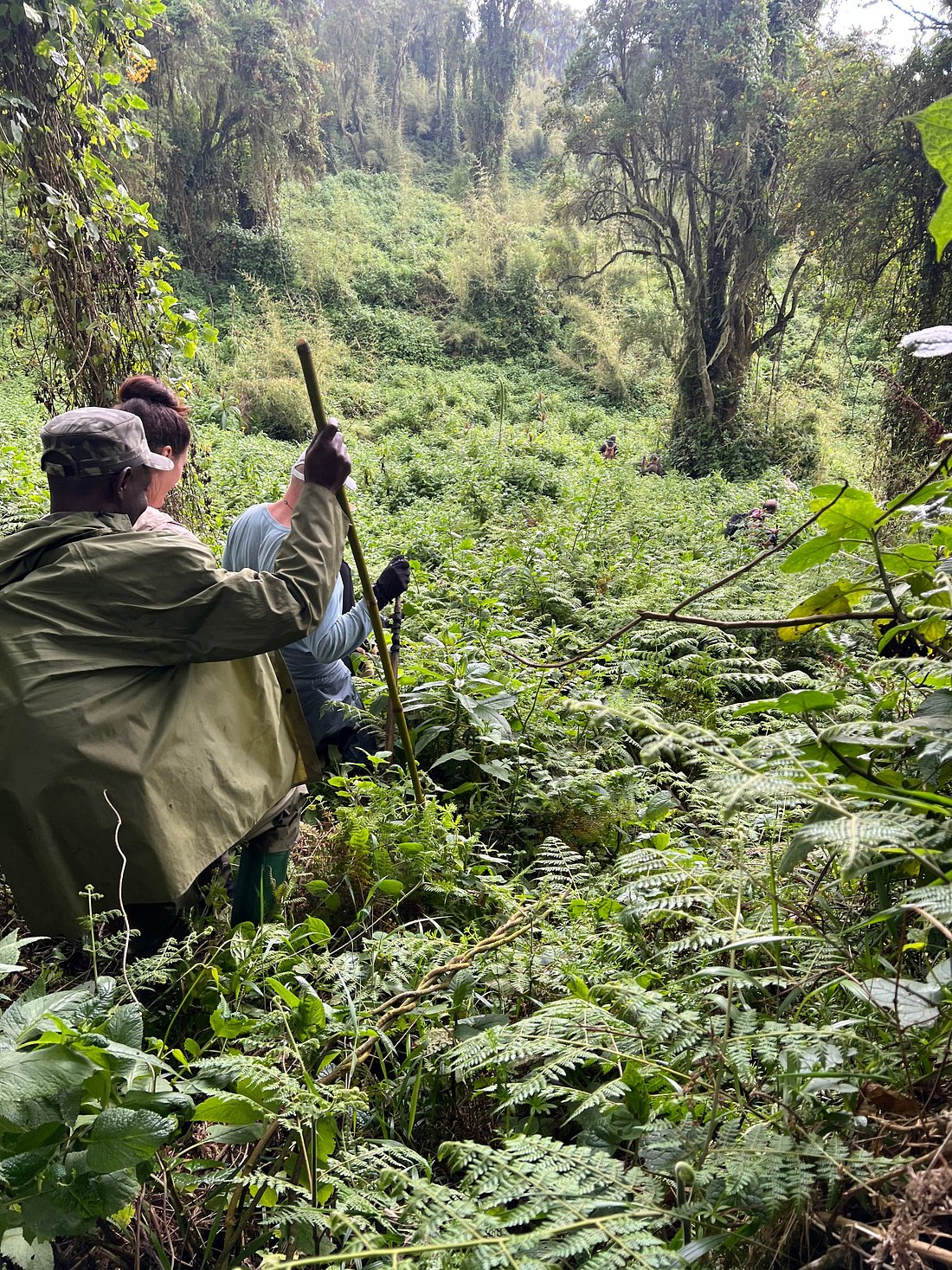 Rangers and trackers form the backbone of gorilla conservation in Rwanda. They monitor gorilla families daily, track movements, and respond to threats. Veterinary teams provide medical care when gorillas face injuries from snares or illness.
During treks, rangers guide visitors and explain gorilla behavior and conservation challenges. Their expertise ensures safe encounters and deepens visitor understanding of ethical tourism practices.
Visitor Responsibility During Gorilla Trekking
Responsible gorilla tourism depends on visitor behavior. Ethical visitors follow ranger instructions, keep voices low, and move calmly. Flash photography is not allowed. Loud noises and sudden movements can stress gorillas.
Visitors should stay on designated trails and avoid littering. Supporting licensed operators and eco-friendly lodges strengthens sustainable tourism. Every responsible action helps protect gorillas.
Environmental Sustainability in Gorilla Tourism
Rwanda integrates sustainability into its tourism strategy. Park authorities manage trails carefully and limit daily trekking numbers. Eco-lodges near Volcanoes National Park reduce environmental impact through renewable energy and waste management.
Responsible gorilla tourism also encourages cultural respect. Travelers who support local businesses and community projects help build strong conservation partnerships.
Gorilla Habituation and Ethics
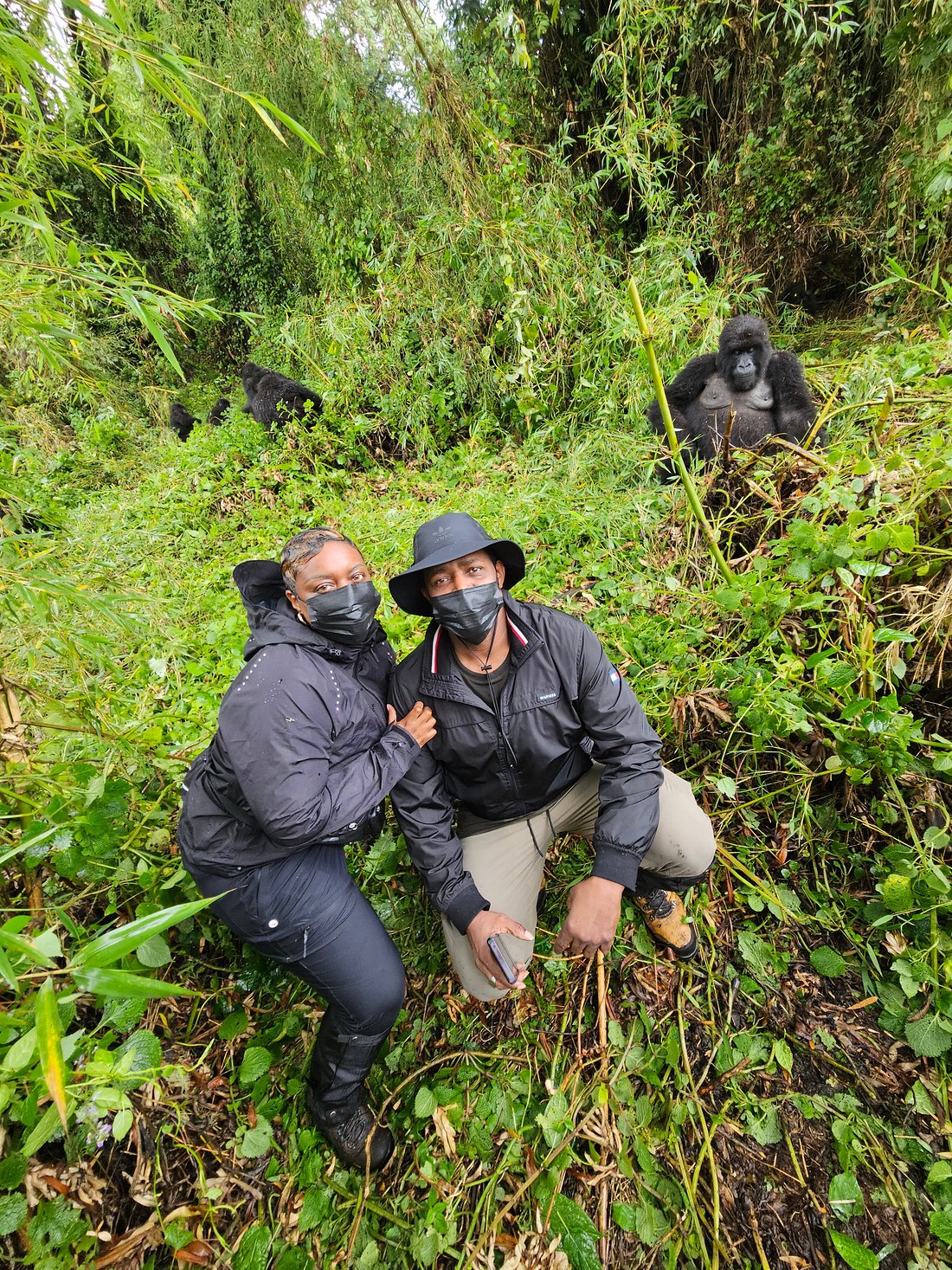 Gorilla habituation allows gorillas to accept human presence without losing natural behavior. Rwanda applies this process slowly and carefully. Habituation can take several years and follows strict scientific guidelines.
Only fully habituated families receive visitors. Conservation teams monitor stress levels and adjust tourism access when needed. This approach protects gorilla welfare and supports long-term survival.
Why Rwanda Leads in Responsible Gorilla Tourism
Rwanda leads because it enforces rules, invests in conservation, and values long-term outcomes. The country limits visitor numbers and reinvests tourism revenue into protection and communities. This strategy delivers real conservation results.
As a result, Rwanda stands as a global example of how responsible gorilla tourism can protect endangered species and support sustainable development.
Choosing Responsible Gorilla Tourism in Rwanda
Travelers play an important role in conservation. By choosing ethical operators and respecting trekking rules, visitors help protect mountain gorillas for future generations. Responsible gorilla tourism in Rwanda depends on shared responsibility between visitors, communities, and conservation authorities.
Plan Your Ethical Gorilla Trekking in Rwanda
If you want a meaningful wildlife experience, choose responsible gorilla tourism in Rwanda. Ethical travel protects gorillas and supports local communities while offering an unforgettable encounter.
📞 Call / WhatsApp: +250781441853
📧 Email: info@universaljourneysrwanda.com
Contact us to plan your ethical gorilla trekking safari in Rwanda, secure permits, arrange transport, and travel responsibly in support of conservation.