 Skip to content
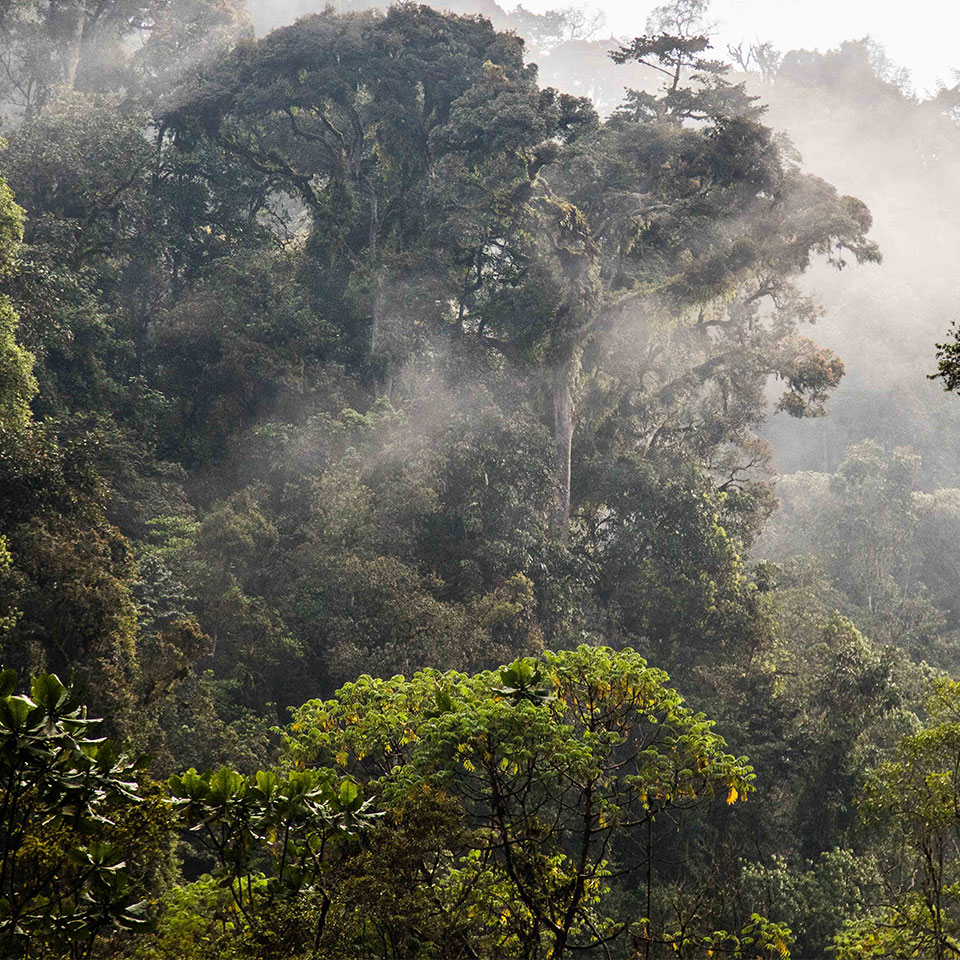
Responsible tourism & conservation in Rwanda has become one of Africa’s strongest success stories, positioning the country as a global leader in sustainable travel. Rwanda is not only known for its breathtaking landscapes and incredible wildlife, but also for its deep commitment to protecting nature while improving the lives of local communities. Travelers who choose Rwanda today are not just visiting a destination—they are contributing to conservation, supporting local livelihoods, and participating in a model of tourism that benefits both people and wildlife.
Over the past two decades, Rwanda has transformed its tourism industry into a powerful tool for environmental protection. Through carefully managed policies, strict conservation laws, and strong community engagement, responsible tourism & conservation in Rwanda ensures that every visitor experience contributes to long-term sustainability. From gorilla trekking in Volcanoes National Park to wildlife safaris in Akagera and chimpanzee tracking in Nyungwe, each activity is designed with conservation at its core.
Why Responsible Tourism & Conservation in Rwanda Matters
The importance of responsible tourism & conservation in Rwanda lies in its ability to balance economic growth with environmental protection. Tourism is one of Rwanda’s leading sources of revenue, and a significant portion of this income is reinvested into conservation programs, park management, and community development.
Unlike mass tourism models that often damage ecosystems, Rwanda has chosen a high-value, low-impact approach. This means fewer visitors, higher-quality experiences, and stronger protection for wildlife. As a result, endangered species such as mountain gorillas have seen population growth, and national parks are better protected than ever before.
Additionally, responsible tourism creates employment opportunities for local communities. From park rangers and guides to lodge staff and artisans, thousands of people benefit directly from tourism. This reduces reliance on activities that harm the environment, such as poaching and deforestation.
Gorilla Conservation and Responsible Tourism in Rwanda
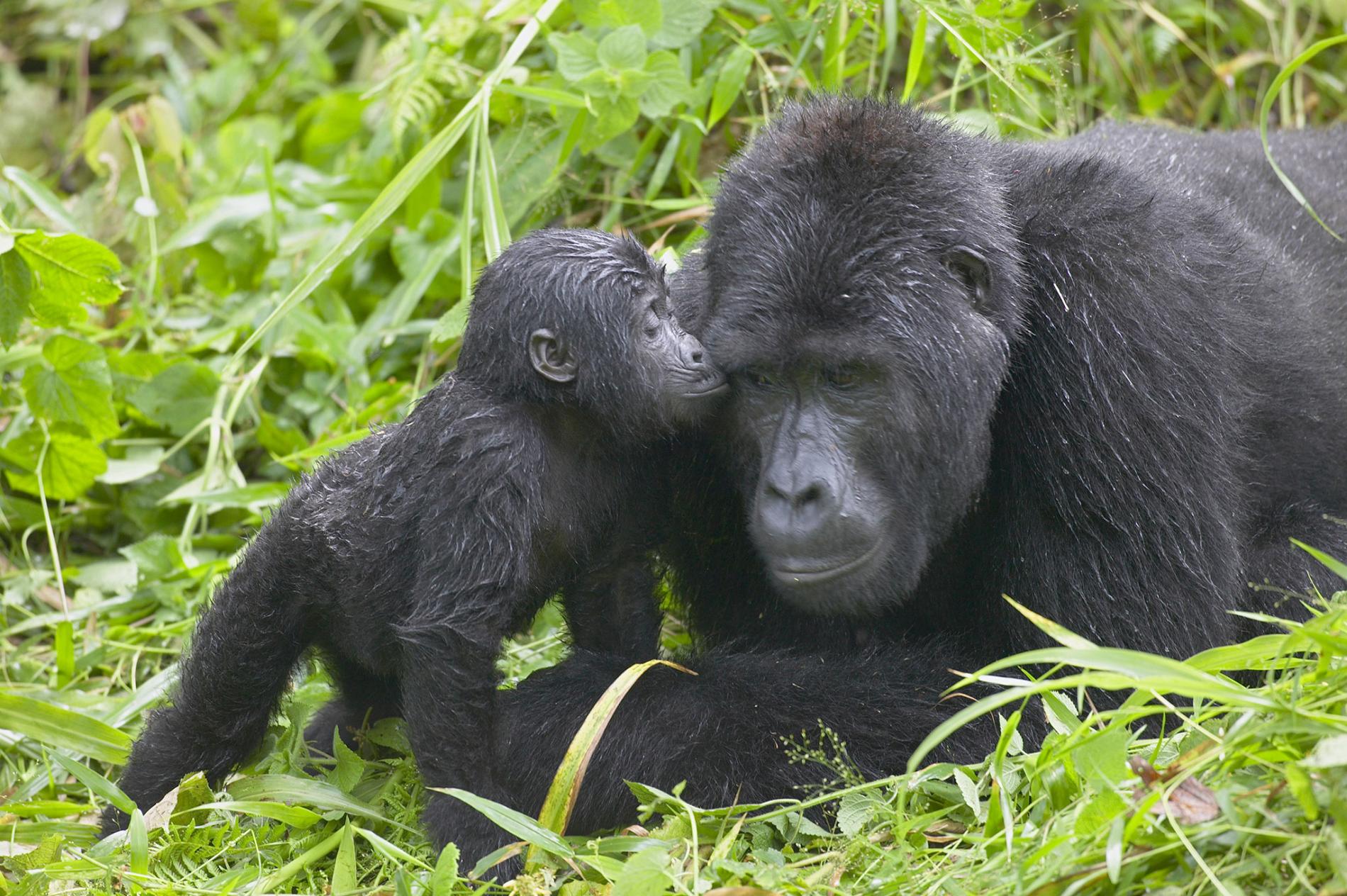 One of the most powerful examples of responsible tourism & conservation in Rwanda is gorilla trekking. Rwanda is home to a significant population of endangered mountain gorillas, and the country has developed one of the most effective conservation models in the world.
Gorilla trekking is strictly regulated to protect both the animals and their habitat. Only a limited number of permits are issued each day, group sizes are small, and visitors are required to follow strict guidelines. These include maintaining a safe distance, avoiding physical contact, and limiting interaction time.
The revenue generated from gorilla permits plays a crucial role in conservation. Funds are used to support anti-poaching efforts, habitat protection, veterinary care, and community projects. This model ensures that responsible tourism & conservation in Rwanda directly contributes to the survival of these incredible primates.
Community-Based Tourism and Local Empowerment
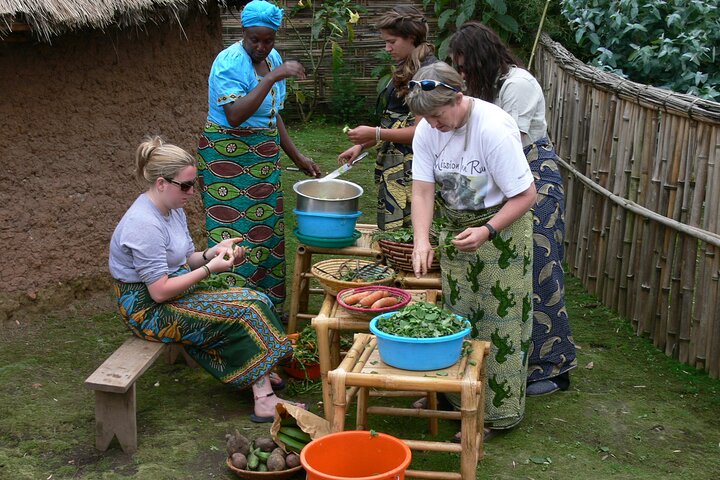 A key pillar of responsible tourism & conservation in Rwanda is the involvement of local communities. Rwanda has successfully integrated community-based tourism into its conservation strategy, ensuring that people living near national parks benefit from tourism.
Projects such as cultural villages, local cooperatives, and guided community tours provide visitors with authentic experiences while generating income for residents. These initiatives also promote cultural preservation, allowing travelers to learn about traditional Rwandan lifestyles, music, and crafts.
One of the most impactful programs is revenue sharing, where a percentage of park fees is allocated to community development projects. This includes building schools, healthcare centers, and infrastructure, improving the quality of life for local populations.
By supporting community-based tourism, travelers become active participants in responsible tourism & conservation in Rwanda, helping create a sustainable future for both people and wildlife.
Wildlife Conservation in Rwanda’s National Parks
While gorillas are the most famous attraction, responsible tourism & conservation in Rwanda extends to all national parks and ecosystems.
Akagera National Park Conservation Success
Akagera National Park is a prime example of successful wildlife restoration. Once heavily impacted by poaching, the park has been revitalized through conservation efforts, including the reintroduction of lions and rhinos. Today, it is home to the Big Five and offers exceptional wildlife safari experiences.
Tourism revenue has played a key role in funding these conservation efforts, making Akagera a model for sustainable wildlife management in Africa.
Nyungwe Forest and Biodiversity Protection
Nyungwe Forest National Park is one of Africa’s oldest rainforests and a biodiversity hotspot. It is home to numerous primate species, including chimpanzees and colobus monkeys, as well as hundreds of bird species.
Conservation efforts in Nyungwe focus on protecting the forest ecosystem, promoting research, and supporting eco-tourism. Visitors who participate in chimpanzee tracking and canopy walks contribute directly to these initiatives.
Eco-Tourism Practices in Rwanda
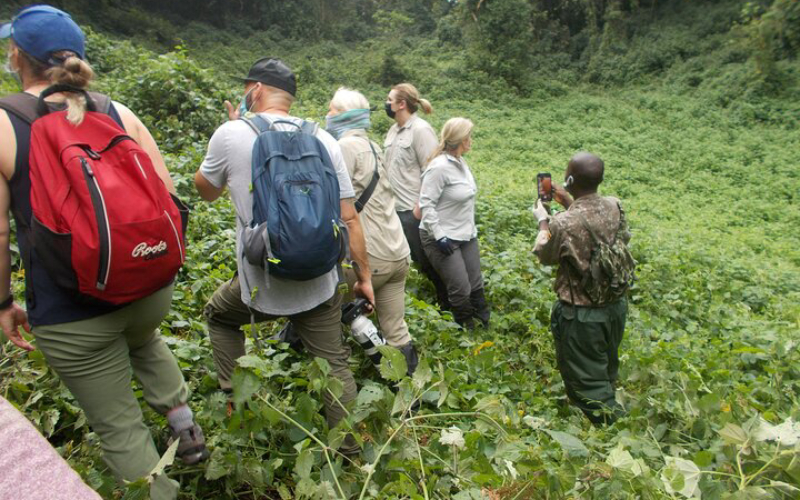 Eco-tourism is a central component of responsible tourism & conservation in Rwanda. Many lodges and tour operators follow sustainable practices designed to minimize environmental impact.
These practices include using solar energy, reducing waste, conserving water, and sourcing food locally. Eco-lodges are often built using sustainable materials and designed to blend into the natural environment.
Travelers are also encouraged to adopt eco-friendly habits, such as avoiding single-use plastics, respecting wildlife, and supporting local businesses. These actions help preserve Rwanda’s natural beauty for future generations.
Sustainable Travel Experiences in Rwanda
Visitors can enjoy a wide range of activities that align with responsible tourism & conservation in Rwanda. These include gorilla trekking, chimpanzee tracking, wildlife safaris, birdwatching, and cultural tours.
Each of these experiences is carefully managed to ensure minimal environmental impact. For example, guided nature walks are conducted on designated trails, and wildlife viewing is regulated to avoid disturbing animals.
By choosing sustainable travel experiences, visitors can enjoy Rwanda’s attractions while contributing to conservation efforts.
The Role of Tour Operators in Responsible Tourism
Tour operators play a crucial role in promoting responsible tourism & conservation in Rwanda. Reputable companies prioritize sustainability by working with local communities, supporting conservation projects, and offering eco-friendly travel options.
Choosing the right tour operator ensures that your trip aligns with responsible tourism principles. It also guarantees a high-quality experience, as knowledgeable guides provide insights into wildlife, culture, and conservation.
Travel Tips for Responsible Tourism in Rwanda
To fully embrace responsible tourism & conservation in Rwanda, travelers should follow simple guidelines. Respect wildlife by maintaining a safe distance and following park rules. Support local communities by purchasing handmade crafts and using local services.
Reduce your environmental impact by minimizing waste, conserving resources, and choosing eco-friendly accommodations. Always travel with a sense of responsibility and awareness, understanding that your actions have a direct impact on the environment.
Rwanda’s Global Leadership in Conservation
Rwanda has become a global leader in responsible tourism & conservation, setting an example for other countries. Policies such as the nationwide ban on plastic bags and strong anti-poaching measures demonstrate the country’s commitment to sustainability.
This leadership has enhanced Rwanda’s reputation as a premium travel destination, attracting visitors who value ethical and sustainable tourism.
Conclusion: Travel Responsibly and Make a Difference
Responsible tourism & conservation in Rwanda offer travelers a unique opportunity to explore one of Africa’s most beautiful destinations while making a positive impact. Every safari, trek, and cultural experience contributes to protecting wildlife, preserving ecosystems, and supporting local communities.
By choosing Rwanda, you are not just embarking on a journey—you are becoming part of a global movement toward sustainable travel. Experience the beauty of Rwanda while helping ensure that it remains protected for generations to come.
Contact Us
For responsible safari planning and eco-friendly travel experiences in Rwanda:
📞 +250 781 441 853
📧 info@universalventures.com
Let us help you plan a meaningful journey focused on responsible tourism & conservation in Rwanda.