 Skip to content
Volcanoes National Park Gorilla Trekking Routes & Difficulty Levels – Complete Visitor Guide
Introduction: Volcanoes National Park Gorilla Trekking Routes & Difficulty Levels
Understanding Volcanoes National Park gorilla trekking routes & difficulty levels is essential when planning a successful gorilla safari in Rwanda. Not all gorilla treks are the same—some are short and gentle, while others involve steep climbs, dense vegetation, and several hours of hiking.
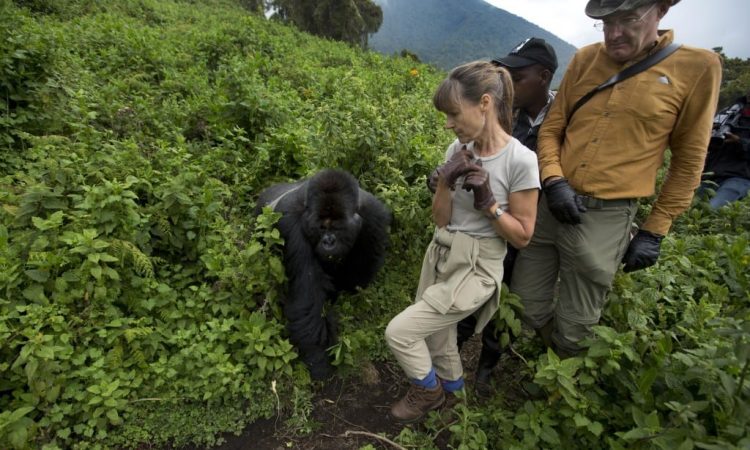
Located in northwestern Rwanda, Volcanoes National Park is home to multiple habituated mountain gorilla families, each occupying a different range within the park. Trekking difficulty depends on altitude, terrain, weather, and the location of the gorilla family on the day of your trek.
This guide explains all major gorilla trekking routes in Volcanoes National Park, their difficulty levels, and how to choose the best trek based on your fitness, age, and preferences.
How Gorilla Trekking Routes Are Assigned in Volcanoes National Park
Before discussing difficulty, it’s important to understand how routes work.
On trekking day:
-
Visitors are assigned to a gorilla family at park headquarters in Kinigi
-
Assignment considers fitness level, age, and health (when requested)
-
Each gorilla family has 8 permits per day
-
Rangers select the safest and most suitable route based on gorilla movements
This system helps balance conservation, visitor safety, and experience quality.
Main Gorilla Trekking Zones in Volcanoes National Park
Volcanoes National Park lies within the Virunga Massif and includes several volcanic slopes, bamboo forests, and montane rainforest zones. Gorilla trekking routes generally fall into three main terrain categories.
Easy Gorilla Trekking Routes – Low Difficulty
Terrain Characteristics
-
Gentle slopes
-
Lower altitude (2,400–2,600 m)
-
Bamboo and secondary forest
-
Short trekking time
Average Trek Duration
-
1 to 2 hours
Who These Routes Are Best For
-
Seniors
-
Travelers with limited hiking experience
-
Visitors with mild health conditions
-
Families with older children
What to Expect
Easy routes often involve gorilla families that stay closer to the park edge. These treks still provide intimate, close-up gorilla encounters without intense physical effort.
Moderate Gorilla Trekking Routes – Medium Difficulty
Terrain Characteristics
-
Rolling hills
-
Forest and bamboo transitions
-
Moderate altitude (2,600–2,900 m)
-
Uneven ground
Average Trek Duration
-
2 to 4 hours
Who These Routes Are Best For
-
Average fitness travelers
-
Adventure seekers
-
Couples and active seniors
What to Expect
Moderate routes are the most common and offer a balance of adventure and accessibility. Expect muddy patches, short steep sections, and rewarding scenery.
Challenging Gorilla Trekking Routes – High Difficulty
Terrain Characteristics
-
Steep volcanic slopes
-
Dense rainforest and thick undergrowth
-
High altitude (3,000 m+)
-
Slippery terrain, especially during rainy seasons
Average Trek Duration
-
4 to 6+ hours
Who These Routes Are Best For
-
Physically fit travelers
-
Experienced hikers
-
Adventure-focused trekkers
What to Expect
These routes are demanding but incredibly rewarding. Gorilla families on higher slopes tend to be more remote, offering pristine forest scenery and a strong sense of wilderness.
Factors That Affect Gorilla Trekking Difficulty Levels
1. Gorilla Family Movement
Gorillas move daily. Even an “easy” family can shift to higher ground overnight.
2. Weather Conditions
Rain makes trails muddy and slippery, increasing difficulty.
3. Altitude
Volcanoes National Park ranges between 2,400–4,500 meters, affecting stamina.
4. Trekking Speed
Groups move at the pace of the slowest member for safety.
How to Choose the Right Gorilla Trekking Route
Be Honest About Your Fitness
Tell park staff if you prefer:
-
Easy
-
Moderate
-
Challenging trek
Hire a Porter
Porters assist with balance, backpacks, and steep sections—highly recommended for all difficulty levels.
Train Lightly Before Your Trip
Simple cardio and walking help significantly.
What Happens If the Trek Becomes Too Difficult?
Rwanda prioritizes visitor safety:
-
Rangers can adjust routes
-
Breaks are allowed
-
Porters provide assistance
-
Treks can be shortened if necessary
You will not be rushed or pressured beyond your limits.
Is a Harder Trek Better for Gorilla Viewing?
No. All gorilla encounters follow the same rules:
-
Maximum 1 hour with gorillas
-
Same viewing distance
-
Same conservation standards
Difficulty affects the journey, not the quality of the gorilla experience.
Best Time to Consider Trek Difficulty
Dry Seasons (Easier Routes)
-
June–September
-
December–February
Rainy Seasons (More Challenging Routes)
-
March–May
-
October–November
Rain increases mud, but forests are lush and beautiful.
Common Myths About Gorilla Trekking Difficulty
-
❌ “Gorilla trekking is only for athletes”
-
❌ “Easy treks mean fewer gorillas”
-
❌ “Older travelers can’t do gorilla trekking”
Truth: Gorilla trekking routes exist for all fitness levels.
Volcanoes National Park Gorilla Trekking Routes & Difficulty Levels Explained
Understanding Volcanoes National Park gorilla trekking routes & difficulty levels helps you prepare mentally and physically for one of the world’s most extraordinary wildlife experiences. Whether you choose an easy bamboo forest walk or a challenging volcanic slope hike, the reward is the same—an unforgettable, emotional encounter with mountain gorillas in their natural habitat.
With proper planning, honest communication, and expert ranger guidance, gorilla trekking in Volcanoes National Park is achievable, safe, and deeply rewarding for almost every traveler.