 Skip to content
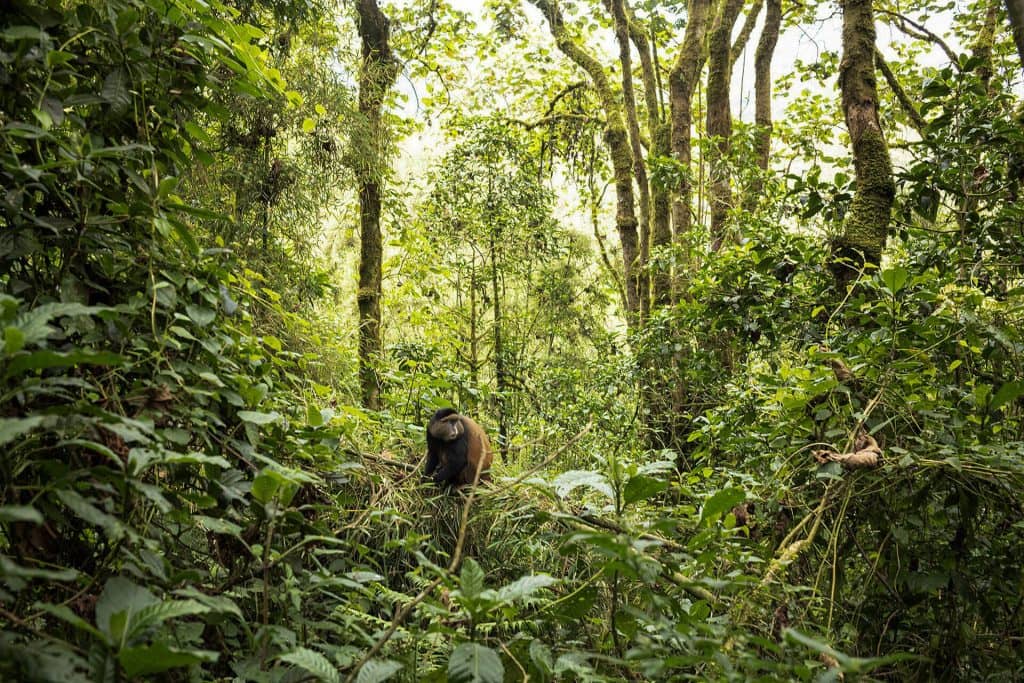
A gorilla and golden monkey safari brings together two contrasting forest encounters within one carefully planned Rwanda holiday. On one morning, you follow ranger guides towards a mountain gorilla family and watch the animals continue their day among the vegetation. On the next, you explore the forest with a different focus, looking for golden monkeys whose movements and colours create another kind of wildlife experience. Starting from Kigali, three days can provide enough time for both activities when your arrival and departure arrangements fit the route.
The strongest itinerary is simple. Travel from Kigali to the Volcanoes National Park region on Day 1, spend two nights at one lodge, trek gorillas on Day 2 and track golden monkeys on Day 3 before returning to the capital. This sequence gives each excursion its own morning and avoids treating the second primate encounter as something to squeeze into the afternoon after the first. It also limits packing, hotel changes and unnecessary road travel during a short visit.
The quality of the holiday depends on the details around those headline experiences. Your permit dates, lodge location, meals, walking preferences and final flight all need to work together. This guide explains how to build the three-day journey, what determines the cost and how to prepare without overcomplicating your plans. Universal Ventures Rwanda can use your interests and travel information to develop a proposal that makes both trekking mornings feel like connected parts of one enjoyable safari.
Why Choose a Gorilla and Golden Monkey Safari?
Combining the two activities creates variety without requiring another accommodation base. You return to the forest on consecutive mornings, but the purpose and rhythm change. Rather than repeating the same wildlife experience, you have another opportunity to listen to your guide, notice the habitat and respond to a different subject. This makes the short itinerary particularly appealing to visitors who want more than a single excursion but have limited time in Rwanda.
The second night is important even before you consider the monkeys. It gives you somewhere familiar to return after gorilla trekking and removes the immediate pressure of a substantial transfer. You can enjoy lunch, clean your footwear and rest before preparing for another early start. Staying in one property also means your main luggage remains organized while you use a smaller bag for the forest.
A gorilla and golden monkey safari suits travellers who value a clear wildlife focus. You do not need to add several distant attractions to make the holiday feel complete. The road journey, lodge stay and two guided activities already create a coherent experience. Optional culture or conservation learning can enrich that structure when time allows, but the main encounters should retain priority.
What Makes the Two Primate Encounters Different?
Gorilla trekking invites close attention to individuals and relationships within a family. Depending on the encounter, you might observe feeding, resting or movement through the vegetation. The interest can lie in a small gesture or a quiet interaction rather than constant action. Your guide helps explain what you are seeing, while the group follows directions about position and conduct.
Golden monkey tracking offers a different visual experience. Visitors may need to adjust their attention between the animals and surrounding vegetation, with photographic opportunities appearing and disappearing as individuals move. Approach this excursion with curiosity rather than expecting it to reproduce the atmosphere of the gorilla encounter. Its value lies partly in that contrast.
The distinction also affects preparation. You can use much of the same outdoor clothing on both days, but you may approach photography differently or appreciate a different walking rhythm. Ask about the practical arrangements for each activity separately. A combined package should not imply that the two outings have identical group arrangements, permit rules or physical demands.
Enjoying Both Activities Without Comparing Them Constantly
It is understandable that gorillas attract most of your attention before departure. However, leave room for the golden monkey morning to become a highlight in its own way. If you spend it judging every moment against the previous day’s emotions, you may overlook what is happening around you. Listen to the guide and notice the distinct character of the outing.
This approach also helps with photographs. The image you hope to make on the second morning may require a different composition or more patience. Accept the opportunities the conditions provide rather than treating one encounter as a photographic standard the other must match. Each excursion belongs to a different part of the same journey.
Your gorilla and golden monkey safari becomes more memorable when you appreciate the whole sequence. Arrival anticipation, the first forest walk, recovery at the lodge and another morning outdoors all contribute. The holiday is richer when both wildlife experiences receive thoughtful attention rather than one being reduced to a brief extra.
Where This Three-Day Rwanda Safari Takes Place
The itinerary focuses on Volcanoes National Park and the surrounding Musanze and Kinigi region. Kigali is the start and return point. This geography allows a compact road journey with two lodge nights near the activities, instead of an itinerary that moves between several parks. The route is straightforward, but the precise accommodation location still matters.
Visit Rwanda’s official three-day outline follows a northbound transfer, gorilla tracking and golden monkey tracking before returning to Kigali. It describes the drive from Kigali as approximately three hours. Treat that as a journey estimate rather than the complete time from aircraft landing to lodge check-in; airport procedures, stops and final access need their own allowance. Visit Rwanda
Understand the difference between the park headquarters, your lodge and the starting point for the actual walk. They are related locations, but not interchangeable. Ask your operator how each transfer works. Knowing where you sleep and where you report helps you compare proposals that otherwise appear to offer exactly the same route.
Who Should Book This Gorilla and Golden Monkey Safari?
The tour suits couples, friends and solo travellers whose priority is two primate experiences within a short Rwanda visit. It can work as a focused holiday or an addition to a longer African journey. The accommodation and road arrangements can reflect your budget while the itinerary keeps the central purpose clear.
Families should consider the requirements and interests of each traveller before booking. Participation ages differ between activities, and a combined tour must accommodate those differences. If someone will not join one excursion, they need a separate practical plan for that morning. Alternative arrangements should include meals, supervision where relevant and transport rather than leaving the day undefined.
The itinerary is less suitable for travellers who expect several national parks and many additional activities within three days. Adding major destinations changes the route and the available time. If your wishlist is longer, extend the holiday so that each experience has space. A focused gorilla and golden monkey safari often feels more satisfying than a crowded programme dominated by transfers.
The Recommended Three-Day Itinerary from Kigali
Begin with airport or hotel collection in Kigali, followed by the journey north and lodge check-in. A short city experience may be possible if the timing allows. The evening should remain calm enough for preparation, dinner and rest. Day 2 is devoted to gorillas, with a flexible afternoon that can adapt to the duration of the trek.
On Day 3, return for the golden monkey excursion before travelling to Kigali. Your departure arrangements determine whether lunch, a change of clothes and additional stops fit comfortably. An evening flight may work with the plan, but the operator must assess the actual schedule. An earlier flight could require another night or a different itinerary.
Think of these days as connected decisions rather than separate brochure descriptions. The lodge needs to support two early departures, the final morning needs compatible checkout arrangements and both permits need suitable dates. Your gorilla and golden monkey safari works best when those elements are coordinated before optional extras are added.
Day 1: Meet Your Guide and Leave Kigali
Your driver-guide meets you at the agreed location and introduces the journey ahead. Take a few minutes to confirm luggage, immediate needs and the day’s plan. If you have just arrived on an overnight flight, you may prefer refreshments and a brief pause before driving. A rested guest at a city hotel may be ready for an earlier departure.
The main objective is to reach the lodge comfortably and prepare for the first excursion. Avoid allowing sightseeing ambitions to turn arrival day into an exhausting programme. You are beginning a holiday with two outdoor mornings, so the quality of your first evening matters. A sensible arrival helps you enjoy both rather than start the trip already tired.
Use the initial conversation to raise practical preferences. Mention if you need regular breaks, want fewer shopping stops or would enjoy photography along the road. Private transport provides flexibility, but additional stops still take time. Your guide can offer better suggestions when your priorities are clear from the beginning.
Airport Arrival and the First-Day Schedule
Provide your flight number and scheduled arrival time before the itinerary is finalized. Landing, passport procedures, luggage collection and meeting the guide are different stages. A road-transfer estimate should begin when you are ready to leave, not automatically when the aircraft touches down. This distinction prevents an unrealistic lodge arrival time.
Late arrivals may be better served by a Kigali night before the safari begins. That changes the overall number of nights, but can make the three-day route more comfortable. You can then depart after breakfast and enjoy the road journey without combining fatigue, darkness and preparations for the following morning.
If flight details change, communicate the update promptly. Accommodation, meal times and any city activity may need adjustment. Your gorilla and golden monkey safari should be built around accurate information, with a clear meeting procedure and working contact number available before you travel.
A Short Kigali City Experience Before the Transfer
If timing permits, a city visit can introduce another side of Rwanda before the forest experiences. Choose one or two stops that genuinely interest you, such as art, a market or historical interpretation. A short programme with a clear focus often creates a stronger impression than several hurried attractions.
Visitors wishing to include the Kigali Genocide Memorial should discuss it in advance and allow a respectful pace. Some prefer to reserve it for a separate city day, particularly after a long flight. Others may choose a lighter first-day experience or travel directly towards the lodge. Your preferences should shape the plan.
There is no requirement to include every familiar city attraction in a short safari. A well-designed proposal makes clear what is realistic and gives you room to choose. Starting the trip comfortably can be more valuable than completing an ambitious sightseeing list before the main wildlife activities begin.
Enjoying the Road Journey North
The transfer provides time to notice the landscape and ask your guide about the places you pass. Occasional safe stops can be enjoyable when they fit naturally. Longer photography sessions or meal breaks should be included in the schedule rather than treated as invisible additions to driving time.
Keep water, a light layer and regularly needed items accessible. Your main luggage should not make the cabin uncomfortable for travelling companions. Mention sensitivity to winding roads beforehand so that breaks and seating can be considered. Practical comfort helps the journey become part of the holiday rather than something to endure.
As you approach the lodge, ask about the evening and the next departure. Knowing dinner times and preparation arrangements removes uncertainty. You can then enjoy the surroundings or rest, confident that the basic coordination for the first trekking morning has already been discussed.
Your First Lodge Evening Before the Treks
Settle into the room and organize the belongings you will use outdoors. Charge equipment, check footwear and prepare your small bag. Keep documents where you can find them easily. These tasks are simpler during an unhurried evening than shortly before departure when everyone is waiting to leave.
Confirm breakfast and food arrangements with the lodge. Dietary requirements should have been shared earlier, but a final check is useful. Describe the actual requirement clearly rather than assuming that a broad label tells the kitchen everything it needs. Packed food for a trek may require different preparation from a meal served in the restaurant.
A gorilla and golden monkey safari involves two active mornings, so look ahead to both. Keep a clean or usable clothing option available for the second excursion and establish how wet equipment can dry. Small preparations support a better night’s rest because you are not leaving every practical decision until morning.
Day 2: Mountain Gorilla Trekking in Volcanoes National Park
The second day centres on the gorilla encounter. Your lodge location determines the appropriate breakfast and departure arrangements, while the park manages the briefing and forest activity. Your driver-guide coordinates road transport and practical matters; ranger guides lead the excursion itself. Understanding those roles helps you know whom to ask about different questions.
Official gorilla information lists 07:00 reporting, a minimum participation age of 15, a maximum of eight visitors in a group and a one-hour viewing period. Arrangements and instructions should be confirmed for your date. These limits belong to the managed park experience and should not be confused with the duration of the entire outing.
Allow the rest of the day to respond to what happens in the forest. The time spent walking depends on circumstances, and an operator cannot promise a specific finishing hour. A well-planned gorilla and golden monkey safari protects this morning from competing appointments and keeps your second lodge night available for recovery.
Morning Registration and Briefing
Arrive with the documents and equipment requested by your operator. Listen carefully to the briefing even if you have read detailed accounts beforehand. The team leading your excursion will explain the current rules and the day’s arrangements. Online descriptions can provide context, but they do not replace those instructions.
Mention relevant walking needs clearly and calmly. Your operator may have communicated them, but a personal explanation can confirm the practical issue. Describe what you find difficult, whether that is sustained uphill walking, steep descents or carrying weight. Specific information is more useful than a vague request for an easy excursion.
Gorilla-family allocation occurs on the day with fitness considered, according to Visit Rwanda. Preferences can be shared, but a named family or fixed walking distance should not be presented as guaranteed. Wildlife locations and operational decisions determine what is possible that morning. Visit Rwanda
Reaching the Starting Point and Arranging a Porter
The forest walk may begin at a separate trailhead after registration. Confirm that your safari covers the necessary road arrangements rather than assuming headquarters and the walking start are the same place. The operator should explain how you reach the assigned starting point and meet the vehicle again afterwards.
Before leaving, decide what stays behind and what goes into your day bag. If you hire a porter, clarify what assistance you want and how payment is handled. Someone who normally hikes independently may still appreciate help carrying camera equipment, food or an extra layer. Reducing weight can make the walk more comfortable.
Your gorilla and golden monkey safari should include space for these arrangements rather than treating them as an inconvenient delay. Beginning with an organized bag, clear support and realistic expectations helps you concentrate on the forest instead of trying to solve practical problems while walking.
Walking Towards the Gorilla Family
Choose a steady pace you can maintain and follow the ranger’s direction. Uneven footing and changing conditions may demand attention even when a section does not appear particularly steep. Ask for a pause when you need one instead of waiting until fatigue makes every step more difficult.
Distinguish the approach, observation and return portions of the outing. A shorter approach does not eliminate the walk back, while a longer journey to the family does not mean the safari has failed. Wildlife movement is part of the activity. Keeping your expectations flexible helps you enjoy the process as well as the encounter.
Pay attention to the habitat around you. Your guide may explain features that would otherwise pass unnoticed while you concentrate on reaching the animals. The forest is the setting that makes the visit possible, and noticing it gives the experience more depth than thinking only about the destination of the walk.
Observing Gorillas Without Rushing the Moment
When the family is located, allow yourself to settle and listen. You may want photographs immediately, but a brief pause can help you understand the scene. Notice the position of different animals and the behaviour your guide identifies. Small interactions can be more revealing than dramatic movement.
No particular scene is guaranteed. The gorillas may be feeding, resting or changing position, and vegetation can affect visibility. The experience is valuable because you are observing a wild family, not because every individual remains in an ideal photographic setting. Accepting that distinction makes the encounter more rewarding.
Follow instructions about where to stand or move and remain considerate of fellow visitors. Your gorilla and golden monkey safari is private only in the respects stated by your booking; the ordinary park group may include others. Cooperation gives everyone a better chance to enjoy the limited observation period.
Day 2 Afternoon: Recovery and Optional Learning
Return to the lodge with a flexible plan. Lunch, a shower and a comfortable place to sit may be exactly what you want. Another traveller may feel enthusiastic about a short nearby visit. Neither choice is inherently better; the right afternoon reflects your energy and how much time the trek has taken.
If an optional experience requires a fixed appointment, plan it conservatively or place it on another day. It is unwise to pressure the forest excursion to fit an overly optimistic afternoon schedule. A refund condition does not solve a programme that was unrealistic from the start.
Prepare gradually for the golden monkey morning. Check clothing, dry equipment where possible and recharge batteries. Enjoy dinner without feeling that you must complete another long outing to justify the day. The combination of a significant encounter and a peaceful evening can be one of the strongest parts of the holiday.
Cultural Activities After Gorilla Trekking
A hosted cultural experience may complement the wildlife visit when you have enough time. Ask what the programme involves rather than relying on a broad description. A performance, guided conversation and community walk have different demands and offer different ways to engage. Choose the option that matches your interest.
Respect the hosts’ guidance about participation and photography. Arrive with curiosity rather than expecting a brief visit to explain an entire community. A thoughtful experience gives you something specific to learn and remember, while allowing the people involved to determine what they wish to share.
A gorilla and golden monkey safari already has two clear highlights. Additional culture should enrich them rather than turn the afternoon into another obligation. If you would prefer to rest, communicate that openly. The itinerary can remain complete without every available hour being assigned an activity.
Day 3: Golden Monkey Tracking Before Returning to Kigali
The final morning deserves the same practical attention as the gorilla morning. You have another early departure and a separate park activity, followed by checkout and the return journey. Packing beforehand can prevent an enjoyable excursion from being followed by a rushed search through the room.
The official golden monkey booking page lists 07:00 reporting and describes the activity as a once-daily visit with timing allocated when booked. Its minimum participation age is 12. Confirm the instructions for your date and arrange this excursion on its own morning rather than assume it can be combined casually with another park activity.
Your gorilla and golden monkey safari should identify the final-day priorities clearly. Tracking comes first, then the agreed lodge and transfer arrangements. Shopping, extra sightseeing and other stops remain secondary, particularly if you have an international flight. A well-paced ending protects the experience instead of making it feel like a race.
Appreciating the Golden Monkey Encounter
Approach the excursion with fresh attention. The monkeys are the focus of a different outing, not simply the subject you see after the more important one. Listen to the guide and notice how the encounter changes the way you look at the surrounding vegetation and movement.
Photography may require patience and quick responses to opportunities. Avoid becoming frustrated if an animal shifts just as you compose an image. Observing behaviour and understanding the guide’s explanation can be equally satisfying. Put the camera down occasionally so that the morning remains an experience rather than a continuous attempt to collect photographs.
The order of the two treks helps create a varied holiday narrative. You have time to reflect on the gorillas, then begin another forest morning with a different purpose. A gorilla and golden monkey safari is most rewarding when both activities receive that individual attention and neither is treated as a routine item to finish.
Checkout, Lunch and Changing Clothes
Ask whether the room remains available when you return from tracking. Late checkout is an arrangement to confirm, not an automatic consequence of booking a final-morning excursion. If access to a shower is important, establish what the lodge can provide and whether any additional charge applies.
Discuss luggage storage if you must vacate the room before leaving for the park. Packing early can make the transition easier, especially when the final transfer follows lunch. Keep a change of clothing accessible rather than buried in luggage that has already been loaded or placed in storage.
Your quotation should explain the departure-day meal. Lunch at the lodge, a packed option and a meal during the drive are different arrangements. Clear wording allows the final day to unfold smoothly without uncertainty over whether a stop is included or must be paid separately.
Choosing a Suitable Flight from Kigali
Work backwards from the airline’s required check-in time and allow room for the road journey and possible delays. An evening departure may fit this itinerary, but its suitability must be assessed using the actual flight and activity arrangements. A general statement that evening flights always work is too broad.
When time is limited, optional stops should be removed. Your driver should not be expected to compensate for an overcrowded programme by rushing. Agree this priority before travel so that decisions on the final afternoon feel sensible rather than disappointing or unexpected.
An additional Kigali night can be useful if you want a fuller final morning or a more relaxed end. It separates trekking and road travel from the international departure. For some visitors, that buffer improves the gorilla and golden monkey safari more than any extra sightseeing stop could.
Gorilla and Golden Monkey Safari Permit Costs
For a visitor in the standard foreign-tourist category, the published fees are US$1,500 for the gorilla permit and US$100 for the golden monkey permit. Together, that makes US$1,600 per participant for these two permits, before accommodation, road transport and other safari services. Confirm applicable categories and conditions before payment.
This distinction is central to comparing prices. A transport-only offer is not equivalent to a complete safari including both permits. Likewise, help obtaining a permit does not necessarily mean its cost is included. The quotation should identify each activity and state clearly whether the associated permit is part of the total.
Avoid building your budget around a special rate unless your eligibility and travel dates have been checked. Residency, nationality or promotional conditions may affect what applies. Your operator can review the relevant questions, but the final proposal should use the confirmed category rather than an assumption drawn from a general advertisement.
Understanding the Full Safari Price
The package total combines permits, rooms, transport, guiding, meals and confirmed additional activities. Some costs remain individual, while others can be shared. A useful quotation therefore names the number of guests, room arrangement, travel dates and proposed accommodation rather than presenting one figure without assumptions.
Two travellers sharing a vehicle and a room have a different cost structure from a solo visitor requesting private transport and single occupancy. A larger group may distribute transport expenses more widely, but every participant still needs their applicable permits. Understanding that difference makes advertised starting prices easier to interpret.
For your gorilla and golden monkey safari, compare complete proposals built around the same requirements. If one includes full board and another excludes lunches, their totals do not tell the entire story. The best value is the package that delivers the services you need at a transparent price, with no unresolved practical gaps.
Accommodation, Meals and Drinks
Room category and meal plan can change the package total significantly. Ask which property is proposed, what type of room you receive and what meals are provided on each day. A general label such as full board should still translate into understandable arrangements for early departures and delayed returns.
Clarify how packed food is handled and which beverages are included. A meal away from the lodge may be treated differently from one served at the property. If a restaurant stop is planned, the quotation should explain whether the bill is covered or is your responsibility.
Dietary needs should be discussed before the booking is finalized. Describe what you require specifically and request confirmation from the selected lodge. This is particularly useful when meals must be prepared for trekking mornings, because the kitchen needs time to arrange appropriate options rather than improvise at departure.
Porter Costs, Tips and Personal Expenses
Your quotation should explain whether porter assistance, gratuities and other local expenses are included. It does not need to predict every purchase, but routine cost categories should be understandable. Ask how excluded services are paid so that you can prepare appropriately before reaching the trailhead.
Optional activities, laundry, premium drinks and extra accommodation may also sit outside the main package. Read those exclusions alongside the itinerary. A service mentioned as a possibility in the description should not be assumed to be prepaid unless it appears among the confirmed inclusions.
The phrase all inclusive is less useful than a precise service list. Your gorilla and golden monkey safari should name the permits, accommodation, meals and transport it covers. Clear financial language creates a stronger basis for booking than an appealing headline that leaves the actual boundaries uncertain.
Choosing a Lodge for Two Trekking Mornings
The lodge provides more than two nights of sleep. It supports your preparation, early meals, recovery and final-day arrangements. Evaluate it around those needs rather than selecting entirely from photographs. Ask how the property handles breakfast before departure and whether there is a practical place to dry damp clothing.
Location matters, but a simple distance label does not answer every question. Establish the expected transfer to registration and the suitability of the room itself. A nearby property with an awkward room layout may not be ideal for someone prioritizing easy access, while another option may offer a better overall match.
A gorilla and golden monkey safari becomes easier when accommodation decisions reflect how you actually travel. Consider whether you enjoy time at the property, value generous room space or prefer to spend less on lodging. Communicate those priorities so the operator can offer meaningful alternatives instead of an unexplained list of hotel names.
Midrange Accommodation for a Balanced Safari
Midrange options appeal to many travellers who want reliable comfort without putting most discretionary spending into the room. Compare dining, service, layout and access alongside the nightly price. Category labels are broad, and room types can vary even within one property.
Ingagi Park View Lodge is one option to discuss when reviewing the Kinigi area. Its website describes cottage accommodation and dining spaces in the gorilla highlands. Request a current room-specific quotation, because an older description or public rate does not necessarily determine the offer available for your dates.
Ask your planner to explain differences between alternatives. A slightly higher package price may include meals or features you genuinely value, while a cheaper room could be sufficient for your preferences. Good accommodation advice connects the recommendation to your needs rather than treating an upgrade as automatically desirable.
Luxury Accommodation and Boutique Comfort
Luxury travellers may place greater importance on the hours outside the forest. A larger room, attractive grounds, personalized dining or facilities for recovery can make the stay especially enjoyable. Identify which details matter to you and check whether they are included in the proposed room and package.
Five Volcanoes Boutique Hotel describes full-board stays and post-trek relaxation facilities, while separating accommodation from permits and private transfers. Your safari quotation should bring the required services together so that the distinction is clear without requiring you to coordinate the different providers yourself.
A luxury gorilla and golden monkey safari changes the style of transport and accommodation as quoted, but does not automatically alter ordinary park rules. Choose the property because you want its hospitality and comfort. It should not create expectations of guaranteed sightings, fixed walking distances or exclusive encounters unless a specific official arrangement is confirmed.
Bedding, Room Access and Staying in One Property
Specify double or twin bedding and explain whether neighbouring rooms matter for your party. If you need easy access, ask about stairs, paths to the restaurant and vehicle drop-off points. A lodge can be attractive overall while a particular room is less convenient for an individual guest.
Requests for a quiet location or a preferred view should be communicated early. Establish whether the property can guarantee them or only record a preference. Written clarity helps you distinguish confirmed features from requests that depend on availability at check-in.
Using one lodge for both nights usually keeps the itinerary simpler. A room change or split stay may be necessary in some circumstances, but adds packing and checkout tasks. Consider whether the benefit justifies that extra movement, especially when the second morning follows directly after the gorilla day.
How Difficult Are the Two Treks?
Both excursions involve outdoor walking, but your experience depends on the actual route, conditions and personal abilities. Do not interpret the combined package as a promise that the first day is always demanding and the second always easy. Broad descriptions cannot predict how a particular visitor will feel.
Tell the operator what kinds of walks you normally manage. Explain whether hills, uneven ground, long periods standing or carrying a bag present difficulties. These practical details are more useful than saying you are generally fit. They help your planner discuss support and pass relevant information to the team.
For a gorilla and golden monkey safari, consider the effect of consecutive mornings. Even when each excursion is suitable individually, you may appreciate a quieter afternoon between them. Accommodation convenience, porter assistance and realistic optional activities can help the whole journey match your preferred pace.
Preparing Your Feet, Clothing and Day Bag
Use familiar footwear and test it on outdoor walks before departure. A comfortable fit matters, particularly when conditions change or the outing lasts longer than expected. New equipment can introduce avoidable problems, so check boots, socks and bag straps while adjustments remain easy.
Think about how much you intend to carry. A large camera system, spare clothing and food may make a bag heavier than you expect. Decide what is essential and whether porter assistance would improve your experience. Preparation is partly about reducing unnecessary burden rather than simply buying more equipment.
If you have personal concerns about exertion or a medical condition, discuss the planned activities with your clinician. Your operator can describe the safari, but individual medical suitability needs advice based on your circumstances. Arrange that conversation before committing to expectations that may require modification.
Communicating Walking Needs Before Booking
Describe your requirements at enquiry stage so they can influence the itinerary and lodge selection. Mention if you need more rest, would benefit from assistance or want to minimize walking outside the main activities. These preferences affect the entire holiday, not just a request made at the park.
Ask what support can be arranged, how it is confirmed and whether additional charges apply. Avoid relying on a generic promise that every trek can be made easy. A specific explanation helps you judge whether the available arrangements suit what you need.
Your gorilla and golden monkey safari should remain a positive shared experience. Travelling companions can support that by agreeing a considerate pace and avoiding pressure to keep up with the fastest person. Honest communication usually creates better conditions than concealing a difficulty until it becomes a problem.
Best Time to Arrange a Gorilla and Golden Monkey Safari
Weather is one consideration alongside availability, flights and your personal preferences. Visit Rwanda describes June to mid-September as the main dry season, with occasional light rainfall and generally easier road and path conditions. Treat seasonal guidance as a pattern rather than a guarantee for your two excursion mornings.
Prepare for variation whatever dates you choose. Waterproof clothing and practical footwear remain useful, while a flexible afternoon supports the itinerary if conditions affect the pace. A sunny arrival day does not establish the weather for the forest, and a rainy spell does not automatically define the entire holiday.
If your dates are flexible, provide a range for the planner to consider. Coordinating permits and suitable rooms may be easier with more than one option. Evaluate the full travel arrangement, because a lower lodge rate may not offset inconvenient flights or a schedule that leaves too little recovery time.
What to Pack for Your Three-Day Primate Safari
Your packing should serve two forest mornings and the quieter hours around them. Choose practical outdoor clothing, a waterproof layer and familiar footwear, then add comfortable items for the lodge and return transfer. There is no need to build an elaborate wardrobe for such a focused trip.
Organize clean and used clothing separately. Damp garments or muddy boots should not affect the rest of your luggage, particularly if you continue elsewhere after Rwanda. A reusable separate bag can help, while confirmed cleaning or laundry arrangements may be useful when turnaround times fit the stay.
For your gorilla and golden monkey safari, think ahead to the second excursion. Clothing that dries slowly may be difficult to reuse immediately. Ask the lodge about practical facilities and carry a sensible alternative rather than assuming everything will be washed and ready overnight.
Keeping Your Forest Bag Useful and Manageable
Place rain protection where you can retrieve it quickly and protect electronics from moisture. Keep frequently needed items in consistent pockets or pouches. Organization reduces the need to empty a bag at an awkward point on the trail or during an encounter.
Discuss food and water arrangements with your guide and lodge. The quantity and practical requirements should reflect the planned outing rather than an arbitrary packing list. Carry what you need without adding weight purely because a general guide mentioned every possible item.
If a porter carries the main bag, identify what remains immediately accessible to you. A camera or essential personal item may need a different arrangement from spare clothing. Clarifying this before the walk starts helps the service feel useful throughout the excursion rather than just at departure.
Photography on a Gorilla and Golden Monkey Safari
The combination offers two photographic subjects with different challenges. Gorilla encounters may invite patient attention to faces and relationships, while monkey photography may require you to respond more quickly to movement and changing positions. Familiar equipment makes adapting between the outings easier.
Practise basic controls before travelling, including disabling flash and adjusting settings without lengthy menu searches. The encounter is a poor time to learn a complicated camera. A phone or simple system you understand can be more rewarding than expensive equipment that repeatedly draws your attention away from the wildlife.
Respect the guide’s directions and fellow visitors’ views. Your camera should not become a reason to move independently or block others. A considerate gorilla and golden monkey safari leaves room for observation, interpretation and photography, instead of treating every moment as a competition for the nearest position.
Photographs That Tell the Story of Both Days
Look beyond close portraits. An image showing an animal within vegetation can communicate the habitat and atmosphere of the encounter. Relationships between individuals, light and scale may offer a stronger story than a tightly cropped photograph that removes the setting.
Allow time to watch before choosing your composition. You may notice a gesture or behaviour worth waiting for. On the monkey morning, accept that movement can create missed frames. Patience and a willingness to adapt help the experience remain enjoyable even when the expected photograph does not happen.
After returning, protect your images with a backup where possible, then give yourself time away from the screen. Talk with your guide and companions about what you observed. Some memories will remain strongest as an experience you watched rather than a file you captured.
Conservation Learning Alongside the Wildlife Encounters
A conservation visit can help connect your forest experience with wider questions about research, protection and coexistence. It is especially useful when you want more context than a brief trek allows. Place it where the schedule provides enough time rather than adding it only to make the programme look fuller.
The Dian Fossey Gorilla Fund describes its Ellen Campus as offering visitor exhibits about gorillas and its work. Check current visitor arrangements, opening hours and any requested contribution before planning a fixed visit. The experience can complement the safari without being confused with another forest activity.
Your gorilla and golden monkey safari can include this learning before the first trek or afterwards, depending on arrival time and energy. Beforehand, it may inform what you observe. Afterwards, it can help you explore questions arising from the encounter. Either sequence benefits from a realistic allowance.
Responsible Conduct During Both Park Activities
Follow the instructions provided for each excursion rather than assume that every rule is identical. Respect the animals’ space, remain with the guided group and move as directed. The best wildlife experience allows observation while recognizing that the setting and behaviour are not arranged for visitors.
Official gorilla guidance includes restrictions related to contagious illness and rules for visitor conduct. Report relevant symptoms and confirm current protocols before travelling. The actual briefing remains essential because operational instructions may be more specific than a general article.
Responsibility also extends to how you treat people around the park. Agree service arrangements clearly, ask before photographing individuals and approach hosted activities with respect. A gorilla and golden monkey safari involves more than sightings; thoughtful behaviour helps the entire journey remain positive for those sharing and supporting it.
Private Transport and Shared Park Groups
A private safari normally means your travelling party has its own road vehicle, driver-guide and agreed itinerary. This can provide flexibility over pickup, breaks and sightseeing. It does not automatically make standard park excursions exclusive. The proposal should explain the distinction so expectations remain realistic.
If exclusivity matters, ask what officially available arrangements exist and what they cover. Avoid assuming that luxury accommodation changes how the ordinary trekking group is organized. The price and conditions of any special arrangement need explicit confirmation rather than being inferred from descriptive marketing language.
A shared road departure may suit travellers who value company or want to distribute transport costs. Confirm group size, departure conditions and what happens if the expected group does not form. Your gorilla and golden monkey safari should be dependable enough to support your onward bookings without an unstated minimum-participant requirement.
Planning for Couples, Friends and Solo Travellers
Couples may prioritize privacy at the lodge, while friends may want shared rooms or a flexible programme. Solo travellers might prefer a dedicated vehicle or ask about group departures. Explain the actual preferences rather than expecting a category such as honeymoon or private tour to answer every question.
For a special occasion, identify any specific arrangement you would enjoy and request confirmation. A celebration meal, particular bedding or quieter room location should be acknowledged clearly. Some preferences are requests rather than guarantees, and understanding that difference helps avoid unnecessary disappointment.
Your gorilla and golden monkey safari is easier to coordinate when the travelling party agrees on the main priorities. If one person wants every extra activity and another wants recovery time, discuss the balance early. A suitable itinerary can reflect different interests, but separate transport or programmes may affect the cost.
Families and Travellers Joining Only One Trek
The age requirements for the two park activities differ, so family planning should consider each excursion separately. A guest eligible for one activity may not qualify for the other. Share ages accurately and ask the operator to explain the applicable arrangements before the proposal is finalized.
Non-participating companions need a defined morning plan. Clarify where they remain, what meals are available and whether an alternative activity requires separate transport. Do not assume the vehicle supporting the trekking guests can simultaneously serve another excursion at a different location.
A family gorilla and golden monkey safari should price guests according to the services they use. This makes the quotation clearer and helps everyone understand their programme. The objective is a coherent shared holiday, with appropriate alternatives where participation differs, rather than forcing an identical schedule on all travellers.
Additional Activities: What Realistically Fits?
Optional experiences should be chosen around the main itinerary rather than the other way round. A short cultural visit or conservation stop may fit, depending on arrival and trekking duration. Longer scenic outings require a clearer allocation and should not be added because destinations appear close on a small map.
Ask whether a suggested excursion is a viewpoint stop, a hosted programme, a walk or a boat activity. These have different durations and practical requirements. The written description should identify the actual experience instead of relying on a broad destination name that leaves you guessing.
A gorilla and golden monkey safari is already a complete wildlife programme for three days. Leaving some time free can improve it, especially between the two early starts. Extras are valuable when they deepen your interests, but they do not need to fill every open hour.
Extending the Safari to Lake Kivu or Other Parks
If you want time at a lake, additional wildlife activities or another national park, consider extending the holiday. A fourth or fifth day may allow a different route without compromising the two primate mornings. Ask for a revised itinerary rather than attaching several destinations to the standard final afternoon.
Akagera, Nyungwe and Lake Kivu offer different possible directions for a longer Rwanda visit. The appropriate sequence depends on your overall interests and transport arrangements. Each should receive enough time to feel like a destination rather than a place briefly reached before another long drive.
Your gorilla and golden monkey safari can also form part of a wider regional holiday. Share the whole travel plan with Universal Ventures Rwanda so the Rwanda section connects sensibly with other bookings. Planning the transition is often more useful than optimizing each small portion of the holiday in isolation.
Choosing Between Rwanda and Cross-Border Alternatives
Some tours start in Kigali but travel to Uganda for their forest activities. The departure city alone therefore does not identify the actual trekking destination. This article describes two excursions in Rwanda’s Volcanoes region, with the road journey beginning and ending in Kigali.
When considering another country, request a distinct proposal showing permits, accommodation, transfers and entry arrangements. Avoid comparing isolated permit figures while overlooking differences in road travel or the number of nights. A clear side-by-side decision starts with complete products rather than one component.
For a gorilla and golden monkey safari, geography should reflect your available time and intended experiences. Rwanda offers the focused route described here; a cross-border option has its own logic and requirements. Choose the itinerary that suits your holiday as a whole, using confirmed current details rather than assumptions.
How to Book Your Gorilla and Golden Monkey Safari
Begin with dates, guest numbers and flight information. Include preferred room arrangements, accommodation budget and any walking or dietary needs. These details help the operator produce a relevant proposal from the outset instead of repeatedly adjusting a generic package.
Review the document for both activities, both permits, the named accommodation and the complete transport arrangement. Clarify meals and optional visits before paying. If wording such as park fees or activities is broad, ask which specific services it represents. Two confirmed treks should appear clearly in a package advertised around both.
Booking a gorilla and golden monkey safari should leave you confident about what is being arranged and when it becomes confirmed. An enquiry, a proposal and an issued permit are different stages. Your operator should explain the payment process and provide understandable evidence of the finalized arrangements.
Changes, Cancellations and Payment Terms
Read the conditions governing each part of the booking. Accommodation, transport and park permits may have different amendment or cancellation rules. Do not assume a lodge’s flexibility applies automatically to an issued permit, or that a general advertisement explains the terms for your specific package.
Ask what each payment secures and whether processing charges apply. Your documents should show the agreed currency, due dates and any remaining balance. Clear financial information prevents avoidable confusion later when you would prefer to focus on preparing for the trip.
If dates change, communicate promptly before assuming the itinerary can simply move as a complete unit. Both excursion dates and the room need to align again. Your gorilla and golden monkey safari should be revised using confirmed availability and the applicable booking conditions rather than informal expectations.
The Final Information to Confirm Before Travel
Keep the final itinerary, meeting instructions and a working contact number accessible. Confirm accommodation details, outstanding payments and the arrangements for expenses paid locally. If mobile access is uncertain on arrival, save essential information offline instead of relying on a connection immediately after landing.
Provide accurate traveller details through the operator’s agreed channel. Names should match the identification used for travel and registration. Report changes to flights or relevant needs promptly so that practical adjustments can be made before you are standing at the airport or preparing to enter the park.
Check international entry and transit requirements with the relevant official authorities for your nationality and routing. These are separate from safari permits. Arrange suitable travel cover and seek qualified advice for personal health questions. Accurate preparation helps the safari team coordinate the holiday you have actually booked.
Frequently Asked Questions
Are Both Permits Included?
Both permits should be explicitly included in a quotation for this complete package. Read the inclusions before paying, because permit assistance and permit payment are different services. Your proposal should identify one gorilla excursion and one golden monkey excursion for each participating guest, together with the agreed transport and accommodation.
Can I Fly Out After Golden Monkey Tracking?
This depends on your flight, the excursion and the return arrangements. Ask the operator to assess the actual schedule. An additional Kigali night may be appropriate when the departure leaves insufficient margin. Avoid choosing a flight on the assumption that the forest activity always finishes at a fixed hour.
How Do I Request a Personal Proposal?
Send Universal Ventures Rwanda your dates, group size, flight details and room preferences. Mention walking considerations and any dietary requirements. Ask for current availability and a complete quotation covering both activities. Your gorilla and golden monkey safari can then be planned around the people travelling and the experience you want.
Contact Universal Ventures Rwanda
For your personal three-day itinerary, contact our team and share your preferred travel arrangements. We can discuss accommodation choices and explain the booking steps clearly.
We will coordinate the two forest mornings with your lodge stay and the onward journey from Kigali.
Email: info@universalventuresrwanda.com
Telephone / WhatsApp: +250 781 441 853
Address: KK 15 Road, opposite IPRC Main Entrance, BGRD Building, Kigali, Rwanda
Website: www.universalventuresrwanda.com
