 Skip to content
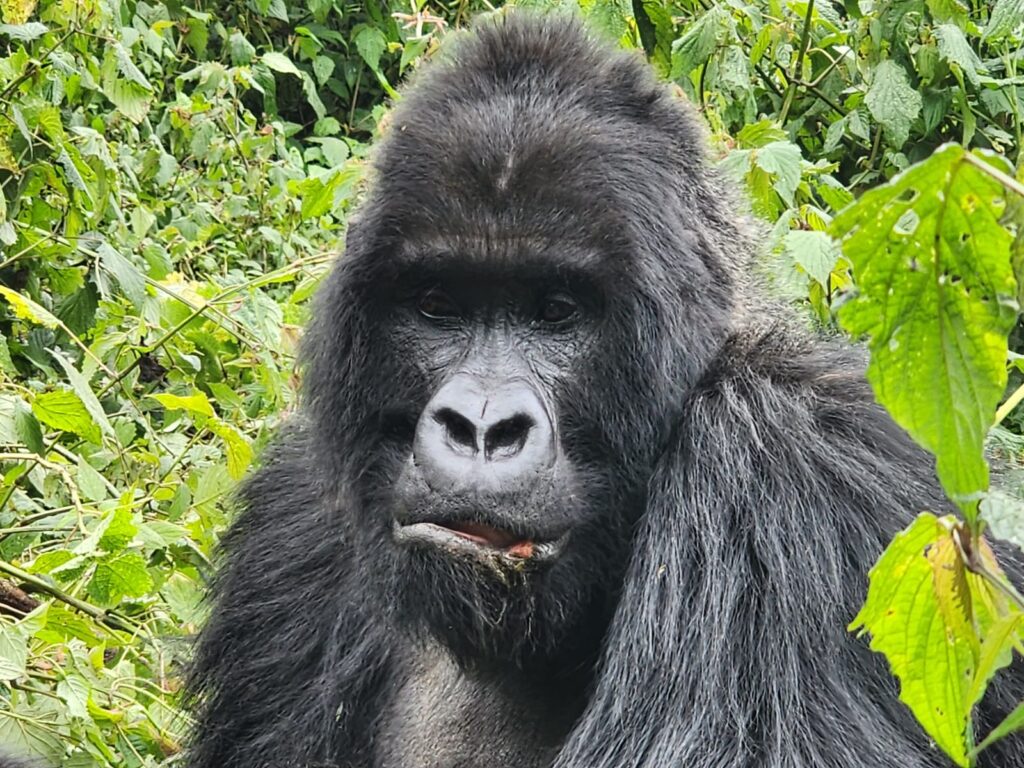
This Adventure Traveler’s Guide to Gorilla Safaris in East Africa explains how to plan the experience responsibly. It compares Uganda and Rwanda, discusses permits and trekking conditions, recommends suitable itineraries and covers transportation, accommodation, photography, packing and physical preparation.
Few wildlife experiences feel as adventurous as trekking through an African mountain forest in search of gorillas. The journey can involve steep hills, muddy paths, bamboo forests, tangled vegetation and rapidly changing weather. At the end of the trail, visitors may have the privilege of observing a habituated mountain gorilla family in its natural habitat.
Mountain gorilla trekking is officially offered in Uganda and Rwanda. Uganda’s main destinations are Bwindi Impenetrable National Park and Mgahinga Gorilla National Park. Rwanda’s trekking takes place in Volcanoes National Park.
The Democratic Republic of Congo has historically offered gorilla tourism in Virunga National Park. However, security and operating conditions can change quickly. As of August 2026, significant official travel warnings apply to the DRC and border areas. Travellers should not include the DRC based on an old itinerary or blog post. Only current park announcements and official government travel advice should guide such a decision.
For most international visitors, Uganda and Rwanda provide the most practical bases for an East African gorilla safari.
Why Gorilla Trekking Is the Ultimate East African Adventure
Gorilla trekking is different from a conventional game drive. Travellers do not remain inside a safari vehicle or follow a predictable paved route. They enter a natural mountain forest on foot with professional guides, trackers and park rangers.
The distance changes daily because gorillas move through their habitat. One trek may be relatively short, while another may involve several hours of hiking.
Several factors make the experience particularly appealing to adventure travellers.
The destination is part of the experience
Reaching the gorilla parks is an adventure in itself. Road journeys pass through highlands, farming communities, valleys, lakes and volcanic landscapes.
In Rwanda, travellers generally travel from Kigali to the Volcanoes National Park area near Musanze. Uganda itineraries may approach Bwindi from Entebbe, Kampala, Queen Elizabeth National Park, Lake Mburo or Kigali.
The journey reveals landscapes and communities that would be missed on a simple resort holiday.
Every trek is different
The route is shaped by the gorillas’ movements, forest conditions and weather. Trackers monitor the gorilla families and communicate information to the guides, but the exact walking distance cannot be guaranteed.
Trekkers may cross:
- Muddy forest paths
- Bamboo zones
- Streams
- Steep slopes
- Thick vegetation
- Open clearings
- Highland farmland near park boundaries
This unpredictability is central to the adventure.
The encounter supports conservation
Gorilla permits help finance park management, conservation and community programmes. Visit Rwanda states that a portion of tourism permit and park-fee income is invested in partnership with local communities. Uganda’s permit system also incorporates conservation and community-related contributions through Uganda Wildlife Authority programmes.
Responsible tourism gives mountain gorillas economic and social value beyond the protected-area boundary. Nevertheless, travellers should choose ethical operators and activities rather than assuming every attraction labelled “community tourism” produces equal benefits.
Gorilla safaris combine easily with other adventures
A gorilla trek can become the centre of a broader East African journey featuring:
- Golden monkey trekking
- Chimpanzee trekking
- Volcano hiking
- Canoeing
- Mountain biking
- Big Five game drives
- Boat safaris
- Birdwatching
- Lake Kivu
- Lake Bunyonyi
- Queen Elizabeth National Park
- Akagera National Park
- Cultural experiences
The result can be a complete adventure holiday rather than a single wildlife activity.
Where to Go Gorilla Trekking in East Africa
Gorilla trekking in Rwanda
Rwanda offers mountain gorilla trekking in Volcanoes National Park, part of the wider Virunga volcanic landscape.
The park is reached from Kigali by road, making it possible to build a short itinerary. Most travellers stay near Musanze or closer to the park headquarters.
Rwanda’s main advantages include: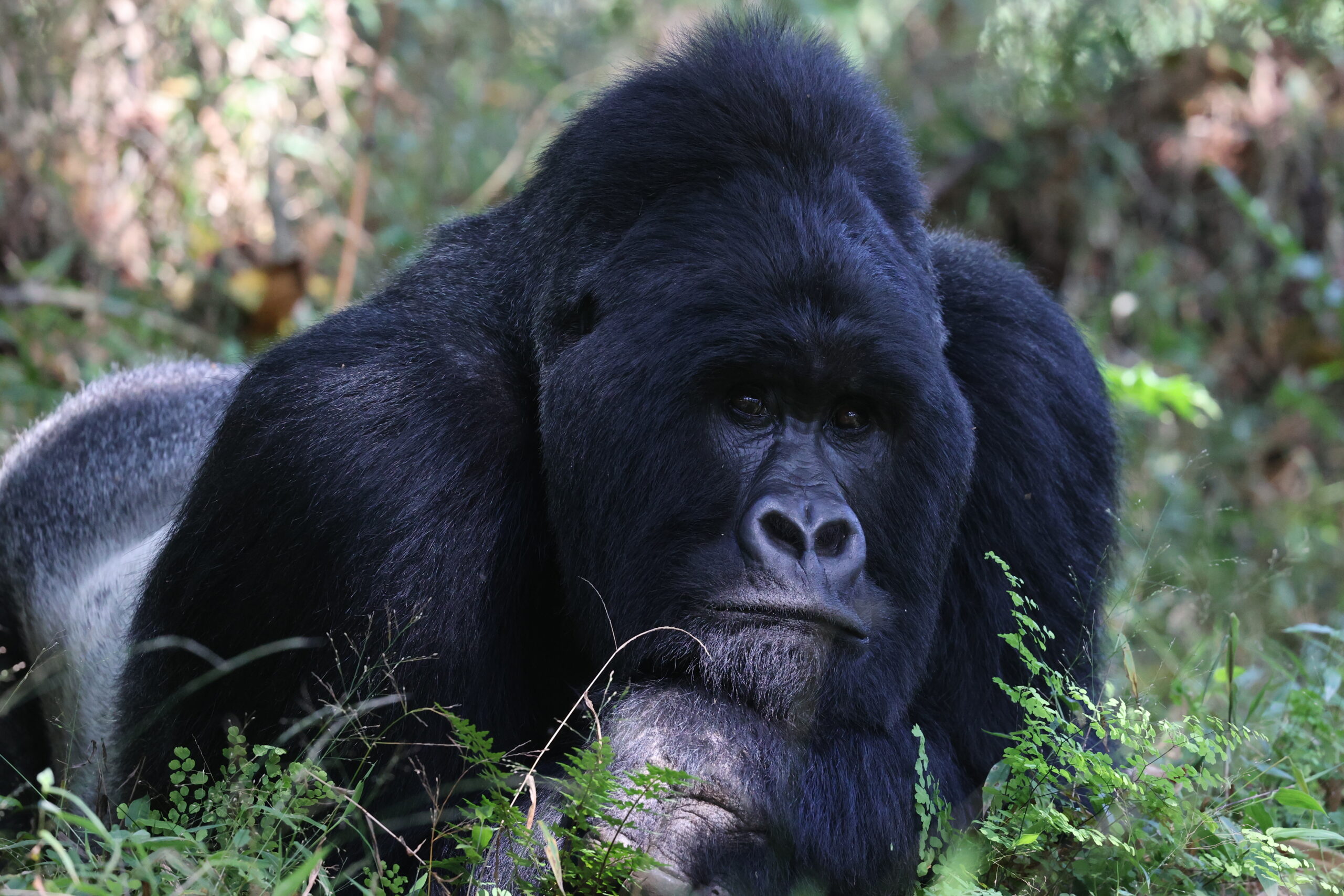
- Convenient access from Kigali
- Strong selection of luxury lodges
- Well-organized trekking procedures
- Additional volcano and primate activities
- Easy combination with Akagera or Nyungwe
- Possibility of a short gorilla-focused itinerary
Volcanoes National Park has a dramatic setting dominated by the Virunga volcanoes. The terrain can include bamboo forest, thick vegetation, mud and steep sections.
Rwanda is often positioned as a premium gorilla destination. The official Visit Rwanda website currently lists the standard international gorilla permit at USD 1,500 per person per day, with special categories or offers available to eligible residents and regional visitors. Prices and eligibility should always be reconfirmed for the travel date.
Important current safety check for Rwanda
Travel conditions can change. In 2026, some government travel advisories have carried warnings concerning areas near the Rwanda–DRC border. Because Volcanoes National Park lies within the broader border region, travellers should review their own government’s latest advisory, official Rwandan information and their travel insurance conditions before booking.
An article cannot replace current safety information. Confirm conditions close to departure and follow instructions issued by park authorities and your licensed operator.
Gorilla trekking in Uganda
Uganda offers gorilla trekking in two national parks:
Uganda appeals to travellers who want to combine gorillas with an extended wildlife circuit. Bwindi connects naturally with Queen Elizabeth National Park, Lake Bunyonyi, Kibale and Lake Mburo.
A Uganda safari normally involves longer road journeys than a short Rwanda itinerary. However, these transfers become part of the experience, revealing southwestern Uganda’s lakes, highlands and rural landscapes.
The Uganda Wildlife Authority tariff valid through June 2026 listed an international gorilla permit at USD 800. Since that published tariff period has ended, visitors planning later travel must obtain the current official rate from UWA or a trusted tour operator. Do not assume an older online price remains valid.
Bwindi Impenetrable National Park
Bwindi is Uganda’s largest and best-known gorilla trekking destination. It is divided into four main trekking sectors:
- Buhoma
- Ruhija
- Rushaga
- Nkuringo
The permit is issued for a particular sector. Accommodation must therefore be selected after the sector is confirmed.
Buhoma
Buhoma lies in northern Bwindi and has a well-established range of accommodation. Its location is convenient for travellers connecting with the Ishasha sector of Queen Elizabeth National Park.
It also offers possibilities for forest and community activities, subject to current availability.
Ruhija
Ruhija is in eastern Bwindi and is known for elevated terrain and excellent birdlife. Mornings and evenings can be cool.
Its location can work well in itineraries approaching from Kabale or parts of Queen Elizabeth National Park.
Rushaga
Rushaga is in southern Bwindi and is frequently used for journeys beginning in Kigali. It has several habituated gorilla families and a growing selection of lodges.
It is also associated with Uganda’s gorilla habituation experience, where available under current UWA arrangements.
Nkuringo
Nkuringo offers dramatic highland scenery and a quieter atmosphere. Its terrain can be demanding, although trekking difficulty ultimately depends on the gorillas’ daily location.
Road access requires realistic planning, especially during wet weather.
Mgahinga Gorilla National Park
Mgahinga is Uganda’s smallest national park. It forms part of the Virunga landscape and offers a more compact alternative to Bwindi.
The park combines gorilla trekking with other adventures such as:
- Golden monkey trekking
- Volcano hiking
- Birdwatching
- Batwa-led cultural experiences
- Scenic highland exploration
Mgahinga can be included in an itinerary based around Kisoro, Lake Mutanda or southern Bwindi.
Permit availability is more limited than in Bwindi because the number of habituated gorilla groups is smaller. Confirm availability before finalizing flights or accommodation.
What About Gorilla Trekking in the Democratic Republic of Congo?
The DRC has extraordinary biodiversity and historically offered mountain gorilla trekking in Virunga National Park as well as eastern lowland gorilla experiences elsewhere.
However, the security situation must be treated seriously. As of July 2026, the U.S. Department of State classified the DRC at Level 4, “Do Not Travel,” citing security and health concerns. Other governments may issue similar or differently worded advice.
Tourism operations can close without warning. Border crossings and transport routes may also be affected.
For this reason:
- Do not travel based on historical availability
- Check whether the park is officially open
- Read current government advisories
- Check travel-insurance exclusions
- Do not use an informal guide to bypass restrictions
- Avoid crossing through an affected area to shorten a route
- Follow decisions made by recognized authorities
Uganda and Rwanda are normally the more practical choices for a planned gorilla trekking holiday, subject to their own current regional advisories.
Adventure Traveler’s Guide to Gorilla Safaris East Africa: Rwanda vs Uganda
Choosing between Rwanda and Uganda depends on budget, available time, preferred accommodation and the broader safari plan.
| Consideration | Rwanda | Uganda |
|---|---|---|
| Main park | Volcanoes National Park | Bwindi and Mgahinga |
| Main gateway | Kigali | Entebbe, Kampala or Kigali |
| Road journey | Generally shorter from Kigali | Often longer, depending on sector |
| Permit positioning | Premium-priced | Traditionally lower-priced |
| Trekking setting | Virunga volcanic landscape | Bwindi forest or Virunga landscape |
| Luxury options | Extensive high-end selection | Broad budget-to-luxury range |
| Wildlife extensions | Akagera and Nyungwe | Queen Elizabeth, Kibale, Murchison and Lake Mburo |
| Short itineraries | Excellent for one- to three-day trips | Better with additional travel time |
| Adventure variety | Volcano hiking, cycling, canoeing | Forest trekking, lakes and wildlife circuits |
Neither country is universally better. The best destination is the one that fits the traveller’s objectives.
Choose Rwanda when:
- Time is limited
- Kigali is the arrival point
- Luxury accommodation is important
- You want to combine gorillas with Akagera or Nyungwe
- A shorter road transfer is preferred
Choose Uganda when:
- You have at least five to ten days
- You want gorillas and classic savannah wildlife
- You want several permit-sector options
- Queen Elizabeth or Kibale is a priority
- You prefer a longer overland adventure
A combined Rwanda–Uganda safari can offer both experiences, but border documentation, safety conditions and transport permissions must be confirmed.
How Physically Difficult Is Gorilla Trekking?
Gorilla trekking usually requires moderate fitness, but the difficulty varies.
The Uganda Wildlife Authority notes that treks may take several hours. Rwanda treks are similarly influenced by the assigned gorilla family’s location.
Factors affecting difficulty include: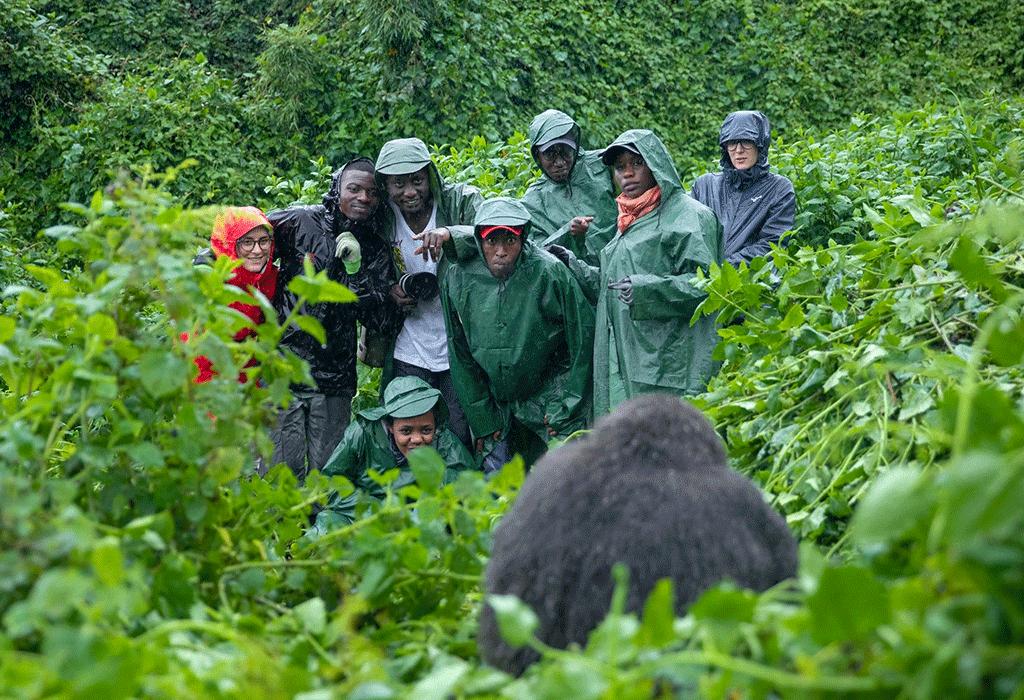
- Distance travelled by the gorillas
- Trekking sector
- Elevation
- Rainfall
- Mud
- Trail steepness
- Vegetation
- Personal fitness
- Backpack weight
- Temperature
A short trek may still contain a steep or slippery section. A longer trek may follow comparatively gradual terrain.
No responsible operator can promise the easiest gorilla family in advance. However, visitors should communicate genuine mobility concerns during booking and at the morning briefing.
Preparing for the Trek
Visitors do not need extreme athletic training. Consistent preparation is more useful than an intense last-minute programme.
Before travelling, build comfort with:
- Regular walking
- Moderate hills
- Safe stair climbing
- Longer weekend walks
- Carrying a light daypack
- Walking in trekking boots
The goal is to become comfortable moving for several hours. Preparation should suit the traveller’s age, health and existing ability. Anyone with a medical condition should discuss the activity with a qualified healthcare professional.
Rest well before the trek. Avoid scheduling a tiring overnight journey immediately before the activity.
Why Hire a Porter?
Hiring a porter is one of the most practical decisions an adventure traveller can make.
A porter can:
- Carry the daypack
- Help protect camera equipment
- Offer support on slippery sections
- Reduce fatigue
- Assist when crossing uneven ground
- Create direct local employment
Even fit travellers benefit from carrying less weight. Hiring a porter also ensures that tourism income reaches people living close to the park.
Ask your tour operator for current porter fees and tipping guidance. Carry suitable local cash where advised.
What Happens on a Gorilla Trekking Day?
The day normally begins early with breakfast and a transfer to the correct park headquarters or briefing point.
Visitors register and attend a compulsory briefing. Rangers explain the rules, forest conditions and expected behaviour.
Trekkers are then divided into small groups and assigned to habituated gorilla families. Each group enters the forest with guides, trackers and park personnel.
The walk continues until the assigned family is located. During the route, guides may explain plants, birds, signs of wildlife and the forest ecosystem.
When the gorillas are found, the group follows the ranger’s instructions. Normal gorilla tracking generally allows a limited observation period. Official Rwanda and Uganda guidance has traditionally placed the standard visit at one hour.
The trek then returns to the starting area. Travellers may receive a certificate or complete a short closing process, depending on park procedures.
Keep the rest of the day flexible. Do not schedule a long, rushed transfer immediately after trekking.
Gorilla Trekking Rules
Rules protect the gorillas and visitors. Always follow the current briefing rather than relying exclusively on an older guide.
Common regulations include:
- Respecting the minimum age requirement
- Presenting the correct permit and identification
- Following ranger instructions
- Remaining with the group
- Maintaining the instructed distance
- Keeping noise low
- Avoiding flash photography
- Not touching the gorillas
- Not eating near the gorillas
- Taking all rubbish out of the forest
- Covering coughs and sneezes
- Not trekking when affected by an infectious illness
Both Uganda and Rwanda currently state a minimum trekking age of 15 for standard gorilla tracking.
Gorillas can be susceptible to human illnesses. A traveller who feels unwell should inform the tour operator rather than conceal symptoms.
Best Time for Gorilla Safaris in East Africa
Gorilla trekking operates throughout the year in Uganda and Rwanda, subject to park conditions.
Generally drier periods
Drier periods often offer:
- Less muddy trails
- Easier road conditions
- Better conditions for combining parks
- More predictable hiking
They can also bring higher demand and limited permit availability.
Even in a generally dry month, mountain forests can receive rain. Waterproof equipment remains essential.
Wetter periods
Wetter periods can offer:
- Lush scenery
- Atmospheric forest photography
- Lower demand on some dates
- Strong birdwatching
- Possible seasonal lodge promotions
Challenges include mud, slippery paths and slower road travel.
The best month depends on personal priorities. Adventure travellers comfortable with rain may enjoy greener periods, while first-time trekkers may prefer generally drier conditions.
What to Pack for an East African Gorilla Safari
Essential trekking clothing includes:
- Long hiking trousers
- Long-sleeved shirt
- Waterproof jacket
- Lightweight fleece
- Long trekking socks
- Broken-in hiking boots
- Gardening or trekking gloves
- Hat
The daypack should contain:
- Safe drinking water
- Packed lunch
- Personal medication
- Sunscreen
- Insect repellent
- Camera
- Spare battery
- Waterproof pouches
- Permit information
- Passport or required identification
- Small towel
Quick-drying fabric is preferable to heavy cotton. Jeans can become uncomfortable when wet and may dry slowly.
Use soft-sided main luggage, particularly when the itinerary includes a small aircraft or a vehicle with limited luggage space.
Photography Tips for Adventure Travellers
Forest photography can be challenging because light levels change quickly.
Prepare the camera before approaching the gorillas:
- Disable the flash
- Charge batteries fully
- Insert an empty memory card
- Set quiet operation where possible
- Protect equipment from rain
- Understand low-light settings
- Avoid carrying excessive lenses
A medium zoom lens is often more practical than a very large wildlife lens in dense vegetation. Smartphones can also produce excellent results.
Do not become so focused on photography that you miss the encounter. Set the camera down occasionally and observe the gorillas directly.
Drones must not be operated casually in protected areas. They can disturb wildlife and require authorization.
Accommodation for Adventure Gorilla Safaris
Accommodation near gorilla parks ranges from simple guesthouses to high-end forest lodges.
Budget accommodation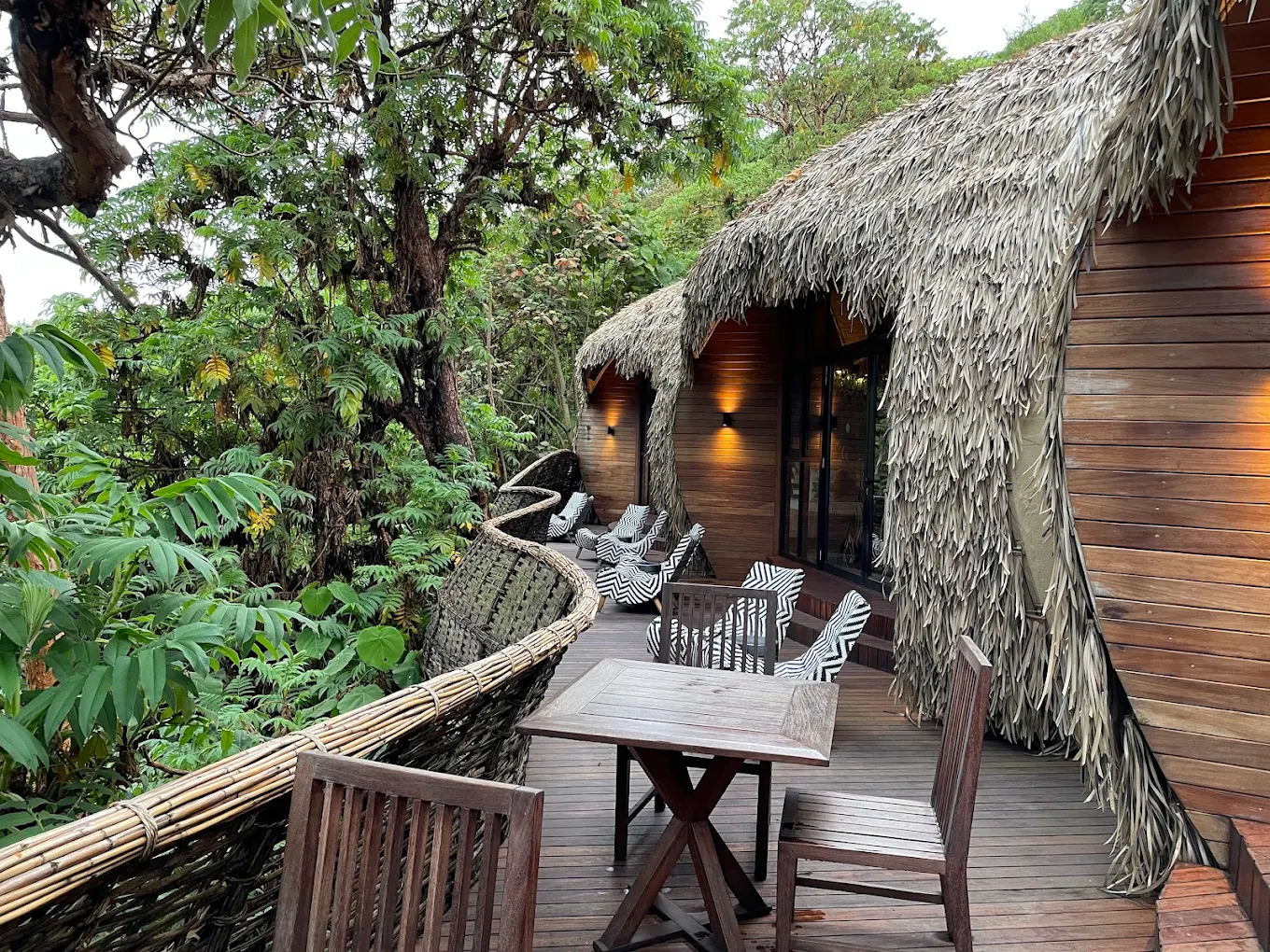
Budget properties normally provide:
- Basic private or shared rooms
- Simple meals
- Hot water where available
- Convenient trekking access
- Local hospitality
Check electricity, charging times, heating and road access before booking.
Midrange lodges
Midrange lodges often balance comfort and value through:
- Ensuite rooms
- Full-board meals
- Forest or mountain views
- Reliable hot water
- Lounge areas
- Laundry
- Early breakfast service
This category suits many active travellers who prioritize the experience but still want comfortable rest.
Luxury lodges
Luxury properties may offer:
- Premium rooms or private villas
- Fireplaces
- Spa treatments
- Personalized service
- Fine dining
- Exceptional park access
- Boot cleaning
- Laundry
- Private guiding
In Rwanda, several internationally known high-end lodges operate near Volcanoes National Park. Uganda also has luxury accommodation in different Bwindi sectors.
Location matters more than brand name. The lodge must be practical for the permit’s briefing point.
Best Gorilla Safari Extensions for Adventure Travellers
Golden monkey trekking
Golden monkey trekking is available in Rwanda’s Volcanoes National Park and Uganda’s Mgahinga Gorilla National Park.
It offers a faster-paced forest experience and can be added before or after a gorilla trek.
Volcano hiking
The Virunga region provides several hiking possibilities, subject to current access and permit arrangements.
Options in Rwanda may include Mount Bisoke or other authorized trails. Mgahinga provides hikes associated with Mount Gahinga, Mount Sabinyo and Mount Muhabura under current park conditions.
Volcano hikes can be physically demanding. Allow sufficient recovery time before gorilla trekking.
Queen Elizabeth National Park
Queen Elizabeth is an excellent addition to a Uganda gorilla safari. Activities include:
- Game drives
- Kazinga Channel boat cruises
- Ishasha tree-climbing lion searches
- Birdwatching
- Crater scenery
- Community experiences
The Ishasha sector connects naturally with northern Bwindi.
Akagera National Park
Akagera provides Rwanda’s principal savannah safari experience. Visitors can add:
- Day game drives
- Boat trips on Lake Ihema
- Night game drives where available
- Big Five wildlife viewing
- Birdwatching
It pairs well with Volcanoes National Park for a complete Rwanda wildlife itinerary.
Chimpanzee trekking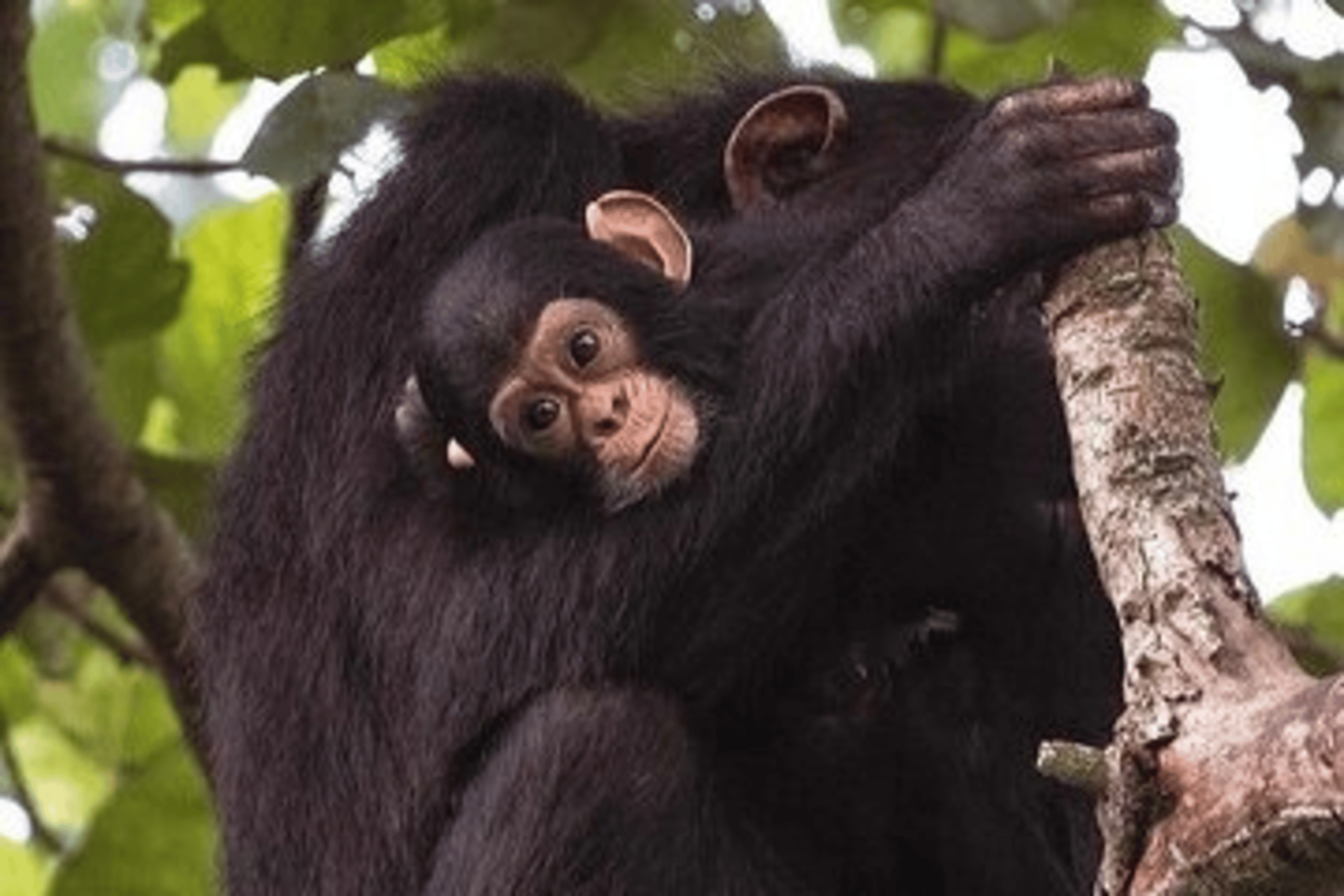
Uganda’s best-known chimpanzee destination is Kibale National Park. Rwanda offers chimpanzee trekking in Nyungwe National Park.
Chimpanzee trekking is different from gorilla trekking. Chimpanzees may move quickly through the forest, making the experience energetic and unpredictable.
Lake Kivu
Lake Kivu offers relaxation and outdoor activities after gorilla trekking.
Depending on location and current operating conditions, travellers may enjoy:
- Boat trips
- Kayaking
- Coffee experiences
- Cycling
- Hiking
- Lakeside accommodation
- Scenic transfers
Lake Bunyonyi and Lake Mutanda
These southwestern Ugandan lakes fit naturally into Bwindi and Mgahinga itineraries.
They provide beautiful settings for rest, canoeing, birdwatching and cultural activities.
Use qualified providers and appropriate safety equipment for water-based activities.
Sample Gorilla Safari Itineraries
Three-day Rwanda gorilla adventure
Day 1: Kigali to Volcanoes National Park, with an optional cultural or conservation-focused visit.
Day 2: Gorilla trekking followed by a relaxed afternoon.
Day 3: Golden monkey trekking or a scenic activity, then return to Kigali.
This itinerary suits travellers with limited time.
Five-day Rwanda adventure safari
Day 1: Kigali arrival and city experiences.
Day 2: Transfer to Volcanoes National Park.
Day 3: Gorilla trekking.
Day 4: Golden monkey trek, hiking or cultural experience.
Day 5: Return to Kigali.
Akagera can replace or extend the final days for savannah wildlife.
Five-day Uganda gorillas and wildlife safari
Day 1: Kigali or Entebbe to Bwindi.
Day 2: Gorilla trekking.
Day 3: Bwindi to Queen Elizabeth through Ishasha.
Day 4: Game drive and Kazinga Channel cruise.
Day 5: Return or continue the journey.
A Kigali start usually creates a shorter approach to southern Bwindi. An Entebbe start works well for a wider Uganda circuit.
Eight-day Uganda adventure circuit
Day 1: Entebbe to Lake Mburo.
Day 2: Lake Mburo activities.
Day 3: Transfer to Bwindi.
Day 4: Gorilla trekking.
Day 5: Transfer through Ishasha.
Day 6: Queen Elizabeth game drive and boat cruise.
Day 7: Travel towards Kibale or Fort Portal.
Day 8: Chimpanzee activity or departure extension.
Additional days improve the pace.
Seven-day Rwanda and Uganda gorilla journey
Day 1: Kigali city tour.
Day 2: Volcanoes National Park.
Day 3: Rwanda gorilla trekking.
Day 4: Golden monkeys and transfer towards Uganda.
Day 5: Rest near Bwindi or Mgahinga.
Day 6: Uganda gorilla trek.
Day 7: Return to Kigali or continue to Queen Elizabeth.
This itinerary offers two gorilla environments but requires two permits and careful border planning.
Cost of Gorilla Safaris in East Africa
The total price depends on:
- Gorilla permit
- Number of travellers
- Accommodation category
- Trip duration
- Private or shared transport
- Starting location
- Seasonal availability
- Border crossings
- Safari extensions
- Optional activities
The permit is a major fixed expense. Transport and guiding costs become more economical when shared by two or more travellers.
A quotation should explain whether it includes:
- Gorilla permit
- Accommodation
- Meals
- Private vehicle
- Driver-guide
- Fuel
- Park charges
- Drinking water
- Airport transfers
- Activities listed in the itinerary
Common exclusions include:
- International flights
- Visas
- Travel insurance
- Tips
- Personal expenses
- Alcoholic drinks
- Optional activities
- Porter services
- Laundry
Request a current itemized quotation. Permit and park prices may change between tariff periods.
Responsible Gorilla Tourism
Responsible behaviour begins before entering the forest.
Choose a licensed operator that:
- Uses authorized permits
- Follows park regulations
- Employs professional guides
- Provides transparent prices
- Supports local businesses
- Avoids misleading wildlife guarantees
- Respects community ownership and consent
- Does not promote unauthorized animal contact
During the trek:
- Follow the ranger
- Keep the forest clean
- Remain quiet near the gorillas
- Avoid touching wildlife
- Do not conceal illness
- Use a porter where appropriate
- Respect local residents and staff
- Ask permission before photographing people
Tourism works best when conservation, visitor safety and community interests are treated as connected priorities.
Frequently Asked Questions
Is Uganda or Rwanda better for adventure travellers?
Uganda suits longer overland circuits combining gorillas, chimpanzees and savannah wildlife. Rwanda suits shorter itineraries, premium lodges and convenient travel from Kigali. Both provide excellent trekking.
How old must you be to trek gorillas?
The official minimum age for standard gorilla trekking in Uganda and Rwanda is 15.
Are gorilla sightings guaranteed?
A permit provides access to an organized trek with trackers and rangers. Sightings are highly successful, but wildlife experiences take place in a natural environment and should not be represented as an absolute guarantee.
Can beginners complete the trek?
Many first-time hikers complete gorilla trekking successfully. Reasonable fitness, suitable equipment, a porter and an honest discussion of mobility needs improve the experience.
How early should permits be booked?
Book as early as practical, particularly for peak travel months or when a specific Bwindi sector is required.
Can I trek gorillas in both countries?
Yes. A Rwanda–Uganda itinerary can include two treks, subject to permit availability, current border requirements and regional safety conditions.
Is gorilla trekking safe?
Treks are led by trained personnel and involve habituated gorilla families. Visitors must follow all instructions. Broader regional travel conditions should be checked separately through current official advisories.
What happens if I am sick?
Inform the operator immediately. Gorilla authorities may prevent participation when a visitor has an infectious illness because gorillas are vulnerable to human diseases. Permit policies should be checked in advance.
Book an East African Gorilla Adventure
Universal Ventures Rwanda organizes private gorilla trekking safaris in Rwanda and Uganda. Trips can be customized for solo travellers, couples, families, photographers and small groups.
Services include:
- Rwanda gorilla permits
- Uganda gorilla permits
- Private 4×4 transportation
- Professional driver-guides
- Kigali airport transfers
- Entebbe airport transfers
- Bwindi and Mgahinga accommodation
- Volcanoes National Park lodges
- Golden monkey trekking
- Queen Elizabeth extensions
- Akagera wildlife safaris
- Chimpanzee trekking
- Lake Kivu and Lake Bunyonyi experiences
- Cross-border itinerary planning
Contact Universal Ventures Rwanda
Address: KN 15 Road, opposite the IPRC entrance, First Floor, Sangwa Plaza, Kigali, Rwanda
Telephone and WhatsApp: +250 781 441 853
Email: info@universalventuresrwanda.com
Website: www.universalventuresrwanda.com
