
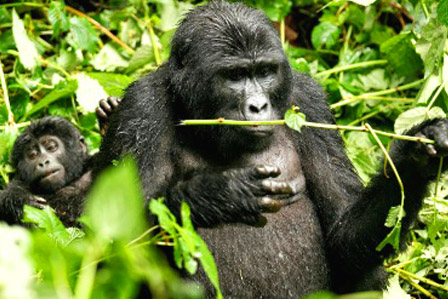
Gorilla trekking photography safaris from Kigali provide an extraordinary opportunity to photograph endangered mountain gorillas within their natural rainforest habitats. From powerful silverbacks resting beneath dense vegetation to young gorillas playing among bamboo branches, every encounter presents unique opportunities for wildlife photographers. Rwanda and Uganda offer some of Africa’s most remarkable primate photography experiences, combining dramatic volcanic landscapes, ancient tropical forests, fascinating animal behavior and professionally guided wildlife encounters. Whether you are an amateur photographer, professional wildlife photographer, documentary filmmaker, travel blogger or nature enthusiast, a carefully organized photographic safari can help you capture meaningful images while respecting mountain gorilla conservation.
Kigali provides one of the most convenient starting points for mountain gorilla photography in East Africa. International visitors can travel from Rwanda’s capital to Volcanoes National Park or cross into southwestern Uganda to explore Bwindi Impenetrable National Park and Mgahinga Gorilla National Park. Each destination offers distinctive photographic opportunities, forest conditions, accommodation options and permit prices. Furthermore, photographers can combine mountain gorilla encounters with golden monkey tracking, chimpanzee photography, African Big Five safaris, birdwatching and spectacular landscape photography.
Universal Ventures Rwanda organizes personalized gorilla trekking photography safaris for visitors seeking private transportation, experienced English-speaking driver-guides, suitable accommodation and carefully coordinated wildlife experiences. From short photographic excursions in Rwanda to extended multi-country expeditions, our team can help develop an itinerary that reflects your photography interests, equipment requirements, travel schedule and available budget.
Understanding Gorilla Trekking Photography Safaris from Kigali
Mountain gorilla photography differs considerably from traditional African wildlife photography. While conventional savannah safaris often involve photographing animals from a vehicle across open grasslands, gorilla trekking requires entering mountainous forests under the supervision of professional park rangers. Photographers may encounter low light, dense vegetation, unpredictable weather, steep trails and restricted opportunities to change their viewing positions.
Successful gorilla trekking photography safaris therefore require more preparation than simply purchasing an expensive camera. Understanding exposure settings, selecting appropriate lenses, protecting equipment from moisture and anticipating wildlife behavior can significantly improve photographic results. Moreover, photographers must respect national park regulations because mountain gorillas are endangered animals whose welfare takes priority over every photograph.
The experience normally begins with an official morning briefing at the designated park headquarters. After group allocation, professional trackers and rangers lead visitors toward the natural habitat of an assigned gorilla family. Once the gorillas have been located, visitors ordinarily receive a maximum of one hour for standard supervised observation.
Why Mountain Gorillas Are Extraordinary Photography Subjects
Mountain gorillas possess expressive facial features, remarkable social relationships and fascinating behavioral characteristics. Their interactions provide opportunities to photograph powerful portraits, emotional family moments and natural wildlife behaviors. A silverback may rest peacefully beneath vegetation while juveniles explore their surroundings. Meanwhile, a mother gorilla may care for her infant or feed among the forest’s abundant plants.
Photographers should approach these encounters with patience rather than expecting specific behaviors. The strongest wildlife images frequently result from observing natural interactions instead of constantly searching for dramatic action. Furthermore, environmental compositions that include trees, bamboo, mist and surrounding vegetation can communicate the ecological importance of mountain gorilla habitats.
Why Kigali Is Ideal for Gorilla Trekking Photography Safaris
Kigali International Airport provides convenient access to several of East Africa’s principal gorilla trekking destinations. Volcanoes National Park generally lies approximately two and a half to three hours from Kigali by road, while selected southwestern Uganda destinations can be reached through authorized international border crossings.
Starting gorilla trekking photography safaris in Kigali allows photographers to reduce unnecessary road transportation and allocate additional time to wildlife encounters. Moreover, Kigali offers comfortable hotels, specialty coffee shops, cultural attractions and attractive urban photography opportunities. Visitors can spend their arrival day checking camera equipment, charging batteries and recovering from international travel before continuing toward the mountain forests.
Regional flight connections also make Kigali particularly attractive for photographers planning extended African adventures. Depending on current flight schedules, visitors can combine mountain gorilla photography with traditional wildlife experiences in Kenya and Tanzania or coastal photography in Zanzibar.
Private Airport Transfers for Wildlife Photographers
Professional photographers frequently travel with expensive and delicate equipment. Consequently, reliable airport transportation becomes an important consideration when organizing a photographic safari. A private driver-guide can collect visitors from Kigali International Airport and coordinate safe luggage handling throughout the journey.
Gorilla trekking photography safaris with dedicated transportation provide greater flexibility for camera equipment, luggage arrangements and scenic stops. Photographers can communicate their individual requirements before arrival, including the number of camera bodies, lenses, tripods and specialized equipment they intend to carry. This information helps the tour operator organize an appropriate vehicle and comfortable travel arrangements.
Best Destinations for Gorilla Trekking Photography Safaris
Rwanda and Uganda provide three internationally recognized mountain gorilla trekking destinations accessible from Kigali. Volcanoes National Park in Rwanda offers beautiful volcanic landscapes and comparatively convenient transportation. Bwindi Impenetrable National Park in Uganda provides dense tropical rainforest environments and extensive gorilla trekking opportunities. Mgahinga Gorilla National Park combines mountain gorilla encounters with dramatic volcanic scenery.
Selecting the best destination for gorilla trekking photography safaris depends on the photographer’s preferred subjects, available budget, travel duration and physical fitness. Some photographers prioritize beautiful environmental compositions within bamboo forests, while others prefer atmospheric rainforest portraits. Nevertheless, wildlife photography remains unpredictable, and no destination can guarantee specific lighting conditions, animal behaviors or photographic results.
Volcanoes National Park – Rwanda Gorilla Trekking Photography Safaris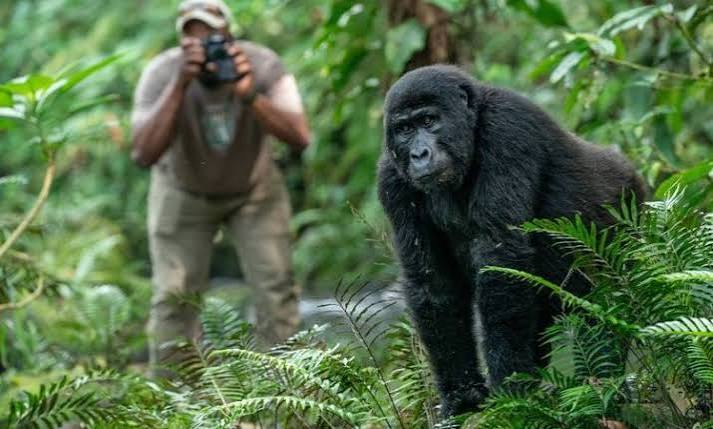
Volcanoes National Park occupies a spectacular mountainous landscape in northwestern Rwanda. Its volcanic mountains, bamboo forests, moss-covered vegetation and beautiful natural surroundings create exceptional photographic opportunities. The park protects endangered mountain gorillas and golden monkeys alongside numerous other forest species.
Many gorilla trekking photography safaris in Rwanda focus on Volcanoes National Park because of its relatively short distance from Kigali and established tourism infrastructure. Photographers can choose between one-day excursions, comfortable multi-day packages and premium photography expeditions featuring luxury accommodation.
Certain areas of the park contain relatively open vegetation that can provide attractive opportunities for environmental portraits. However, other sections remain densely forested, requiring careful camera settings and flexible lens choices. Weather conditions, forest density and the current location of the assigned gorilla family influence every photographic encounter.
Photographing Mountain Gorillas in the Virunga Mountains
The Virunga volcanic landscape creates a distinctive environment for wildlife photography. Mist frequently surrounds the mountains, while bamboo forests and rich vegetation provide beautiful backgrounds for wildlife portraits. Photographers can capture images that communicate both the physical appearance of mountain gorillas and the natural atmosphere of their habitat.
Volcanoes National Park also provides opportunities for landscape photography before and after the gorilla trek. The surrounding countryside contains dramatic mountain views, agricultural landscapes and beautiful rural scenery. Consequently, photographers can develop a more comprehensive visual story rather than concentrating exclusively on close-up gorilla portraits.
Best Gorilla Families for Gorilla Trekking Photography Safaris
Volcanoes National Park contains habituated gorilla families such as Susa, Sabyinyo, Amahoro, Agashya, Kwitonda and others. Each family has distinctive social relationships and changing patterns of movement throughout its natural habitat.
Photographers can communicate their interests when making safari arrangements. However, no particular gorilla family guarantees better photographs, closer encounters or more accessible trekking conditions. Mountain gorillas move naturally, and the final trekking assignment remains the responsibility of park authorities.
Professionally organized gorilla trekking photography safaris should therefore prioritize flexibility rather than promise specific families or photographic compositions. The most rewarding images may emerge unexpectedly when photographers remain patient and prepared.
Bwindi Impenetrable National Park – Uganda Gorilla Trekking Photography Safaris
Bwindi Impenetrable National Park protects an ancient tropical rainforest in southwestern Uganda. Its dense vegetation, mountainous hillsides, deep valleys and extraordinary biodiversity create a dramatic environment for wildlife photography. Compared with some bamboo-dominated areas in Rwanda, Bwindi frequently provides darker, more densely vegetated photographic surroundings.
Gorilla trekking photography safaris in Bwindi appeal particularly to photographers interested in atmospheric rainforest images, expressive wildlife portraits and natural forest compositions. The park’s vegetation can create beautiful layers within photographs, allowing photographers to use foreground leaves and surrounding trees to communicate a sense of depth.
However, limited natural light can create technical challenges. Consequently, photographers should prepare cameras capable of performing well at higher ISO settings and select lenses with suitable maximum apertures. Uganda’s comparatively affordable standard gorilla permits can also make repeat trekking experiences more financially accessible.
Gorilla Trekking Photography Safaris in Rushaga Sector
Rushaga occupies the southern region of Bwindi Impenetrable National Park. Its geographical location makes it a practical choice for photographers traveling from Kigali through southwestern Uganda. The sector provides access to several habituated gorilla families alongside beautiful mountainous forest landscapes.
Many affordable gorilla trekking photography safaris include Rushaga because it provides convenient opportunities for short Uganda itineraries beginning and ending in Kigali. Photographers can spend several nights near the trekking headquarters, allowing sufficient time to prepare equipment and recover after the forest experience.
Rushaga also provides access to Uganda’s specialized gorilla habituation experience when available. This activity can be particularly attractive to photographers interested in extended wildlife observation.
Nkuringo Gorilla Photography Safaris
Nkuringo occupies a dramatic mountainous landscape in southwestern Bwindi. Its elevated surroundings provide spectacular opportunities for scenic photography, particularly during favorable morning or evening light.
Photographers can capture forest-covered hills, distant mountains and beautiful countryside scenery before participating in their mountain gorilla encounter. Selected accommodation facilities also provide attractive viewing positions overlooking the surrounding landscapes.
Nevertheless, Nkuringo contains steep terrain that can make carrying heavy camera equipment challenging. Visitors should select equipment carefully and consider hiring professional porters for assistance.
Buhoma Gorilla Photography Experiences
Buhoma represents one of Uganda’s established mountain gorilla trekking destinations. Its surrounding forests provide opportunities for wildlife photography, birdwatching and selected nature experiences.
Photographers planning extended gorilla trekking photography safaris can combine Buhoma with Queen Elizabeth National Park and Kibale National Park. This arrangement introduces photographers to different wildlife environments, including tropical forests, freshwater channels and classic African savannah landscapes.
Although the road journey from Kigali to Buhoma generally requires more time than reaching southern Bwindi, the region works particularly well within longer Uganda photographic expeditions.
Ruhija Gorilla Trekking and Bird Photography
Ruhija provides access to beautiful mountainous forests in eastern Bwindi. The region appeals particularly to photographers interested in combining mountain gorillas with forest birdlife and nature photography.
Its rich vegetation and elevated landscapes provide opportunities for atmospheric forest images. However, dense canopy cover can make bird photography especially challenging because photographers must balance long focal lengths with limited natural light.
A specialized birdwatching guide can help identify species and interpret their behavior during separately authorized nature activities.
Gorilla Trekking Photography Safaris in Mgahinga National Park
Mgahinga Gorilla National Park lies within southwestern Uganda’s Virunga volcanic landscape. Its bamboo forests, mountain slopes and beautiful surrounding scenery create opportunities for both wildlife and landscape photography.
Photographers seeking quieter gorilla trekking photography safaris may consider Mgahinga because of its distinctive natural surroundings and relatively limited number of daily gorilla trekking opportunities. The park is also attractive to visitors interested in golden monkey photography and scenic countryside exploration.
Its proximity to Rwanda allows travelers to organize short photographic safaris beginning and ending in Kigali. Furthermore, nearby Lake Mutanda provides opportunities for photographing island landscapes, reflections, distant volcanoes and beautiful morning mist.
Because gorilla trekking availability is more limited than in Bwindi, advance reservations remain particularly important.
Rwanda vs Uganda Gorilla Trekking Photography Safaris
Both Rwanda and Uganda provide extraordinary opportunities for mountain gorilla photography. Nevertheless, their forest environments, permit prices, transportation requirements and accommodation options differ.
Rwanda’s Volcanoes National Park can provide beautiful opportunities for photography within bamboo forests and volcanic mountain landscapes. Its relatively short distance from Kigali also makes it attractive to photographers with limited travel time.
Uganda’s Bwindi Impenetrable National Park offers extensive rainforest environments where photographers can create dramatic, atmospheric wildlife images. Its lower standard permit price can also make additional trekking days more affordable.
When comparing gorilla trekking photography safaris, photographers should consider their complete objectives rather than assuming that one country always delivers better images. Lighting conditions, animal movements, weather and ranger-approved viewing positions remain unpredictable in both destinations.
Rwanda for Convenient Photography Expeditions
Rwanda appeals particularly to photographers who want efficient transportation, comfortable accommodation and flexible regional travel arrangements.
A three-day Rwanda photography safari can include mountain gorilla trekking alongside scenic landscapes, conservation attractions and golden monkey tracking. The relatively short transfer from Kigali also reduces the amount of time spent transporting expensive camera equipment.
Moreover, Rwanda provides numerous opportunities for combining forest photography with Akagera National Park and Nyungwe National Park.
Uganda for Affordable and Extended Gorilla Photography
Uganda appeals to photographers who want to maximize wildlife observation opportunities while maintaining a reasonable safari budget. Its lower permit prices can allow visitors to organize two separate gorilla encounters instead of relying entirely on one trekking day.
Specialized gorilla trekking photography safaris in Uganda can also include the gorilla habituation experience, chimpanzee tracking and traditional wildlife game drives. Consequently, photographers can develop a diverse collection of images featuring primates, birds, landscapes and large African mammals.
Rwanda Permit Costs for Gorilla Trekking Photography Safaris
The standard Rwanda mountain gorilla trekking permit costs USD 1,500 per person for international visitors in the regular foreign visitor category. The permit provides access to a regulated trekking experience with professional park guiding and approximately one hour of observation once the assigned gorilla family has been located.
Photographers purchasing standard gorilla trekking photography safaris generally pay the same tourism permit price as other eligible visitors when photographing for ordinary personal purposes. However, professional commercial photography, organized film productions, commissioned media projects and certain specialized activities may require additional authorization.
Private transportation, accommodation, personal porters, additional equipment handling and other activities are generally separate expenses unless the safari quotation expressly includes them.
Discounted Permits for Gorilla Trekking Photography Safaris
Rwanda offers a conditional 30% low-season gorilla permit discount for qualifying combinations of national park visits during November through May. Eligible international visitors may obtain a permit for USD 1,050 instead of the standard USD 1,500 rate.
The discount generally requires a qualifying three-day, two-night visit involving Akagera National Park, Nyungwe National Park or an approved combination of both parks, together with the required accommodation and activity payment documentation.
Photographers considering discounted gorilla trekking photography safaris can benefit particularly when planning an extended itinerary involving different wildlife environments. For example, combining mountain gorilla photography with two nights in Akagera can introduce opportunities for photographing elephants, lions, giraffes and numerous bird species.
However, each discounted gorilla permit must satisfy the applicable conditions. Additional gorilla encounters may require additional qualifying stays. Official approval should be obtained before incorporating the discounted price into a confirmed quotation.
Uganda Permit Costs for Gorilla Trekking Photography Safaris
According to the Uganda Wildlife Authority’s published conservation tariff for January 2027 through June 2028, the standard gorilla trekking permit costs USD 800 per person for foreign non-resident visitors.
This rate applies to conventional mountain gorilla trekking experiences in Bwindi Impenetrable National Park and Mgahinga Gorilla National Park. Compared with Rwanda’s regular international permit rate, photographers can save USD 700 on one standard gorilla trekking permit.
The lower permit price makes gorilla trekking photography safaris in Uganda particularly attractive to wildlife photographers interested in multiple forest encounters. Instead of spending the entire budget on one trekking experience, photographers may be able to organize two separate trekking days or combine mountain gorillas with other wildlife photography opportunities.
Uganda Low-Season Gorilla Photography Permits
Uganda’s published tariff provides a discounted gorilla trekking permit of USD 600 for eligible foreign non-residents during April, May and November.
Although these months generally experience wetter forest conditions, photographers may encounter beautiful greenery, misty landscapes and attractive natural light. However, slippery pathways, heavy rainfall and equipment protection require additional attention.
Low-season permits are subject to applicable conditions, including restrictions on rescheduling. Photographers should confirm their travel arrangements carefully before making non-refundable bookings.
How Much Do Gorilla Trekking Photography Safaris Cost?
The total cost of a photographic gorilla safari depends on the destination, number of trekking days, group size, accommodation category, transportation and additional wildlife activities.
For preliminary budgeting, a one-day private Rwanda gorilla safari for one photographer may cost approximately USD 1,850–2,100, including a standard international permit and suitable ground services.
A three-day Uganda photographic gorilla safari from Kigali may cost approximately USD 1,600–2,600 for one traveler, depending on accommodation, transportation and permit eligibility.
Photographers planning premium gorilla trekking photography safaris with multiple encounters, high-end accommodation or specialized commercial filming arrangements should expect higher costs. Additional production permissions, equipment handling and specialist personnel can significantly influence the final quotation.
All complete safari prices are illustrative planning estimates rather than confirmed company rates.
Estimated One-Day Rwanda Photography Safari Cost
A solo photographer purchasing a standard Rwanda gorilla permit would spend USD 1,500 on the wildlife activity. If private transportation, professional guiding and selected meals amount to USD 350, the estimated safari total becomes USD 1,850.
Hiring a personal porter, organizing special equipment assistance or requesting commercial photography permissions would involve additional expenses unless the confirmed proposal includes them.
This short itinerary works particularly well for photographers with limited time who want to experience mountain gorillas without spending additional nights near Volcanoes National Park.
Estimated Three-Day Uganda Photography Safari Cost
A standard Uganda gorilla permit costs USD 800 for a foreign non-resident photographer. Assuming private transportation and guiding cost USD 650, accommodation and meals amount to USD 250, and additional logistics cost USD 100, the illustrative safari total becomes USD 1,800.
During designated low-season periods, an eligible USD 600 permit could reduce the example total to USD 1,600 if the other expenses remain unchanged.
Actual accommodation rates, transportation costs and filming permissions should receive confirmation before booking.
Private Gorilla Trekking Photography Safaris
Private photographic safaris provide greater flexibility than conventional scheduled group departures. Photographers can arrange dedicated transportation, select suitable accommodation and include additional activities according to their creative interests.
A private driver-guide can also help coordinate scenic stops, explain local wildlife habitats and assist with logistical preparations. Furthermore, photographers carrying several camera bodies and lenses can benefit from additional luggage space within a dedicated safari vehicle.
However, private gorilla trekking photography safaris do not automatically provide exclusive access to an entire mountain gorilla family. Standard gorilla permits generally involve joining a park-managed trekking group of up to eight visitors.
Photographers who require complete visitor-group exclusivity must investigate separate authorization and booking arrangements.
Exclusive Gorilla Trekking Photography Safaris in Rwanda
Rwanda provides specialized exclusive gorilla trekking arrangements for visitors seeking a private visitor-group experience, subject to official approval and availability.
Rather than joining unrelated tourists during the forest adventure, an approved exclusive booking can reserve the visitor allocation for one traveling party. Professional park rangers and necessary trekking personnel remain present throughout the activity.
Exclusive gorilla trekking photography safaris may appeal to professional photographers and luxury travelers who prioritize additional privacy. Nevertheless, exclusive access does not remove conservation regulations, guarantee particular photographic angles or automatically authorize commercial filming.
The exact exclusive-use fee and applicable media permissions should be obtained in writing from the relevant authorities before a photographer confirms the production budget.
Gorilla Habituation and Gorilla Trekking Photography Safaris
Uganda’s gorilla habituation experience provides an alternative to standard mountain gorilla trekking. Available in selected areas of Bwindi, this specialized activity allows visitors to participate in an extended encounter involving gorilla groups that are undergoing habituation.
The experience can last up to four hours according to the relevant wildlife authority’s procedures. However, the allocated time may begin when the tracking team identifies fresh gorilla signs rather than when photographers first obtain a clear view of the animals.
For 2027, the published foreign non-resident gorilla habituation permit costs USD 1,800 per person.
Specialized gorilla trekking photography safaris incorporating habituation can provide additional opportunities to study wildlife behavior and natural forest interactions. Nevertheless, mountain gorillas undergoing habituation may behave less predictably than fully habituated families. Dense vegetation and longer walking distances can also create more demanding photographic conditions.
Photographers should select habituation because of their interest in the experience rather than assuming it guarantees four uninterrupted hours of clear photography.
Double Gorilla Trekking Photography Safaris from Kigali
A second gorilla trekking experience can significantly expand a photographer’s opportunities to capture different images. Mountain gorilla behavior, weather and natural lighting change from one day to another. Consequently, even repeat encounters in the same national park may produce completely different photographs.
Double gorilla trekking photography safaris allow photographers to experiment with different creative approaches. During the first encounter, a visitor may concentrate on expressive portraits and individual gorilla behavior. During the second trek, the photographer may prioritize environmental compositions, family interactions and wider storytelling images.
Each standard trekking experience requires a separate valid permit. At regular international rates, two Rwanda permits cost USD 3,000 per photographer, while two Uganda permits cost USD 1,600 for a foreign non-resident visitor.
Photographers should also allow sufficient recovery time between trekking days, particularly when carrying substantial camera equipment.
Best Time for Gorilla Trekking Photography Safaris
Mountain gorilla trekking generally operates throughout the year in Rwanda and Uganda. However, seasonal rainfall influences forest conditions, natural lighting, transportation accessibility and wildlife photography opportunities.
Choosing the best season for gorilla trekking photography safaris depends on whether the photographer prioritizes comfortable hiking, atmospheric forest photographs, permit affordability or opportunities to combine several wildlife destinations.
Although comparatively dry periods can provide more favorable trekking conditions, wetter months may produce soft natural light, dramatic mist and beautifully saturated vegetation. Therefore, there is no single season that guarantees the best photographic results for every visitor.
Gorilla Photography During June to September
June through September generally provides comparatively drier conditions across many parts of Rwanda and southwestern Uganda. Reduced rainfall can improve access along selected forest trails and make carrying photographic equipment more comfortable.
This period also attracts photographers interested in combining mountain gorillas with the Great Wildebeest Migration in Kenya or Tanzania. Furthermore, traditional wildlife game drives can provide excellent opportunities for photographing animals around water sources.
Because international tourism demand remains strong, suitable accommodation and gorilla permits should receive advance reservations.
Gorilla Photography During December to February
December through February offers another popular period for mountain gorilla encounters. Comparatively drier weather may create favorable opportunities for forest trekking and landscape photography.
Photographers can also combine their Rwanda or Uganda safari with Tanzania’s seasonal wildebeest calving experiences. This creates opportunities to capture mountain gorillas alongside dramatic wildlife behavior in the Serengeti ecosystem.
December and early January can attract substantial festive-season demand. Consequently, photographers requiring specialized accommodation and transportation should book early.
Green-Season Gorilla Trekking Photography Safaris
March through May generally brings increased rainfall to several mountain gorilla habitats. Although wetter conditions can make trekking more challenging, forest vegetation becomes particularly lush and attractive.
Green-season gorilla trekking photography safaris can provide beautiful opportunities for photographing mist-covered mountains, rain droplets, rich vegetation and softly illuminated gorilla portraits. Overcast skies may also reduce harsh contrast between dark fur and bright forest backgrounds.
However, photographers should prepare waterproof equipment protection, suitable hiking boots and flexible expectations regarding weather conditions.
Best Cameras for Gorilla Trekking Photography Safaris
Selecting the appropriate camera involves balancing image quality, autofocus performance, equipment weight and low-light capabilities. Mountain gorilla photography frequently takes place under dense vegetation where natural light remains limited. Consequently, cameras capable of producing acceptable results at higher ISO settings can provide considerable advantages.
Nevertheless, photographers do not necessarily need the newest or most expensive equipment. A familiar camera that responds reliably during changing conditions often delivers better results than an unfamiliar professional model purchased immediately before departure.
For gorilla trekking photography safaris, the ability to adjust shutter speed, aperture, autofocus and exposure compensation quickly remains particularly valuable. Photographers should practice using their equipment before entering the forest.
Mirrorless Cameras for Gorilla Trekking Photography Safaris
Modern mirrorless cameras provide attractive opportunities for wildlife photography because many models offer advanced autofocus systems, electronic viewfinders and in-body image stabilization.
Suitable examples include professional and enthusiast models from Canon EOS R, Nikon Z, Sony Alpha and Fujifilm X camera systems. However, autofocus capabilities, environmental sealing and low-light performance vary considerably between individual models.
Animal eye detection may help photographers maintain accurate focus when gorillas face the camera. Nevertheless, automatic subject recognition can sometimes struggle when leaves, branches or other gorillas obstruct the subject.
Photographers should therefore understand how to switch quickly between automatic subject detection and manually selected autofocus areas.
DSLR Cameras for Gorilla Photography
Digital single-lens reflex cameras remain highly capable tools for mountain gorilla photography. Many experienced wildlife photographers continue using DSLR systems because of their familiar controls, reliable performance and extensive lens compatibility.
A suitable DSLR paired with a fast zoom lens can produce outstanding gorilla portraits and natural wildlife images. Photographers who already own dependable equipment should not feel obligated to change camera systems simply for an African safari.
The most important considerations include camera familiarity, suitable autofocus performance, sufficient battery capacity and reliable image quality at the ISO settings required by the forest environment.
Smartphone Photography During Gorilla Trekking
Modern smartphones can capture meaningful images and videos during mountain gorilla encounters, particularly when natural lighting conditions are favorable.
Visitors who prefer traveling with lightweight equipment can use smartphones for wider environmental scenes, travel documentation and selected wildlife photographs.
However, excessive digital zoom can substantially reduce image quality. Furthermore, smartphones may struggle with dark gorilla fur, movement and limited available light.
Travelers using smartphones should disable flash, avoid bright video lights and respect every instruction provided by park personnel.
Best Lenses for Gorilla Trekking Photography Safaris
Lens selection directly influences photographic flexibility inside mountain forests. Unlike conventional wildlife photography across open savannahs, mountain gorilla encounters frequently occur within environments where surrounding vegetation limits viewing distances and movement.
Photographers planning gorilla trekking photography safaris should prioritize versatile zoom lenses rather than automatically selecting enormous super-telephoto equipment.
A practical lens collection may combine a wide or standard zoom for environmental photography with a medium telephoto zoom for portraits and behavioral images. Nevertheless, the best equipment configuration depends on personal photography preferences, camera sensor size and the amount of weight the photographer can comfortably carry.
70–200mm Lens for Mountain Gorilla Portraits
A 70–200mm lens represents one of the most versatile options for mountain gorilla photography. It provides flexibility for head-and-shoulder portraits, full-body compositions and selected family interactions.
A maximum aperture of f/2.8 provides particular advantages in darker forest environments because it allows more light to reach the camera sensor. Consequently, photographers may achieve faster shutter speeds or lower ISO settings when compared with slower lenses.
A 70–200mm f/4 lens can provide a lighter alternative for visitors who prioritize equipment portability.
24–70mm Lens for Environmental Gorilla Photography
A 24–70mm lens allows photographers to capture wider compositions that include mountain gorillas within their natural surroundings.
Environmental photography provides valuable storytelling opportunities because it demonstrates how gorillas interact with bamboo forests, trees, leaves and surrounding vegetation.
This focal length also works well for photographing countryside landscapes, accommodation, cultural experiences and travel documentation before and after the gorilla trek.
Photographers carrying two camera bodies can pair a 24–70mm lens with a 70–200mm lens to reduce the need for lens changes inside humid forest environments.
24–105mm or 24–120mm Lens for Lightweight Photography
A versatile standard zoom can provide an attractive solution for photographers who prefer carrying one camera and one lens.
A 24–105mm or 24–120mm lens supports wide environmental compositions, moderate portraits and general travel photography. Although its maximum aperture may be slower than certain professional zooms, modern cameras can often compensate through appropriately increased ISO settings.
Lightweight gorilla trekking photography safaris benefit from equipment configurations that minimize unnecessary weight while preserving flexibility.
Photographers should remember that wildlife encounters can unfold quickly. Using one familiar zoom lens may therefore prove more effective than repeatedly changing equipment.
100–400mm Lens for Distant Gorilla Photography
A 100–400mm lens provides additional reach when mountain gorillas remain partially hidden among vegetation or at greater distances.
This lens can also be particularly useful when a photographer combines gorilla trekking with birdwatching, golden monkey tracking or traditional African wildlife safaris.
Nevertheless, many 100–400mm zooms have slower maximum apertures than a 70–200mm f/2.8 lens. Furthermore, the increased equipment weight can make forest walking more demanding.
Photographers should balance the advantages of additional reach against low-light performance and portability.
Are 500mm and 600mm Lenses Suitable for Gorilla Trekking?
Large super-telephoto lenses can produce excellent wildlife images across open savannah landscapes. However, they are generally less practical for standard mountain gorilla trekking.
Dense vegetation, restricted movement and potentially relatively close viewing positions can make extremely long focal lengths difficult to use. Heavy equipment can also create additional challenges during steep forest hikes.
A photographer undertaking an extended African wildlife safari may still bring a super-telephoto lens for Akagera, Serengeti or Masai Mara game drives. During the actual gorilla trek, however, a more compact zoom lens will frequently provide greater flexibility.
Best Camera Settings for Gorilla Trekking Photography Safaris
Mountain gorilla photography requires careful management of exposure because the animals’ dark fur often contrasts with bright leaves, gaps in the canopy and changing natural light.
There is no single camera setting that works for every situation. However, an effective starting configuration prioritizes sufficiently fast shutter speeds, appropriate depth of field and accurate autofocus.
Photographers preparing for gorilla trekking photography safaris should test their preferred exposure mode before traveling. Manual exposure with automatic ISO or shutter-priority exposure can provide flexibility when light conditions change rapidly.
The following recommendations represent practical starting settings rather than fixed rules.
Best Shutter Speeds for Gorilla Trekking Photography Safaris
A shutter speed of approximately 1/250 second can provide a useful starting point when photographing resting or relatively stationary mountain gorillas.
For animals walking, feeding actively or interacting with other family members, photographers may prefer approximately 1/500 second or faster.
When young gorillas play energetically, climb vegetation or move suddenly, shutter speeds around 1/800 to 1/1600 second may help capture sharper images if available light permits.
Photographers should remember that image stabilization can reduce camera movement but cannot freeze the movement of the subject. Therefore, appropriate shutter speed remains essential even when using stabilized equipment.
Best Aperture for Gorilla Photography
An aperture between f/2.8 and f/4 can provide an effective starting point for individual gorilla portraits under limited natural light.
Wider apertures allow photographers to isolate animals against softly blurred backgrounds. However, exceptionally shallow depth of field can leave important facial features or other family members outside the sharp area.
For group interactions and environmental compositions, photographers may prefer apertures between f/5.6 and f/8 when available light and shutter speed permit.
The most suitable aperture depends on the distance to the subject, focal length and desired photographic result.
ISO Settings for Gorilla Trekking Photography Safaris
Forest light frequently requires higher ISO settings than conventional outdoor photography.
ISO values around 800 to 3200 may work well in relatively favorable forest conditions. Darker areas can require ISO 6400 or higher, depending on the camera’s capabilities and the shutter speed needed to freeze movement.
Photographers should determine the highest acceptable ISO for their equipment before departure.
A correctly exposed photograph containing manageable digital noise is often preferable to a blurred or severely underexposed image.
Modern noise-reduction software can help improve high-ISO photographs. Nevertheless, excessive processing can remove important fur texture and fine facial details.
Autofocus Settings for Moving Gorillas
Continuous autofocus, commonly identified as AF-C or AI Servo, can help maintain focus when mountain gorillas move.
Photographers can use animal eye detection if their cameras support reliable recognition of gorilla faces. However, vegetation and changing head positions may interfere with automatic detection.
A single autofocus point, small focus zone or manually controlled tracking area can provide greater accuracy when photographing partially obstructed subjects.
Photographers should generally prioritize the visible eye because sharp eyes contribute significantly to the visual strength of wildlife portraits.
Exposure Compensation for Dark Gorilla Fur
Dark gorilla fur can create challenges for automatic camera exposure systems. Depending on the composition and surrounding background, a camera may produce an image that appears too dark or incorrectly bright.
Photographers should inspect representative photographs and use the histogram to evaluate exposure. Highlight warnings can also help identify overly bright forest backgrounds or reflective leaves.
Positive or negative exposure compensation may become necessary depending on the camera’s metering response.
The goal is to preserve natural fur detail and facial features while avoiding unnecessary loss of important highlight information.
Interactive Camera Exposure Planning Example
Imagine photographing a resting silverback beneath dense forest vegetation. Your camera indicates an appropriate exposure at f/4, ISO 3200 and 1/250 second.
If the silverback begins walking, increasing the shutter speed to approximately 1/500 second reduces the amount of light captured. Depending on your camera mode and lens capabilities, you can compensate by opening the aperture or increasing the ISO.
For example, maintaining f/4 while increasing ISO from 3200 to 6400 can compensate for changing the shutter speed from 1/250 to 1/500 second under the same lighting conditions.
Understanding this relationship allows photographers to respond more confidently when animal behavior changes.
Practice these adjustments before traveling so that camera operation does not consume valuable observation time during the gorilla encounter.
RAW vs JPEG for Mountain Gorilla Photography
RAW files preserve more original image information than conventional JPEG files, providing greater flexibility during post-processing. This becomes particularly valuable in mountain forests where changing light can produce difficult exposure and white-balance conditions.
Photographers using RAW files can adjust shadows, highlights, color temperature and digital noise with greater control. However, RAW images occupy more storage space and require appropriate editing software.
JPEG files provide a convenient option for visitors who prefer smaller files and immediately shareable photographs.
For professional gorilla trekking photography safaris, RAW capture is generally a practical choice because it provides additional flexibility for correcting challenging forest exposures. Photographers who need immediate image-sharing capabilities can consider RAW plus JPEG recording if memory card capacity permits.
White Balance and Natural Forest Colors
Mountain forests often produce strong green color casts because sunlight passes through dense vegetation before reaching the animals.
Automatic white balance can provide a useful starting point, especially when lighting conditions change rapidly. However, photographers should review their images to identify unnatural color shifts affecting gorilla fur and skin.
Cloudy or shade settings may provide warmer color temperatures under certain conditions.
RAW photography allows photographers to refine white balance after the encounter without relying entirely on the camera’s original color interpretation.
The objective should remain natural and believable wildlife colors rather than excessively saturated vegetation or artificial skin tones.
Photographing Silverback Gorillas
Silverbacks represent some of the most striking subjects in mountain gorilla photography. Their powerful physical appearance, distinctive silver-colored back hair and expressive facial features create opportunities for dramatic portraits.
Photographers should concentrate on natural posture, facial expressions and interactions with other family members. A resting silverback can produce an extraordinary image when soft light reveals its facial texture and surrounding vegetation creates a natural frame.
During gorilla trekking photography safaris, visitors must never provoke a silverback or attempt to encourage dramatic behavior for photographs. Rangers determine appropriate observation positions, and photographers must follow their instructions immediately.
Patient observation provides more meaningful photographic opportunities than attempting to influence wildlife behavior.
Photographing Baby Mountain Gorillas
Young mountain gorillas frequently attract photographers because of their expressive faces, playful behavior and interactions with older family members.
However, their movements can be unpredictable. Consequently, photographers may need faster shutter speeds and continuous autofocus when capturing active behavior.
Images showing a young gorilla interacting naturally with its mother or another family member can create particularly meaningful wildlife stories.
Nevertheless, photographers must never attempt to attract an infant’s attention through sounds, gestures or approaching beyond the permitted distance.
Responsible photography respects the protective relationships within gorilla families.
Photographing Gorilla Family Interactions
Family photographs provide opportunities to communicate the social complexity of mountain gorillas.
Rather than concentrating exclusively on individual portraits, photographers can observe feeding behavior, grooming, resting positions and interactions between family members.
A wider focal length can help include several individuals within the same frame. Photographers should also consider using a narrower aperture when light permits to maintain suitable depth of field across multiple subjects.
Moreover, carefully composed environmental photographs can communicate the importance of forest habitats and the social relationships that characterize mountain gorilla populations.
Composition Techniques for Gorilla Photography
Photographic composition influences how viewers experience wildlife images. A strong composition can communicate intimacy, strength, curiosity, vulnerability or the importance of an animal’s natural habitat.
Photographers participating in gorilla trekking photography safaris should consider both close portraits and wider storytelling images. Although expressive faces naturally attract attention, surrounding vegetation, body language and family interactions can provide additional visual context.
Instead of attempting to capture hundreds of similar photographs, visitors can concentrate on a balanced collection of images that communicate different aspects of gorilla life.
Focus on the Eyes
Sharp eyes often create an immediate connection between the viewer and the animal.
When photographing a mountain gorilla portrait, selecting an autofocus area near the visible eye can help maintain the strongest point of interest.
However, photographers should never attempt to encourage direct eye contact through gestures or other disturbances.
Natural expressions and relaxed behavior frequently produce the most compelling photographs.
Use Forest Vegetation as a Natural Frame
Leaves, branches and bamboo stems can provide attractive foreground elements within wildlife compositions.
Instead of considering every piece of vegetation an obstruction, photographers can use selected natural elements to create depth and communicate the forest environment.
Nevertheless, avoid compositions where bright or distracting vegetation unnecessarily obscures important facial features.
Photographers should adjust their focal length or wait patiently for a clearer view rather than removing vegetation without ranger permission.
Photograph Gorillas at Natural Viewing Angles
Images taken near an animal’s eye level can sometimes create engaging wildlife portraits.
However, photographs must always respect the viewing positions established by park personnel. Photographers should never crawl toward gorillas, move into restricted areas or alter their position without permission simply to achieve a preferred camera angle.
A beautiful photograph never justifies compromising conservation or visitor safety.
Low-Light Techniques for Gorilla Trekking Photography Safaris
Low light represents one of the principal challenges of mountain gorilla photography. Dense forest vegetation can significantly reduce available sunlight even during the middle of the day.
Using a fast lens, raising ISO when appropriate and maintaining a sufficiently fast shutter speed can improve photographic results.
Photographers should also practice stable handheld techniques, keeping their elbows comfortably supported when possible.
Gorilla trekking photography safaris frequently reward photographers who can respond quickly to changing light rather than insist on one fixed exposure configuration. A gorilla may move from deep shade toward a brighter area within seconds. Consequently, flexible camera settings become especially valuable.
Why Flash Photography Is Prohibited
Flash photography is prohibited during mountain gorilla encounters because wildlife conservation and responsible visitor behavior remain essential.
Photographers must disable built-in flashes, external speedlights and other artificial lighting equipment before entering the forest.
Autofocus-assist lamps and bright continuous video lights should also remain disabled unless the relevant authorities specifically approve specialized equipment.
Instead of relying on artificial light, photographers can use wider apertures, appropriate ISO settings and careful exposure techniques.
Professional photographers should respect these restrictions even when darker conditions make photography difficult.
Equipment Protection During Gorilla Trekking Photography Safaris
Mountain forests contain significant humidity, unpredictable rainfall, mud and dense vegetation. These conditions can create challenges for delicate photographic equipment.
Photographers preparing for gorilla trekking photography safaris should carry suitable camera rain covers, weather-resistant bags, protective lens equipment and microfiber cloths. Spare batteries and memory cards should remain protected inside secure waterproof compartments.
Weather-sealed cameras offer useful protection against certain environmental conditions, but they are not necessarily waterproof. Consequently, additional rain protection remains important even when using professional equipment.
Preventing Camera Lens Fogging
Condensation can develop when camera equipment moves between environments with significantly different temperatures and humidity levels.
Photographers traveling from air-conditioned vehicles or accommodation into warm, humid outdoor environments should allow equipment to adjust gradually.
Keeping equipment inside a closed camera bag during the initial transition can help reduce condensation formation on camera surfaces.
If internal condensation develops, photographers should avoid repeatedly removing lenses or exposing equipment to additional moisture. Allowing equipment to dry gradually in a suitable environment remains preferable to using excessive heat.
Rain Protection for Gorilla Trekking Photography Safaris
A reusable waterproof camera cover provides practical protection during forest photography.
Visitors should avoid unnecessary lens changes when rain or moisture could enter the camera body. A lens hood can also provide limited protection against droplets reaching the front optical surface.
After the trek, photographers should inspect equipment, carefully remove surface moisture and allow camera bags to dry.
Reusable moisture-control packets can help manage humidity during storage, provided their condition and effectiveness receive regular attention.
Should Photographers Bring Two Camera Bodies?
A two-camera configuration allows photographers to respond quickly to different wildlife compositions.
One camera can carry a wider zoom lens, while the second contains a medium telephoto lens. Consequently, photographers can switch between environmental images and close portraits without repeatedly changing lenses.
For professional gorilla trekking photography safaris, this arrangement can also provide a backup if one camera experiences a mechanical problem.
However, carrying two bodies increases equipment weight and storage requirements. Photographers should therefore consider their walking fitness, camera bag configuration and available porter assistance.
A single reliable camera with a versatile lens can remain entirely sufficient for many visitors.
Tripods, Monopods and Bean Bags
Conventional tripods frequently become impractical during mountain gorilla trekking because forest pathways are uneven and viewing positions remain restricted.
Tripods can also obstruct other visitors or occupy unnecessary space around wildlife.
A lightweight monopod may provide support under certain circumstances, but photographers should obtain ranger permission before using one during the encounter.
Bean bags are more useful during vehicle-based wildlife safaris in destinations such as Akagera National Park, Serengeti and Masai Mara.
For standard gorilla trekking, lightweight handheld photography often provides the greatest flexibility.
Hiring Porters During Gorilla Trekking Photography Safaris
Professional wildlife photographers frequently carry more equipment than ordinary trekking visitors. Cameras, lenses, spare batteries and protective accessories can substantially increase the weight of a daypack.
Hiring a personal porter during gorilla trekking photography safaris can reduce unnecessary physical effort throughout the forest journey. Porters can assist with safely packed equipment, drinking water and other personal belongings. Furthermore, experienced porters may provide practical walking assistance when navigating uneven terrain.
Standard porter services commonly cost approximately USD 15–25 per person, depending on the destination and local arrangements.
Photographers carrying exceptionally heavy equipment may require additional assistance, which should receive advance confirmation. Hiring local porters also creates valuable employment opportunities for communities surrounding mountain gorilla habitats.
Commercial Filming Permits for Gorilla Trekking Photography Safaris in Rwanda
Ordinary tourist photography differs from professional commercial productions such as documentaries, sponsored advertising, television programmes and commissioned wildlife filming.
Photographers organizing commercial gorilla trekking photography safaris should disclose the intended purpose of their images or footage before traveling. A standard tourism permit does not automatically authorize every professional filming activity or subsequent commercial use.
The Rwanda Film Office identifies general filming permissions and additional location-specific authorizations, including permissions for national parks. Depending on the production, project organizers may also require media accreditation, equipment import arrangements or other official approvals.
For Volcanoes National Park, photographers and filmmakers should obtain written confirmation from the relevant wildlife and filming authorities concerning the proposed project.
Commercial Filming Fees for Gorilla Trekking Photography Safaris
Commercial filming expenses can differ according to the nature of the production, filming dates, crew size, equipment and requested access.
A photographer arranging an exclusive gorilla encounter should not assume that paying for private visitor-group access automatically provides commercial filming authorization.
Production organizers should provide information about the intended distribution of the footage, filming duration, equipment list, number of participants and preferred locations.
Universal Ventures Rwanda can help coordinate inquiries with the relevant authorities and develop a logistical proposal after the applicable permissions and charges have been established.
Commercial Gorilla Filming Permits in Uganda
Uganda also maintains separate requirements for commercial filming and professional photography within protected areas.
The Uganda Wildlife Authority’s published 2027–2028 conservation tariff includes commercial filming provisions that use percentage-based charges linked to applicable activity and entrance fees.
However, the final calculation depends on the authorized production arrangements. Drone-related activities and specialized productions may involve different charges and approval requirements.
Professional photographers planning commercial gorilla trekking photography safaris in Uganda should therefore obtain an official project-specific quotation instead of assuming that an ordinary gorilla permit covers the production.
Additional accreditation, equipment import requirements and filming authorizations may also apply.
Drone Photography During Gorilla Safaris
Drones can provide impressive aerial photographs of African landscapes. Nevertheless, their operation remains strictly regulated, particularly near protected wildlife areas.
Photographers should never assume that drones are permitted inside Volcanoes National Park, Bwindi Impenetrable National Park or Mgahinga Gorilla National Park.
Recreational and commercial drone activities may require civil aviation authorization, location-specific permission and additional wildlife authority approval.
Even when authorization exists for certain landscapes, flying near mountain gorillas may remain prohibited because of potential disturbance.
Photographers should obtain all required approvals before transporting or operating drones. Conventional photography from authorized locations remains an excellent way to capture mountain landscapes without disturbing wildlife.
Video Recording During Gorilla Trekking
Video provides a different opportunity to document mountain gorilla behavior. Instead of capturing a single expression, photographers can preserve natural movements, interactions and surrounding forest sounds.
For ordinary personal video, visitors should follow applicable park instructions and avoid artificial lighting, intrusive microphones or equipment that could disturb animals.
A recording format of 4K at 25 or 30 frames per second can provide detailed footage where the camera supports these settings. Shutter speeds around 1/50 or 1/60 second are conventional starting points for natural-looking motion at those frame rates.
However, faster shutter speeds may become appropriate when filming rapid animal movements or using footage for specialized purposes.
Professional video productions remain subject to separate permissions where required.
Ethical Gorilla Trekking Photography Safaris and Wildlife Conservation
Ethical wildlife photography recognizes that mountain gorillas are endangered animals living within protected natural habitats.
Photographers should never prioritize an image over conservation, animal welfare or visitor safety. This principle becomes particularly important during close wildlife encounters where excitement can encourage unnecessary movements.
Responsible gorilla trekking photography safaris require visitors to follow ranger instructions, maintain the prescribed distance from animals, avoid flash photography and respect the allocated observation period.
Photographers should also avoid using sounds, food or gestures to influence animal behavior.
The most meaningful wildlife photographs document natural moments rather than artificially created situations.
Maintaining the Required Distance From Mountain Gorillas
Wildlife authorities establish minimum viewing-distance requirements to protect mountain gorillas and visitors. These requirements can differ by destination and may change according to current health or conservation guidance.
Photographers should always follow the distance instructed by park rangers rather than attempting to move closer for portraits.
If a gorilla approaches unexpectedly, remain calm and follow professional instructions. Never reach toward the animal or attempt to create a photographic interaction.
An appropriate telephoto lens allows photographers to capture expressive images while respecting required observation distances.
How to Make the Most of One Hour With Mountain Gorillas
The standard gorilla trekking experience normally provides approximately one hour of supervised observation. Because this time cannot be extended merely for photography, preparation becomes particularly important.
Photographers should configure their cameras before reaching the gorillas whenever possible. Check batteries, memory cards, shutter speed and autofocus settings during the final stages of preparation.
During gorilla trekking photography safaris, photographers can use the available hour to create a combination of individual portraits, family images, environmental compositions and selected video recordings.
Nevertheless, wildlife movements determine which opportunities become available. Photographers should remain flexible rather than attempt to follow a rigid photographic checklist.
Taking a few moments to put the camera down and directly observe the gorillas can also create memories that photographs alone cannot reproduce.
One-Day Gorilla Trekking Photography Safaris from Kigali
A one-day Rwanda photography safari provides a practical opportunity for visitors with limited available time.
The journey generally begins with a private pickup from Kigali around 4:30 AM. Photographers travel toward Volcanoes National Park and arrive at the Kinigi headquarters for registration and the morning briefing at approximately 7:00 AM.
Following group allocation, visitors continue toward the appropriate trailhead before entering the forest with professional park rangers.
After locating the mountain gorillas, photographers enjoy the regulated observation period while capturing naturally occurring wildlife behaviors.
These short gorilla trekking photography safaris conclude with lunch and a private return journey to Kigali. However, photographers should prepare for a demanding day involving early departure, forest trekking and several hours of road transportation.
Two-Day Gorilla Trekking Photography Safaris in Rwanda
A two-day photographic safari allows visitors to spend the previous night near Volcanoes National Park. This arrangement provides additional opportunities to prepare camera equipment, photograph surrounding landscapes and enjoy a more comfortable morning departure.
Day One: Kigali to Volcanoes National Park
Begin with a private pickup from Kigali International Airport or your accommodation. Travel through Rwanda’s beautiful countryside, stopping at appropriate scenic viewpoints according to available time.
After arriving in the Volcanoes region, check into your preferred accommodation. Depending on your interests, visit the Ellen DeGeneres Campus or enjoy selected landscape photography opportunities.
Spend the evening organizing batteries, camera settings and protective equipment for the following day’s adventure.
Day Two: Mountain Gorilla Photography and Return to Kigali
After breakfast, travel to the park headquarters for registration and the official briefing. Join your assigned trekking group and proceed toward the natural mountain gorilla habitat.
Photograph gorilla portraits, family interactions and environmental compositions during the regulated viewing period.
Following the experience, return to your accommodation or an agreed restaurant for lunch before traveling back to Kigali.
Three-Day Rwanda Gorilla Trekking Photography Safaris
A three-day Rwanda photography itinerary provides an excellent balance between forest photography, additional wildlife opportunities and comfortable transportation.
These gorilla trekking photography safaris allow photographers to spend two nights near Volcanoes National Park, reducing travel-related fatigue and creating additional opportunities for landscape photography.
Day One: Kigali City and Volcanoes Photography
Meet your professional English-speaking driver-guide in Kigali before continuing toward Musanze.
Depending on arrival time, explore selected cultural attractions or photograph Rwanda’s countryside along the transfer route.
After checking into your accommodation, enjoy mountain scenery and prepare your camera equipment for the gorilla experience.
Day Two: Mountain Gorilla Photography
Begin the morning with breakfast before attending the national park briefing.
Enter the forest with professional trackers and photograph mountain gorillas during the regulated observation period.
Following the trek, return to your accommodation for lunch, equipment maintenance, image backups and relaxation.
Day Three: Golden Monkey Photography and Return to Kigali
Participate in golden monkey tracking if the appropriate permit has been arranged.
These active primates provide excellent opportunities to practice faster shutter speeds and wildlife autofocus techniques.
Alternatively, visit conservation attractions or photograph surrounding volcanic landscapes before returning to Kigali.
Three-Day Uganda Gorilla Trekking Photography Safaris from Kigali
A three-day Uganda safari offers attractive opportunities for photographers seeking more affordable mountain gorilla encounters.
Travelers can choose Bwindi Impenetrable National Park or Mgahinga Gorilla National Park according to permit availability, photography interests and accommodation preferences.
Compared with equivalent Rwanda packages, gorilla trekking photography safaris in Uganda can provide considerable savings on standard international permits.
Day One: Kigali to Southwestern Uganda
Depart Kigali after breakfast and travel toward an authorized international border crossing.
Continue through southwestern Uganda’s beautiful countryside toward the selected gorilla trekking region.
Photographers can enjoy scenic viewpoints and landscape photography where safe and permitted.
After arriving at the accommodation, prepare equipment and enjoy a relaxed evening.
Day Two: Mountain Gorilla Photography in Uganda
Travel to the appropriate national park headquarters for registration and the official briefing.
Enter the rainforest under professional supervision and photograph mountain gorillas within their natural habitat.
Focus on expressive portraits, atmospheric forest compositions and natural family interactions.
Following the encounter, return to your accommodation for refreshments, equipment maintenance and image backups.
Day Three: Return to Kigali
After breakfast, begin the private return journey toward Rwanda.
Depending on available time and road conditions, photographers can include selected scenic stops.
The safari concludes at your Kigali hotel or Kigali International Airport.
Four-Day Gorilla Trekking Photography Safaris in Uganda
A four-day Uganda photography safari can include two separately permitted mountain gorilla encounters.
The first day involves transportation from Kigali toward Bwindi or Mgahinga. On the second and third days, photographers participate in dedicated gorilla trekking experiences before returning to Kigali on the final day.
Double gorilla trekking photography safaris increase opportunities to capture different natural behaviors and lighting conditions. Photographers can also refine their equipment choices and exposure settings after reviewing images from the first encounter.
Nevertheless, consecutive trekking days can involve substantial physical effort. Personal fitness and equipment weight should guide the final itinerary.
Five-Day Gorilla and Golden Monkey Photography Safari
A five-day Rwanda photography itinerary allows visitors to combine two remarkable primate experiences with beautiful landscapes and cultural attractions.
Photographers can begin in Kigali before continuing toward Volcanoes National Park. The itinerary includes mountain gorilla trekking, golden monkey photography and selected conservation experiences.
Furthermore, scenic photography around the Twin Lakes of Burera and Ruhondo can introduce beautiful freshwater landscapes and volcanic mountain views.
These extended gorilla trekking photography safaris work particularly well for visitors who want to develop a more diverse collection of wildlife and travel images without undertaking excessively long transfers.
Six-Day Rwanda Gorilla and Big Five Photography Safari
Akagera National Park provides extraordinary opportunities to photograph traditional African wildlife alongside mountain gorillas.
A six-day photography safari can include two nights in Akagera, allowing visitors to participate in game drives and a boat excursion on Lake Ihema. Photographers can search for elephants, lions, giraffes, buffaloes, rhinoceroses and numerous bird species.
The journey then continues toward Volcanoes National Park for mountain gorilla photography.
These combined gorilla trekking photography safaris introduce photographers to two completely different working environments: open savannah landscapes and dense mountain forests.
During eligible low-season periods, the itinerary may also qualify for Rwanda’s conditional discounted gorilla permit programme when all official requirements are satisfied.
Seven-Day Rwanda Wildlife Photography Safari
A seven-day photographic adventure provides additional opportunities to explore Rwanda’s diverse natural landscapes.
The journey can begin with Kigali photography before continuing toward Akagera National Park for traditional wildlife experiences.
Photographers then travel toward Volcanoes National Park for mountain gorilla trekking and golden monkey photography.
The final portion of the itinerary can include Lake Kivu, where visitors capture freshwater landscapes, surrounding hills, local fishing activity from permitted locations and beautiful sunset scenery.
Private transportation allows photographers to organize scenic stops while maintaining realistic travel schedules.
Eight-Day Rwanda Gorilla and Chimpanzee Photography Safari
Nyungwe National Park provides extraordinary opportunities to photograph tropical rainforest environments, chimpanzees, colobus monkeys and forest birdlife.
An eight-day itinerary can begin with mountain gorilla photography in Volcanoes National Park before continuing toward Lake Kivu and Nyungwe.
Combining gorilla trekking photography safaris with chimpanzee tracking allows photographers to develop a diverse primate portfolio. While gorillas often provide opportunities for expressive ground-level portraits, chimpanzees frequently move actively through vegetation and trees.
Photographers should prepare suitable lenses, continuous autofocus settings and faster shutter speeds for these more energetic primates.
The itinerary can also include tea plantation photography, canopy walkway experiences and selected cultural activities.
Ten-Day Rwanda and Uganda Photography Safari
A ten-day Rwanda and Uganda photography expedition provides opportunities to capture contrasting forests, mountain landscapes, traditional wildlife and freshwater environments.
Photographers can begin in Kigali before exploring Volcanoes National Park or continuing directly toward Bwindi. After mountain gorilla photography, the journey may proceed toward Lake Bunyonyi, Queen Elizabeth National Park and Kibale National Park.
These multi-country gorilla trekking photography safaris can include chimpanzee tracking, traditional wildlife game drives and photography along the Kazinga Channel.
Depending on the selected route, the journey may conclude in Entebbe or return to Kigali.
Sufficient time should be allocated to equipment maintenance, photo backups and recovery between demanding activities.
Golden Monkey Photography in Rwanda and Uganda
Golden monkeys provide exceptional photographic opportunities because of their colorful fur, energetic movements and distinctive bamboo forest habitats.
Volcanoes National Park in Rwanda and Mgahinga Gorilla National Park in Uganda provide opportunities to photograph these remarkable primates.
Unlike many resting mountain gorillas, golden monkeys can move rapidly between branches and dense vegetation. Therefore, photographers may require faster shutter speeds, reliable continuous autofocus and versatile telephoto lenses.
Adding golden monkey photography to gorilla trekking photography safaris allows visitors to explore different primate behaviors within similar mountain environments.
Rwanda’s standard international golden monkey permit is generally USD 100 per person, subject to confirmation of the applicable tariff.
Chimpanzee Photography in Nyungwe National Park
Nyungwe National Park protects one of Rwanda’s most remarkable tropical mountain rainforest environments.
Chimpanzee photography introduces photographers to different challenges because the animals may move rapidly across the forest floor or remain high within surrounding trees.
A medium or longer telephoto zoom can be particularly useful when photographing chimpanzees within the canopy.
Nevertheless, photographers should prepare for limited natural light and obstructed viewing positions.
Combining chimpanzee photography with mountain gorilla encounters provides an exceptional opportunity to document the behavioral diversity of African primates.
Chimpanzee Photography in Kibale National Park
Kibale National Park represents one of Uganda’s principal chimpanzee tracking destinations.
Its extensive forest habitats provide opportunities to photograph chimpanzees alongside numerous other primate and bird species.
Photographers can observe natural feeding behavior, movement and social interactions under professional supervision.
An extended Uganda photography safari can combine Kibale with Bwindi and Queen Elizabeth National Park. This arrangement allows visitors to explore different wildlife environments while developing a more comprehensive photographic portfolio.
Akagera National Park Wildlife Photography
Akagera National Park provides a distinctive contrast to mountain gorilla photography because most traditional wildlife experiences occur from safari vehicles.
Open grasslands, woodland environments and freshwater lakes create opportunities to photograph African elephants, lions, giraffes, buffaloes, rhinoceroses and numerous other species.
Photographers can use longer telephoto lenses, vehicle-supported bean bags and faster shutter speeds for active wildlife.
Combining Akagera with gorilla trekking photography safaris creates opportunities to practice both forest and savannah photography techniques during one Rwanda itinerary.
Furthermore, privately guided game drives provide greater flexibility for waiting at promising wildlife sightings while remaining on authorized routes.
Lake Ihema Boat Safari Photography
A boat excursion on Lake Ihema provides opportunities to photograph hippopotamuses, crocodiles and numerous waterbirds.
Photographers can capture reflections, wildlife approaching the shoreline and birds moving across freshwater environments.
Boat movement requires careful handheld technique and appropriately fast shutter speeds.
Visitors should protect equipment against water exposure and follow all instructions provided by the boat operator.
Bird Photography During Gorilla Safaris
Rwanda and Uganda contain diverse bird populations across forests, wetlands, mountainous landscapes and savannah ecosystems.
Photographers interested in birds can combine mountain gorilla encounters with specialized excursions in Nyungwe, Akagera, Bwindi, Kibale and selected wetland destinations.
Bird photography frequently requires faster shutter speeds and longer focal lengths than conventional gorilla portraits.
However, forest bird photography can remain challenging because dense vegetation reduces available light and obscures subjects.
A knowledgeable birding guide can help identify appropriate habitats and explain species behavior, improving both photographic opportunities and educational value.
Lake Kivu Landscape Photography
Lake Kivu provides beautiful freshwater landscapes that create a rewarding contrast to mountain gorilla photography.
Photographers can explore Rubavu, Karongi and selected lakeside destinations while capturing hillsides, waterfront scenery, reflections and attractive morning or evening light.
Furthermore, locally organized boat excursions and coffee plantation visits can provide opportunities for responsible travel photography.
Extended gorilla trekking photography safaris often include Lake Kivu because it allows photographers to slow their travel pace while developing a more diverse visual collection.
Visitors should obtain permission before photographing identifiable people in private or sensitive situations.
Twin Lakes Photography Near Volcanoes National Park
The Twin Lakes of Burera and Ruhondo provide spectacular opportunities for landscape photography close to Rwanda’s Volcanoes region.
Surrounded by beautiful green hills and distant volcanic mountains, the lakes create attractive conditions for panoramic compositions, reflections and atmospheric photographs.
Photographers can arrange scenic stops, authorized boat excursions and selected community experiences.
A wide-angle lens can capture expansive countryside views, while a medium telephoto lens allows photographers to isolate distant mountains and interesting landscape features.
Weather conditions influence visibility, so photographers should maintain flexible expectations regarding mountain views.
Lake Bunyonyi Photography in Uganda
Lake Bunyonyi attracts photographers with its beautiful island-dotted waters and surrounding mountainous landscapes.
Mist frequently creates atmospheric photographic opportunities during suitable early morning conditions.
Photographers can explore selected viewpoints, participate in authorized boat excursions and capture natural reflections where weather permits.
Lake Bunyonyi also provides attractive opportunities for bird photography and peaceful accommodation following a demanding gorilla trek.
Combining Bwindi with Lake Bunyonyi creates a rewarding balance between wildlife photography and scenic relaxation.
Best Accommodation for Gorilla Trekking Photography Safaris
Accommodation selection influences photographic preparation, equipment security and travel efficiency.
Photographers should consider reliable electricity, suitable charging facilities, secure equipment storage, convenient access to trekking headquarters and sufficient space for camera maintenance.
Furthermore, reliable internet availability may become important for professional photographers who need to communicate with clients or transmit selected images.
Choosing suitable accommodation for gorilla trekking photography safaris requires evaluating practical facilities rather than focusing exclusively on luxury or beautiful scenery.
Visitors should confirm backup power arrangements and any applicable equipment storage conditions before booking.
Five Volcanoes Boutique Hotel
Five Volcanoes Boutique Hotel provides comfortable accommodation near Rwanda’s gorilla trekking region.
Its location makes it suitable for photographers combining mountain gorillas, golden monkeys and selected cultural experiences.
Guests can return after forest activities to review images, maintain equipment and prepare for the following day’s itinerary.
The property can form part of comfortable private photography packages from Kigali.
Tiloreza Volcanoes Ecolodge
Tiloreza Volcanoes Ecolodge offers an attractive accommodation option around Musanze.
Photographers can organize convenient access to Volcanoes National Park while enjoying comfortable surroundings and selected regional experiences.
Its location also provides opportunities for exploring Rwanda’s volcanic countryside and nearby attractions.
Visitors should confirm suitable room categories and charging facilities according to their equipment requirements.
Mountain Gorilla View Lodge
Mountain Gorilla View Lodge provides accommodation surrounded by beautiful volcanic landscapes.
Its natural environment appeals to photographers seeking mountain scenery and traditional lodge experiences.
Depending on weather conditions, the surrounding landscapes can create attractive opportunities for photography outside the main gorilla encounter.
Photographers should confirm practical equipment storage and charging arrangements before arrival.
Bisate Lodge
Bisate Lodge offers a distinctive luxury accommodation experience near Volcanoes National Park.
Its remarkable architectural design and volcanic environment can provide attractive opportunities for landscape and architectural photography.
Premium gorilla trekking photography safaris incorporating Bisate can combine mountain gorilla encounters with personalized hospitality and conservation-focused experiences.
However, photographers undertaking commercial architectural or property photography should obtain appropriate authorization from the accommodation provider.
Singita Kwitonda Lodge
Singita Kwitonda Lodge provides premium accommodation within the Volcanoes region.
Its surrounding landscapes create opportunities for beautiful mountain views and nature photography.
Photographers can enjoy personalized hospitality and comfortable surroundings after demanding forest activities.
Advance reservations remain particularly important when coordinating premium accommodation with limited gorilla permits.
Ichumbi Gorilla Lodge in Uganda
Ichumbi Gorilla Lodge provides an accommodation option near the Rushaga trekking sector.
Its geographical location makes it suitable for photographers arriving from Kigali for relatively short Uganda gorilla safaris.
Visitors can organize equipment preparation and comfortable morning transfers before entering Bwindi’s rainforest habitats.
Gorilla Leisure Lodge
Gorilla Leisure Lodge offers comfortable accommodation within southern Bwindi.
Its natural surroundings provide opportunities to appreciate beautiful forest landscapes following mountain gorilla photography.
Photographers should confirm electricity availability, secure equipment storage and the most convenient room arrangements before booking.
Clouds Mountain Gorilla Lodge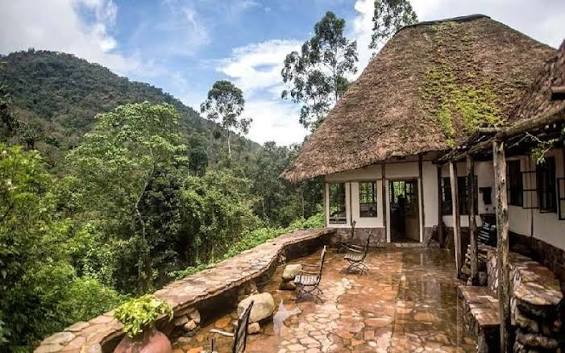
Clouds Mountain Gorilla Lodge provides a distinctive premium accommodation experience near Nkuringo.
Its elevated surroundings offer attractive opportunities for dramatic mountain and forest photography.
The lodge can form part of luxury photographic safaris that prioritize comfortable accommodation and exceptional natural scenery.
Nevertheless, visitors should consider the physical demands of the surrounding mountainous terrain when planning their photographic equipment.
Private 4×4 Transportation for Gorilla Trekking Photography Safaris
Reliable transportation remains essential for visitors carrying valuable photographic equipment.
Universal Ventures Rwanda can arrange private four-wheel-drive Toyota Land Cruisers with professional English-speaking driver-guides according to the intended itinerary.
A dedicated vehicle provides additional flexibility for camera bags, luggage storage, scenic stops and countryside transfers. Furthermore, photographers can discuss equipment requirements before departure to avoid overcrowded transportation arrangements.
Private gorilla trekking photography safaris can also incorporate vehicles suitable for traditional wildlife photography in Akagera or other African national parks.
For game-drive destinations, selected safari-modified vehicles with pop-up roofs or other authorized viewing configurations can provide additional photographic opportunities.
Photographers should communicate requirements concerning charging facilities, seating preferences and equipment support before confirming transportation.
Gorilla Trekking Photography Safaris for Solo Travelers
Traveling independently provides photographers with greater flexibility when selecting destinations and creating a personalized itinerary.
Solo photographers can organize private transportation from Kigali, choose suitable accommodation and dedicate additional time to specific wildlife interests.
Although traveling alone can increase individual transportation expenses, Uganda’s lower standard permit costs may help balance the overall budget.
Furthermore, independent photographers ordinarily join park-managed trekking groups during standard gorilla encounters. Therefore, solo travelers do not need to organize their own wildlife photography group before booking.
Private Gorilla Trekking Photography Safaris for Couples
Couples who enjoy photography can share an extraordinary wildlife experience while discovering Rwanda’s and Uganda’s natural landscapes.
Private transportation allows them to carry equipment comfortably and customize additional activities according to their shared interests.
A photographic safari for couples can combine mountain gorillas with romantic accommodation, Twin Lakes excursions, Lake Kivu relaxation and selected cultural experiences.
Furthermore, couples can use different lenses during the encounter to develop complementary collections of close portraits and environmental photographs.
Both travelers must respect individual permit requirements and park-managed viewing arrangements.
Small-Group Gorilla Trekking Photography Safaris
Small-group photographic expeditions allow participants to share transportation expenses while traveling with others who have similar interests.
These arrangements can provide opportunities to exchange technical knowledge, discuss composition ideas and review images together.
However, group size should receive careful consideration because photographic equipment requires additional luggage space.
Operators should also avoid creating unnecessarily demanding schedules that leave insufficient time for equipment maintenance and image backups.
Well-organized small-group safaris can provide excellent value while maintaining comfortable transportation and meaningful wildlife experiences.
Combining Gorilla Trekking Photography Safaris With Kenya
Kenya offers internationally recognized wildlife photography destinations that complement Rwanda’s and Uganda’s mountain gorilla experiences.
Photographers can begin their journey in Kigali before continuing toward Nairobi through suitable regional flight arrangements.
Masai Mara National Reserve provides opportunities to photograph predators, grazing animals and seasonal wildebeest migration movements. Meanwhile, Amboseli National Park offers impressive elephant encounters and potential views toward Mount Kilimanjaro.
Combining gorilla trekking photography safaris with Kenya allows photographers to capture atmospheric forest portraits alongside classic African savannah wildlife and dramatic mountain landscapes.
Specialized photography vehicles can also provide additional equipment space during authorized game drives.
Combining Gorilla Photography With Tanzania Safaris
Tanzania’s Serengeti National Park, Ngorongoro Crater and Tarangire National Park provide extraordinary opportunities for photographers interested in African wildlife.
Visitors can capture lions, cheetahs, elephants, giraffes and seasonal migratory wildlife across extensive natural landscapes.
The Serengeti offers particularly rewarding opportunities for photographers interested in animal behavior and large-scale wildlife movements. Meanwhile, Tarangire provides beautiful baobab landscapes and impressive elephant populations.
Multi-country gorilla trekking photography safaris can combine Rwanda or Uganda with Tanzania, allowing visitors to develop a diverse wildlife collection featuring endangered primates and classic African savannah mammals.
Carefully coordinated regional flights and private transportation help reduce unnecessary travel distances.
Gorilla Photography and Zanzibar Travel Photography
Zanzibar provides opportunities for tropical landscape photography, coastal images, cultural exploration and relaxing beach experiences.
Photographers can continue from Rwanda, Uganda or Tanzania toward Zanzibar after completing their wildlife activities.
Stone Town offers opportunities to discover distinctive architecture, historic streets and cultural heritage. Meanwhile, Nungwi, Kendwa, Paje and Jambiani provide different coastal environments for landscape photography.
Visitors interested in cultural photography should respect local customs, individual privacy and permission requirements.
A combined wildlife and coastal photography holiday creates an attractive balance between outdoor adventure and relaxation.
What to Pack for Gorilla Trekking Photography Safaris
Photographic equipment should receive careful preparation before traveling to East Africa.
A reliable camera body, versatile zoom lens, spare batteries, adequate memory cards and suitable waterproof protection form the foundation of a practical gorilla photography kit.
Photographers may also carry a second camera body, microfiber cloths, lens cleaning equipment, camera rain sleeves and portable image backup storage.
Appropriate trekking clothing remains equally important. Waterproof hiking boots, long trousers, long-sleeved shirts, lightweight rain jackets and suitable gloves help visitors manage changing forest conditions.
Packing efficiently for gorilla trekking photography safaris allows photographers to concentrate on their creative objectives without carrying unnecessary equipment through demanding mountainous environments.
Backing Up Photographs During an African Safari
Protecting photographic files is particularly important during extended international journeys.
Photographers should avoid keeping their entire image collection on one memory card or storage device.
Where possible, create copies on separate physical devices and maintain the original memory card files until additional backups have been verified.
A laptop and portable solid-state drive can provide an effective backup solution. Furthermore, cloud storage may offer additional protection when suitable internet access exists.
However, photographers should not rely exclusively on cloud uploads in remote safari accommodation because connection speeds and availability can vary considerably.
A reliable backup routine provides greater confidence when traveling between national parks.
Editing Mountain Gorilla Photographs After the Safari
Post-processing allows photographers to refine images captured under difficult forest lighting conditions.
RAW editing software provides opportunities to adjust exposure, recover highlights, refine white balance and reduce digital noise.
Photographers should exercise particular care when brightening dark gorilla fur because excessive shadow recovery can produce unnatural colors and reduce contrast.
Similarly, aggressive sharpening and noise reduction may remove important fur texture or introduce artificial-looking details.
Responsible wildlife image editing should preserve a truthful representation of natural behavior and the surrounding environment.
Photographers entering competitions or publishing documentary images should follow the applicable editing and disclosure requirements.
Travel Insurance for Professional Wildlife Photographers
Comprehensive travel insurance remains particularly important for visitors carrying expensive camera equipment.
Photographers should confirm that their insurance covers mountain gorilla trekking, relevant elevations, emergency medical treatment and evacuation from remote forest environments.
Standard travel insurance may impose individual item limits or exclude certain professional photography equipment. Consequently, photographers should review whether specialized camera insurance is necessary.
Commercial filming activities may also require separate production insurance or public liability coverage.
Before booking gorilla trekking photography safaris, confirm whether the intended activities, equipment values and destination conditions fall within the policy’s coverage.
Visa and Equipment Import Requirements
International photographers should confirm immigration requirements according to their nationality, passport type and intended travel route.
Eligible visitors traveling through Rwanda, Uganda and Kenya may consider the East African Tourist Visa where applicable.
However, this visa does not cover Tanzania. Photographers extending their journey toward Serengeti or Zanzibar must investigate separate immigration requirements.
Professional filmmakers may also need to arrange temporary equipment import procedures, filming permissions and additional documentation.
Travelers carrying substantial commercial camera equipment should maintain an accurate equipment list and supporting ownership or production documents where required.
Health and Safety During Gorilla Photography Safaris
Mountain gorilla trekking takes place in environments where uneven terrain, changing weather, physical exertion and altitude can create challenges.
Photographers carrying heavy equipment should prepare physically and consider hiring a porter to reduce unnecessary strain.
Visitors with significant medical conditions should obtain personalized healthcare advice before confirming demanding outdoor activities.
Furthermore, travelers experiencing contagious illnesses should inform the tour operator and relevant park authorities because mountain gorillas remain vulnerable to certain human diseases.
Before finalizing international travel arrangements, photographers should also review current government travel advisories, regional security conditions, border operations and applicable public-health requirements.
Common Mistakes During Gorilla Trekking Photography Safaris
One common mistake involves bringing excessively heavy telephoto equipment that becomes difficult to use within dense vegetation.
Another problem involves relying on slow shutter speeds when mountain gorillas move unexpectedly.
Photographers sometimes attempt to maintain very low ISO settings even when the forest environment requires additional sensitivity. Consequently, they may produce blurred or severely underexposed images.
Other avoidable mistakes include forgetting to disable flash, changing lenses during rainfall, carrying insufficient memory cards and failing to create secure image backups.
Successful gorilla trekking photography safaris require a combination of technical preparation, physical readiness, flexible expectations and responsible wildlife behavior.
Photographers should learn their camera controls before arriving rather than spend the limited gorilla encounter experimenting with unfamiliar equipment.
When to Book Gorilla Trekking Photography Safaris
Mountain gorilla permits remain limited because national park authorities regulate daily visitor numbers.
Photographers planning a safari during popular international tourism periods should consider booking approximately six to twelve months in advance where practical.
Early reservations provide greater flexibility when choosing trekking destinations, accommodation, specialized transportation and additional photographic activities.
Professional gorilla trekking photography safaris involving commercial filmmaking, exclusive group access or multiple trekking days may require additional preparation and administrative arrangements.
Photographers should receive written confirmation of permit availability and necessary permissions before making substantial non-refundable reservations.
Frequently Asked Questions About Gorilla Trekking Photography Safaris
Can I take photographs during gorilla trekking?
Yes. Visitors can generally take ordinary personal photographs during mountain gorilla encounters, provided they follow ranger instructions and applicable national park regulations. Flash photography is prohibited.
What is the best camera for gorilla trekking?
A camera with reliable autofocus, good low-light performance and familiar exposure controls provides excellent advantages. Both DSLR and mirrorless cameras can produce outstanding images.
What is the best lens for gorilla photography?
A 70–200mm lens provides excellent flexibility for portraits and behavioral images. A 24–70mm or 24–105mm lens is useful for wider environmental compositions.
Is a 100–400mm lens good for gorilla trekking?
Yes. It can provide useful reach when gorillas remain farther away or partially obscured by vegetation. Nevertheless, its maximum aperture and equipment weight deserve careful consideration.
What shutter speed should I use for mountain gorillas?
Approximately 1/250 second can work for resting animals, while 1/500 second or faster may suit moving gorillas. Rapid action can require considerably faster shutter speeds.
What ISO is best for gorilla photography?
ISO requirements depend on available light. Values between ISO 800 and 6400 are frequently useful starting points, although darker conditions may require higher settings.
Is flash photography allowed during gorilla trekking?
No. Visitors must disable flashes and other unauthorized artificial lighting equipment throughout the mountain gorilla encounter.
Can I photograph gorillas using a smartphone?
Yes. Smartphones can produce meaningful wildlife photographs and personal videos. However, they may have limitations regarding low-light performance and optical zoom.
Is Rwanda or Uganda better for gorilla photography?
Both countries offer exceptional photographic opportunities. Rwanda provides convenient access from Kigali, while Uganda offers lower standard permit prices and diverse rainforest environments.
How much does a Rwanda gorilla photography permit cost?
The standard regular international tourism permit costs USD 1,500 per person. Commercial filming or specialized professional activities may require additional authorization and fees.
How much does a Uganda gorilla photography permit cost?
The standard foreign non-resident gorilla trekking permit costs USD 800 under the published 2027–2028 tariff. Eligible low-season visitors may obtain a discounted USD 600 permit.
Can I spend more than one hour photographing gorillas?
Standard mountain gorilla trekking normally allows a maximum of one hour. Uganda’s specialized gorilla habituation experience can provide a longer authorized activity, while professional productions require appropriate separate arrangements.
Is gorilla habituation good for photographers?
It can be rewarding for photographers interested in extended observation and conservation. Nevertheless, gorillas undergoing habituation may behave less predictably and remain more difficult to photograph clearly.
Can I book two gorilla trekking days?
Yes. Photographers can book separate permits for multiple trekking days, subject to availability.
Can I arrange private gorilla trekking photography safaris?
Yes. Private transportation and personalized photographic itineraries can be organized from Kigali. Exclusive access during the actual gorilla encounter requires separate official arrangements.
Can I bring two cameras during gorilla trekking?
Yes, subject to applicable equipment requirements. Carrying two camera bodies can reduce lens changes and provide useful backup equipment, although additional weight should receive consideration.
Should I bring a tripod?
A large tripod is generally impractical during conventional gorilla trekking. A lightweight monopod may be useful only where park personnel permit its use.
Can I hire someone to carry my camera equipment?
Personal porters are commonly available to assist with safely packed equipment and other belongings. Larger or specialized equipment loads should receive advance coordination.
Are drones allowed during gorilla trekking?
Do not assume drone use is permitted. Appropriate civil aviation and wildlife authority approvals are required, and operation near mountain gorillas may remain prohibited.
Can I make a professional gorilla documentary?
Professional documentary filming requires applicable production permissions and wildlife authority authorization. An ordinary tourism permit does not automatically cover commercial filming.
How much does commercial gorilla filming cost?
Charges depend on the destination, production purpose, crew size, access requirements and applicable official tariffs. Obtain a written project-specific quotation before booking.
Can photographers request a particular gorilla family?
Photographers can communicate their preferences. Nevertheless, final standard trekking assignments remain subject to wildlife authority decisions and current operational conditions.
What is the best season for gorilla photography?
Comparatively drier conditions occur generally from June to September and December to February. Wetter periods can offer attractive mist, soft light and rich vegetation.
Can I combine gorilla photography with the Great Wildebeest Migration?
Yes. Rwanda and Uganda gorilla trekking can be combined with seasonal wildlife photography experiences in Kenya or Tanzania through carefully coordinated itineraries.
Are photographers guaranteed to capture good images?
No. Natural light, wildlife behavior, forest vegetation and authorized viewing positions remain unpredictable. Suitable preparation improves photographic opportunities but cannot guarantee particular results.
How do I book gorilla trekking photography safaris from Kigali?
Contact Universal Ventures Rwanda with your preferred dates, photography objectives, number of travelers, equipment requirements and desired destinations. Our team can help prepare a personalized photographic safari proposal.
Why Book Gorilla Trekking Photography Safaris With Universal Ventures Rwanda?
Universal Ventures Rwanda specializes in organizing personalized mountain gorilla trekking experiences, professional safari transportation and customized wildlife adventures across East Africa.
We understand that wildlife photographers have different requirements from conventional tourists. Camera equipment, photographic objectives, multiple trekking days, comfortable accommodation and suitable transportation can all influence the success of an expedition.
Our gorilla trekking photography safaris can include private four-wheel-drive Toyota Land Cruisers, professional English-speaking driver-guides, accommodation reservations, airport transfers and assistance with gorilla permit arrangements.
Furthermore, we can help coordinate additional photography experiences involving golden monkeys, chimpanzees, African Big Five wildlife, birdwatching, beautiful landscapes and cultural tourism.
Professional photographers and filmmakers can also communicate their commercial objectives so that applicable permission requirements and logistical arrangements can be investigated before travel.
Whether you prefer a short Rwanda photographic safari, an affordable Uganda gorilla expedition or an extended East African wildlife photography journey, our team can develop an itinerary according to your interests and available budget.
How to Book Your Gorilla Photography Safari from Kigali
Booking a personalized photography safari begins with identifying your preferred travel dates and wildlife photography objectives.
Consider whether you prioritize mountain gorilla portraits, extended wildlife encounters, professional filming, landscape photography or a combination of several photographic experiences.
Your preferred accommodation category, number of trekking days, equipment requirements and transportation arrangements will also influence the final itinerary.
Universal Ventures Rwanda can prepare customized gorilla trekking photography safaris according to individual requirements. Once suitable permit availability, accommodation and applicable permissions have been identified, we can provide a detailed quotation explaining the included services and booking conditions.
Early communication provides greater flexibility when coordinating wildlife activities and specialized photography requirements.
Conclusion: Capture Africa Through Gorilla Trekking Photography Safaris
Gorilla trekking photography safaris from Kigali provide extraordinary opportunities to photograph endangered mountain gorillas within some of Africa’s most spectacular natural environments.
From Rwanda’s beautiful Volcanoes National Park to Uganda’s ancient Bwindi Impenetrable National Park and the dramatic landscapes of Mgahinga, photographers can discover fascinating wildlife behavior, atmospheric forests and remarkable mountain scenery.
Choosing suitable camera equipment, preparing effective exposure settings and protecting photographic accessories from moisture can significantly improve the experience. Furthermore, private transportation, comfortable accommodation and professional porter assistance help photographers manage the practical demands of forest adventures.
Rwanda offers convenient access from Kigali and exceptional accommodation options. Meanwhile, Uganda provides comparatively affordable international gorilla permits and opportunities for extended photographic expeditions.
Photographers can also combine mountain gorilla encounters with golden monkey tracking, chimpanzee photography, Akagera wildlife adventures, Lake Kivu landscapes, Kenya’s Masai Mara and Tanzania’s Serengeti.
Above all, ethical photography should remain central to every mountain gorilla experience. Respecting wildlife, following ranger instructions and appreciating natural animal behavior allows photographers to capture meaningful images while contributing to responsible conservation tourism.
Book your personalized gorilla trekking photography safaris with Universal Ventures Rwanda and discover the extraordinary wildlife, spectacular landscapes and unforgettable photographic opportunities of East Africa.
Contact Universal Ventures Rwanda
Contact Universal Ventures Rwanda for private mountain gorilla photography tours, Rwanda and Uganda wildlife photography packages, professional safari transportation, commercial filming coordination, specialized wildlife expeditions and customized East African adventures.
Company: Universal Ventures Rwanda
Email: info@universalventuresrwanda.com
Telephone and WhatsApp: +250 781 441 853
Address: KK 15 Road, Opposite IPRC Main Entrance, BGRD Building, Kigali, Rwanda.
Website: universalventuresrwanda.com
Universal Ventures Rwanda – Capture the Wild, Discover Africa and Create Extraordinary Photographic Memories.