 Skip to content
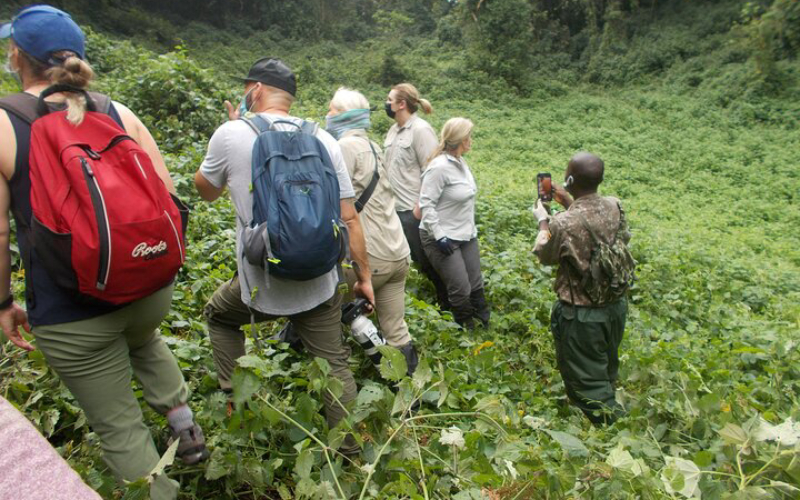
Knowing what to wear for gorilla safaris in Rwanda and Uganda is therefore an important part of preparing for the experience. Your clothing should protect you from rain, insects, stinging nettles, thorns, mud and strong sunlight. At the same time, it must remain comfortable when the temperature rises or the trail becomes physically demanding.
A gorilla safari is one of Africa’s most moving wildlife adventures. After hiking through a cool, mist-covered rainforest, you may suddenly find yourself only a few metres from a mountain gorilla family. A silverback rests beneath the leaves, juveniles climb through tangled branches, and mothers carefully hold their infants. Although the encounter can feel peaceful, reaching the gorillas often requires walking through mud, thick vegetation, steep hills and changing weather.
The ideal gorilla trekking outfit consists of broken-in waterproof hiking boots, long quick-drying trousers, a breathable long-sleeved shirt, tall hiking socks, protective gloves, gaiters and a lightweight waterproof jacket. Neutral colors such as olive, khaki, brown, grey and muted green are generally the most practical choices.
However, preparing properly involves more than placing these items in a suitcase. You need to understand the rainforest environment, choose suitable fabrics, prepare for the season and consider the differences between trekking in Rwanda and Uganda. A short walk in Volcanoes National Park can require different preparation from a long, steep trek in Bwindi Impenetrable National Park.
This complete gorilla trekking clothing and packing guide explains everything you need to know before travelling. It will help you dress comfortably, avoid common mistakes and focus on the unforgettable moment when you meet the mountain gorillas.
Why Your Gorilla Trekking Clothes Matter
Mountain gorillas live in high-altitude forests where conditions can change quickly. In Rwanda, gorilla trekking takes place in Volcanoes National Park. In Uganda, visitors usually track mountain gorillas in Bwindi Impenetrable National Park or Mgahinga Gorilla National Park.
These are not open savannah environments. You will not remain inside a safari vehicle while observing the wildlife. Instead, you will walk through a living rainforest accompanied by park rangers, guides, trackers and, if you choose, a porter.
The trail may cross cultivated land before entering the forest. Inside the park, you might climb over roots, step around fallen trees, move through dense vegetation or walk on narrow, slippery slopes. Rangers sometimes clear a path through the undergrowth because gorillas do not remain beside established tourist trails.
Rain may arrive with little warning. Even when the sky remains clear, morning dew can leave the plants wet enough to soak unprotected clothing. Mud can make the ground slippery, while stinging nettles and thorny plants can irritate exposed skin. Ants and other insects may also enter loose trouser legs or low shoes.
Correct clothing improves your comfort, balance and protection. It also reduces distractions. Instead of worrying about wet feet, scratched arms or trousers that restrict your movement, you can concentrate on the forest, listen to the ranger and enjoy the gorilla encounter.
Rwanda’s official tourism guidance recommends solid walking shoes, gaiters, sturdy clothing, gardening or leather gloves and a lightweight waterproof jacket. These recommendations reflect the conditions visitors may encounter in Volcanoes National Park. Visit Rwanda’s gorilla tracking guidance
What to Wear for Gorilla Safaris in Rwanda and Uganda: The Ideal Outfit
For most travelers, the best gorilla trekking outfit is straightforward. Wear a moisture-wicking base layer or breathable long-sleeved shirt, durable trekking trousers, tall hiking socks and waterproof boots with a strong tread. Add gaiters over the top of the boots and tuck your trousers into your socks before securing the gaiters.
Carry a light fleece for the cool morning and a waterproof jacket for rain. Wear a brimmed hat when the sun appears, and keep protective gardening or hiking gloves where you can reach them. Your clothes should allow you to bend, climb and take long steps without pulling tightly around the knees or waist.
A complete outfit normally includes:
- A breathable long-sleeved shirt
- Quick-drying hiking trousers
- Tall moisture-wicking socks
- Waterproof hiking boots with ankle support
- Lightweight gaiters
- Protective gloves
- A light fleece or warm mid-layer
- A breathable waterproof jacket
- A comfortable hat
- Optional waterproof overtrousers during wetter months
These items work together as a system. Boots provide grip, socks reduce friction, trousers protect your legs, gaiters close the gap around the ankles, and the jacket keeps your upper layers dry. Leaving out one important part can reduce the effectiveness of the rest.
For example, excellent waterproof boots will not keep your feet dry if rain runs down your trousers and enters through the top. Gaiters help solve that problem. Similarly, a waterproof jacket can become uncomfortable if the shirt beneath it holds sweat and dries slowly. A breathable base layer makes the full outfit work more effectively.
Understanding the Gorilla Trekking Environment
Before selecting individual items, it helps to understand where the trek takes place. Mountain gorilla habitat is generally cool, humid and green. Elevation, forest cover and frequent moisture create conditions that may feel different from the warm African weather some travelers expect.
Volcanoes National Park in Rwanda
Volcanoes National Park lies in northwestern Rwanda and forms part of the Virunga mountain landscape. The park contains bamboo forest, montane vegetation and the slopes of several volcanoes.
Morning briefings and gorilla family assignments normally take place before trekkers travel to their starting points. Depending on the location of the assigned gorilla family, the hike may be relatively short or may continue for several hours.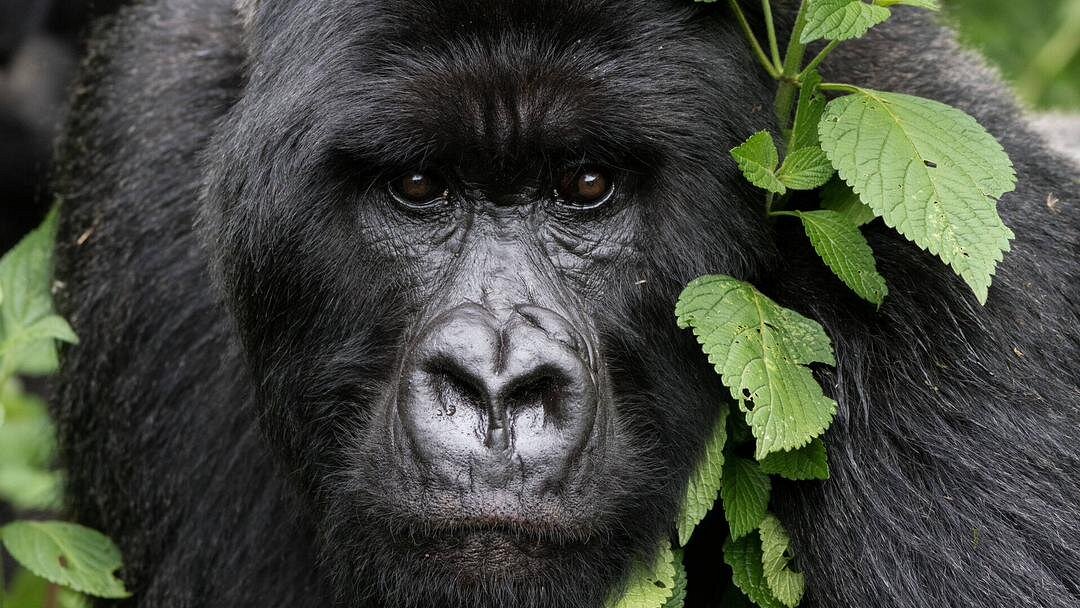
Some routes begin across farmland before reaching the park boundary. Conditions can be muddy, especially after rain. Higher areas may feel cool and misty, while exposed sections can become sunny later in the morning.
For Rwanda gorilla trekking, layers are particularly useful. The day often begins cool, but your body warms quickly once the climbing starts. A lightweight fleece that fits inside your daypack is more practical than one heavy jacket.
Bwindi Impenetrable National Park in Uganda
Bwindi is known for its thick vegetation, rugged hills and exceptional biodiversity. Gorilla trekking is available from different sectors, including Buhoma, Ruhija, Rushaga and Nkuringo. Trail conditions and difficulty vary according to the sector, weather and location of the gorilla family.
Some treks include steep climbs and descents. The forest floor can be wet, and vegetation may be dense enough for rangers to clear sections of the route. Strong boots, gloves and flexible trousers are therefore extremely useful.
Travelers trekking in Bwindi should prepare for a full outdoor day even when previous visitors report a short hike. The gorillas move freely, and the length of yesterday’s trek cannot predict the length of tomorrow’s.
Mgahinga Gorilla National Park in Uganda
Mgahinga lies within the wider Virunga Conservation Area. Its terrain includes volcanic slopes, bamboo forest and higher-altitude vegetation. Conditions may be cool, wet and steep.
The clothing principles are similar to those for Volcanoes National Park: use layers, protect your skin and wear footwear with dependable grip. Because weather changes are common in mountain environments, you should carry rain protection even during a generally dry period.
The Best Shirts for Gorilla Trekking
A long-sleeved shirt is one of the most important pieces of gorilla trekking clothing. It helps protect your arms from plants, insects and sunlight while providing warmth during the early part of the morning.
Choose a shirt made from a breathable, quick-drying fabric. Lightweight synthetic hiking material or a suitable merino blend normally works well. These fabrics move moisture away from the skin and dry more quickly than heavy cotton.
Your shirt should fit comfortably without being extremely loose. Very loose sleeves can catch on branches. However, an excessively tight shirt may restrict your arms when you reach for support or lift a camera.
A collar can provide additional protection around the neck. Some trekking shirts also include ventilation panels, roll-up sleeves or pockets. These features can be useful, but they are less important than good fit, breathability and adequate coverage.
Avoid wearing a heavy sweatshirt as your only upper layer. It may feel comfortable at the lodge, but it can become hot and hold moisture once you start hiking. A better combination is a light base layer, a long-sleeved trekking shirt and a separate fleece that you can remove.
Should You Wear a T-Shirt?
A short-sleeved T-shirt is not ideal as your outer trekking layer because it leaves your arms exposed. Nevertheless, a moisture-wicking T-shirt can work as a base layer under a long-sleeved shirt.
If the day becomes warm, resist the temptation to remove every protective layer. Dense vegetation, nettles and insects may still affect exposed skin. Instead, choose a light long-sleeved shirt that releases heat effectively.
Are Cotton Shirts Suitable?
Cotton can be comfortable during general sightseeing, lodge stays and warm afternoons. However, it is less practical for a wet rainforest trek. Cotton absorbs moisture, becomes heavier when wet and dries slowly.
A wet cotton shirt can also feel cold when you stop moving. Therefore, synthetic hiking fabric or merino wool is generally better for the trek itself.
You do not need expensive specialist clothing. An affordable, durable and quick-drying shirt is more useful than a fashionable garment that performs poorly in rain.
Choosing the Best Gorilla Trekking Trousers
Long trousers protect your legs from vegetation, mud and insects. They should be durable enough for the forest but flexible enough for climbing.
Choose lightweight or medium-weight hiking trousers made from quick-drying material. A little stretch is useful because you may need to step over logs, bend beneath branches or climb a steep section of trail.
The trousers should reach the ankles without becoming excessively loose at the hem. Before entering the forest, many trekkers tuck their trouser legs into tall socks. This creates a barrier that makes it more difficult for ants and other insects to reach the skin.
Cargo-style pockets may be convenient, although valuable items should remain in a closed waterproof bag rather than an open pocket. Zipped pockets are useful for a handkerchief or another small object.
Can You Wear Leggings for Gorilla Trekking?
Thick, durable leggings can work as a base layer or, in some conditions, as the main lower garment. However, thin fashion leggings may snag easily and provide limited protection from nettles and branches.
If you prefer leggings, choose a strong hiking or outdoor pair with reinforced material. You can also wear them beneath lightweight waterproof overtrousers. This combination offers flexibility and improved protection.
Travelers should test the leggings before departure. Walk uphill, bend the knees deeply and check whether the fabric becomes transparent, uncomfortable or restrictive.
Can You Wear Jeans?
Jeans are not recommended for gorilla trekking, particularly during wet conditions. Denim absorbs water, becomes heavy and can take a long time to dry. Wet jeans may rub against the skin and restrict your stride.
If jeans are your only available option, they are better than shorts because they provide full coverage. Nevertheless, quick-drying hiking trousers will be much more comfortable.
Are Convertible Trousers Useful?
Convertible hiking trousers can be convenient during a longer East African safari. You can wear them as full-length trousers during the gorilla trek and use the shorts configuration at a lodge or in warmer areas.
Check the position of the zips before buying them. Some zip-off trousers create pressure around the knees, which becomes uncomfortable during long climbs. A smooth, flexible design is preferable.
Waterproof Hiking Boots: Your Most Important Investment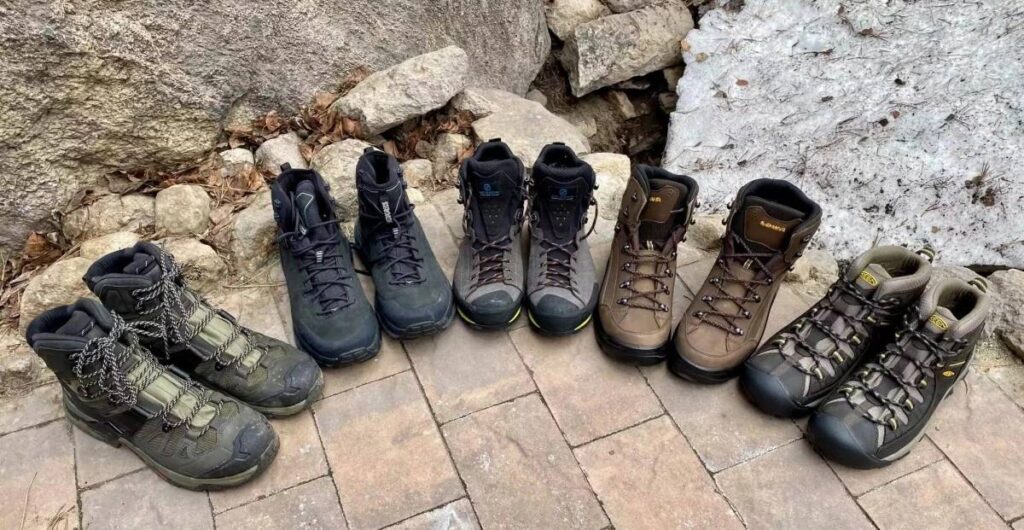
If you are deciding where to spend more of your clothing budget, prioritize footwear. Good hiking boots improve traction, support the ankles and help keep your feet dry.
Look for boots with a deep, multidirectional tread. The sole should grip mud, wet roots and uneven ground. A smooth urban sole may feel comfortable on pavement but can slide easily in the forest.
Water resistance is useful; genuine waterproofing is even better. However, waterproof boots must still be breathable enough for long walks. Ankle-height or mid-height boots provide more protection than low-cut walking shoes.
Most importantly, wear your boots before travelling. New boots can cause blisters even when they felt comfortable in the shop. Begin with short walks, then use them on hills and longer trails. Wear the same type of socks you plan to use in Rwanda or Uganda.
Breaking in your boots does not mean damaging them. It means allowing the material to soften slightly while confirming that the size, width and heel position suit your feet.
How Should Gorilla Trekking Boots Fit?
Your heel should remain reasonably secure, while the toe box should provide enough space for your toes to move. This is important on descents, when the feet slide slightly forward.
Try boots later in the day because feet can swell after walking. Wear hiking socks during the fitting. If you normally use orthotic insoles, test the boots with those insoles installed.
A boot that feels too tight indoors will probably become painful on the mountain. In contrast, a loose boot can create friction and reduce stability.
Can You Wear Sneakers?
Trail shoes with an aggressive tread may be adequate on a relatively dry, easier route. Nevertheless, ordinary sneakers and fashion trainers provide less mud protection, less ankle coverage and often weaker grip.
Because you will not know the exact conditions until the trekking day, waterproof hiking boots are the safer general recommendation. Rwanda’s tourism authority specifically advises solid walking shoes as part of the appropriate gorilla trekking outfit. Visit Rwanda
Can You Wear Rubber Boots?
Rubber boots can perform well in deep mud and are sometimes available locally. They are easy to clean and provide good water protection. However, their comfort, grip and ankle support vary.
If you use rubber boots, wear suitable socks and confirm that the fit will not cause rubbing. Travelers accustomed to hiking boots often find their own broken-in footwear more comfortable for a long or steep trek.
Caring for Your Boots After the Trek
Mud should be removed before it dries completely. Use a brush and a small amount of clean water, following the manufacturer’s instructions. Do not place boots directly beside an intense fire or heater because excessive heat can damage adhesives and waterproof membranes.
Remove the insoles and loosen the laces to improve airflow. Many lodges can help clean muddy boots, although you should still bring footwear that can tolerate serious outdoor use.
Why Hiking Socks Matter
Socks play a major role in preventing blisters. Choose tall hiking socks made from moisture-wicking synthetic fabric or merino wool. They should extend well above the top of the boots.
Avoid thin cotton socks for the main trek. Once wet, cotton can hold moisture against the skin and increase friction. A technical hiking sock keeps its shape more effectively.
Some travelers prefer a thin liner sock beneath a thicker hiking sock. This system can reduce friction because movement occurs between the two layers instead of directly against the skin. Test it during training rather than trying it for the first time on trekking morning.
Carry a spare pair of socks in a waterproof bag. If the first pair becomes soaked before reaching the gorillas, changing into dry socks can substantially improve your comfort.
Why Trekkers Tuck Trousers into Socks
Tucking the trouser cuffs into tall socks reduces exposed gaps around the ankles. This can help keep ants and other insects from moving beneath the fabric.
It may not be the most fashionable arrangement, but gorilla trekking clothing is chosen for function. Gaiters can then be fitted over the socks and boots for additional protection.
Do You Need Gaiters for Gorilla Trekking?
Gaiters are fabric covers worn over the lower legs and the tops of hiking boots. They reduce the amount of mud, water, plant material and insects entering your footwear.
They are especially useful in wet conditions, on overgrown trails and during longer treks. Lightweight or mid-height gaiters are adequate for many visitors. Knee-high versions provide greater coverage when the vegetation is particularly wet or muddy.
Check that the gaiters fit securely around your boots. Loose gaiters can shift while walking, whereas excessively tight straps may become uncomfortable.
Some lodges or operators may be able to provide gaiters, but availability and size are not guaranteed. Ask before departure if you prefer not to buy your own.
Gaiters do not replace waterproof trousers or boots. Instead, they close vulnerable gaps and help the separate parts of your outfit function as one protective system.
The Best Gloves for Gorilla Trekking
Protective gloves are among the most affordable and useful items on a gorilla trekking packing list. You may need to hold a branch, steady yourself on a slope or move vegetation aside. Gloves reduce direct contact with thorns, rough bark and stinging plants.
Basic gardening gloves often work surprisingly well. Choose a pair with a durable palm and enough flexibility to close your hand comfortably. Leather-palmed work gloves provide good protection, although they may feel warm.
Light technical hiking gloves can also work, but very thin gloves may not protect adequately against sharp vegetation. Heavy winter gloves are unnecessary and make it difficult to handle a camera.
Keep the gloves accessible. If they are buried at the bottom of your daypack, you may be tempted to continue without them when the vegetation becomes dense.
When you reach the gorillas, your ranger may indicate when it is safe and appropriate to remove the gloves for photography. Follow the instructions given during your briefing.
Choosing a Rain Jacket
Rain can fall at any time in mountain gorilla habitat. Therefore, a waterproof jacket belongs in your daypack even during the drier months.
Choose a lightweight jacket with a hood and sealed or protected seams. Breathability is important because climbing generates heat. A fully waterproof but poorly ventilated jacket can leave you damp from perspiration.
A jacket with underarm ventilation or adjustable openings can improve comfort. The hood should remain secure without blocking your peripheral vision. Cuffs that close around the wrists help stop water from running inside the sleeves.
Your rain jacket should fit over a base layer and light fleece without restricting movement. However, it should not be so large that it catches repeatedly on vegetation.
Rain Jacket or Poncho?
A poncho covers the upper body and may also protect part of the backpack. It is light and easy to put on quickly. However, loose material can catch on branches, and wind can lift the sides.
A fitted waterproof jacket provides better freedom of movement in thick forest. A poncho can still serve as an affordable backup, especially when combined with suitable trousers and a waterproof pack cover.
Do You Need Waterproof Trousers?
Waterproof overtrousers are useful during the rainy seasons and for travelers who strongly prefer to remain dry. They also provide an extra barrier against wet vegetation.
Choose a breathable pair that fits over your normal trekking trousers. Side zips are helpful because they allow you to put them on without removing muddy boots.
In drier conditions, water-resistant quick-drying trousers may be sufficient. However, “dry season” does not mean rain is impossible in a tropical mountain forest.
Dressing in Layers for Gorilla Trekking
Layering allows you to adjust your clothing as your body temperature and the weather change.
Begin with a moisture-wicking base layer. Add a breathable long-sleeved trekking shirt. Carry a lightweight fleece or insulated mid-layer for the cool morning, and keep a waterproof shell available.
You may feel cold while waiting for the briefing or travelling to the trailhead. Once the trek begins, climbing can make you warm quickly. Remove the fleece before you become heavily sweaty, then put it back on during longer stops if necessary.
The waterproof shell should remain easy to reach. Tropical showers can begin suddenly, and stopping to unpack the entire bag wastes time.
A heavy winter coat is normally unnecessary. It occupies too much luggage space and is difficult to carry once you warm up. Several lighter layers offer more flexibility.
What Colors Should You Wear?
Neutral, earthy colors are practical for gorilla trekking. Olive, khaki, tan, brown, grey and muted green blend naturally into the forest and do not show mud as quickly as white or pale clothing.
Avoid very bright fluorescent colors if possible. They can be visually distracting and are unnecessary in the forest. White clothing quickly reveals mud, while delicate light-colored garments may become permanently stained.
Dark clothing can absorb heat when you walk through open areas. Some safari guidance also recommends avoiding dark blue and black in environments where biting flies may be present. However, fabric, coverage and comfort are more important than creating a perfectly coordinated safari wardrobe.
Camouflage-print clothing is best avoided. Military-style patterns may be restricted or viewed negatively in some destinations. Plain neutral clothing provides the same practical advantages without creating confusion.
The gorillas are accustomed to controlled visits from trekkers, so you do not need to dress as though you are hiding from them. Neutral colors are simply calm, practical and suitable for outdoor use.
What to Wear for Gorilla Safaris in Rwanda and Uganda During the Dry Seasons
The main drier periods are generally associated with June to September and another shorter window around December to February. These months are popular because trails may be less muddy than during periods of heavier rain.
Nevertheless, the forest remains humid, and showers can occur throughout the year. Morning vegetation may also be wet with dew. You should still carry a waterproof jacket and use boots with reliable grip.
During a drier period, prioritize breathable fabrics. A light long-sleeved shirt and quick-drying trousers help prevent overheating. Sunscreen and a hat become especially important when the trail crosses exposed farmland or open slopes.
Dust may be present on access roads, although the forest itself remains moist. A scarf or buff can be useful during vehicle transfers but is usually optional while trekking.
Do not replace hiking boots with sandals simply because the forecast appears dry. Mud can remain in shaded sections, and the forest terrain does not become smooth during the dry season.
What to Wear During the Rainy Seasons
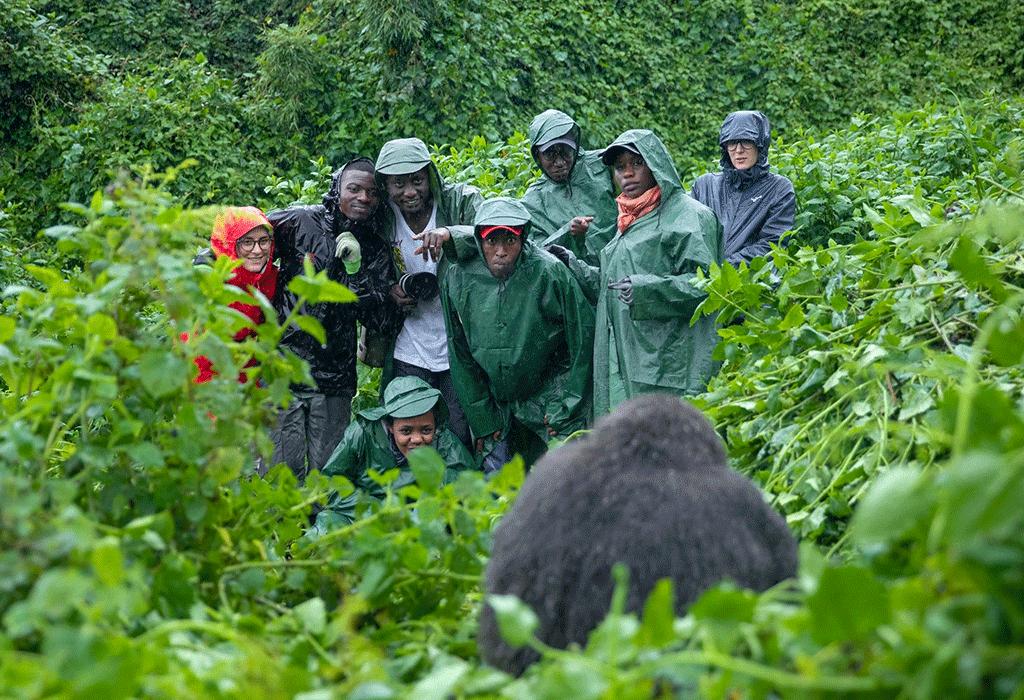
The heavier rainy periods commonly occur around March to May, with another wetter period around October and November. Exact conditions vary, and climate patterns do not follow a perfect timetable.
During wetter months, waterproofing becomes especially important. Wear waterproof boots, secure gaiters and carry a breathable rain jacket. Waterproof overtrousers can make a substantial difference when vegetation is saturated.
Pack spare socks and, if luggage space permits, a second trekking shirt. Keep electronics, travel documents and spare clothing inside individual dry bags or reusable waterproof pouches.
The trail can become slippery, so deep boot tread matters more than simply owning a waterproof shoe. Trekking poles or the walking stick supplied at the trailhead may help with balance. A porter can also assist while carrying your daypack.
Avoid overdressing in an attempt to remain warm. Heavy layers may trap perspiration, leaving you wet from inside. Use breathable garments and regulate your temperature by adding or removing a fleece.
What to Wear for Gorilla Safaris in Rwanda and Uganda by Month
Seasonal descriptions are helpful, but travelers often want month-specific guidance.
January and February are commonly drier, though rain remains possible. Wear normal protective trekking clothing and carry a light rain shell. Mornings may feel cool, so include a fleece.
March, April and May tend to bring more rain. Waterproof footwear, gaiters and quick-drying layers become particularly valuable. Consider waterproof overtrousers and carry additional dry socks.
June, July, August and September are popular trekking months. Conditions may be relatively dry, but the forest remains moist. Choose breathable clothing, sun protection and a jacket that packs easily.
October and November can be wetter. Prepare for mud and persistent dampness, particularly in Bwindi’s dense forest. A waterproof backpack cover and spare base layer are sensible additions.
December often begins another relatively drier travel period, although local conditions vary. Continue to pack rain protection rather than relying entirely on the forecast.
Weather forecasts should guide minor adjustments, not determine whether you carry essential protection. Mountain environments can create localized conditions that differ from the weather in Kigali, Kampala, Entebbe or even the nearest town.
Differences Between Gorilla Trekking Clothes in Rwanda and Uganda
The core packing list is almost identical for both countries. Long sleeves, long trousers, gloves, gaiters, rain protection and sturdy boots are useful in Volcanoes, Bwindi and Mgahinga.
However, your complete safari route may influence what else you pack.
A Rwanda itinerary often combines gorilla trekking with Kigali, golden monkey tracking, Lake Kivu, Nyungwe Forest or an Akagera wildlife safari. This creates a need for both cool highland layers and light clothing for warmer savannah conditions.
A Uganda itinerary may combine Bwindi or Mgahinga with Queen Elizabeth National Park, Kibale Forest, Murchison Falls or Lake Mburo. Temperatures on lower-altitude wildlife safaris can feel much warmer than the gorilla highlands.
The trekking sector also matters. Bwindi offers different starting regions, each with distinct terrain and access arrangements. You should not assume every Ugandan trek has the same difficulty.
In Rwanda, the allocation of a gorilla family and starting point also affects the walking distance. Rangers consider several factors when assigning groups, but gorillas remain wild and can move.
Consequently, dress for a demanding trek even if you request an easier route. If the trek turns out to be short, you will still be comfortable. If it becomes long or wet, you will be grateful for the preparation.
Women’s Gorilla Trekking Clothing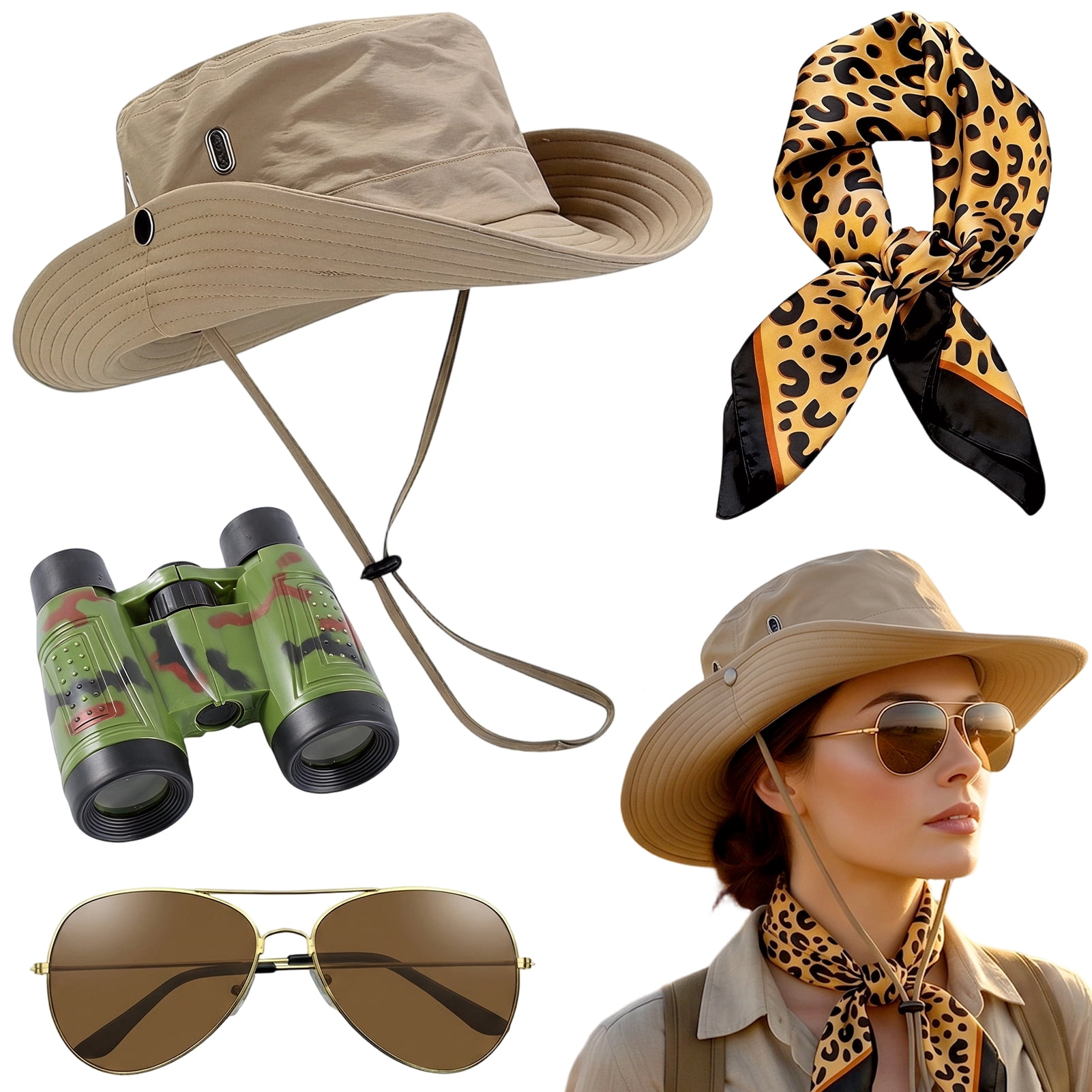
Women should prioritize coverage, flexibility and reliable support. A strong pair of hiking trousers, a moisture-wicking long-sleeved shirt and a comfortable sports bra form a practical foundation.
If wearing leggings, choose thick outdoor fabric rather than a thin fashion material. Test whether the leggings remain comfortable during deep knee bends and long uphill walks. A longer trekking shirt can provide additional coverage.
A high-support or medium-support sports bra is usually more comfortable than a standard underwired bra during a long, humid hike. The best choice depends on personal preference and the expected level of activity.
Long hair should be tied back or braided so that it does not catch on branches. A hat or buff can help keep shorter hair controlled.
Those who menstruate during the safari should carry their preferred supplies in a discreet waterproof pouch. Pack a sealable bag for used products because disposal facilities will not be available inside the forest. Rwanda has restrictions concerning certain single-use plastic items, so reusable waterproof pouches are a practical option.
At the lodge, comfortable casual clothing is appropriate. A light sweater, relaxed trousers or a modest dress can work well for dinner. Closed shoes are useful during cool evenings, while sandals can provide relief after the trek.
Men’s Gorilla Trekking Clothing
Men should choose trekking trousers with enough room through the thighs and knees. Tight jeans or rigid cargo trousers can restrict movement on steep trails.
A breathable long-sleeved shirt provides better protection than a sleeveless top. Wear moisture-wicking underwear to reduce chafing, particularly if you expect a long hike.
A cap protects the face, but a brimmed hat also covers the neck and ears. Choose whichever remains comfortable and secure while moving beneath branches.
Men who usually hike in shorts should remember that gorilla habitat contains insects, nettles and dense vegetation. Long trousers are strongly preferable, even on a warm day.
What Children and Teenagers Should Wear
Gorilla trekking has minimum-age requirements, and families should confirm the current rules before booking. Eligible teenagers need the same protective clothing as adults.
Do not send a teenager into the forest wearing casual trainers simply because they are young and fit. Fitness does not replace traction or ankle protection.
Make sure every item fits correctly. Oversized borrowed boots can cause blisters and instability, while trousers that are too long may create a tripping hazard.
Let young travelers practice hiking in their full outfit before the trip. They should know how the boots feel, how to adjust the jacket and how to use a walking stick.
A small personal daypack may be appropriate, but it should remain light. Hiring a porter allows the teenager to move more freely and enjoy the experience.
Clothing Advice for Senior Travelers
Many active senior travelers complete gorilla treks successfully. Appropriate clothing and footwear can make the experience safer and more comfortable.
Choose boots that provide support without being excessively heavy. Use cushioned, moisture-wicking socks and consider any orthopedic needs well before departure.
Trekking trousers should stretch easily at the knees and hips. Complicated belts, tight waistbands or difficult fasteners can become inconvenient during a long day.
Layers are especially important for people who feel cold during early mornings. A light fleece and waterproof shell provide warmth without creating excessive weight.
Consider using trekking poles or the walking stick provided locally. Hiring a porter is highly recommended, even if you normally carry your own pack. Removing the load improves balance and conserves energy.
Discuss your preferred pace and any mobility considerations with your safari operator in advance. Although no operator can guarantee where the gorillas will be, early communication helps the park team understand your needs.
Plus-Size Gorilla Trekking Clothes
Comfortable plus-size outdoor clothing is increasingly available, but selection may be limited at the destination. Purchase and test important items before travelling.
Look for trousers with stretch panels, an adjustable waist and reinforced areas where rubbing commonly occurs. The fabric should remain comfortable when sitting in the vehicle as well as climbing.
The rain jacket must fit over your base and mid-layers. Try the complete combination at home. A jacket that fits over a T-shirt may become restrictive when worn over a fleece.
Check the gaiter circumference around the calf and the boot width. Outdoor equipment sizing varies considerably between brands.
Anti-chafing balm and moisture-wicking underwear can improve comfort. Carry these products in your checked luggage or within applicable airline liquid limits.
What to Wear If You Have Sensitive Skin
Travelers with sensitive skin should maximize coverage. Wear a soft, long-sleeved base layer beneath the trekking shirt and select trousers that do not expose the ankles.
Choose gloves with a comfortable lining and test insect repellent on a small area before the trip. Follow medical advice if you have known allergies or severe reactions.
Unscented sunscreen and fragrance-free moisture-wicking clothing detergent may reduce irritation. Wash new garments before wearing them on the trek.
Do not apply strongly scented perfume before entering the forest. Apart from potential skin sensitivity, heavy fragrance attracts unwanted attention from insects and is unnecessary during a wildlife experience.
Carry any prescribed medication and a small personal first-aid kit in a waterproof pouch. Inform your guide about serious allergies or medical conditions.
What to Wear Around the Gorillas
Once trackers locate the gorilla family, your ranger will review the behavior expected during the encounter. You may leave walking sticks and larger bags at an indicated location before approaching more closely.
Keep your long sleeves and trousers on. The gorillas live within the same thick vegetation through which you have been walking, so the need for protection does not disappear.
Your jacket may remain on if it is raining. If conditions are dry and you are warm, you can quietly adjust a layer when permitted, avoiding sudden or disruptive movement.
Do not wear clothing or accessories that make unnecessary noise. Loose metal items, loud fasteners or objects hanging from the backpack can become distracting.
Face masks may be required or provided as part of health measures because gorillas are vulnerable to human respiratory illnesses. Rules can change, so follow the current instructions from park authorities and your ranger rather than relying on an old travel report.
Flash photography is not allowed. Make sure you know how to disable the flash before the encounter begins. Clothing with accessible secure pockets can help you manage lens caps, although you should avoid changing equipment repeatedly.
What to Carry in Your Gorilla Trekking Daypack
Your daypack should be small, comfortable and weather resistant. Around 15 to 25 litres is adequate for many travelers, depending on camera equipment and personal needs.
Pack a waterproof jacket, fleece, water, snacks or packed food, spare socks, sunscreen, insect repellent, medication and a camera. Keep important items inside reusable waterproof pouches, even if the backpack has a rain cover.
A two-strap backpack is better than a shoulder bag because it distributes weight evenly and keeps your hands free. A hip belt can improve stability on steeper routes.
Do not overfill the pack. Every unnecessary object becomes heavier after several hours of climbing. If you carry photography equipment, decide which lens you are most likely to use instead of bringing an entire studio.
Hiring a porter is one of the best ways to reduce fatigue. A porter can carry your pack and provide a steadying hand on difficult sections. The service also supports employment within communities surrounding the parks.
Keep a small item such as a handkerchief or lens cloth in an accessible pocket. The rain jacket should sit near the top rather than beneath everything else.
Gorilla Trekking Photography Clothing and Accessories
Photography affects clothing choices because you need to operate the camera without compromising balance or protection.
Use a secure camera strap that does not slide easily from the shoulder. A cross-body or harness system may provide better control, although it should not interfere with backpack straps.
Gloves should be easy to remove when you reach the gorillas. Keep them in a zipped pocket or pass them to your porter rather than dropping them on the forest floor.
Carry a microfiber lens cloth because humidity, mist and rain can affect the lens. A waterproof camera cover or dry bag provides protection during showers.
Avoid changing lenses unnecessarily in rain or heavy humidity. If possible, select one versatile zoom before beginning the trek.
Muted clothing reduces bright reflections in photographs, particularly when another group member appears in the background. However, your safety and comfort remain more important than the visual style of your pictures.
Sun and Insect Protection
Cloud cover can create a false sense of security. Mountain sunlight can still affect exposed skin, especially when you cross farmland or open areas.
Apply broad-spectrum sunscreen before getting dressed, paying attention to the face, neck, ears and hands. Reapply according to the product instructions. A brimmed hat provides additional protection.
Use insect repellent on exposed areas and, where appropriate, on clothing according to the manufacturer’s directions. Do not apply chemicals near the eyes or directly onto damaged skin.
Long sleeves, trousers, tall socks and gaiters are your first physical defenses. Repellent supports this clothing system rather than replacing it.
Travelers should seek professional medical advice regarding malaria prevention and routine travel health requirements. Clothing reduces insect exposure, but it is not a substitute for medical precautions.
Clothing for the Evening Before Your Trek
Gorilla lodges are often located in cool highland areas. Evenings and early mornings can feel chilly, particularly after rain.
Pack long casual trousers, a warm sweater or fleece, and closed shoes. A light scarf can add warmth without occupying much luggage space.
You do not need formal dinner clothing at most safari lodges. Smart-casual attire is generally sufficient unless your specific property provides different guidance.
Prepare the full trekking outfit before going to bed. Check the batteries, fill reusable water bottles and place the permit or required identification where it will not be forgotten.
Lay out your socks, trousers, shirt and base layer in order. Early starts become easier when you do not need to search through luggage.
What to Wear After the Gorilla Trek
A clean change of clothes feels especially welcome after several hours in the forest. Leave dry trousers, a shirt and comfortable footwear at the lodge or in the safari vehicle if arrangements allow.
Sandals, trainers or lightweight slip-on shoes let your feet recover after spending the day inside boots. Change out of wet socks as soon as practical.
A warm layer may be necessary because body temperature can fall after you stop exercising. This is particularly noticeable if your shirt remains damp.
Place muddy clothes in a separate reusable laundry bag. Ask your lodge whether same-day laundry is possible, but remember that heavy rain and humidity can slow drying.
Do not expect delicate clothing to remain spotless. Gorilla trekking is a genuine rainforest activity, and mud is part of the experience.
The Best Fabrics for Gorilla Trekking Clothes
Fabric affects how quickly your clothing dries, how well it regulates heat and how comfortable it remains after several hours.
Synthetic technical fabrics, including polyester and nylon blends, are popular because they are light, durable and quick drying. Stretch fibers can improve movement.
Merino wool regulates temperature effectively and often retains less odor than some synthetic fabrics. It is useful for base layers and socks. However, very fine merino garments may require more careful handling.
Cotton is comfortable when dry but absorbs moisture and dries slowly. It is better reserved for the lodge or warm sightseeing days.
Heavy denim is durable but becomes uncomfortable when soaked. Linen is cool for city wear but may not provide sufficient protection in thick forest.
The ideal fabric does not need to be labeled specifically for safaris. Look for durability, quick drying, breathability, flexibility and easy washing.
What Not to Wear on a Gorilla Safari
The wrong clothing can turn a manageable trek into an uncomfortable one.
Avoid sandals, flip-flops and open shoes in the forest. They expose your feet and provide insufficient grip. Save them for the lodge.
Avoid shorts because they leave the legs vulnerable to insects, scratches and stinging vegetation. Even experienced hikers who usually prefer shorts should use full-length trousers.
Do not wear brand-new boots. Blisters can appear within the first hour and become increasingly painful.
Avoid heavy jeans during wet conditions. Do not rely on an umbrella because it occupies one hand and catches on vegetation. A rain jacket is more practical.
Leave valuable jewelry at the lodge. It serves no purpose on the trek and may become lost.
Avoid clothing that is extremely tight, fragile or difficult to wash. Similarly, do not carry a heavy coat that cannot fit into the backpack once the day becomes warm.
White shoes and pale trousers are poor practical choices because the mud may stain them. Bright colors are not necessarily dangerous, but calm neutral shades are more suitable.
Common Gorilla Trekking Clothing Mistakes
One frequent mistake is dressing for the weather at the lodge instead of the conditions inside the forest. A sunny morning can still lead to rain, mud and wet vegetation.
Another mistake is focusing entirely on waterproofing while ignoring breathability. If every layer traps heat, you may become soaked with perspiration.
Some travelers buy strong boots but forget suitable socks. Others bring gaiters without testing whether they fit the boots.
Overpacking the daypack is also common. Carrying several unnecessary lenses, a large cosmetic bag, heavy guidebooks and excessive water can drain energy.
Travelers sometimes assume that physical fitness allows them to wear ordinary trainers. Fitness helps with climbing, but it does not make a smooth sole grip wet mud.
Finally, people underestimate the value of a porter. Hiring one is not an admission that you are unfit. It is a practical way to improve balance, preserve energy and support the local community.
A Minimalist Gorilla Trekking Packing List
Travelers with limited luggage space can still prepare well. Focus on the pieces that directly affect safety and comfort.
Pack one pair of broken-in waterproof hiking boots, two pairs of tall hiking socks, one pair of quick-drying trousers, one long-sleeved trekking shirt, one light fleece, one waterproof jacket, one pair of gloves and lightweight gaiters.
Add a hat, sunscreen, insect repellent and a compact waterproof pouch. This compact collection can fit into a relatively small bag.
Wear the hiking boots during travel if checked-luggage space is limited. Boots are usually harder to replace at short notice than shirts or casual trousers.
If your itinerary contains two gorilla treks, bring a second shirt and second pair of trousers when possible. Laundry may not dry overnight in damp highland weather.
Packing for Two Gorilla Treks
Some travelers book two gorilla encounters to visit different families or trek in both Rwanda and Uganda. In that case, do not depend on the first outfit drying overnight.
Bring at least two trekking shirts, two pairs of suitable trousers and several pairs of socks. One jacket, one pair of boots, one pair of gaiters and one pair of gloves are normally enough if they can be cleaned and dried.
Remove wet insoles from the boots after the first trek. Stuffing the boots loosely with absorbent paper can help draw out moisture, but replace the paper when it becomes wet.
Ask your lodge about boot cleaning and drying facilities. Avoid placing footwear directly against intense heat.
Keep a complete dry set protected for the second day. Wearing damp clothing before the trek has even started can reduce comfort and warmth.
Combining Gorilla Trekking with a Rwanda Safari
A complete Rwanda safari may include Volcanoes National Park, Akagera National Park, Nyungwe Forest, Kigali and Lake Kivu. Each destination has different clothing needs.
For Akagera, bring lightweight neutral safari clothing, a sun hat and a warm layer for early game drives. Closed shoes are useful, although heavy hiking boots are not necessary inside the vehicle.
For Nyungwe, retain your long trousers, rain jacket and walking shoes. The forest is humid, and activities such as chimpanzee trekking or the canopy walk require practical footwear.
Kigali calls for comfortable, neat casual clothing. Lightweight trousers, dresses, shirts and clean walking shoes are appropriate for city tours, restaurants and memorial visits. Dress respectfully when visiting the Kigali Genocide Memorial or places of worship.
At Lake Kivu, include relaxed warm-weather clothing, swimwear where appropriate and a light evening layer. Sunscreen remains important.
A well-planned wardrobe uses garments across several destinations. Your fleece works in Volcanoes and during an early Akagera game drive, while quick-drying trousers can be used in Nyungwe as well as during the gorilla trek.
Combining Gorilla Trekking with a Uganda Safari
Uganda’s gorilla regions are often combined with Queen Elizabeth National Park, Kibale Forest, Murchison Falls, Lake Mburo or cultural visits.
Lightweight safari shirts and trousers are suitable for game drives. Bring a hat, sunglasses and sun protection for warmer regions.
Kibale chimpanzee trekking requires long trousers, covered shoes and a light rain jacket. The same clothing used for gorilla trekking can often be reused after laundering.
Boat safaris may feel warm during the day but cooler when the boat moves or the sun begins to set. Keep a light layer available.
If you are flying to Kihihi or Kisoro on a small aircraft, check the airline’s current baggage allowance and bag-type requirements. Soft-sided luggage is commonly more practical than a rigid suitcase on safari flights.
Budget Clothing Versus Premium Outdoor Gear
You do not need luxury outdoor brands to enjoy a gorilla safari. Fit and function matter more than logos.
Spend carefully on boots because poor footwear can affect the entire trek. A dependable waterproof jacket is another worthwhile investment.
Trousers and shirts can come from affordable outdoor ranges as long as they are durable and quick drying. Gardening gloves may provide better value than expensive specialist gloves.
Borrowing equipment is reasonable when the fit is correct. However, avoid borrowing boots that have shaped themselves around someone else’s feet.
Premium gear may be lighter, more breathable or more durable. These advantages are helpful for frequent hikers, but they are not essential for a single gorilla trek.
Before buying anything, inspect clothing you already own. A good rain shell, durable gardening gloves and comfortable walking trousers may already meet the requirements.
How to Test Your Gorilla Trekking Outfit at Home
Do not wait until Africa to wear the entire outfit together.
Put on the base layer, shirt, trousers, socks, boots, gaiters and rain jacket. Walk for at least one or two hours, preferably on an uneven or hilly trail.
Step over obstacles, bend down and raise each knee. Confirm that the trousers allow movement and that the jacket does not pull across the shoulders.
Wear the daypack with the expected weight. Check whether the straps interfere with the camera strap or jacket hood.
Test the boots on a descent. Your toes should not strike the front repeatedly. Check for rubbing around the heels and ankles.
Finally, practice putting on the rain jacket and accessing the camera without emptying the bag. A simple rehearsal reveals problems that are easy to solve before departure.
Preparing Clothes for International Travel
Place essential trekking clothing in your hand luggage whenever airline rules allow. Checked baggage can be delayed, and replacing boots at the last minute may be difficult.
At minimum, carry your boots, one trekking outfit, medication and vital documents with you. Bulky casual clothing can go into checked luggage.
Clean hiking boots thoroughly before international travel. Soil and plant material can create biosecurity concerns at borders.
Use packing cubes or reusable waterproof bags to separate trekking clothing from other items. Labeling the cubes makes early-morning preparation easier.
Check the luggage limits for every flight, not just the long-haul journey. Domestic or charter flights may have lower allowances.
Responsible Clothing Choices
Responsible travel includes considering how clothing is purchased, used and discarded.
Choose durable garments that you will use again after the safari. Renting or borrowing an item can reduce waste when you do not expect to hike regularly.
Avoid leaving damaged equipment in the destination unless a local organization has specifically agreed to receive it. Unwanted clothing can become waste rather than a useful donation.
Carry reusable water bottles and waterproof pouches where permitted. Rwanda has taken strong steps to reduce plastic pollution, so travelers should avoid unnecessary single-use packaging.
Wash clothing with environmentally considerate products when possible. However, do not wash garments or apply chemicals inside natural water sources.
Stay on the route directed by the ranger and do not discard tissues, food wrappers or other items in the forest. Everything you carry in should return with you.
What to Wear for Gorilla Safaris in Rwanda and Uganda: Trekking Morning Guide
On trekking morning, begin with moisture-wicking underwear and a comfortable base layer. Put on the long-sleeved shirt and quick-drying trousers.
Pull on tall hiking socks and tuck the trouser cuffs inside them. Lace the boots securely, making sure the heel is stable without cutting off circulation.
Fit the gaiters over the boots and lower legs. Place the gloves in an accessible pocket.
Wear the fleece if the morning is cold. Keep the waterproof jacket at the top of the backpack unless rain has already started.
Apply sunscreen and insect repellent according to the product instructions. Fill your reusable water bottle, confirm that medication is packed and check that the camera flash is disabled.
Before leaving the lodge, make sure you have the identification and documents required by your operator or park authority.
At the briefing, listen carefully to the ranger. Conditions observed that morning may require a small adjustment, such as putting on rain protection before reaching the trailhead.
Frequently Asked Questions About What to Wear for Gorilla Safaris in Rwanda and Uganda
What is the best outfit for gorilla trekking?
The best outfit includes long quick-drying trousers, a breathable long-sleeved shirt, tall hiking socks, waterproof boots, gaiters, protective gloves and a lightweight rain jacket. Carry a fleece for the cool morning and wear neutral outdoor colors.
Do I need hiking boots for gorilla trekking?
Waterproof hiking boots with good tread are strongly recommended. The terrain can be muddy, steep and slippery. Boots also protect the feet and provide more support than ordinary sneakers.
Should I wear shorts or long trousers?
Wear long trousers. They protect against nettles, thorns, insects, mud and scratches. Shorts are unsuitable for most gorilla trekking conditions.
Should I tuck my trousers into my socks?
Yes. Tucking the trouser cuffs into tall socks helps reduce the chance of ants and other insects entering beneath the fabric. Gaiters can be worn over the top for greater protection.
Are gardening gloves necessary?
They are highly recommended. Gardening gloves protect the hands when holding branches or using vegetation for support. They are inexpensive and useful on overgrown sections of trail.
Do I need gaiters?
Gaiters are not always compulsory, but they are extremely useful. They reduce mud, water, plant debris and insects entering the boots. They are particularly helpful during wet weather.
What colors are best for gorilla trekking?
Olive, khaki, brown, grey, tan and muted green are practical. They suit the forest and conceal dirt better than white clothing. Avoid camouflage prints and very bright colors where possible.
Can I wear black clothes?
Black clothing can be worn, but lighter neutral colors may feel cooler in open areas. Muted green, brown, grey or khaki are generally more versatile.
Can I wear jeans for gorilla trekking?
Jeans provide leg coverage, but they become heavy and uncomfortable when wet. Quick-drying hiking trousers are a much better choice.
Can I wear leggings?
Strong outdoor leggings can work, especially beneath waterproof overtrousers. Thin fashion leggings may snag or provide insufficient protection from nettles and branches.
Is a rain jacket necessary during the dry season?
Yes. Rain may occur throughout the year in mountain forests, while dew and wet vegetation can also soak clothing. Carry a lightweight waterproof jacket on every trek.
Should I wear a poncho?
A poncho can provide emergency rain coverage, but a fitted jacket is generally easier to use in dense vegetation. Loose poncho material may catch on branches.
How cold is gorilla trekking?
Early mornings at higher elevations can feel cool, particularly in wind, mist or rain. Temperatures feel warmer once you begin climbing. Several light layers are more practical than one heavy coat.
How many trekking outfits should I pack?
One complete outfit is enough for a single trek, although spare socks and a dry shirt are useful. For two treks, pack two shirts and two pairs of trousers because wet clothing may not dry overnight.
Are waterproof trousers essential?
They are optional during some drier conditions but valuable during wetter months. Water-resistant hiking trousers may be adequate for light moisture, while waterproof overtrousers offer better protection in persistent rain.
Should I wear a hat?
A brimmed hat protects the face, ears and neck from equatorial sun. It can also stop water dripping from vegetation down the back of your shirt.
Can I take an umbrella?
An umbrella is impractical in thick forest because it occupies one hand and catches on vegetation. Use a hooded rain jacket instead.
What should I wear at the lodge?
Wear comfortable casual clothing, a sweater or fleece and closed shoes for cool evenings. Formal clothing is generally unnecessary unless your lodge advises otherwise.
Can I rent trekking clothes in Rwanda or Uganda?
Some lodges or local providers may offer gaiters, rain boots, walking sticks or other equipment. Availability and sizes vary, so arrange rentals in advance rather than depending on finding them on trekking morning.
Do I need a face mask near the gorillas?
Health rules may require or recommend a face mask because gorillas are vulnerable to human respiratory diseases. Follow current park instructions and the guidance provided during your briefing.
What shoes should I wear after the trek?
Comfortable trainers, sandals or slip-on shoes allow your feet to recover. Keep the post-trek pair dry and separate from muddy hiking boots.
Should I hire a porter?
Yes, hiring a porter is worthwhile for travelers of all fitness levels. A porter carries the daypack, may help on difficult terrain and allows you to conserve energy. The service also supports local livelihoods.
What should I wear if rain is forecast all day?
Use a breathable base layer, long trekking shirt, quick-drying trousers, waterproof overtrousers, waterproof boots, gaiters and a hooded shell. Keep spare socks and a dry shirt inside waterproof bags.
What should I wear for an easy gorilla trek?
Wear the same protective outfit you would choose for a longer trek. Gorilla movements, weather and trail conditions are unpredictable, so a route expected to be easy may still include mud or dense plants.
What should I wear for gorilla trekking and a game drive on the same trip?
Use technical long trousers and long sleeves for trekking. For the game drive, wear lighter safari clothing, a hat and comfortable closed shoes. A fleece can serve both activities during cool mornings.
Final Gorilla Trekking Clothing Checklist
The simplest way to remember what to wear for gorilla safaris in Rwanda and Uganda is to think from the ground upward.
Your boots should provide grip and water protection. Your socks should manage moisture and cover the ankles. Long trousers should protect the legs without limiting movement. Gaiters should seal the area around the boot opening.
A long-sleeved shirt should protect the arms while allowing heat to escape. Gloves should protect the hands. A fleece should provide adjustable warmth, and a waterproof shell should keep rain away from the inner layers.
Complete the outfit with a hat, sunscreen, insect repellent and a light daypack. Then test everything before leaving home.
The forest does not require expensive fashion. It rewards preparation, comfort and practical decisions.
Why Preparation Improves the Gorilla Safari Experience
A mountain gorilla trek contains many elements you cannot control. You cannot determine where the gorillas will move, exactly how long the hike will take or when a rain shower will arrive.
You can, however, control your preparation.
When your boots grip the trail, your clothing moves comfortably and your rain jacket is within reach, the changing conditions become part of the adventure rather than a source of stress.
Correct clothing also helps you remain attentive to the ranger. You can watch where you step, listen for forest sounds and appreciate the gradual transition from farmland to dense gorilla habitat.
Then, when the trackers signal that the gorillas are nearby, you are ready. You can approach quietly, settle into the experience and observe the family without thinking about wet cotton, painful blisters or scratched legs.
That is the real purpose of understanding what to wear for gorilla safaris in Rwanda and Uganda. The clothes are not the highlight of the journey. They simply allow the highlight to unfold without avoidable discomfort.
Plan Your Rwanda or Uganda Gorilla Safari
Choosing the right gorilla trekking clothing is one part of a successful safari. Permits, accommodation, transport, trekking sectors, park logistics and the wider itinerary also need careful coordination.
Universal Ventures Rwanda arranges customized gorilla trekking safaris in Rwanda and Uganda. Our team can help with gorilla permits, private transport, professional guides, accommodation and combined itineraries featuring Volcanoes National Park, Bwindi Impenetrable National Park, Mgahinga Gorilla National Park, Akagera National Park, Nyungwe Forest, Lake Kivu and other East African destinations.
Whether you are planning a one-day Rwanda gorilla trek, a luxury primate safari, a family journey or a combined Rwanda and Uganda adventure, we can tailor the trip to your dates, interests, preferred accommodation and budget.
Contact Universal Ventures Rwanda for personalized gorilla safari planning and practical guidance.
Universal Ventures Rwanda
Telephone and WhatsApp: +250 781 441 853
Email: info@universalventuresrwanda.com
Address: KN 15 Road, opposite IPRC Entrance, 1st Floor, SANGWA Plaza, Kigali, Rwanda
Website: www.universalventuresrwanda.com
