 Skip to content
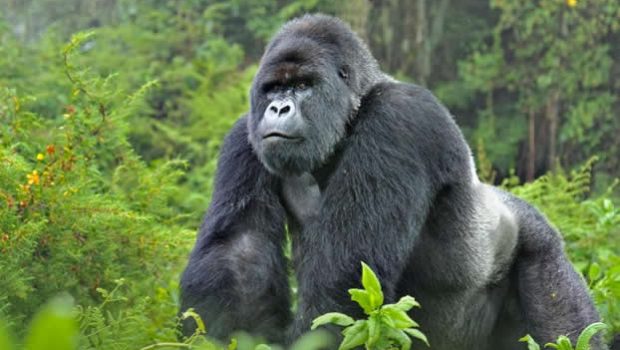
This Gorilla Safari Health and Fitness Guide Rwanda and Uganda explains how to prepare safely. It covers walking fitness, strength, balance, altitude, hydration, illness prevention, medical consultations, suitable clothing and recovery after the trek.
Gorilla trekking offers one of Africa’s most powerful wildlife experiences. After walking through mountain forest, you may suddenly find a family of gorillas feeding, resting or playing only a short distance away. The trek rewards visitors with extraordinary memories, but reaching the gorillas requires preparation.
The walking route may cross steep slopes, tangled vegetation, exposed roots, mud and narrow forest trails. Rain can change conditions within minutes. Meanwhile, the elevation in Rwanda’s Volcanoes National Park and Uganda’s mountain forests can make physical activity feel harder than it does at home.
Fortunately, visitors do not need elite athletic ability. Many reasonably active travelers complete gorilla treks successfully, including senior visitors and people who do not hike regularly. Training before the journey, selecting suitable equipment, hiring a porter and communicating honestly with park staff can make an enormous difference.
The guide also compares trekking conditions in Rwanda’s Volcanoes National Park with Uganda’s Bwindi Impenetrable and Mgahinga Gorilla national parks. You will learn when to speak with your doctor, how to request a manageable route and what to do if you become ill before the activity.
This information provides general travel guidance rather than individual medical advice. Anyone with a heart, lung, joint, neurological or other significant health condition should consult a qualified healthcare professional before booking or beginning training.
How Physically Demanding Is Gorilla Trekking?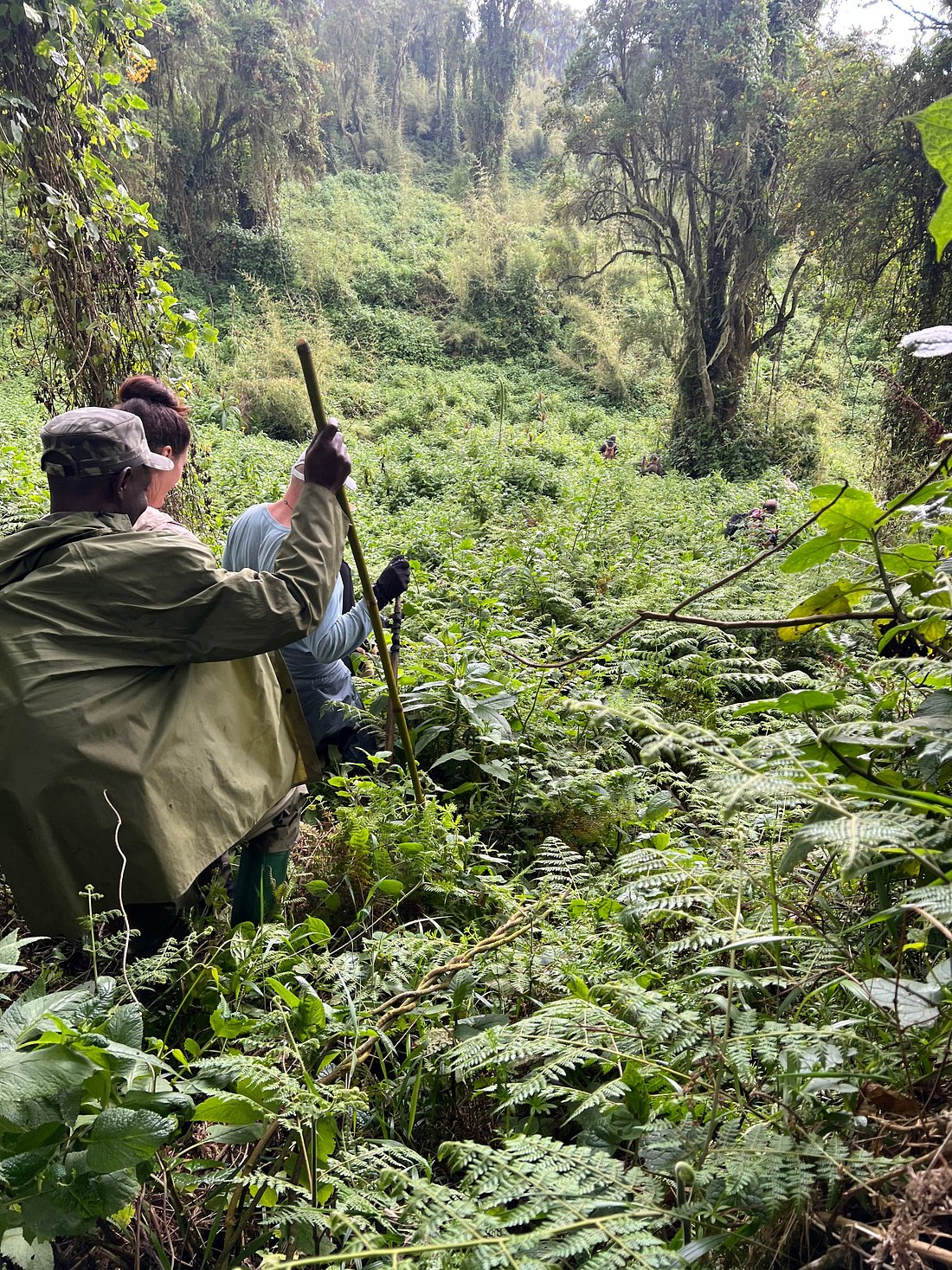
Gorilla trekking difficulty varies from one day to another. The gorillas move freely through the forest, so nobody knows their exact location far in advance.
One group may remain near the forest boundary, creating a relatively short trek. Another may travel deep into steep or densely vegetated terrain.
Uganda Wildlife Authority describes gorilla tracking as an activity that requires moderate fitness and may last approximately two to seven hours. Once visitors reach the allocated habituated family, standard trekking experiences usually provide up to one hour with the gorillas. Uganda Wildlife Authority
The total activity includes the outward trek, gorilla-viewing period, rest stops and return walk. Briefing, group allocation and travel between the park office and trailhead can extend the overall day.
Several factors determine how difficult a trek feels:
- Route length
- Elevation gain
- Mud and rainfall
- Trail steepness
- Vegetation density
- Heat and humidity
- Personal fitness
- Backpack weight
- Walking speed
- Recent illness
- Altitude adjustment
A short route can still feel strenuous when mud makes every step unstable. Conversely, a longer route may feel manageable when the trail remains firm and gradual.
Prepare for a demanding walk even when you request an easier group. This approach gives you the best chance of enjoying the experience instead of merely enduring it.
Do You Need to Be Fit for a Gorilla Safari?
You need enough fitness to walk for several hours on uneven ground, but you do not need to run marathons or climb technical mountains.
Moderate cardiovascular endurance helps you continue walking without becoming breathless after every slope. Leg and core strength improve stability, while balance reduces the risk of slipping on roots and mud.
Mental patience also matters. Forest trekking can involve slow progress, repeated stops and sections without clear trails. Remaining calm allows you to conserve energy.
Travelers who regularly walk, hike, cycle, swim or use gym equipment already have a useful foundation. Less active visitors should begin preparing several weeks or months before departure.
A sedentary traveler should not assume that a short gorilla trek will automatically occur. Park staff consider visitor needs during group allocation, but wild gorillas determine the final walking distance.
Where Gorilla Trekking Takes Place
Rwanda and Uganda protect mountain gorillas in several highland forests.
Volcanoes National Park in Rwanda
Volcanoes National Park lies in northwestern Rwanda within the Virunga mountain range.
Trekking begins near Kinigi, where visitors attend a morning briefing and receive group assignments. The drive from Kigali usually takes around two and a half to three hours, although staying near the park the previous night creates a more relaxed morning.
The landscape includes bamboo forest, mountain vegetation and volcanic slopes. Some routes cross farmland before reaching the park boundary.
Rain creates mud, while volcanic stones and roots require careful foot placement.
Bwindi Impenetrable National Park in Uganda
Bwindi contains steep hills, dense vegetation and deeply folded valleys.
Uganda Wildlife Authority divides the main trekking operations among Buhoma, Ruhija, Rushaga and Nkuringo. Each sector has different trailheads, accommodation and gorilla families. Uganda Wildlife Authority
Your permit connects to a specific sector. Staying near the correct briefing point avoids an exhausting early transfer.
Some Bwindi treks involve steep descents followed by demanding climbs on the return journey. Dense vegetation may require trackers to create a path.
Mgahinga Gorilla National Park in Uganda
Mgahinga covers part of Uganda’s Virunga volcano region.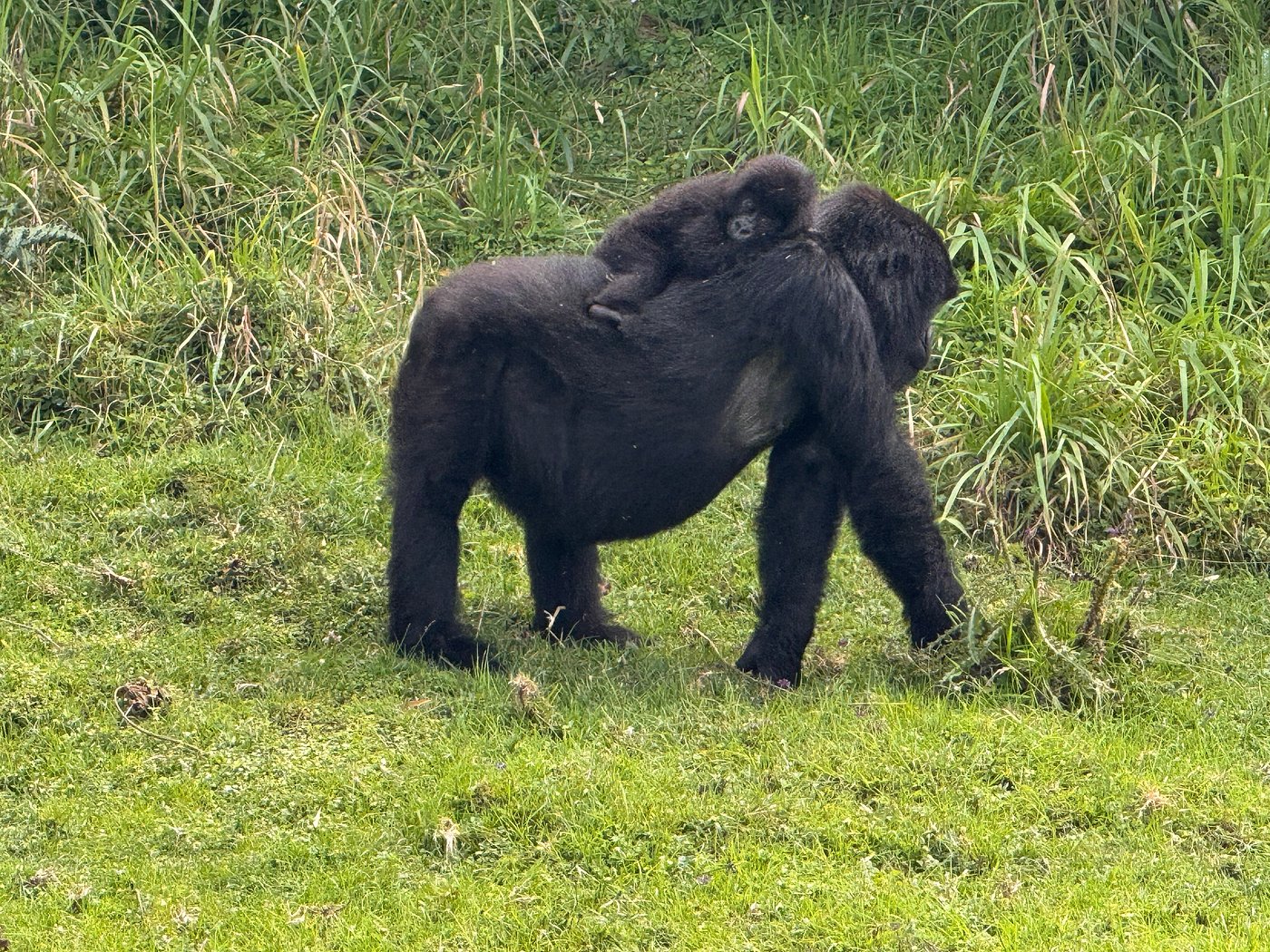
The park lies between approximately 2,227 and 4,127 meters above sea level, although gorilla trekking does not necessarily reach the highest summit elevation. Uganda Wildlife Authority
Volcanic slopes, bamboo and high elevation can make the walk physically demanding. However, trail conditions and gorilla location change daily.
Rwanda Versus Uganda Gorilla Trekking Fitness
Neither country always provides an easier trek. Difficulty depends primarily on the allocated gorilla family’s location and that day’s forest conditions.
Rwanda often appeals to travelers who want easier logistics because Volcanoes National Park lies relatively close to Kigali. Good access roads connect the capital with the Musanze and Kinigi area.
Uganda’s Bwindi sectors may require longer road transfers. The forest’s steep hills and dense vegetation can also create demanding conditions.
However, Rwanda has difficult routes as well, while some Uganda treks finish relatively quickly. Travelers should avoid choosing a country solely because somebody described it as easy.
Consider the complete itinerary instead:
| Factor | Rwanda | Uganda |
|---|---|---|
| Main trekking area | Volcanoes National Park | Bwindi and Mgahinga |
| Access | Shorter road transfer from Kigali | Longer transfers from Kampala or Entebbe; convenient from Kigali for southwestern sectors |
| Terrain | Volcanic slopes, bamboo, roots and mud | Dense forest, hills, valleys, roots and mud |
| Altitude | High-elevation mountain environment | Highland forest; Mgahinga reaches particularly high elevations |
| Trek predictability | Gorilla location changes daily | Gorilla location changes daily |
| Easier group request | Possible but not guaranteed | Possible but not guaranteed |
Choose according to permit availability, travel route, accommodation, budget and personal preference. Then prepare for variable conditions.
Gorilla Safari Health and Fitness Guide Rwanda and Uganda for Beginners
First-time hikers can complete a gorilla trek with gradual preparation.
Begin by walking regularly. Start with a comfortable distance and increase the duration slowly. Include hills or stairs because flat walking alone does not prepare the legs for mountain slopes.
Add simple strength exercises two or three times each week. Squats, step-ups, calf raises and supported lunges build the muscles that control climbing and descending.
Balance practice also helps. Standing on one leg near a stable support, walking on uneven but safe ground and strengthening the ankles can improve confidence.
Train in the footwear you plan to use during the trek. New boots may cause blisters, pressure points or painful toes.
Finally, practice carrying a small daypack. Even better, plan to hire a porter so that you can walk with minimal weight.
When Should You Start Training?
A generally active traveler may need six to eight weeks of focused preparation.
Someone who does little regular exercise should consider starting three to six months before the safari. This longer period allows gradual improvement without excessive strain.
Training cannot remove every difficulty. Altitude, mud and weather will still affect the trek. Nevertheless, stronger legs and better endurance reduce fatigue and improve enjoyment.
Begin slowly if you have not exercised recently. Sudden intense training can cause injury and disrupt the entire travel plan.
Stop and seek medical advice if exercise causes chest pain, fainting, unusual breathlessness, severe joint pain or another concerning symptom.
A 12-Week Gorilla Trekking Fitness Plan
The following program offers a general framework for healthy adults. Adjust it according to your current ability and professional medical advice.
Weeks 1–4: Build a Walking Routine
Walk three or four times each week.
Choose a pace that raises your breathing rate while still allowing conversation. Begin with 20 to 40 minutes and increase gradually.
Add one longer weekend walk. Start around 45 minutes and work toward 60 or 75 minutes.
Complete two short strength sessions each week. Focus on controlled squats, step-ups, calf raises, glute bridges and basic core exercises.
Practice gentle stretching after training rather than forcing cold muscles into deep positions.
Weeks 5–8: Add Hills and Uneven Ground
Continue walking three or four times weekly, but include hills or stairs in at least two sessions.
Increase the weekend walk to approximately 90 minutes or two hours.
If safe trails exist nearby, practice on natural surfaces. Gravel, roots and small slopes strengthen stabilizing muscles that treadmills rarely challenge.
Carry a light backpack containing water and a rain jacket.
Continue strength work twice weekly. Increase repetitions gradually instead of making sudden jumps.
Weeks 9–10: Simulate Trekking Conditions
Complete one long hike each week on varied terrain.
Aim for two to four hours at a sustainable pace, depending on your health and current fitness.
Wear the boots, socks and clothing intended for the safari. Use trekking poles if you plan to carry them.
Practice eating small snacks and drinking regularly while walking.
A second weekly hill session will improve climbing ability. Keep at least one easy day after hard training.
Weeks 11–12: Maintain and Taper
Complete the final long hike around ten to fourteen days before departure.
After that, reduce training volume while maintaining gentle movement.
Avoid an exhausting workout immediately before flying. Fatigue or muscle soreness can undermine the trek.
Continue light walking, mobility work and comfortable strength exercises until departure.
Cardiovascular Fitness for Gorilla Trekking
Cardiovascular fitness allows the heart and lungs to supply oxygen during prolonged activity.
Walking remains the most relevant training because the safari itself involves walking. Hiking, stair climbing and incline treadmill sessions add useful specificity.
Cycling and swimming provide lower-impact alternatives for travelers with sensitive joints. They improve endurance but should not completely replace weight-bearing walking unless a healthcare professional recommends it.
During most sessions, use a pace that allows you to speak in short sentences. Extremely intense training offers little advantage if it causes injury or prevents consistent exercise.
Gradual progress matters more than speed. A traveler who can walk steadily for several hours with rest stops has a valuable base for gorilla trekking.
Leg Strength and Hill Preparation
Uphill sections challenge the quadriceps, glutes and calves. Descents demand controlled strength and may place additional pressure on the knees.
Step-ups closely resemble the action of climbing a forest slope. Use a stable step and begin at a low height.
Squats strengthen several major leg muscles. Hold a chair or rail when balance feels uncertain.
Calf raises help with uphill walking and ankle stability. Perform them slowly and maintain control.
Glute bridges support hip strength and may improve walking posture.
Supported lunges can add single-leg strength, although they may not suit every knee condition.
A physical therapist or qualified trainer can modify exercises for arthritis, previous injuries or reduced mobility.
Balance and Stability Training
Mud, roots and uneven ground challenge balance more than ordinary pavement.
Practice standing on one leg while remaining close to a stable support. Begin with several seconds and increase gradually.
Heel-to-toe walking provides another simple exercise. Place one foot directly in front of the other and move slowly along a clear surface.
Strengthening the hips and ankles also improves stability. Side steps with a resistance band can help when performed correctly.
Natural walking trails provide practical training because the ground changes constantly. Avoid unsafe surfaces or slippery slopes during preparation.
Trekking poles offer additional support, but they do not replace balance training.
Flexibility and Mobility
You do not need exceptional flexibility to trek with gorillas. However, comfortable movement through the hips, ankles and upper back can help on steep or narrow trails.
Ankle mobility supports climbing and descending. Gentle calf stretches can improve comfort.
Hip movement helps when stepping over roots or around vegetation.
Shoulder mobility makes it easier to use trekking poles and adjust a backpack.
Avoid aggressive stretching, particularly before a strenuous walk. Begin with gentle movement and allow muscles to warm first.
Preparing for Altitude
Mountain gorillas live in high-elevation forests. Uganda Wildlife Authority notes that mountain gorilla habitat can occur between approximately 1,400 and 3,800 meters, while Mgahinga itself ranges from about 2,227 to 4,127 meters. Uganda Wildlife Authority
Actual trekking altitude depends on the park, sector and gorilla location.
At higher elevations, reduced oxygen availability can make walking feel harder. Visitors may notice faster breathing, a higher heart rate or earlier fatigue.
Arriving one or two days before the trek allows time to rest after international travel and begin adjusting to local elevation.
Walk slowly, drink normally and communicate symptoms to the guide. Avoid racing to keep up with faster group members.
Altitude illness can affect fit people as well as less active travelers. Fitness does not guarantee protection.
Headache, nausea, dizziness, unusual fatigue or disturbed coordination deserve attention. Tell the guide immediately rather than hiding symptoms.
Severe breathlessness at rest, confusion, inability to walk normally or rapidly worsening illness requires urgent medical evaluation.
Travelers with heart, lung, blood or neurological conditions should discuss altitude exposure with their doctor before booking.
Medical Consultation Before Gorilla Trekking
Schedule a travel-health consultation ideally four to eight weeks before departure. Earlier appointments give you more time when a vaccine requires multiple doses or when your doctor needs additional assessment.
Explain the activity clearly. Tell the clinician that you expect several hours of hiking on steep, muddy terrain at elevation.
Discuss:
- Current medical conditions
- Previous heart or lung problems
- Joint pain or arthritis
- Diabetes
- Severe allergies
- Asthma
- Previous altitude illness
- Pregnancy
- Recent surgery
- Regular medication
- Mobility limitations
- Immune-system conditions
Bring your complete itinerary because recommendations may differ between Rwanda and Uganda or according to other destinations on the trip.
WHO advises travelers to review routine vaccinations and discuss destination-specific vaccines with a health professional. World Health Organization
Routine and Travel Vaccinations
Travelers should ensure that routine immunizations remain current. These may include measles, mumps, rubella, tetanus, diphtheria, pertussis, polio and seasonal influenza, depending on age and medical history.
A healthcare professional may recommend additional vaccines based on the country, trip length and planned activities. Possibilities can include hepatitis A, hepatitis B, typhoid, rabies or yellow fever.
Requirements and recommendations change. Use an official public-health source and consult a travel-medicine professional rather than relying solely on a tour blog.
Uganda has yellow-fever transmission risk, and national authorities require proof of vaccination for many international travelers. WHO notes that the standard international certificate becomes valid ten days after vaccination and that one approved dose provides lifelong certificate validity under international health regulations. Travelers with medical contraindications need professional advice and appropriate documentation. World Health Organization
Rwanda’s requirements depend partly on travel origin and recent itinerary. Visitors arriving from or transiting through a yellow-fever-risk country may face different rules from those arriving directly from a non-risk country.
Verify the latest entry requirements shortly before travel because border policies can change.
Malaria Prevention
Malaria occurs in both Rwanda and Uganda, although risk varies by location and elevation.
The CDC recommends prescription malaria-prevention medicine for travelers going to Rwanda and Uganda. The correct medication depends on medical history, itinerary, interactions and personal circumstances. CDC Rwanda advice and CDC Uganda advice
Some medicines must begin before arrival and continue after departure. Follow the prescribing clinician’s instructions exactly.
Medication does not replace mosquito-bite prevention. Use an effective insect repellent, wear long clothing when practical and sleep beneath an intact treated net or inside screened accommodation.
Seek prompt medical attention for fever during or after travel. Tell the clinician about your recent time in a malaria-risk country, even if symptoms begin after returning home.
Respiratory Illness and Gorilla Protection
Mountain gorillas share biological similarities with humans and can become vulnerable to diseases that people carry.
Do not trek when you have fever, influenza-like illness, a significant cough, vomiting, diarrhea or another potentially infectious condition.
Inform the tour operator and park staff honestly. Attempting to hide symptoms can endanger the gorillas, guides and other visitors.
Park authorities make the final decision about participation. Permit-change, refund or rescheduling policies depend on current regulations and booking conditions.
Because respiratory illness can develop shortly before the trek, consider reducing exposure during the final travel days. Wash or sanitize hands, avoid close contact with sick people and consider a well-fitting mask in crowded indoor settings.
Travel insurance should cover illness-related cancellation or interruption where possible.
Why You Should Not Trek When Sick
A visitor may feel tempted to continue because the permit costs hundreds or thousands of dollars. Nevertheless, the gorillas’ health must take priority.
Human respiratory pathogens can cause serious problems in great apes. One infected visitor may expose an entire gorilla family.
Illness also increases personal risk. Dehydration, fever and weakness make steep forest walking more dangerous.
Report symptoms immediately. Your tour operator can communicate with park authorities and explain available options.
Never take medication simply to hide a fever from staff.
Minimum Age for Gorilla Trekking
The standard minimum age for gorilla trekking in Rwanda and Uganda is generally 15 years.
Age restrictions protect children, other participants and gorillas. Younger visitors may struggle with long treks, sudden gorilla movement or strict behavioral rules.
Authorities use the traveler’s age on the trekking date rather than the booking date.
Carry a passport for verification during registration.
Families traveling with younger children can arrange alternative activities, childcare or a separate day with another adult.
Do not assume that a written request will automatically produce an exception. Confirm any exceptional arrangement with the responsible wildlife authority before purchasing non-refundable travel services.
Gorilla Trekking for Senior Travelers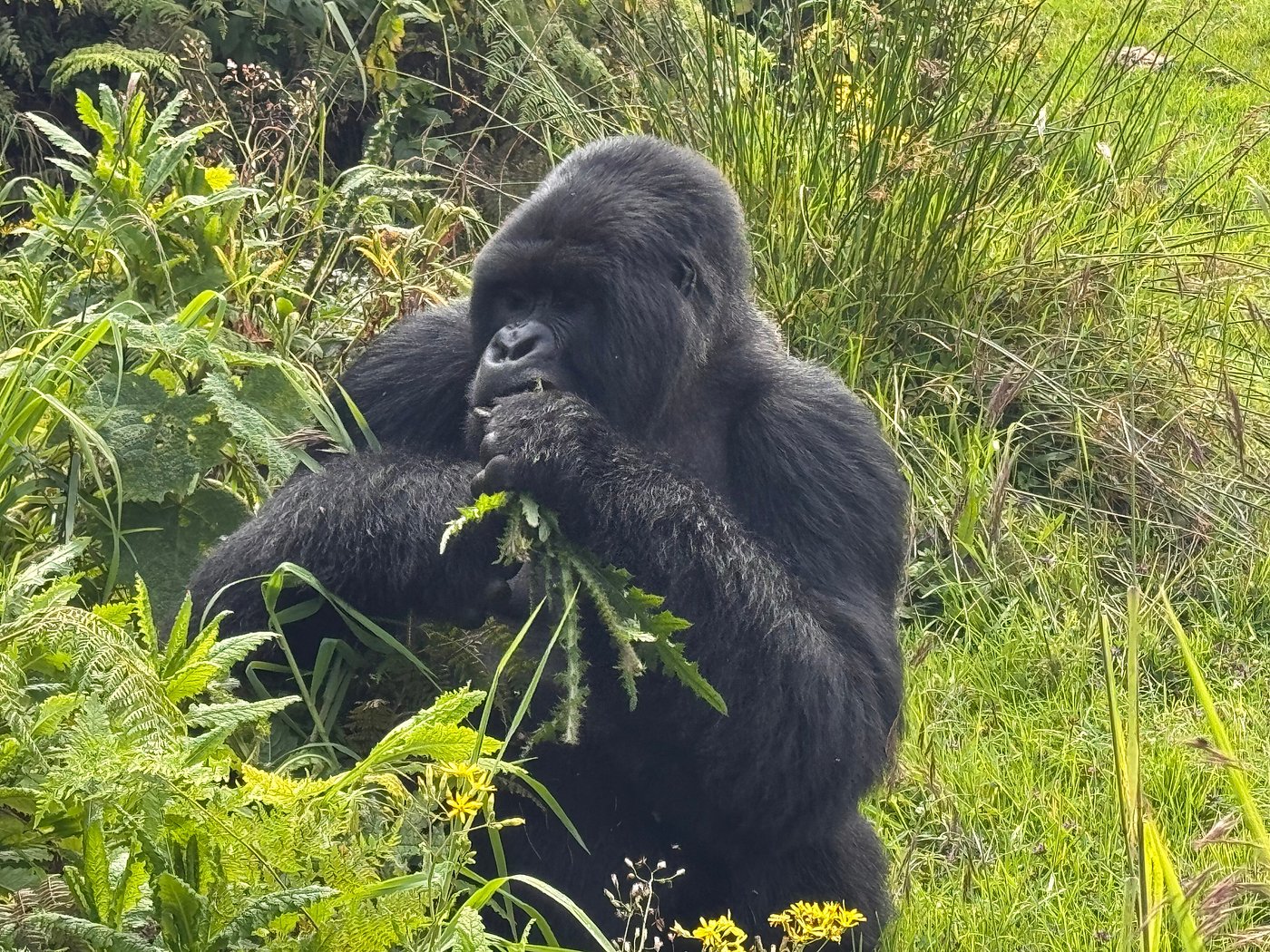
Age alone does not determine trekking ability. An active traveler in their seventies may perform better than a sedentary person decades younger.
Senior visitors should assess endurance, balance, joint health and recovery rather than concentrating only on age.
Discuss the trip with a doctor when chronic health conditions exist. A physical therapist can also recommend safe preparation exercises.
Ask the operator to request a manageable gorilla group during the morning allocation. Park staff often consider age, mobility and fitness when possible, but they cannot guarantee a short trek.
Hire a porter even if you usually carry your own bag. The porter reduces physical strain and provides a steady hand on difficult sections.
Use trekking poles when the park allows them. Guides may also provide a wooden walking stick.
Stay near the briefing point the previous night. A long transfer before trekking creates fatigue.
Finally, schedule a light afternoon and flexible following day for recovery.
Gorilla Trekking with Knee or Hip Problems
Steep descents may challenge knees more than climbs. Mud and large steps can also increase joint strain.
Seek professional advice before travel when pain affects daily walking.
Training should include controlled step-down exercises if a physical therapist approves them. Strong quadriceps and glutes help stabilize the lower body.
Trekking poles distribute some load through the upper body and improve balance.
A porter can carry the daypack and assist at difficult points.
Wear supportive boots with good grip. Avoid rigid footwear that causes pain or limits natural movement.
Tell the guide about the affected joint before departure. Early communication helps the team manage pace and support.
Do not rely on strong pain medication to push through worsening symptoms without medical guidance.
Gorilla Trekking with Heart or Lung Conditions
Visitors with cardiovascular or respiratory conditions require individualized medical clearance.
Forest elevation, steep slopes and prolonged exertion increase demands on the heart and lungs.
Bring enough prescribed medication for the entire trip, plus a reasonable reserve. Keep essential medicines in hand luggage rather than checked baggage.
Asthma inhalers, heart medication and emergency treatments should remain accessible during the trek.
Inform the guide about relevant conditions and show a travel companion where you keep medication.
Chest pain, fainting, blue lips, severe breathlessness or sudden weakness require immediate attention.
General internet advice cannot determine whether an individual condition allows safe participation. Only a qualified clinician with access to your health history can make that assessment.
Gorilla Trekking with Diabetes
Travelers with diabetes should plan food, medication, glucose monitoring and activity carefully.
Longer exercise can change blood-glucose levels. Heat, altitude, delayed meals and travel disruption may add further effects.
Discuss medication timing and adjustment with the treating clinician before departure.
Carry rapid-acting carbohydrate, regular snacks and enough testing supplies. Keep them protected from moisture.
Tell the guide and at least one companion how to recognize and respond to low blood sugar.
Do not store insulin or temperature-sensitive medication without an appropriate travel system.
Medical identification jewelry or a clearly marked information card can help during emergencies.
Pregnancy and Gorilla Trekking
Pregnancy affects balance, fatigue, heat tolerance and medical planning.
Anyone who is pregnant or may become pregnant should consult an obstetric clinician before booking.
The doctor must consider gestational stage, previous complications, altitude, malaria risk, vaccination, travel time and the remoteness of trekking areas.
Some travel vaccines and malaria medicines require special consideration during pregnancy.
Rangers cannot convert a mountain forest trek into a guaranteed gentle walk. Even a short route may include mud, steep ground and limited emergency access.
Travelers with Limited Mobility
Traditional gorilla trekking requires walking through natural forest, sometimes without a developed trail.
Travelers with reduced mobility should explain their abilities in detail before booking. “Limited mobility” can describe many different situations, from mild knee pain to inability to walk independently.
Some destinations and operators may arrange additional physical assistance, specialized carrying systems or larger porter teams. Availability, safety and cost vary.
Obtain written confirmation rather than assuming that equipment will appear on the morning of the trek.
The operator should discuss transfer access, lodge stairs, bathroom arrangements and briefing-area terrain as well as the forest itself.
The Importance of Hiring a Porter
Hiring a porter remains one of the best decisions for gorilla trekking.
Porters carry the daypack, water, rain jacket and camera equipment. Reducing weight helps you conserve energy on steep ground.
They also provide a steady hand when crossing mud, roots or streams.
A porter benefits travelers at every fitness level. Strong hikers may still appreciate assistance during a long trek or while protecting expensive equipment.
Porter work also creates direct local employment around the national park.
Hire one at the briefing point even when the route appears easy. Gorilla movement can turn an expected short trek into a longer one.
Ask your tour operator about current porter rates and suitable tipping. Bring cash in the recommended currency and denomination.
Requesting an Easier Gorilla Trek
Tell your tour operator about mobility concerns before arriving at the park.
The operator can include a written request for a nearby or more manageable group. On trekking morning, speak honestly with the ranger responsible for allocation.
Mention age, previous surgery, joint problems or limited endurance without exaggerating or minimizing the situation.
Allocation teams often try to match visitors with suitable routes. However, gorillas can move after staff make the assignment.
An “easy” group therefore means a reasonable effort to reduce difficulty, not a guaranteed short or flat walk.
Arrive early for briefing. Late arrival reduces the team’s flexibility.
What to Wear for Gorilla Trekking
Clothing should protect you from rain, insects, nettles, mud and branches.
Wear lightweight long trousers. Durable hiking trousers dry faster and provide better movement than heavy jeans.
Choose a long-sleeved shirt made from breathable material. A light layer also protects the arms from vegetation.
Bring a waterproof jacket with a hood. Mountain rain may arrive quickly even during a generally dry season.
Waterproof hiking boots with strong tread offer support and grip. High-cut models can protect the ankles, although comfort and fit matter most.
Long socks help keep trouser cuffs closed. Some travelers tuck trousers into their socks to reduce insect and ant exposure.
Gardening or trekking gloves protect the hands when you need to touch vegetation or the ground for balance.
A wide-brimmed hat or cap offers sun and light-rain protection outside dense forest.
Avoid camouflage clothing because several African countries restrict military-style patterns.
Choosing Gorilla Trekking Boots
Boot fit can determine whether the trek feels enjoyable or painful.
Buy footwear early and use it during training. New boots may cause blisters even when they feel comfortable in a shop.
The heel should remain secure without excessive movement. Toes need enough room during downhill walking.
Strong tread improves grip on mud and wet vegetation. Waterproof protection helps, although water may still enter over the top during heavy rain.
Very heavy mountaineering boots often provide more structure than an ordinary gorilla trek requires. Many travelers prefer supportive midweight hiking boots.
Never arrive with shoes that you have not tested for several hours of walking.
Pack boots in hand luggage when possible. Delayed checked baggage should not prevent you from trekking.
Trekking Poles and Walking Sticks
A walking stick or trekking poles improve balance and reduce strain on descents.
Many parks or lodges provide a simple wooden stick. Personal adjustable poles may offer better fit.
Rubber tips protect trails and reduce accidental damage. Ask the guide how to manage poles near the gorillas.
Use the poles during training so that the movement feels natural.
Do not place a pole blindly into dense vegetation. Check where the tip will land.
What to Carry in Your Daypack
Keep the daypack light.
Carry drinking water, packed food, rain protection, camera, spare battery, essential medication, insect repellent and a small personal first-aid kit.
A waterproof liner or dry bags protect electronics and medical supplies.
Bring identification and permit documentation according to the operator’s instructions.
Avoid carrying unnecessary books, large toiletry kits or heavy camera equipment.
Even with a light load, hire a porter. The porter can protect your energy and help on difficult ground.
Hydration Before and During the Trek
Begin the day well hydrated. Waiting until the trek starts may leave you trying to correct an existing fluid deficit.
Drink regularly rather than consuming an excessive amount at once.
Water needs vary with body size, weather, exertion and medical conditions. Most travelers should carry at least one to two liters, but individual requirements differ.
People with heart, kidney or electrolyte conditions should follow medical advice rather than generic hydration targets.
Excessive water consumption can also cause dangerous electrolyte imbalance. Drink sensibly according to thirst, conditions and professional guidance.
Limit alcohol the evening before trekking because it can disrupt sleep and contribute to dehydration.
What to Eat Before Gorilla Trekking
Choose a familiar breakfast with carbohydrates, protein and some healthy fat.
Porridge, eggs, fruit, bread, yogurt or similar foods can provide sustained energy.
Avoid experimenting with unfamiliar rich or spicy dishes before the activity.
Carry a packed lunch and simple snacks. Bananas, sandwiches, energy bars, nuts and dried fruit work well when tolerated.
Food cannot be consumed near the gorillas. Follow the guide’s instructions about safe rest and meal locations.
Visitors with diabetes, allergies or dietary restrictions should arrange suitable food with the lodge in advance.
Sleep and Recovery
International travel, time-zone changes and early safari departures can reduce sleep before the trek.
Spend at least one night near the park rather than driving from a distant city on trekking morning.
Two nights may help travelers recover from long flights and adjust to elevation.
Create a calm evening before the trek. Prepare clothing, charge batteries and pack the day bag early.
Avoid heavy alcohol consumption and very late meals.
After trekking, rehydrate, eat a balanced meal and change out of wet clothing.
Gentle walking may reduce stiffness. Severe pain, swelling or illness requires proper medical assessment.
Preventing Blisters and Foot Problems
Wear tested boots and moisture-managing socks.
Keep toenails trimmed before departure. Long nails can become painful during steep descents.
Apply blister-prevention tape to known pressure areas before walking.
Carry blister pads, tape and a small amount of foot-care equipment.
Stop when a hot spot develops. Treating early irritation takes less time than managing a large blister later.
Change into dry socks when the first pair becomes soaked and a safe opportunity exists.
At the lodge, dry boots away from direct flames or extreme heat, which can damage materials.
Managing Rain and Mud
Rain occurs throughout the year in mountain environments.
A waterproof jacket should remain accessible rather than buried beneath the backpack.
Use a rain cover and internal waterproof liner because backpack covers do not always stop water during prolonged rain.
Move slowly on mud. Shorter steps provide better control than long strides.
Place each foot on stable ground before transferring full weight.
Use the porter’s hand and walking stick when crossing difficult sections.
Do not hurry because other group members move faster. The ranger can adjust the pace.
Insects, Nettles and Forest Irritation
Long sleeves, trousers, socks and gloves protect the skin.
Apply insect repellent according to product instructions and medical guidance.
Avoid touching unknown plants with bare hands. Some vegetation can sting or irritate the skin.
Ants may climb shoes and trousers when visitors stand over a trail. Moving a short distance often solves the problem.
Report severe swelling, breathing difficulty or widespread rash immediately because these may indicate a significant allergic reaction.
Travelers with known severe allergies should carry prescribed emergency medicine and explain its use to a companion.
Medication and First-Aid Preparation
Bring enough regular medication for the entire holiday, plus a reserve for travel delays.
Keep medicines in original labeled packaging when possible. Carry a copy of the prescription or a doctor’s letter for controlled or injectable medication.
Split essential supplies between secure locations, but keep anything needed urgently in hand luggage and the daypack.
A personal first-aid kit may include blister care, adhesive dressings, antiseptic, oral rehydration salts and doctor-approved pain relief.
Do not share prescription medicine with other travelers.
Check storage requirements for insulin, biologic drugs and other temperature-sensitive treatments.
Travel Insurance for Gorilla Safaris
Choose insurance that covers trekking at the planned elevation.
Standard policies sometimes exclude hiking above a specified height or activities in remote areas.
Confirm protection for:
- Emergency treatment
- Medical evacuation
- Hospital care
- Trip interruption
- Illness before trekking
- Lost baggage
- Missed connections
- Permit-related losses
- Pre-existing medical conditions
- Trekking altitude
Read the wording rather than relying only on a salesperson’s summary.
Declare relevant health conditions accurately. Failure to disclose them may invalidate a claim.
Keep the insurer’s emergency number and policy details offline.
Gorilla Trekking Safety Briefing
Rangers provide a briefing before entering the forest and again near the gorillas.
Listen carefully even if you have trekked previously. Rules can change, and each encounter develops differently.
Visitors must maintain the distance set by current park guidance. Gorillas may approach more closely, but travelers should follow the ranger rather than moving toward them.
Keep voices low and avoid sudden movements.
Never touch a gorilla, even when one approaches.
Flash photography can disturb wildlife and is not allowed.
Follow instructions if a gorilla charges or displays. Running can make the situation worse.
Cover a cough or sneeze according to ranger guidance and turn away from the gorillas.
Do not eat, drink or smoke near them.
What Happens When the Gorillas Approach?
A curious gorilla may walk near or past visitors.
Remain still unless the ranger tells you to move.
Do not reach out, block the animal or take a selfie that requires turning your back irresponsibly.
Lowering your gaze and body position may form part of the guide’s instruction during a close approach.
Keep camera movements slow.
The ranger understands the gorilla family’s behavior and should direct the group.
Health Protection After the Trek
Wash hands thoroughly after returning from the forest.
Clean mud from boots and allow equipment to dry.
Check the skin for insect bites, irritation, ticks or small cuts.
Treat minor wounds promptly.
Continue malaria medication for the full prescribed period, including doses required after leaving the country.
Monitor health during the rest of the trip and after returning home.
Seek medical help for fever, persistent diarrhea, breathing difficulty or other significant symptoms. Tell the clinician about recent travel to Rwanda or Uganda.
Gorilla Safari Health and Fitness Guide Rwanda and Uganda for Senior Visitors
Senior travelers often complete gorilla treks successfully when they prepare carefully.
Start training early and emphasize walking consistency rather than speed.
Use hills, stairs and safe uneven trails to build relevant fitness.
Ask a healthcare professional to review medications, joint health and cardiovascular readiness.
Book accommodation close to the briefing point.
Request a manageable group but understand that no route remains guaranteed.
Hire a porter and use a walking stick.
Carry only essential equipment.
Move at a sustainable pace and communicate discomfort early.
Schedule recovery time after trekking rather than beginning a long transfer immediately.
Preparation for Overweight Travelers
Body size alone does not decide whether someone can complete a gorilla trek. Current endurance, joint health, balance and medical status matter more.
Begin training gradually. Walking, cycling or swimming can improve fitness while controlling joint impact.
Strengthening the legs and hips supports stability.
Discuss the activity with a doctor when obesity occurs alongside heart disease, diabetes, sleep apnea, high blood pressure or joint problems.
Ask the operator about vehicle access, seat dimensions, porter support and any specialized assistance needed.
Wear clothing and boots that fit correctly. Poorly fitting equipment can cause skin irritation, blisters and restricted movement.
Mental Preparation
Uncertainty forms part of gorilla trekking.
You may walk longer than expected, encounter heavy rain or spend time waiting while trackers locate the family.
Accepting that uncertainty reduces stress.
Concentrate on a steady pace rather than comparing yourself with another visitor.
Tell the guide when you need a brief rest. Hiding fatigue can create a larger problem later.
Positive preparation should remain realistic. Confidence helps, but it should not replace safety decisions.
Common Health and Fitness Mistakes
Travelers often underestimate the terrain because photos show only the final gorilla encounter.
Others begin training too late and exercise intensely, causing avoidable injuries.
New boots create another common problem. Test every item before departure.
Carrying a heavy camera bag wastes energy. A porter can manage the load.
Some visitors arrive after a long international flight and trek the next morning without adequate rest.
Dehydration, alcohol and skipped breakfast also reduce performance.
The most serious mistake involves hiding illness. Protecting gorillas and fellow travelers must take priority over the cost of a permit.
Frequently Asked Questions
How fit must I be for gorilla trekking?
Moderate walking fitness usually provides a good foundation. You should prepare for several hours on steep, uneven and potentially muddy terrain.
How long does a gorilla trek take?
Uganda Wildlife Authority states that treks may last approximately two to seven hours. Actual duration varies according to gorilla location, terrain and group pace.
Can an unfit person trek with gorillas?
Some less-active visitors complete shorter treks, but nobody can guarantee a short route. Training beforehand, hiring a porter and requesting a manageable group improve the experience.
Is gorilla trekking harder in Rwanda or Uganda?
Neither country always offers easier trekking. Rwanda has convenient access, while Bwindi often contains dense and steep terrain. Daily gorilla location ultimately determines difficulty.
Can senior travelers go gorilla trekking?
Yes. Many active senior visitors trek successfully. Medical review, early training, porter support and a manageable route request can help.
Is there an upper age limit?
Authorities generally focus on health and ability rather than setting a standard maximum age. Significant medical concerns require professional evaluation.
What is the minimum age?
The standard minimum age generally stands at 15 years in Rwanda and Uganda.
Can I trek with a cold?
You should not trek with a potentially infectious respiratory illness. Report symptoms honestly to park staff and the operator.
What happens if I become sick before trekking?
Inform your tour operator immediately. Park authorities determine participation and any available permit option according to current rules.
Do I need a medical certificate?
Most healthy travelers do not routinely need one. Authorities, insurers or operators may request documentation in special circumstances.
Should I hire a porter?
Yes. A porter carries your bag, reduces fatigue and helps on difficult terrain. Hiring one also supports local employment.
Can I request an easy gorilla group?
You can request a manageable route. Allocation staff may consider age, health and mobility, but gorilla movement prevents any guarantee.
What shoes should I wear?
Use tested waterproof hiking boots with strong tread and comfortable ankle support.
Do I need trekking poles?
They are not compulsory, but a pole or walking stick improves balance on mud and descents.
How much water should I carry?
Many travelers carry approximately one to two liters. Personal needs vary according to weather, body size, medical conditions and trek duration.
Does altitude make trekking harder?
Yes. High elevation can increase breathing and heart rate during exercise. Arriving early and walking slowly may help.
Do I need malaria tablets?
The CDC recommends prescription malaria-prevention medication for travelers to Rwanda and Uganda. Consult a qualified clinician for an appropriate option.
Is yellow-fever vaccination required?
Uganda requires proof for many international travelers and has yellow-fever transmission risk. Rwanda’s requirement depends on itinerary and country of origin. Verify current rules before travel.
Can pregnant travelers trek?
Pregnant travelers need individualized advice from an obstetric clinician. The doctor must consider terrain, altitude, malaria, vaccination and access to emergency care.
Can someone with knee problems trek?
Possibly, depending on severity. Seek medical or physiotherapy advice, train gradually, use poles and hire a porter.
Can I take painkillers before the trek?
Use medication only according to professional or product guidance. Pain relief should not hide a worsening injury or serious symptom.
What happens if I cannot finish?
Tell the guide as soon as difficulty develops. Rangers and porters will assess the safest response. Permit fees generally do not depend on whether a visitor completes the trek.
Final Thoughts
Gorilla trekking demands preparation, but it does not belong only to elite athletes.
Regular walking, basic strength work and balance training can prepare many healthy travelers for the forest. Starting early allows the body to adapt without excessive strain.
Good equipment also matters. Tested boots, rain protection, gloves, suitable clothing and a light daypack improve comfort.
Hiring a porter offers both physical support and direct community benefit. Even strong hikers should consider one.
Health protection carries equal importance. Attend a travel-health consultation, review vaccinations, discuss malaria prevention and bring enough regular medication.
Most importantly, never trek while potentially infectious. Mountain gorilla conservation depends partly on visitors protecting the animals from human disease.
No operator can guarantee a short route or perfect weather. Nevertheless, honest communication and sensible preparation significantly improve the likelihood of a safe, enjoyable encounter.
Use this Gorilla Safari Health and Fitness Guide Rwanda and Uganda as a starting point, then seek personalized medical advice whenever your health history requires it.
Plan a Healthy and Well-Paced Gorilla Safari
Universal Ventures Rwanda arranges customized gorilla safaris in Rwanda and Uganda for solo travelers, couples, families, senior visitors and private groups.
Our team can help you choose a suitable destination, stay near the correct briefing point, request a manageable trekking group and arrange an experienced guide and porter support.
We also organize gorilla permits, private 4×4 transportation, accommodation and complete Rwanda–Uganda safari itineraries.
Contact us with your travel dates, group size, preferred country and any mobility requirements that may affect itinerary planning.
Universal Ventures Rwanda
Email: info@universalventuresrwanda.com
Telephone and WhatsApp: +250 781 441 853
Address: KN 15 Road, opposite IPRC Entrance, 1st Floor, SANGWA Plaza, Kigali, Rwanda
Website: www.universalventuresrwanda.com
