
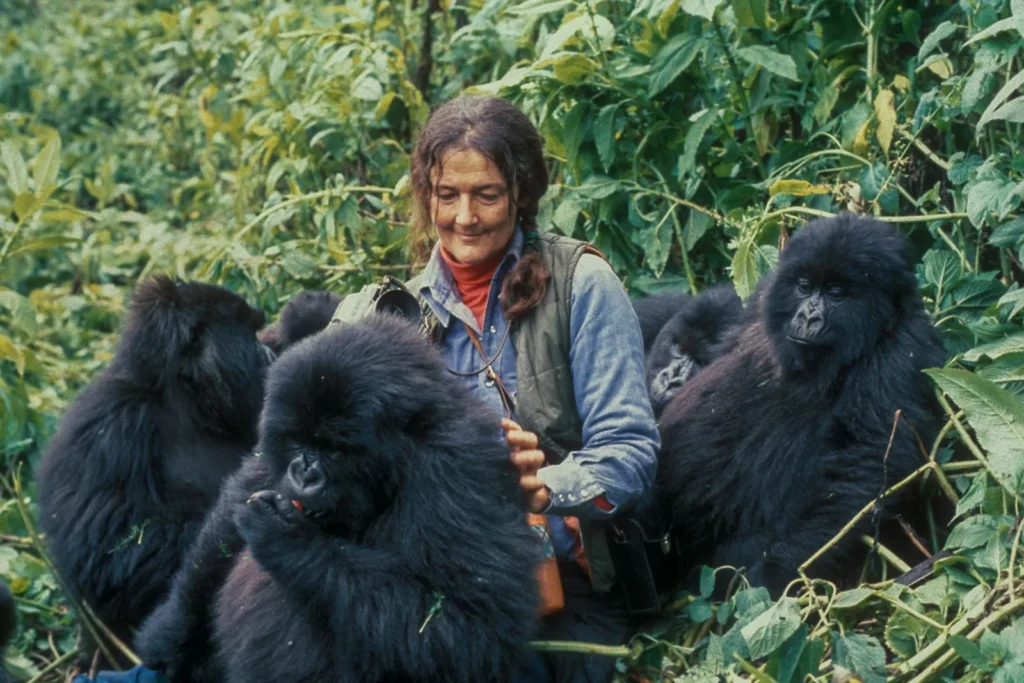
A Gorilla Safari from Kigali offers first-time visitors one of the most efficient ways to experience Rwanda’s mountain gorillas without spending several nights in the Volcanoes National Park region. You can leave Kigali before sunrise, travel through Rwanda’s dramatic northern countryside, join a professionally guided gorilla trek and return to Kigali later the same day.
For travelers with limited time, that combination is difficult to beat.
Rwanda is unusual among African gorilla trekking destinations because its capital is within practical driving distance of the mountain gorilla habitat. Instead of taking a domestic flight or spending an entire day reaching a remote trailhead, visitors can travel by road from Kigali to Volcanoes National Park.
However, a successful one-day trip requires careful organization.
The park operates according to fixed morning procedures. Gorilla permits need to be secured beforehand. Visitors must reach the Volcanoes National Park registration area in Kinigi early in the morning. Trekking duration cannot be predicted exactly because gorillas move through their natural habitat.
Therefore, a Gorilla Safari from Kigali is not simply a sightseeing drive from the city.
It is a tightly coordinated wildlife experience involving transportation, permits, park procedures, professional trackers, mountain hiking and responsible wildlife viewing.
This guide explains everything first-time visitors should know before booking, including gorilla permit prices, trekking difficulty, departure times, clothing, photography, health requirements, weather, accommodation, private transportation and how to decide whether a one-day safari is right for you.
Universal Ventures Rwanda organizes private gorilla trekking experiences from Kigali with local logistical support, permit assistance, professional driver-guides and tailor-made Rwanda safari arrangements.
Why Choose a Gorilla Safari from Kigali?
The biggest advantage of a Gorilla Safari from Kigali is time.
Many international visitors arrive in Rwanda for only a few days. Some are traveling through East Africa and combining Rwanda with Kenya, Tanzania or Uganda. Others are visiting Kigali for business, conferences, meetings, family visits or short holidays.
A one-day gorilla experience allows these travelers to keep their accommodation in Kigali while dedicating one complete day to Volcanoes National Park.
That means you do not necessarily have to check out of your Kigali hotel, transfer luggage to another lodge and spend an additional night near the park.
Instead, you can leave your main luggage in Kigali, carry only a small trekking bag and return after the safari.
This arrangement works particularly well for travelers whose main Rwanda priority is seeing mountain gorillas.
The second advantage is logistical simplicity.
The road north from Kigali leads toward Musanze and the foothills of the Virunga Mountains. Under normal conditions, the journey generally takes roughly two and a half to three hours, although weather, traffic and your exact pickup location can affect driving time.
Because the park reporting procedure begins early, most same-day trips depart Kigali between approximately 3:30 and 4:30 a.m.
That sounds very early, and it is.
However, the schedule makes it possible to experience one of Africa’s most extraordinary wildlife encounters and still sleep in Kigali that night.
Is a One-Day Gorilla Safari from Kigali Really Possible?
Yes.
A properly planned Gorilla Safari from Kigali can be completed in one day.
The most important factor is leaving Kigali early enough.
Rwanda Development Board currently requires mountain gorilla tracking visitors to report at the registration centre at 7:00 a.m. Trekking permits are date-specific, so arriving on time is essential.
This is why responsible safari companies do not schedule a leisurely breakfast in Kigali before departure.
The morning drive normally begins in darkness.
You travel north while Kigali is still quiet, eventually passing through increasingly rural landscapes as daylight develops.
By the time you approach Musanze, the scenery changes dramatically. The Virunga volcanoes may become visible ahead, depending on cloud conditions.
At Kinigi, visitors complete registration procedures and receive a briefing before being assigned to a gorilla family.
Visit Rwanda states that family allocation takes fitness into consideration.
After the briefing, visitors drive to the relevant trekking starting point.
The forest hike then begins.
Once you locate your assigned gorilla family, your regulated viewing period starts. Tourist contact with a habituated family is limited to a maximum of one hour.
Afterward, you trek back to the starting point, meet your driver, have lunch depending on your arrangement and travel back to Kigali.
It is a long day, but it is completely achievable with proper planning.
Gorilla Safari from Kigali for First-Time Visitors
A Gorilla Safari from Kigali can initially seem complicated to someone visiting Rwanda for the first time.
You may wonder where to obtain a permit, how early you need to leave, how difficult the hike will be, what happens during the briefing and whether you are fit enough.
These are reasonable questions.
Unlike a conventional safari where you remain seated in a vehicle for most wildlife viewing, gorilla trekking requires active participation.
You walk.
You may climb.
You may encounter mud.
You may move through bamboo and thick vegetation.
The altitude may make the walk feel more demanding.
However, first-time visitors should not interpret this as meaning gorilla trekking is only suitable for serious hikers.
The experience attracts travelers across a wide age range and fitness spectrum.
What matters most is preparation, honest communication about your physical ability and sensible expectations about the terrain.
If you have mobility concerns, communicate them to your operator and the park team.
Family allocation can take fitness into consideration, although nobody can guarantee that a particular gorilla family will remain close to the trailhead because the animals move naturally.
That unpredictability is part of genuine wildlife tracking.
Where Does a Gorilla Safari from Kigali Take Place?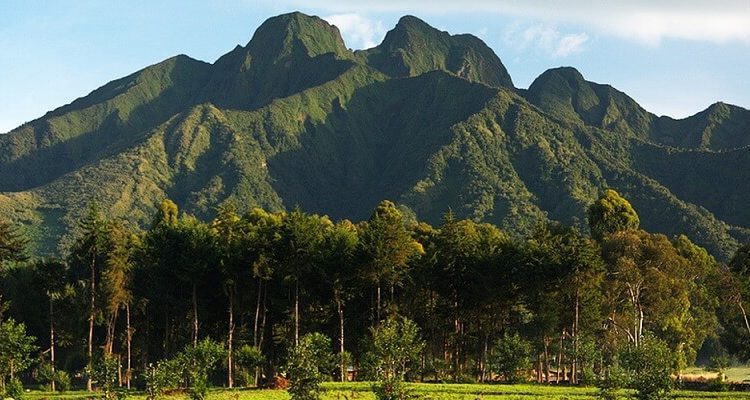
Your gorilla trek takes place in Volcanoes National Park in northern Rwanda.
The park forms part of the wider Virunga conservation landscape shared across Rwanda, Uganda and the Democratic Republic of the Congo.
Volcanoes National Park is famous internationally for mountain gorillas and the conservation history connected to primatologist Dian Fossey.
The area is visually striking.
Volcanic peaks rise beyond farmland and villages while mountain forest covers the protected slopes.
Vegetation varies with altitude and includes bamboo zones and montane habitats.
The park is also home to golden monkeys and numerous other species.
For visitors traveling from Kigali, Musanze acts as the main gateway town, while Kinigi is the key area for gorilla trekking registration and park operations.
One reason Rwanda is so attractive to short-stay gorilla travelers is the relative accessibility of this region from the capital.
Visit Rwanda’s own sample itineraries describe the Kigali-to-Volcanoes journey as approximately three hours.
What Happens on a Gorilla Safari from Kigali?
The day normally begins between 3:30 and 4:30 a.m.
Your exact pickup time depends on your hotel location, road planning and the operator’s arrangements.
A professional driver-guide collects you from your accommodation in Kigali.
Before leaving, make sure you have identification, appropriate hiking clothing, rain protection, water and any necessary medication.
Some hotels can prepare a packed breakfast for guests departing before normal restaurant hours.
Once everyone is ready, you leave Kigali and begin the drive north.
The city quickly becomes quieter behind you.
For much of the first part of the journey, you may simply relax in the vehicle.
As daylight appears, Rwanda’s landscape begins to reveal itself.
Terraced hills, farms, villages and valleys appear along the route.
Eventually, the imposing outlines of the Virunga volcanoes may dominate the northern horizon.
You continue toward Kinigi for the morning gorilla trekking procedures.
After registration and briefing, you are assigned a gorilla family and travel to the appropriate starting point.
From there, your forest adventure begins.
Gorilla Safari from Kigali Sample Itinerary
A carefully organized Gorilla Safari from Kigali generally follows a predictable structure, although the time spent inside the forest varies.
Around 3:30 to 4:30 a.m., your driver-guide picks you up from your Kigali hotel.
The journey to northern Rwanda begins immediately.
By approximately 6:30 to 7:00 a.m., the objective is to be in the Kinigi area ready for park registration and the mandatory morning procedures.
RDB currently lists 7:00 a.m. as the reporting time for mountain gorilla tracking.
After registration, park staff brief trekkers on gorilla behaviour, safety and responsible tourism rules.
Your fitness and other considerations may influence family allocation.
You then transfer from the main park area toward the relevant trailhead.
At the starting point, porters are normally available.
The ranger-led trek begins after final preparations.
The duration may range considerably.
Visit Rwanda notes that tracking can take from around 90 minutes to the whole morning depending on the assigned gorilla family.
Once your group finds the gorillas, the one-hour encounter begins.
After the viewing period, you trek out of the forest and return to your safari vehicle.
Lunch follows depending on your package and exit time.
You then drive back toward Kigali.
Because the forest portion is unpredictable, a responsible itinerary should describe the Kigali arrival time as approximate rather than guaranteed.
What Happens During Gorilla Trekking?
The trek begins differently depending on the gorilla family allocated to your group.
Sometimes visitors cross farmland before entering the protected forest.
In other cases, the forest is reached relatively quickly.
The vegetation may become dense as you climb.
Bamboo, shrubs, vines and mountain plants create an environment very different from Rwanda’s savannah landscapes.
Your ranger team guides the route.
Trackers who monitor gorilla movements help determine where the family is located.
You may notice increasing signs as you get closer.
Broken vegetation, feeding remains or information exchanged between trackers can suggest that the family is nearby.
At some point, your ranger may ask you to prepare for the encounter.
Walking sticks and unnecessary bags may be left at an appropriate point.
Cameras come out.
Voices become quieter.
Then, sometimes almost unexpectedly, you see your first mountain gorilla.
For many people this moment justifies the entire journey.
A large silverback may be sitting quietly among vegetation.
A female may be feeding.
A juvenile may climb through branches.
A mother may hold or remain close to a young infant.
Unlike wildlife viewed from inside a safari vehicle, gorilla trekking places you physically within the forest environment.
You hear vegetation moving.
You see expressions clearly.
You notice interactions between individual animals.
The experience feels intimate while remaining carefully controlled by professional park staff.
How Long Can You Stay With the Gorillas?
Visitors spend a maximum of one hour with their assigned habituated gorilla family.
This rule helps limit tourism pressure while still giving visitors enough time for meaningful observation and photography.
Visit Rwanda says each habituated tourist group comes into contact with visitors for a strict maximum of one hour per day.
An hour may not sound long while planning your trip.
In practice, it is an intense wildlife experience.
During those sixty minutes, a gorilla family can display a remarkable range of behaviour.
Individuals may feed, groom, rest, move through vegetation or interact with youngsters.
The dominant silverback may remain almost motionless before suddenly changing position.
Young gorillas may be considerably more active.
Your ranger helps manage the group’s movements and viewing positions.
Photography becomes a major part of the experience for many visitors, but do not spend the entire hour staring through your camera.
Allow yourself several moments to simply watch.
Those unrecorded moments frequently become some of the strongest memories of the safari.
How Much Does a Gorilla Safari from Kigali Cost?
The cost of a Gorilla Safari from Kigali contains two main elements: the gorilla permit and safari logistics.
For a standard foreign visitor, Rwanda Development Board currently lists the mountain gorilla tracking permit at US$1,500 per person.
This is therefore the largest mandatory component for most international visitors.
Transportation and logistical costs depend on how your tour is arranged.
A private package may include a safari vehicle, fuel, professional driver-guide, drinking water, meals, permit assistance and Kigali pickup and drop-off.
Some companies quote a package with the gorilla permit already included.
Others clearly separate the US$1,500 permit from the service package.
When comparing prices online, this difference is extremely important.
A low advertised amount may represent transportation only.
A higher figure may already include your permit.
Do not compare two quotations until you understand exactly what each one contains.
The best question to ask is simple:
“Does this total include my Rwanda gorilla permit?”
A professional operator should answer clearly.
Rwanda Gorilla Permit Price in 2026
For standard foreign visitors, the current permit fee is US$1,500.
However, RDB maintains different visitor categories.
Current official information lists promotional rates for qualifying Rwandan citizens, East African citizens, foreign residents in Rwanda and certain African citizens or foreign residents in Africa. RDB also states that specified promotional rates do not apply from June through October 2026. Eligibility requires appropriate documentation.
Therefore, travelers should not assume that a discounted category applies simply because they work, study or spend time somewhere in Africa.
Your documentation must meet the official requirements.
If you are unsure which permit category applies to you, confirm before making payment.
This matters because RDB verifies documents at park entry.
Incorrect, expired, incomplete or misleading permit applications can result in access being denied even if payment has been made.
Why You Should Book Your Gorilla Permit Early
Permits are limited.
Visit Rwanda states that eight tracking permits are issued per tourist gorilla family each day and strongly recommends booking ahead.
RDB confirms that bookings operate on a first-come, first-served basis and that mountain gorilla tracking can be booked in advance.
This makes permit planning one of the first steps in organizing your safari.
Do not assume that because your hotel and flight are available, your preferred gorilla trekking date will also be available.
If gorilla trekking is the main reason you are visiting Rwanda, check the permit date before finalizing an inflexible travel schedule.
Travelers planning several months ahead usually have more flexibility.
Last-minute bookings can still work when permits remain, but they provide fewer options.
If you have two or three possible trekking dates, tell your operator.
That flexibility may make securing a permit easier.
Gorilla Safari from Kigali Trekking Difficulty
One of the most common questions about a Gorilla Safari from Kigali is whether the trek is difficult.
There is no single answer.
Gorilla trekking is not a fixed hiking route.
Your experience depends on where the assigned gorilla family is located that morning.
One group may reach gorillas relatively quickly.
Another group may climb significantly farther.
Weather also changes the difficulty.
A trail that feels straightforward in dry conditions can become slippery after rain.
Mountain altitude, mud, roots, vegetation and uneven ground all influence the physical demands.
Nevertheless, you do not need to be an elite athlete.
People with ordinary fitness complete gorilla treks successfully.
The most useful preparation is regular walking before your trip.
Hills or stairs are particularly helpful.
Wear proper footwear.
Carry only what you need.
Hire a porter.
Most importantly, communicate honestly if you have mobility concerns.
The park team cannot control where gorillas move, but fitness is one factor considered during allocation.
Can You Request an Easier Gorilla Trek?
You can communicate your physical condition and preference for a less demanding route.
However, no tour operator should promise a perfectly easy trek.
Mountain gorillas are wild.
They move according to food, social behaviour, weather and other natural factors.
A family that was relatively close one day may travel farther by the following morning.
Therefore, requests can be considered but not guaranteed.
If your mobility is limited, tell your tour company well before trekking day.
Mention the situation again during park allocation.
Older travelers and visitors recovering from physical problems should also consider spending the night near Volcanoes National Park.
Sleeping close to Kinigi eliminates the very early drive from Kigali and can reduce overall fatigue.
Should You Hire a Porter?
Hiring a porter is one of the easiest ways to make the trek more comfortable.
Many first-time travelers initially assume they do not need one because their backpack is light.
However, a porter’s value goes beyond carrying luggage.
They can help you maintain balance on muddy slopes, navigate difficult terrain and keep both hands available when climbing or stepping over obstacles.
A bag that feels light during the first twenty minutes can become surprisingly irritating after several hours of hiking.
Using a porter also provides direct income to people in communities around the national park.
For those reasons, even physically fit trekkers frequently find porter assistance worthwhile.
What to Wear on a Gorilla Safari from Kigali
Preparing your clothing correctly can significantly improve a Gorilla Safari from Kigali.
Choose function over fashion.
Long trousers help protect your legs from vegetation, mud and insects.
A long-sleeved shirt provides similar protection for your arms.
Wear sturdy hiking boots with good grip.
Avoid buying new boots immediately before your trip. Break them in beforehand to reduce the risk of blisters.
Carry a lightweight waterproof jacket.
Even when the wider weather forecast looks good, mountain conditions can change quickly.
Gaiters can be extremely useful when trails become muddy or vegetation is thick.
Gardening or hiking gloves can protect your hands when you need to steady yourself against branches or vegetation.
Dress in layers.
The early morning may feel cool, while hiking uphill soon makes you warmer.
A light daypack is usually better than a large backpack.
Your goal is to remain comfortable and mobile rather than carry every possible item into the forest.
What to Pack for a Gorilla Safari from Kigali
Your essential trekking items should fit into one manageable daypack.
Bring your passport or the identification required for your booking, water, rain protection, personal medication, camera equipment and a small amount of cash.
A power bank can be useful for phone photography.
If you are using a dedicated camera, carry a spare battery.
Rain protection for electronics is strongly recommended.
A simple waterproof bag inside your backpack can protect expensive equipment.
Do not overload yourself.
Large camera bags, several lenses, unnecessary clothes and heavy personal items become increasingly uncomfortable on steep terrain.
If you do bring specialist photography equipment, using a porter becomes even more useful.
Photography Tips for Gorilla Trekking
Gorilla photography can be both easy and difficult.
It is easy because mountain gorillas can sometimes remain relatively still.
It is difficult because forest light changes constantly.
One moment your subject may be in an open patch of vegetation.
Seconds later the same gorilla may move beneath dark bamboo.
Know your camera before the trek.
The one-hour viewing period is not the ideal time to learn how to change autofocus settings.
For active juveniles, a faster shutter speed can help.
For calmer adults, you may have more time to compose your photographs carefully.
Avoid becoming obsessed with extreme close-ups.
Environmental photographs showing gorillas among bamboo, vines and mountain vegetation can tell a stronger story.
Also photograph interactions.
A mother with an infant, two juveniles playing or a silverback watching his family may create more memorable images than a standard portrait.
Follow ranger instructions throughout.
Gorilla Safari from Kigali Health Requirements
Health rules are an important part of every Gorilla Safari from Kigali.
Mountain gorillas are closely related to humans and can be vulnerable to diseases transmitted by people.
RDB states that visitors may be denied access if they are suffering from a cold, flu or another contagious illness.
Do not hide significant respiratory symptoms simply because the permit is expensive.
Protecting gorilla health takes priority.
During the encounter, follow the distance and hygiene guidance given by rangers.
RDB currently asks visitors to maintain approximately seven metres between themselves and the gorillas whenever possible.
Sometimes a gorilla may choose to move closer.
Do not touch it.
Do not run.
Do not make sudden movements.
Your ranger will tell you exactly what to do.
Minimum Age for Gorilla Trekking
The minimum age for mountain gorilla tracking in Rwanda is 15 years.
Families traveling with younger children need to make alternative arrangements.
This should be considered before buying flights or confirming a family safari.
Rwanda still offers excellent activities for younger visitors.
Akagera National Park provides wildlife game drives and boat safaris, while Kigali and Lake Kivu offer additional family-friendly experiences.
However, standard mountain gorilla trekking remains restricted to visitors aged 15 and above.
Best Time for a Gorilla Safari from Kigali
A Gorilla Safari from Kigali can be organized throughout the year.
There is no month when Rwanda’s mountain gorillas disappear.
The main seasonal difference concerns trail conditions rather than whether gorillas are present.
Drier periods can make hiking more comfortable because there may be less mud.
As a result, these periods are popular with international visitors.
However, mountain conditions remain unpredictable, and rain can occur even during relatively dry months.
Wetter periods create lush forest scenery but can make trails slippery.
The “best” time therefore depends on what matters most to you.
If your travel dates are fixed, you should not assume the season prevents gorilla trekking.
Secure the permit, pack appropriate equipment and prepare for changing weather.
If you have complete flexibility, you may prefer drier conditions, but permit availability should remain part of your decision.
Gorilla Safari from Kigali During the Rainy Season
Rain should not automatically discourage you.
The forest is naturally wet and green.
Rain enhances the dramatic atmosphere of the Virunga Mountains and keeps vegetation exceptionally lush.
The main drawback is trail difficulty.
Mud can slow your progress, particularly on steeper sections.
Waterproof clothing, suitable boots, gaiters and porter assistance become even more valuable.
Protect your camera carefully.
A lightweight waterproof dry bag or internal backpack liner is useful even when your backpack itself claims to be water resistant.
After the trek, keeping a clean pair of shoes or sandals in your safari vehicle can make the return journey considerably more comfortable.
One-Day Gorilla Safari from Kigali Versus an Overnight Safari
A one-day safari prioritizes efficiency.
An overnight safari prioritizes comfort.
With a Gorilla Safari from Kigali, you avoid changing accommodation and save an extra day.
However, you must accept a very early start.
If you stay near Volcanoes National Park the night before, you can wake at a much more comfortable hour, have breakfast and travel a short distance to Kinigi.
For travelers who dislike early mornings, the overnight option is attractive.
It may also be better for older guests or people concerned about physical fatigue.
An overnight stay gives you more time to explore northern Rwanda.
You may add golden monkey trekking, cultural activities, scenic excursions or conservation experiences.
If your schedule allows only one free day, choose the Kigali day trip.
If you have two or three days and prefer a slower pace, staying around Volcanoes National Park can be more relaxing.
Private Gorilla Safari from Kigali
A private Gorilla Safari from Kigali provides greater flexibility than relying on shared road transportation.
Your driver collects you directly from your hotel.
There is no need to visit several unrelated pickup locations.
After trekking, your driver is waiting for you.
If your group exits the forest earlier than expected, you can continue immediately.
If the trek takes longer, the vehicle remains available.
Private transport is particularly valuable on a day where every morning minute matters.
It also allows more flexibility with lunch, photography stops and Kigali drop-off.
Couples, families and small groups can share the vehicle cost while maintaining a personalized schedule.
Solo travelers may pay more for private transport, but many still prefer the convenience.
Why a 4×4 Safari Vehicle Is Useful
Road conditions on the main route between Kigali and Musanze are generally established, but reaching certain trekking starting points may involve less predictable local roads.
A suitable safari vehicle therefore provides comfort and reliability.
A professional driver also understands the early departure requirement, local road conditions and the location of park operations.
This is considerably different from simply hiring a random vehicle to “go to Musanze.”
Your safari transport should be planned around your permit and the park reporting schedule.
Reliability matters more than luxury when your US$1,500 permit depends on arriving at the right place at the right time.
Can You Start From Kigali International Airport?
Airport pickup is possible in some circumstances, but arriving in Rwanda on the same morning as your gorilla trek is risky.
Flights can be delayed.
Immigration may take longer than expected.
Baggage can be slow.
A late arrival could prevent you from reaching Kinigi on time.
Therefore, first-time visitors should ideally arrive in Rwanda at least one day before trekking.
Spend the night in Kigali.
Rest.
Prepare your equipment.
Then leave early with your driver the following morning.
This creates a much safer schedule.
Airport pickup works far better after the trek or when arriving the previous day than when attempting to connect directly from an international flight to the morning briefing.
Can You Fly Out After a Gorilla Safari from Kigali?
You can sometimes take an evening flight after a Gorilla Safari from Kigali, but this requires caution.
Nobody can accurately promise when your forest trek will finish.
Visit Rwanda notes that tracking may take from approximately 90 minutes to an entire morning.
You still need to walk back to the trailhead afterward.
Then you must drive several hours to Kigali.
Traffic and weather can create further delays.
Therefore, do not schedule a tight international departure based on an optimistic trekking time.
If your flight is important, spending another night in Kigali is the safest arrangement.
If you absolutely need a same-day flight, choose a very late departure and discuss the schedule with your operator before booking.
Best Kigali Accommodation Before Gorilla Trekking
There is no requirement to stay at a particular Kigali hotel.
The most useful characteristics are reliable service, secure accommodation and convenient access for your early pickup.
Kigali has luxury hotels, international chains, boutique properties, guesthouses and budget accommodation.
Whatever level you choose, tell reception that you are departing very early.
Ask whether a packed breakfast can be arranged.
Confirm your wake-up call if needed.
Prepare all clothing the evening before.
Charge camera batteries.
Pack your passport.
Place your boots where you can find them in the dark.
Small details matter when you are waking several hours before sunrise.
Breakfast Before Gorilla Trekking
Do not begin a demanding morning hike unnecessarily hungry.
Because most hotel breakfast restaurants are closed at 3:30 or 4:00 a.m., arrangements should be made beforehand.
Many hotels can prepare a breakfast box when requested the previous evening.
Your operator may also organize breakfast or refreshments during the journey.
Choose food that gives you energy without feeling excessively heavy.
Drink enough water, but remember that forest bathroom facilities are limited once trekking begins.
Coffee lovers can still enjoy their morning coffee, although moderation may make the drive and forest experience more comfortable.
Lunch After Gorilla Trekking
After several hours in the forest, lunch is usually welcome.
The exact time depends on the trek.
Some groups finish considerably earlier than others.
For this reason, lunch should remain flexible.
A professional operator can coordinate a restaurant or meal around your actual forest exit time.
Musanze and the Volcanoes region offer several options.
After lunch, you start the return drive to Kigali unless another activity has been arranged.
Dietary requirements should be communicated before the safari.
Vegetarian and other standard dietary needs are much easier to accommodate when the operator and restaurant receive advance notice.
Gorilla Safari from Kigali for Solo Travelers
A Gorilla Safari from Kigali is well suited to solo travelers.
You do not need a travel companion to book a gorilla permit.
At the park, you will trek as part of the allocated visitor group even if your road transfer from Kigali is private.
This means solo travelers still share the actual forest experience with other permitted trekkers assigned to the same family.
The biggest financial difference is transportation.
A couple can divide the cost of a private vehicle between two people.
A solo visitor covers the vehicle cost alone.
However, private transport gives solo travelers security, convenience and flexibility.
Your guide collects you directly, coordinates the schedule and returns you to your accommodation afterward.
For someone visiting Rwanda alone for the first time, that simplicity can be valuable.
Gorilla Safari from Kigali for Couples
Couples frequently choose a day safari because they can maintain their preferred Kigali hotel while adding gorilla trekking to the trip.
A private vehicle allows the two travelers to enjoy the road journey at their own pace.
For honeymooners, however, an overnight stay near Volcanoes National Park may deserve consideration.
Northern Rwanda contains beautiful lodges ranging from comfortable midrange properties to high-end luxury retreats.
Staying near the park transforms the gorilla trek into a larger romantic mountain experience.
Therefore, couples with limited time may prefer the day trip, while honeymooners with a more generous schedule may prefer two or three nights around Volcanoes National Park.
Gorilla Safari from Kigali for Older Travelers
Older travelers should evaluate physical ability rather than age alone.
Many visitors in their sixties and seventies successfully trek gorillas.
However, health, mobility, balance and stamina vary widely between individuals.
If walking on steep or uneven ground is difficult, communicate that information early.
Request consideration for a potentially easier family allocation.
Use a porter.
Wear dependable footwear.
Do not rush.
Walking slowly and safely is more important than trying to match somebody else’s pace.
Visitors with significant cardiovascular, orthopedic or other health concerns should discuss the activity with their medical professional before traveling.
If an early 3:30 or 4:00 a.m. departure would create unnecessary fatigue, stay close to the park instead.
What if You Have Limited Mobility?
Limited mobility does not automatically mean you cannot participate, but the trip needs more careful planning.
Talk to your safari operator before purchasing the final package.
Explain the specific limitation rather than simply saying you need an “easy trek.”
For example, difficulty climbing steep ground is different from difficulty walking long distances.
The park team can use this information during allocation.
Nevertheless, wild gorillas remain unpredictable.
A short route cannot be guaranteed.
If your mobility limitations are substantial, discuss current assistance options with your operator and park authorities before confirming.
Avoid arriving on trekking morning and revealing a serious mobility issue for the first time.
Gorilla Safari from Kigali With Children
Standard mountain gorilla tracking requires participants to be at least 15.
Therefore, families with younger children need separate arrangements.
If one parent wants to trek while another remains with younger children, this can be incorporated into a broader family itinerary.
Alternatively, families can combine gorilla trekking for eligible members with Akagera National Park or Lake Kivu experiences that are accessible to younger travelers.
Teenagers aged 15 and above should still be prepared properly.
Being technically old enough does not remove the need for hiking shoes, rainwear, fitness and responsible behaviour around wildlife.
Responsible Gorilla Trekking
Gorilla tourism depends on careful wildlife management.
Your visit is not simply an entertainment activity.
You enter a habitat occupied by a vulnerable primate population whose protection depends on conservation, monitoring, veterinary work, park enforcement and community involvement.
Respect every instruction given by the rangers.
Maintain the recommended distance.
Do not touch gorillas.
Do not feed animals.
Do not litter.
Keep voices controlled.
Avoid sudden movements.
If a gorilla approaches, follow the ranger’s directions rather than trying to take a dramatic selfie.
Responsible behaviour protects both visitors and wildlife.
Why Gorilla Viewing Is Limited to One Hour
Limiting contact reduces prolonged disruption to gorilla families.
The system also controls tourism pressure.
Visit Rwanda states that the habituated families available to tourists receive visitors for a strict maximum of one hour each day.
This balance makes the experience exclusive while maintaining conservation priorities.
From a visitor perspective, the one-hour limit also makes every minute more meaningful.
People quickly realize there is no time to waste adjusting equipment, arguing about positions or ignoring ranger instructions.
Prepare beforehand so you can concentrate on observing the gorillas once your encounter begins.
Why Mountain Gorilla Encounters Feel Different
Traditional African safaris are frequently vehicle-based.
You watch lions, elephants, giraffes, buffalo and other wildlife from a safari car.
Gorilla trekking feels completely different because you reach the animals on foot.
There is no vehicle around you.
The smell, vegetation, forest sounds, humidity and altitude are all part of the encounter.
You worked physically to reach the family.
That effort changes the emotional experience.
Seeing a silverback after hiking through mountain forest can feel significantly more intense than seeing an animal immediately beside a road.
This does not make one type of safari superior to another.
It makes them complementary.
That is why many visitors combine Volcanoes National Park with Akagera National Park.
Combining Gorilla Trekking With Akagera National Park
Akagera offers a completely different Rwanda experience.
Instead of volcanic mountains and primates, the park contains savannah, woodland, lakes and classic African wildlife.
Travelers can enjoy game drives, Lake Ihema boat safaris and other activities.
Combining Akagera with a Gorilla Safari from Kigali allows visitors to experience both Rwanda’s mountain and savannah landscapes.
A short itinerary might dedicate one or two days to Akagera and one day to gorillas.
A longer itinerary can include several nights inside Akagera, followed by Volcanoes National Park and additional destinations.
This contrast creates a much more complete Rwanda wildlife journey.
Combining Gorilla Trekking With Lake Kivu
Lake Kivu provides a relaxing contrast after a demanding gorilla trek.
Travelers can stay in areas such as Gisenyi or Kibuye and enjoy lake views, boat excursions and slower activities.
For visitors who have more than one day around Volcanoes National Park, continuing toward Lake Kivu can be a natural addition.
Rather than returning directly to Kigali after trekking, your driver can transfer you west depending on the itinerary.
However, if your goal is specifically a one-day safari, returning to Kigali remains the simplest structure.
Combining Gorilla Trekking With Golden Monkeys
Golden monkey trekking is another popular activity in Volcanoes National Park.
These primates provide a much faster-moving encounter than mountain gorillas.
They are associated particularly with bamboo habitat and offer excellent opportunities for wildlife enthusiasts who want more than one primate experience.
Because gorilla and golden monkey activities both involve morning schedules, you should not plan them as simultaneous same-morning experiences.
Instead, stay another night near Volcanoes National Park.
Trek gorillas on one morning and golden monkeys on the next.
This is particularly worthwhile for travelers who enjoy photography and primates.
Adding a Conservation Experience
Visitors interested in gorilla conservation may want to spend additional time learning about research and protection efforts in the Volcanoes region.
The Ellen DeGeneres Campus of the Dian Fossey Gorilla Fund provides an educational dimension to a gorilla-focused itinerary.
This can work well on a separate afternoon or during an overnight Volcanoes itinerary.
Trying to force too many attractions into a one-day trek can make the safari feel rushed.
Your gorilla encounter should remain the day’s priority.
Add activities only when the trekking schedule realistically allows them.
Cultural Experiences Around Volcanoes National Park
Northern Rwanda offers opportunities to learn about local culture and communities.
Cultural visits can add context to a wildlife-focused itinerary.
However, quality is more important than quantity.
If your gorilla trek finishes late, you may be tired.
Adding several compulsory stops simply because they appear on an itinerary can reduce enjoyment.
A flexible tour allows you to decide whether you still have the energy for another activity.
Travelers particularly interested in culture should consider an overnight stay rather than squeezing everything between gorilla trekking and the return drive to Kigali.
Gorilla Safari from Kigali Versus Uganda Gorilla Trekking
Rwanda and Uganda both offer mountain gorilla trekking.
Uganda’s main trekking destinations are Bwindi Impenetrable National Park and Mgahinga Gorilla National Park.
Rwanda’s main advantage for a one-day trip is accessibility from Kigali.
You can travel directly to Volcanoes National Park without crossing an international border.
Uganda can be an excellent option within a longer safari, especially for travelers already exploring southwestern Uganda.
When deciding between destinations, consider the full itinerary rather than comparing only the permit price.
Road time, border procedures, accommodation, additional parks and onward travel all affect the overall experience.
If you have only one free day while staying in Kigali, Volcanoes National Park is the most straightforward option.
Is a Gorilla Safari from Kigali Worth It?
Whether a Gorilla Safari from Kigali is worth the cost depends on your personal travel priorities.
The US$1,500 foreign-visitor permit makes gorilla trekking one of the more expensive individual wildlife experiences in Africa.
However, the experience is fundamentally different from visiting a normal attraction.
You are entering the natural habitat of mountain gorillas with trained trackers and rangers.
Visitor numbers are controlled.
The encounter is limited.
The species occupies a restricted mountain landscape.
For wildlife enthusiasts, photographers and travelers who have dreamed of seeing mountain gorillas, the trek often becomes the defining experience of a Rwanda journey.
If gorillas are not particularly important to you, the cost may feel high.
If seeing them is a lifelong goal, the value calculation is very different.
Common Gorilla Trekking Mistakes
One major mistake is booking flights before confirming permit availability.
Another is misunderstanding the tour price.
Never assume the gorilla permit is included unless the quotation explicitly says so.
Poor footwear is another common error.
Stylish city trainers are not a substitute for hiking shoes when mountain trails become muddy.
Visitors also sometimes pack far too much.
You do not need your complete holiday luggage in the forest.
Another mistake is arranging a tight evening flight.
Trekking duration is not predictable enough to guarantee an early return.
Finally, some travelers underestimate how early they must leave Kigali.
The 7:00 a.m. reporting requirement means punctuality is essential.
Gorilla Safari from Kigali Booking Process
Booking a Gorilla Safari from Kigali should begin with your preferred trekking date.
Contact your tour operator and provide the number of travelers.
Your permit category may also require nationality or residency information.
Permit availability should then be checked.
Once the date is available, you can proceed with the booking and provide the identification details required for the permit.
Confirm the financial terms before payment.
Ask what portion covers the gorilla permit and what portion covers safari services.
After the permit has been arranged, finalize your Kigali pickup location.
Provide flight information if airport transfers form part of the overall trip.
Several days before trekking, reconfirm the pickup time.
The evening before departure, prepare your hiking gear.
A good operator should make the process feel organized rather than confusing.
Why Accurate Passport Information Matters
Permit applications should match your valid travel documents.
RDB warns that erroneous, incomplete or false applications can lead to entry being denied at the park.
If you are renewing your passport shortly before travel, tell your operator.
Do not casually submit one passport and arrive with a completely different document without confirming the correct procedure.
Check the spelling of your name.
Check passport validity.
If applying under a special resident or citizenship category, make sure your supporting documents meet the official requirements.
These details may feel administrative, but they protect an expensive booking.
Can You Book a Gorilla Permit Yourself?
Yes.
RDB operates an online permit system.
Travelers may also use a reputable tour operator to coordinate the permit.
The right choice depends on how independently you want to plan.
Booking directly gives you control over the permit transaction.
Using a local operator allows one company to coordinate the permit with transportation, pickup, itinerary and other logistics.
For a one-day safari, coordination is particularly important because transport timing and permit timing are closely connected.
The value of a tour operator is not simply purchasing something you cannot purchase yourself.
It is making all elements work together.
What Should Be Included in Your Tour Quotation?
A professional quotation should clearly identify whether the gorilla permit is included.
It should also explain transportation arrangements.
You should know whether the vehicle is private or shared.
Fuel should be clarified.
Driver-guide services should be clarified.
Meals and drinking water should be stated.
Kigali pickup and drop-off arrangements should be stated.
Any payment processing fees should be disclosed before the transaction.
Do not choose a safari solely because the headline price is lowest.
Compare what you actually receive.
A clear quotation protects both the traveler and operator from misunderstandings.
Travel Insurance for Gorilla Trekking
International travel insurance is strongly worth considering for a high-value safari.
Read the policy carefully.
Do not assume every trekking activity is automatically covered.
Check medical provisions, trip interruption, evacuation and cancellation conditions.
Insurance does not override RDB permit rules, but an appropriate policy may provide protection for circumstances specifically covered by your insurer.
Keep copies of receipts, permit confirmations and tour documentation.
If you have an existing medical condition, confirm whether your policy requires disclosure before travel.
Safety During a Gorilla Safari from Kigali
A professionally organized Gorilla Safari from Kigali operates within established tourism procedures.
You travel with a professional safari driver and join official park rangers and trackers for the forest experience.
Normal travel precautions still apply.
Keep your valuables secure.
Follow ranger instructions.
Use appropriate footwear.
Do not separate yourself from the trekking group.
If you have a medical problem, tell the guides rather than attempting to hide it.
Travel conditions and regional information can change over time, so visitors should check current official travel advice before departure when necessary.
What Happens if the Weather Changes?
Mountain weather is unpredictable.
Rain may start with little warning.
Fog can reduce visibility.
The temperature can feel cool while you are standing still and much warmer once you begin climbing.
Your safari normally continues in ordinary rain.
This is why proper equipment matters.
Do not arrive relying on a perfect weather forecast.
Bring a waterproof jacket even when the morning looks clear.
Protect electronics.
Wear footwear with grip.
Treat variable weather as part of the mountain environment rather than an unexpected problem.
What Happens if the Gorillas Move Far Away?
The trackers follow gorilla movements.
If the assigned family has moved farther into the forest, your trek may simply become longer.
This is why exact return times cannot be guaranteed.
Wildlife movements are not controlled for tourist convenience.
Travelers should approach gorilla trekking with patience.
The uncertainty makes the eventual encounter more authentic.
You are tracking animals in their natural environment rather than arriving at a fixed viewing platform.
What if You Do Not See Gorillas?
Sightings are highly organized through ongoing monitoring, but wildlife should never be described as if it were a staged guarantee.
Official Visit Rwanda itineraries themselves note that seeing gorillas cannot be guaranteed.
Your trackers and rangers use their experience and knowledge of gorilla movements to locate the assigned family.
Travelers should follow official RDB procedures if an exceptional situation prevents the normal encounter.
For any compensation, refund or rescheduling question, rely on the permit conditions applicable to your specific booking rather than informal online advice.
How Early Should You Book a Gorilla Safari from Kigali?
For high-demand travel periods, booking several months ahead is sensible.
There is no single mandatory booking window.
Availability changes constantly.
Travelers with highly flexible schedules may sometimes secure permits close to departure.
Travelers with fixed international flights should not depend on last-minute availability.
Remember that only a limited number of visitors can track each habituated family daily.
Visit Rwanda recommends advance booking.
Therefore, once your Rwanda dates become reasonably firm, checking permits should be one of your first steps.
How to Prepare Physically for Gorilla Trekking
You do not need a professional training program.
Regular walking is the best preparation for most visitors.
If possible, include hills.
Use stairs.
Walk in the hiking boots you plan to bring.
Gradually increase the distance.
People who spend most of their working day sitting may benefit from several weeks of regular activity beforehand.
Strengthening your legs and improving basic cardiovascular fitness can make the forest experience much more enjoyable.
The goal is not speed.
You simply want enough stamina to remain comfortable for several hours on uneven ground.
Mental Preparation Matters Too
First-time visitors sometimes create an idealized image of the trek.
They imagine dry trails, perfect sunshine and gorillas sitting conveniently in an open clearing.
Reality may be messier.
It can rain.
The trail can be muddy.
Vegetation can obscure your camera view.
The silverback may initially face the other direction.
A youngster may disappear precisely when you press the shutter.
That unpredictability is not a flaw.
It is the difference between wildlife and a staged attraction.
Accept the uncertainty and the experience becomes more rewarding.
Why the Early Start Is Worth It
Waking before 4:00 a.m. rarely feels attractive.
Yet the early departure becomes part of the adventure.
Kigali is unusually quiet.
The roads gradually reveal Rwanda’s countryside.
The sky begins to lighten.
The volcanoes start appearing in the distance.
By the time most travelers elsewhere are beginning breakfast, you are preparing to enter a mountain forest in search of gorillas.
That contrast makes the day memorable.
By evening, you may be back at your Kigali hotel looking through photographs from an experience that took place hundreds of metres higher on the slopes of the Virunga Mountains only hours earlier.
Frequently Asked Questions About a Gorilla Safari from Kigali
What time does a Gorilla Safari from Kigali start?
A Gorilla Safari from Kigali normally starts between approximately 3:30 and 4:30 a.m. because visitors need to reach the Volcanoes National Park registration area for the 7:00 a.m. reporting time.
Your exact pickup depends on your hotel location and operator.
How long does the drive from Kigali to Volcanoes National Park take?
Travel time is generally around two and a half to three hours, depending on traffic, road conditions, weather and your pickup point.
Visit Rwanda describes the Kigali-to-Volcanoes journey as approximately three hours in its itinerary material.
How much is the Rwanda gorilla permit?
The standard foreign-visitor gorilla permit is currently US$1,500 per person.
Different categories and promotional conditions may apply to qualifying citizens and residents.
Is the gorilla permit included in a tour?
That depends on the operator.
Some packages include it.
Others quote safari transportation separately.
Always request written confirmation.
How long do I spend with the gorillas?
Visitors spend a maximum of one hour with the assigned habituated gorilla family once it is located.
How long does the actual trek take?
It varies.
Visit Rwanda says tracking may take from around 90 minutes to the whole morning depending on the family allocated.
What is the minimum age?
The minimum age is 15 years.
Can I request an easy gorilla trek?
You can communicate your fitness and mobility situation, and allocation considers fitness. However, an easy trek cannot be guaranteed because gorillas move freely.
Can I trek if I have a cold?
RDB says visitors may be denied access when suffering from a cold, flu or another contagious illness.
Should I hire a porter?
Porters are highly useful for carrying equipment and assisting on difficult terrain. Even reasonably fit visitors often benefit from using one.
What should I wear?
Wear long trousers, long sleeves, sturdy hiking boots and rain protection. Gloves and gaiters are also useful.
Can I take photographs?
Yes, but follow all instructions from the ranger team and avoid behaviour that disturbs the gorillas.
Can I use my phone instead of a camera?
Yes. Modern smartphones can produce excellent photographs, particularly if you prefer traveling light.
Can I return to Kigali the same day?
Yes. That is the purpose of the one-day itinerary. Your arrival time depends on the duration of the forest trek and road conditions.
Can I catch an evening flight?
Possibly, but only with a generous time buffer. A next-day flight is safer because trekking duration cannot be guaranteed.
Should I stay in Kigali or near Volcanoes National Park?
Stay in Kigali if you have only one day and are comfortable with a very early start.
Stay near the park if you prefer a more relaxed morning or want additional activities.
Why Book a Gorilla Safari from Kigali With a Local Rwanda Operator?
Using a Rwanda-based operator can simplify permit coordination, road transportation, hotel pickups and local communication.
The operator understands the route between Kigali and Volcanoes National Park and can schedule the departure around official park procedures.
Local teams can also adapt more easily when circumstances change.
If your trek takes longer than expected, the return schedule can be adjusted.
If you want to continue to Lake Kivu rather than Kigali, the transfer can be incorporated into the itinerary.
If you are combining gorillas with Akagera or Nyungwe, the entire Rwanda journey can be built as one connected safari.
This local coordination becomes especially useful for first-time visitors who do not want to manage every logistical detail independently.
Why Choose Universal Ventures Rwanda?
Universal Ventures Rwanda specializes in private Rwanda safari experiences and tailored East African journeys.
The company organizes gorilla trekking in Volcanoes National Park, Kigali departures, Akagera National Park safaris, Nyungwe experiences, Lake Kivu trips and cross-border itineraries.
For travelers booking a one-day gorilla trip, the team can assist with permit arrangements, private safari transportation, professional driver-guide services, trekking preparation and return transfers.
The purpose is to make the complicated logistics simple.
You focus on the experience.
The local team coordinates the road journey, timing and safari services.
Gorilla Safari from Kigali: Final Advice for First-Time Visitors
A Gorilla Safari from Kigali is one of Rwanda’s most remarkable short wildlife experiences.
Very few international capitals allow travelers to wake up in a city hotel, drive several hours and spend the same morning tracking wild mountain gorillas.
That accessibility makes the experience particularly attractive to first-time visitors with limited time.
However, convenience should not be confused with casual planning.
Your permit needs to be secured.
Your identification needs to be correct.
Your driver needs to leave Kigali early.
You need appropriate footwear and rain protection.
You should maintain flexibility about the forest duration.
You should avoid tight flights afterward.
And you should approach the gorillas as a privileged wildlife encounter rather than a guaranteed photo session.
When those elements are managed properly, the experience is extraordinary.
You begin before sunrise.
You travel through Rwanda’s hills as the morning light develops.
You reach the Virunga foothills.
You enter the forest with professional trackers.
Then, after minutes or hours of hiking, the vegetation opens and your guide quietly signals that the gorillas are nearby.
Suddenly the early alarm, muddy boots and long drive become unimportant.
A silverback may be sitting only a short distance away.
A juvenile might climb above you.
A mother may quietly feed beside her young.
For one carefully regulated hour, you observe a mountain gorilla family living in its natural habitat.
Then you walk back down the mountain.
By evening, you can be in Kigali again.
That is what makes a Gorilla Safari from Kigali such an extraordinary option for first-time visitors to Rwanda.
Book Your Gorilla Safari from Kigali With Universal Ventures Rwanda
Universal Ventures Rwanda can arrange your private Gorilla Safari from Kigali, including gorilla permit assistance, private transportation, professional driver-guide services, Kigali pickup and drop-off, meals and customized safari logistics.
We also organize multi-day Rwanda safaris combining Volcanoes National Park with Akagera National Park, Nyungwe National Park, Lake Kivu, Kigali city experiences and other destinations across Rwanda and East Africa.
Whether you are traveling alone, as a couple, with family or as part of a private group, your itinerary can be adapted to your schedule, accommodation preference and safari interests.
Universal Ventures Rwanda
Address: KK 15 Road, Opposite IPRC Main Entrance, BGRD Building, Kigali, Rwanda
Phone / WhatsApp: +250 781 441 853
Email: info@universalventuresrwanda.com
Website: universalventuresrwanda.com
Contact Universal Ventures Rwanda to check your preferred gorilla trekking date and begin planning your Rwanda mountain gorilla experience.