 Skip to content
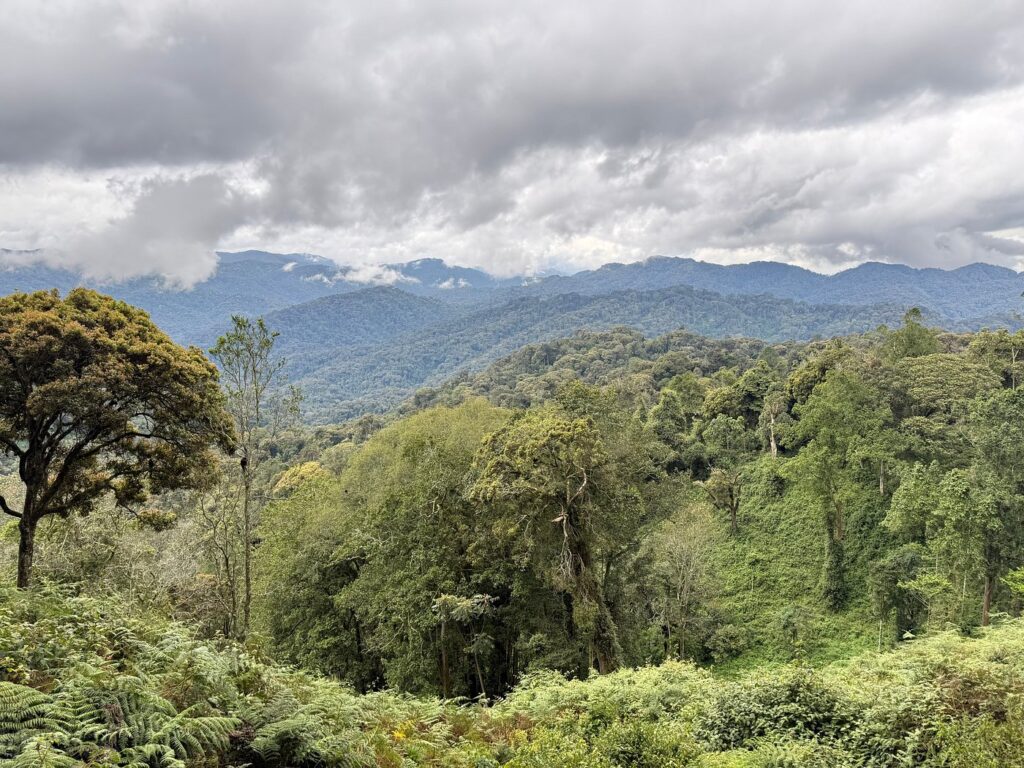
Conservation in Nyungwe National Park plays a vital role in protecting one of Africa’s oldest rainforests. This forest is rich in biodiversity. It supports many primates, birds, and plant species. At the same time, it provides water and climate balance for the region. However, such ecosystems face threats from human activity and climate change. Therefore, strong conservation efforts are necessary. In Rwanda, Nyungwe stands as a model for sustainable tourism and environmental protection.
Overview of Nyungwe National Park
Nyungwe Forest National Park

Nyungwe National Park is located in southwestern Rwanda. It covers a large area of montane rainforest. In fact, it is one of the most important conservation areas in East Africa. The park is home to over 13 species of primates. These include chimpanzees and colobus monkeys. In addition, more than 300 bird species live in this forest.
Because of its ecological importance, conservation in Nyungwe National Park focuses on protecting both wildlife and habitats. As a result, the park remains one of the best-preserved forests in the region.
Why Conservation in Nyungwe National Park Matters
Protecting Nyungwe is important for many reasons. First, the forest is a key habitat for endangered primates. Without protection, these species could decline. In addition, the forest plays a major role in water catchment. Many rivers start here and supply water across Rwanda.
Moreover, Nyungwe helps regulate the climate. Forests absorb carbon and reduce global warming effects. Because of this, conservation in Nyungwe National Park has both local and global benefits. It supports biodiversity while also protecting natural resources.
Protecting Primates in Nyungwe Forest
Primates are the main attraction in Nyungwe. Chimpanzees are the most famous. However, other species like the black-and-white colobus monkeys are also important. These animals depend on the forest for survival.
To protect them, strict rules are in place. For example, trekking is controlled and guided. Only a limited number of visitors are allowed each day. In addition, researchers monitor primate groups regularly. This helps track their health and population.
Furthermore, anti-poaching efforts are strong. Rangers patrol the park to prevent illegal hunting. As a result, conservation in Nyungwe National Park has helped maintain stable primate populations.
Forest Protection and Restoration Efforts
Protecting the forest itself is equally important. Without trees, wildlife cannot survive. Therefore, conservation programs focus on preventing deforestation. Illegal logging is strictly controlled. Park boundaries are clearly marked and monitored.
In addition, restoration projects help damaged areas recover. Trees are replanted where needed. Over time, this helps rebuild natural habitats. As a result, conservation in Nyungwe National Park ensures that the forest remains healthy for future generations.
Community Involvement in Conservation
Local communities play a key role in conservation. Without their support, protection efforts would be difficult. Therefore, Rwanda promotes community-based conservation programs.
For example, locals benefit from tourism revenue. Jobs are created in guiding, hospitality, and park services. In addition, education programs raise awareness about conservation. As people understand the value of the forest, they become more supportive.
Because of this approach, conservation in Nyungwe National Park balances environmental protection with community development.
Sustainable Tourism in Nyungwe
Tourism is carefully managed in Nyungwe. It is designed to support conservation rather than harm it. Visitor numbers are controlled. Activities are regulated to reduce impact.
For example, chimpanzee trekking follows strict guidelines. Tourists must keep distance from animals. Noise and disturbance are minimized. In addition, eco-friendly lodges are encouraged.
As a result, tourism supports conservation in Nyungwe National Park by generating income while protecting nature.
Challenges Facing Conservation in Nyungwe
Despite strong efforts, challenges still exist. Population growth increases pressure on land and resources. In addition, climate change affects rainfall patterns and ecosystems.
However, Rwanda continues to invest in conservation solutions. Policies are strengthened. Awareness campaigns are expanded. Therefore, conservation in Nyungwe National Park remains active and adaptive.
The Future of Nyungwe Conservation
Looking ahead, conservation in Nyungwe is promising. Continued investment and strong management support long-term protection. In addition, partnerships with international organizations bring new resources and knowledge.
As a result, conservation in Nyungwe National Park will continue to protect primates and forests. It also sets an example for other conservation areas in Africa.
Conclusion
Conservation in Nyungwe National Park is essential for protecting Rwanda’s natural heritage. It supports primates, forests, and local communities. Moreover, it contributes to global environmental goals. Through strong management and community involvement, Nyungwe remains a success story. Therefore, visiting the park not only offers adventure but also supports conservation efforts.
Contact Us
Universal Ventures Rwanda
Email: info@universalventuresrwanda.com
WhatsApp: +250 781441853
Plan your visit and support conservation in Nyungwe National Park through responsible tourism.