 Skip to content
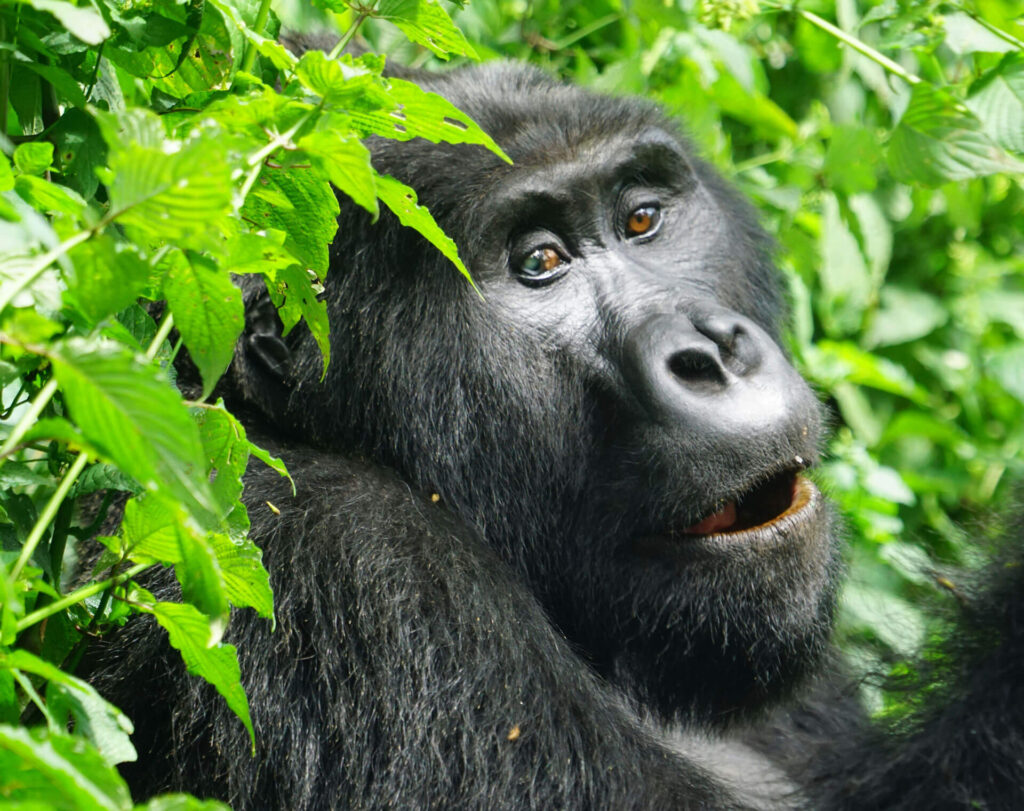
A Cross-Border Gorilla Safari Travel Itinerary connects the best gorilla destinations in Rwanda and Uganda. Both countries protect mountain gorillas, rich forests, volcanic landscapes, lakes, and welcoming communities. However, each country offers a different trekking experience.
Rwanda provides easy access to Volcanoes National Park from Kigali. Uganda offers gorilla trekking in Bwindi Impenetrable National Park and Mgahinga Gorilla National Park. Therefore, travellers can visit two countries during one well-planned safari.
A short tour may begin in Kigali and continue to southern Bwindi. Meanwhile, a longer holiday can include Volcanoes National Park, Queen Elizabeth National Park, Kibale Forest, Lake Kivu, or Akagera National Park. The final route depends on the available time, budget, permits, and preferred activities.
This guide explains how to select gorilla parks, visas, border crossings, accommodation, and transport. In addition, it provides sample itineraries for travellers who want to explore Rwanda and Uganda together.
What Is a Cross-Border Gorilla Safari?
A cross-border gorilla safari combines tourist experiences in two or more neighbouring countries. In this guide, the main route connects Rwanda and Uganda.
The safari may begin at Kigali International Airport or Entebbe International Airport. Afterwards, travellers continue by road or domestic flight to the selected gorilla park.
The most popular route connects Kigali with Volcanoes National Park, Mgahinga Gorilla National Park, and southern Bwindi. These destinations lie close to the Rwanda–Uganda border. As a result, travellers can visit them without taking another international flight.
Longer safaris can include Queen Elizabeth National Park, Kibale National Park, Lake Bunyonyi, Lake Kivu, or Akagera National Park. Therefore, a cross-border trip can combine primates, savannah wildlife, boat cruises, and cultural experiences.
Why Choose a Cross-Border Gorilla Safari Travel Itinerary?
A Cross-Border Gorilla Safari Travel Itinerary provides more flexibility than a holiday based in one country. It also allows travellers to compare different parks and landscapes.
Rwanda and Uganda share part of the mountain gorillas’ natural range. However, they have different permit prices, trekking areas, accommodation choices, and road connections.
Experience Two Different Gorilla Habitats
Rwanda’s mountain gorillas live on the slopes of the Virunga volcanoes. The landscape includes bamboo forest, montane vegetation, and steep volcanic terrain.
Bwindi has a different character. It is an ancient rainforest with deep valleys, streams, thick vegetation, and forested ridges.
Meanwhile, Mgahinga forms part of the Virunga Conservation Area. Therefore, it shares volcanic features with Rwanda’s Volcanoes National Park.
The gorillas remain wild in every destination. Nevertheless, the scenery and hiking conditions make each trek feel different.
Gain More Permit Options
Gorilla permits have limited daily availability. Popular dates can sell out several months ahead.
Combining Rwanda and Uganda provides more choices. For example, a traveller may find availability in Bwindi when Volcanoes National Park is full. Alternatively, Mgahinga may provide an option when the preferred Bwindi sector has no permits.
However, travellers should never assume that a permit is available. The operator must confirm it before the client books non-refundable flights.
Combine Gorillas With More Wildlife
A cross-border safari can include far more than gorilla trekking. Uganda offers chimpanzee trekking in Kibale National Park and game drives in Queen Elizabeth National Park.
In addition, visitors can search for tree-climbing lions in Ishasha. They can also take a boat cruise on the Kazinga Channel.
Rwanda provides golden monkey trekking, volcano hiking, Lake Kivu, and Big Five safaris in Akagera National Park. Therefore, one regional journey can cover forests, wetlands, lakes, volcanoes, and savannah.
Enjoy Convenient Road Connections
Kigali provides good road access to northern Rwanda and southwestern Uganda. Therefore, many short Uganda gorilla safaris begin in Rwanda.
The drive still requires several hours. It also includes immigration procedures at the border. However, it is often shorter than driving from Entebbe to southern Bwindi.
Travellers can also arrive in Entebbe and leave from Kigali. This route reduces repeated driving during a longer Uganda and Rwanda safari.
Gorilla Trekking Destinations in Rwanda and Uganda
Three national parks form the heart of most cross-border gorilla itineraries. These are Volcanoes National Park, Bwindi Impenetrable National Park, and Mgahinga Gorilla National Park.
Each park has unique strengths. Therefore, travellers should consider the complete safari instead of focusing only on the permit price.
Volcanoes National Park in Rwanda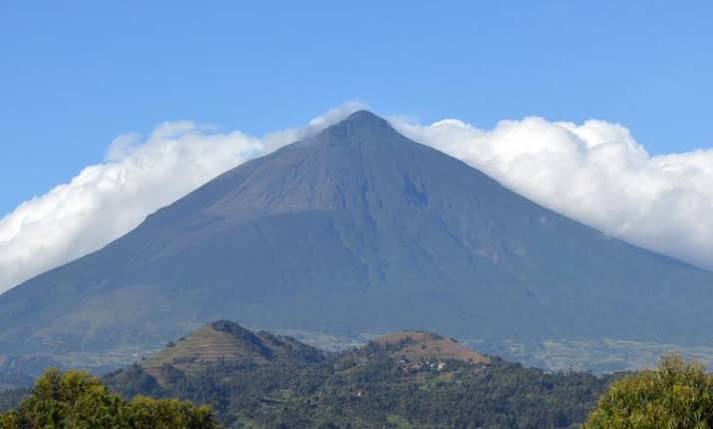
Volcanoes National Park lies in northwestern Rwanda. It protects the Rwandan slopes of Karisimbi, Bisoke, Sabyinyo, Gahinga, and Muhabura.
The park is famous for mountain gorillas and golden monkeys. In addition, it offers volcano climbing, birdwatching, and forest hikes.
Most travellers stay near Kinigi or in the nearby town of Musanze. These areas have budget guesthouses, mid-range lodges, and luxury properties.
How Gorilla Trekking Works in Rwanda
Gorilla trekking begins with an early briefing at the park headquarters in Kinigi. Visitors must arrive with their passport and permit details.
Park staff explain the rules before assigning each visitor to a gorilla family. They may consider the family’s location and the participants’ mobility.
Afterwards, visitors travel to the starting point with their ranger team. The route may cross farmland before entering bamboo or montane forest.
The trek can last from a short period to several hours. Once the group finds the gorillas, visitors receive the authorised viewing time.
Rwanda’s standard gorilla permit costs USD 1,500 per person. In addition, the minimum trekking age is 15 years. Visit Rwanda – gorilla tracking
Why Include Volcanoes National Park?
Volcanoes National Park is easy to reach from Kigali. Therefore, it works well for short holidays and premium safari packages.
The park also combines naturally with Lake Kivu and the Twin Lakes of Burera and Ruhondo. Moreover, travellers can add golden monkey trekking or a conservation experience.
However, Rwanda’s standard gorilla permit costs more than Uganda’s permit. Travellers should consider the complete package before choosing between the countries.
Bwindi Impenetrable National Park in Uganda
Bwindi lies in southwestern Uganda. It protects an ancient mountain rainforest with steep ridges, valleys, streams, and dense plants.
The park has four main gorilla trekking sectors. These are Buhoma, Ruhija, Rushaga, and Nkuringo.
Each sector has a separate briefing point. Therefore, the permit sector must match the accommodation location.
Buhoma Gorilla Trekking Sector
Buhoma lies in northern Bwindi. It was Uganda’s first established gorilla trekking sector.
The area has many accommodation choices. These range from community guesthouses to luxury forest lodges.
Buhoma also connects well with the Ishasha sector of Queen Elizabeth National Park. As a result, travellers can combine gorilla trekking with a search for tree-climbing lions.
However, Buhoma is not the closest sector to Kigali. A traveller entering Uganda from Rwanda may need a longer transfer.
Ruhija Gorilla Trekking Sector
Ruhija lies in eastern Bwindi. It has a cool, high-altitude forest setting and excellent birdlife.
The sector can be reached through Kabale and other routes in southwestern Uganda. Therefore, it can fit well with Lake Bunyonyi and the Gatuna–Katuna border.
Ruhija has fewer accommodation options than Buhoma. Nevertheless, travellers can find suitable budget, mid-range, and comfortable forest lodges.
Rushaga Gorilla Trekking Sector
Rushaga lies in southern Bwindi. It is one of the most convenient sectors for travellers starting in Kigali.
The route often crosses through Cyanika before continuing towards Kisoro and Rushaga. However, the operator should select the border according to current road and immigration conditions.
Rushaga offers several accommodation categories. In addition, it is associated with Uganda’s specialised Gorilla Habituation Experience.
Nkuringo Gorilla Trekking Sector
Nkuringo also lies in southern Bwindi. The surrounding hills provide impressive views of the forest and distant volcanoes.
The terrain can be challenging. However, the actual trekking difficulty depends on the gorillas’ location that day.
Nkuringo is convenient for routes from Kigali, Kisoro, and Lake Mutanda. It also has several comfortable lodges.
Why the Correct Bwindi Sector Matters
The four sectors appear close on a general map. However, driving between them may take several hours.
A visitor with a Rushaga permit should not stay in Buhoma before trekking. Similarly, someone holding a Ruhija permit needs accommodation near Ruhija.
Therefore, travellers should never book a Bwindi lodge before confirming the permit sector. This simple step prevents long morning transfers and missed briefings.
Mgahinga Gorilla National Park in Uganda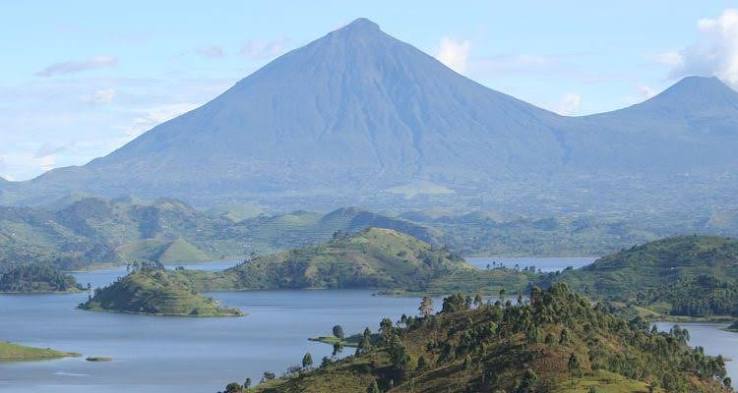
Mgahinga lies near Kisoro and the Cyanika border. It forms part of the Virunga Conservation Area.
The park protects mountain gorillas, golden monkeys, forest birds, bamboo vegetation, and volcanic peaks. Therefore, it works well for travellers who enjoy both primates and hiking.
Mgahinga has fewer daily gorilla permits than Bwindi. As a result, early confirmation remains important.
The park’s location makes it convenient for a short cross-border journey from Kigali. Visitors can also combine it with Lake Mutanda, Kisoro, or southern Bwindi.
Rwanda Versus Uganda Gorilla Trekking
Choosing between Rwanda and Uganda can feel difficult. However, both countries offer well-managed mountain gorilla encounters.
The best choice depends on the traveller’s budget, route, time, and wider safari interests.
Comparing Gorilla Permit Prices
Rwanda’s standard gorilla trekking permit costs USD 1,500 per person. Meanwhile, Uganda’s standard foreign non-resident permit costs USD 800 per person.
Therefore, Uganda is often more affordable for budget and mid-range travellers. However, the total cost also includes transport, accommodation, meals, visas, and guide services.
A shorter Rwanda itinerary may require fewer hotel nights and less driving. Consequently, travellers should compare complete packages rather than permit prices alone.
Comparing Travel Time
Volcanoes National Park is only a few hours from Kigali. This makes it convenient for visitors with limited time.
The road journey from Entebbe to Bwindi normally takes most of the day. In contrast, southern Bwindi and Mgahinga are easier to reach from Kigali.
Domestic flights can shorten the journey from Entebbe. However, they add cost and impose luggage limits.
Comparing Trekking Conditions
Every gorilla trek is different. Gorillas move freely, so no one can predict their exact location.
Bwindi may involve thick vegetation, steep ridges, streams, and muddy valleys. Volcanoes National Park may involve bamboo forest and volcanic slopes. Meanwhile, Mgahinga combines bamboo vegetation with mountain terrain.
Rain can make any route more difficult. Therefore, travellers need strong boots, a rain jacket, gloves, and a porter.
Comparing Accommodation
Volcanoes National Park has several premium lodges. It also has affordable guesthouses and mid-range properties around Musanze.
Bwindi offers many accommodation choices across its four sectors. However, the traveller must select a property near the correct briefing point.
Mgahinga visitors can stay near the park or around Kisoro. Again, location remains more important than a small difference in room price.
Comparing Additional Activities
Bwindi combines well with Queen Elizabeth National Park, Lake Bunyonyi, Kibale Forest, and Mgahinga.
Volcanoes National Park connects easily with Kigali, Lake Kivu, the Twin Lakes, and Akagera National Park.
Therefore, the wider itinerary may decide which gorilla destination offers the best value.
Visas for a Cross-Border Gorilla Safari
Visa rules depend on nationality, passport, route, and first point of entry. They can also change.
Therefore, travellers should check official immigration information before departure. They should avoid relying on old blogs or unofficial visa companies.
East Africa Tourist Visa
The East Africa Tourist Visa covers Rwanda, Uganda, and Kenya. It allows eligible tourists to travel between the three countries.
The visa costs USD 100 and remains valid for 90 days. It permits multiple entries while the visitor stays inside the participating regional area. Uganda Immigration – East Africa Tourist Visa
Travellers must apply through their first country of entry. For example, a visitor landing first in Kigali should use Rwanda’s application process.
Likewise, someone arriving first in Entebbe should apply through Uganda. Rwanda’s immigration authority also confirms the visa’s 90-day validity and regional multiple-entry use. Rwanda Immigration – special visa arrangements
However, the visa does not cover Tanzania, Burundi, or the Democratic Republic of the Congo. Leaving the participating area may end its validity.
Separate Rwanda and Uganda Visas
Some travellers may prefer or require separate national visas. This depends on nationality and the planned route.
Uganda asks visa-prone travellers to apply online and obtain approval before travel. Therefore, they should not expect to receive a visa at the land border. Uganda Immigration visa guidance
Rwanda’s entry rules vary by nationality. Some visitors qualify for visa-free entry or a visa on arrival. Others should apply before travel.
For that reason, every visitor should check the official government requirements for their passport.
Passport and Travel Documents
The passport should normally remain valid for at least six months. It must also have enough blank pages for immigration stamps.
The name on the gorilla permit, visa, flight booking, and passport should match. Even a small error may cause delays.
Travellers should carry printed and digital copies of their passport page, visa approval, insurance, flight schedule, and permit confirmation. However, they must still present the original passport at immigration.
Rwanda–Uganda Border Crossings
Several authorised borders connect Rwanda and Uganda. The best crossing depends on the trekking sector, lodge, and wider itinerary.
Cyanika Border Crossing
Cyanika connects northern Rwanda with Uganda’s Kisoro area. Therefore, it is useful for Mgahinga, Rushaga, Nkuringo, and Lake Mutanda.
It also works well for travellers coming from Volcanoes National Park. After crossing, they can continue towards Kisoro or southern Bwindi.
However, immigration time and road conditions can affect the journey. The itinerary should include enough time for delays.
Gatuna–Katuna Border Crossing
Gatuna–Katuna connects Rwanda with the Kabale route. It is often useful for Lake Bunyonyi, Ruhija, and journeys continuing farther into Uganda.
Travellers can also use it for some Kigali-to-Bwindi routes. However, the final choice depends on the assigned sector.
Kagitumba–Mirama Hills Border Crossing
This crossing lies farther east. Therefore, it is more suitable for routes involving Akagera, Lake Mburo, or central Uganda.
It is generally less convenient for a direct transfer from Kigali to southern Bwindi.
Choosing the Best Border Route
The closest border on a map may not provide the fastest journey. Road quality, lodge location, immigration operations, and planned stops all matter.
Therefore, the operator should confirm the route shortly before travel. This approach provides more flexibility if conditions change.
What Happens at the Border?
The driver-guide stops at the authorised border and explains the process. Travellers first complete exit procedures for one country. Afterwards, they complete entry procedures for the next.
Visitors need their passport and visa documents. Immigration officers may also request accommodation details or an onward itinerary.
The vehicle may undergo routine checks. Therefore, luggage should remain organised and easy to identify.
Processing times vary. For this reason, travellers should not schedule a gorilla trek or international flight immediately after a border crossing.
Planning Gorilla Permits in Two Countries
A Rwanda gorilla permit cannot be used in Uganda. Likewise, a Uganda permit cannot be used in Rwanda.
Travellers who want two treks need two separate permits. Each permit covers one visitor, one date, and one park.
In Uganda, the permit also confirms the trekking sector. Therefore, visitors should review every detail before making payment.
Important details include the traveller’s name, passport number, nationality, trekking date, park, sector, price, and payment conditions.
When Should Travellers Book Gorilla Permits?
June, July, August, September, December, and January often receive high demand. Therefore, travellers should book several months ahead.
Booking six to twelve months early provides more choice. However, last-minute permits may sometimes become available.
Flexible travel dates improve the chance of success. In addition, considering both Rwanda and Uganda creates more options.
Best Time for a Cross-Border Gorilla Safari
Gorilla trekking operates throughout the year. Mountain gorillas do not migrate away from the protected forests.
However, rainfall affects trails, road conditions, visibility, and comfort.
June to September
These months generally receive less rain. Therefore, forest trails may be easier to walk.
They also provide good conditions for savannah safaris in Queen Elizabeth and Akagera national parks.
However, demand is high. Travellers should secure permits and accommodation early.
December to February
December, January, and February form another popular travel period. The weather often suits trekking, game drives, and photography.
Christmas and New Year can be busy. In addition, some lodges charge festive supplements.
March to May
These months usually receive more rain. As a result, trails may become muddy and transfers can take longer.
Nevertheless, the forests look green and waterfalls become stronger. Visitor numbers may also be lower.
Travellers need waterproof boots, gaiters, gloves, and rain protection.
October and November
October and November bring another wetter period. However, these months can provide rich green scenery and rewarding birdwatching.
Lodges may also feel quieter. Therefore, this season can suit flexible travellers who do not mind rain.
Three-Day Cross-Border Gorilla Safari Travel Itinerary
A three-day Cross-Border Gorilla Safari Travel Itinerary works well for travellers beginning and ending in Kigali. It includes one Uganda gorilla trek.
Day 1: Kigali to Bwindi Impenetrable National Park
Meet the driver-guide in Kigali and travel towards the selected border. Complete immigration procedures before continuing into Uganda.
Drive through the hills towards a lodge near Rushaga or Nkuringo. After check-in, prepare the trekking equipment and enjoy dinner.
Day 2: Gorilla Trekking in Bwindi
Eat an early breakfast and travel to the correct park headquarters. Attend the briefing before entering Bwindi with the ranger team.
The walk may take several hours. However, visitors can rest when needed and follow the guide’s pace.
After finding the gorilla family, spend the authorised observation time nearby. Afterwards, return to the lodge for a late lunch and rest.
Day 3: Bwindi to Kigali
Leave Bwindi after breakfast and travel back towards Rwanda. Complete border formalities before continuing to Kigali.
Depending on the schedule, stop for lunch, a viewpoint, or craft shopping. Finally, transfer to the hotel or Kigali International Airport.
Four-Day Rwanda and Uganda Gorilla Safari
Day 1: Kigali to Volcanoes National Park
Meet the guide in Kigali and visit the Kigali Genocide Memorial when time allows. Afterwards, travel north to Volcanoes National Park.
Check into the lodge and prepare for the next day’s activities.
Day 2: Golden Monkeys and Uganda Transfer
Attend the morning briefing before tracking golden monkeys in the bamboo forest.
Afterwards, travel towards the border and continue into Uganda. Arrive at the Bwindi or Mgahinga lodge before dinner.
Day 3: Uganda Gorilla Trekking
Complete registration and the morning briefing. Then enter the forest with professional rangers and trackers.
After the gorilla encounter, return to the lodge. A short community experience may be included if time and energy allow.
Day 4: Return to Kigali
Cross back into Rwanda after breakfast. Continue to Kigali with a possible lunch or shopping stop.
Finally, transfer to the airport or city hotel.
Five-Day Double Gorilla Trekking Itinerary
This route includes one gorilla trek in Rwanda and another in Uganda.
Day 1: Kigali Arrival and Volcanoes Transfer
Meet the guide at Kigali International Airport. Depending on the arrival time, complete a short city visit before travelling to Volcanoes National Park.
Day 2: Rwanda Gorilla Trekking
Attend the Kinigi briefing and enter the forest with the assigned team. Once the family is found, enjoy the authorised viewing time.
Afterwards, return to the lodge for lunch and rest.
Day 3: Volcanoes National Park to Bwindi
Leave Rwanda and complete immigration formalities at the selected border. Continue to the lodge near the correct Bwindi sector.
Use the afternoon to rest and prepare for the second trek.
Day 4: Uganda Gorilla Trekking
Enter Bwindi with rangers and trackers. After locating the gorillas, observe the family while following all park rules.
Return to the lodge and spend the final evening in Uganda.
Day 5: Bwindi to Kigali
Travel back across the border and continue to Kigali. Finally, transfer to the airport or city hotel.
Seven-Day Cross-Border Gorilla Safari Travel Itinerary
A seven-day Cross-Border Gorilla Safari Travel Itinerary gives travellers enough time to combine gorillas with wildlife and cultural experiences. It also reduces the need to rush between parks.
This route begins in Entebbe and finishes in Kigali. Therefore, travellers do not need to repeat the long road journey across Uganda.
Day 1: Arrival at Entebbe International Airport
Meet your driver-guide at Entebbe International Airport. Afterwards, transfer to a nearby hotel for rest.
Travellers who arrive early may visit the Entebbe Botanical Gardens or Lake Victoria. However, a quiet first day is often better after a long flight.
Before departure, the guide will review the itinerary, permits, luggage, and border documents.
Day 2: Entebbe to Queen Elizabeth National Park
Leave Entebbe after an early breakfast. Then travel west towards Queen Elizabeth National Park.
The journey passes towns, farms, tea plantations, and green hills. Although it is a long transfer, the changing scenery keeps it interesting.
After arrival, check into the lodge. If time permits, enjoy a short evening game drive.
Possible sightings include elephants, buffaloes, Uganda kobs, waterbucks, warthogs, baboons, and birds. Lions or leopards may also appear. However, wildlife sightings depend on natural movements.
Day 3: Game Drive and Kazinga Channel Boat Cruise
Begin with an early game drive. Morning temperatures are cooler, so many animals become more active.
Search for lions, elephants, buffaloes, antelopes, warthogs, and other wildlife. In addition, the guide will help identify birds and smaller animals.
After lunch, join a boat cruise on the Kazinga Channel. This natural channel connects Lake George and Lake Edward.
During the cruise, look for hippos, crocodiles, waterbirds, and mammals along the banks. Afterwards, return to the lodge for dinner.
Day 4: Queen Elizabeth National Park to Bwindi
Leave Queen Elizabeth National Park and travel through Ishasha. The area is famous for lions that sometimes rest in fig trees.
Continue towards Bwindi Impenetrable National Park. Roads near the forest may be steep or rough. Therefore, the transfer can take several hours.
Check into a lodge near the sector shown on the gorilla permit. Later, prepare boots, gloves, gaiters, rainwear, water, and camera equipment.
Day 5: Gorilla Trekking in Bwindi
Eat an early breakfast and travel to the park briefing point. Carry your passport and permit confirmation.
After the briefing, enter Bwindi with professional rangers and trackers. The trek may take a few hours or most of the day.
Once the group finds the gorillas, visitors receive the authorised observation period. Afterwards, return to the lodge for lunch, rest, and dinner.
Day 6: Bwindi to Volcanoes National Park
Leave Bwindi after breakfast and travel towards the Rwanda–Uganda border. First, complete Uganda’s exit process. Then complete Rwanda’s entry procedures.
Continue towards Volcanoes National Park. If time allows, visit the Twin Lakes of Burera and Ruhondo.
Alternatively, travel directly to the lodge and relax before the following morning’s activity.
Day 7: Golden Monkey Trekking and Kigali
Attend the early briefing at Volcanoes National Park. Afterwards, enter the bamboo forest to track golden monkeys.
The monkeys move quickly through the vegetation. Therefore, the trek provides a lively final wildlife experience.
After the activity, collect the luggage and drive to Kigali. Depending on the flight time, stop for lunch or craft shopping before the airport transfer.
Eight-Day Rwanda and Uganda Gorilla Safari
An eight-day safari allows travellers to complete one gorilla trek in each country. It also provides time for Lake Bunyonyi, golden monkeys, and Kigali.
This route begins and ends in Kigali. Therefore, it suits visitors using Kigali International Airport.
Day 1: Arrival in Kigali
Meet the driver-guide at Kigali International Airport and transfer to the hotel.
If the flight arrives early, enjoy a short city orientation or visit a local art centre. Otherwise, use the evening to rest.
Day 2: Kigali City Tour and Volcanoes National Park
Begin with a respectful visit to the Kigali Genocide Memorial. Afterwards, explore selected cultural or historical attractions.
Later, travel north towards Volcanoes National Park. The road passes towns, farms, and Rwanda’s green hills.
Check into a lodge near Musanze or Kinigi.
Day 3: Gorilla Trekking in Rwanda
Travel to the Volcanoes National Park headquarters for registration and briefing.
Park staff will assign visitors to a gorilla family. They may consider the family’s location and the group’s mobility.
Next, travel to the trailhead and enter the forest with rangers and trackers. After finding the gorillas, enjoy the authorised observation period.
Return to the lodge for lunch and rest. If time allows, add a conservation visit or another gentle activity.
Day 4: Golden Monkeys and Transfer to Uganda
Begin with golden monkey trekking in Volcanoes National Park. The trek normally takes place in the bamboo forest.
Afterwards, travel towards the Cyanika border. Complete immigration procedures before continuing into Uganda.
The final transfer depends on the selected gorilla park and lodge. Therefore, the driver may continue towards Kisoro, Mgahinga, Rushaga, or Nkuringo.
Day 5: Gorilla Trekking in Uganda
Attend the morning briefing at the correct park headquarters. Then enter the forest with rangers and trackers.
Conditions may include mud, streams, roots, and steep slopes. Therefore, hiring a porter is strongly recommended.
Once the group finds the gorillas, observe them during the authorised period. Afterwards, return to the lodge and rest.
Day 6: Bwindi to Lake Bunyonyi
Leave Bwindi and travel towards Lake Bunyonyi. The lake is surrounded by terraced hills and rural communities.
Visitors can enjoy a canoe trip, boat excursion, birdwatching, or a relaxed afternoon. As a result, Lake Bunyonyi provides a good recovery stop after two gorilla treks.
Day 7: Lake Bunyonyi to Kigali
Travel towards the Gatuna–Katuna border. Complete immigration procedures before continuing into Rwanda.
Arrive in Kigali later in the day. Depending on the schedule, visit a market, art centre, or craft shop.
Day 8: Kigali and Departure
Enjoy breakfast at the hotel. Afterwards, complete a final city activity or relax before departure.
Finally, transfer to Kigali International Airport.
Ten-Day Cross-Border Gorilla Safari Travel Itinerary
A ten-day Cross-Border Gorilla Safari Travel Itinerary can include gorillas, golden monkeys, chimpanzees, game drives, and boat cruises. Therefore, it suits travellers who want a complete primate and wildlife holiday.
This route begins in Kigali and finishes in Entebbe.
Day 1: Arrival in Kigali
Meet the driver-guide at Kigali International Airport. Then transfer to the hotel.
The guide will explain the route and review the border and permit details.
Day 2: Kigali to Volcanoes National Park
Visit the Kigali Genocide Memorial and selected city attractions. Afterwards, travel north to Volcanoes National Park.
Check into the lodge and prepare for an early start.
Day 3: Gorilla Trekking in Rwanda
Attend the morning briefing at Kinigi. Next, enter Volcanoes National Park with the assigned ranger team.
The trek may be short or long. However, every group receives the standard authorised observation time after finding the gorillas.
Return to the lodge after the activity. Then rest and enjoy the final evening in Rwanda’s volcanic region.
Day 4: Golden Monkeys and Uganda Transfer
Track golden monkeys in the bamboo forest during the morning. Afterwards, travel towards the border.
Complete immigration procedures and continue to Mgahinga or southern Bwindi. The lodge location must match the following day’s trekking permit.
Day 5: Gorilla Trekking in Uganda
Attend the morning briefing before entering Bwindi or Mgahinga. A porter can carry water, lunch, rainwear, and camera equipment.
After finding the assigned family, enjoy the permitted viewing period. Then return to the lodge.
This second trek allows visitors to compare the forests, landscapes, and gorilla families in Rwanda and Uganda.
Day 6: Bwindi to Queen Elizabeth National Park
Travel north towards Queen Elizabeth National Park. If the route passes through Ishasha, enjoy a game drive in search of tree-climbing lions.
Continue to the lodge for dinner and overnight.
Day 7: Queen Elizabeth Game Drive and Boat Cruise
Begin with an early game drive. Search for elephants, buffaloes, lions, Uganda kobs, waterbucks, warthogs, and birds.
After lunch, join a boat cruise on the Kazinga Channel. Hippos, crocodiles, waterbirds, and other animals often gather near the water.
Return to the lodge later in the day.
Day 8: Queen Elizabeth to Kibale National Park
Travel towards Kibale National Park. The road passes crater lakes, farms, towns, and tea plantations.
In the afternoon, visit Bigodi Wetland Sanctuary or complete a community walk.
These experiences support local livelihoods. Moreover, they introduce travellers to birds, monkeys, plants, and village life.
Day 9: Chimpanzee Trekking in Kibale
Attend the briefing at the assigned chimpanzee tracking point. Then enter the forest with an authorised guide.
Chimpanzees move quickly and may remain high in the trees. Therefore, the experience differs greatly from gorilla trekking.
Afterwards, return to the lodge. Use the afternoon for rest or a gentle nature activity.
Day 10: Kibale to Entebbe
Leave Kibale and travel towards Entebbe. Depending on the flight schedule, stop for lunch or craft shopping.
Finally, transfer to Entebbe International Airport.
Twelve-Day Rwanda and Uganda Primate Safari
A twelve-day itinerary provides more time for wildlife, primates, lakes, and cultural experiences. It also reduces the number of rushed transfers.
Days 1 and 2: Kigali and Akagera National Park
Arrive in Kigali and transfer to the hotel. The following morning, travel to Akagera National Park.
Enjoy a game drive and Lake Ihema boat safari. Possible sightings include lions, rhinoceroses, elephants, buffaloes, giraffes, zebras, hippos, crocodiles, and birds.
Stay overnight inside or near Akagera.
Day 3: Akagera to Kigali
Complete another morning game drive. Afterwards, return to Kigali.
Use the afternoon for rest or a city experience.
Day 4: Kigali to Volcanoes National Park
Visit the Kigali Genocide Memorial before travelling to Volcanoes National Park.
Depending on the arrival time, visit the Twin Lakes, Ellen DeGeneres Campus, or a cultural centre.
Day 5: Rwanda Gorilla Trekking
Complete an early briefing and enter Volcanoes National Park. After locating the gorillas, enjoy the authorised observation time.
Return to the lodge for lunch and rest.
Day 6: Golden Monkeys and Lake Kivu
Track golden monkeys in the morning. Afterwards, travel towards Lake Kivu.
Enjoy a boat excursion, coffee experience, or relaxed lakeside afternoon.
Day 7: Lake Kivu to Bwindi
Travel towards the Rwanda–Uganda border. Complete immigration procedures before continuing to Bwindi.
Check into a lodge near the correct trekking sector.
Day 8: Uganda Gorilla Trekking
Enter Bwindi with rangers and trackers. The walk may include steep or muddy sections.
Once the gorilla family is located, enjoy the authorised viewing period. Afterwards, return to the lodge and rest.
Day 9: Bwindi to Queen Elizabeth National Park
Travel through Ishasha and search for tree-climbing lions. Then continue to the lodge.
Day 10: Game Drive and Kazinga Channel
Begin with a morning game drive. Afterwards, enjoy a boat cruise on the Kazinga Channel.
Spend another night near Queen Elizabeth National Park.
Day 11: Queen Elizabeth to Kibale
Travel to Kibale National Park. Later, enjoy a wetland or community experience.
Day 12: Chimpanzees and Entebbe
Track chimpanzees during the morning. Afterwards, travel to Entebbe.
However, travellers with an early flight should add another night in Entebbe. This prevents a missed departure if the road transfer takes longer than expected.
Choosing the Best Starting Airport
The airport affects the route, travel time, and total safari cost. Kigali and Entebbe both provide good options.
Starting a Cross-Border Gorilla Safari in Kigali
Kigali is convenient for short tours to Volcanoes National Park, Mgahinga, Rushaga, and Nkuringo.
The road journey to southern Uganda still takes several hours. However, it is often shorter than travelling from Entebbe.
A Kigali start also works well for travellers who want to include Akagera, Lake Kivu, or the Twin Lakes.
Starting in Entebbe
Entebbe is better for longer Uganda safaris. It connects naturally with Lake Mburo, Queen Elizabeth, Kibale, and Murchison Falls.
The drive from Entebbe to Bwindi takes most of the day. Therefore, many itineraries include another national park along the route.
Visitors can also use a domestic flight. However, this option increases the cost.
Arriving in One Country and Leaving From Another
An open-jaw flight arrangement can save time. For example, travellers may arrive in Entebbe and leave from Kigali.
This route avoids returning across Uganda after the safari reaches Rwanda. Therefore, it leaves more time for activities.
The opposite direction also works. Travellers can arrive in Kigali, explore Rwanda and Uganda, and depart through Entebbe.
Before booking, compare flight prices and visa requirements.
Road Transfers Versus Domestic Flights
Private Road Transfers
Road travel allows visitors to see farms, towns, lakes, forests, and mountain landscapes. It also permits flexible stops.
A private vehicle offers more control over the pace. In addition, couples and groups can share the transport cost.
However, some journeys take most of the day. Therefore, the itinerary should include enough rest.
Domestic Flights
Domestic flights can connect Entebbe with airstrips in southwestern Uganda. They save time, especially on a luxury or short safari.
However, they have luggage limits. Travellers still need a road transfer between the airstrip and lodge.
Weather or operational changes may also affect flight times. Therefore, avoid tight international connections.
Cross-Border Safari Travel Times
Driving times remain estimates. Traffic, rain, roadworks, border procedures, and meal stops can all cause delays.
The drive from Kigali to Volcanoes National Park usually takes a few hours. Meanwhile, the journey to southern Bwindi takes longer because it includes immigration and rural roads.
Bwindi to Queen Elizabeth National Park can also take most of the day. This is especially true when the itinerary includes an Ishasha game drive.
Therefore, travellers should not place an international flight directly after a long cross-border transfer.
Choosing a Cross-Border Safari Vehicle
A reliable four-wheel-drive vehicle is important. The route may include paved highways, steep roads, mud, and national park tracks.
The vehicle must carry valid cross-border documents and suitable insurance. In addition, it should provide enough room for passengers and luggage.
A pop-up roof improves wildlife viewing in Akagera and Queen Elizabeth national parks. Meanwhile, air conditioning can make long highway transfers more comfortable.
However, an open roof usually provides better views during game drives.
Budget Cross-Border Gorilla Safari
A budget safari usually includes simple accommodation, road transportation, meals, essential guide services, and one Uganda gorilla permit.
Starting from Kigali can reduce the number of travel days. Moreover, sharing a vehicle lowers the transport cost per person.
Budget accommodation should still be clean and safe. Most importantly, it must be near the correct park sector.
Mid-Range Cross-Border Gorilla Safari
Mid-range packages usually include private transport, comfortable lodges, full-board meals near the parks, and professional guiding.
This level provides a good balance between price and comfort. Therefore, it suits couples, families, photographers, and small groups.
Rooms often have private bathrooms, hot water, comfortable beds, and prepared trekking lunches.
Luxury Cross-Border Gorilla Safari
A luxury safari may include premium forest lodges, domestic flights, private vehicles, fine dining, and personalised services.
Luxury accommodation does not provide more viewing time with the gorillas. However, it improves comfort before and after the trek.
Some premium lodges also support local employment, farming, reforestation, and conservation projects.
Accommodation Near Volcanoes National Park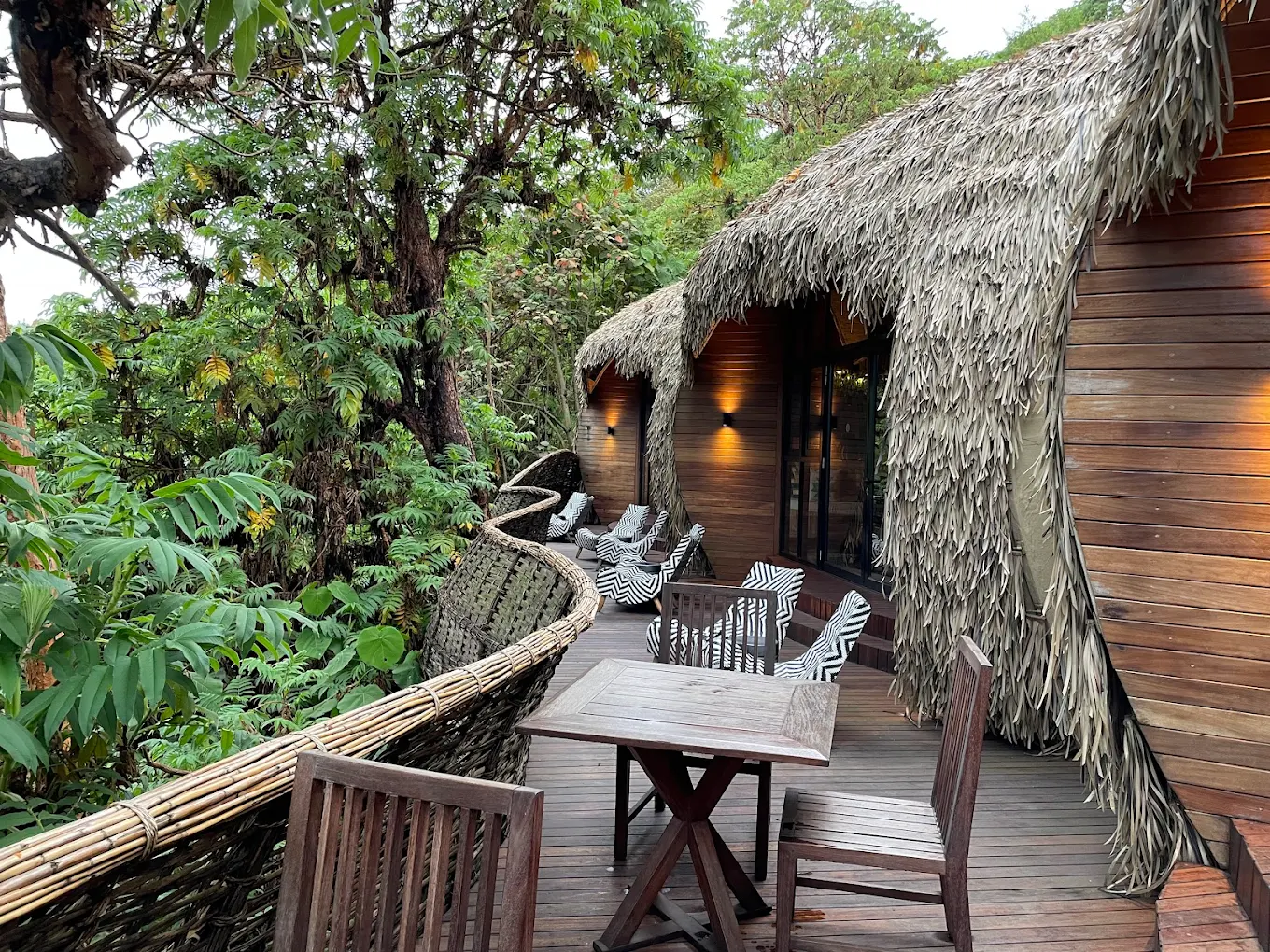
The Volcanoes region has accommodation for different budgets. Travellers can stay in Musanze, Kinigi, or closer to the forest.
Possible mid-range and upscale choices include Ingagi Park View Lodge, Five Volcanoes Boutique Hotel, Tiloreza Volcanoes Ecolodge, and Mountain Gorilla View Lodge.
Luxury options include One&Only Gorilla’s Nest and Singita Kwitonda Lodge.
However, availability and prices change. Therefore, confirm the property together with the gorilla permit.
Accommodation in Rushaga and Nkuringo
Rushaga and Nkuringo are convenient for visitors entering Uganda from Rwanda.
Rushaga offers budget camps, mid-range lodges, and comfortable forest properties. Ichumbi Gorilla Lodge is one established option in the area.
Nkuringo also provides good accommodation and wide views of the surrounding hills.
Before booking, confirm the exact drive from the lodge to the assigned briefing point.
Accommodation in Buhoma and Ruhija
Buhoma has a broad range of lodges and combines well with Ishasha. Ruhija provides a quieter high-altitude setting and excellent birdwatching.
However, neither sector is suitable for every cross-border route. The permit sector must guide the accommodation choice.
Meals During the Safari
Lodges near the gorilla parks often provide full board. This normally includes breakfast, lunch, and dinner.
On trekking day, the lodge prepares a packed lunch. Therefore, travellers should share dietary needs before arrival.
Vegetarian, vegan, allergy-aware, kosher-style, or other meals may require early planning. Remote lodges need time to obtain suitable ingredients.
Preparing for a Cross-Border Gorilla Safari
A successful Cross-Border Gorilla Safari Travel Itinerary needs careful preparation. Travellers must coordinate permits, visas, accommodation, border transfers, and trekking equipment.
First, confirm the gorilla permits. These permits have limited availability and apply to a specific date and park. In Uganda, each Bwindi permit also relates to a particular trekking sector.
Next, book accommodation near the correct briefing point. Afterwards, arrange transportation, visas, international flights, and optional activities.
Before travelling, check every permit carefully. The traveller’s name, passport number, date, country, park, and sector must be correct.
Travel Documents for a Cross-Border Gorilla Safari
Travellers need their original passport throughout the journey. Immigration officers will check it at the border. In addition, park officials may request it during gorilla trekking registration.
The passport details must match the visa and permit information. Travellers using resident or East African rates may need extra proof of status.
Useful documents include the passport, visa approval, gorilla permit confirmation, travel insurance, flight schedule, and accommodation details.
Keep printed copies in a secure place. Moreover, save digital copies where they remain available without internet access.
Passport Validity and Blank Pages
The passport should normally remain valid for at least six months. It must also contain enough blank pages for immigration stamps.
Travellers should check the passport’s condition before booking. A damaged document may cause delays at the airport or land border.
Families travelling with children should also confirm any additional document requirements. These may depend on nationality and family circumstances.
Using the East Africa Tourist Visa
The East Africa Tourist Visa covers Rwanda, Uganda, and Kenya. Therefore, it can simplify a multi-country safari.
The visa costs USD 100 and remains valid for 90 days. It allows multiple movements between the three participating countries while the visitor stays within the regional area.
Travellers must apply through their first country of entry. For example, someone landing first in Kigali should follow Rwanda’s process. Meanwhile, a traveller arriving first in Entebbe should apply through Uganda.
The joint visa does not cover Tanzania, Burundi, or the Democratic Republic of the Congo. Therefore, leaving Rwanda, Uganda, and Kenya may affect its validity.
Immigration rules can change. For this reason, travellers should confirm the latest requirements through official government websites.
Health Documents and Travel Preparation
Health-entry requirements depend on nationality, route, and recent travel history. Immigration officers may request a yellow fever vaccination certificate.
Therefore, visitors should consult a qualified travel-health professional before departure. The discussion can cover vaccinations, malaria prevention, personal medication, and remote travel.
Prescription medicine should remain in its original packaging. In addition, travellers should carry enough for the full journey and possible delays.
Anyone with symptoms of a contagious illness must report them before gorilla trekking. Gorillas can catch some human infections. Therefore, protecting their health remains essential.
Travel Insurance for Rwanda and Uganda
Comprehensive travel insurance is important for a cross-border safari. The policy should cover both Rwanda and Uganda.
Suitable insurance may cover medical treatment, evacuation, cancellation, delays, and lost luggage. It should also include gorilla trekking and other planned activities.
However, policies differ. Travellers should read the conditions and check for exclusions linked to hiking, altitude, or pre-existing medical needs.
Keep a copy of the policy during the safari. Furthermore, know how to contact the insurance provider in an emergency.
What Happens on Gorilla Trekking Day?
Gorilla trekking begins early. Visitors usually eat breakfast before travelling to the park headquarters.
They should carry their passport, permit confirmation, packed lunch, water, rainwear, gloves, and camera. The lodge can normally prepare lunch when requested in advance.
During the briefing, park staff explain forest safety and gorilla-viewing rules. Afterwards, visitors join an assigned ranger and tracking team.
The trek begins from the briefing point or a nearby trailhead. Its length depends on the location of the gorillas.
Gorilla Trekking in Volcanoes National Park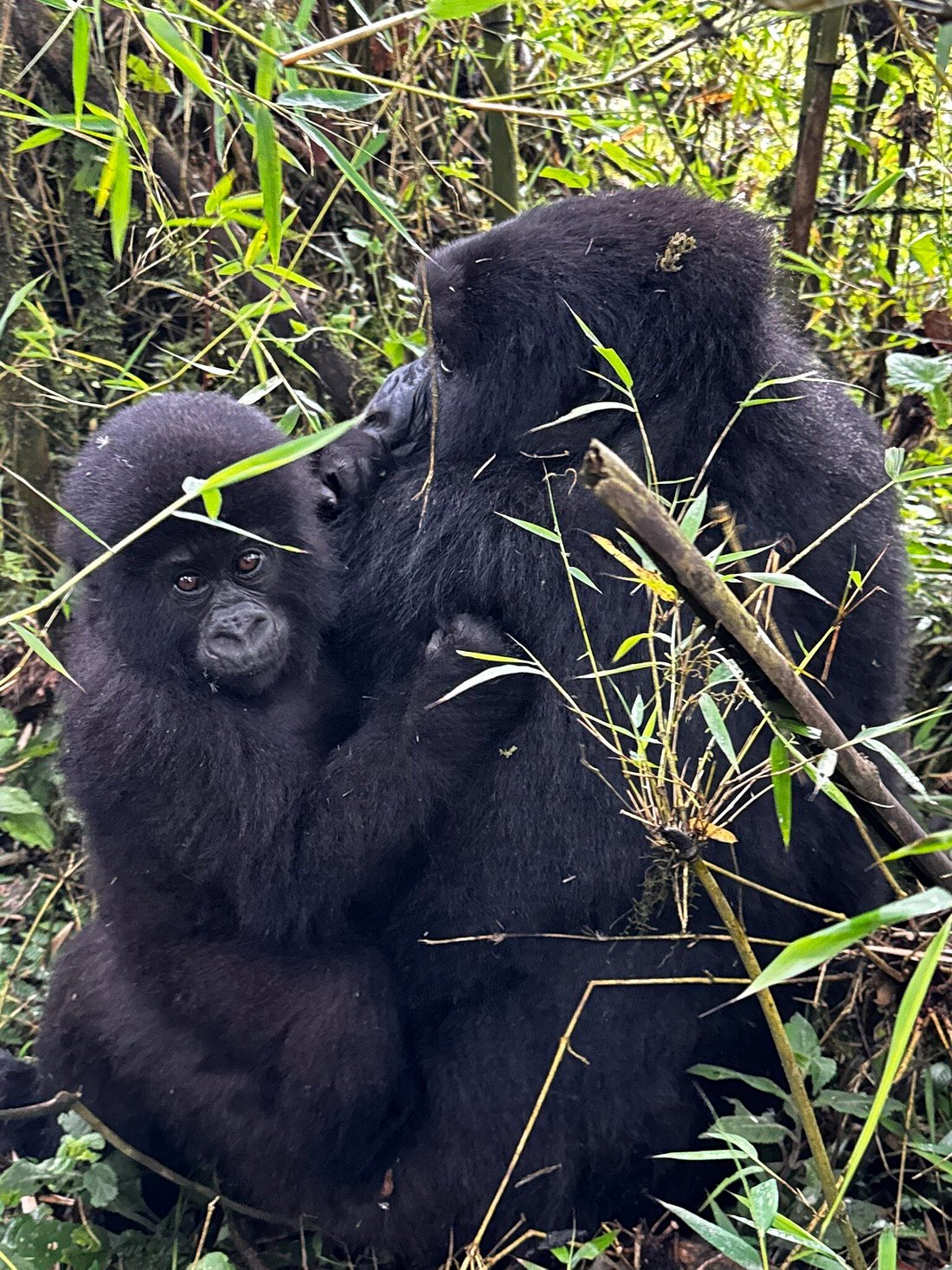
Rwanda’s gorilla trekking day begins at the park headquarters in Kinigi. Visitors complete registration before the morning briefing.
Park staff then assign each visitor to a gorilla family. Afterwards, groups travel to their starting points.
The route may cross farmland before entering bamboo and montane forest. Conditions can include mud, roots, stinging plants, and steep volcanic slopes.
Trackers help the ranger team locate the assigned family. Once the group reaches the gorillas, visitors follow the ranger’s instructions.
After the permitted observation period, the group leaves the gorillas. Visitors then walk back to the trailhead and meet their driver-guide.
Gorilla Trekking in Bwindi Impenetrable National Park
Bwindi trekking begins in the sector shown on the permit. Buhoma, Ruhija, Rushaga, and Nkuringo have separate briefing points.
The forest contains steep ridges, deep valleys, streams, and dense vegetation. Therefore, conditions can change greatly between sectors and seasons.
Trackers may enter the forest before the visitors. They then share information with the ranger team.
After the gorilla encounter, the return journey may still take several hours. Therefore, visitors should save enough water and food for the walk back.
Gorilla Trekking in Mgahinga National Park
Mgahinga lies within Uganda’s part of the Virunga Mountains. It offers bamboo forest, mountain scenery, gorillas, and golden monkeys.
The park is convenient for travellers crossing through Cyanika. However, it has fewer daily gorilla permits than Bwindi.
Trekking starts with registration and a briefing. Afterwards, rangers lead the group into the forest.
The terrain depends on the gorillas’ location. Therefore, visitors should prepare for changing weather and uneven paths.
How Long Does Gorilla Trekking Take?
A gorilla trek may take a few hours or most of the day. No guide can predict the exact length because the animals move freely.
Some families remain close to the starting point. Others travel deeper into the forest or higher on the mountains.
Weather, terrain, and the group’s walking speed also affect the duration. Therefore, travellers should keep the rest of the trekking day flexible.
A short trek does not reduce the authorised observation period. Likewise, a longer walk does not provide extra time with the gorillas.
Fitness for Gorilla Trekking
Visitors do not need to be professional athletes. However, they should have reasonable mobility and endurance.
Regular walking before the safari can help. For example, travellers can practise on hills, stairs, and natural paths.
During the trek, the group should keep a steady pace. Visitors can ask the guide for a short rest when necessary.
Travellers with mobility concerns should discuss them before booking. The operator can then suggest suitable support and a realistic itinerary.
Why Hire a Porter?
Hiring a porter makes the trek more comfortable. A daypack can become heavy when it contains water, lunch, rainwear, and camera equipment.
Porters carry the bag and help visitors on slippery sections. As a result, guests can focus on walking safely.
Porter employment also benefits households near the parks. Therefore, hiring one supports the surrounding community.
Visitors should keep passports, cash, and other valuable items in a secure personal pouch.
Gorilla Trekking Rules
Park rules protect visitors and gorillas. Every participant must listen carefully during the briefing.
The minimum trekking age is normally 15 in both Rwanda and Uganda. Therefore, families with younger children need to arrange another activity and suitable supervision.
Visitors who feel unwell must report their symptoms. Park staff may prevent someone with a contagious illness from trekking.
Eating, drinking, and smoking are not allowed near the gorillas. In addition, visitors must disable their camera flash.
The ranger chooses the correct viewing position. If a gorilla approaches, guests should remain calm and follow instructions.
Responsible Behaviour Near Gorillas
Visitors should speak quietly and avoid sudden movements. They must never touch, feed, chase, or copy the gorillas’ sounds.
A silverback may move or display naturally. However, visitors should not run. Instead, they should follow the ranger’s directions.
Vegetation may sometimes block the view. Guests should wait until the guide identifies a safe photography position.
Most importantly, the gorillas’ welfare comes before photography. The family must remain free to feed, rest, travel, and care for its young.
What to Pack for a Cross-Border Gorilla Safari
A cross-border safari can include rainforest, mountains, lakes, and savannah. Therefore, travellers should pack light layers for different conditions.
A soft-sided travel bag is often easier to fit inside a safari vehicle. It also works better for domestic flights with strict luggage limits.
In addition, every traveller needs a small waterproof daypack for trekking.
Waterproof Hiking Boots
Strong hiking boots provide grip on wet and uneven paths. Forest trails may remain muddy even during drier months.
Travellers should test their boots before the trip. New footwear may cause blisters, while worn soles may slip.
Light shoes or sandals are suitable at the lodge. However, they should not replace hiking boots in the forest.
Long Trousers and Long-Sleeved Shirts
Long clothing protects the skin from insects, branches, sun, and stinging plants.
Quick-drying materials work well in humid forests. Neutral colours such as green, brown, beige, and grey also suit game drives.
Visitors can tuck their trousers into long socks. Alternatively, they can wear gaiters for extra protection.
Rain Jacket and Waterproof Cover
Rain can fall at any time in a mountain forest. Therefore, every visitor should carry a lightweight waterproof jacket.
A dry bag or backpack cover protects cameras, phones, documents, and food. Reusable protection is better than single-use plastic.
Umbrellas are less practical because they occupy one hand and catch on branches.
Hiking Gloves
Light gardening or hiking gloves protect the hands. Visitors may need to hold vegetation while crossing steep or muddy sections.
Warm gloves are not necessary for most forest treks. However, they may help during cold mornings or high-altitude hikes.
Gaiters and Long Socks
Gaiters keep mud, water, stones, and insects away from the lower legs. Therefore, they remain useful throughout the year.
Long socks provide extra protection. Travellers should pack enough pairs because clothing may remain damp overnight.
Hat, Sunscreen, and Sunglasses
The forest provides shade. However, road transfers, game drives, and open areas involve direct sunlight.
Therefore, travellers should carry a hat and sunscreen. Sunglasses are also useful during long drives.
Store them securely before entering thick vegetation.
Drinking Water and Packed Lunch
Visitors need enough drinking water for a potentially long trek. The lodge or operator should confirm whether it is included.
A packed lunch often contains fruit, sandwiches, and snacks. Travellers should share dietary requirements before arrival.
Food must remain inside the bag near the gorillas. The guide will choose a suitable place for the lunch break.
Camera Equipment
A flexible zoom lens works well for gorilla photography. The forest can be dark, while leaves may limit clear views.
Travellers should learn their camera settings before trekking day. This allows them to spend more time watching the gorillas.
Carry spare batteries and memory cards. In addition, turn off the flash before approaching the family.
Large tripods are difficult to carry in thick forest. Therefore, photographers should choose light and manageable equipment.
Binoculars
Binoculars improve birdwatching, game drives, and forest walks. Rwanda and Uganda both support rich birdlife.
A compact pair is enough for many travellers. However, serious birdwatchers may prefer specialised binoculars.
Personal Medication and First-Aid Items
The guide should carry general emergency supplies. Nevertheless, travellers need their own medication and personal items.
Useful supplies may include blister treatment, insect repellent, and any prescribed medicine.
Visitors with allergies or health needs should inform the operator privately before departure.
Laundry and Clothing
Many lodges offer laundry services. However, some items may need to be washed personally.
Quick-drying clothes are useful because the mountain regions can remain cool and damp.
Wet trekking clothes should dry before the next border transfer. Otherwise, they may affect the rest of the luggage.
Gorilla Safari Photography Tips
A cross-border safari provides opportunities to photograph two different gorilla habitats. Visitors may also capture volcanoes, rainforests, lakes, wildlife, and communities.
However, photography should not dominate the encounter. Travellers should take time to observe the gorillas without a screen.
The ranger controls visitor positions. Therefore, photographers must not leave the group to find another angle.
Camera Settings in the Forest
Forest light is often low and uneven. Therefore, photographers may need a wider aperture and higher ISO.
Young gorillas can move quickly. A faster shutter speed may prevent blurred images.
Check the camera before entering the final viewing area. Most importantly, keep the flash disabled.
Protecting Camera Equipment
Keep waterproof protection within easy reach. Rain may begin without warning.
A clean lens cloth can remove moisture. Afterwards, photographers should dry their equipment carefully at the lodge.
Changing lenses in rain can expose the camera sensor. Therefore, one flexible lens may be more practical.
Respectful Wildlife Photography
Never use food, sounds, or sudden movement to attract a gorilla’s attention.
Visitors should also avoid blocking other guests for long periods. Everyone deserves a fair view.
A telephoto lens can create a close-looking photograph from the correct distance. Therefore, approaching the gorillas is never necessary.
Budgeting for a Cross-Border Gorilla Safari
The total cost depends on permits, days, accommodation, group size, transport, and extra activities.
Gorilla permits form a large part of the budget. A traveller who treks once in Uganda pays less than someone who treks in both Rwanda and Uganda.
Transport is another major cost. However, couples and groups can divide the vehicle expense.
A clear quotation should separate included services from optional expenses. This makes it easier to compare packages.
Gorilla Permit Expenses
Rwanda’s standard gorilla permit costs USD 1,500 per person. Meanwhile, Uganda’s standard foreign non-resident permit costs USD 800.
A double-trekking itinerary needs both permits. However, it also provides two distinct forest experiences.
Rates and special conditions may change. Therefore, travellers should request current written confirmation before paying.
Transport Expenses
Transport charges may include the vehicle, fuel, driver-guide, insurance, parking, and border logistics.
Longer routes use more fuel. In addition, game drives add vehicle time inside the parks.
The quotation should explain whether the same vehicle provides airport transfers, border transfers, and game drives.
Accommodation Expenses
Budget guesthouses lower the package price. Meanwhile, mid-range lodges provide more comfort.
Luxury properties can increase the total greatly. They may offer premium rooms, fine dining, spa services, and personalised attention.
Solo travellers may pay a single-room supplement. Couples sharing a room normally receive better per-person value.
Visa and Border Expenses
Eligible visitors can use the USD 100 East Africa Tourist Visa. Others may need separate visas.
Safari packages normally exclude visa charges because rules differ by nationality.
Travellers should pay through official government systems. They should avoid unofficial websites that add unnecessary fees.
Optional Activity Costs
Optional expenses may include golden monkey trekking, chimpanzee permits, community walks, boat cruises, night game drives, and hiking permits.
A clear proposal should list each optional activity and its cost. Travellers can then select the experiences that match their budget.
Tips and Personal Spending
Tips are normally excluded. Visitors may choose to tip guides, rangers, trackers, porters, and lodge employees.
Personal expenses may include drinks, laundry, souvenirs, snacks, and upgraded meals.
Small cash amounts are useful in places where card machines or internet connections are unreliable.
How to Save Money Without Reducing Quality
Travellers can choose one Uganda gorilla trek instead of trekking in both countries. This removes the cost of a Rwanda permit while keeping the cross-border experience.
Starting from Kigali can also shorten the route to southern Bwindi. As a result, travellers may need fewer hotel nights.
Sharing a vehicle reduces the transport cost per person. In addition, choosing a clean lodge near the correct sector prevents costly morning transfers.
However, travellers should always stay near the park before trekking. Attempting a long border transfer on the same morning creates too much risk.
Responsible Tourism in Rwanda and Uganda
Responsible tourism supports conservation and local communities. Therefore, travellers should use valid permits, licensed operators, authorised guides, and registered accommodation.
Visitors should follow park rules and carry all rubbish out of the forest. They should also reduce single-use plastic and conserve water.
During community visits, travellers should ask before taking photographs. In addition, they should respect local customs and guidance.
How Gorilla Permits Support Conservation
Permit revenue supports park management, ranger work, research, monitoring, and community programmes.
Controlled visitor numbers also reduce pressure on gorilla families. Therefore, permit limits form an important part of conservation.
Tourism creates work for guides, drivers, trackers, porters, lodge employees, farmers, and artisans. As a result, responsible travel can provide benefits beyond the national parks.
Community Experiences in Rwanda
Community activities near Volcanoes National Park may include village walks, music, farming, crafts, and cultural programmes.
A responsible experience should involve local leadership and fair economic benefits.
Visitors should ask respectful questions and purchase local products when appropriate. However, they should avoid treating residents only as photography subjects.
Community Experiences in Uganda
Communities around Bwindi and Mgahinga offer activities connected with farming, music, crafts, and forest history.
Travellers should select recognised programmes that create real local benefits.
Community visits can take place after a gorilla trek. However, tired visitors may prefer to schedule them on a separate afternoon.
Respectful Batwa Cultural Experiences
The Batwa have a long historical connection with the forests of the Great Lakes region.
Community-led experiences can help visitors learn about this history. However, programmes should present Batwa culture with dignity and accuracy.
Travellers should ask permission before taking photographs. Moreover, they should support recognised projects with clear community involvement.
How to Book a Cross-Border Gorilla Safari
Booking a Cross-Border Gorilla Safari Travel Itinerary should follow a clear order. First, confirm the gorilla permits because they have limited daily availability.
Each permit applies to one person, date, and national park. Moreover, a Uganda permit may connect to a particular Bwindi trekking sector.
After confirming the permits, select accommodation near the correct park entrance. Next, arrange transportation, visas, flights, insurance, and optional activities.
Travellers should receive written confirmation of every important service. This includes permits, hotels, room types, meals, border transfers, guides, and airport pickups.
Step 1: Select the Countries and Gorilla Parks
Decide whether the safari will include one gorilla trek or two. A single Uganda trek usually provides the most affordable choice.
However, trekking in both countries allows travellers to compare two forests and gorilla families.
The main destinations are Volcanoes National Park, Bwindi Impenetrable National Park, and Mgahinga Gorilla National Park.
The final choice depends on the budget, available time, fitness, accommodation, and permit availability.
Step 2: Confirm Gorilla Permit Availability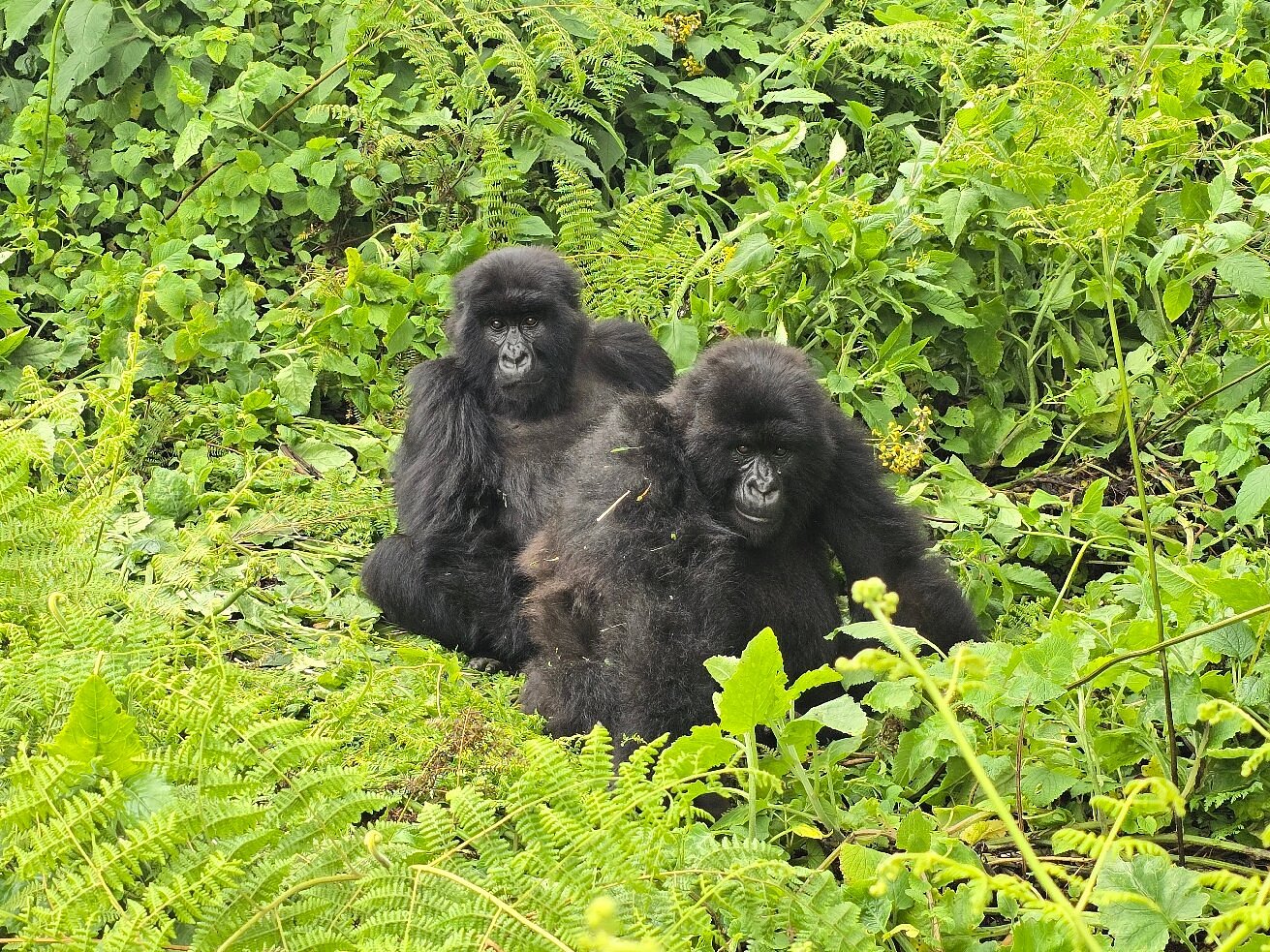
Check permit availability before purchasing non-refundable flights. Travellers should provide their preferred dates, nationality, and number of participants.
If the first date is unavailable, the operator may suggest another day or national park. In Uganda, the operator may also recommend a different Bwindi sector.
However, an initial availability check does not secure the permit. Confirmation comes only after completing the required reservation and payment process.
Step 3: Check Passport and Visa Requirements
The passport should remain valid for the required period. In addition, it needs enough blank pages for immigration stamps.
The name used for the permit must match the passport. Therefore, travellers should provide accurate details.
Eligible visitors may apply for an East Africa Tourist Visa through their first country of entry. Others may require separate Rwanda and Uganda visas.
Visa rules differ by nationality. For this reason, travellers should use official government websites.
Step 4: Choose the International Flight Route
Travellers can arrive and depart through Kigali. Alternatively, they can use Entebbe in both directions.
However, arriving in one country and leaving from another may save time. For example, a visitor can arrive in Entebbe, explore Uganda, cross into Rwanda, and depart from Kigali.
The final route should match the safari direction. It should also leave enough time before the international departure.
Step 5: Book Accommodation Near the Correct Sector
Travellers trekking in Rwanda should confirm the driving time between their lodge and the Kinigi headquarters.
In Uganda, the accommodation must match the Bwindi sector shown on the permit. Rushaga, Nkuringo, Ruhija, and Buhoma have separate briefing locations.
A cheap room in the wrong sector can create a long morning transfer. Therefore, location matters more than a small price difference.
Step 6: Arrange Cross-Border Transportation
The safari vehicle needs valid documents and insurance for both countries. In addition, the operator should understand the required border procedures.
The route depends on the permit sector and lodge. Cyanika often works for Mgahinga, Rushaga, Nkuringo, and Kisoro.
Meanwhile, Gatuna–Katuna may work better for Kabale, Lake Bunyonyi, or Ruhija.
Road and border conditions may change. Therefore, the operator should reconfirm the route before departure.
Step 7: Add Other Safari Activities
After securing the essential services, travellers can add other activities. Popular choices include golden monkeys, chimpanzees, game drives, and boat cruises.
Lake Kivu, Lake Bunyonyi, Akagera National Park, Queen Elizabeth National Park, and Kibale Forest also fit well into regional itineraries.
However, adding too many activities can make the journey tiring. Each destination needs enough time for travel, meals, rest, and possible delays.
Step 8: Review the Final Proposal
The final proposal should explain each day’s route and activities. It should also list the accommodation, meal plan, inclusions, exclusions, and payment terms.
Travellers should check the room arrangements. For example, a double room usually has one large bed. In contrast, a twin room has two separate beds.
The proposal should clearly state whether it includes the gorilla permit. Otherwise, a low package price may not reflect the final cost.
Cross-Border Gorilla Safari Cost Breakdown
The cost of a cross-border gorilla safari depends on the permits, number of days, accommodation, group size, and transport.
A short Uganda gorilla safari from Kigali usually costs less than a long tour from Entebbe. However, international flight prices can affect the total.
Therefore, travellers should compare complete packages rather than the first advertised price.
Gorilla Permit Costs
Rwanda’s standard gorilla permit costs USD 1,500 per person. Meanwhile, Uganda’s standard foreign non-resident permit costs USD 800.
A double trek requires one permit for each country. As a result, permits form a large part of the package price.
However, rates and conditions may change. Travellers should request current written confirmation before paying.
Accommodation Costs
Budget lodges offer simple rooms and essential services. Mid-range properties provide more comfort. Meanwhile, luxury lodges include premium rooms and personalised services.
Prices may increase during busy travel periods. Christmas, New Year, and the main dry seasons often receive high demand.
Full-board accommodation can provide good value near the parks. It usually includes breakfast, lunch, dinner, and a packed trekking meal.
Vehicle and Fuel Costs
Couples and groups can divide the vehicle cost. Therefore, they usually pay less per person than solo travellers.
Long routes require more fuel and driver time. In addition, game drives increase vehicle use inside national parks.
A clear quotation should include the vehicle, driver-guide, fuel, and cross-border logistics unless stated otherwise.
Guide and Park Expenses
Some activities need park guides, rangers, or specialist guides. The gorilla permit may cover certain services.
However, boat trips, game drives, birdwatching, and community visits may have separate charges.
The final proposal should explain these costs clearly.
Meals and Drinking Water
Packages may include breakfast only, half board, or full board. Therefore, travellers should check the meal plan at each lodge.
Drinking water during road transfers may be included. However, extra beverages often remain a personal expense.
Visitors with dietary needs should provide details early. Remote lodges need enough time to prepare suitable meals.
Porter and Trekking Costs
Porter services are usually paid separately on trekking day. Nevertheless, hiring a porter can make the walk more comfortable.
The porter carries the daypack and offers support on difficult sections. Moreover, porter work provides direct income to nearby communities.
Other small expenses may include gaiter rental, walking-stick arrangements, and tips.
Visa and Insurance Costs
Eligible travellers can use the USD 100 East Africa Tourist Visa. Others may need separate national visas.
Visa costs are normally excluded from safari packages because requirements differ by passport.
Travellers also need suitable insurance. It should cover both countries and the planned safari activities.
Optional Activity Costs
Optional activities may include golden monkey trekking, chimpanzee tracking, cultural visits, boat cruises, and night game drives.
These experiences can improve the itinerary. However, they also increase the price.
Therefore, the proposal should list each activity separately. Travellers can then select the experiences that match their interests and budget.
Personal Spending
Personal expenses may include laundry, souvenirs, snacks, extra drinks, and room upgrades.
Small cash amounts are useful in places with unreliable card connections. However, travellers should keep money and documents secure.
Saving Money on a Cross-Border Safari
A short Kigali-to-Bwindi trip usually provides the most affordable option. It requires fewer safari days than a complete journey from Entebbe.
Travellers can also choose one Uganda gorilla trek instead of trekking in both countries. The savings can support extra accommodation or wildlife activities.
In addition, sharing the vehicle reduces the cost per person. Choosing a clean lodge near the correct sector also prevents expensive morning transfers.
However, travellers should not attempt a long border journey on the morning of the trek. Staying near the park the night before protects the itinerary.
Is Double Gorilla Trekking Worth It?
Double gorilla trekking can be rewarding for primate lovers, photographers, and conservation enthusiasts.
Each gorilla family has a different structure. Moreover, Bwindi’s ancient rainforest differs from the volcanic landscape in Rwanda.
A second trek also provides another chance to experience different weather, light, and gorilla behaviour.
However, one trek can still become the highlight of the safari. Budget travellers should not feel that they need two permits.
Common Cross-Border Safari Planning Mistakes
Booking Flights Before Gorilla Permits
International flights do not secure access to the gorillas. Permits can sell out during popular months.
Therefore, travellers should check permit availability before booking flights that cannot be changed.
Booking the Wrong Bwindi Lodge
This is one of the most serious planning mistakes. Bwindi’s sectors have separate roads and briefing points.
A visitor holding a Rushaga permit should stay near Rushaga. Likewise, someone trekking in Buhoma needs accommodation near Buhoma.
Always confirm the sector before reserving the lodge.
Applying Through the Wrong Country
Travellers should apply for the East Africa Tourist Visa through their first country of entry.
For example, someone flying first into Kigali should not apply through Uganda. The flight route and visa application must match.
Leaving the Joint Visa Area
The East Africa Tourist Visa covers Rwanda, Uganda, and Kenya. It does not cover other neighbouring countries.
Leaving the participating area may affect the visa’s validity. Therefore, travellers adding another country should check the re-entry rules.
Planning a Flight After a Long Border Transfer
Border procedures, traffic, weather, and road conditions can cause delays.
Therefore, travellers should avoid a long cross-border transfer immediately before an international flight. A final night in Kigali or Entebbe provides a safer schedule.
Underestimating the Trek
The walk may be short. However, it may also last several hours.
Visitors should prepare for mud, hills, roots, and thick vegetation. Good boots, rainwear, water, and a porter improve the experience.
Packing Too Much
Large suitcases take up valuable vehicle space. They can also create problems on domestic flights.
Soft-sided luggage and a small trekking backpack are more practical.
Ignoring Cancellation Conditions
Gorilla permits and lodges often have strict cancellation rules.
Therefore, travellers should read the terms before paying. Suitable travel insurance may provide support for some covered situations.
Frequently Asked Questions
Can I Visit Rwanda and Uganda on One Safari?
Yes. Travellers can combine both countries through authorised land borders.
However, they need the correct visas, passports, park permits, and vehicle documents.
Which Country Is Better for Gorilla Trekking?
Both countries provide excellent gorilla encounters.
Rwanda offers convenient access from Kigali and several premium lodges. Meanwhile, Uganda offers a lower standard permit price and several trekking sectors.
The best choice depends on the budget, route, available time, and accommodation preferences.
Can I Trek Gorillas in Both Countries?
Yes. Travellers can purchase one permit for Rwanda and another for Uganda.
However, the itinerary should include a night near each park before trekking.
How Many Days Do I Need?
A short Kigali-to-Uganda safari can take three days. Meanwhile, a double gorilla trek normally needs at least five days.
A seven- to twelve-day tour provides more time for chimpanzees, game drives, lakes, and boat cruises.
Should I Begin in Kigali or Entebbe?
Kigali is often more convenient for Mgahinga, Rushaga, and Nkuringo.
However, Entebbe works well for longer Uganda safaris that include Queen Elizabeth or Kibale.
The permit sector and wider itinerary should guide the choice.
How Long Is the Drive From Kigali to Bwindi?
The journey takes several hours. The exact time depends on the border, lodge, trekking sector, weather, and immigration procedures.
Therefore, travellers should treat it as a full transfer rather than a short drive.
Which Border Should I Use?
Cyanika often suits Kisoro, Mgahinga, Rushaga, and Nkuringo. Meanwhile, Gatuna–Katuna can work well for Kabale, Lake Bunyonyi, and Ruhija.
However, the operator should confirm the best route shortly before travel.
Do I Need the East Africa Tourist Visa?
The joint visa can help eligible travellers visiting Rwanda and Uganda. However, requirements differ by nationality.
Visitors should check official immigration guidance before applying.
Can I Get a Visa at the Border?
This depends on the country, visa type, and nationality.
Visa-prone travellers entering Uganda should normally obtain online approval before travel. Therefore, they should not rely on receiving a visa at the land border.
Can Children Trek Gorillas?
The minimum gorilla trekking age is generally 15 in Rwanda and Uganda.
Families with younger children should arrange suitable care and another activity during the trek.
Can Older Travellers Trek Gorillas?
Older travellers can participate when their health and mobility allow.
Porters provide valuable support. Moreover, travellers should discuss mobility needs with the operator before booking.
However, no one can guarantee an easy route because gorillas move freely.
Is Gorilla Trekking Safe?
Professional rangers and trackers lead each trek. Visitors also receive a detailed briefing before entering the forest.
However, participants must follow every instruction. They should also prepare for mud, insects, rain, and uneven paths.
Will I Definitely See Gorillas?
Sightings are highly reliable during official treks. Trackers monitor the families and help guides find them.
However, gorillas remain wild animals. Therefore, responsible operators should avoid absolute guarantees.
How Close Can Visitors Get?
The ranger will explain the authorised distance and choose safe viewing positions.
If a gorilla comes closer, visitors should remain calm. They must never touch or follow it.
How Long Can I Stay With the Gorillas?
A standard gorilla trek normally allows up to one hour with the assigned family after finding it.
Uganda’s Gorilla Habituation Experience uses a different permit and allows a longer observation period.
Can I Use Camera Flash?
No. Visitors must turn off the flash before approaching the gorillas.
Flash can disturb wildlife and is prohibited during the encounter.
What Happens if I Feel Sick?
Visitors with signs of a contagious illness must report them.
Park staff may stop an unwell person from trekking to protect the gorillas. Therefore, travellers should review the permit and insurance conditions before departure.
Should I Hire a Porter?
Yes. A porter carries the daypack and helps on steep or slippery paths.
Hiring one also supports local employment.
Can I Complete a Self-Drive Safari?
A cross-border self-drive may be possible with the correct documents, insurance, and driving permissions.
However, border rules, remote roads, park routes, and early briefings can make professional transport easier.
Which Currency Should I Carry?
Rwanda uses the Rwandan franc. Uganda uses the Ugandan shilling.
Some tourism businesses also accept US dollars. However, damaged or older notes may be rejected.
Small amounts of local currency are useful for personal expenses.
Are Credit Cards Accepted?
Many established lodges accept major cards. However, weak internet connections can affect payments.
Therefore, travellers should carry a secure backup payment method.
Is Internet Available?
Many lodges offer Wi-Fi, but speed and reliability vary. Mobile coverage may also weaken near forests.
Download important documents before leaving Kigali or Entebbe.
What Vehicle Is Best?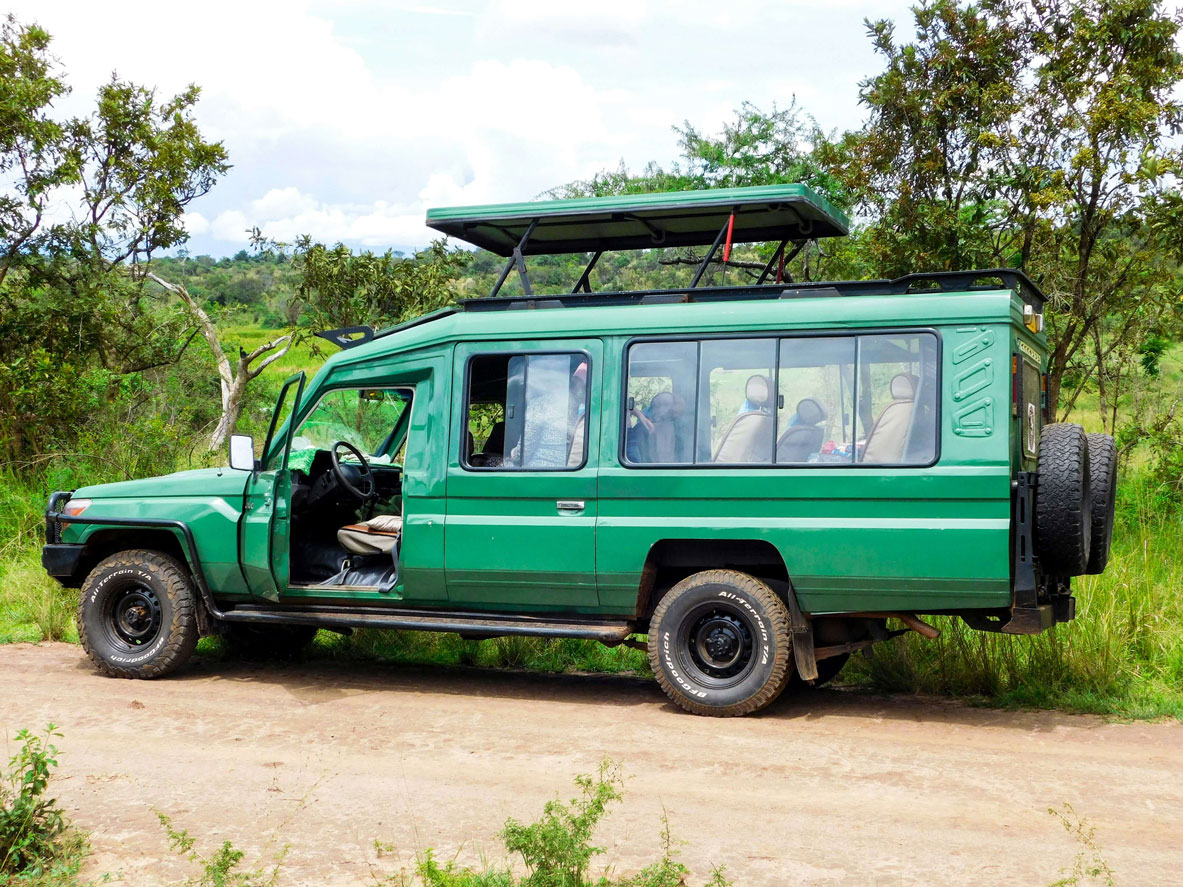
A reliable four-wheel-drive vehicle provides the best comfort and access.
It should have enough luggage space and valid cross-border documents. In addition, a pop-up roof improves wildlife viewing during game drives.
Cross-Border Gorilla Safari for Solo Travellers
Solo travellers receive the same park experience. However, they usually pay more for the vehicle and room.
Joining a small scheduled group can reduce the price. Nevertheless, travellers should confirm the itinerary, group size, and room type.
A private safari offers more flexibility. Therefore, it can suit photographers and travellers with specific interests.
Cross-Border Gorilla Safari for Couples
Couples can share a private vehicle and double room. As a result, they often receive better per-person value than solo travellers.
A honeymoon or anniversary itinerary may include Lake Kivu, Lake Bunyonyi, or a private boat trip.
However, couples should confirm whether they want one large bed or two separate beds.
Cross-Border Gorilla Safari for Families
Families must plan around the minimum trekking age. Children below 15 need suitable care while adults enter the forest.
Alternative activities may include approved nature walks, lodge programmes, or a day with a dedicated guide.
In addition, families should avoid too many long driving days. An extra night can create a more comfortable trip.
Cross-Border Safari for Photographers
Photographers should request enough vehicle space and access to charging facilities.
A second gorilla trek offers another opportunity if the first day has difficult light or thick vegetation.
However, every photographer must follow the park rules. Wildlife protection always comes before the picture.
Cross-Border Safari for Birdwatchers
Rwanda and Uganda offer excellent birdwatching. Important areas include Bwindi, Mgahinga, Akagera, Queen Elizabeth, Kibale, and Volcanoes National Park.
Birdwatching works best with a slower itinerary and specialist guide. Therefore, travellers should avoid adding too many destinations.
Binoculars, a field guide, and a manageable camera lens are useful.
Best Cross-Border Safari Extensions
Lake Kivu Extension
Lake Kivu offers boat trips, kayaking, coffee experiences, beaches, and sections of the Congo Nile Trail.
It fits well between Volcanoes National Park and Kigali or Nyungwe.
Akagera National Park Extension
Akagera adds Big Five game drives, birdwatching, night drives, and Lake Ihema boat safaris.
It lies east of Kigali. Therefore, travellers should add at least one or two days.
Queen Elizabeth National Park Extension
Queen Elizabeth combines naturally with Bwindi.
Visitors can search for tree-climbing lions in Ishasha, enjoy game drives, and take a Kazinga Channel boat cruise.
Two nights provide a more relaxed experience.
Kibale National Park Extension
Kibale is Uganda’s main chimpanzee trekking destination. It also connects well with Bigodi Wetland Sanctuary.
The extension normally requires at least two additional days.
Lake Bunyonyi Extension
Lake Bunyonyi offers quiet scenery, canoeing, boat trips, and birdwatching.
It works well on routes using the Gatuna–Katuna border.
Mgahinga and Golden Monkey Extension
Mgahinga offers gorillas, golden monkeys, volcanoes, and forest walks.
It is especially convenient for travellers crossing through Cyanika.
Final Cross-Border Safari Checklist
Before travelling, confirm the passport, visa, insurance, permits, and flight schedule.
Next, check the trekking dates, parks, sectors, lodges, room types, meals, and border route.
The operator should also know about dietary needs and mobility concerns.
Pack hiking boots, long trousers, long-sleeved shirts, rainwear, gloves, gaiters, medication, and camera protection.
Finally, reconfirm the airport pickup and emergency contact details.
Contact Universal Ventures Rwanda
Universal Ventures Rwanda organises customised Rwanda and Uganda cross-border gorilla safaris. Packages can include permit assistance, professional guides, private four-wheel-drive vehicles, border transfers, accommodation, meals, game drives, boat cruises, and airport transfers.
The company can arrange short Kigali-to-Bwindi tours or longer journeys through Volcanoes National Park, Queen Elizabeth National Park, Kibale Forest, Akagera, Lake Kivu, and Lake Bunyonyi.
Address: KN 15 Road, opposite the IPRC entrance, 1st Floor, Sangwa Plaza, Kigali, Rwanda
Phone and WhatsApp: +250 781 441 853
Email: info@universalventuresrwanda.com
Website: www.universalventuresrwanda.com
