 Skip to content
Gorilla Safari Travel Plan with Cultural Experiences: The Ultimate Travel Guide
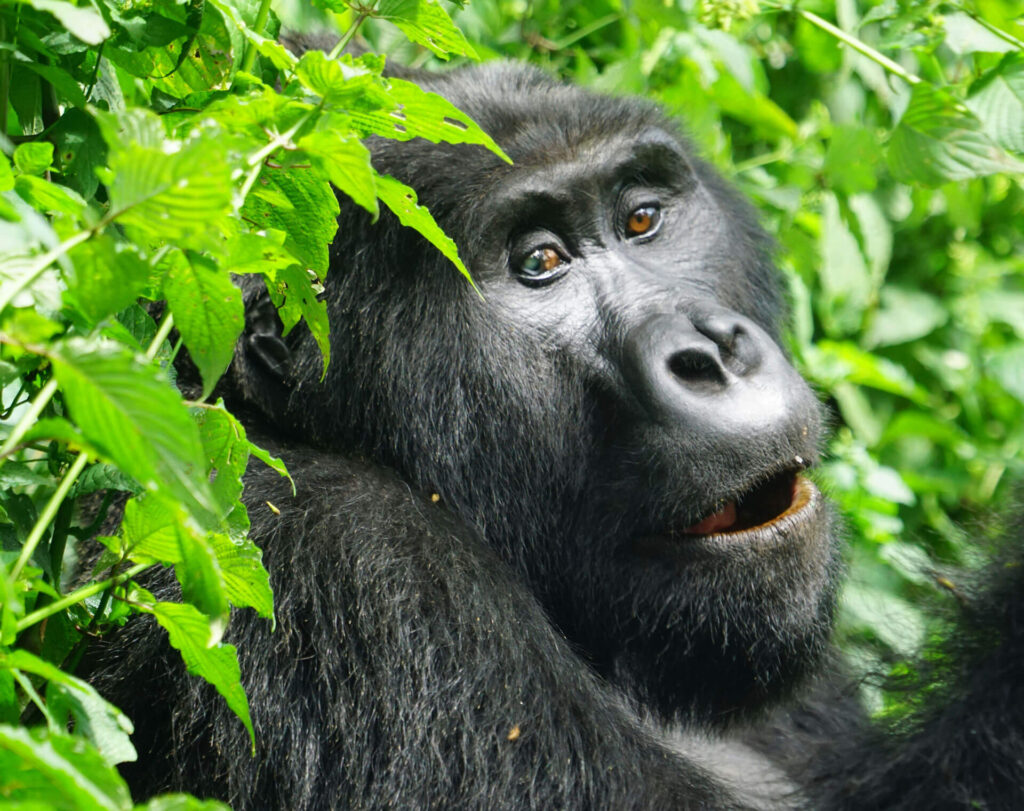
A gorilla safari offers more than a close encounter with mountain gorillas. It also creates an opportunity to explore local traditions, conservation projects, regional history, food, music, and everyday community life. Therefore, a well-designed Gorilla Safari Travel Plan with Cultural Experiences should combine wildlife encounters with meaningful activities that help travellers understand Rwanda and Uganda.
Rwanda and Uganda protect some of the world’s remaining mountain gorillas. Rwanda offers trekking in Volcanoes National Park, while Uganda provides gorilla experiences in Bwindi Impenetrable National Park and Mgahinga Gorilla National Park. Each destination offers something different. However, both countries combine dramatic landscapes, welcoming communities, professional guides, and important conservation work.
Planning such a journey requires careful attention. Gorilla permits must match the correct park, trekking sector, and travel date. Hotels should also be close to the right starting point. In addition, driving times must remain realistic. Cultural activities should benefit local people and respect their privacy, dignity, and traditions.
This complete guide explains how to combine gorilla trekking with cultural tourism in Rwanda and Uganda. It covers destination selection, the best travel period, permit planning, accommodation, transport, community activities, responsible tourism, and practical safari preparation.
Why Choose a Gorilla Safari Travel Plan with Cultural Experiences?
Many travellers visit East Africa mainly to see mountain gorillas. Although the trek is often the main highlight, the journey becomes richer when visitors also connect with the people who live near the protected forests. Cultural experiences give context to the landscapes, conservation programs, and tourism activities that support the region.
A standard gorilla tour may include airport transfers, hotel accommodation, transport to the national park, and one trekking day. In contrast, a Gorilla Safari Travel Plan with Cultural Experiences creates a deeper journey. It may include a guided community walk, traditional food preparation, local storytelling, craft demonstrations, music, farming activities, coffee tours, art visits, or conservation education.
These experiences allow travellers to learn how tourism affects families living around gorilla habitats. For example, community tourism can create employment for local guides, performers, farmers, craftspeople, drivers, and lodge staff. It can also support education, conservation, health programs, and small businesses.
However, cultural tourism must remain respectful. A community should not feel like a display created only for visitors. Instead, local residents should help design the experience, explain their traditions in their own way, and receive fair payment for their work. Travellers should also ask permission before taking photographs, especially inside homes, schools, workshops, and private community spaces.
A More Meaningful Gorilla Safari Experience
Gorilla trekking creates a powerful connection with nature. Trekkers walk through thick forest with trained rangers and trackers. Depending on the location of the gorilla family, the journey may be short or may continue for several hours. Once the group reaches the gorillas, visitors must follow strict rules that protect both people and wildlife.
Cultural experiences add another level of understanding. They help travellers learn why mountain gorilla conservation depends on local support. Communities living around national parks may face limits on forest access or land use. Therefore, tourism must create clear benefits that encourage long-term cooperation between residents, conservation authorities, and safari businesses.
A community visit can also correct common misunderstandings about Rwanda and Uganda. Both countries have complex histories and rapidly changing societies. Modern art, new businesses, conservation projects, farming, technology, traditional knowledge, and contemporary music all shape local life. As a result, a good cultural tour should discuss the present as well as the past.
Combining Wildlife, Culture, and Conservation
Wildlife, culture, and conservation are closely connected. National parks protect gorillas and other species, yet successful protection also requires cooperation from nearby communities. Tourism revenue, employment, education, and responsible development can make conservation more valuable to local families.
For this reason, travellers should choose activities that demonstrate this connection. A conservation talk may explain how gorilla monitoring works. A community walk may show how farmers live near a protected forest. Meanwhile, a craft workshop may reveal how tourism creates new income without increasing pressure on natural resources.
The best gorilla and cultural safari does not include activities simply to make the itinerary longer. Instead, every experience should contribute to the story of the journey. A visit to Kigali may introduce Rwanda’s history and modern development. A cultural activity near Volcanoes National Park may explain community conservation. Later, a Lake Kivu coffee tour may show how agriculture supports rural livelihoods.
Choosing Rwanda or Uganda for a Cultural Gorilla Safari
Rwanda and Uganda both offer unforgettable gorilla trekking. Nevertheless, they provide different travel styles. Rwanda is often chosen for shorter and more comfortable itineraries because Volcanoes National Park is within an easy road journey from Kigali. Uganda usually requires more road travel, but it offers several gorilla sectors and a broader range of safari extensions.
The correct destination depends on the traveller’s available time, preferred budget, accommodation standard, physical comfort, and other interests. Some visitors want a short luxury gorilla safari from Kigali. Others prefer a longer Uganda road trip that combines gorillas with chimpanzees, wildlife, community visits, and rural landscapes.
Travellers with seven days or more may combine both countries. A Rwanda and Uganda gorilla safari can begin in Kigali, continue to Volcanoes National Park, cross into southwestern Uganda, and end in Bwindi or Mgahinga. However, the route must account for border procedures, permit dates, road conditions, and the location of each lodge.
Gorilla Trekking and Cultural Experiences in Rwanda
Rwanda offers one of Africa’s most accessible gorilla trekking experiences. Most journeys begin in Kigali, where travellers can visit important historical, cultural, and artistic sites before continuing to Volcanoes National Park.
A Kigali cultural tour may include the Kigali Genocide Memorial, local art galleries, neighbourhood experiences, craft centres, and Kimironko Market. Each visit should have a clear purpose. The Kigali Genocide Memorial requires enough time and respectful behaviour, while a market tour works best with a local guide who can introduce vendors and explain products.
The drive from Kigali to the Volcanoes National Park region usually passes through green hills, farmland, towns, and volcanic scenery. Once near Musanze, travellers can combine gorilla trekking with community activities, conservation experiences, local food, crafts, music, and guided visits.
Rwanda works particularly well for travellers with limited time. A four- or five-day itinerary can include Kigali, Volcanoes National Park, gorilla trekking, a cultural activity, and a visit to Lake Kivu. In addition, the country offers several accommodation levels, from comfortable local guesthouses to premium forest lodges.
Gorilla Trekking and Cultural Experiences in Uganda
Uganda provides gorilla trekking in Bwindi Impenetrable National Park and Mgahinga Gorilla National Park. Bwindi contains several trekking sectors, including Buhoma, Ruhija, Rushaga, and Nkuringo. Therefore, travellers must stay near the sector shown on their gorilla permit.
Each part of Bwindi offers different lodges, walking routes, scenery, and community activities. Visitors may join community walks, meet local craftspeople, learn about farming, or participate in carefully managed Batwa heritage experiences. The strongest programs allow community members to present their own stories and explain both historical and modern life.
Mgahinga Gorilla National Park offers another rewarding option. The park lies near Kisoro and the Rwanda border. As a result, it can fit well into a cross-border safari beginning in Kigali. Travellers can combine gorilla trekking with golden monkey tracking, volcanic landscapes, and community heritage activities.
Uganda also allows visitors to extend the journey to Queen Elizabeth National Park, Kibale Forest, Lake Bunyonyi, or Murchison Falls National Park. However, these destinations require additional travel time. A realistic Uganda itinerary should avoid placing several distant parks into a short schedule.
Combining Rwanda and Uganda in One Gorilla Safari
A combined Rwanda and Uganda safari provides greater variety. Travellers can experience Kigali’s history and creative culture, the volcanic landscapes of northern Rwanda, rural communities near Bwindi, and two different gorilla trekking environments.
Kigali can serve as the main arrival point because it offers convenient road access to Volcanoes National Park and parts of southwestern Uganda. Nevertheless, the exact driving time depends on the border, road conditions, and trekking sector.
A combined route should include enough rest. Two gorilla treks on consecutive days may feel tiring, especially when road transfers are also involved. Therefore, it is often better to place a cultural activity, scenic drive, or relaxed lake experience between the two treks.
Best Time for a Gorilla Safari Travel Plan with Cultural Experiences
Gorilla trekking takes place throughout the year in Rwanda and Uganda. Every season offers advantages. Drier periods often provide easier walking conditions, while wetter months bring green landscapes, fewer visitors, and strong photography opportunities.
Weather in the gorilla regions can change quickly. Mountain forests may receive rain even during months described as dry. Consequently, travellers should always carry rain protection and wear suitable trekking boots.
The best travel period depends on individual priorities. A photographer may prefer rich green vegetation. A traveller concerned about slippery paths may choose a generally drier month. Someone seeking a quieter experience may consider travelling outside the busiest holiday periods.
Gorilla Trekking During the Drier Seasons
The generally drier periods often fall around June to September and December to February. During these months, forest paths may be less muddy. Road conditions can also be easier in remote areas.
However, these periods are popular. Gorilla permits and preferred lodges may sell out early. Prices for accommodation may also increase during high-demand dates. Therefore, travellers should confirm permit availability before booking non-refundable flights.
Even in a drier month, rain remains possible. Mountain weather does not follow a perfect schedule. Waterproof boots, a rain jacket, gloves, and protective covers for cameras and documents remain necessary.
Gorilla Trekking During the Greener Seasons
The wetter periods often bring dramatic landscapes, fresh vegetation, misty forests, and fewer travellers. These conditions can create beautiful photography. In addition, some lodges may offer better availability.
However, forest paths can become muddy and slippery. Trekkers should prepare for slower walking and changing conditions. Hiring a porter becomes especially helpful because the porter can carry a daypack and provide support on difficult sections.
Cultural visits also continue during greener months. Nevertheless, outdoor activities may need flexible timing. A good guide will adjust the day without removing the main purpose of the experience.
Festivals and Seasonal Cultural Activities
Some cultural events take place on specific dates. These may include music festivals, community celebrations, art events, agricultural activities, or national ceremonies. Travellers interested in a particular event should confirm its current schedule before building the itinerary.
However, culture does not only appear during festivals. Markets, food experiences, art centres, community walks, coffee tours, music, crafts, and storytelling can be arranged throughout the year. Therefore, a cultural gorilla safari does not depend on one special season.
Gorilla Permits and Advance Safari Planning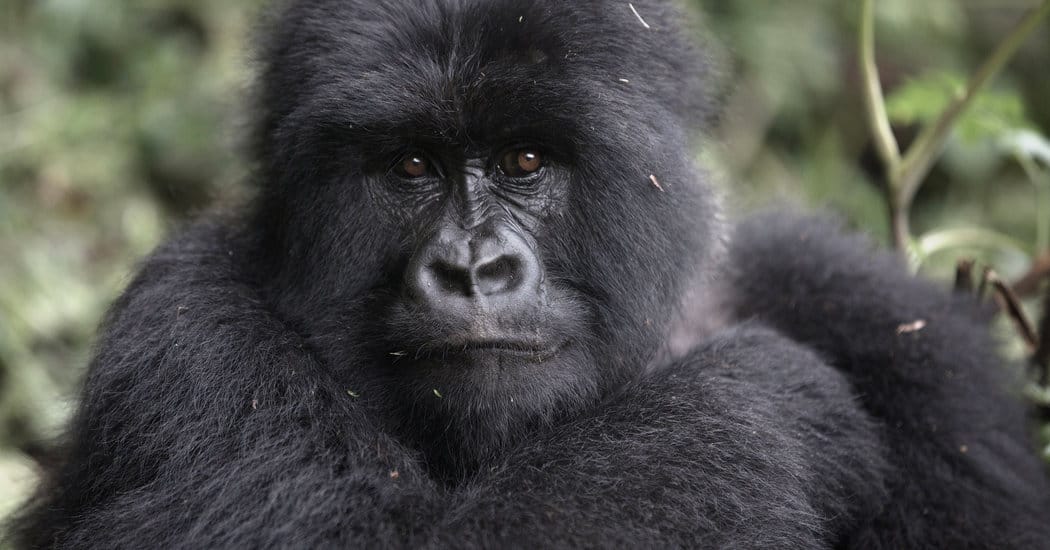
A gorilla permit is the most important booking in the itinerary. It gives the holder permission to join a guided trek on a particular date and inside a particular national park or trekking sector.
Visitor numbers remain limited to protect the gorillas and control human activity in the forest. Therefore, permits can become unavailable during popular travel periods. The safari planner should check availability before confirming accommodation and transport.
Permit rules and prices may change. Travellers should always request current information from the relevant wildlife authority or a trusted local tour operator. They should also confirm the name, passport details, park, sector, and trekking date shown on the booking.
Rwanda Gorilla Trekking Permits
Rwanda gorilla permits apply to Volcanoes National Park. The park headquarters serve as the meeting point for the morning briefing and group allocation. Travellers usually stay in or near Musanze so they can reach the meeting area on time.
A Rwanda permit does not include accommodation, private transport, meals, porter services, or other activities unless these are listed separately in the safari package. Therefore, the final quotation should clearly explain every inclusion and exclusion.
Permit availability should guide the itinerary. Once the trekking date is confirmed, the operator can arrange the correct lodge nights, transfers, cultural visits, and other activities around it.
Uganda Gorilla Trekking Permits
Uganda permits are connected to Bwindi Impenetrable National Park or Mgahinga Gorilla National Park. Bwindi is divided into different trekking sectors. As a result, booking the correct accommodation is essential.
A lodge near Buhoma may be far from a trekking start in Rushaga or Nkuringo. Travellers who book the wrong area may face a difficult early transfer or may even miss the briefing. Therefore, the permit sector should always be checked before confirming the hotel.
Mgahinga permits require accommodation near Kisoro or another suitable location. Because the park sits close to Rwanda, it may be included in a safari starting or ending in Kigali.
Why Gorilla Permits Should Be Booked First
Flights, hotels, and cultural activities may offer several alternatives. Gorilla permits have much stricter availability. Therefore, the permit should usually be secured before the rest of the itinerary becomes non-refundable.
Travellers should send the required passport details through a secure process. They should also read the operator’s payment, amendment, cancellation, and refund terms before making a deposit.
After the permit is confirmed, the complete Gorilla Safari Travel Plan with Cultural Experiences can be organised around it. This approach reduces the risk of booking the wrong lodge, choosing an impossible route, or changing several reservations later.
Important Details to Confirm Before Payment
Before paying for a gorilla safari, travellers should confirm the following:
- The correct names and passport details
- The trekking country, national park, and sector
- The confirmed trekking date
- The number of travellers and permits
- The hotel location and room arrangement
- Private or shared transport
- Cultural activities included in the package
- Meals and drinking water
- Border and visa responsibilities
- Payment, cancellation, and amendment conditions
Clear written confirmation protects both the traveller and the safari operator. It also creates a strong foundation for the next stage of planning, which includes the detailed itinerary, accommodation, transport, cultural experiences, and daily schedule.
Responsible Gorilla Safari Travel Plan with Cultural Experiences
Responsible tourism protects mountain gorillas while creating fair benefits for the communities living near national parks. Therefore, a successful Gorilla Safari Travel Plan with Cultural Experiences should consider conservation, local employment, environmental protection, cultural respect, and visitor behaviour.
Mountain gorillas survive in a small range of protected forests across Rwanda, Uganda, and the Democratic Republic of Congo. Tourism supports their protection through permit revenue, ranger employment, veterinary care, habitat monitoring, and conservation education. However, wildlife tourism must remain carefully controlled. Too many visitors, poor behaviour, and unmanaged development can place pressure on gorillas and their habitats.
Travellers also influence the communities surrounding gorilla parks. Choosing local guides, community-owned activities, responsible lodges, and locally made products helps tourism income reach more people. In addition, respectful interaction builds trust between visitors and hosts.
Follow Gorilla Trekking Rules
Every traveller must attend the official trekking briefing before entering the forest. Rangers explain the required distance from the gorillas, group behaviour, photography rules, and health precautions.
Visitors should speak quietly, remain with their assigned group, and follow every ranger instruction. Flash photography is not allowed because it can disturb the gorillas. Eating and drinking near a gorilla family should also be avoided.
Trekkers who feel unwell should report their symptoms before the activity. Gorillas can be vulnerable to human illnesses. Therefore, honesty protects the animals and supports long-term conservation.
The forest should remain clean. Travellers must carry all rubbish out of the park, including tissues, snack packaging, and water bottles. They should also avoid picking plants or damaging vegetation.
Hire a Porter During the Gorilla Trek
Hiring a porter provides practical help and supports the local economy. Porters can carry water, camera equipment, rain gear, and other personal items. They can also offer support on steep, muddy, or uneven sections of the trail.
Many porters come from communities surrounding the parks. Some may be former forest users who now earn income through tourism. Therefore, porter employment can strengthen the connection between wildlife protection and community livelihoods.
A porter is useful even for physically fit travellers. The trek may last longer than expected, while rain can change the trail quickly. Carrying less weight allows visitors to concentrate on the forest and follow the ranger group safely.
Respect Communities and Local Traditions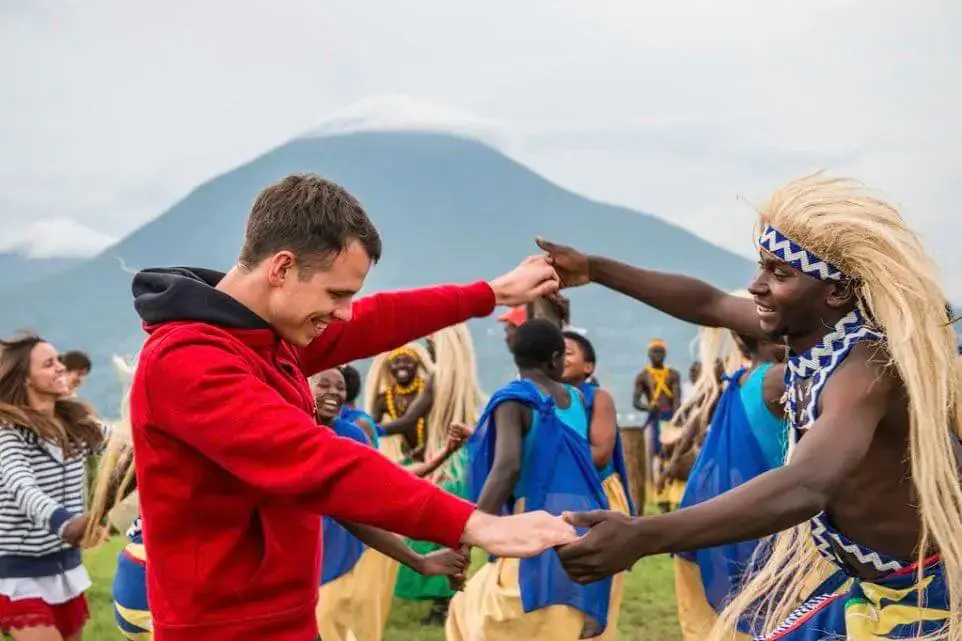
Cultural tourism should create genuine exchange rather than uncomfortable observation. Travellers should listen carefully, ask respectful questions, and avoid judging traditions through their own cultural standards.
Photography requires consent. Visitors should ask before taking portraits, photographing children, entering private homes, or recording performances. A guide can explain when photography is suitable.
Travellers should also dress respectfully during village visits, memorial tours, religious activities, and community events. Comfortable clothing is suitable, but it should match the setting and local guidance.
Buying crafts directly from local makers can support families and small businesses. However, bargaining should remain polite. Travellers should remember that a small price difference may have greater value to the maker than to the visitor.
Ethical Cultural Experiences in Rwanda and Uganda
An ethical cultural experience allows local people to control how their history, traditions, and daily life are presented. Community members should participate voluntarily and receive fair compensation.
Before booking, travellers can ask who owns the experience, who leads it, and how the income is shared. Clear answers show whether the activity has a meaningful community connection.
The strongest cultural experiences combine education with participation. Travellers may learn how food is prepared, how baskets are woven, how coffee is processed, or how local conservation projects operate. These activities encourage conversation and provide a clearer understanding of daily life.
Community Tourism near Volcanoes National Park
Communities around Volcanoes National Park offer cultural activities that can complement gorilla trekking. These experiences may include traditional dance, storytelling, local food, crafts, farming, or conservation education.
A cultural activity works especially well on the afternoon before a gorilla trek or during the following day. However, the schedule should allow enough rest. Gorilla trekking starts early, and travellers need time to prepare their clothing and equipment.
The guide should explain the purpose of each visit. Instead of presenting culture as entertainment alone, the experience should show how traditions continue to develop and how tourism supports current community goals.
Batwa Heritage Experiences near Bwindi and Mgahinga
The Batwa have a deep historical connection with the forests of southwestern Uganda. A responsible Batwa heritage experience may introduce traditional forest knowledge, storytelling, music, plants, and historical ways of life.
However, visitors should avoid treating the Batwa as people who only belong to the past. Modern Batwa communities face current social, economic, and land-related challenges. Therefore, the experience should include present-day perspectives as well as historical interpretation.
A community-led activity provides the best opportunity for respectful learning. Local participants should decide what they want to share, while visitor fees should create clear benefits.
Coffee, Food, and Craft Experiences
Coffee tours can connect travellers with farmers, processors, roasters, and local businesses. A detailed experience may explain how coffee grows, how cherries are selected, how beans are washed and dried, and how roasting changes flavour.
Food activities also offer valuable cultural insight. Travellers can learn about local ingredients, farming methods, cooking traditions, and family meals. Dietary requirements should be shared before the visit so hosts can prepare properly.
Craft workshops may include basket weaving, painting, textiles, carving, or pottery. Buying directly from the maker helps preserve skills and keeps more tourism income within the community.
Accommodation for a Gorilla and Cultural Safari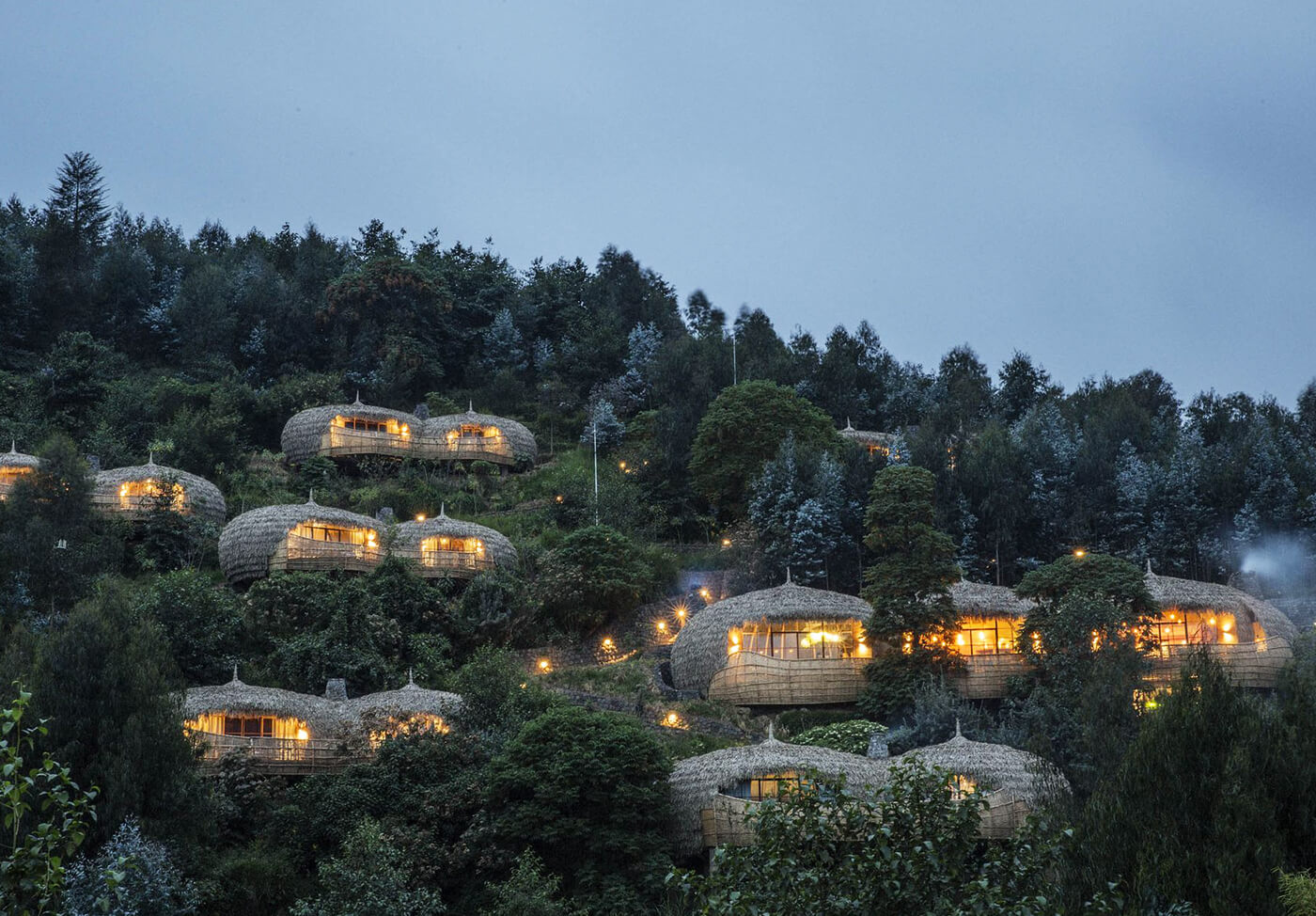
Accommodation influences comfort, driving time, and the overall rhythm of the safari. Travellers can choose from budget guesthouses, midrange lodges, luxury properties, and exclusive forest retreats.
Location is especially important. A beautiful lodge may not be suitable if it lies far from the correct gorilla trekking sector. Therefore, travellers should confirm the permit location before booking accommodation.
Budget Gorilla Safari Accommodation
Budget accommodation usually provides a clean room, private or shared bathroom options, simple meals, and basic service. These properties are suitable for travellers who want to direct more of their budget toward permits and activities.
However, the lowest price does not always provide the best value. Travellers should check cleanliness, security, road access, meal arrangements, and distance from the trekking meeting point.
A locally owned guesthouse may provide warm service and a closer connection with the surrounding community. It can also support local employment and small suppliers.
Midrange Gorilla Safari Lodges
Midrange lodges offer a balance between comfort and price. They often provide private bathrooms, good meals, attractive views, comfortable beds, and reliable service.
This category suits couples, families, small groups, and travellers planning a multi-day safari. Many midrange lodges also arrange packed lunches, early breakfasts, walking sticks, boot cleaning, and other trekking support.
When comparing properties, travellers should examine location and service rather than relying only on photographs. A well-positioned lodge can reduce morning travel and create a more relaxed experience.
Luxury Gorilla Safari Lodges
Luxury lodges may offer premium rooms, personalised service, fine dining, spa treatments, private guides, and exceptional forest or volcanic views. They work well for honeymoons, special celebrations, and travellers who value privacy and comfort.
Nevertheless, luxury should not separate visitors completely from the destination. A strong premium itinerary can still include community-led experiences, local food, cultural interpretation, and conservation education.
Travellers should ask about environmental programs, staff training, local employment, energy use, waste management, and community partnerships. These details help show whether the lodge supports responsible tourism.
Gorilla Safari Transport and Route Planning
Private four-wheel-drive transport is commonly used for gorilla safaris in Rwanda and Uganda. Although many main roads are paved, some lodge access roads and forest routes can become rough or muddy.
A professional driver-guide manages navigation, timing, fuel, border procedures, and changing road conditions. In addition, the guide provides information about landscapes, history, conservation, and community life.
Avoid Excessive Driving
One of the most common safari planning mistakes is adding too many destinations. A route may look short on a map but require several hours because of hills, road conditions, traffic, or border formalities.
Long drives can reduce the time available for cultural experiences and rest. Therefore, travellers should limit the number of one-night stays. Spending two or more nights in an important destination creates a calmer journey.
A realistic itinerary should include rest stops and lunch time. It should also provide a buffer before international flights.
Plan Cross-Border Travel Carefully
A combined Rwanda and Uganda safari requires valid travel documents and current entry permission. Border requirements may change, so travellers should verify them through official sources before departure.
The guide should explain which border crossing will be used and how long the journey may take. Travellers should keep passports and necessary documents accessible during the transfer.
The trekking sector also affects the border route. Mgahinga and southern Bwindi sectors may be more convenient from Kigali than northern Bwindi. Therefore, permit availability and geography should guide the final plan.
Cost of a Gorilla Safari Travel Plan with Cultural Experiences
The total safari cost depends on the destination, permit type, number of travellers, accommodation level, vehicle choice, trip length, and included activities.
Gorilla permits usually represent a significant part of the budget. Other costs may include accommodation, transport, fuel, guiding, meals, bottled water, cultural activities, border transfers, park fees, and operator support.
A private safari may cost more for one traveller because transport expenses are not shared. As group size increases, the cost per person may decrease. However, permit prices usually remain individual.
What Is Normally Included?
A complete safari quotation may include:
- Gorilla trekking permits
- Private safari vehicle and driver-guide
- Airport transfers
- Accommodation
- Meals listed in the itinerary
- Drinking water during road transfers
- Cultural and community activities
- Park entrance fees
- Border assistance
- Emergency and logistical support
Travellers should check the quotation carefully because inclusions vary. A service should never be assumed simply because another safari company includes it.
What May Be Excluded?
Common exclusions may include international flights, visas, travel insurance, personal purchases, alcoholic drinks, optional activities, porter fees, tips, and expenses caused by flight disruptions.
The quotation should explain each exclusion in clear language. It should also identify which meals are not included and whether optional activities require advance booking.
Compare Value Instead of Price Alone
A very low quotation may exclude essential services or use unsuitable accommodation. Therefore, travellers should compare complete itineraries rather than total prices alone.
Important questions include:
- Does the quotation include the correct gorilla permit?
- Is accommodation located near the trekking sector?
- Is the vehicle private or shared?
- Are meals included?
- Are cultural activities community-led?
- Does the operator provide support before and during the journey?
- Are payment and cancellation terms clear?
A reliable operator should answer these questions without avoiding important details.
Choosing a Gorilla Safari Tour Operator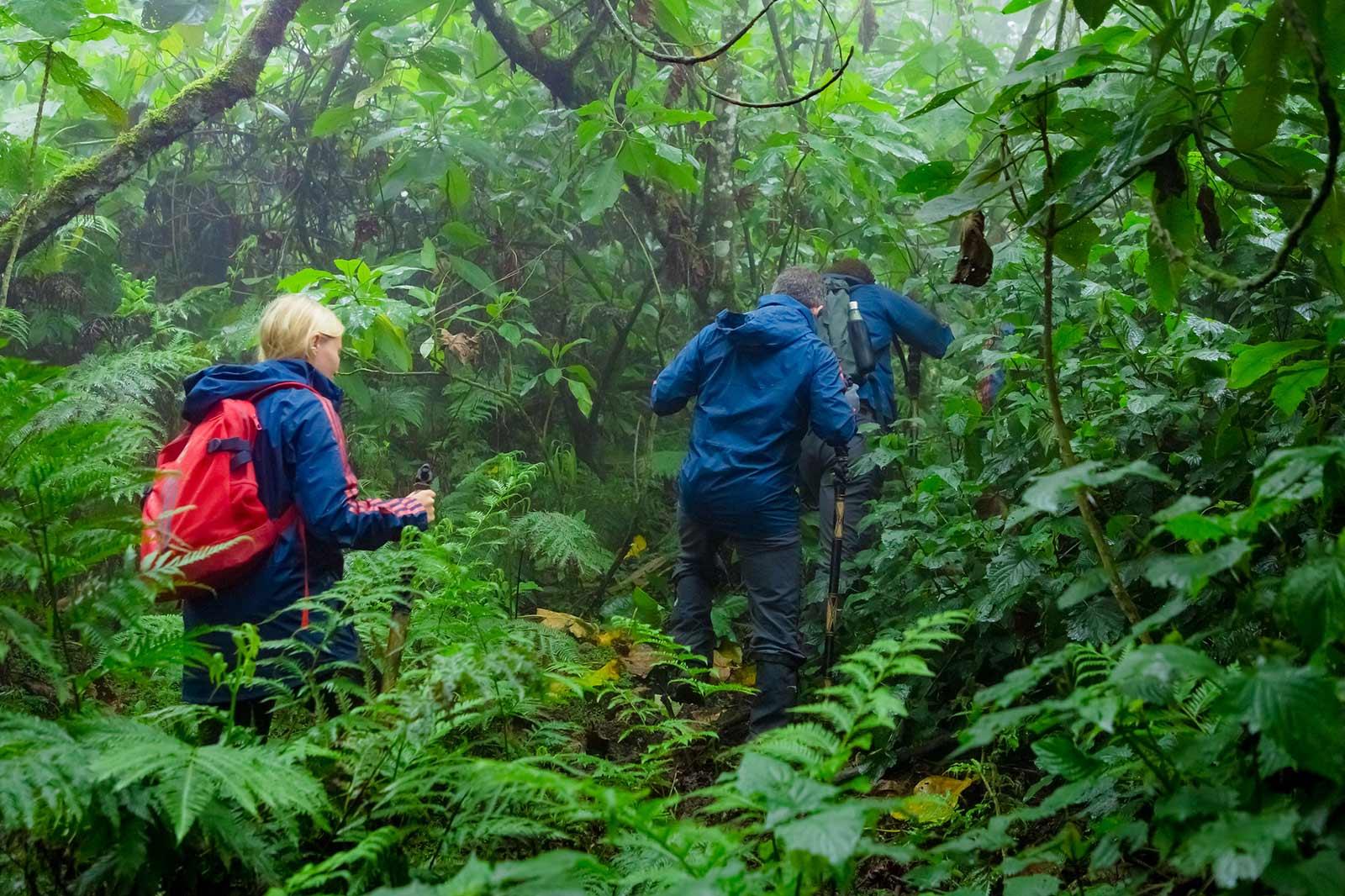
The tour operator coordinates the entire journey. This includes checking permits, booking accommodation, arranging transport, planning cultural activities, managing payments, and providing support.
A locally based operator may offer detailed destination knowledge and faster assistance. However, travellers should still check registration, communication quality, reviews, payment security, and booking conditions.
Look for Clear Communication
A professional operator should provide a detailed itinerary with travel dates, destinations, activities, hotels, meal arrangements, and inclusions. Answers should remain consistent across emails, quotations, and invoices.
Fast communication is helpful, but accuracy matters more. The operator should verify permit availability before promising a trekking date.
Check Reviews and Business Details
Recent reviews can show how the company handles guiding, transport, communication, and unexpected changes. Travellers should look for detailed reviews rather than relying only on star ratings.
The operator should provide clear business information, payment instructions, and contact details. Payments should be made through traceable and secure methods.
Ask About Responsible Tourism
A responsible safari company should explain how it chooses cultural activities, guides, lodges, and community partners. It should avoid experiences that invade privacy or present people in a disrespectful way.
The company should also encourage travellers to follow park rules, hire porters, reduce waste, and support locally owned businesses.
Common Gorilla Safari Planning Mistakes
Some planning errors can create unnecessary costs or stress. Fortunately, careful preparation can prevent most of them.
Booking Accommodation Before the Permit
A traveller may reserve a lodge before confirming the trekking sector. This can lead to long morning drives or the need to change accommodation.
The permit should normally guide the hotel choice. After the park and sector are confirmed, the operator can select a suitable property.
Scheduling a Flight Too Close to a Road Transfer
Road travel can be affected by traffic, weather, border procedures, and vehicle problems. Therefore, travellers should avoid arriving at the airport immediately before an international departure.
An overnight stay in Kigali or Entebbe may provide a safer schedule.
Adding Too Many Activities
A crowded itinerary can become tiring. It may also reduce the quality of each experience. Travellers need time for meals, rest, conversation, photography, and unexpected delays.
One meaningful cultural activity may offer more value than several short visits.
Ignoring Physical Preparation
Gorilla trekking conditions cannot be predicted. Travellers should prepare by walking regularly before the safari and using comfortable, broken-in footwear.
Health and mobility concerns should be shared with the operator. Rangers may consider visitor ability during group allocation, although an easy route can never be guaranteed.
Frequently Asked Questions About Gorilla and Cultural Safaris
How Many Days Are Needed for a Gorilla Safari?
A three- or four-day trip may cover one gorilla trek and limited cultural activities. However, seven to ten days provide a better balance of wildlife, culture, scenery, and rest.
Can Rwanda and Uganda Be Combined?
Yes. A combined itinerary can begin in Kigali, visit Volcanoes National Park, and continue to Bwindi or Mgahinga. The route depends on permits, border requirements, and available time.
Is Gorilla Trekking Safe?
Gorilla trekking takes place with trained rangers and trackers. Visitors receive a safety briefing and must follow strict rules. Travellers should also use an experienced operator and suitable transport.
How Difficult Is Gorilla Trekking?
Difficulty changes daily because gorillas move through the forest. The trek may involve slopes, mud, thick vegetation, and several hours of walking. Porters, proper boots, and reasonable fitness can help.
Can Senior Travellers Join a Gorilla Trek?
Many senior travellers complete gorilla treks. However, individual fitness and health matter more than age alone. Mobility concerns should be discussed before booking.
Are Gorilla Safaris Suitable for Children?
Gorilla trekking has a minimum age requirement set by the relevant wildlife authority. Families should verify the current rule before booking. Alternative activities can be arranged for younger children.
Can Dietary Requirements Be Accommodated?
Most lodges can prepare vegetarian, vegan, gluten-free, or other requested meals with advance notice. Travellers should provide clear information during booking.
When Should Gorilla Permits Be Booked?
Permits should be secured as early as possible once travel dates are confirmed. Availability can become limited during popular periods.
What Should Travellers Pack?
Essential items include waterproof hiking boots, long trousers, long socks, gardening gloves, a rain jacket, insect repellent, sunscreen, drinking water, and a small daypack.
Are Cultural Experiences Optional?
Yes. Every itinerary can be customised. However, adding at least one responsible cultural activity creates a better understanding of the destination and its conservation story.
Why Book with Universal Ventures Rwanda?
Universal Ventures Rwanda designs private gorilla safaris, cultural tours, wildlife journeys, and combined Rwanda–Uganda itineraries. Each travel plan can be adjusted to the client’s dates, group size, accommodation preference, physical ability, and interests.
The company can coordinate gorilla permits, private transport, professional driver-guides, accommodation, airport transfers, community visits, and safari extensions. In addition, travellers receive local support before and during the journey.
A personalised Gorilla Safari Travel Plan with Cultural Experiences can include Kigali, Volcanoes National Park, Lake Kivu, Bwindi Impenetrable National Park, Mgahinga Gorilla National Park, Akagera National Park, Nyungwe Forest, Queen Elizabeth National Park, or Kibale Forest.
Contact Universal Ventures Rwanda
For a personalised gorilla safari quotation, share your travel dates, number of guests, preferred accommodation level, arrival flight, and planned activities.
Universal Ventures Rwanda
Address: KK 15 Road, Kigali, Rwanda
Phone/WhatsApp: +250 781 441 853
Email: info@universalventuresrwanda.com
Website: www.universalventuresrwanda.com
