 Skip to content
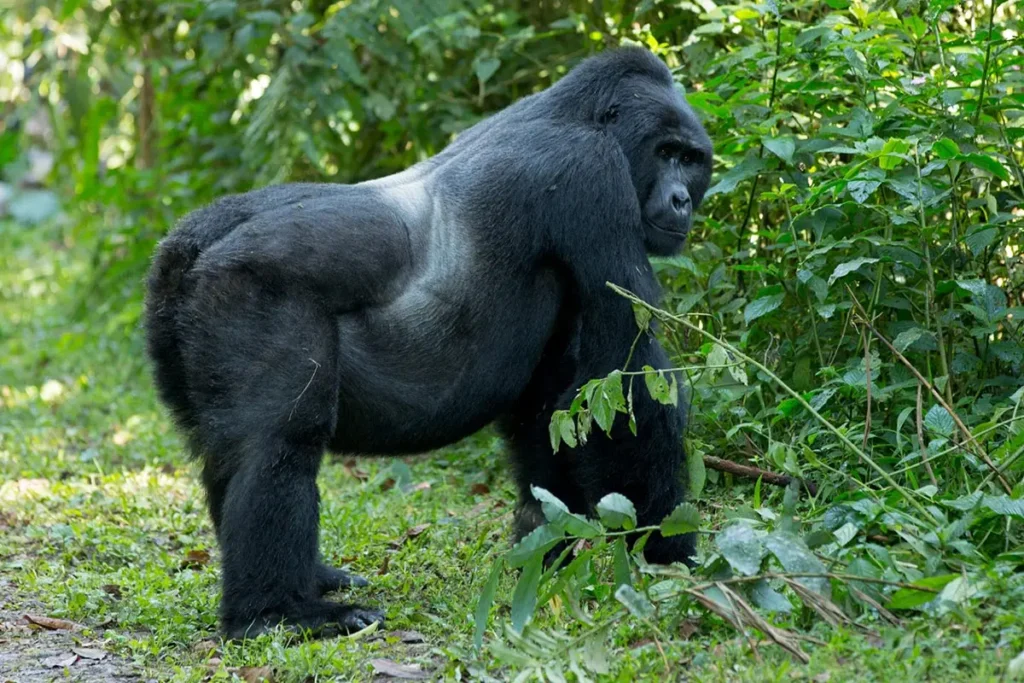
Gorilla trekking in Uganda is widely considered one of the most extraordinary wildlife experiences on Earth. Thousands of travelers from around the world visit Uganda each year to walk deep into ancient rainforests in search of the endangered mountain gorillas that live in protected areas such as Bwindi Impenetrable National Park and Mgahinga Gorilla National Park. The opportunity to spend one hour observing a gorilla family in its natural habitat creates unforgettable memories for travelers, wildlife photographers, conservationists, and adventure seekers alike. However, while many tour operators promote the beauty and excitement of gorilla trekking in Uganda, there are several important realities about the experience that are not always discussed during the booking process. Understanding these details helps travelers prepare better and enjoy a smoother safari experience. Gorilla trekking in Uganda is not just a simple wildlife tour; it is a physically demanding adventure that takes place in rugged terrain, dense forests, and unpredictable weather conditions. Visitors must be prepared for hiking, patience, and sometimes unexpected changes in trekking routes depending on where the gorillas are located on a particular day.
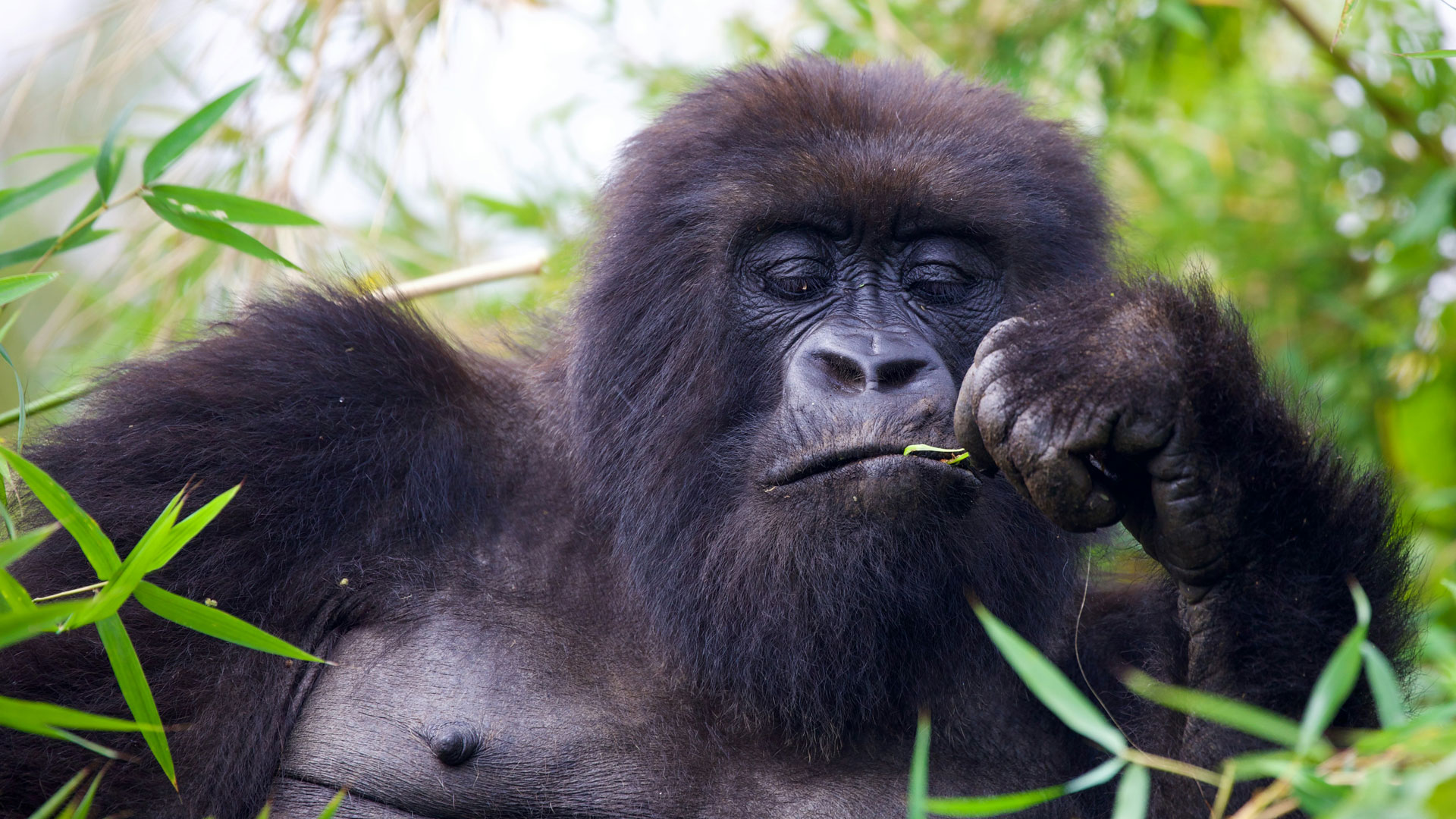 Another important factor to understand about gorilla trekking in Uganda is that the trekking experience can vary significantly from one group to another. While some trekkers encounter gorillas within an hour of hiking, others may walk for several hours through steep terrain before locating a gorilla family. This variation is rarely emphasized by tour operators who often present the experience as predictable and easy. The truth is that gorilla trekking in Uganda is an authentic wilderness experience, and that unpredictability is part of what makes it so special. By understanding what happens behind the scenes, travelers can better appreciate the conservation work, ranger tracking systems, and local community involvement that make gorilla tourism possible.
Why Gorilla Trekking in Uganda Is Unique
Gorilla trekking in Uganda offers one of the most intimate wildlife encounters in Africa. Uganda is home to more than half of the world’s remaining mountain gorilla population, making it one of the best destinations globally for this rare experience. The gorillas live primarily in Bwindi Impenetrable National Park, a UNESCO World Heritage Site known for its dense vegetation, steep hills, and exceptional biodiversity. The park contains multiple habituated gorilla families that tourists can visit through guided treks led by trained rangers.
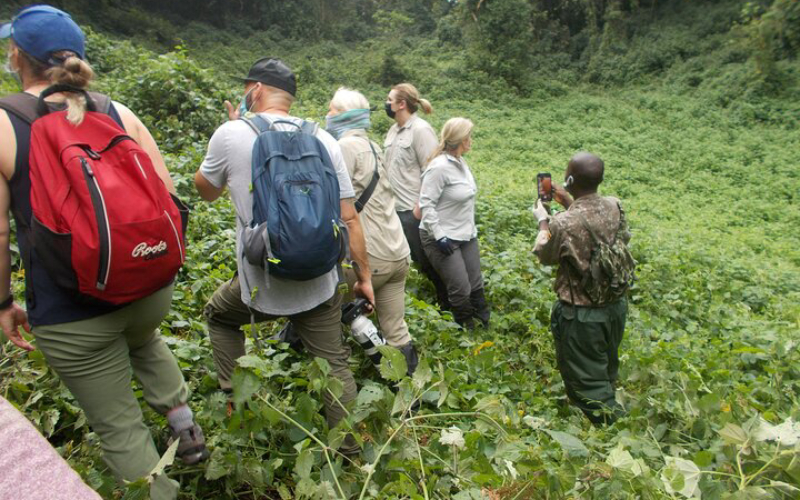 What many travelers do not realize is that gorilla trekking in Uganda is carefully managed to protect the animals and their habitat. Only a limited number of permits are issued each day, and each gorilla family can be visited by a maximum of eight tourists. This strict system helps minimize stress on the gorillas while still allowing tourism to support conservation efforts. Gorilla trekking in Uganda therefore plays a vital role in protecting the species from threats such as poaching, habitat destruction, and human encroachment. The revenue generated from trekking permits contributes directly to park management, ranger patrols, research, and community development projects around the parks.
Another unique aspect of gorilla trekking in Uganda is the immersive nature of the forest environment. Bwindi Impenetrable National Park is one of the oldest rainforests in Africa, estimated to be over 25,000 years old. As visitors hike through the forest, they encounter a rich ecosystem filled with birds, butterflies, monkeys, and other wildlife species. The trek itself becomes an adventure long before the gorillas are located, offering a deep connection to nature that is difficult to replicate anywhere else in the world.
What Tour Operators Often Don’t Tell You
Although many safari companies promote gorilla trekking in Uganda as a once-in-a-lifetime experience, there are several details that are sometimes overlooked in marketing materials. One of the most common surprises for travelers is the physical difficulty of the trek. The terrain in Bwindi Impenetrable National Park can be steep, muddy, and slippery, especially during the rainy seasons. Trekkers may need to climb hills, cross streams, and push through thick vegetation to reach the gorillas. For travelers who are not accustomed to hiking, this can come as an unexpected challenge.
 Another aspect that tour operators sometimes fail to emphasize is the early start time for gorilla trekking. Visitors must arrive at the park headquarters early in the morning for a briefing by park rangers. After the briefing, groups are assigned to specific gorilla families based on fitness levels and location. The trek begins shortly afterward, meaning travelers often leave their lodges before sunrise to reach the park on time.
Many travelers are also surprised to learn that gorilla trekking in Uganda does not guarantee an easy or short hike. Gorilla families move freely within the forest, and their location can change overnight as they search for food. Rangers track the gorillas early in the morning and guide trekking groups to the last known location. Depending on where the gorillas have moved, the trek may take anywhere from one hour to several hours.
Additionally, while the permit allows visitors to spend one hour with the gorillas once they are located, photography conditions can vary depending on weather and forest density. The forest canopy often creates low-light conditions, which can make wildlife photography more challenging than expected.
Gorilla Trekking Permits and Booking Realities
One of the most important elements of planning gorilla trekking in Uganda is securing a trekking permit. The permit grants visitors access to one gorilla trekking experience and allows them to spend one hour with a habituated gorilla family once the animals are located. Because permits are limited, they often sell out months in advance, particularly during peak travel seasons.
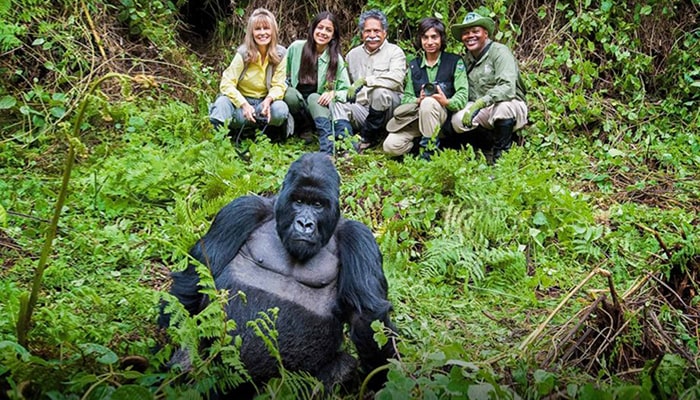 Tour operators sometimes emphasize the excitement of the experience without explaining the importance of booking permits early. Travelers who wait until the last minute may find that permits are no longer available for their preferred dates or trekking sectors. This is especially common during the dry seasons when most tourists prefer to travel.
The permit fee also contributes directly to conservation efforts and local communities. A portion of the permit revenue supports ranger salaries, anti-poaching patrols, veterinary programs, and community projects such as schools and healthcare facilities. By participating in gorilla trekking in Uganda, visitors actively contribute to protecting one of the world’s most endangered species.
Trekking Difficulty and Physical Preparation
Preparing physically for gorilla trekking in Uganda can greatly improve the experience. Although the trek is accessible to travelers of different ages and fitness levels, it still requires moderate physical endurance. The hiking conditions include uneven ground, steep slopes, and thick vegetation, which can make the trek physically demanding.
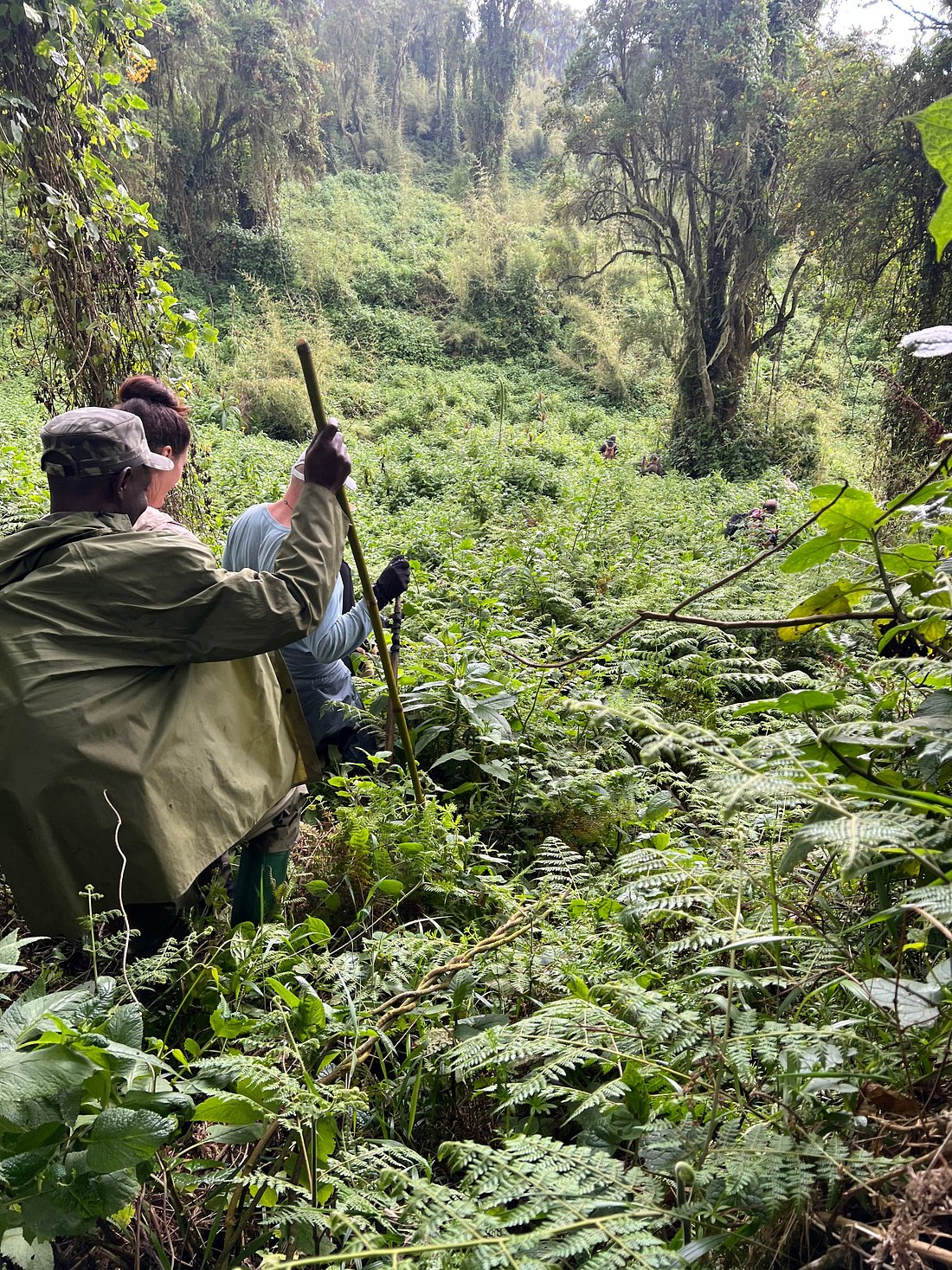 Many travelers are relieved to learn that porters are available to assist during the trek. Hiring a porter is highly recommended, as they help carry bags, provide support on difficult sections of the trail, and create additional employment for local communities. The small fee paid for porter services helps support families living near the national parks.
Visitors who may struggle with the hike can also arrange a traditional stretcher service known locally as an “Ingobyi,” where a team of porters carries a guest through difficult terrain. This option allows travelers with limited mobility to still experience gorilla trekking in Uganda.
Best Time for Gorilla Trekking in Uganda
Gorilla trekking in Uganda is available throughout the year, but weather conditions can influence the trekking experience. The dry seasons, typically from June to September and December to February, are considered the best times for trekking because the trails are less muddy and easier to navigate. During these months, the forest paths are generally more accessible, making the trekking conditions slightly easier for visitors.
However, the rainy seasons also have advantages. The forest becomes lush and vibrant, and there are often fewer tourists in the parks. Gorilla families may also stay closer to the lower slopes of the forest where food is abundant, which can sometimes result in shorter trekking distances.
Ultimately, gorilla trekking in Uganda is a rewarding experience in any season. The key is to prepare properly with appropriate clothing, waterproof gear, and sturdy hiking boots.
Gorilla Trekking Etiquette and Conservation Rules
To protect the health and safety of both visitors and gorillas, strict guidelines are followed during gorilla trekking in Uganda. Visitors must maintain a safe distance from the gorillas and avoid sudden movements or loud noises that might disturb them. Eating, smoking, or leaving litter in the forest is strictly prohibited.
Visitors who are feeling unwell are not allowed to participate in the trek, as gorillas share many genetic similarities with humans and are vulnerable to human diseases. These rules are essential for ensuring that tourism continues to support conservation without harming the animals.
Why Gorilla Trekking Supports Conservation
Gorilla tourism has become one of the most successful conservation models in Africa. The revenue generated from gorilla trekking permits helps fund wildlife protection efforts while providing employment opportunities for local communities. Rangers, guides, trackers, lodge staff, and porters all benefit from the tourism economy created by gorilla trekking in Uganda.
Community projects funded through tourism revenue help reduce reliance on forest resources and encourage local residents to support conservation efforts. As a result, the mountain gorilla population has been gradually increasing over the past decades, which is a remarkable conservation success story.
Final Thoughts on Gorilla Trekking in Uganda
Gorilla trekking in Uganda remains one of the most powerful wildlife experiences available anywhere in the world. While many tour operators focus on the excitement and beauty of the encounter, understanding the realities behind the experience helps travelers prepare more effectively. The trek may be challenging, the forest may be unpredictable, and the journey may require patience, but the moment you stand just a few meters away from a wild mountain gorilla makes every step worthwhile.
By approaching gorilla trekking in Uganda with realistic expectations, proper preparation, and respect for the animals and their environment, visitors can enjoy a truly transformative adventure. The experience not only provides unforgettable memories but also supports the long-term protection of one of the planet’s most extraordinary species.
Contact for Gorilla Trekking Tours
If you would like to plan a professional and well-organized gorilla trekking safari in Uganda or Rwanda, feel free to contact us:
Universal Ventures Rwanda
📍 Address: Kk 15 Rd, Kigali, Rwanda
📞 Phone: +250 781441853
📧 Email: info@universalventuresrwanda.com
Our team specializes in organizing gorilla trekking safaris, wildlife tours, and customized East Africa adventures designed to provide unforgettable experiences while supporting conservation and local communities.