 Skip to content
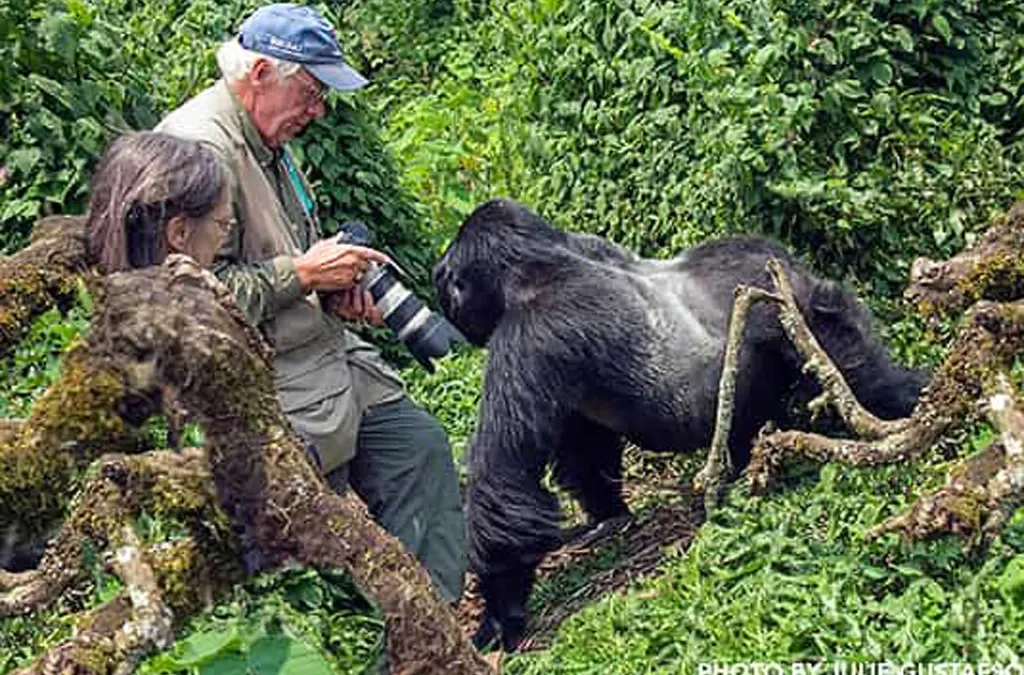
Gorilla trekking photography in Uganda is one of the most thrilling and rewarding wildlife photography experiences in Africa. Deep inside the ancient rainforests of Bwindi Impenetrable National Park and Mgahinga Gorilla National Park, photographers have the rare opportunity to capture endangered mountain gorillas in their natural habitat. The misty jungle atmosphere, filtered sunlight through thick canopy, and emotional expressions of gorilla families create dramatic and unforgettable images. However, forest conditions can be challenging due to low light, humidity, movement, and strict conservation rules. Understanding proper forest shooting techniques is essential for successful gorilla trekking photography in Uganda.
This detailed guide will help you master lighting, camera settings, positioning, ethical rules, and practical tips so you can return home with powerful wildlife images while respecting conservation guidelines.
Why Gorilla Trekking Photography in Uganda Is Unique
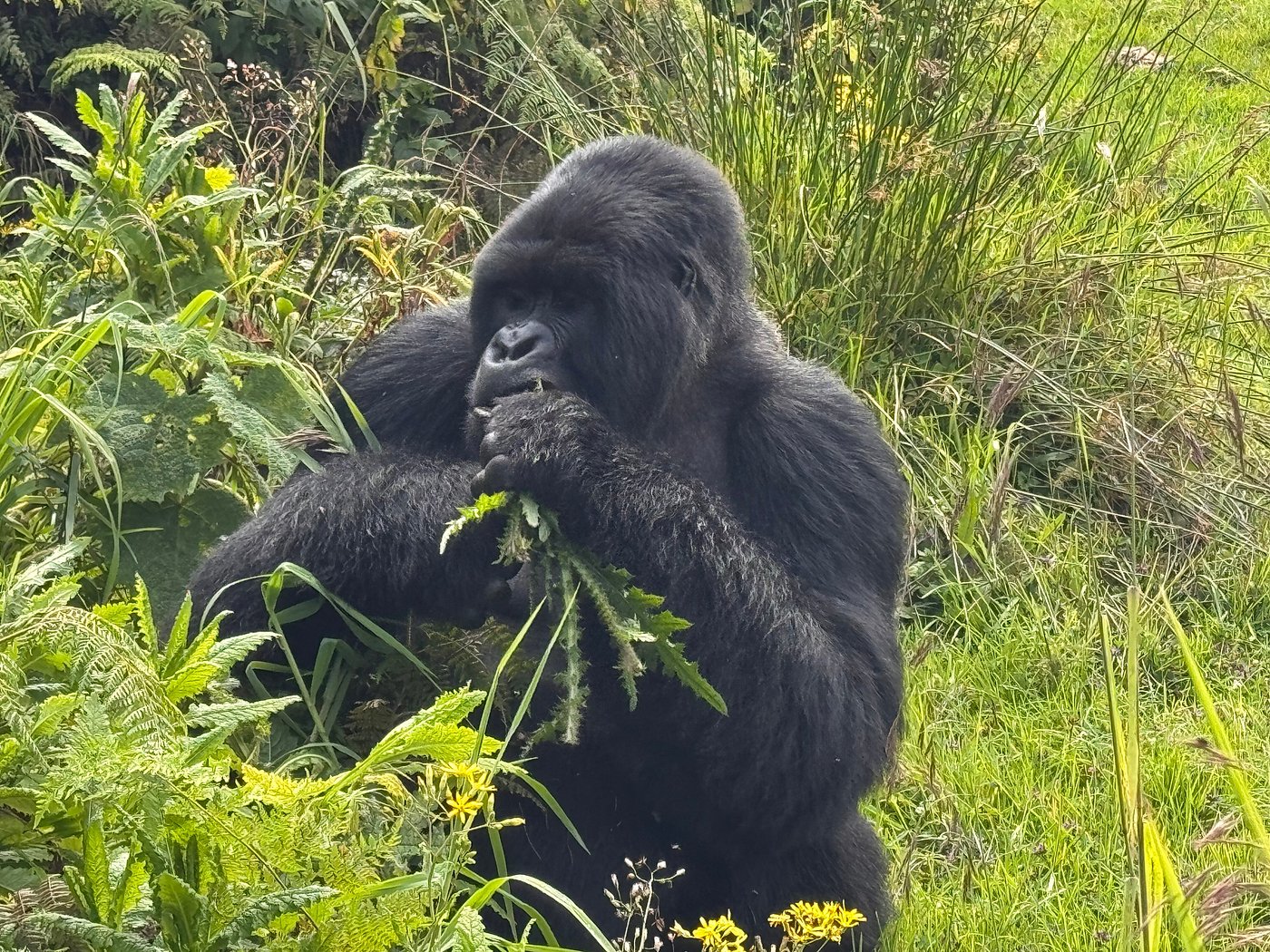 Gorilla trekking photography in Uganda stands out because the environment is dense, unpredictable, and raw. Unlike open savannah wildlife photography, you are working inside thick rainforest terrain where light is constantly shifting. The gorillas are often partially hidden behind foliage, vines, or tree trunks, which means photographers must think creatively and react quickly.
Uganda’s forests offer:
- Dramatic misty backdrops
- Intimate close-range photography (7-meter rule applies)
- Emotional family interactions
- Unique eye-level portrait opportunities
Because gorillas are habituated, they are comfortable around humans. This allows photographers to capture natural behaviors such as grooming, feeding, playing, or silverbacks displaying dominance.
Camera Equipment for Gorilla Trekking Photography in Uganda
Choosing the right equipment is critical for successful gorilla trekking photography in Uganda.
Best Camera Bodies
A DSLR or mirrorless camera with strong low-light performance is highly recommended. Forest lighting conditions require high ISO capability without excessive noise.
Look for:
- Fast autofocus system, High ISO performance (ISO 1600–6400 usable), Good dynamic range
Recommended Lenses for Forest Shooting
Because you must maintain distance, telephoto lenses are ideal for gorilla trekking photography in Uganda.
Best options:
- 70–200mm f/2.8 (versatile and bright)
- 100–400mm zoom lens
- 300mm prime for sharper portraits
A fast aperture (f/2.8 – f/4) helps in low-light rainforest conditions.
Avoid carrying heavy equipment unless you hire a porter, as trekking can be physically demanding.
Forest Lighting Challenges & How to Handle Them
Understanding Low Light in Bwindi Forest
The rainforest canopy blocks much of the sunlight. Gorilla trekking photography in Uganda often takes place in shaded areas where light is uneven and soft. This creates beautiful mood but also technical challenges.
To adapt:
- Use wide apertures (f/2.8–f/4)
- Increase ISO when necessary
- Shoot in RAW format for flexibility
- Use exposure compensation if background is bright
Flash photography is not allowed because it may disturb gorillas.
Mastering Natural Light in Dense Jungle
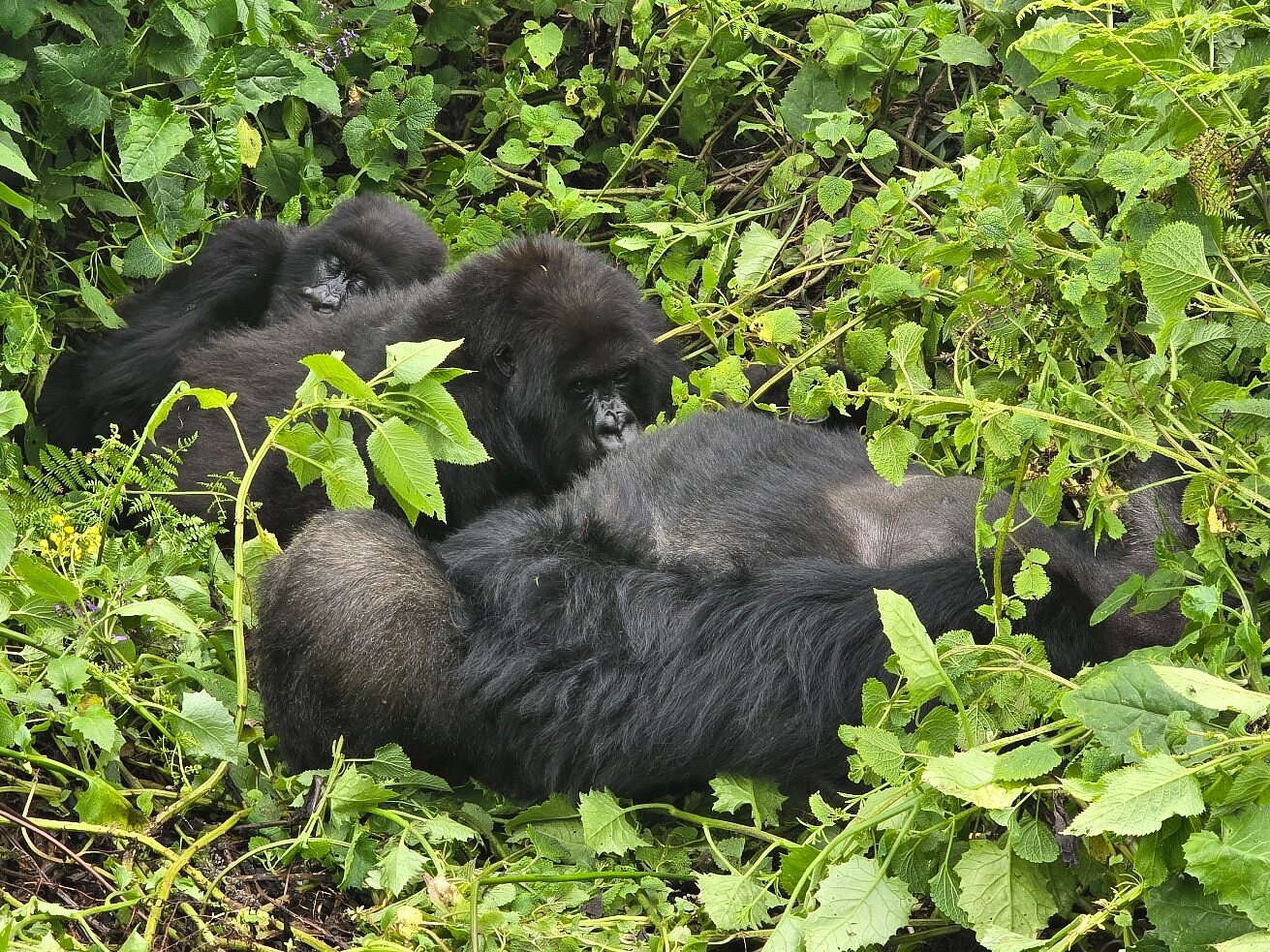 Light filtering through leaves creates dappled highlights. Position yourself so the light falls on the gorilla’s face rather than behind it. If possible, move slowly and quietly to find a clean shooting angle without distracting branches.
Patience is key. Gorilla trekking photography in Uganda rewards photographers who wait for expressions, eye contact, or interaction moments.
Best Camera Settings for Gorilla Trekking Photography in Uganda
Here are recommended starting settings:
- Aperture: f/2.8–f/4
- Shutter speed: 1/250 – 1/500 (to freeze movement)
- ISO: 800–3200 depending on light
- Focus mode: Continuous autofocus (AI Servo / AF-C)
- Shooting mode: Burst mode for action moments
Gorillas may suddenly move, especially juveniles playing. Fast shutter speeds prevent motion blur.
Composition Tips for Powerful Gorilla Images
Focus on Emotion and Eyes
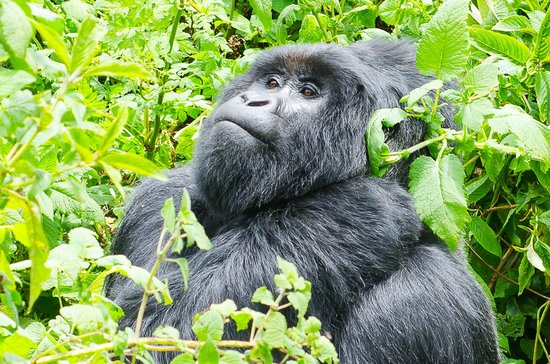
The eyes of a mountain gorilla tell a powerful story. Gorilla trekking photography in Uganda becomes impactful when you capture emotion, intelligence, and connection. Always focus on the eyes when shooting portraits.
Use the Forest as a Frame
Leaves and vines can frame your subject naturally. Instead of avoiding foliage entirely, use it creatively to add depth.
Shoot at Eye Level
Try crouching slightly to capture eye-level perspectives. This creates intimacy and stronger storytelling.
Gorilla Trekking Rules for Photographers
Gorilla trekking photography in Uganda follows strict conservation regulations established by the Uganda Wildlife Authority.
Key rules include:
- Maintain a 7-meter distance
- No flash photography
- One hour maximum with gorillas
- Follow ranger instructions at all times
- No loud noises or sudden movement
Respecting these rules ensures safety for both visitors and gorillas.
Protecting Your Equipment in Rainforest Conditions
Rain and humidity are common in Bwindi and Mgahinga.
Bring:
- Waterproof camera covers
- Dry bags
- Extra batteries (cold drains power faster)
- Microfiber cloth for lens cleaning
Humidity can fog lenses. Keep your gear in sealed bags before entering the forest to reduce condensation.
Working with Rangers for Better Photography Angles
Rangers are experienced in positioning visitors. If you communicate respectfully, they often help photographers find safe angles while maintaining gorilla comfort.
Always prioritize conservation over photography. Gorilla trekking photography in Uganda is about ethical wildlife storytelling, not intrusive shots.
When Is the Best Time for Gorilla Trekking Photography in Uganda?
The dry seasons (June–September and December–February) offer slightly better trekking conditions. Trails are less muddy, and lighting can be more stable.
However, the rainy season produces dramatic misty atmospheres, creating magical rainforest photography opportunities.
Ethical Wildlife Photography Practices
Responsible gorilla trekking photography in Uganda means:
- Never blocking a gorilla’s path
- Avoiding physical contact
- Staying calm if a gorilla approaches
- Respecting park limits
Ethical photography protects endangered mountain gorillas for future generations.
Why Uganda Is a Top Destination for Gorilla Photography
 Uganda offers:
- Over half of the world’s remaining mountain gorillas
- Multiple habituated families
- Dense, dramatic rainforest settings
- Intimate photography opportunities
The controlled permit system ensures small group sizes, making gorilla trekking photography in Uganda a focused and less crowded experience compared to many wildlife destinations.
Final Thoughts: Capturing the Magic Responsibly
Gorilla trekking photography in Uganda is not just about technical skills. It is about patience, respect, and emotional storytelling. The rainforest environment challenges photographers, but it also rewards them with unforgettable portraits of one of the world’s most endangered primates.
By preparing properly, choosing the right equipment, understanding forest lighting, and respecting conservation rules, you can create powerful images that inspire wildlife protection and conservation awareness.
For customized gorilla trekking photography safaris and permit assistance, contact:
📧 Email: info@universalventuresrwanda.com
📞 Phone / WhatsApp: +250 781 441 853
Capture the wild responsibly — and let Uganda’s mountain gorillas tell their story through your lens.