 Skip to content
Planning a gorilla safari in East Africa is one of the most rewarding wildlife experiences in the world, especially when you explore both Rwanda and Uganda. However, organizing such a trip requires careful preparation, from choosing the right destination and securing permits to planning transport, accommodation, and activities. This complete guide walks you through every stage of the journey using a clear, structured approach so you can confidently design a smooth and memorable safari.
Why Visit Rwanda and Uganda for Gorilla Trekking?

Both Rwanda and Uganda offer exceptional access to endangered mountain gorillas, yet the experiences differ in important ways.
In Rwanda, trekking takes place in Volcanoes National Park, known for its accessibility and premium safari experiences. Uganda, on the other hand, features Bwindi Impenetrable National Park and Mgahinga Gorilla National Park, offering a more rugged and budget-friendly adventure.
Choosing between them depends on your travel style, time, and budget, but combining both destinations often creates the richest safari experience.
Best Time for Gorilla Trekking in Rwanda and Uganda

Timing plays a key role in planning your safari. The dry seasons—June to September and December to February—are generally the best months to visit because trails are easier to navigate and visibility is better for photography.
However, the rainy seasons also have advantages. Fewer tourists mean better permit availability and a quieter trekking experience. If you don’t mind occasional rain, this can be a smart option.
Gorilla Permits: Costs and Booking Process

One of the most important steps in organizing your trip is securing a gorilla trekking permit.
- Rwanda: $1,500 per person
- Uganda: $800 per person
Permits allow you to spend one hour with a habituated gorilla family. Because availability is limited, it’s best to book several months in advance, especially if you plan to travel during peak seasons.
Designing Your Gorilla Safari Itinerary
A well-structured itinerary ensures you make the most of your trip. Many travelers combine gorilla trekking with other highlights to create a complete safari experience.
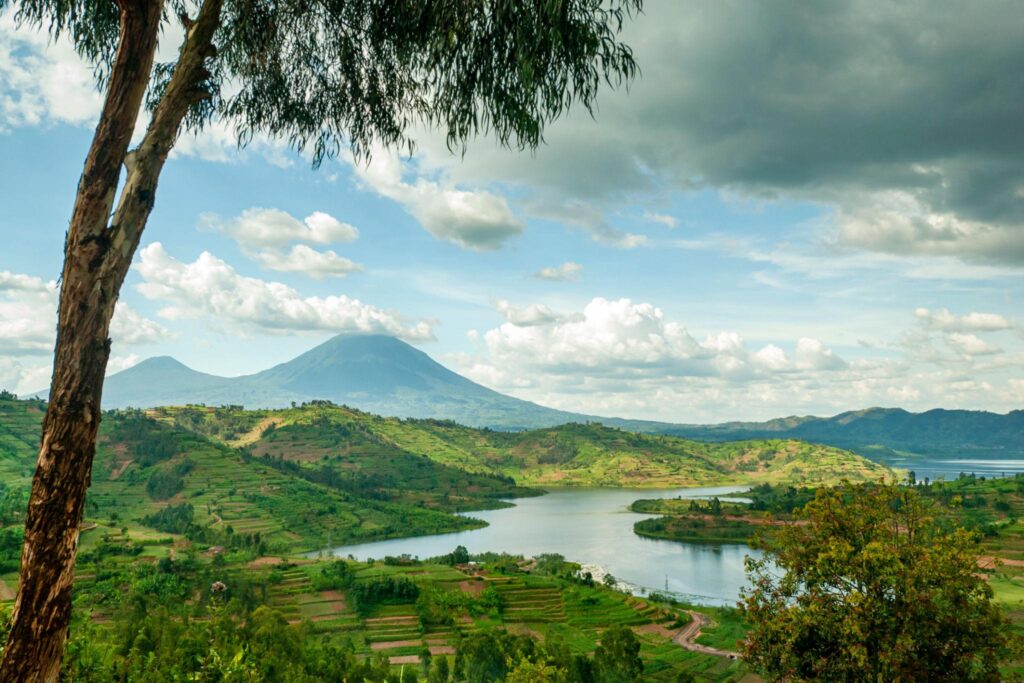
Popular additions include visiting Kigali, relaxing at Lake Kivu, or exploring Nyungwe Forest National Park for chimpanzee trekking and canopy walks.
A typical itinerary ranges from 4 to 8 days, depending on how many activities and destinations you include.
Accommodation Options: Budget to Luxury Safari Lodges

Accommodation varies widely across both countries, giving you flexibility based on your budget.
- Budget lodges: simple but comfortable
- Midrange lodges: good balance of comfort and cost
- Luxury lodges: premium service, views, and exclusive experiences
Staying near your trekking sector is recommended to reduce early morning travel time and improve overall convenience.
Transportation and Getting Around

Transportation is a key part of your safari logistics. Due to the terrain, a 4×4 vehicle is essential.
You can choose between:
- Private driver-guided safari
- Self-drive adventure
- Domestic flights for faster travel
Rwanda offers shorter travel distances, while Uganda often involves longer drives, especially to Bwindi.
What to Pack and How to Prepare

Preparation is essential for a successful trek. Conditions can be physically demanding, so proper gear makes a big difference.
Bring:
- Hiking boots with good grip
- Long-sleeved clothing
- Waterproof jacket
- Gloves and backpack
- Drinking water and snacks
Moderate fitness is recommended, as trekking duration varies depending on gorilla location.
Gorilla Trekking Rules and Conservation Guidelines
To protect the gorillas and their habitat, strict rules are enforced during every trek.
- Keep a safe distance (7 meters)
- Avoid flash photography
- Follow ranger instructions at all times
- Do not trek if you are unwell
These guidelines ensure both visitor safety and long-term conservation success.
Budget Breakdown for a Gorilla Safari
Planning your budget helps you avoid surprises and choose the right travel style.
Estimated costs per person:
- Permit: $800–$1,500
- Accommodation: $100–$1,500+ per night
- Transport: $100–$300 per day
- Activities: $50–$200
Overall, a complete safari typically ranges from $2,500 to $8,000+, depending on comfort level and itinerary length.
Rwanda vs Uganda Gorilla Trekking Experience
Choosing between Rwanda and Uganda depends on your priorities.
Rwanda is ideal for:
- Short trips
- Luxury travelers
- Easier logistics
Uganda is better for:
- Budget travelers
- Longer, adventurous treks
- Diverse forest landscapes
Many travelers combine both destinations for a more comprehensive experience.
Final Travel Tips for First-Time Visitors
Planning your safari carefully ensures a smooth and enjoyable journey. Book permits early, choose the right season, and work with experienced operators for logistics and guidance.
Above all, take time to enjoy the moment. Standing just a few meters away from a mountain gorilla is a powerful experience that few places in the world can offer.
Conclusion
Organizing a gorilla safari across Rwanda and Uganda may seem complex at first, but with the right approach, it becomes a seamless and highly rewarding adventure. By understanding permits, timing, logistics, and preparation, you can create a journey that is both efficient and unforgettable.
Contact Us – Plan Your Gorilla Safari Today
Ready to start planning your unforgettable gorilla trekking experience in Rwanda and Uganda? Our expert team at Universal Ventures Rwanda is here to help you design a personalized safari that matches your budget, travel style, and schedule.
Whether you’re looking for a luxury gorilla safari, a midrange adventure, or a budget-friendly trekking experience, we’ll guide you every step of the way—from permits to accommodation and transportation.
Get in Touch
📧 Email: info@universalventuresrwanda.com
📱 WhatsApp / Call: +250 781441853
🌍 Website: www.universalventuresrwanda.com
📍 Location: Kigali, Rwanda
