 Skip to content
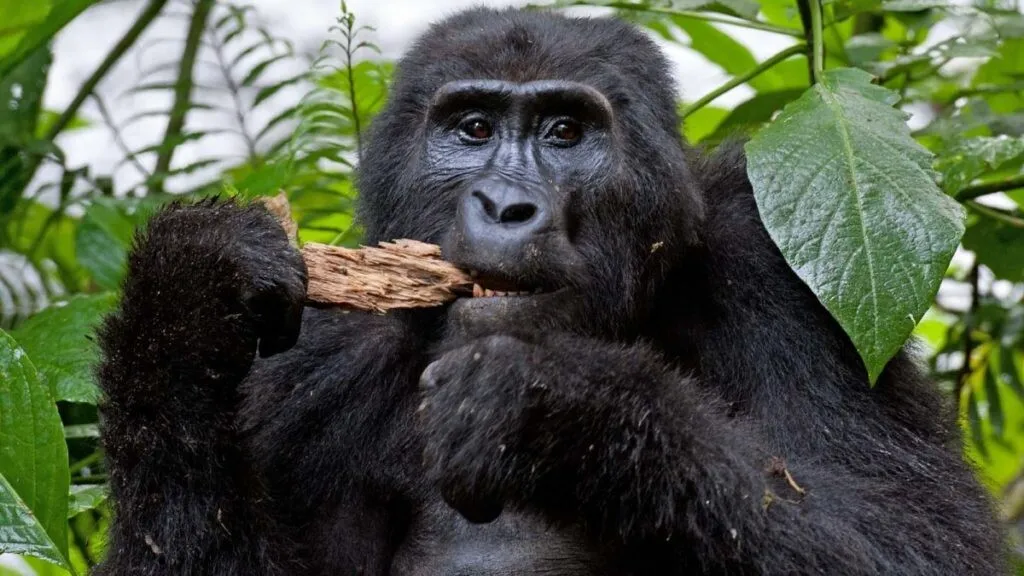
Rwanda is globally recognized as one of the most reliable destinations for mountain gorilla trekking, and one of the most common questions travelers ask before booking is simple but crucial: What are the chances of actually seeing gorillas in Rwanda? The answer is extremely encouraging. The Rwanda gorilla trekking success rate consistently exceeds 95% and often reaches 98–99%, making it one of the highest wildlife sighting success rates anywhere in the world. This remarkable consistency is not luck—it is the result of decades of conservation investment, expert tracking systems, strict tourism management, and a deep national commitment to protecting endangered mountain gorillas.
For many travelers, gorilla trekking is a once-in-a-lifetime experience. Rwanda has designed its gorilla tourism model to ensure that visitors not only have an exceptionally high chance of seeing gorillas, but also encounter them in an ethical, controlled, and conservation-driven environment. This comprehensive guide explains in depth why Rwanda’s gorilla trekking success rate is so high, how trekking works, what factors influence sightings, how Rwanda compares to other gorilla destinations, and what you should realistically expect on your trek day.
Understanding the Rwanda Gorilla Trekking Success Rate
The Rwanda gorilla trekking success rate refers to the likelihood that visitors who hold a valid gorilla trekking permit will successfully encounter a habituated mountain gorilla family during their guided trek. In Rwanda, success does not simply mean a distant glimpse. In most cases, trekkers enjoy clear, close-up views lasting up to one full hour, often just a few meters away, under strict safety and conservation rules.
Unlike many wildlife experiences where animals roam unpredictably, Rwanda’s gorilla trekking system is highly organized and science-based. Gorilla families visited by tourists are fully habituated, meaning they are accustomed to calm human presence and do not flee when approached responsibly. Combined with daily tracking by rangers, this makes Rwanda one of the most dependable destinations for gorilla encounters.
Why Rwanda Has One of the Highest Gorilla Trekking Success Rates in the World
Daily Gorilla Tracking by Professional Rangers
In Volcanoes National Park, gorilla families are monitored every single day by trained ranger-trackers. These trackers leave early in the morning—often before sunrise—to locate each habituated gorilla group and record their exact position, movement patterns, and behavior. By the time trekkers arrive at park headquarters, rangers already know precisely where each gorilla family is located.
This system removes the element of chance. Treks are not random searches; they are carefully guided walks toward gorillas that have already been found. This alone explains why Rwanda’s success rate is so consistently high.
Habituated Gorilla Families
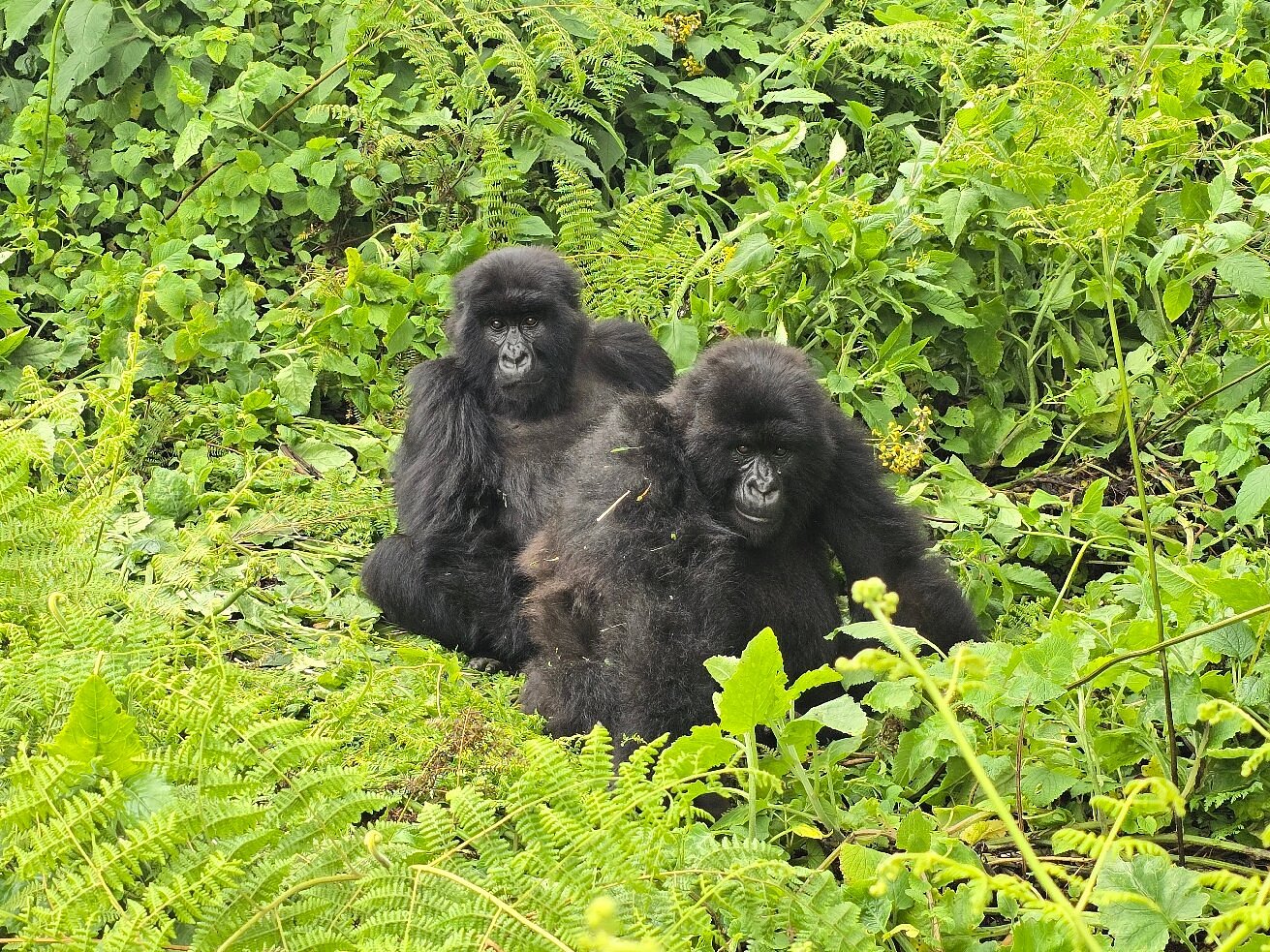 Rwanda currently has multiple habituated gorilla families that are specifically designated for tourism. Habituation is a long, carefully controlled process that takes years and allows gorillas to become comfortable with limited human presence. These gorillas remain fully wild, but they do not perceive humans as a threat.
Because only habituated families are visited, trekkers are not searching for elusive or nervous animals. Instead, they are guided to gorillas that remain calm, visible, and tolerant, dramatically increasing the likelihood of a successful and safe encounter.
Strict Visitor Limits and Small Group Sizes
Rwanda enforces strict limits on gorilla trekking tourism. Each gorilla family is visited by a maximum of eight trekkers per day, and each group spends no more than one hour with the gorillas. This low-impact approach minimizes stress on the animals while ensuring that guides can manage each group effectively.
Fewer people mean fewer delays, better positioning, and more controlled movement in the forest—factors that significantly improve the overall trekking experience and success rate.
Efficient Park Management and Infrastructure
Compared to some other gorilla trekking destinations, Rwanda offers excellent infrastructure and park organization. Volcanoes National Park is compact, well-maintained, and supported by good road access from Kigali. This allows rangers to respond quickly if gorillas move unexpectedly and adjust trekking plans in real time.
In most cases, trekking distances are shorter and more predictable, especially compared to more remote parks in the region. This efficiency further increases the chance of finding gorillas within a reasonable trekking time.
How Gorilla Trekking Works in Rwanda (Step by Step)
Understanding how the process works helps explain why sightings are almost guaranteed.
Early Morning Briefing
Trekkers arrive early at park headquarters for a briefing that covers gorilla behavior, trekking rules, safety guidelines, and conservation principles. Groups are assigned based on fitness level, age, and preference, ensuring that each trek is suitable for the participants.
This careful matching system reduces fatigue, delays, and logistical challenges—another factor that supports a high success rate.
Guided Trek Into the Forest
Each trekking group is led by:
- A professional guide
- Armed rangers for safety
- Tracker teams who remain in contact with rangers already near the gorillas
Because gorilla locations are known in advance, trekking focuses on reaching the animals efficiently rather than searching blindly through dense forest.
One Hour With the Gorillas
Once the gorilla family is found, trekkers are allowed exactly one hour to observe them. This hour often feels timeless—watching gorillas feed, groom, play, and interact in their natural environment is a profoundly moving experience.
Visibility is usually excellent, and encounters often exceed expectations, with gorillas calmly moving around trekkers at close range.
Best Time of Year for Gorilla Trekking Success in Rwanda
One of the most reassuring aspects of gorilla trekking in Rwanda is that the success rate remains high throughout the year. However, trekking conditions vary by season.
Dry Seasons – Best Overall Conditions
- June to September
- December to February
These months offer drier trails, clearer conditions, and easier hiking, making them ideal for first-time trekkers. Gorilla sightings remain consistently high.
Rainy Seasons – Equally High Success
- March to May
- October to November
While trails can be muddy and hikes more challenging, gorilla sightings remain just as successful. The forest is lush and green, photography can be dramatic, and visitor numbers are lower.
Does Fitness Level Affect Gorilla Trekking Success?
Fitness does not significantly affect the success rate. Rwanda’s trekking system is designed to accommodate a wide range of fitness levels. Some gorilla families remain closer to the park boundary, while others roam deeper into the forest.
Guides assign groups strategically so that:
- Older travelers and beginners still have high success rates
- Fit and adventurous trekkers can choose longer hikes
- Everyone has a fair and realistic chance of seeing gorillas
This flexibility is a key reason Rwanda maintains such a consistently high success rate.
What Happens If Gorillas Are Not Found?
This scenario is extremely rare. In the unlikely event that a gorilla family moves unexpectedly, ranger teams coordinate rapidly to locate them. If necessary, trekkers may be redirected to another nearby habituated family.
Rwanda’s system is built with multiple layers of backup, making complete failure to see gorillas exceptionally uncommon.
Rwanda vs Other Gorilla Trekking Destinations
Mountain gorilla trekking is also available in Uganda and the Democratic Republic of Congo. While all three destinations offer incredible experiences, Rwanda stands out for:
- Higher predictability of sightings
- Shorter and more organized treks
- Strong conservation funding
- Excellent safety and infrastructure
These factors combine to make Rwanda one of the most reliable destinations for gorilla trekking success, particularly for travelers with limited time or those seeking smoother logistics.
Conservation’s Role in Rwanda’s High Success Rate
The outstanding Rwanda gorilla trekking success rate is inseparable from conservation. Tourism revenue directly funds:
- Ranger patrols and anti-poaching efforts
- Veterinary care and disease monitoring
- Habitat protection and forest restoration
- Community development projects
By ensuring that local communities benefit from gorilla tourism, Rwanda has created strong incentives to protect gorillas rather than exploit them. As a result, mountain gorilla populations in the Virunga region are stable and gradually increasing, further supporting consistent sightings.
What Are the Real Chances of Seeing Gorillas in Rwanda?
To summarize clearly and honestly:
- Your chances of seeing gorillas in Rwanda are above 95%
- Most trekkers enjoy close, clear, and extended encounters
- Missed sightings are extremely rare
For many visitors, gorilla trekking becomes the emotional highlight of their African journey—and often one of the most powerful wildlife experiences of their lifetime.
Is Gorilla Trekking in Rwanda Worth the Cost?
Rwanda’s gorilla trekking permits are premium-priced, but the value lies in:
- Near-guaranteed sightings
- Ethical and well-managed tourism
- Direct contribution to conservation
- Exceptional guiding and safety standards
When measured against the quality, reliability, and conservation impact of the experience, many travelers consider Rwanda’s gorilla trekking to be worth every dollar.
Rwanda’s Gorilla Trekking Success Rate Explained
The Rwanda gorilla trekking success rate is among the highest of any wildlife experience in the world. Thanks to daily tracking, habituated gorilla families, strict visitor limits, and world-class conservation management, Rwanda offers travelers an exceptionally high chance of seeing mountain gorillas in their natural habitat.
More than just a wildlife encounter, gorilla trekking in Rwanda is a conservation success story—one in which visitors play a meaningful role. If your goal is to experience mountain gorillas with confidence, ethical standards, and unforgettable impact, Rwanda remains one of the best choices on Earth.
Plan Your Rwanda Gorilla Trekking Safari
For more information about Rwanda gorilla trekking, permits, success rates, and customized safari planning, please contact us:
📞 Phone / WhatsApp: +250781441853
📧 Email: info@universaljourneysrwanda.com
Trek responsibly. Support conservation. Experience Rwanda’s gorillas with confidence.