
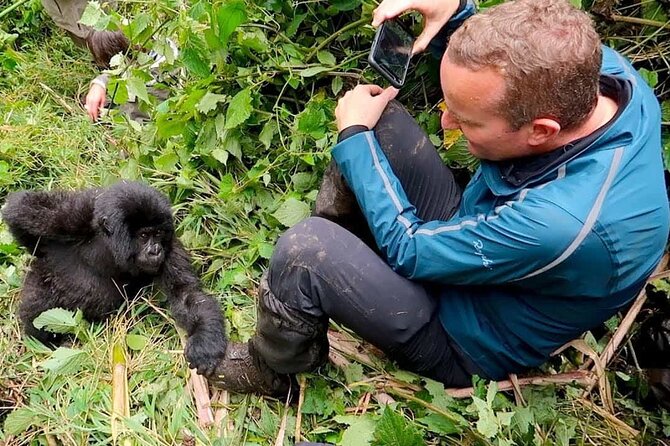
Understanding Volcanoes National Park gorilla groups and how tracking is assigned is one of the most important steps in planning a successful and meaningful gorilla trekking experience in Rwanda. Volcanoes National Park is home to several habituated mountain gorilla families, each with its own territory, behavior, and trekking difficulty. While travelers often focus on permits and lodge selection, knowing how gorilla tracking is assigned gives you realistic expectations about trek length, fitness requirements, and the overall experience.
This guide explains in detail how gorilla families are organized, how the Rwanda Development Board (RDB) assigns gorilla groups each morning, what factors influence the assignment process, and how logistics such as rent a car to Volcanoes, car rental to Volcanoes National Park, and transfers to Volcanoes National Park play a key role in arriving on time and fully prepared for your trek.
About Volcanoes National Park and Its Gorilla Families
Volcanoes National Park is located in northern Rwanda, along the Virunga mountain range, and is one of the most important conservation areas for endangered mountain gorillas. The park protects rainforest, bamboo zones, and alpine vegetation spread across volcanic slopes, providing ideal habitat for gorilla families. Each gorilla group occupies a defined home range, moving daily in search of food, which is why trekking routes and distances change constantly.
There are multiple habituated Volcanoes National Park gorilla groups, meaning these families have undergone a careful, multi-year process of becoming accustomed to human presence. Only habituated groups can be visited by tourists, and each group is tracked daily by rangers to monitor their movements, health, and security.
What Are Gorilla Groups and Why They Matter for Trekking?
A gorilla group, also known as a family, is typically led by one or more silverbacks and includes adult females, juveniles, and infants. Each group has unique characteristics—some are calm and playful, others more dominant and territorial. When travelers ask about Volcanoes National Park gorilla groups, they are often trying to understand which group they will track and how demanding the trek might be.
Some gorilla families stay closer to park boundaries, while others move higher into the mountains. This directly affects trekking time, terrain difficulty, and overall physical effort. However, visitors do not choose gorilla groups in advance; instead, assignments are made on the trekking day itself.
Volcanoes National Park Gorilla Groups: How Tracking Is Assigned Each Morning
Understanding how tracking is assigned removes much of the uncertainty around gorilla trekking. Every trekking morning, all visitors gather at the park headquarters in Kinigi for a detailed briefing conducted by park rangers. During this briefing, trackers share the latest information about gorilla movements based on monitoring done the previous day and early that same morning.
Assignments are made by considering several key factors. Rangers assess the current location of each gorilla group, the estimated trekking distance, terrain steepness, weather conditions, and the physical ability of trekkers. Older travelers or those requesting an easier trek may be assigned to gorilla groups closer to the park edge, while fitter hikers may be allocated groups located deeper in the forest.
This system ensures that gorilla trekking in Volcanoes National Park remains safe, well-managed, and enjoyable for all participants.
Can Visitors Choose Their Gorilla Group in Volcanoes National Park?
One of the most common questions about Volcanoes National Park gorilla groups is whether visitors can choose a specific family. Officially, gorilla group selection is not guaranteed in advance, as assignments depend on real-time tracking data. However, visitors can communicate preferences—such as moderate hiking, photography interests, or age considerations—during the morning briefing.
While requests are not promises, rangers do their best to accommodate special needs. This is why arriving early and relaxed is important, and why reliable transfers to Volcanoes National Park or a private car rental to Volcanoes National Park can make a big difference on trekking day.
The Importance of Transport When Tracking Gorilla Groups in Volcanoes National Park
Because gorilla trekking begins early—usually before 7:00 AM—having dependable transport is critical. Many travelers choose to rent a car to Volcanoes rather than rely on shared transfers or public transport. A private vehicle ensures you arrive at the park headquarters on time, rested, and ready for the briefing.
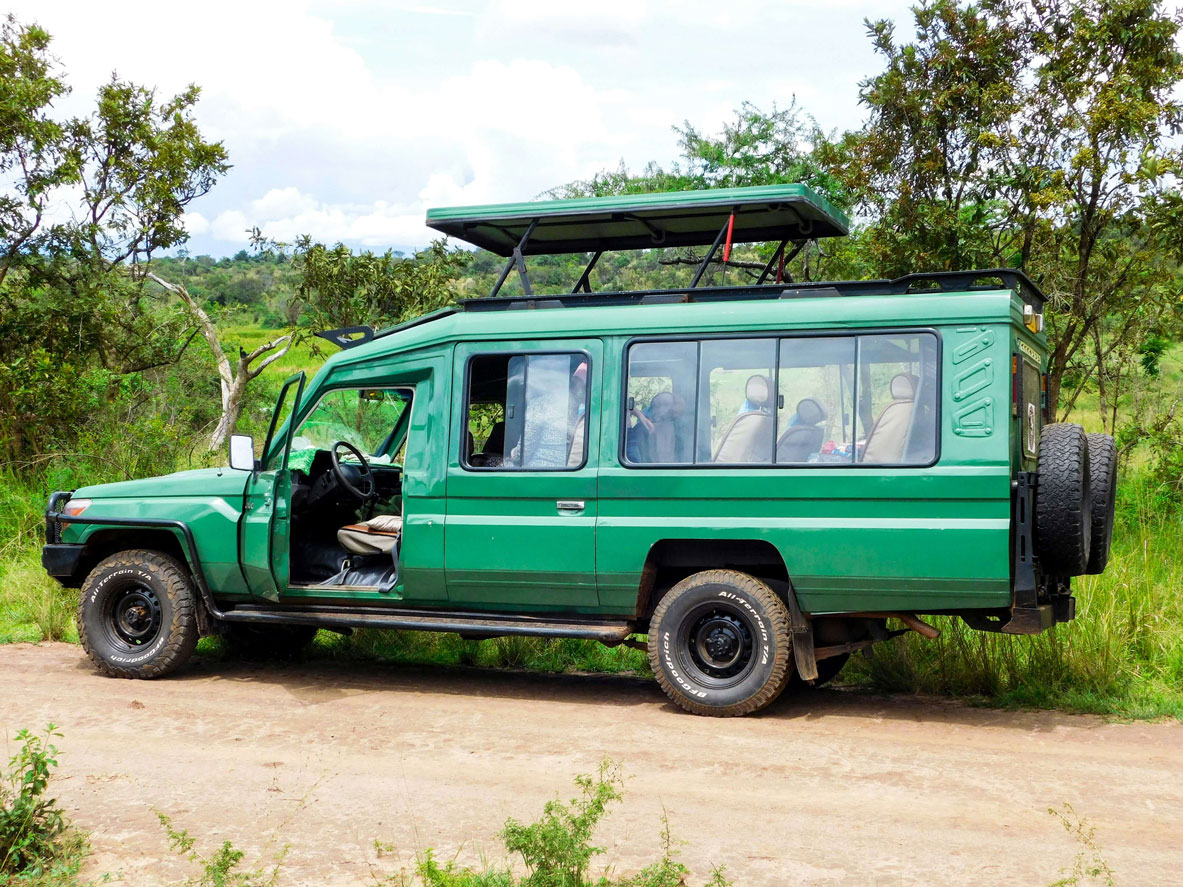 Using 4×4 cars to Volcanoes National Park is highly recommended, especially during the rainy seasons, as access roads to lodges and trekking trailheads can become muddy. Safari cars to Volcanoes National Park are designed for comfort, stability, and early departures, making them ideal for gorilla trekking itineraries.
How Gorilla Tracking Distance Varies by Gorilla Group
One of the most important aspects of Volcanoes National Park gorilla groups is that no two treks are the same. Some groups may be reached within 30 minutes to one hour of hiking, while others require several hours of uphill trekking through dense vegetation. The assignment system aims to balance visitor ability with conservation priorities, but flexibility and preparation are essential.
This unpredictability is part of the adventure and is why good logistics—such as staying nearby and arranging car rental to Volcanoes National Park—help reduce stress on trekking day.
Fitness Levels and Gorilla Group Assignment in Volcanoes National Park
Gorilla trekking does not require extreme athletic ability, but a moderate level of fitness is important. Rangers assess trekkers’ comfort levels and may assign less demanding gorilla groups to travelers with limited mobility or medical concerns. This makes Volcanoes National Park gorilla groups accessible to a wide range of visitors, from younger adventurers to older travelers.
Communicating honestly during the briefing helps rangers match you with an appropriate group, ensuring a safe and rewarding experience.
Gorilla Habituation, Conservation, and Tracking Ethics
Tracking gorilla groups in Volcanoes National Park follows strict conservation rules. Each gorilla family can only be visited by a limited number of people per day, and visits are capped at one hour. This protects the gorillas from stress and disease while ensuring sustainable tourism.
Revenue from permits supports conservation efforts, ranger salaries, and local communities, making gorilla trekking one of the most successful wildlife conservation models in Africa.
Combining Gorilla Group Tracking with Smart Transport Planning
Most travelers stay in or around Musanze, close to the park, to minimize travel time on trekking day. However, some choose to drive from Kigali early in the morning. In such cases, reliable transfers to Volcanoes National Park or a private rent a car to Volcanoes option is essential.
Using 4×4 cars to Volcanoes National Park allows travelers to move easily between lodges, briefing points, and trailheads assigned to different gorilla groups.
Why Understanding Gorilla Groups Improves Your Trekking Experience
Knowing how Volcanoes National Park gorilla groups are structured and assigned helps manage expectations and reduces anxiety. Instead of focusing on which group you will see, travelers can focus on the overall experience—walking through pristine rainforest, learning from expert rangers, and spending a magical hour observing mountain gorillas in their natural habitat.
Volcanoes National Park Gorilla Groups & Seamless Travel Planning
Gorilla trekking in Rwanda is not just about seeing gorillas—it is about understanding conservation, respecting wildlife, and appreciating the careful planning that makes each trek possible. Learning how tracking is assigned gives travelers insight into the professionalism behind Rwanda’s gorilla tourism success.
By combining knowledge of Volcanoes National Park gorilla groups with smart logistics—such as car rental to Volcanoes National Park, safari cars to Volcanoes National Park, and reliable transfers to Volcanoes National Park—you ensure a smooth, memorable, and deeply rewarding gorilla trekking experience.