 Skip to content
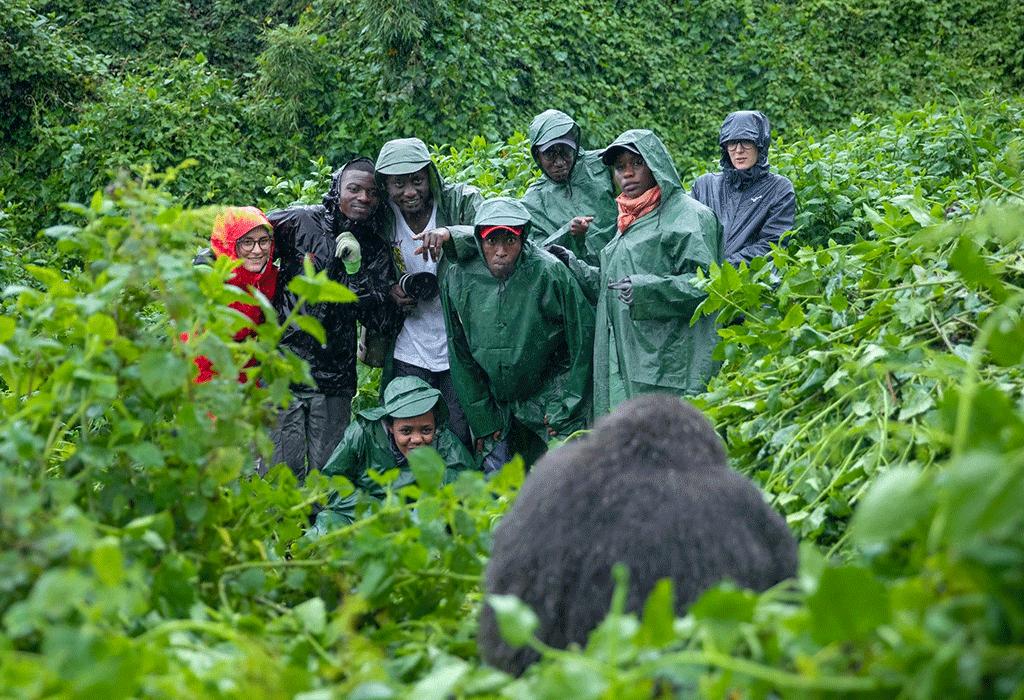
This guide examines the most important Gorilla Safari Travel Mistakes to Avoid in East Africa. It focuses primarily on gorilla trekking in Rwanda and Uganda, the two most established and dependable destinations for international gorilla safaris.
Gorilla trekking is one of Africa’s most powerful wildlife experiences. After walking through dense rainforest, crossing muddy trails and following experienced trackers, you may finally meet a mountain gorilla family in its natural habitat.
The encounter is intimate, emotional and completely different from observing wildlife during a traditional vehicle safari. A silverback may sit quietly among bamboo stems while young gorillas climb, play and investigate their surroundings. For one extraordinary hour, visitors receive a glimpse into the social life of one of humanity’s closest relatives.
However, a successful gorilla safari does not happen by accident. Permits are limited, rainforest conditions are unpredictable and the trekking destinations are often several hours from the nearest international airport. Travelers must coordinate permits, accommodation, transportation, visas, health preparation and suitable equipment.
Small planning mistakes can create expensive consequences. Booking the wrong trekking sector may place your lodge several hours from the starting point. Arriving with a cold can prevent you from joining the trek. Assuming that the permit includes transportation and accommodation can leave a major gap in your budget.
The guide also explains permit costs, physical preparation, trekking rules, border logistics, packing, photography and responsible behavior. Understanding these issues before paying a deposit will help you build a safer, more comfortable and more rewarding East African gorilla safari.
Where Can You Trek Mountain Gorillas in East Africa?
Mountain gorillas live in two remaining natural populations.
One population inhabits Bwindi Impenetrable National Park in southwestern Uganda. The second lives across the Virunga Massif, a connected mountain ecosystem shared by Rwanda, Uganda and the Democratic Republic of Congo.
Rwanda conducts gorilla trekking in Volcanoes National Park. Uganda offers trekking in Bwindi Impenetrable National Park and Mgahinga Gorilla National Park. The Democratic Republic of Congo protects mountain gorillas in Virunga National Park.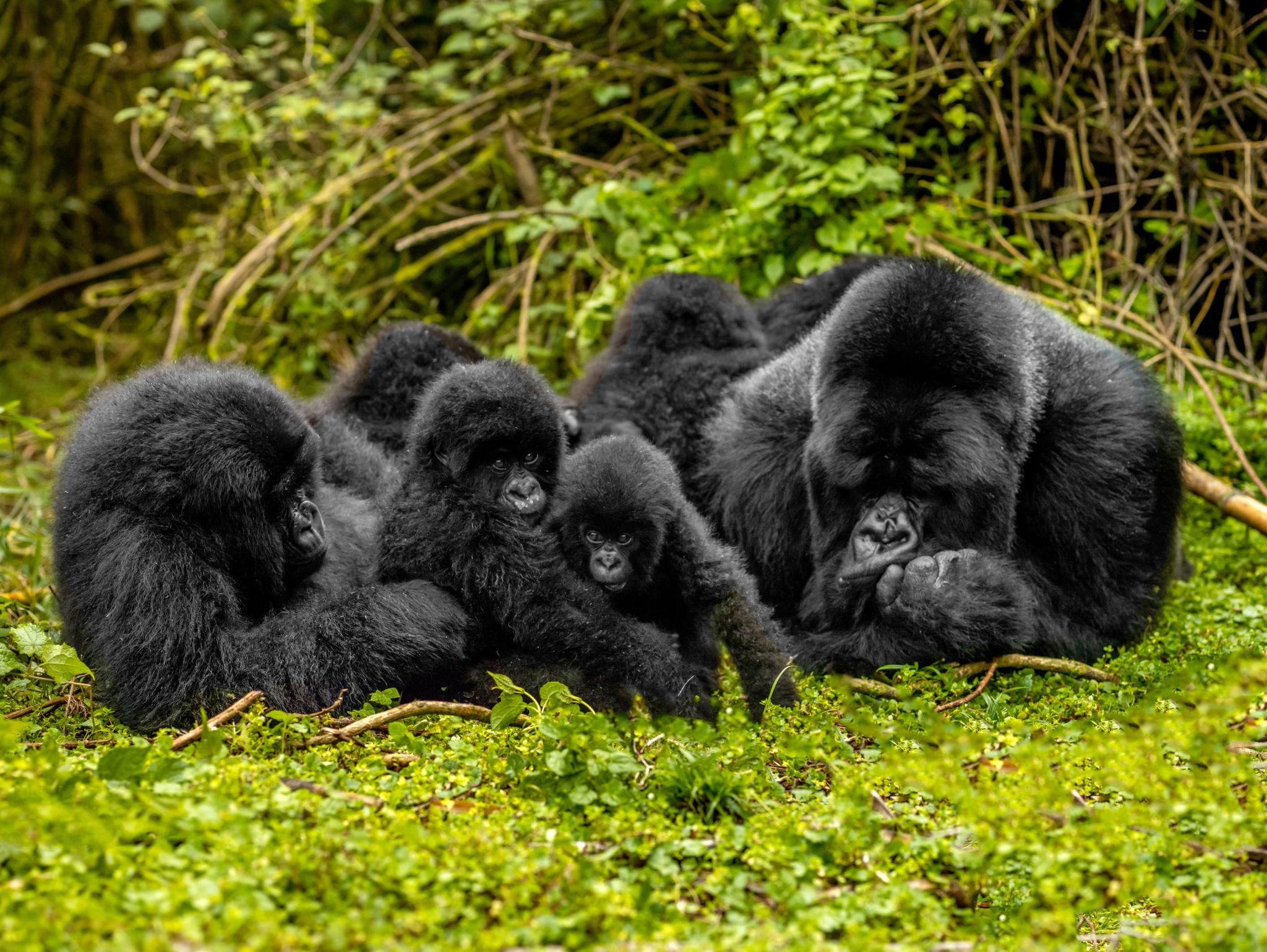
Rwanda and Uganda currently provide the most commonly selected options because they have established permit systems, accommodation choices and reliable tourism infrastructure.
Travel conditions in eastern Democratic Republic of Congo can change quickly. Anyone considering Virunga must consult the park directly and check current government travel advisories before making financial commitments. A website displaying a gorilla product does not, by itself, establish that a particular route and date are safe or operational.
The rest of this article concentrates on the planning errors most relevant to Rwanda and Uganda while highlighting cross-border issues that affect a combined safari.
Mistake 1: Booking Flights Before Confirming Gorilla Permits
One of the costliest mistakes is purchasing non-refundable flights before checking permit availability.
A gorilla permit is issued for a specific country, national park and trekking date. Daily numbers are limited to reduce disturbance and protect gorillas from excessive human contact.
Permits can sell out months in advance during June, July, August, September, Christmas, New Year and other popular travel periods.
Finding an affordable flight does not mean a gorilla permit is available for the same dates. If the desired permit is unavailable, the traveler may need to change flights, extend the trip or abandon the trek.
Check availability first. Once the permit has been confirmed or temporarily held according to official procedures, complete the remaining itinerary promptly.
Travelers with flexible schedules should provide several possible trekking dates. This makes it easier to match permits with suitable accommodation.
A reputable operator can check permits, propose a realistic route and explain the payment deadline before you purchase flights.
Mistake 2: Waiting Too Long to Reserve a Permit
Gorilla trekking cannot usually be added casually after arrival.
Permits are limited, named and date-specific. The longer a traveler waits, the greater the risk that preferred dates or trekking sectors will become unavailable.
Last-minute permits sometimes appear because of cancellations, but building an expensive international journey around that possibility is risky.
For high-season travel, begin planning six to twelve months in advance. Larger groups may need even more time because several permits must be available on the same date.
Travelers wishing to complete two gorilla treks also need two permits. A single permit cannot be used twice, and a second trek is not included as a complimentary activity.
Early booking provides better choices of lodges, rooms, guides and transportation. It also gives travelers more time to prepare physically.
Mistake 3: Buying a Permit from an Unverified Person
Gorilla permits are valuable, which can attract fraudulent sellers and informal intermediaries.
Do not send money merely because someone claims to have access to discounted permits. Verify the tour operator, company registration, physical contact details, reviews and payment instructions.
A legitimate quotation should identify the trekking country, date, number of permits and relevant booking conditions.
Rwanda permits can be obtained through the Rwanda Development Board system or arranged through a verified operator. Uganda permits are administered through the Uganda Wildlife Authority and are frequently secured by licensed safari companies.
Ask for formal confirmation after payment. The traveler names should match passport information.
Be suspicious of unrealistic discounts, especially during peak periods. Government permit prices are controlled, so an unknown person offering permits far below the official rate should be treated cautiously.
Mistake 4: Confusing a Permit with a Complete Gorilla Safari
A gorilla permit is not a full travel package.
The permit normally covers entry for the gorilla activity, ranger guidance, tracking services and the authorized observation period with a habituated gorilla family.
It does not automatically include an international flight, visa, airport pickup, hotel, meals, private vehicle, driver-guide, porter, personal equipment, tips or travel insurance.
The current standard Rwanda gorilla permit for a foreign international visitor is USD 1,500 per person. The Rwanda Development Board’s official booking portal publishes the applicable visitor categories and permit rates. RDB booking portal
Uganda’s standard permit for a foreign non-resident is generally USD 800 per person under the current tariff. Different rates may apply to foreign residents, qualifying African passport holders and East African citizens.
Always ask whether the permit is included in the quoted safari price. Some operators display a land-only amount and add the permit later. Others provide an inclusive package.
A proper comparison must consider the same services. A package that appears more expensive may already include permits, transportation, meals and accommodation that are missing from a lower quotation.
Mistake 5: Choosing Between Rwanda and Uganda Based Only on Permit Price
Uganda’s permit costs less than Rwanda’s standard international rate, but permit price is only one part of the decision.
Rwanda offers highly efficient access from Kigali to Volcanoes National Park. The road journey usually takes approximately two and a half hours, making short two- or three-day itineraries practical.
Uganda’s Bwindi Impenetrable National Park is farther from Entebbe and Kampala. A road transfer can occupy most of a day. Travelers may instead use a domestic flight to an airstrip serving the relevant Bwindi sector.
Uganda can produce a lower total cost when accommodation, transport and routing are planned carefully. However, a domestic flight, private transfers and additional nights may reduce the difference.
Rwanda is often attractive to travelers with limited time, business visitors and those combining gorillas with Akagera National Park.
Uganda is excellent for travelers who want a longer journey incorporating Bwindi, Kibale Forest, Queen Elizabeth National Park, Lake Mburo or Murchison Falls.
Compare total trip duration, comfort, international flight connections, permit availability and preferred activities—not just the permit price.
Mistake 6: Booking the Wrong Uganda Trekking Sector
Bwindi Impenetrable National Park has several trekking areas, including Buhoma, Ruhija, Rushaga and Nkuringo.
These are not interchangeable hotel neighborhoods separated by a few minutes. Driving between certain sectors can take several hours on winding mountain roads.
A traveler may secure a permit for Rushaga but accidentally book a lodge near Buhoma. The distance can make it impossible to reach the correct briefing point on time.
Confirm the sector printed on or assigned to the permit before selecting accommodation.
Your lodge should be in the same sector or positioned within a practical transfer distance approved by an experienced operator.
This is among the most serious logistical Gorilla Safari Travel Mistakes to Avoid in East Africa because it can lead to a missed trek and the loss of a high-value permit.
Mistake 7: Ignoring the Permit Name and Passport Details
Permits are connected to visitor details.
Provide the passport name exactly as it appears on the travel document. Check spelling, date of birth, nationality and passport number where required.
Do not use a nickname. If the passport will expire before travel, discuss the renewal and update procedure before booking.
Travelers should carry the passport used for the reservation to the trekking briefing. A photocopy alone may not satisfy every verification requirement.
Permits are not ordinary open tickets that can be freely transferred among friends. Name or date changes require formal approval and may involve fees or restrictions.
Read the amendment, cancellation and rescheduling terms before paying. Travel insurance should cover the non-refundable components where appropriate.
Mistake 8: Assuming a Permit Is Easily Refundable
Gorilla permits are valuable conservation products with strict conditions.
If a traveler changes plans, misses the briefing or decides not to trek, the permit may be non-refundable.
Illness policies vary and may require official assessment or documentation. A personal decision that it is raining too heavily is not normally grounds for a refund.
Rescheduling may involve administrative charges and must follow the relevant authority’s rules. Approval should never be assumed.
Before booking, ask for the permit cancellation policy separately from the lodge and transport conditions. Each service may have different terms.
Purchase comprehensive travel insurance as soon as major non-refundable payments are made. Confirm that the policy covers the destination, trekking activity, medical treatment, evacuation, cancellation and interruption.
Mistake 9: Planning to Arrive on the Morning of the Trek
Do not schedule an international arrival and gorilla trek on the same morning.
Flights can be delayed, luggage can be misplaced and immigration formalities can take longer than expected. Gorilla briefings begin early, and groups will not wait indefinitely for a delayed traveler.
In Rwanda, stay in the Volcanoes region the night before the trek. In Uganda, stay near the correct Bwindi or Mgahinga briefing point.
Even arriving in Kigali late at night before an early Volcanoes trek can be tiring. Although a direct transfer may be physically possible, the traveler may reach the lodge after midnight and begin trekking with insufficient rest.
Arrive near the park by late afternoon whenever possible. Use the evening to prepare equipment, eat properly and sleep.
Mistake 10: Underestimating East African Driving Times
Distances on a map can look short, but road journeys often take longer than expected.
Routes may include hills, unpaved sections, towns, speed restrictions and border procedures. Heavy rain can slow travel further.
A road transfer from Kigali to Volcanoes National Park is relatively straightforward. A drive from Kigali to southern Bwindi requires a border crossing and additional mountain roads.
Entebbe to Bwindi is a long overland journey. It should not be treated as a brief transfer before an afternoon activity.
Avoid placing a long drive, border crossing and fixed-time trek too close together. Build a buffer into the itinerary.
A professional East African operator will calculate realistic driving times and include appropriate rest stops rather than designing the schedule according to distance alone.
Mistake 11: Selecting the Wrong Airport
Kigali International Airport can be a convenient gateway for Rwanda and parts of southwestern Uganda. Entebbe International Airport is the main arrival point for Uganda.
A traveler trekking in southern Bwindi may sometimes find Kigali more convenient than Entebbe, depending on border procedures, visa status and the complete itinerary.
However, entering Uganda from Rwanda requires the appropriate immigration arrangements. The fastest geographical route is not automatically the simplest legal route.
For an Uganda circuit continuing to Queen Elizabeth, Kibale or Murchison Falls, arriving through Entebbe may create a more logical itinerary.
Before booking flights, compare total road time, border crossings, visa requirements, one-way vehicle costs and any domestic flights.
Mistake 12: Forgetting to Research Visas and Border Rules
Visa rules depend on nationality and can change.
Travelers combining Rwanda and Uganda may be eligible for the East Africa Tourist Visa. It covers Rwanda, Uganda and Kenya, allows multiple travel within those countries and is normally valid for 90 days.
The visa must be obtained through the country of first entry. It becomes invalid if the traveler leaves the participating regional bloc. Tanzania and the Democratic Republic of Congo are not covered. Uganda Directorate of Citizenship and Immigration Control
Do not apply through random third-party websites before verifying the official immigration portal.
Print the approval documentation and carry digital copies. Confirm that your passport has adequate validity and blank pages.
A land-border crossing still requires immigration formalities. Allow time and keep passports, permits, vaccination records and accommodation details accessible.
Mistake 13: Assuming the East Africa Tourist Visa Covers Every Country
Despite its name, the East Africa Tourist Visa covers only Rwanda, Uganda and Kenya.
It does not cover Tanzania, Zanzibar, Burundi or the Democratic Republic of Congo.
Travelers adding the Serengeti or Zanzibar need the appropriate Tanzanian entry permission. Leaving the Rwanda-Uganda-Kenya bloc may also terminate the East Africa Tourist Visa’s validity.
The visa is not a regional pass that permits unlimited movement across the entire eastern part of Africa.
Plan the country order before applying. If Rwanda is your first entry, follow Rwanda’s process. If Uganda is first, use Uganda’s official system.
Mistake 14: Ignoring Yellow-Fever Requirements
Health-document requirements must be checked well before departure.
Uganda commonly requires an international yellow-fever vaccination certificate. Rwanda’s requirement may depend on the traveler’s origin or recent presence in a yellow-fever-risk country.
The United States Centers for Disease Control and Prevention notes that Rwanda requires proof for travelers aged one year or older arriving from a country with yellow-fever transmission risk, while direct travelers from the United States are not ordinarily required to present it. CDC Rwanda traveler guidance
Requirements may differ according to nationality, transit duration and itinerary.
A yellow-fever certificate does not become valid immediately after vaccination for first-time recipients. Consult a qualified travel-health professional early enough to meet the required interval.
Travelers who cannot receive the vaccine for medical reasons should obtain appropriate professional advice and documentation. Acceptance of an exemption is determined by border authorities.
Mistake 15: Treating Health Preparation as an Afterthought
Gorillas can contract diseases from humans. Health preparation therefore protects both the traveler and the animals.
Consult a travel-medicine professional regarding malaria prevention, routine vaccinations and destination-specific recommendations.
Carry adequate prescribed medication in original packaging. Important medicine should remain in hand luggage rather than checked baggage.
Bring a small personal medical kit, but avoid self-diagnosing a serious condition during the trip.
Travelers with heart, respiratory, joint or mobility conditions should discuss the physical demands honestly with a healthcare professional.
Disclose relevant conditions privately to the safari organizer. The purpose is not to exclude you but to arrange suitable pacing, support and emergency planning.
Mistake 16: Trekking While Sick
Trying to hide a cold, influenza, fever, gastrointestinal illness or other contagious condition is irresponsible.
Mountain gorillas are genetically close to humans and vulnerable to human respiratory diseases. A seemingly mild infection can create a serious conservation risk.
Park authorities may prevent an unwell visitor from trekking. That decision protects the gorillas and cannot be overturned by arguing about the cost of the permit.
Monitor your health before travel. Avoid unnecessary exposure to sick individuals and carry suitable masks for flights and crowded spaces.
If you become ill, notify the operator immediately. Do not wait until the morning briefing and hope nobody notices.
Official rules and health protocols must take priority over personal disappointment.
Mistake 17: Assuming Gorilla Trekking Is an Easy Walk
Trek difficulty varies dramatically.
Some groups may be found within an hour. Others require several hours of walking through steep, wet or uneven forest.
The gorillas are wild and move freely. Nobody can promise a short trek because the group was close to the trailhead the previous day.
Altitude, humidity, mud and dense vegetation can make a moderate distance feel strenuous.
Train before traveling. Regular walking, hill climbing, stair exercise and cardiovascular activity improve endurance.
You do not need to be an athlete, but arriving completely unprepared can make the day unnecessarily difficult.
Mistake 18: Requesting an Easy Trek Too Late
During the morning briefing, visitors are often assigned to gorilla groups with consideration for age, fitness and health.
Travelers seeking a shorter or less demanding route should communicate this before the trek and repeat the request during allocation.
However, “easy” is relative. Gorillas can move after trackers locate them, and rain can transform a manageable trail into a slippery one.
An easier allocation is a request rather than a guarantee.
If mobility is a significant concern, discuss porter support or a sedan-chair service well before arrival. Such arrangements require personnel and should not be left until the final morning.
Mistake 19: Refusing to Hire a Porter
A porter can transform the trekking experience.
Porters carry backpacks, water, rain jackets and camera equipment. They also provide a steady hand on steep or slippery sections.
Even fit travelers benefit. Saving energy while approaching the gorillas helps visitors enjoy the encounter instead of arriving exhausted.
Hiring a porter directly supports people living near the park. For some community members, porter work provides an important connection between conservation and household income.
Do not think of porter support as evidence that you are unfit. It is a practical, responsible service.
Carry a small daypack even when using a porter, but avoid making it unnecessarily heavy.
Mistake 20: Wearing Ordinary Trainers on a Muddy Trek
Light city trainers may lack the grip and ankle support needed in wet mountain forest.
Wear waterproof or water-resistant hiking boots that have been tested before the safari.
Do not arrive with brand-new boots. Unbroken footwear can cause blisters before you reach the gorillas.
The sole should provide traction on mud, roots and uneven ground. A mid-height boot can support the ankle and help keep insects or vegetation away from the skin.
Gaiters are useful in wet conditions but are not always essential.
Pack footwear in hand luggage when possible. Replacing properly fitted hiking boots after delayed baggage can be difficult.
Mistake 21: Wearing Shorts
Shorts expose the legs to nettles, thorns, insects, mud and rough vegetation.
Wear lightweight long trousers. Tuck them into socks or use gaiters when recommended.
A long-sleeved shirt protects the arms while remaining comfortable in humid conditions.
Neutral colors such as olive, brown, grey and beige are practical. Full safari costume is unnecessary, but clothing should be functional.
Avoid delicate fabrics that tear easily. The forest can be dense, and guides may cut a path through vegetation.
Mistake 22: Forgetting Gardening Gloves
Gardening or lightweight work gloves are among the most useful items for gorilla trekking.
Trekkers may instinctively hold branches, vines or the ground when climbing. Gloves protect the hands from thorns, nettles and rough surfaces.
Choose flexible gloves that maintain a good grip. Heavy winter gloves are unsuitable for humid conditions.
Keep them accessible rather than buried at the bottom of a backpack.
Gloves also help protect a camera user’s hands while moving through vegetation, although they may need to be removed during photography.
Mistake 23: Trusting the Weather Forecast Too Much
Mountain-forest weather changes quickly.
A forecast showing sunshine does not mean the trek will remain dry. Rain may fall even during the recognized dry seasons.
Carry a lightweight waterproof jacket or poncho. Protect cameras, phones, passports and spare clothing in waterproof bags.
At the same time, do not overdress. Hiking uphill in heavy waterproof clothing can cause excessive heat and perspiration.
Layering is the best approach. Add or remove clothing as the temperature and effort level change.
Mistake 24: Packing Too Much for the Trek
A heavy backpack becomes increasingly uncomfortable after several hours.
Carry water, a packed meal, rain protection, necessary medication, a camera, spare batteries and a few personal essentials.
Leave laptops, large toiletry bags and unrelated safari equipment at the lodge.
If you need substantial photography equipment, hire a porter and choose lenses carefully.
You may have only a short time to organize equipment when trackers locate the gorillas. A complicated bag filled with unnecessary items slows you down.
Mistake 25: Carrying Too Little Water
Rainforest trekking is physically demanding, even in cool weather.
Carry enough safe drinking water for a potentially long day. Your lodge or operator may provide it, but confirm in advance.
Drink consistently rather than waiting until you feel dehydrated.
Avoid excessive alcohol the night before. It interferes with sleep, hydration and physical performance.
A reusable bottle is environmentally preferable where appropriate, although the container must be easy to carry and secure.
Mistake 26: Forgetting Food and Energy
The trek may continue through lunchtime.
Your lodge normally prepares a packed meal if informed about the activity. Confirm this the evening before.
Eat a proper breakfast and carry a simple energy snack.
Food cannot be consumed near the gorillas. Follow ranger instructions about when and where eating is permitted.
Do not leave wrappers or food waste in the forest.
Travelers with dietary restrictions should notify the lodge early rather than expecting suitable food to appear on the trekking morning.
Mistake 27: Expecting Exactly One Hour of Hiking
The permit normally allows a maximum of one hour with the gorillas after the group is located. It does not mean the entire activity lasts one hour.
The search may be short, moderate or long. After the encounter, trekkers still need to walk out of the forest.
The complete experience can occupy much of the day.
Do not schedule a flight, long border crossing or fixed afternoon appointment based on an assumed return time.
Keep the trekking day free of inflexible commitments.
Mistake 28: Expecting Four Hours with Gorillas on a Standard Permit
A regular gorilla-trekking permit usually provides up to one hour in the presence of a habituated family.
Uganda also offers a separate gorilla habituation experience in designated circumstances. This is a different product with its own permit, price, location and availability.
The longer habituation experience should not be confused with a standard trek.
Ask exactly which permit you are purchasing. A vague description such as “full-day gorilla experience” does not necessarily mean four hours with gorillas.
Mistake 29: Treating the Gorilla Hour as a Photo Shoot
The encounter is about observing natural behavior, not directing wildlife.
Do not make noises to force a gorilla to look toward the camera. Never request that a ranger change an animal’s position.
Take photographs, but spend part of the hour watching without a screen. The sounds, movements and social interactions often become more meaningful than a large collection of nearly identical images.
Organize camera settings before reaching the gorillas. The observation period begins according to the rangers’ instructions and will not be extended because a traveler was changing lenses.
Mistake 30: Using Flash Photography
Flash is prohibited around gorillas.
It can startle the animals and alter their behavior.
Disable automatic flash before entering the forest. Some cameras and phones activate flash in low light unless manually changed.
Learn how to adjust ISO, shutter speed and exposure before the trek.
The forest is often dark, so equipment with good low-light performance is helpful. However, respecting the animals is more important than producing a technically perfect photograph.
Mistake 31: Bringing the Wrong Camera Equipment
A very long wildlife lens is not always necessary. Gorilla encounters may occur at relatively close range, although official distancing rules apply.
A lens covering approximately 70–200mm is versatile. A wider focal length can capture the forest and environmental context.
Avoid depending on a tripod. Space may be restricted, vegetation is dense and the group must move according to ranger instructions.
A monopod can also become inconvenient. Image stabilization and a suitable shutter speed are usually more practical.
Bring spare batteries and memory cards in waterproof protection.
Check the weight of your complete camera setup before traveling. Equipment that feels manageable at home may feel extremely heavy after hours of climbing.
Mistake 32: Ignoring the Required Distance
Visitors must maintain the distance instructed by rangers, generally around seven to ten meters depending on current country protocols.
Gorillas may approach more closely on their own. If this happens, remain calm and follow the guide’s instructions.
Do not move toward them for a photograph. Do not attempt to touch them.
Distance reduces the risk of disease transmission and gives gorillas space to behave naturally.
Vegetation, terrain or the gorillas’ movements may occasionally make the perfect distance difficult to maintain. Rangers manage these situations. Visitors must not make independent decisions.
Mistake 33: Running When a Gorilla Approaches
A large silverback can appear intimidating, but running is the wrong response.
Remain calm, avoid sudden movements and follow the ranger’s directions.
You may be instructed to crouch, look downward or stay still. The correct response depends on the animal’s behavior and position.
Do not scream, point aggressively or attempt to hide behind another visitor.
Habituated gorillas are accustomed to controlled human presence, but they remain powerful wild animals. Respectful behavior is essential.
Mistake 34: Making Direct, Prolonged Eye Contact
Sustained direct eye contact may be interpreted as confrontational.
Observe the gorillas without staring aggressively, especially when a silverback is close.
Photographers should avoid creating a situation in which they remain fixed on an animal through the camera while ignoring instructions.
If a ranger asks you to lower your gaze or camera, do so immediately.
Mistake 35: Eating, Drinking or Smoking Near Gorillas
Food and drink can attract attention, create litter and increase disease risk.
Smoking is also prohibited during the encounter.
Eat only where and when the ranger authorizes it. If you need water or medication urgently, communicate with the guide.
Do not leave fruit peels behind because they appear biodegradable. They are foreign to the immediate environment and may carry pathogens.
Mistake 36: Ignoring Mask Instructions
Current health protocols may require visitors to wear masks when near gorillas.
Bring suitable masks even if you have read that a particular destination provides them.
Wear the mask correctly over both the nose and mouth. A mask positioned beneath the chin provides no meaningful protection.
Do not remove it for photographs.
Rules can change, so follow the instructions provided at the official briefing rather than relying on an older blog post.
Mistake 37: Leaving the Group
Trekkers must remain with the ranger-led group.
Do not wander away to photograph a bird, find a private restroom location or search for another viewing angle.
Dense forest makes it easy to lose sight of the group. Wildlife and difficult terrain add further risk.
Tell the guide if you need to stop. The group can respond safely rather than discovering later that someone is missing.
Mistake 38: Arriving Late for the Briefing
Gorilla trekking begins with an important briefing covering safety, health and expected behavior.
Arrive at the park headquarters or designated briefing point at the time specified by your operator.
Late arrival can disrupt group allocation or result in a missed trek.
Prepare clothing and equipment the previous evening. Eat breakfast on time and allow for the drive from your lodge.
A lodge described as being near the park may still require a transfer. Confirm the exact morning departure time.
Mistake 39: Hiding Fitness or Mobility Limitations
Guides can provide better support when they understand a traveler’s needs.
Hiding a knee problem or serious medical condition may lead to an unsuitable group assignment.
Tell the operator during planning and remind the officials during allocation. Request a manageable trek without demanding a guarantee.
Hire a porter. If appropriate and available, arrange additional mobility support.
The objective is to complete the trek safely, not to prove physical toughness.
Mistake 40: Assuming Older Travelers Cannot Trek
Age alone does not determine suitability.
Many active travelers in their sixties, seventies and beyond complete gorilla treks successfully.
Fitness, balance, joint health, cardiovascular capacity and preparation matter more than the number on a passport.
A private itinerary, good lodge location, porter support and realistic allocation request can make the experience more comfortable.
Senior travelers should train gradually and seek medical advice appropriate to their health.
Mistake 41: Ignoring the Minimum Age
The standard minimum age for gorilla trekking in Rwanda and Uganda is 15.
Do not purchase a family trip assuming that a younger child will automatically receive an exception. Passport details may be checked.
The rule exists because trekking can be demanding and because younger children may find it difficult to control fear, noise or sudden movements around gorillas.
Some articles discuss possible exceptions in particular circumstances, but these must never be treated as guaranteed. Only written approval from the responsible authority is meaningful.
Families should plan age-appropriate alternative activities with a responsible adult or qualified caregiver while older participants trek.
Mistake 42: Leaving Childcare Until Arrival
A lodge cannot always produce a qualified caregiver without notice.
Families traveling with children below the trekking age should arrange supervision before confirming the itinerary.
Clarify who will remain with the child, what activities are available and whether transportation is required.
Do not assume the driver-guide can provide childcare if the vehicle is needed for the trekking participants.
The arrangement should be safe, age-appropriate and accepted by the parents in advance.
Mistake 43: Booking the Cheapest Lodge Without Checking Its Location
Accommodation price matters, but location is critical on the night before trekking.
A cheap lodge several hours from the briefing point may require departure in the middle of the night.
In Rwanda, choose accommodation with practical access to Volcanoes National Park headquarters.
In Uganda, the lodge must correspond with the correct Bwindi sector or Mgahinga departure point.
Ask for the estimated driving time, not simply whether the property is “near the gorillas.”
A well-located midrange lodge may provide better overall value than a lower-priced property requiring long transfers.
Mistake 44: Expecting Luxury Standards from Every Remote Lodge
Gorilla destinations include exceptional luxury properties, comfortable midrange lodges and simple budget guesthouses.
However, remote mountain locations can affect electricity, water pressure, internet and supply delivery.
Read the actual room and service description. “Luxury,” “midrange” and “budget” are not internationally standardized categories.
Ask whether the room has private facilities, heating, reliable hot water and sufficient electricity for charging equipment.
A beautiful view does not compensate for missing facilities that are personally essential.
Mistake 45: Failing to Check Meal Plans
Remote lodges may have limited alternative dining options.
A bed-and-breakfast rate can appear attractive until lunch and dinner are added.
Full-board accommodation is often practical during gorilla safaris. Confirm whether packed lunch on the trekking day is included.
Notify the lodge about allergies, vegetarian preferences or medical diets before arrival.
Do not expect the driver to find a restaurant immediately after a long trek in a rural area.
Mistake 46: Packing Gorilla Equipment in Checked Luggage
Airline delays can leave travelers without trekking clothes, boots or medication.
Keep essential trekking equipment in hand luggage whenever possible.
This should include hiking boots, one complete trekking outfit, rain protection, gloves, essential medication, documents and basic camera equipment.
Larger liquids and less important items can remain checked.
If the main suitcase is delayed, you will still have the minimum equipment required to trek.
Mistake 47: Overpacking for a Domestic Flight
Small aircraft serving remote airstrips may impose stricter baggage limits than international airlines.
Hard-shell suitcases can be difficult to load. Soft-sided bags are often more suitable.
Check the total weight and hand-luggage allowance for every domestic segment.
Do not assume that an international business-class allowance applies to a light-aircraft flight.
Excess baggage may need to be stored, transported separately or charged at an additional rate.
Mistake 48: Forgetting Rain Protection for Electronics
Rainforest deserves its name.
A backpack advertised as water-resistant may not protect electronics during a sustained downpour.
Use individual dry bags or sealable waterproof pouches inside the main pack.
Carry a small cloth for camera lenses and keep spare batteries protected.
Avoid opening the camera bag unnecessarily in heavy rain.
A porter can help protect equipment while you concentrate on difficult trail sections, but the owner remains responsible for suitable waterproof packaging.
Mistake 49: Depending on Continuous Internet Access
Mobile coverage can be inconsistent in mountain regions.
Download permits, itineraries, insurance documents, visa approvals and important contacts before leaving the city.
Carry digital and printed copies.
Inform family members that communication may be delayed. A few hours without a response during trekking is normal.
Do not depend on cloud access for the only copy of essential travel documents.
Mistake 50: Carrying No Cash
Porters, tips and small local purchases may require cash.
ATMs are not always convenient near remote parks, and card terminals can fail because of connectivity.
Carry clean notes in suitable denominations. US-dollar notes may need to meet local age and condition requirements.
Exchange some money into Rwandan francs or Ugandan shillings for local expenses.
Do not carry excessive amounts or display cash publicly.
Mistake 51: Forgetting to Budget for Tips
Tips are not normally included unless the quotation explicitly states otherwise.
Potential recipients include the driver-guide, trek guides, trackers, porters and lodge staff.
Tipping remains discretionary and should reflect service quality. Ask the operator for current guidance before traveling.
Carry smaller denominations so that you can tip appropriately without needing change.
Do not allow tipping anxiety to dominate the experience. Clear advance budgeting makes the process straightforward.
Mistake 52: Skipping Travel Insurance
A gorilla safari involves substantial non-refundable expenses.
Travel insurance should cover cancellation, interruption, medical treatment, evacuation, delayed baggage and relevant trekking activities.
Read the policy rather than relying on the product name. Some policies exclude activities above a particular altitude or classify trekking differently.
Pre-existing medical conditions may require disclosure.
Purchase insurance when the first major deposit is paid, not only a day before departure.
An insurer may require receipts and official documentation, so keep all records.
Mistake 53: Using an Unrealistic Multi-Country Itinerary
Travelers sometimes try to combine Rwanda gorillas, Uganda gorillas, chimpanzees, the Serengeti, Zanzibar and Kenya within one week.
The itinerary may technically fit on paper while producing daily packing, long transfers and minimal rest.
Choose experiences according to available time. Rwanda works particularly well for a compact gorilla and Big Five itinerary. Uganda rewards travelers with more days for an extended circuit.
Add international destinations only when transfer time, visas and flight schedules are realistic.
A slower itinerary often creates stronger memories than a rushed checklist.
Mistake 54: Crossing the Border Too Close to the Trek
A Rwanda-Uganda safari involves immigration procedures, passport checks and travel between border points and lodges.
Do not schedule the border crossing on the trekking morning.
Cross at least one day earlier and sleep near the correct starting point.
Keep passports, visa approvals, yellow-fever documents and accommodation information easily accessible.
Border operating procedures can change. Your operator should confirm the intended crossing shortly before travel.
Mistake 55: Assuming Rwanda and Uganda Use the Same Currency
Rwanda uses the Rwandan franc. Uganda uses the Ugandan shilling.
Some tourism services quote prices in US dollars, but everyday purchases may require local currency.
A bank card that works in Kigali may not work at a rural Ugandan lodge.
Inform your bank about travel if necessary and carry more than one payment method.
Avoid changing large sums through unauthorized individuals.
Mistake 56: Planning Around Old Online Information
Permit rates, visa procedures, health rules and road conditions change.
A blog written several years ago may rank highly on Google while displaying outdated prices.
Verify essential information through the responsible government authority, official park or your licensed operator.
Pay particular attention to publication dates when researching permits and border requirements.
Competitor articles can provide ideas, but official confirmation should determine financial and legal decisions.
Mistake 57: Expecting Guaranteed Gorilla Behavior
Gorillas do not perform for visitors.
A silverback may sleep throughout the encounter. Young gorillas may remain hidden. Vegetation may obstruct photographs.
The family might move steadily, requiring the group to reposition under ranger direction.
A successful trek is defined by finding and respectfully observing wild gorillas—not by obtaining a particular pose.
Managing expectations prevents disappointment and encourages visitors to appreciate natural behavior.
Mistake 58: Expecting to Touch a Gorilla
Touching is prohibited.
Even when a gorilla approaches closely, visitors must not reach toward it.
Physical contact creates disease risk and can provoke an unpredictable reaction.
Follow the ranger’s directions and allow the animal to move freely.
Images of unusually close encounters online should not be interpreted as permission to initiate contact.
Mistake 59: Ignoring Ranger Instructions for a Better Photograph
Rangers are responsible for visitor safety and gorilla welfare.
If a ranger says to move, crouch, lower a camera or stop approaching, comply immediately.
Do not argue that your expensive lens requires a different position.
The best wildlife photographers operate within conservation rules. A photograph obtained by disturbing an endangered animal is not a successful image.
Mistake 60: Making Excessive Noise
Speak quietly in the forest and remain calm around gorillas.
Loud excitement can disturb the family and interfere with communication among visitors and guides.
Phones should be silent. Avoid playing music from speakers or watching videos aloud during the walk.
If you need to communicate, follow the ranger’s tone.
Quiet observation often reveals subtle vocalizations and social behavior that noisy groups miss.
Mistake 61: Leaving Litter in the Forest
Everything carried into the forest must return with you.
This includes food wrappers, tissues, water bottles and biodegradable items.
If you need to use the toilet, notify the guide. Rangers follow specific procedures to reduce contamination risk.
Do not leave human waste exposed.
Responsible waste management is a basic part of protecting gorilla habitat.
Mistake 62: Buying Wildlife Products or Unethical Souvenirs
Do not purchase objects made from wildlife parts.
Choose locally produced crafts from responsible community enterprises instead.
Ask before photographing artisans or community members.
Avoid bargaining so aggressively that the transaction becomes disrespectful. A fair purchase can support livelihoods around the park.
Tourism contributes most effectively to conservation when neighboring communities receive visible economic benefits.
Mistake 63: Treating Community Visits as Human Zoos
Community and Batwa cultural experiences should be approached with respect.
People are not safari attractions. Engage in conversation, ask permission before taking close photographs and listen to the guides’ explanations.
Select experiences with transparent community participation and benefit sharing.
Avoid operators that exploit vulnerable communities through intrusive or staged visits.
A responsible cultural experience can add depth to the safari by explaining the complex relationship between people, forests and conservation.
Mistake 64: Assuming Gorilla Tourism Has No Impact
Gorilla tourism brings important conservation revenue, employment and international attention. It also introduces people into sensitive habitats.
Visitors therefore have responsibilities.
Follow group-size limits, health protocols, distance rules and waste requirements. Choose responsible operators and accommodation.
Do not pressure authorities for exceptions that weaken conservation safeguards.
The continued recovery of mountain gorillas depends on balancing tourism benefits with careful protection.
Mistake 65: Choosing a Tour Operator Only by Price
A low price may result from omitted permits, distant accommodation, unsuitable vehicles or unrealistic scheduling.
Compare the complete package. Check whether it includes permits, transportation, fuel, driver-guide services, park fees, meals, accommodation, border transfers and drinking water.
Read recent reviews and verify the company’s identity.
Ask who handles emergencies and what happens when a flight or permit date changes.
A knowledgeable local operator adds value by coordinating multiple services that must work together.
Mistake 66: Not Reading the Payment Terms
Understand the deposit, balance deadline, currency, bank fees and cancellation schedule.
Gorilla permits may need to be paid in full even when the general safari deposit is lower.
Ask whether quoted prices are fixed or subject to exchange-rate adjustments.
Use payment details supplied through a verified business channel. Confirm unexpected changes by speaking directly with the company using a known telephone number.
Keep invoices and receipts.
Mistake 67: Failing to Disclose Special Occasions
If the safari celebrates a honeymoon, anniversary or birthday, tell the operator and lodge.
This allows the itinerary to include thoughtful pacing, suitable rooms or an optional celebration.
Do not assume every special arrangement is complimentary. Ask what is available and whether it carries a charge.
Sharing the information early produces better results than mentioning it during checkout.
Mistake 68: Forgetting Time to Recover After the Trek
A gorilla trek can be tiring.
Avoid placing another demanding hike early the following morning unless you are confident in your fitness.
A relaxed cultural experience, scenic transfer or Lake Kivu stay can provide a welcome contrast.
Travelers completing two gorilla treks should consider a rest afternoon between them or at least avoid unnecessary late-night activities.
The purpose of the itinerary is to enjoy East Africa, not simply endure the schedule.
Mistake 69: Booking Two Treks Without Understanding the Value
A second gorilla trek requires another permit, but it can be extremely rewarding.
Every gorilla family has a different composition and social dynamic. Weather, terrain and animal behavior also change.
The second encounter may be entirely different from the first.
However, travelers should budget carefully and decide whether the additional permit provides more value than chimpanzee trekking, golden monkeys, Akagera National Park or another experience.
There is no universally correct choice. The mistake is purchasing a second trek without understanding the cost and itinerary impact.
Mistake 70: Comparing Rwanda and Uganda as if One Must Be Better
Rwanda and Uganda offer excellent gorilla trekking.
Rwanda is efficient, accessible and ideal for shorter itineraries. Uganda offers several trekking sectors, varied accommodation and strong connections with longer wildlife circuits.
The forest landscapes and trekking experiences differ, but both protect mountain gorillas under controlled tourism programs.
Choose according to schedule, budget, permit availability and wider interests.
Some travelers combine both countries and complete one trek in each.
Gorilla Safari Travel Mistakes to Avoid in East Africa During the Dry Season
June through September and approximately December through February are often described as the better trekking seasons.
Trails may be less muddy, but rainforest rain remains possible. The first mistake is assuming that dry season means completely dry conditions.
The second is booking late. These months attract greater demand for permits and accommodation.
The third is underestimating daytime sun during transfers while preparing only for cool forest conditions.
Pack for both environments. Kigali, Entebbe and savannah parks can feel warm, while mountain mornings can be cold and damp.
Gorilla Safari Travel Mistakes to Avoid in East Africa During the Rainy Season
Rainy-season travel can be beautiful. Forest vegetation is green, photographic conditions can be atmospheric and some lodges may offer lower rates.
However, trails can become muddy and slippery.
Do not bring unsuitable footwear or leave rain protection at the lodge.
Allow additional driving time and avoid extremely tight road connections.
Keep electronic equipment protected and use a porter for balance and baggage assistance.
Most importantly, do not assume rain guarantees a miserable trek. Showers may be temporary, and gorilla trekking operates throughout the year unless officials determine conditions are unsafe.
A Practical Gorilla Safari Packing List
Although overpacking is a mistake, several items are genuinely important.
Bring tested hiking boots, long trousers, a long-sleeved shirt, waterproof protection, gardening gloves, long socks, a hat and a warm layer.
Carry water, a packed lunch, prescribed medication, sunscreen, insect repellent, binoculars and a suitable camera.
Protect travel documents, electronics and spare clothing from rain.
Pack essential trekking equipment in hand luggage.
The goal is not to look like an expedition explorer. Every item should improve safety, comfort or the quality of the experience.
Sample Three-Day Rwanda Gorilla Safari
On the first day, arrive in Kigali or begin from your city hotel. Depending on timing, visit selected Kigali attractions before transferring to the Volcanoes National Park region.
Check into a lodge close to the park, prepare equipment and rest.
On the second morning, eat an early breakfast and transfer to the park headquarters for registration, allocation and briefing.
Enter the forest with rangers, trackers and a porter. After locating the gorillas, observe the family for the permitted time.
Return to the lodge for lunch and rest. An afternoon cultural or conservation activity can be added if energy and timing permit.
On the third day, visit the Ellen DeGeneres Campus of the Dian Fossey Gorilla Fund, take a golden monkey trek or return to Kigali for a city tour and airport transfer.
Sample Four-Day Rwanda and Uganda Gorilla Safari
On day one, begin in Kigali with a city tour before traveling toward Volcanoes National Park.
On day two, complete a golden monkey trek or Rwanda gorilla trek, depending on the selected permit. Continue with an appropriate overnight stay.
On day three, cross into Uganda and travel to the exact Bwindi sector shown on the permit. Complete border procedures well before evening.
On day four, trek gorillas in Bwindi and begin the return journey only after the activity. Depending on distance and flight timing, an additional night may be necessary.
A more relaxed version should use five days. Rushing border crossings and trekking days creates unnecessary pressure.
Frequently Asked Questions
How much does a gorilla permit cost in Rwanda?
The standard permit for an international foreign visitor costs USD 1,500 per person per trek.
How much does a Uganda gorilla permit cost?
The standard Uganda permit for a foreign non-resident is generally USD 800 per person. Confirm the current tariff before booking.
What does the permit include?
It normally includes the official trekking activity, ranger guidance and up to one hour with a habituated gorilla family. It does not usually cover accommodation, transportation, meals, porters or tips.
What is the minimum age?
The standard minimum trekking age in Rwanda and Uganda is 15.
Is gorilla trekking guaranteed?
A permit provides access to the organized activity, but wildlife encounters can never be described in absolute terms. Trackers have an excellent success record because they monitor habituated families.
How long is the trek?
The complete activity can take from a few hours to most of the day. The permitted observation period after locating the gorillas is generally up to one hour.
Is gorilla trekking difficult?
Difficulty varies according to the gorilla family’s location, weather, terrain and personal fitness.
Can an older traveler participate?
Yes. Many senior travelers trek successfully with preparation, appropriate allocation and porter support.
Should I hire a porter?
Yes. A porter carries equipment, assists on slippery sections and provides direct income to the surrounding community.
Can I trek with a cold?
You may be prevented from trekking because respiratory illness can be transmitted to gorillas. Notify the operator immediately if you become unwell.
Can I touch a gorilla?
No. Visitors must never initiate physical contact.
Can I use flash?
No. Flash photography is prohibited.
What distance should I maintain?
Follow the current distance required by the rangers, generally around seven to ten meters. Gorillas may sometimes approach, in which case you must remain calm and follow instructions.
Can I eat during the encounter?
No. Eating, drinking and smoking are not permitted near the gorillas.
Is Rwanda or Uganda better?
Both are excellent. Rwanda provides shorter road access from an international airport, while Uganda offers a lower standard permit price and easy combination with longer Ugandan wildlife circuits.
Can I trek in both countries?
Yes. You need a separate permit for each country and sufficient time for transportation and border formalities.
Does the East Africa Tourist Visa include Tanzania?
No. It covers Rwanda, Uganda and Kenya only.
Is travel insurance necessary?
It is strongly recommended because permits and other services may be non-refundable.
When should I book?
Book six to twelve months ahead for high-season dates or groups. Other periods may offer more flexibility.
What are the most important items to pack?
Tested hiking boots, long clothing, rain protection, gloves, water, medication and waterproof protection for electronics are essential.
Can I request an easy trek?
You can request a less demanding allocation, but gorilla movements mean difficulty cannot be guaranteed.
Final Thoughts on Gorilla Safari Travel Mistakes to Avoid in East Africa
The most serious gorilla-safari mistakes occur before the traveler reaches the forest.
Booking flights without permits, choosing accommodation in the wrong sector and misunderstanding visa rules can disrupt the entire itinerary. Ignoring fitness, health or equipment can make the trekking day uncomfortable or prevent participation.
Other mistakes happen during the encounter itself. Approaching too closely, using flash, making noise or disregarding ranger instructions places both visitors and gorillas at risk.
Good planning creates the opposite experience. A confirmed permit, realistic itinerary, well-located lodge and professional guide allow the traveler to concentrate on the forest and its wildlife.
Prepare physically, pack functional equipment and protect your essential items from rain. Hire a porter and communicate honestly about mobility or health concerns.
Remember that the gorillas are not performers. The quality of the encounter comes from observing their natural behavior respectfully, even when vegetation blocks a photograph or a silverback chooses to sleep.
By understanding these Gorilla Safari Travel Mistakes to Avoid in East Africa, travelers can protect their investment, improve their comfort and support responsible conservation.
Plan Your East Africa Gorilla Safari with Universal Ventures Rwanda
Universal Ventures Rwanda organizes customized gorilla safaris in Rwanda and Uganda for solo travelers, couples, families, senior visitors, photographers and private groups.
Our team can help you check permit availability, select the correct trekking country and sector, arrange private four-wheel-drive transportation and reserve suitable accommodation.
We also organize Kigali airport transfers, cross-border Rwanda-Uganda safaris, golden monkey trekking, chimpanzee trekking, Akagera Big Five safaris, Lake Kivu experiences and complete East African wildlife itineraries.
Contact us with your intended travel dates, number of visitors, preferred accommodation level and countries you want to visit. We will design a realistic itinerary around permit availability, travel time and your interests.
Universal Ventures Rwanda
Address: KN 15 Road, opposite IPRC Entrance, 1st Floor, SANGWA Plaza, Kigali, Rwanda
Telephone and WhatsApp: +250 781 441 853
Email: info@universalventuresrwanda.com
Website: www.universalventuresrwanda.com
