 Skip to content
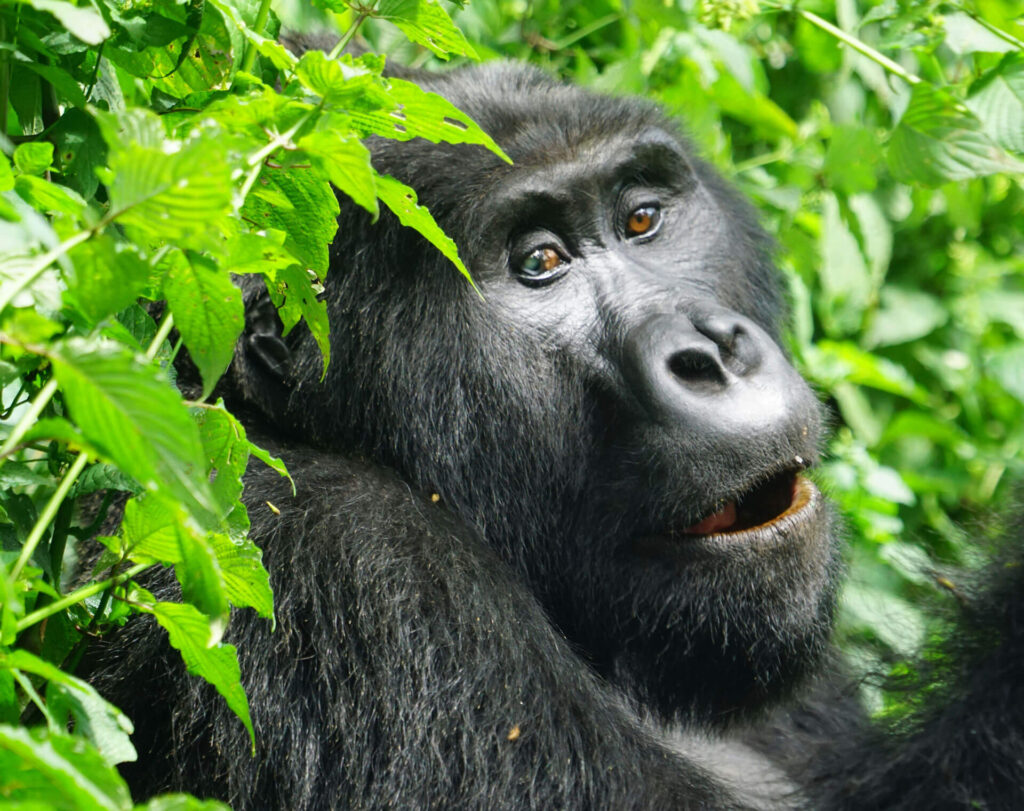
These Rwanda and Uganda Gorilla Safari Safety Tips explain how to prepare before departure, behave in the forest, protect your health and select reliable transportation, accommodation and tour arrangements.
Coming face-to-face with a mountain gorilla is one of Africa’s most extraordinary wildlife experiences. A silverback resting among thick vegetation can appear powerful and intimidating, yet habituated gorilla families generally remain calm when visitors follow the instructions of trained park rangers.
Gorilla trekking is not risk-free. It takes place in natural mountain forests where trails can be steep, muddy and unpredictable. Travelers must also consider health, road transport, changing weather, regional conditions and the importance of protecting gorillas from human diseases.
Fortunately, the experience is carefully managed in both Rwanda and Uganda. Treks are conducted with trained rangers and trackers, visitor numbers are controlled, and only habituated gorilla families are normally opened for tourism.
This guide is intended for first-time visitors, solo travelers, families, senior travelers, photographers and anyone deciding whether gorilla trekking is safe. Conditions, entry rules and regional advisories can change, so travelers should always reconfirm official information close to departure.
Is Gorilla Trekking in Rwanda and Uganda Safe?
Gorilla trekking in Rwanda and Uganda is generally considered a well-regulated wildlife activity when completed through the relevant park authorities and a reputable tour operator.
Visitors do not search for gorillas independently. Trackers monitor habituated families, and ranger guides lead each trekking group through the forest. Before departure, participants receive instructions about trail conditions, wildlife behavior and conduct around the gorillas.
Habituation is a gradual conservation process through which selected gorilla families become accustomed to the controlled presence of researchers, trackers and visitors. It does not make gorillas tame. They remain powerful wild animals capable of moving or reacting unexpectedly.
The principal risks usually come from terrain, weather, physical exhaustion, road travel and illness—not deliberate aggression from gorillas.
Safe trekking therefore depends on several layers of preparation:
- Booking through legitimate channels
- Assessing physical fitness honestly
- Wearing appropriate hiking equipment
- Listening to rangers
- Maintaining the required distance
- Avoiding trekking when sick
- Using reliable vehicles and experienced drivers
- Monitoring current regional travel advice
- Carrying adequate insurance
No responsible company can guarantee that an adventure activity will be completely risk-free. However, careful planning significantly reduces avoidable danger.
Where Gorilla Trekking Takes Place
Understanding the destinations helps travelers evaluate routes, terrain and travel time.
Volcanoes National Park in Rwanda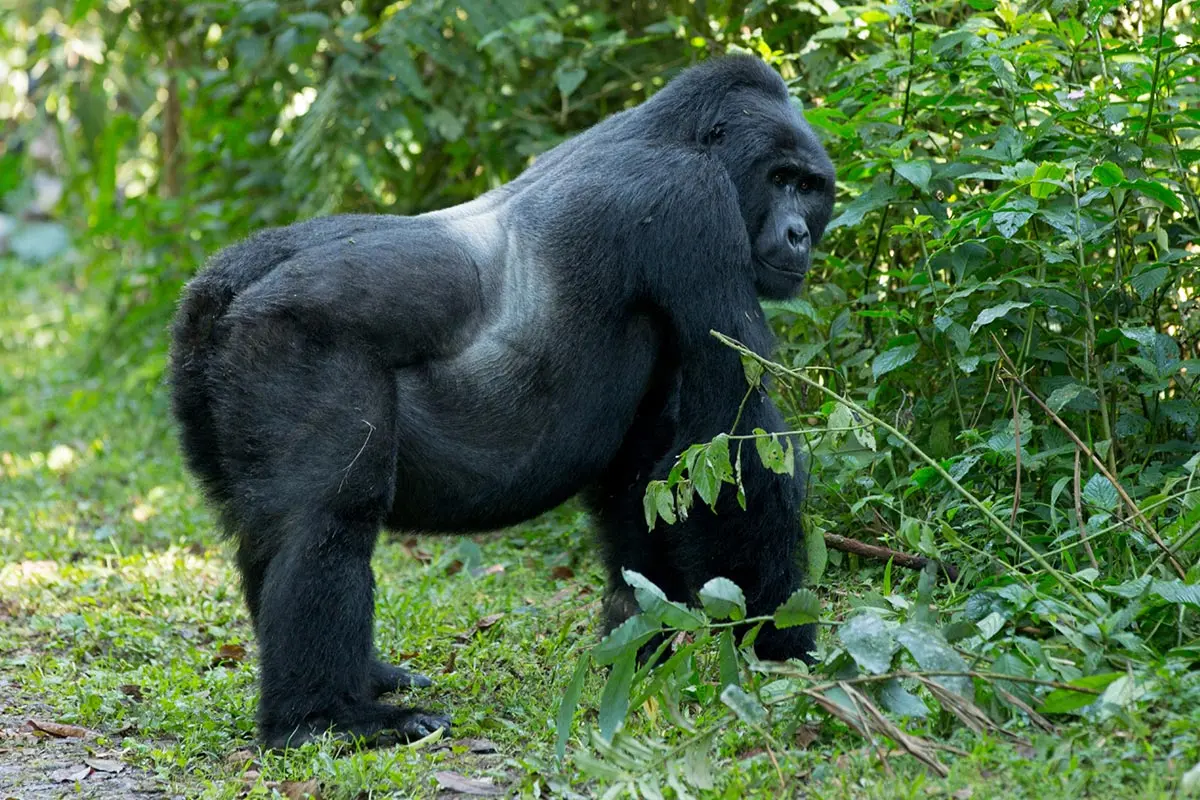
Rwanda’s gorilla trekking takes place in Volcanoes National Park in the northwest of the country. The park forms part of the Virunga Massif and is reached from Kigali by road.
Its relative proximity to Kigali is one reason Rwanda appeals to travelers with limited time. Under normal conditions, the journey from the capital to the Volcanoes region takes approximately two and a half to three hours.
The park’s environment includes volcanic slopes, bamboo forest and montane vegetation. Altitude, mud and changing weather can make trekking physically demanding even though the park is easy to reach by road.
Visitors normally assemble at the park headquarters in Kinigi for registration, briefing and allocation. They then proceed toward the relevant trailhead with their guide and ranger team.
Bwindi Impenetrable National Park in Uganda
Bwindi Impenetrable National Park protects an ancient rainforest in southwestern Uganda. Gorilla trekking operates from several sectors, including Buhoma, Ruhija, Rushaga and Nkuringo.
The sectors are not interchangeable. A permit is connected to a trekking location, and accommodation must be selected accordingly. Booking a lodge in the wrong sector can result in a difficult early transfer or a missed activity.
Bwindi’s trails may be steep, dense and slippery. The difficulty depends on the assigned family’s location, weather and starting point.
Travelers arriving from Entebbe or Kampala should expect a long road journey unless they use a scheduled or chartered domestic flight. Driving time must be planned realistically, with appropriate rest stops.
Mgahinga Gorilla National Park in Uganda
Mgahinga Gorilla National Park lies in Uganda’s Virunga region near Kisoro. The landscape includes forest and volcanic slopes.
The Uganda Wildlife Authority recommends a four-wheel-drive vehicle for access to Mgahinga and notes that the road journey from Kampala to Kisoro can take around nine hours via Kabale. Uganda Wildlife Authority’s Mgahinga information provides official destination guidance.
Travelers combining Rwanda and Uganda may approach southwestern Uganda through an authorized border crossing. Border operating conditions and immigration requirements must be confirmed before travel.
Book Gorilla Permits Through Reliable Channels
Permit fraud and booking misunderstandings can destroy an otherwise well-planned safari. Travelers should purchase permits through the appropriate wildlife authority or a reputable, registered operator.
In Rwanda, permits are administered through the official tourism system. In Uganda, permits are administered by the Uganda Wildlife Authority and may be arranged by approved tour operators.
Do not transfer large payments based only on a social-media conversation. Verify the company’s legal identity, website, telephone number, reviews and payment instructions.
A genuine quotation should clearly explain whether the gorilla permit is included. It should also identify the trekking country, date and, in Uganda, the relevant sector or area when confirmed.
The traveler’s passport details must be recorded accurately. Check the spelling of names, passport number and trekking date before payment.
Permit cancellation, rescheduling and refund rules can be strict. Ask for written terms before confirming the safari. Comprehensive travel insurance should be purchased early enough to protect eligible prepaid expenses.
Uganda Wildlife Authority has published an advisory reminding travelers and operators to follow official permit-purchasing procedures. The UWA permit advisory reinforces the importance of legitimate booking channels.
Choose a Professional Gorilla Safari Operator
A reliable operator does more than reserve a permit. It connects the permit, accommodation, transportation and trekking sector into a workable itinerary.
Before booking, ask whether the company is registered, whether the safari is private or shared, which vehicle will be used and what support is available in an emergency.
A professional operator should provide: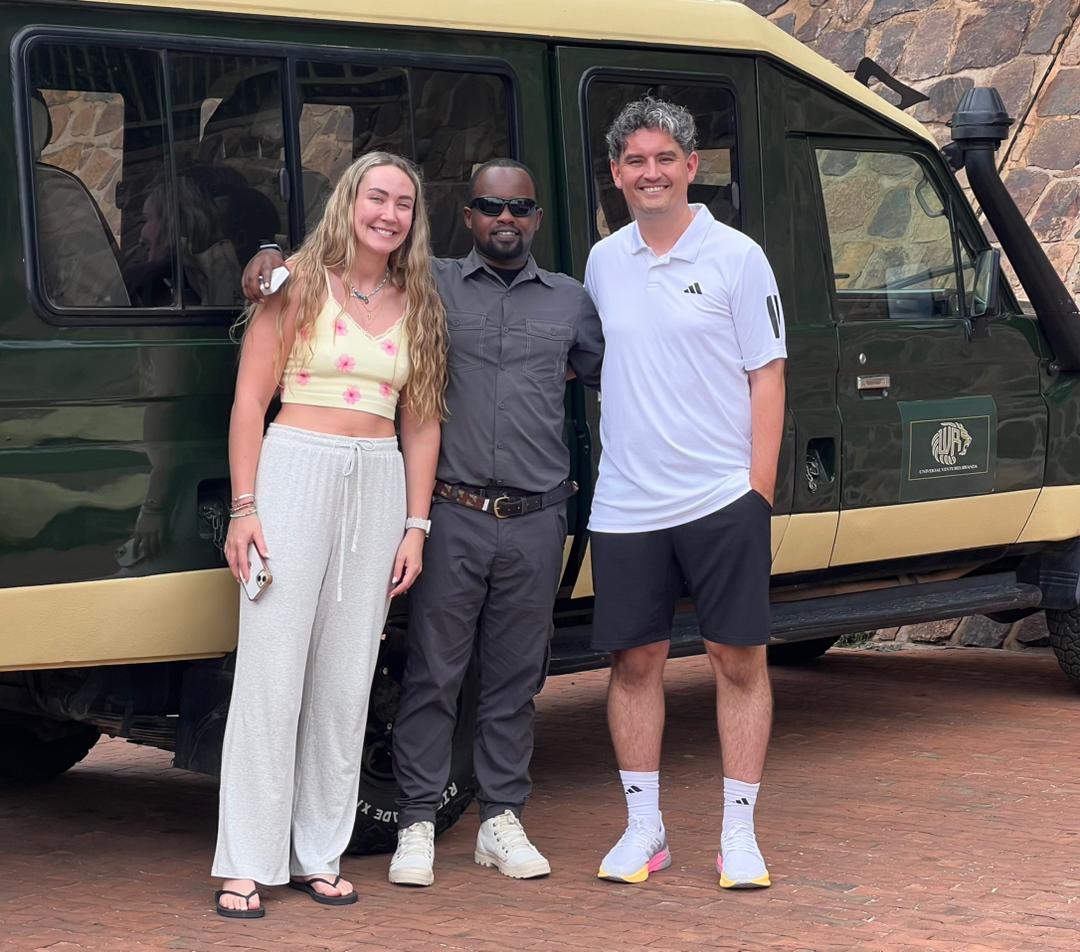
- A written itinerary
- Clear inclusions and exclusions
- Confirmed accommodation
- Permit information
- Driver-guide contact details
- Airport or border meeting arrangements
- Payment and cancellation conditions
- Realistic travel times
- Emergency contact procedures
The operator should ask about mobility, medical considerations and dietary needs. This information helps the team plan safely; it should not be treated as an inconvenience.
Be cautious if a company promises a guaranteed easy trek, guaranteed close contact or permission to ignore park rules. Gorilla locations and trail conditions cannot be guaranteed.
Universal Ventures Rwanda arranges private gorilla safaris in both Rwanda and Uganda, including permits, accommodation, transportation, porters and cross-border logistics.
Gorilla Trekking Rules Protect Visitors and Gorillas
Mountain gorillas share biological similarities with humans and can be vulnerable to human respiratory illnesses. Safety rules therefore protect both species.
The ranger’s briefing on trekking morning takes priority over any advice found online. Rules may be updated according to conservation needs, veterinary guidance or park conditions.
Do Not Trek When You Are Sick
Travelers with fever, flu symptoms, a respiratory infection, vomiting, diarrhea or another potentially contagious illness must inform the guide.
Hiding symptoms to avoid losing a permit can endanger an entire gorilla family. A human infection introduced to a small endangered population can have serious consequences.
Travelers should protect themselves financially with insurance rather than depending on the ability to trek while sick. Coverage conditions differ, so read the policy carefully.
Wash or sanitize hands as instructed before entering the gorillas’ habitat. Avoid touching your face unnecessarily during the encounter.
A face mask may be required or provided according to current park procedures. Wear it correctly over the nose and mouth when instructed.
Maintain the Required Distance
Rangers instruct visitors to maintain an appropriate distance from gorillas. The exact operational guidance given during the briefing must be followed.
Dense forest sometimes makes spacing difficult, and a gorilla may move closer by choice. Do not step toward it for a photograph.
If a gorilla approaches, remain calm and follow the ranger’s directions. You may be told to stay still, crouch or move slowly.
Never touch a gorilla, even if a juvenile appears curious. Physical contact risks disease transmission and may provoke a defensive reaction from another family member.
Distance is not merely a photography guideline. It is an essential conservation and safety rule.
Remain Quiet and Calm
Speak softly around the gorillas. Loud conversations, shouting and sudden noises can disturb the family.
Place phones on silent mode before the encounter. Disable camera sounds where possible without affecting safety or essential functions.
Do not imitate gorilla calls or behavior unless a ranger specifically directs you. Actions that seem playful to a visitor may communicate something different to a gorilla.
If a silverback vocalizes, beats his chest or makes a brief display, do not run. Such behavior can be communicative rather than an attack, but the ranger must interpret the situation.
Remain with the group and follow instructions immediately.
Avoid Directly Challenging a Gorilla
Do not stare aggressively into a gorilla’s eyes. Brief natural observation is different from sustained, confrontational eye contact.
Keep body language calm. Do not point objects toward the gorilla, wave arms or attempt to attract its attention.
If instructed to lower your body, do so slowly. Never stand above a nearby gorilla for a better camera angle.
Rangers understand the behavior of the habituated families. Trust their judgment instead of relying on something seen in a wildlife documentary.
Never Use Flash Photography
Flash photography is not permitted. It can disturb the gorillas and may trigger an unpredictable reaction.
Disable automatic flash before reaching the family. Do not wait until a gorilla is in front of you to search through the camera settings.
Photographers should practice working in low light before departure. Higher ISO settings, wider apertures and stable technique are safer alternatives to flash.
Respect other participants’ viewing space. Do not push forward, block the ranger or leave the assigned position for an unobstructed image.
Do Not Eat, Drink or Smoke Near Gorillas
Food can attract animals, create litter and increase contamination risk. Eat only where the ranger says it is safe.
Water may be carried, but follow instructions about when and where to drink. Do not leave bottles or wrappers in the forest.
Smoking and vaping are inappropriate during the trek and around wildlife. They may create fire, pollution and health risks.
Carry every piece of waste out of the forest. This includes fruit peels, tissues and biodegradable-looking packaging.
Cover Coughs and Sneezes
If you unexpectedly cough or sneeze near the gorillas, turn away and cover your nose and mouth as instructed.
A mask reduces some respiratory-droplet risk but does not make it acceptable to trek while actively ill.
Inform the ranger if symptoms develop during the walk. Protecting the gorillas takes priority over completing the viewing hour.
Fitness and Trail Safety
Uganda Wildlife Authority advises that gorilla tracking requires moderate fitness and may last between two and seven hours, followed by the regulated observation period with a habituated family. UWA’s official gorilla-tracking page describes the activity and expected physical commitment.
Duration varies in both countries. Gorillas move through large forest habitats, and trackers cannot promise their location far in advance.
Assess Your Fitness Honestly
Travelers should be able to walk on uneven ground, handle slopes and remain active for several hours. Altitude and humidity may make the trek more tiring than a similar-distance walk at home.
Anyone with heart, respiratory, joint or balance concerns should consult an appropriate healthcare professional before travel.
Age alone does not determine suitability. Many senior travelers complete gorilla treks, while some younger travelers struggle because they have not prepared.
Training should begin several weeks before departure. Regular walking, hills, stairs and leg-strength exercises can improve confidence.
Wear the planned boots and daypack during training. This tests equipment and prepares the body for the actual conditions.
Hire a Porter
Hiring a porter is one of the most effective gorilla trekking safety measures.
A porter carries the daypack, helps the traveler across slippery sections and provides a steady hand during steep climbs or descents. This support remains useful even for physically fit visitors.
Porters know the terrain and understand the pace of gorilla trekking. Their assistance reduces fatigue, leaving the traveler better able to concentrate near the gorillas.
Hiring a porter also provides direct income to communities surrounding the parks. Arrange the service at the briefing point or through your operator.
Travelers with significant mobility limitations may require specialized assistance. Such arrangements must be discussed well in advance and assessed honestly. Availability, terrain and cost vary.
Use a Walking Stick or Trekking Poles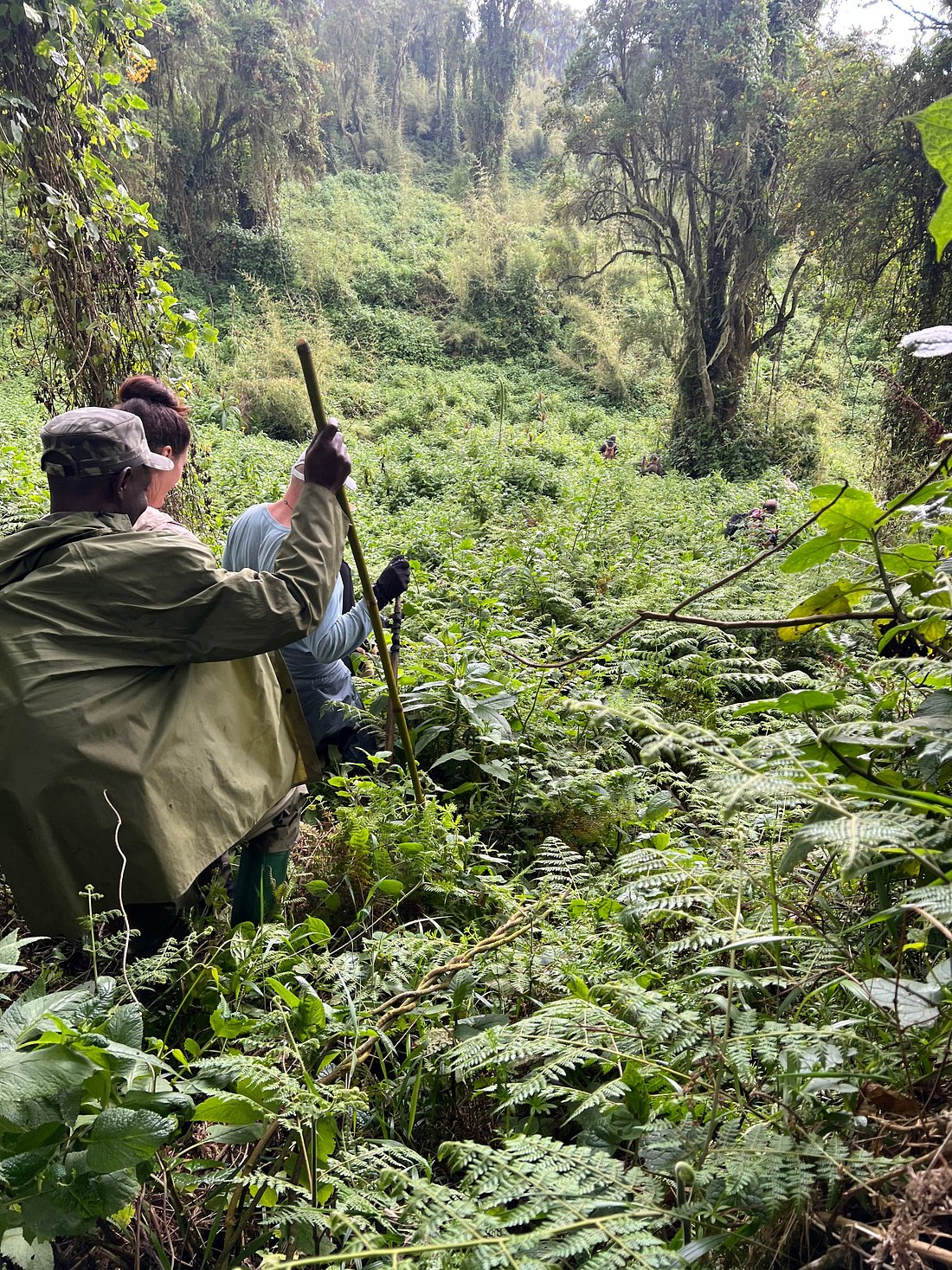
A walking stick improves stability in mud and on slopes. Basic wooden sticks may be available near the trekking point.
Travelers accustomed to adjustable trekking poles may bring their own. Rubber tips can be useful on certain surfaces, although ranger instructions should be followed.
Do not carry poles in a way that endangers other participants. Collapse or hand them to the porter when close to the gorillas if instructed.
Walk at a Sustainable Pace
Do not compete with faster group members. Trekking groups should remain coordinated, and rangers can provide rest breaks.
Tell the ranger immediately if you feel dizzy, breathless, weak or unwell. Early communication prevents a manageable issue from becoming an emergency.
Drink water regularly but sensibly. Begin the day hydrated rather than trying to consume all your water during the trek.
Use energy snacks only where the ranger permits. Diabetes or other medical conditions requiring regular food intake should be discussed with the operator and ranger.
Watch Every Step
Roots, loose stones, mud and vegetation require attention. Do not walk while concentrating entirely on your phone or camera.
Keep one or both hands available for balance. A camera should have a secure strap, and the porter should carry unnecessary equipment.
Descents can place more strain on knees than climbs. Move slowly and use support.
Do not grab unknown vegetation with bare hands. Plants may have thorns or irritating surfaces.
Wear Appropriate Gorilla Trekking Equipment
Correct clothing reduces the chance of slipping, scratching, insect bites and exposure to cold rain.
Wear sturdy waterproof hiking boots with ankle support and deep tread. Boots should be broken in before departure.
Long quick-drying trousers protect the legs from vegetation and insects. Tuck the cuffs into long socks or wear gaiters.
A breathable long-sleeved shirt protects the arms. Carry a waterproof hooded jacket because rain can fall throughout the year.
Gardening gloves protect the hands when holding branches or using the ground for support. A light fleece provides warmth during cool mornings.
Avoid sandals, shorts, heavy jeans and smooth-soled fashion shoes. They are poorly suited to wet mountain forests.
Use a compact waterproof daypack or place essential items inside dry bags. Medication, camera equipment and important documents require extra protection.
Weather Safety in the Gorilla Regions
Mountain weather changes quickly. A clear morning can become misty or wet, while a cold start can develop into a warm climb.
Rain is possible in both traditionally wet and dry seasons. Travelers should never leave rain gear at the lodge solely because the morning sky looks clear.
Wet trails require shorter steps and greater attention. Follow the ranger’s exact route rather than creating a seemingly easier path.
Lightning and severe weather decisions belong to park staff. If rangers delay, redirect or terminate an activity, visitors must respect that judgment.
Cold rain can contribute to discomfort and exhaustion. A waterproof outer layer and quick-drying clothing help maintain body temperature.
Sun remains strong at altitude, even when air temperatures feel cool. Use sunscreen and carry a hat for exposed sections.
Health Preparation Before a Gorilla Safari
Health preparation should begin well before departure. General online advice cannot replace an individual consultation with a qualified travel-medicine professional.
The World Health Organization recommends asking a healthcare professional which vaccines are required or advisable and ensuring routine vaccinations are current. WHO’s vaccines and travel guidance provides the general framework.
Discuss your full itinerary, including transit countries, border crossings, rural areas and planned activities.
Malaria Prevention
Malaria risk requires professional advice. WHO recommends that travelers to malaria-endemic areas consult a doctor several weeks before departure because the appropriate preventive medicine depends on the destination and individual. WHO’s malaria fact sheet explains the importance of medical consultation.
Preventive measures may include prescribed medication, insect repellent, long evening clothing and correctly used mosquito nets.
Take medication exactly as prescribed, including doses required before arrival or after returning home.
A fever during or after the trip requires prompt medical attention. Tell the clinician about recent travel to Rwanda or Uganda.
Yellow Fever and Entry Health Requirements
Yellow fever documentation requirements can depend on nationality, origin, transit route and current regulations.
Rwanda may require proof of yellow fever vaccination from travelers arriving from a country considered a transmission risk. Current Rwanda entry guidance should be checked alongside official Rwandan information.
Uganda’s requirements and recommendations should also be confirmed through official immigration and travel-health sources.
Carry the original vaccination certificate when required. A phone photograph may not replace the official document at immigration.
Travelers who cannot receive a vaccine for medical reasons should seek professional advice about exemption documentation and whether entry will be permitted.
Prescription Medication
Carry essential medication in hand luggage and original labeled packaging. Bring more than the exact amount needed for the itinerary.
A written list of generic medication names helps local clinicians understand the treatment. Keep a copy with a trusted contact.
Do not place all medicine in checked baggage. Flight delays and misplaced bags can interrupt treatment.
Travelers with serious allergies should carry prescribed emergency medication and make sure the guide understands where it is stored.
Food and Water Safety
Drink properly treated, filtered or bottled water. Your operator should provide safe drinking water in the safari vehicle.
Use caution with food from unverified sources. Established lodges and restaurants generally follow procedures designed for international visitors, but travelers should still use judgment.
Wash or sanitize hands before eating. Avoid food that appears poorly stored or insufficiently cooked.
Dehydration can cause headaches, weakness and poor concentration. Drink regularly during transfers and trekking days.
Inform the operator about allergies and dietary requirements before arrival. A vague statement such as “special diet” is not enough for severe allergies.
Travel Insurance and Medical Evacuation
Comprehensive travel insurance is essential for a gorilla safari.
The policy should cover trekking, emergency treatment, hospitalization, evacuation, cancellation, interruption and delayed baggage. Confirm that Uganda and Rwanda are both included if the itinerary crosses the border.
Pre-existing medical conditions must be declared according to the insurer’s procedures. Failure to disclose them may invalidate relevant coverage.
Read exclusions concerning government travel advisories, epidemics, high-altitude activities and adventure trekking.
Carry the insurer’s emergency telephone number and policy details in both printed and digital form. Your travel companion or emergency contact should hold a copy.
A tour operator can coordinate transport and local assistance, but it cannot replace insurance or guarantee that every medical expense will be covered.
Road Safety in Rwanda and Uganda
Road travel is a major part of many gorilla safaris. Rwanda offers relatively short access from Kigali to Volcanoes National Park, while transfers within Uganda can be considerably longer.
Use a licensed, well-maintained vehicle with an experienced driver. A four-wheel-drive vehicle is preferable for remote lodges, park approaches and difficult seasonal road conditions.
Wear a seat belt whenever one is available. Do not accept an overloaded vehicle.
Avoid unrealistic itineraries that require repeated night driving. Rural roads can include pedestrians, cyclists, animals, unlit vehicles and limited visibility.
Drivers need rest. A schedule that demands a full day of driving immediately after a long airport wait may create unnecessary risk.
Keep vehicle doors locked in towns and do not leave cameras, passports or money visible in a parked vehicle. Current Uganda travel advice specifically recommends keeping doors locked and windows shut in towns and not leaving valuables inside parked vehicles. Uganda safety guidance provides additional precautions.
Motorcycle taxis may be convenient, but road conditions, helmet availability and driving standards vary. International visitors should use transportation arranged by a reputable hotel or operator, particularly at night.
Cross-Border Safari Safety
Many travelers combine Rwanda and Uganda because the gorilla regions are geographically close. Nevertheless, international border crossings require preparation.
Use only official crossing points. Never follow an unmarked path or informal shortcut across a border.
Carry the correct visa, passport, permit and vaccination documents. Entry rules depend on nationality and may change.
Confirm the border’s operating hours before departure. Allow enough time for immigration without risking a missed trek.
Do not photograph immigration facilities, military personnel or border infrastructure unless explicit permission has been granted.
Political and security conditions near regional borders can change. Review current official travel advisories shortly before departure and remain in contact with your operator.
As of August 2026, current advisories identify heightened risks in some areas near the Democratic Republic of Congo. For example, UK travel advice warns against all but essential travel to specified parts of Rwanda’s Rusizi District within 10 kilometers of the DRC border. Current Rwanda travel advice provides the defined area and latest updates.
Uganda advice also notes potential border closures and localized risks near parts of the Uganda–DRC frontier. Uganda regional-risk guidance should be reviewed alongside advice issued by the traveler’s own government.
These advisories do not automatically describe every gorilla itinerary. Exact routes matter. A reputable operator should explain the proposed journey and adjust it if conditions change.
Accommodation Safety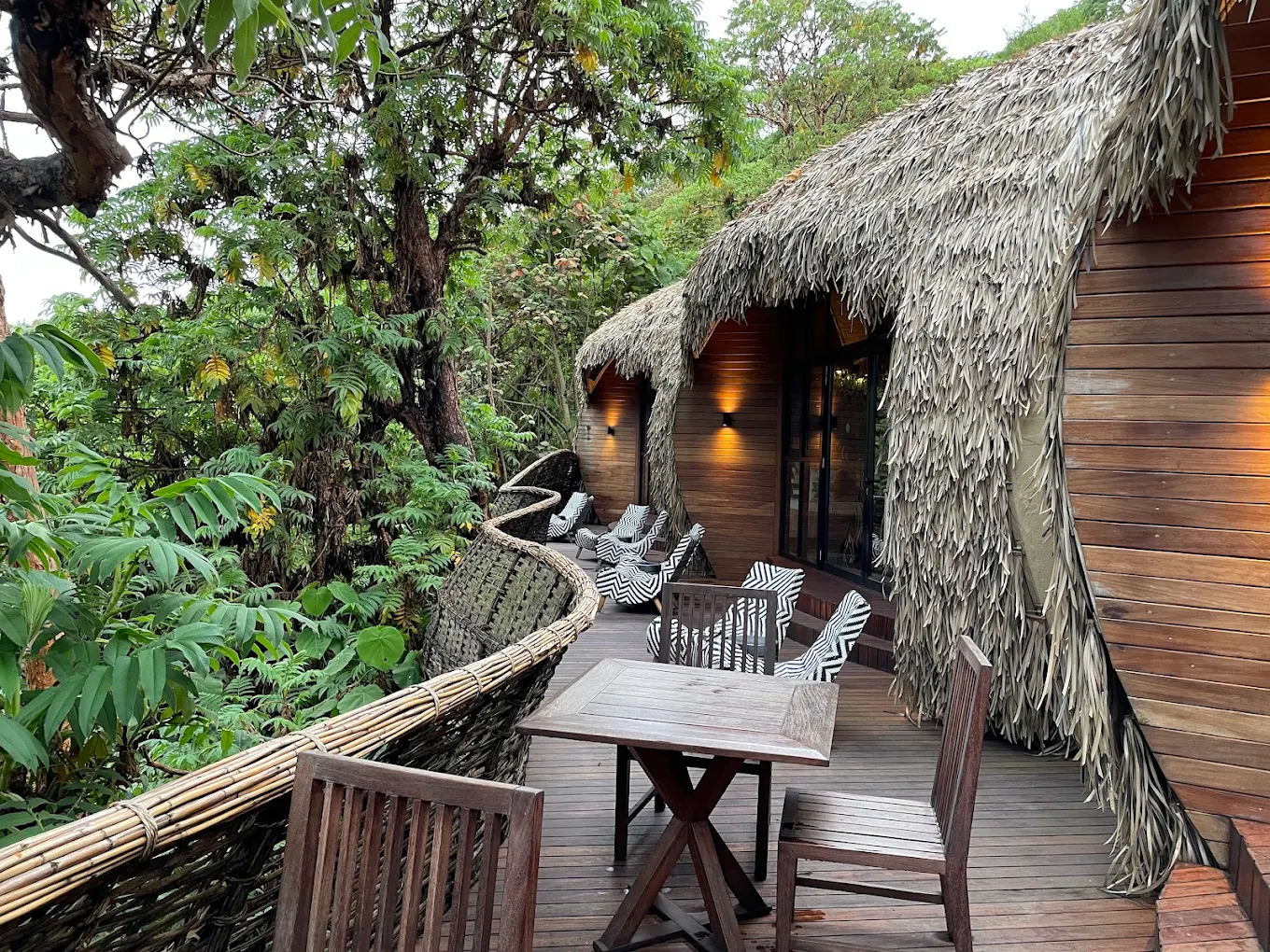
Choose established lodges or hotels with professional staff, secure rooms and reliable communication.
Keep doors and windows locked when leaving the room. Use the safe where available, but retain a record of important documents separately.
Do not walk around an unfenced lodge after dark without following staff instructions. Wildlife may pass through some properties.
Use a flashlight or phone light on outdoor paths. Steps and wet surfaces may be difficult to see.
Ask staff for help with fireplaces, heaters or hot-water bottles. Do not place clothing directly against heating equipment.
Check mosquito nets before sleeping. Staff can help arrange a loose or damaged net.
Travelers with mobility concerns should request a room close to the restaurant and reception. Hillside lodges may have steep paths and many steps.
Safety Tips for Solo Travelers
Solo visitors can enjoy gorilla trekking safely because the forest activity is ranger-led and completed in a group.
Arrange airport pickup before arrival. Keep the driver’s name, company and telephone number available offline.
Share the itinerary with someone at home and agree on reasonable check-in times. Remember that weak mobile coverage may delay communication from remote parks.
Avoid telling strangers that nobody knows your movements. A simple statement that your guide is expecting you can establish a useful boundary.
Choose accommodation with staffed reception and reliable transportation. Ask the hotel to arrange evening transfers.
Keep emergency money and a backup bank card separate from the main wallet.
If joining other travelers to reduce costs, confirm the vehicle, itinerary, room arrangements and payment responsibilities in writing.
Solo female travelers should apply the same careful judgment used elsewhere: monitor drinks, avoid isolated nighttime walking and report inappropriate behavior immediately.
Safety Tips for Senior Travelers
Age does not automatically prevent gorilla trekking. Fitness, balance, joint condition and cardiovascular health are more important.
Senior visitors should discuss the proposed trek with a healthcare professional, especially after recent surgery or when managing heart, lung, hip or knee conditions.
Request ground-floor accommodation or rooms close to lodge facilities. A high entry step into the safari vehicle can be reduced with a portable stool.
Hire a porter even if you do not need help carrying a bag. The extra support can reduce the risk of slipping.
Use trekking poles if familiar with them. New mobility equipment should be tested before travel.
Allow recovery time before and after trekking. Scheduling another demanding forest activity the next morning may reduce enjoyment.
Park staff may consider mobility when allocating trekking groups, but an easy or short route cannot be guaranteed because gorillas move freely.
Safety Tips for Families
The minimum age for standard gorilla trekking is generally 15 in Rwanda and Uganda, but current permit rules must be reconfirmed.
Parents should not attempt to bring an underage child to a trekking briefing in the hope of receiving an exception.
Families traveling with younger children can arrange alternative lodge, cultural or nature activities with appropriate supervision.
Teenagers who meet the age requirement still need suitable fitness, boots and preparation. They must be mature enough to remain quiet and follow ranger instructions around the gorillas.
Do not leave children alone at a lodge unless a legitimate childcare arrangement has been confirmed.
Family travel insurance must cover every participant and all planned activities.
Photography Safety
Photographers face additional risks because equipment can distract attention from the trail.
Keep both hands available when walking. A porter can carry the camera bag until the gorillas are located.
Use secure straps and waterproof protection. Rain can begin quickly, and dropping a camera on a steep slope may endanger both the owner and anyone attempting to retrieve it.
Do not walk backward while filming a gorilla. Remain aware of roots, other visitors and ranger positions.
Flash is prohibited. Disable it before the encounter.
Avoid changing lenses in rain or placing equipment on forest vegetation. A moderate zoom lens is often safer and more versatile than carrying several heavy lenses.
Do not cross a ranger’s boundary for a clearer shot. Conservation and group safety always take precedence over photography.
What to Do If a Gorilla Approaches You
Remain calm. Do not run, shout or reach toward the animal.
Listen to the ranger and follow each instruction slowly. You may be asked to remain still, lower your body, avoid direct eye contact or move in a particular direction.
Do not attempt a selfie. A close approach is not permission to turn your back, extend a phone or move nearer.
Never place yourself between a mother and infant or between a silverback and other members of the family.
A gorilla may pass without showing interest. Your goal is to remain quiet and predictable until the ranger indicates that you can move.
What to Do During a Gorilla Display
A silverback may beat his chest, vocalize, move vegetation or make a brief rush. Do not interpret the behavior without the ranger’s guidance.
Remain in the group. Do not scatter, run or climb a tree.
Lower your camera if instructed. Sudden movement or persistent direct attention may be inappropriate.
Follow the ranger’s body position and commands. Rangers know the family’s behavior and have been trained to manage encounters.
Such displays can be dramatic, but calm compliance is far safer than panic.
Emergency Procedures During the Trek
If you fall, tell the ranger immediately even if the injury initially feels minor.
Do not stand quickly after a hard fall. Check for pain, dizziness and the ability to bear weight.
The ranger team will assess the situation and coordinate assistance. Follow their decision about whether to continue or return.
If separated from the group, stay where you are unless instructed otherwise. Shouting, wandering or attempting to find a shortcut can worsen the situation.
Carry necessary emergency medicine and tell the ranger or porter where it is stored.
A satellite communication device is not normally required for ordinary tourists, but the operator and park team should have appropriate local communication procedures.
Responsible Tourism Is Part of Safety
Conservation rules are safety rules. Responsible behavior keeps the animals habituated to predictable, low-impact visits.
Do not leave waste in the forest. Do not collect plants or disturb wildlife.
Hire local porters and use recognized community experiences. Tourism income helps create incentives for conservation and supports communities living near gorilla habitats.
Avoid operators that advertise touching wildlife, unrestricted viewing or secret shortcuts around park procedures.
Do not post real-time information that could compromise security, privacy or conservation operations.
Respect communities along the trail. Ask permission before photographing residents, homes or children.
Common Gorilla Safari Safety Mistakes
One common mistake is hiding an illness because the permit was expensive. This places gorillas and other participants at risk.
Another is arriving with new hiking boots. Blisters and poor fit can turn a manageable trek into a painful one.
Travelers sometimes decline a porter because the daypack feels light. They later discover that balance assistance is more valuable than luggage carrying.
Overloaded itineraries are another problem. A long road transfer followed immediately by an early trek leaves little time for rest.
Booking accommodation in the wrong Bwindi sector can create dangerous rushing or a missed activity.
Some visitors treat habituated gorillas as tame animals. They are not. Every instruction must be followed.
Others concentrate on the camera rather than the trail, step outside the assigned position or accidentally leave automatic flash enabled.
Ignoring current border and regional advice is equally unwise. Conditions can change after an itinerary is booked.
Finally, cheap transportation can create more risk than it saves money. Vehicle maintenance, driver experience and realistic travel time are fundamental parts of a safe safari.
Frequently Asked Questions
Is gorilla trekking safe?
Yes, it is generally a well-managed activity when conducted with authorized rangers, legitimate permits and professional operators. Natural terrain, weather, wildlife and health risks still require preparation.
Are mountain gorillas aggressive?
Habituated gorillas generally tolerate controlled human presence, but they remain wild animals. Visitors must follow ranger instructions and never approach or touch them.
Has anyone been attacked by a gorilla while trekking?
Serious incidents involving properly managed tourist groups are uncommon. However, no wildlife encounter is completely risk-free, and calm compliance with ranger instructions is essential.
What should I do if a gorilla charges?
Do not run. Remain calm, stay with the group and follow the ranger’s instructions immediately.
Can I touch a gorilla if it approaches me?
No. Never intentionally touch a gorilla. Remain still or move only as directed by the ranger.
How close can visitors get?
Visitors must follow the distance specified during the official briefing. If a gorilla moves closer, do not approach or reach toward it.
Can I trek if I have a cold?
You must disclose symptoms to the guide and park staff. Respiratory illnesses can be transmitted to gorillas, and you may not be allowed to trek.
Is flash photography allowed?
No. Disable the flash before approaching the gorillas.
Can I eat while watching gorillas?
No. Food should be eaten only where the ranger permits and away from the gorillas.
How difficult is gorilla trekking?
Difficulty varies. The walk may involve several hours of steep, muddy or uneven terrain. Uganda Wildlife Authority advises that treks can last approximately two to seven hours.
Is Rwanda safer than Uganda for gorilla trekking?
Both countries operate established gorilla trekking programs. Safety depends on the precise route, current conditions, transport, operator and traveler preparation. Avoid simplistic countrywide comparisons.
Is Rwanda or Uganda easier for gorilla trekking?
Rwanda offers shorter road access from Kigali to Volcanoes National Park. Uganda’s terrain and travel times vary by sector. The actual trek in either country can be easy, moderate or demanding depending on the gorillas’ location.
Do I need a porter?
A porter is strongly recommended. Porters carry bags and provide support on difficult terrain.
Are armed rangers present?
Park safety arrangements are determined by the relevant authorities and may include ranger personnel. Visitors should follow the instructions given at the briefing rather than make assumptions about security procedures.
Is it safe to cross from Rwanda to Uganda?
Established itineraries use official border crossings, but immigration rules, operating conditions and regional advisories must be checked before travel.
Can solo travelers trek gorillas safely?
Yes. Solo permit holders join a ranger-led trekking group. Private transportation and prearranged accommodation provide additional convenience.
Is gorilla trekking safe for seniors?
It can be suitable for healthy, prepared senior travelers. Fitness, mobility and medical circumstances must be assessed individually.
Can pregnant travelers trek gorillas?
Pregnancy changes balance, stamina and medical risk. The traveler should obtain individual medical advice and discuss trail conditions with the operator before booking.
What footwear is safest?
Broken-in waterproof hiking boots with strong tread and ankle support are the most practical choice.
What insurance do I need?
Choose comprehensive coverage for medical care, evacuation, cancellation and trekking activities in both countries.
Are roads to the gorilla parks safe?
Major routes are regularly used by safari operators, but journey times, surfaces and conditions vary. Use a maintained vehicle and experienced driver, and limit unnecessary night driving.
Can I drive myself?
Self-driving may be possible, but it adds responsibility for navigation, insurance, vehicle recovery, border procedures and reaching the correct trekking sector. First-time visitors often benefit from a professional driver-guide.
What if rain begins during the trek?
Put on waterproof clothing, protect electronics and follow the ranger’s pace. Rain is normal in gorilla habitats.
Can I use a drone?
Drone use is regulated and generally cannot be assumed to be permitted around national parks, borders or wildlife. Obtain written authorization from the relevant authorities before transporting or operating one.
What happens if I cannot finish the trek?
Tell the ranger as soon as you experience difficulty. Safety comes before completing the activity. Permit refunds should not be assumed.
Final Rwanda and Uganda Gorilla Safari Safety Tips
Gorilla trekking is safest when travelers respect its true nature. It is a controlled encounter, but it still takes place in a wild mountain environment.
Prepare physically, break in your boots and hire a porter. Carry waterproof clothing, water, medication and only the camera equipment you can manage safely.
Book permits and transportation through legitimate channels. Confirm the correct trekking date, country and Uganda sector before paying.
Protect the gorillas by staying away when ill, maintaining the required distance, remaining quiet and never touching an animal.
Review health requirements, travel insurance and regional advisories before departure. Conditions near international borders can change, and a responsible itinerary must be adaptable.
Most importantly, listen to the rangers. Their instructions reflect current conditions and direct knowledge of the gorilla family.
When these Rwanda and Uganda Gorilla Safari Safety Tips are followed, travelers can approach the experience with confidence while protecting themselves, fellow visitors and the mountain gorillas they have traveled so far to see.
Plan a Safe Gorilla Safari with Universal Ventures Rwanda
Universal Ventures Rwanda organizes private and customized gorilla trekking safaris in Rwanda and Uganda. Our team can arrange verified gorilla permits, professional driver-guides, private four-wheel-drive transportation, suitable accommodation, porter assistance and coordinated cross-border travel.
We also help travelers prepare for trekking conditions, select the correct Bwindi sector and create realistic itineraries with sufficient rest and transfer time.
Universal Ventures Rwanda
Telephone and WhatsApp: +250 781 441 853
Email: info@universalventuresrwanda.com
Address: KN 15 Road, opposite IPRC Entrance, 1st Floor, SANGWA Plaza, Kigali, Rwanda
Website: www.universalventuresrwanda.com
