 Skip to content
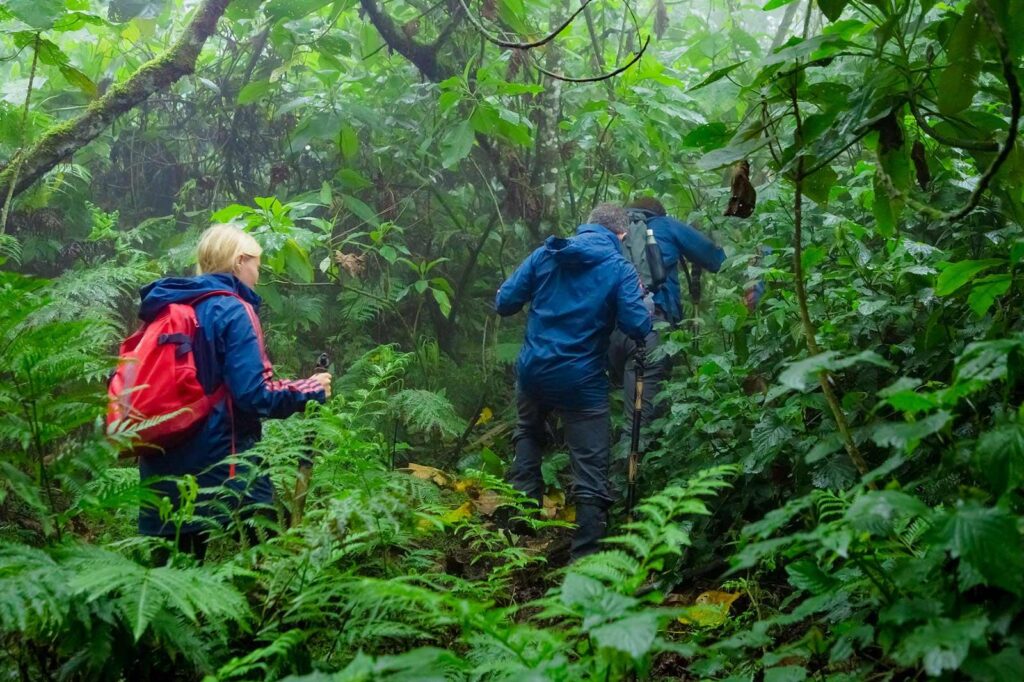
Many travelers planning a Uganda gorilla safari often ask the same important question: How difficult is gorilla trekking in Uganda? This is one of the most searched topics related to gorilla trekking in Uganda, especially for first-time visitors preparing for a life-changing encounter with mountain gorillas. The simple answer is that gorilla trekking in Uganda can range from moderate to physically demanding, depending on terrain, weather, and your personal fitness level. However, with proper preparation, guidance, and realistic expectations, most travelers — including those in their 50s and 60s — successfully complete their trek and describe it as one of the most rewarding wildlife experiences in Africa.
Uganda is home to nearly half of the world’s remaining mountain gorillas, mainly found in Bwindi Impenetrable Forest and Mgahinga Gorilla National Park. These parks offer unforgettable mountain gorilla trekking experiences, but they are located in mountainous, forested regions with thick vegetation, steep slopes, muddy trails, and unpredictable weather. Understanding the terrain and fitness requirements will help you prepare properly and enjoy your Uganda gorilla trekking adventure with confidence.
Gorilla Trekking in Uganda: Understanding the Terrain
When asking how difficult is gorilla trekking in Uganda, terrain plays the biggest role. Both Bwindi and Mgahinga are characterized by dense rainforest, rolling hills, and volcanic landscapes.
Bwindi Impenetrable Forest Terrain
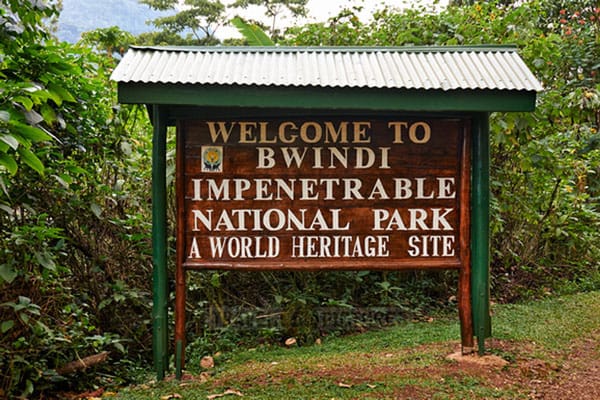
The name Bwindi Impenetrable Forest is not an exaggeration. This UNESCO-listed rainforest features:
- Thick undergrowth and vines
- Steep ridges and deep valleys
- Narrow footpaths
- Slippery mud during rainy seasons
Bwindi gorilla trekking often involves hiking through uneven terrain, sometimes off-trail, as trackers locate gorilla families based on their morning movements. The forest sits at elevations between 1,160 and 2,600 meters above sea level, meaning altitude may add mild physical strain for some visitors.
Mgahinga Gorilla National Park Terrain
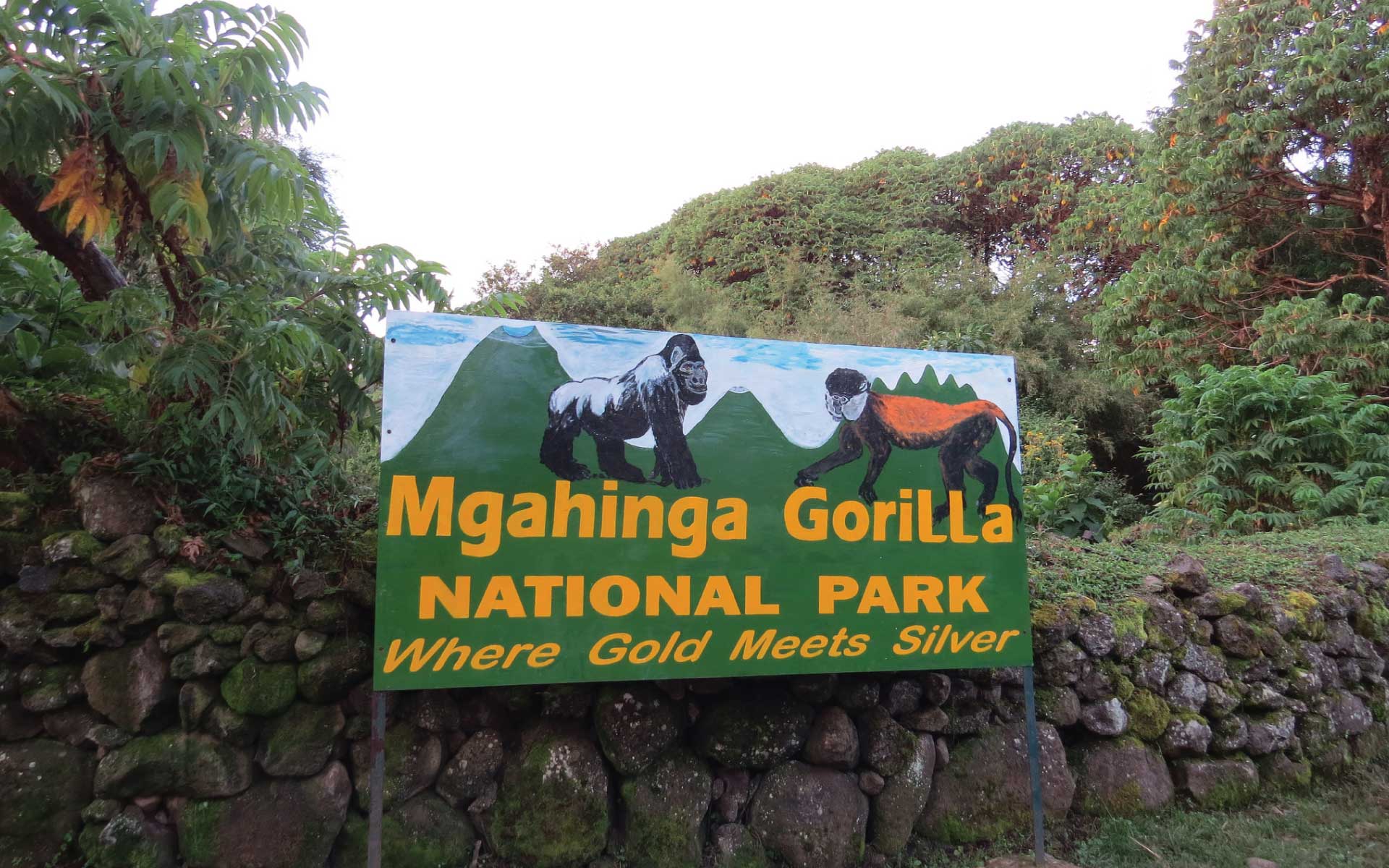
In contrast, Mgahinga Gorilla National Park features volcanic slopes within the Virunga Mountains. Treks here can be steeper but often occur in bamboo forests at certain elevations. While challenging, Mgahinga gorilla trekking is sometimes described as slightly more open compared to Bwindi’s thick jungle.
So, how difficult is gorilla trekking in Uganda when comparing parks? Bwindi tends to have thicker vegetation and more unpredictable paths, while Mgahinga may present steeper inclines but clearer visibility in some areas.
Trekking Duration: How Long Does It Take?
One of the main factors affecting difficulty is trekking duration. Gorilla trekking in Uganda can take:
- 1 to 2 hours on easier days
- 3 to 5 hours on average
- Up to 7–8 hours in rare cases
The length depends entirely on where the assigned gorilla family has moved that day. Rangers and trackers go ahead early in the morning to locate the group, but mountain gorillas roam freely in the forest.
When evaluating how difficult is gorilla trekking in Uganda, remember that time on your feet — rather than distance — determines fatigue levels.
Fitness Level Required for Gorilla Trekking in Uganda
Many travelers worry they are not fit enough. The good news is that you do not need to be an athlete. However, you should have:
- Basic walking stamina
- Ability to hike uphill for short periods
- Comfort walking on uneven ground
- Reasonable cardiovascular fitness
Older travelers regularly complete Bwindi gorilla trekking successfully. Rangers often assign easier groups to guests who indicate limited mobility. Hiring a porter is highly recommended — not because you cannot carry your bag, but because they assist with balance on slippery slopes.
So realistically, how difficult is gorilla trekking in Uganda for average travelers? It is moderately challenging but manageable with preparation.
Weather and Seasonal Impact on Difficulty
Uganda has two rainy seasons:
- March to May, October to November
During rainy months, trails become muddy and slippery, making gorilla trekking more physically demanding. However, gorilla trekking is available year-round, and even during wet seasons, the experience remains extraordinary.
Dry seasons (June to September and December to February) offer firmer trails, although steep slopes still require effort. If you are concerned about difficulty, booking during dry months may reduce physical strain.
Gorilla Trekking Age Limits and Health Considerations
The minimum age for gorilla trekking in Uganda is 15 years. There is no official maximum age limit, but trekkers must be in good health. Anyone with contagious illness (like flu or cold) may be denied participation to protect the gorillas.
Travel insurance and a moderate fitness routine before travel are strongly recommended. Light cardio exercises such as walking, stair climbing, and short hikes help significantly.
Practical Tips to Make Gorilla Trekking Easier
If you are asking how difficult is gorilla trekking in Uganda, preparation is the key to reducing difficulty. Here are expert recommendations:
1. Hire a Porter
Porters help carry bags and offer physical support during steep climbs.
2. Wear Proper Gear
- Waterproof hiking boots, Long trousers, Gloves for gripping vegetation, Rain jacket, Gaiters for mud protection
3. Use a Walking Stick
Often provided at park headquarters, these improve balance significantly.
4. Start Training Early
Walking 3–4 times per week for 30–45 minutes before your trip builds stamina.
Emotional Reward vs Physical Effort
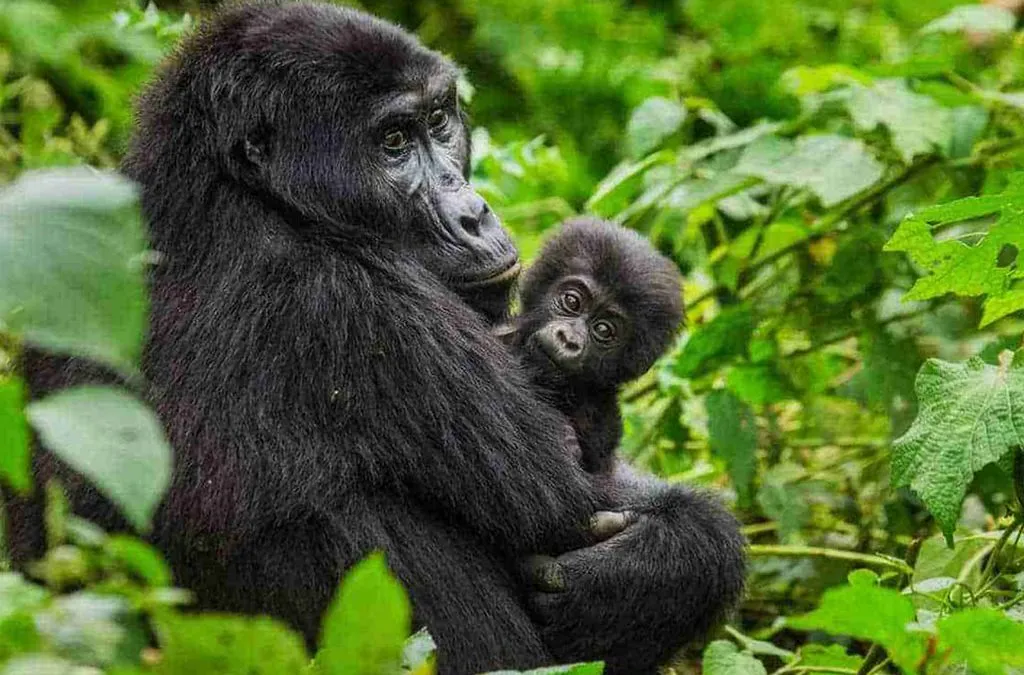
While many focus on how difficult is gorilla trekking in Uganda, few fully describe the emotional reward at the end of the hike. Standing just meters away from a wild mountain gorilla family, observing a silverback’s calm authority or watching playful juveniles interact, makes every step worthwhile. Visitors often forget the physical challenge once they encounter the gorillas.
The permitted one-hour viewing session feels surreal and intimate. Many travelers describe it as the most powerful wildlife encounter of their lifetime.
Comparing Gorilla Trekking in Uganda vs Rwanda
 Although this article focuses on Uganda, some travelers compare Uganda gorilla trekking with Rwanda gorilla trekking. Rwanda’s Volcanoes National Park often offers shorter hikes due to higher gorilla density near trailheads, but permits are more expensive. Uganda provides more trekking sectors and varied terrain, which can influence difficulty levels.
Ultimately, how difficult is gorilla trekking in Uganda compared to Rwanda? Uganda may involve longer treks on average, but it also offers exceptional biodiversity and diverse safari combinations including Queen Elizabeth National Park and Kibale Forest.
Is Gorilla Trekking Worth the Effort?
Absolutely. Even travelers concerned about fitness repeatedly say the experience exceeded expectations. With proper preparation, realistic expectations, and professional guidance, most visitors successfully complete their trek.
If you can walk for several hours with breaks, you can likely manage gorilla trekking in Uganda.
Final Verdict: How Difficult Is Gorilla Trekking in Uganda?
To summarize clearly:
- Terrain: Steep, forested, sometimes muddy
- Duration: 1–8 hours depending on gorilla location
- Fitness: Moderate level recommended
- Age: 15+ years
- Reward: Unmatched wildlife experience
So, how difficult is gorilla trekking in Uganda? It is physically demanding but achievable for most healthy travelers. The terrain may challenge you, but the encounter with endangered mountain gorillas is worth every step.
Plan Your Uganda Gorilla Trekking Safari
For professional planning, permits, transport, and accommodation, contact:
Universal Ventures Rwanda
📞 +250 781 441 853
📧 info@universalventuresrwanda.com
We organize customized Uganda gorilla trekking safaris, Bwindi gorilla trekking tours, Mgahinga gorilla trekking experiences, and complete East Africa safari packages.
Let us help you prepare for one of Africa’s greatest wildlife adventures.