 Skip to content
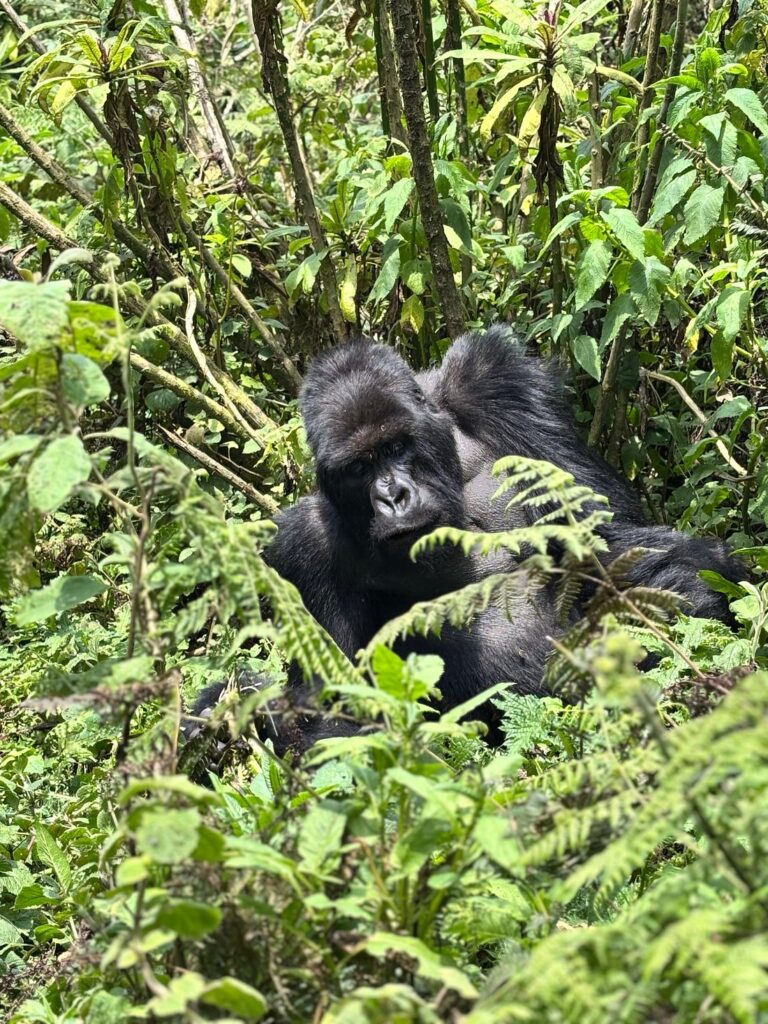
Rwanda gorilla trekking age limit, health rules & fitness level are among the most important things every traveler must understand before booking this once-in-a-lifetime experience. Gorilla trekking in Rwanda is highly regulated to protect both visitors and the endangered mountain gorillas, ensuring ethical, safe, and sustainable encounters.
This detailed guide explains who can trek, who should not, health requirements, fitness expectations, and special considerations for seniors or travelers with medical conditions, helping you plan your trek with confidence.
Where Does Gorilla Trekking Take Place in Rwanda?
All gorilla trekking in Rwanda takes place in Volcanoes National Park, located in the northwestern part of the country. The park protects several habituated gorilla families and is managed under strict conservation guidelines set by Rwanda’s wildlife authorities.
Rwanda Gorilla Trekking Age Limit Explained
Minimum Age for Gorilla Trekking in Rwanda
The official minimum age limit for gorilla trekking in Rwanda is 15 years.
This rule is strictly enforced and applies to all trekkers without exception.
Why Is There an Age Limit?
The age restriction exists for several important reasons:
-
Gorilla trekking can be physically demanding
-
Children may struggle with long hikes or steep terrain
-
Younger children are more likely to carry communicable illnesses
-
Gorillas are highly susceptible to human diseases
To protect both visitors and gorillas, Rwanda enforces this age rule with no flexibility.
Maximum Age Limit: Is There One?
There is no official maximum age limit for gorilla trekking in Rwanda.
Travelers in their 60s, 70s, and even 80s successfully trek gorillas every year. What matters most is overall health and fitness, not age.
Options for Older Travelers
-
Assignment to nearby gorilla families with shorter treks
-
Use of porters for support
-
Customized pacing during the trek
Many senior travelers consider gorilla trekking one of the most emotional and rewarding experiences of their lives.
Health Rules for Gorilla Trekking in Rwanda
Why Health Rules Are Strict
Mountain gorillas share over 98% of human DNA, making them extremely vulnerable to human illnesses such as flu, colds, and respiratory infections.
For this reason, Rwanda enforces strict health screening rules.
Who Should NOT Trek Gorillas?
You will NOT be allowed to trek if you have:
-
Flu, cold, cough, or sore throat
-
Fever or contagious illness
-
Diarrhea or stomach infections
-
Any infectious disease
Even mild symptoms may result in trek denial, sometimes on the morning of the trek.
If you are denied trekking due to illness, park authorities may allow a reschedule, subject to availability.
Health Declaration & Briefing
Before trekking, all visitors attend a mandatory morning briefing where:
-
Health status is assessed
-
Trekking rules are explained
-
Groups are assigned based on fitness level
Honesty during health declaration is essential for gorilla conservation.
Fitness Level Required for Rwanda Gorilla Trekking
Gorilla trekking difficulty varies daily depending on:
-
Location of the gorilla family
-
Terrain (forest, bamboo, volcanic slopes)
-
Weather conditions
-
Trek duration (1–6 hours round trip)
You do not need to be an athlete, but moderate fitness is recommended.
What “Moderate Fitness” Means
You should be able to:
-
Walk for several hours on uneven ground
-
Handle muddy or steep trails
-
Maintain balance in forest terrain
-
Walk at a steady pace with breaks
If you can manage regular hiking or brisk walking, you are generally fit enough.
Can You Trek Gorillas With Medical Conditions?
Yes—many travelers with medical conditions successfully trek gorillas, with preparation and proper disclosure.
Common Conditions & Considerations
-
Heart conditions: Shorter treks can be requested
-
Knee or joint issues: Porters provide stability support
-
Asthma: Inform guides; carry medication
-
Previous injuries: Trek pace can be adjusted
Always consult your doctor before booking and inform your safari operator in advance.
Role of Porters in Gorilla Trekking
Hiring a porter is highly recommended, regardless of age or fitness level.
Benefits of Hiring a Porter
-
Carry your backpack and water
-
Provide physical support on steep or muddy trails
-
Reduce fatigue and injury risk
-
Directly support local community livelihoods
Porters are affordable and make a significant difference to your trekking comfort.
Gorilla Trekking Safety Rules You Must Follow
To protect both gorillas and visitors:
-
Maintain a minimum distance of 7 meters
-
Do not touch gorillas
-
No flash photography
-
Keep voices low
-
Follow ranger instructions at all times
These rules are strictly enforced inside Volcanoes National Park.
Best Tips to Prepare for Gorilla Trekking Fitness & Health
-
Start light walking or hiking exercises weeks before travel
-
Break in your hiking boots
-
Stay hydrated before and during the trek
-
Get adequate rest the night before
-
Inform guides honestly about your fitness level
Preparation dramatically improves your trekking experience.
Frequently Asked Questions (FAQ)
Can a 14-year-old trek gorillas in Rwanda?
No. The minimum age is strictly 15 years.
Is gorilla trekking safe for seniors?
Yes, with proper planning, porters, and suitable gorilla group assignment.
What happens if I feel sick on trek day?
You may be denied trekking for conservation reasons, with possible rescheduling.
Do I need medical clearance?
Not mandatory, but strongly recommended if you have pre-existing conditions.
Is Rwanda Gorilla Trekking Right for You?
Understanding the Rwanda gorilla trekking age limit, health rules & fitness level is key to planning a safe, responsible, and unforgettable experience. With honest health disclosure, moderate fitness, and the support of experienced rangers and porters, gorilla trekking is achievable for most travelers—and deeply rewarding.
Standing just meters away from a mountain gorilla family is not about physical strength—it is about respect, preparation, and conservation awareness.