 Skip to content
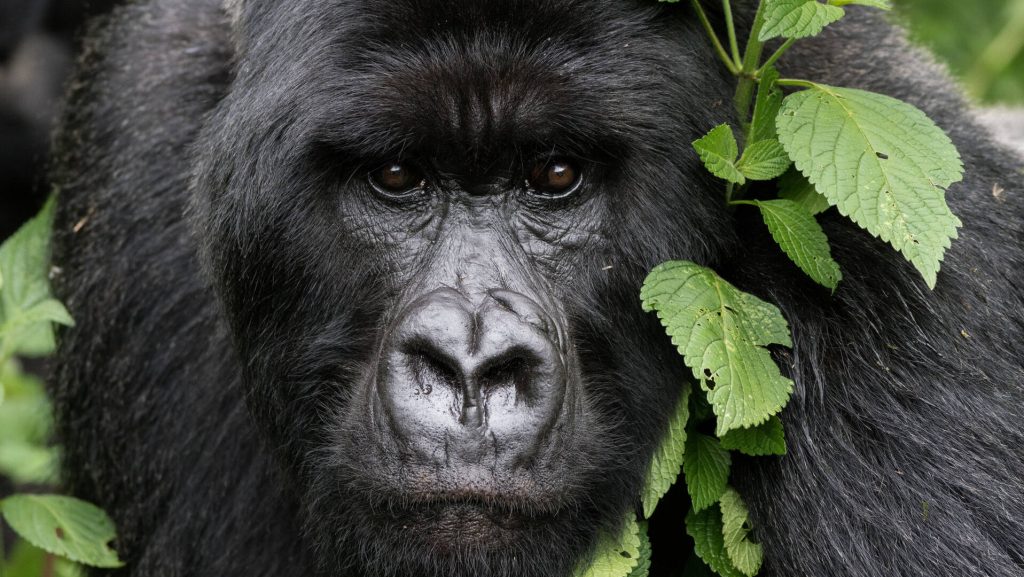
When planning a primate safari in Uganda, one of the biggest questions travelers ask is: Uganda Gorilla Trekking vs Chimpanzee Trekking – which should I choose? Both experiences are unforgettable, yet they offer very different encounters with Africa’s most fascinating primates.
Uganda is home to over half of the world’s remaining mountain gorillas and also hosts large populations of wild chimpanzees. Gorilla trekking takes place mainly in Bwindi Impenetrable National Park and Mgahinga Gorilla National Park, while chimpanzee trekking is most popular in Kibale Forest National Park and Budongo Forest Reserve.
Choosing between gorilla and chimp trekking depends on your budget, fitness level, photography goals, and personal interests. This guide breaks down the key differences to help you decide.
1. The Experience: Gentle Giants vs Energetic Primates
Gorilla Trekking Experience
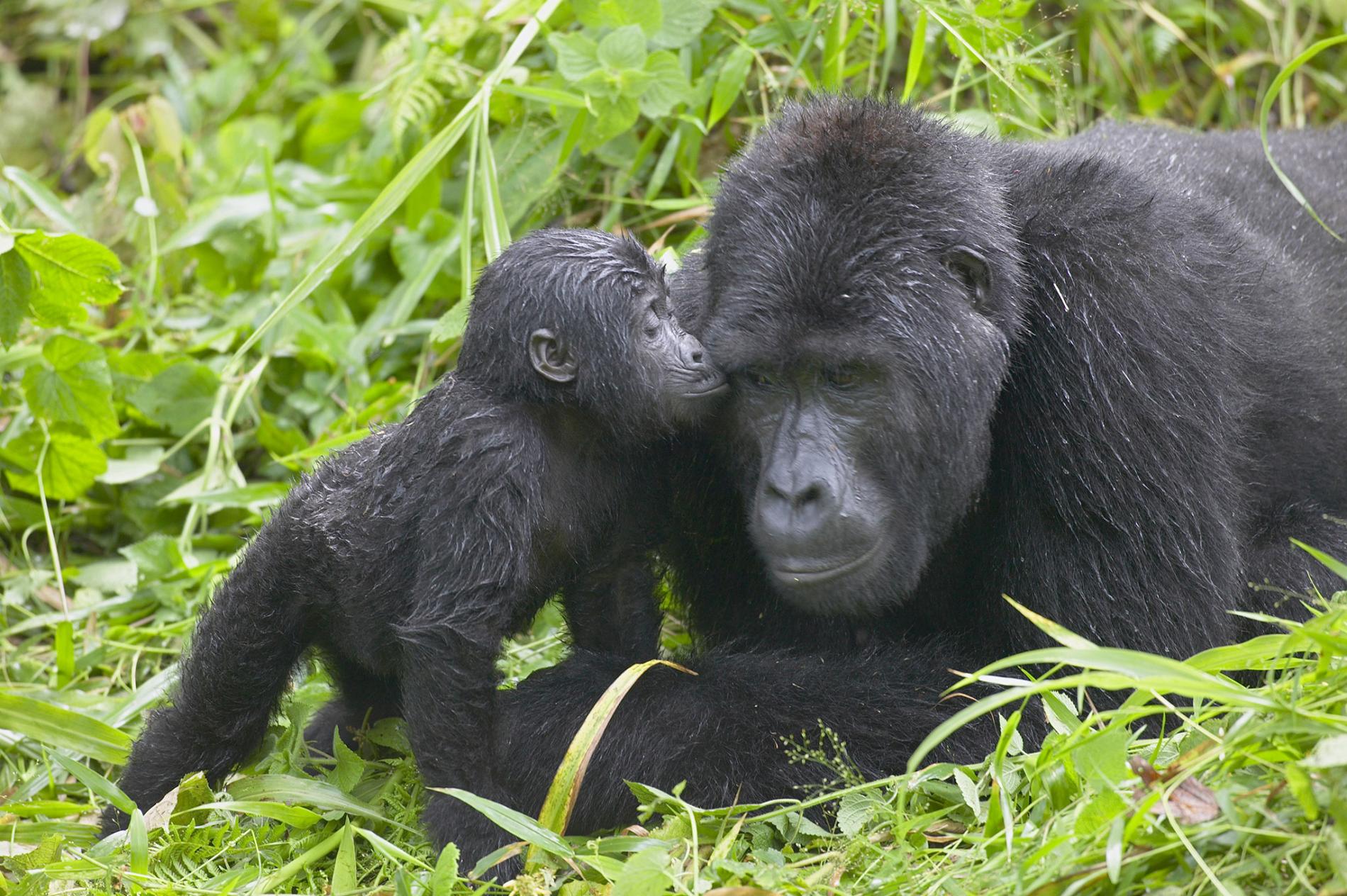 In the debate of Uganda Gorilla Trekking vs Chimpanzee Trekking, gorilla trekking is often described as more emotional and intimate. After hiking through dense rainforest, you spend one hour observing a habituated gorilla family. Watching a massive silverback interact with juveniles just meters away is powerful and humbling.
Gorillas are calm, slow-moving, and often sit quietly while feeding or grooming. This allows for steady observation and photography.
Chimpanzee Trekking Experience
Chimpanzee trekking is more dynamic and fast-paced. Chimps are highly energetic, vocal, and often move quickly through the forest canopy. You may hear them long before you see them, as they communicate loudly and travel in groups.
If you enjoy action, sound, and movement, chimpanzee trekking offers an exciting primate encounter.
2. Difficulty Level: Which Trek Is Harder?
In comparing Uganda Gorilla Trekking vs Chimpanzee Trekking, gorilla trekking is generally more physically demanding.
Gorilla Trekking Difficulty:
- Can take 1–6 hours of hiking
- Steep slopes and muddy terrain
- High altitude in some sectors
Chimpanzee Trekking Difficulty:
- Usually 2–4 hours total
- Less steep terrain in Kibale
- Faster walking pace
Gorilla trekking requires moderate fitness. Chimp trekking is typically easier but may involve quick movement to follow chimps.
3. Cost Comparison
Cost is one of the biggest factors in deciding Uganda Gorilla Trekking vs Chimpanzee Trekking.
Gorilla Trekking Permit:
Approximately $800 per person (subject to change)
Chimpanzee Trekking Permit:
Approximately $200–$250 per person
Chimp trekking is significantly more affordable, making it attractive for budget travelers.
4. Photography Opportunities
Gorilla Photography:
- Easier to frame shots
- Gorillas often remain still
- Excellent close-up portraits
Chimpanzee Photography:
- Faster movement
- Often high in trees
- Requires quick reflexes
For photographers, gorilla trekking typically provides better portrait opportunities.
5. Wildlife & Biodiversity Around the Parks
Bwindi Impenetrable National Park
In addition to gorillas, Bwindi hosts numerous bird species and forest wildlife.
Kibale Forest National Park
Kibale is known as the primate capital of the world, with over 13 primate species including red colobus monkeys and L’Hoest’s monkeys.
If you want broader primate diversity, chimp trekking may offer more variety.
6. Emotional Impact
Many travelers describe gorilla trekking as life-changing. The close eye contact with a silverback or a curious juvenile often leaves a deep emotional impression.
Chimp trekking, while thrilling, feels more like observing energetic wildlife behavior.
In the comparison of Uganda Gorilla Trekking vs Chimpanzee Trekking, gorilla trekking tends to be the more profound experience.
7. Time Required
- Gorilla trekking: Often requires at least 2–3 days due to remote location
- Chimp trekking: Can be done in 1–2 days from Kampala or Entebbe
Chimp trekking is easier to fit into shorter itineraries.
8. Age & Health Requirements
Both activities have age restrictions (typically 15+ for gorilla trekking). Gorilla trekking can be more physically demanding, so those with limited mobility may prefer chimpanzee trekking.
9. Best Time to Go
Both treks operate year-round, but dry seasons (June–September & December–February) are preferred for easier hiking conditions.
Uganda Gorilla Trekking vs Chimpanzee Trekking – Quick Comparison Table
| Feature | Gorilla Trekking | Chimpanzee Trekking |
|---|---|---|
| Cost | Higher | Lower |
| Difficulty | Moderate to Challenging | Moderate |
| Duration | 1–6 hour hike | 2–4 hours |
| Photography | Easier portraits | Fast action shots |
| Emotional Impact | Deep & intimate | Exciting & energetic |
| Best For | Bucket-list travelers | Budget & active travelers |
Can You Do Both?
Absolutely. Many visitors combine gorilla trekking in Bwindi with chimpanzee trekking in Kibale for a complete primate safari experience. This allows you to experience both gentle giants and lively forest primates.
Final Verdict: Uganda Gorilla Trekking vs Chimpanzee Trekking – Which Should You Choose?
Choose gorilla trekking if you want: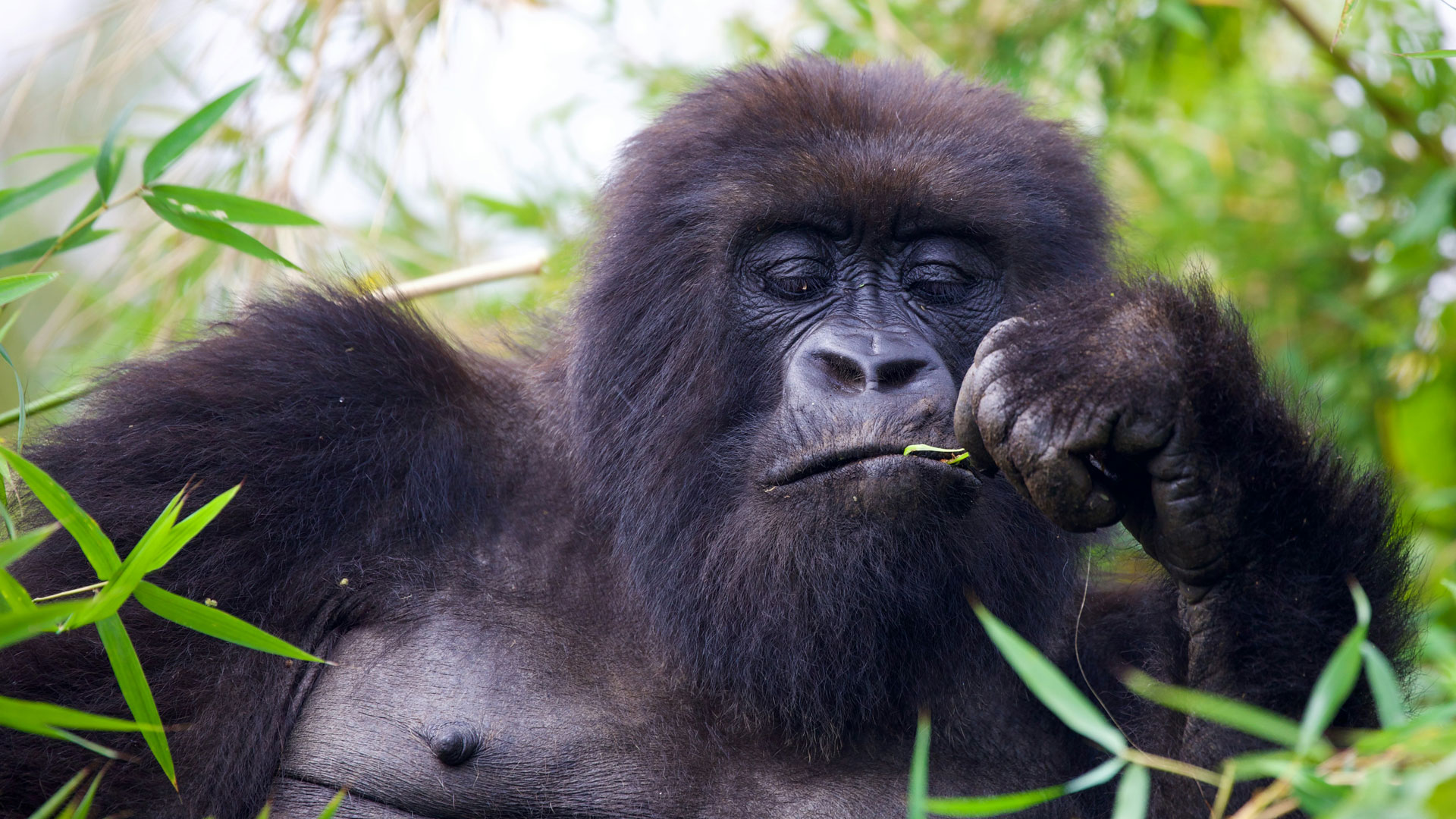
- A once-in-a-lifetime bucket-list experience
- Intimate wildlife encounters
- Powerful emotional impact
- Iconic safari memory
Choose chimpanzee trekking if you want: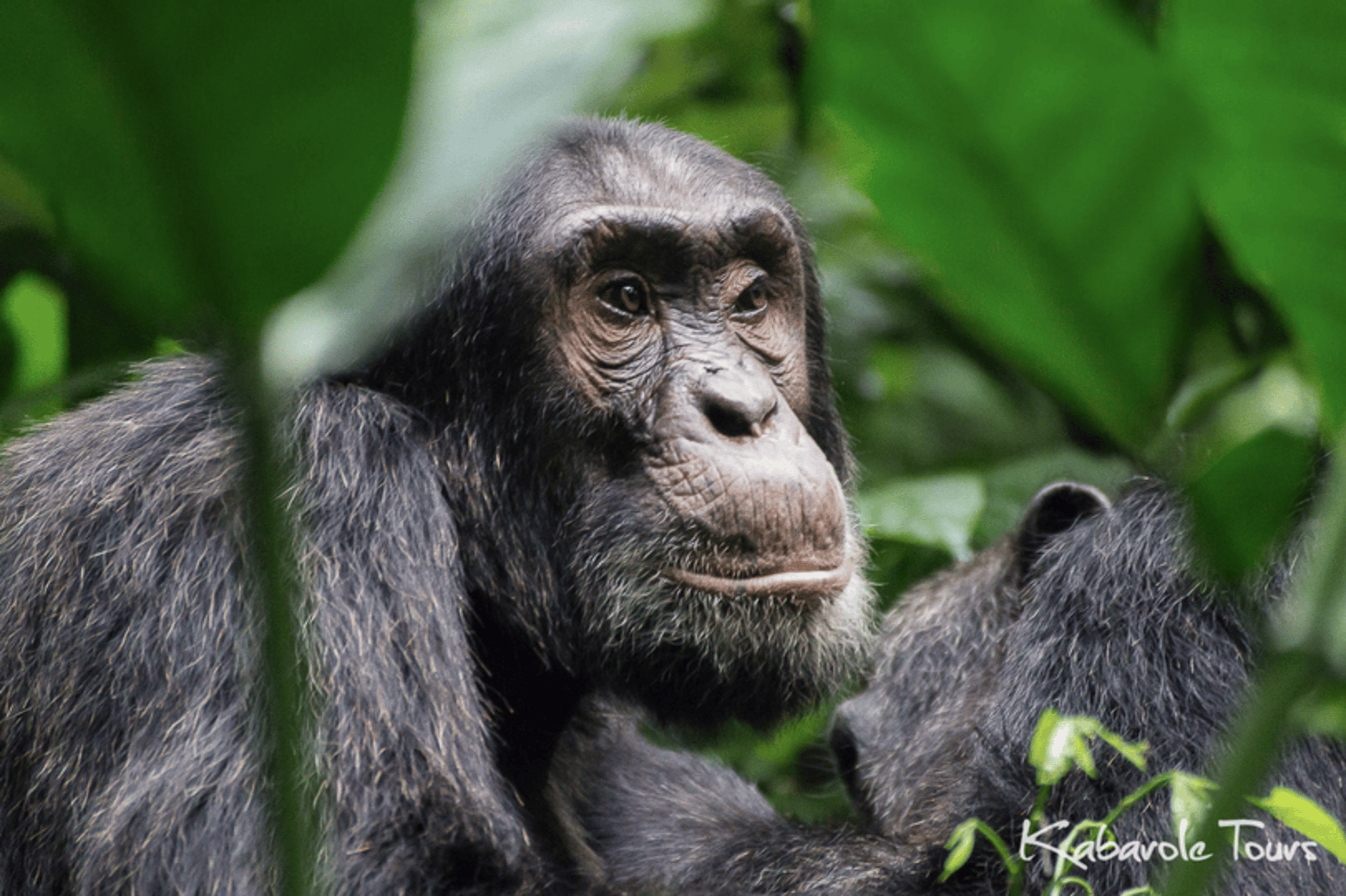
- A more affordable option
- High-energy wildlife action
- Shorter trekking distances
- Diverse primate sightings
Ultimately, the best choice depends on your priorities, budget, and travel goals.
Plan Your Uganda Primate Safari
If you would like help planning your primate adventure, we can organize:
- Gorilla permits
- Chimpanzee permits
- 4×4 safari transport
- Lodges and accommodation
- Cross-border transfers from Rwanda
Universal Ventures Rwanda
📧 Email: info@universalventuresrwanda.com
📱 Phone / WhatsApp: +250 781 441 853
📍 Location: Kigali, Rwanda
We specialize in customized Uganda gorilla and chimpanzee trekking safaris with experienced driver-guides and reliable 4×4 vehicles.