 Skip to content
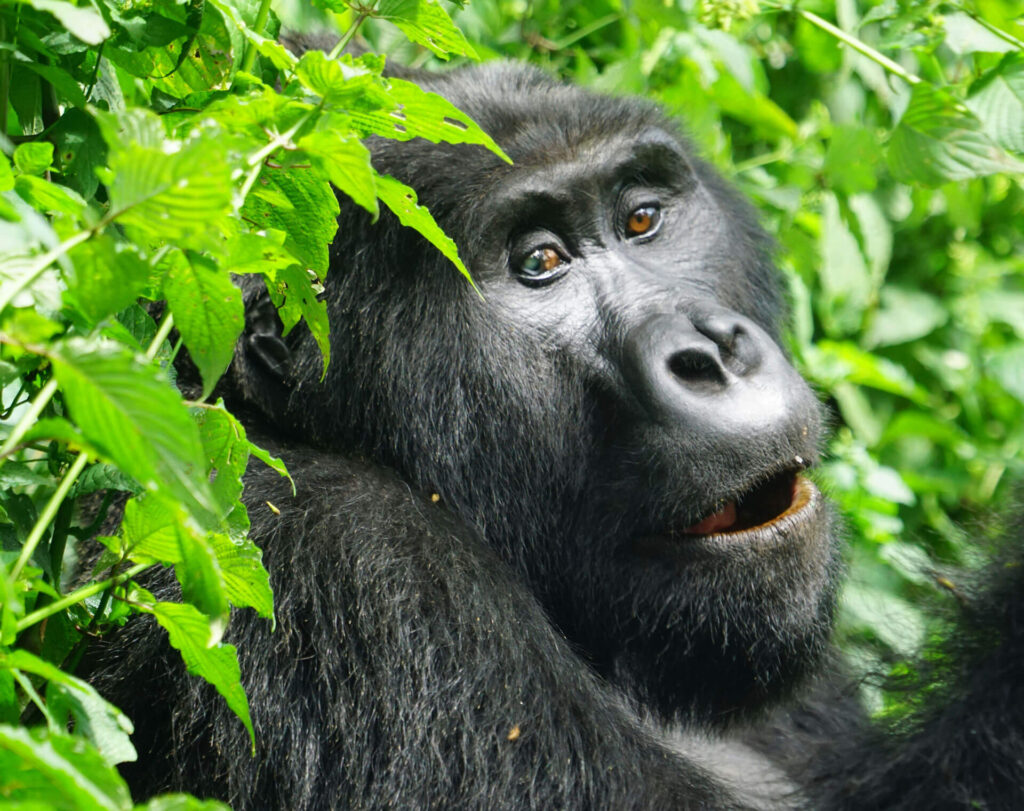
This Rwanda and Uganda Gorilla Safari Travel Requirements Guide explains the documents, permits, visas, health preparation, trekking rules and equipment needed for a successful journey.
A gorilla safari in Rwanda or Uganda requires more preparation than an ordinary wildlife holiday. Travelers must coordinate immigration documents, gorilla permits, health requirements, suitable accommodation and transportation to remote mountain regions.
The arrangements become even more important when a trip combines both countries. A traveler may arrive through Kigali, trek mountain gorillas in Rwanda, cross into Uganda and complete a second trek in Bwindi Impenetrable National Park. This itinerary involves two permit systems, border formalities, different currencies and accommodation near the correct trekking locations.
Missing a normal sightseeing reservation may cause inconvenience. Missing a gorilla-trekking briefing can mean losing a permit worth hundreds or thousands of dollars.
It is designed for solo travelers, couples, families, senior visitors, photographers and private groups planning gorilla trekking in Volcanoes National Park, Bwindi Impenetrable National Park or Mgahinga Gorilla National Park.
Travel and entry rules can change. Therefore, use this article for planning, then confirm the final requirements through official immigration and wildlife authorities before departure.
Quick Comparison of Rwanda and Uganda Gorilla Safari Requirements
| Requirement | Rwanda | Uganda |
|---|---|---|
| Main gorilla destination | Volcanoes National Park | Bwindi and Mgahinga |
| Standard foreign visitor permit | USD 1,500 | USD 800 |
| Minimum trekking age | 15 years | 15 years |
| International gateway | Kigali International Airport | Entebbe International Airport |
| Passport validity | Usually at least six months recommended | At least six months |
| Standard tourist visa | Depends on nationality | USD 50 for visa-required visitors |
| East Africa Tourist Visa | Available | Available |
| Yellow-fever certificate | Depends on travel origin and route | Required in the visa process and at entry |
| Trek briefing | Early morning | Early morning |
| Time with gorillas | Up to one hour | Up to one hour |
| Trekking fitness | Moderate to demanding | Moderate to demanding |
| Main currency | Rwandan franc | Ugandan shilling |
Permit fees and regulations can change. Always confirm the current tariff before making payment.
Understanding the Gorilla Destinations
Before applying for visas or buying permits, decide where you want to trek. The destination determines your airport, transportation, lodge location and permit authority.
Gorilla Trekking in Rwanda
Rwanda’s gorilla trekking takes place in Volcanoes National Park in the northwestern part of the country.
The park is approximately two and a half hours by road from Kigali. This convenient access makes Rwanda ideal for short gorilla safaris and travelers with limited time.
Visitors normally stay in or around Musanze and Kinigi on the night before the trek. Registration and allocation begin early in the morning.
Rwanda is also easy to combine with Akagera National Park, Lake Kivu, Nyungwe National Park and a Kigali city tour.
Gorilla Trekking in Uganda
Uganda offers mountain gorilla trekking in Bwindi Impenetrable National Park and Mgahinga Gorilla National Park.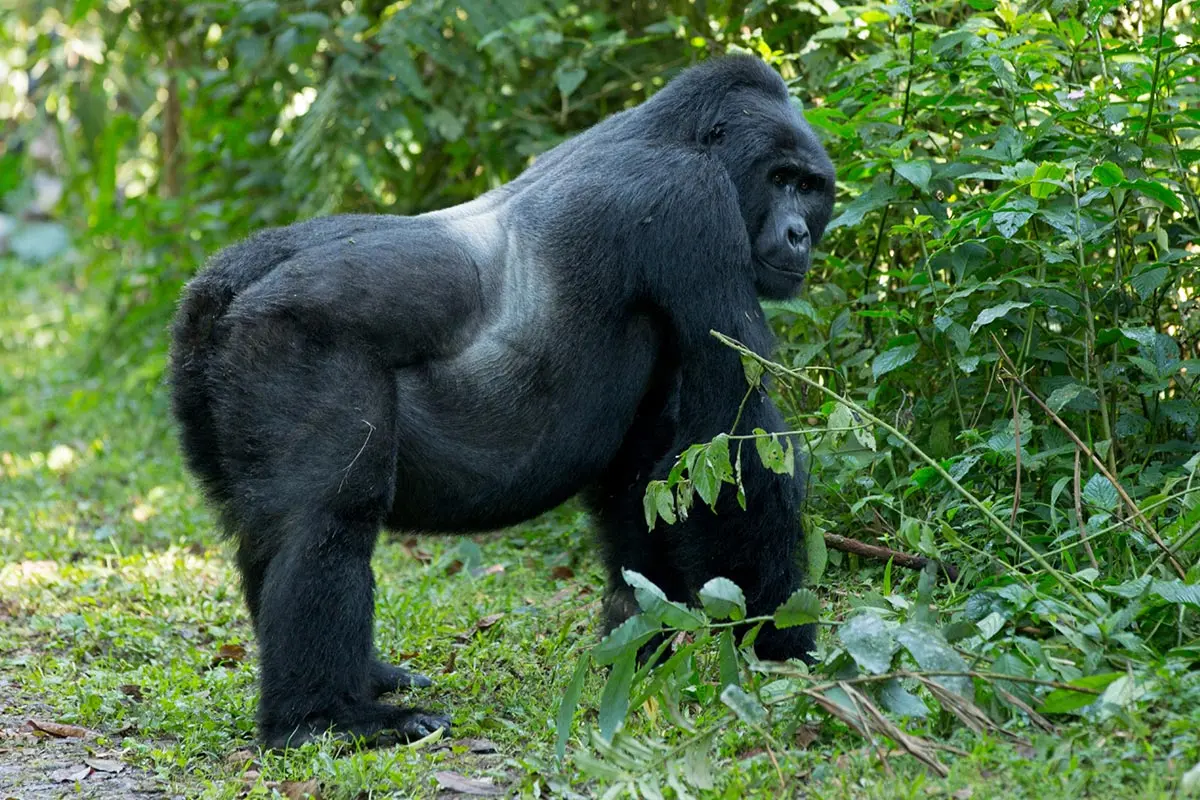
Bwindi contains several distinct trekking sectors. These include Buhoma, Ruhija, Rushaga and Nkuringo. A permit issued for one sector does not mean that accommodation in another sector will be convenient.
Mgahinga lies in southwestern Uganda near the Rwandan border. It forms part of the wider Virunga mountain ecosystem.
Travelers can reach Uganda’s gorilla areas by road from Entebbe, by road from Kigali or through a domestic flight combined with a road transfer.
Uganda works especially well for longer itineraries combining gorillas with Queen Elizabeth National Park, Kibale Forest, Lake Mburo or Murchison Falls.
Passport Requirements for Rwanda and Uganda
A valid passport is the first essential requirement for international travelers.
Uganda’s official tourist-visa information requires a passport with at least six months of validity. Rwanda-bound travelers should follow the same six-month standard because airlines and connecting countries may apply it even when a particular nationality receives easier entry.
Your passport should also contain enough blank pages for visas, entry stamps and exit stamps.
Check the passport before paying for permits. If it will expire too soon, renew it first whenever possible.
The name used for the gorilla-permit reservation should match the passport exactly. Do not use a shortened name, nickname or alternative spelling.
If a passport must be renewed after the permit has been secured, inform the tour operator or wildlife authority. Carry copies of the old and new passports if instructed.
Keep the passport in hand luggage throughout the journey. Do not place it inside checked baggage or leave it in a vehicle when crossing the border.
Rwanda Tourist Visa Requirements
Rwanda maintains a relatively visitor-friendly visa system, but the correct procedure depends on nationality.
Citizens of some countries receive visa-free entry, while others may receive a visa on arrival or apply before travel. The length and conditions of stay can differ.
Because visa eligibility is nationality-specific, travelers should consult Rwanda’s Directorate General of Immigration and Emigration rather than relying on a general blog list.
Typical arrival requirements may include:
- A passport with sufficient validity
- A return or onward ticket
- Accommodation information
- Evidence of sufficient travel funds
- A valid visa or eligibility for visa on arrival
- Yellow-fever documentation when required by the traveler’s route
Immigration officers retain the authority to request additional information.
A visa does not guarantee entry if other conditions are not met. Travelers should carry the first hotel confirmation and safari itinerary.
Uganda Tourist Visa Requirements
Visitors from visa-required countries must normally apply for Uganda’s tourist visa online before travel.
The standard single-entry tourist visa currently costs USD 50. Uganda’s immigration authority lists a passport copy, recent passport photograph, travel plan, itinerary and accommodation information among the application requirements. The passport should have at least six months of validity. Uganda Immigration
Applications must be submitted through the official Uganda immigration portal.
Travelers should be cautious because commercial websites can resemble government portals while charging additional fees. Verify the domain before uploading passport information or making payment.
Visa fees are generally non-refundable. Submit clear, accurate documents and check all details before finalizing the application.
Once approval is issued, print a copy and save another offline on your phone.
Carry the approval document, yellow-fever certificate, return ticket, itinerary and accommodation confirmation during travel.
Nationals of visa-exempt countries should still check current entry requirements. Visa exemption does not remove the need for a valid passport and other health or travel documentation.
East Africa Tourist Visa Requirements
The East Africa Tourist Visa is useful for travelers visiting Rwanda and Uganda on the same journey.
It permits tourism travel within Rwanda, Uganda and Kenya. It normally offers multiple movement among those three countries during its 90-day validity.
The visa costs USD 100 and cannot be renewed. Applicants generally need:
- A passport with at least six months of validity
- A recent passport-size photograph
- A yellow-fever vaccination certificate
- A return or onward ticket
- A travel itinerary
Uganda’s official immigration service publishes these requirements for applications made through Uganda. East Africa Tourist Visa
The most important rule concerns the first country of entry. Apply through the country you will enter first.
If your international flight lands in Kigali, apply through Rwanda. If you land at Entebbe, apply through Uganda.
Do not obtain the visa through one country and then attempt to enter the region through another participating country first.
The East Africa Tourist Visa does not cover Tanzania, Zanzibar, Burundi or the Democratic Republic of Congo.
It may also cease to be valid if you leave the Rwanda-Uganda-Kenya bloc. Travelers adding Tanzania should arrange the country order carefully.
Single-Country Visas Versus the East Africa Tourist Visa
A traveler visiting only Rwanda generally does not need an East Africa Tourist Visa.
Someone traveling only to Uganda should normally use Uganda’s single-entry tourist visa if their nationality requires one.
The joint visa becomes useful when visiting two or all three participating countries and when the traveler will remain within the regional bloc.
For example, a traveler flying into Kigali, trekking in Rwanda, crossing into Uganda and departing from Entebbe may find the East Africa Tourist Visa practical.
However, nationality-based exemptions and itinerary details can change the calculation. Compare the official requirements before applying.
Visa fees are not usually refunded when a traveler chooses the wrong category.
Gorilla Permit Requirements
A gorilla permit is mandatory for every person participating in an official gorilla trek.
The permit is issued for a particular date and destination. In Uganda, it may also be connected to a specific Bwindi sector.
A permit is separate from a visa. A visa allows entry into the country, while the permit allows participation in the gorilla-trekking activity.
Having one does not replace the other.
Permits are limited to control the number of visitors meeting each habituated gorilla family. The system reduces behavioral disturbance and disease-transmission risk.
Travelers should reserve permits before purchasing inflexible flights or accommodation.
Rwanda Gorilla Permit Requirements
The standard Rwanda gorilla permit currently costs USD 1,500 per foreign international visitor.
The official Rwanda Development Board booking system lists the following principal rates:
| Visitor category | Published permit fee |
|---|---|
| International foreign visitor | USD 1,500 |
| African citizen or qualifying African resident | USD 500 |
| Foreign resident in Rwanda | USD 500 |
| Rwandan citizen | USD 200 |
| East African citizen | USD 200 |
Promotional or resident rates have specific eligibility and seasonal rules. Do not assume that living somewhere in Africa automatically qualifies you without the required documentation.
Rwanda’s official portal states that foreign residents requesting a resident rate need evidence of qualifying residency status. East African citizens must present an appropriate passport or identity card. Rwanda Development Board
Visitors should report to the designated registration center by approximately 7:00 a.m.
The permit generally provides the guided trek and up to one hour with the assigned habituated gorilla family after it is located.
It does not automatically include transportation, accommodation, meals, porters, tips or personal travel expenses.
Uganda Gorilla Permit Requirements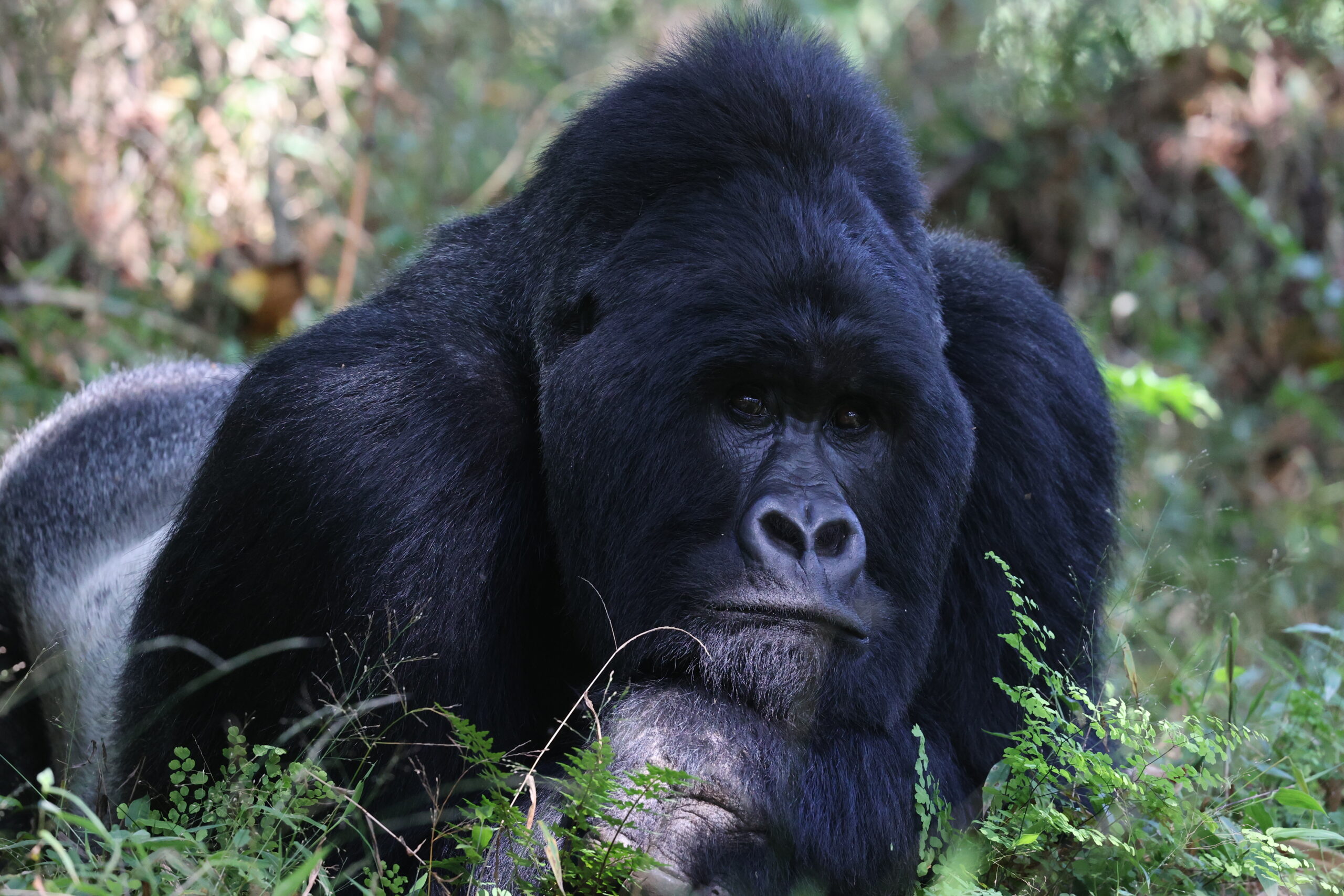
Uganda gorilla permits are administered by the Uganda Wildlife Authority.
The standard permit for a foreign non-resident has been USD 800 under the prevailing tariff, with separate rates for foreign residents, other qualifying African citizens and East African Community citizens.
Uganda periodically revises tariffs and may publish special low-season prices or future changes. Travelers should consult the latest Uganda Wildlife Authority tariff rather than depending on an old article. Uganda Wildlife Authority rates
A standard permit generally includes the official trek, ranger and tracker services and up to one hour with the gorillas.
The permit does not normally include lodge accommodation, transportation to the briefing point, porters, meals or tips.
Uganda also offers a separate gorilla habituation experience under specific conditions. This product has a different fee, location and availability from a standard trek.
Gorilla Permit Information You Must Provide
Permit-booking requirements can include:
- Full passport name
- Passport number
- Nationality
- Date of birth
- Preferred trekking date
- Number of trekkers
- Residency documentation when claiming a special rate
Provide accurate information immediately. Correcting errors later may involve administrative delays or fees.
Permit availability is not guaranteed until the required payment and official confirmation have been completed.
Ask for a receipt or formal booking confirmation after payment.
Gorilla Permit Cancellation and Rescheduling Rules
Gorilla permits are not flexible sightseeing tickets.
They are often non-refundable or subject to strict cancellation and amendment conditions. The applicable policy depends on the country, timing and reason for the change.
A missed international flight does not automatically entitle the traveler to another permit.
A traveler who arrives late at the briefing may be denied participation without a refund.
Rescheduling requires official approval and can involve a fee. Name transfers are also controlled.
Ask for the current terms before payment, especially when booking far in advance.
Purchase travel insurance that covers eligible non-refundable costs. Confirm that gorilla trekking and the relevant destinations are included.
Minimum Age for Gorilla Trekking
The standard minimum age for gorilla trekking in Rwanda and Uganda is 15 years.
The age rule protects both children and gorillas. Trekking may involve several hours of difficult walking, while the gorilla encounter requires calm behavior and strict compliance with ranger instructions.
A child who is nearly 15 should not be assumed eligible. Any possible exception must come through formal written authorization from the relevant wildlife authority.
Parents should not build a trip around an unconfirmed exception.
Families traveling with younger children can arrange suitable alternative activities and qualified supervision while adults complete the trek.
Passport details may be checked on the morning of the activity.
Physical Fitness Requirements
Gorilla trekking does not require elite athletic ability, but participants should be capable of walking on steep, uneven and potentially muddy terrain.
The length of the trek cannot be predicted precisely. Gorillas move freely, and their location changes daily.
A trek may be completed within a few hours or occupy most of the day.
Travelers should prepare through regular walking, hill training, stair climbing and cardiovascular exercise.
Anyone with a heart condition, respiratory issue, major joint problem or limited mobility should consult an appropriate medical professional.
Inform your safari organizer about mobility limitations before travel. The operator can request a more manageable group allocation and arrange porter support.
An easier trek can be requested but never guaranteed.
Health Requirements for Gorilla Trekking
Health rules are especially important because gorillas can contract human diseases.
Travelers showing symptoms of a contagious illness may be prevented from trekking.
Cold, influenza, fever, COVID-19 symptoms, gastrointestinal illness and other infections should be reported honestly.
Do not conceal an illness because of the permit cost. Protecting an endangered gorilla population must take priority.
Masks may be required during the gorilla encounter. Bring several high-quality masks even when the destination is expected to provide one.
Wash or sanitize your hands as directed before approaching the gorillas.
If you need to cough or sneeze, turn away and follow the ranger’s instructions.
Yellow-Fever Requirements
Yellow-fever requirements differ between Rwanda and Uganda.
Yellow Fever for Uganda
Uganda includes a yellow-fever vaccination certificate among its visa and entry requirements. Applicants for the East Africa Tourist Visa through Uganda must upload a copy of the certificate.
The vaccination should be obtained from an authorized center. The international certificate becomes valid ten days after a first vaccination.
Travelers who have a medical contraindication should consult a qualified medical professional and obtain the correct exemption documentation. Border authorities determine whether an exemption is accepted.
Carry the original yellow card. A photograph on a phone may not always be sufficient.
Yellow Fever for Rwanda
Rwanda does not require yellow-fever vaccination from every traveler in every circumstance.
The requirement normally depends on whether the traveler arrives from or has recently visited a country with a risk of yellow-fever transmission.
The CDC states that a certificate is not required for direct travel from the United States but is required for travelers aged one year or older arriving from a yellow-fever-risk country. CDC Rwanda travel guidance
A Rwanda-Uganda itinerary can affect the requirement because Uganda is a yellow-fever-risk country.
Carry a valid certificate when combining the two destinations, even if Rwanda alone would not have required it for your original route.
Malaria Preparation
Malaria occurs in Rwanda and Uganda, although risk levels differ by location and altitude.
Consult a travel-health professional about appropriate preventive medication. The correct option depends on personal health, trip length and medical history.
Use insect repellent, sleep beneath mosquito protection where provided and wear long clothing during the evening.
Take prescribed prophylaxis according to instructions. Some medication begins before arrival and continues after leaving the malaria-risk region.
Fever during or after travel requires prompt medical advice. Tell the healthcare provider where you have traveled.
Recommended Vaccinations and Medical Advice
Requirements and recommendations are different.
An immigration authority may require yellow-fever proof, while a healthcare professional may recommend additional protection based on your itinerary.
Common considerations can include routine vaccines, hepatitis A, typhoid, tetanus, polio and other destination-specific immunizations.
Do not treat a general online article as personalized medical advice.
Visit a travel-health clinic several weeks before departure. Bring your itinerary, including rural stays, border crossings and planned activities.
Travelers with ongoing medical conditions should carry enough medication for the entire trip plus a reasonable delay.
Keep medicine in original labeled packaging and carry a copy of relevant prescriptions.
COVID-19 and Respiratory Health Protocols
Entry-testing rules have changed substantially since the pandemic, but gorilla-specific respiratory precautions remain important.
Park authorities may adjust mask, distancing or health-screening procedures.
Check the current rules shortly before departure instead of relying on information received months earlier.
Bring masks suitable for use in a humid environment and keep spares dry.
Travelers who become ill should notify the operator before arriving at park headquarters.
Travel Insurance Requirements
Travel insurance may not always be checked at immigration, but it is strongly recommended for a gorilla safari.
A suitable policy should address:
- Emergency medical treatment
- Medical evacuation
- Trip cancellation
- Trip interruption
- Delayed or lost baggage
- Missed connections
- Non-refundable permit costs where eligible
- Trekking at the relevant altitude
- Cross-border travel when visiting both countries
Read the exclusions carefully.
A basic credit-card policy may not cover gorilla permits or evacuation from a remote region.
Declare pre-existing medical conditions when required. Failure to disclose them can invalidate a claim.
Purchase insurance when the first major non-refundable payment is made.
Border-Crossing Requirements Between Rwanda and Uganda
Travelers combining the two countries normally cross by road through an authorized border post.
Carry: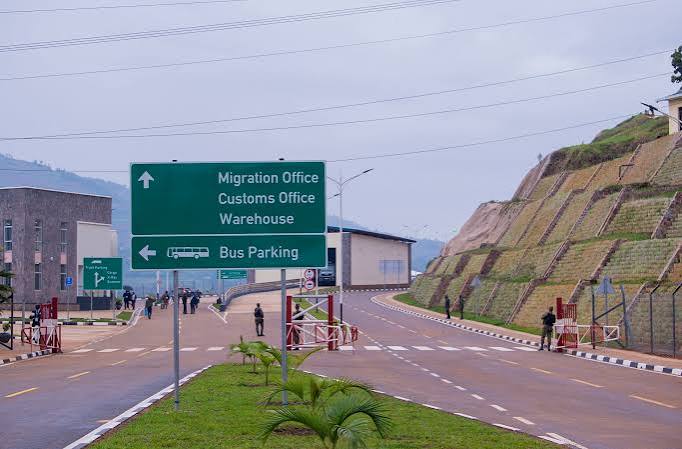
- Original passport
- Appropriate visa or East Africa Tourist Visa
- Yellow-fever certificate
- Gorilla-permit confirmation
- Hotel information
- Safari itinerary
- Contact details for the operator
- Return or onward flight details
Immigration officers process exit from one country and entry into the other.
Keep the documents in hand luggage rather than inside a suitcase packed beneath other bags.
Do not photograph immigration facilities or border officials without permission.
The driver-guide will assist with practical directions but cannot override immigration decisions.
Border processing may take longer during busy periods or when systems are slow. Avoid scheduling a trek immediately after crossing.
East African Community Citizens and Residents
Citizens of Rwanda, Uganda and Kenya can benefit from regional movement arrangements.
Uganda’s immigration authority states that eligible citizens may travel among participating countries using national identification and can receive an interstate pass without a visa charge. Qualifying residents need valid work or residence documentation. Uganda interstate pass
Permit discounts also have documentation requirements.
A traveler cannot claim an East African citizen or resident rate merely because they work temporarily in the region.
Carry the original passport, national identification, work permit or diplomatic documentation relevant to the selected rate.
Confirm eligibility before paying because a park may require the difference if supporting documents are insufficient.
Choosing the Correct Arrival Airport
Kigali International Airport is the main gateway for Rwanda. Entebbe International Airport serves most international arrivals to Uganda.
Kigali is the natural choice for Volcanoes National Park and can also be practical for southern Uganda, particularly Mgahinga, Rushaga and Nkuringo.
Entebbe is convenient for wider Uganda circuits and domestic flights to airstrips serving Bwindi.
Do not select an airport based only on the cheapest international fare. Consider total driving time, border formalities, visa requirements and vehicle-repositioning costs.
A traveler can arrive in Kigali and depart from Entebbe, or complete the route in reverse. This open-jaw arrangement may reduce backtracking.
Transportation Requirements
A gorilla permit does not provide transportation.
Travelers need a reliable vehicle from the airport or city to the trekking region and from the lodge to the briefing point.
A four-wheel-drive vehicle is strongly recommended for many Uganda routes, especially during rainy periods.
Rwanda’s main road to the Volcanoes region is generally paved, but lodge access and additional activities may use rougher roads.
The vehicle should have an experienced driver familiar with park reporting times, border procedures and rural routes.
Self-driving is possible, but it adds navigation, insurance and vehicle-responsibility challenges. First-time visitors often benefit from a professional driver-guide.
Domestic Flights in Uganda
Uganda’s gorilla destinations can be reached through scheduled or charter flights to regional airstrips followed by road transfers.
Domestic flights reduce time on the road but involve baggage restrictions and fixed schedules.
Small aircraft frequently require soft-sided luggage and impose lower weight limits than international airlines.
Confirm: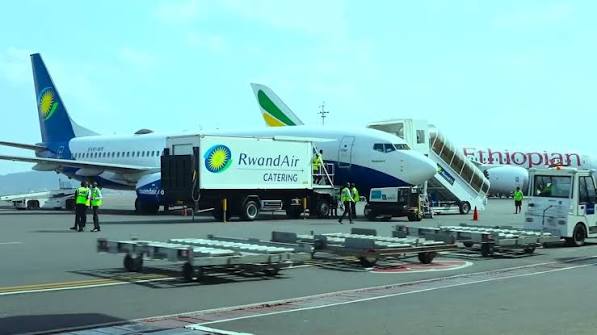
- Checked baggage allowance
- Hand-luggage allowance
- Bag dimensions
- Flight departure point
- Reporting time
- Airstrip transfer
- Policy for excess baggage
Do not assume an international business-class allowance applies.
Weather and operational conditions can affect domestic flight schedules. Avoid connecting a regional flight too closely with an international departure.
Uganda’s Bwindi Sector Requirement
Bwindi is divided into several trekking sectors, including Buhoma, Ruhija, Rushaga and Nkuringo.
Your accommodation must correspond with the permit sector.
The sectors cannot be treated as adjacent gates to the same parking area. Driving between them can take several hours.
Before confirming a lodge, obtain the exact permit sector in writing.
A lodge marketed as being “near Bwindi” may still be unsuitable for your morning briefing.
This is one of the most important details in any Rwanda and Uganda Gorilla Safari Travel Requirements Guide because a sector error can cause a missed trek.
Accommodation Requirements
Travelers should stay near the correct briefing location on the night before trekking.
In Rwanda, accommodation around Kinigi and Musanze provides practical access to Volcanoes National Park headquarters.
In Uganda, the lodge must suit the Bwindi sector or Mgahinga starting point.
When comparing properties, confirm:
- Approximate driving time to the briefing
- Meal plan
- Packed lunch
- Hot water
- Electricity and charging
- Room configuration
- Accessibility
- Child policy
- Porter or mobility-support arrangements
- Laundry availability
Full-board accommodation is often practical because remote park regions may have limited independent restaurants.
Reporting Time and Trekking Briefing
Gorilla activities begin early.
Rwanda’s official booking portal lists a reporting time of approximately 7:00 a.m. at the visitor registration center.
Uganda also conducts early registration, briefing and group allocation.
Your exact lodge departure depends on its distance from the meeting point.
Prepare boots, clothing, passport, permit details and camera equipment the previous evening.
Eat an early breakfast and collect the packed lunch.
Arriving late may lead to exclusion without a refund.
Gorilla Group Allocation
After registration, visitors are assigned to a habituated gorilla family.
Officials may consider age, fitness and mobility when making the allocation. Travelers requesting a shorter trek should communicate this early.
An easier allocation cannot guarantee an easy day. Gorillas move after trackers locate them, and weather changes trail conditions.
Groups are accompanied by trained guides, trackers and security personnel.
Visitors must remain with the assigned group throughout the activity.
Porter Requirements and Assistance
Hiring a porter is optional but highly recommended.
Porters carry bags, water, camera equipment and rain gear. They also assist visitors on steep or slippery ground.
Porter support benefits even physically fit travelers. Saving energy on the trail makes it easier to concentrate during the gorilla encounter.
The service also provides income to communities around the protected areas.
Travelers with limited mobility may require additional assistance. Sedan-chair or specialized support can be arranged in certain locations but must be discussed in advance.
Required Gorilla Trekking Clothing
There is no ceremonial uniform, but practical clothing is essential.
Wear tested hiking boots with reliable grip. Trails may be steep, muddy and covered with roots.
Long trousers protect against insects, nettles and branches. Tuck the trousers into long socks or wear gaiters when appropriate.
A long-sleeved shirt protects the arms. Choose breathable fabric that dries relatively quickly.
Bring a lightweight waterproof jacket or poncho. Rain is possible throughout the year.
Gardening or work gloves protect the hands when holding vegetation or balancing on the ground.
A hat and warm layer are useful before the trek, while sunscreen remains important in exposed areas.
Recommended Gorilla Trekking Packing List
A well-prepared daypack should contain drinking water, a packed lunch, rain protection, essential medication and camera equipment.
Also bring spare batteries, memory cards, insect repellent and a waterproof pouch for valuables.
Avoid carrying unnecessary items. A heavy pack makes climbing more difficult.
Keep essential trekking equipment in airline hand luggage. Delayed checked baggage should not prevent participation.
Do not pack camouflage military-style clothing, particularly when traveling across several countries where regulations or perceptions may differ.
Camera and Photography Requirements
Flash photography is prohibited.
Disable automatic flash before entering the forest.
Forest light can be limited, so practice changing ISO, shutter speed and exposure settings in advance.
A versatile zoom such as 70–200mm can work well. A wider lens is useful for environmental compositions.
Very large tripods are generally impractical because the group moves through dense vegetation and has limited space during the encounter.
Protect all equipment from rain and humidity.
Drones require specific authorization and should be assumed prohibited unless formal permission has been obtained.
Rules During the Gorilla Encounter
Visitors must follow all instructions issued during the official briefing.
Maintain the required distance from the gorillas. The exact standard can be updated, so follow the ranger rather than relying on an old figure.
Do not touch a gorilla, even if one approaches.
Keep voices low and avoid sudden movements.
Do not eat, drink or smoke near the gorilla family.
Flash photography is not permitted.
Do not stare aggressively at a silverback.
If a gorilla approaches or displays, remain calm. Never run.
If instructed to crouch or lower your gaze, respond immediately.
The observation period is generally limited to one hour. The ranger controls the timing.
Mask and Disease-Prevention Rules
Gorillas share much of their genetic makeup with humans and are vulnerable to human respiratory disease.
Visitors may be instructed to wear masks when approaching the family.
The mask must cover both the nose and mouth.
Carry several masks in a waterproof bag because one may become wet during the hike.
Do not remove the mask for photographs.
A traveler with symptoms may be prevented from joining the trek regardless of mask use.
Food, Water and Waste Requirements
Carry enough drinking water for a potentially long trek.
Your lodge should provide a packed lunch, but confirm this in advance.
Food may only be consumed where the rangers permit it.
Do not eat near the gorillas.
Everything carried into the forest must be carried out. This includes fruit peels, tissues and food wrappers.
If you need to use the toilet, notify a ranger. Specific procedures help prevent contamination.
Never leave human waste exposed.
Currency and Payment Requirements
Rwanda uses the Rwandan franc. Uganda uses the Ugandan shilling.
Many tourism services are quoted in US dollars, but local currency is useful for small expenses.
Carry valid bank cards and a sensible amount of cash.
US-dollar notes may need to be recent, clean and undamaged. Older notes are sometimes rejected.
Inform your bank of the travel itinerary if required.
Remote lodges may have unreliable card connectivity. Do not depend on a single payment method.
Porters and tips are commonly paid in cash.
Tipping Requirements
Tipping is discretionary rather than part of immigration or permit law.
However, travelers commonly tip driver-guides, porters, rangers, trackers and lodge staff when service has been good.
Ask your operator for current guidance because customs and recommended ranges change.
Carry small denominations.
Some lodges use a communal staff-tip box, while the driver-guide and porter are usually handled separately.
Tipping should remain a personal expression of appreciation rather than a source of pressure.
Mobile Phone and Internet Preparation
Purchase an appropriate local or regional mobile-data option if regular communication is important.
Coverage can be weak inside mountain forests and some rural areas.
Download offline copies of visas, permits, itineraries and insurance information.
Save emergency and operator numbers in the phone and on paper.
Carry a power bank. Electricity may be solar-powered or limited at certain lodges.
Rwanda and Uganda may use different network providers, and roaming charges can be high.
Electrical Adapters
Rwanda commonly uses European-style two-round-pin plugs.
Uganda commonly uses the British-style three-rectangular-pin plug.
A universal travel adapter is convenient for a combined safari.
Voltage is generally compatible with modern dual-voltage phone and camera chargers, but check every device.
Bring enough charging capacity for cameras, phones and medical equipment.
Some camps turn electricity off during part of the night. Charge devices whenever power is available.
Language Requirements
English is widely used in tourism in both Rwanda and Uganda.
Rwanda also uses Kinyarwanda and French, while Uganda has many local languages.
Travelers do not need to speak a local language to join a gorilla trek.
A professional English-speaking guide can manage transportation, lodge communication and border logistics.
French, Spanish, Italian or other language guides may be arranged with advance notice, depending on availability.
Learning a few greetings is appreciated and can make local interactions warmer.
Safety and Security Preparation
Rwanda and Uganda’s established gorilla routes receive many international visitors, but normal travel precautions remain important.
Use a licensed or verified operator.
Avoid displaying large amounts of cash.
Keep passports and important documents secure.
Follow the guide’s instructions during rural travel, border crossings and park activities.
Check current government travel advisories before departure, particularly when considering areas near international borders.
Do not use a Rwanda or Uganda itinerary as an informal route into the Democratic Republic of Congo without proper documents, official arrangements and current security verification.
Requirements for Solo Travelers
Solo travelers meet the same immigration, permit and health requirements as groups.
The main difference is cost because private transportation is not divided among several passengers.
A solo visitor can request a private safari or ask about joining a scheduled departure.
Do not share a room or vehicle with an unknown traveler merely to reduce costs without understanding the arrangement.
Solo women should use verified airport transfers, provide their itinerary to a trusted contact and confirm guide details before arrival.
Requirements for Families
Every family member requires valid entry documentation.
Every participant in gorilla trekking needs an individual permit and must meet the minimum age.
Children below 15 need alternative supervision during the trek.
Do not assume the lodge or driver will automatically provide childcare. Arrange it in advance.
Families should confirm room configurations, age policies and meal arrangements.
A private vehicle provides flexibility for breaks and changing family needs.
Requirements for Senior Travelers
There is no general maximum age for gorilla trekking.
Senior visitors should evaluate fitness, balance, heart health and joint mobility.
Request a less demanding group, hire a porter and consider additional assistance when appropriate.
Stay close to the briefing point and avoid a long road transfer immediately before trekking.
Medication should remain accessible and clearly labeled.
Travel companions and guides should understand any important medical needs.
Requirements for Travelers with Disabilities
Accessibility depends on the park, trail conditions and required assistance.
Travelers should provide specific information about mobility rather than asking only whether trekking is accessible.
Explain the ability to walk, climb, transfer, sit and maintain balance.
Specialized carrying support may be possible in some locations, but it requires advance planning and additional personnel.
Accessible room requirements should be confirmed directly with the lodge.
No operator can eliminate every rainforest obstacle, but early communication creates more realistic options.
Best Time to Meet the Requirements and Book
Start researching 6 to 12 months before high-season travel.
First, select possible dates and countries. Next, check permit availability.
Confirm the permit before purchasing inflexible flights.
Apply for visas within the appropriate official timeframe.
Visit a travel-health clinic early enough to complete vaccinations and allow the yellow-fever certificate to become valid.
Begin physical preparation several months before the trek.
Reconfirm immigration, health and park rules approximately two to four weeks before departure.
Rwanda and Uganda Gorilla Safari Travel Requirements Guide for High Season
June through September and the Christmas period receive strong demand.
Permits and well-located lodges can sell out early.
Flights may cost more, and border routes can become busier.
Do not wait for last-minute discounts if the gorilla trek is the main purpose of the journey.
Dry-season travel still requires rain protection because mountain forests can receive rain at any time.
Rwanda and Uganda Gorilla Safari Travel Requirements Guide for the Rainy Season
The wetter periods generally include March through May and October through November, although seasons vary.
Permits remain mandatory, and trekking continues throughout the year unless officials determine conditions are unsafe.
Waterproof boots, rain protection and porter support become especially valuable.
Allow additional road time because unpaved routes may become slower.
Protect passports and electronics in waterproof pouches.
Rainy-season travel can offer green scenery and fewer visitors, but it does not remove any entry, permit or health requirement.
Sample Four-Day Rwanda Gorilla Safari
On day one, arrive at Kigali International Airport and complete immigration. Your driver-guide transfers you to a Kigali hotel.
On day two, take a Kigali city tour before traveling to the Volcanoes National Park region. Stay near Kinigi or Musanze.
On day three, report for gorilla trekking at approximately 7:00 a.m. Complete registration, briefing and group allocation before entering the forest.
On day four, take a golden monkey trek or visit a conservation attraction before returning to Kigali.
The traveler requires a valid passport, any applicable Rwanda visa, a Rwanda gorilla permit, appropriate health preparation and suitable trekking equipment.
Sample Five-Day Rwanda and Uganda Gorilla Safari
On day one, arrive in Kigali and transfer to a city hotel.
On day two, travel to Volcanoes National Park and prepare for trekking.
On day three, complete the Rwanda gorilla trek and stay another night in the region.
On day four, cross into Uganda with the correct visa or East Africa Tourist Visa, yellow-fever certificate and passport. Travel to the correct Bwindi sector.
On day five, complete the Uganda gorilla trek.
A sixth day is advisable for returning to Kigali or continuing toward Entebbe. The route should not force a rushed international departure after trekking.
Pre-Departure Documentation Checklist
Before leaving home, confirm that you have:
- A passport valid for at least six months
- Correct visa approval
- East Africa Tourist Visa when applicable
- Yellow-fever certificate
- Gorilla-permit confirmation
- Travel insurance
- Return or onward ticket
- Accommodation confirmations
- Safari itinerary
- Emergency contacts
- Copies of important prescriptions
- Payment receipts
Store paper copies separately from the originals. Keep encrypted digital copies available offline.
Frequently Asked Questions
Do I need a passport for a Rwanda and Uganda gorilla safari?
International travelers need a valid passport. Uganda requires at least six months of validity, and the same standard is sensible for Rwanda and airline transit.
Do I need visas for both countries?
It depends on nationality. Travelers may obtain separate permissions or an East Africa Tourist Visa covering Rwanda, Uganda and Kenya.
How much is the East Africa Tourist Visa?
The published fee is USD 100.
Which country should issue the East Africa Tourist Visa?
Apply through the participating country you will enter first.
Does the East Africa Tourist Visa cover Tanzania?
No. It covers Rwanda, Uganda and Kenya only.
How much is a Rwanda gorilla permit?
The standard international foreign visitor permit costs USD 1,500 per person per trek.
How much is a Uganda gorilla permit?
The current standard foreign non-resident permit has been USD 800 per person. Check the latest UWA tariff before payment.
Does a permit include accommodation?
No. Accommodation, transportation, meals and personal expenses are normally separate.
What is the minimum trekking age?
The standard minimum age is 15 years in Rwanda and Uganda.
Do I need a yellow-fever certificate?
Uganda requires yellow-fever documentation. Rwanda’s requirement depends on the traveler’s route and country of origin. Carry the certificate on a combined trip.
Do I need malaria medication?
Travelers should obtain personalized advice from a travel-health professional.
Is travel insurance compulsory?
It may not always be checked at entry, but comprehensive insurance is strongly recommended.
How fit must I be?
You should be capable of several hours of walking on steep, muddy and uneven terrain.
Can I request an easy trek?
You may request a less demanding allocation, but gorilla movement prevents any guarantee.
Do I need hiking boots?
Yes. Tested boots with good traction are strongly recommended.
Do I need a porter?
A porter is optional but highly recommended for carrying equipment and providing support.
Can I trek when I have a cold?
You may be prevented from trekking because gorillas are vulnerable to human respiratory disease.
How long can I stay with the gorillas?
A standard trek usually permits up to one hour with the assigned gorilla family after it is located.
Can I use flash photography?
No. Flash is prohibited.
Where should I stay in Uganda?
Stay near the Bwindi sector printed on your permit or close to the Mgahinga briefing point.
Can I fly into Kigali for a Uganda gorilla trek?
Yes, depending on your sector, visa and border arrangements. Kigali can be practical for southern Bwindi and Mgahinga.
Can I fly into Entebbe and leave from Kigali?
Yes. An open-jaw itinerary can work well when visas and transportation are arranged correctly.
When should I book?
Book 6 to 12 months ahead for high-season dates, groups or specific lodges.
Final Rwanda and Uganda Gorilla Safari Travel Requirements Guide
The essential requirements are straightforward when handled in the correct order.
Begin with valid travel dates and permit availability. Do not purchase inflexible flights before confirming that permits are available.
Choose the trekking destination and, in Uganda, the exact Bwindi sector. Reserve accommodation near the correct briefing point.
Secure the appropriate visa. Travelers visiting both Rwanda and Uganda may benefit from the East Africa Tourist Visa, provided they apply through the first country of entry and remain within the participating regional bloc.
Carry a passport with sufficient validity, permit confirmation, yellow-fever certificate, accommodation details and travel-insurance information.
Prepare physically and consult a travel-health professional. Pack tested hiking boots, long clothing, gloves and reliable rain protection.
Report illness honestly. Human disease is one of the most serious risks visitors can introduce to gorilla populations.
Finally, follow every instruction from the rangers. Maintain the required distance, keep your voice low, avoid flash and never touch a gorilla.
The purpose of these requirements is not to complicate the safari. They protect travelers, support orderly park management and reduce risks to endangered mountain gorillas.
Plan Your Rwanda and Uganda Gorilla Safari
Universal Ventures Rwanda organizes customized gorilla safaris in Rwanda and Uganda for solo travelers, couples, families, senior travelers, photographers and private groups.
Our team can help you check gorilla-permit availability, identify the correct Uganda trekking sector, select conveniently located accommodation and arrange private four-wheel-drive transportation.
We also coordinate Kigali airport transfers, Rwanda-Uganda border crossings, golden monkey trekking, chimpanzee trekking, Akagera National Park safaris, Lake Kivu experiences and complete East African itineraries.
Contact us with your intended dates, number of travelers, passport nationalities, preferred accommodation level and countries you want to visit. We will design a realistic itinerary based on current permit availability and travel logistics.
Universal Ventures Rwanda
Address: KN 15 Road, opposite IPRC Entrance, 1st Floor, SANGWA Plaza, Kigali, Rwanda
Telephone and WhatsApp: +250 781 441 853
Email: info@universalventuresrwanda.com
Website: www.universalventuresrwanda.com
