 Skip to content

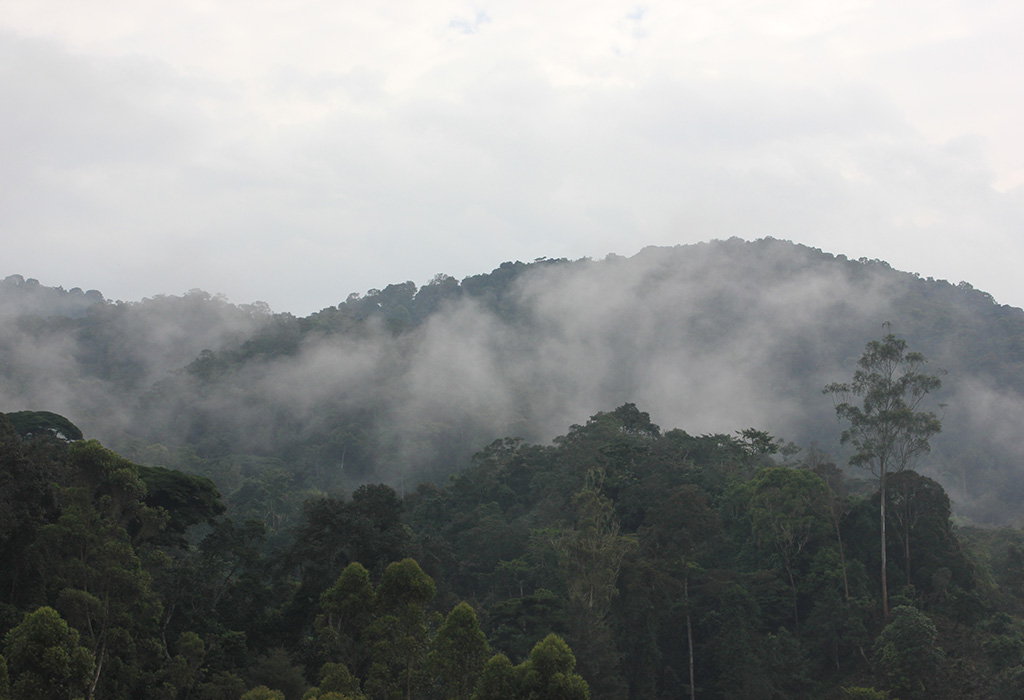
The Kigali to Bwindi Drive is one of East Africa’s most rewarding road journeys, connecting Rwanda’s vibrant capital with Uganda’s extraordinary mountain gorilla habitat. Travelers who begin their adventures in Kigali can reach Bwindi Impenetrable National Park through scenic countryside, volcanic highlands, traditional villages, and beautiful mountain landscapes.
Although Uganda is home to Bwindi, Kigali International Airport in Rwanda provides a convenient gateway for visitors planning gorilla trekking adventures in southwestern Uganda. In particular, travelers heading to the southern sectors of Bwindi can often reach their accommodation within approximately four to five hours, depending on the border crossing, road conditions, and exact destination.
However, planning a successful journey requires more than knowing the driving distance. Visitors must understand the differences between the Cyanika and Katuna border crossings, select the correct gorilla trekking sector, prepare their immigration documents, and arrange reliable transportation.
The Kigali to Bwindi Drive also offers opportunities to discover two fascinating East African countries within a single safari. Travelers can combine Rwanda’s remarkable scenery, Kigali cultural attractions, and Volcanoes National Park with Uganda’s ancient rainforests, mountain gorillas, beautiful lakes, and welcoming communities.
Whether you are planning a two-day gorilla trekking safari, a comfortable three-day adventure, or an extended Rwanda and Uganda wildlife holiday, this comprehensive guide explains everything you need to know before traveling.
Kigali to Bwindi Drive: Distance and Travel Time Explained
One of the most frequently asked questions among international visitors is how far Bwindi Impenetrable National Park is from Kigali.
The answer depends on which part of Bwindi you intend to visit.
Unlike a destination with one main entrance, Bwindi Impenetrable National Park has four major gorilla trekking sectors: Rushaga, Nkuringo, Ruhija, and Buhoma. Each sector occupies a different geographical area and has its own access roads, trekking starting points, and accommodation options.
Consequently, the driving distance from Kigali varies considerably.
Travelers visiting Rushaga generally use the Cyanika border near Kisoro. This route often covers approximately 200–250 kilometers, depending on the selected lodge and road alignment, and normally requires around four to five hours.
Nkuringo is another southern destination accessible through Kisoro. Its winding mountain roads can make the journey slightly longer, particularly during periods of heavy rainfall.
For visitors heading to Ruhija, the Katuna/Gatuna border and Kabale corridor often provide a more convenient connection. The journey commonly takes approximately five to six hours.
Buhoma, situated in northern Bwindi, usually involves a longer transfer. Visitors should allow approximately six to seven hours, although weather and route conditions can extend the journey.
These estimates include reasonable driving and border-crossing allowances. They are planning guidelines rather than guaranteed arrival times.
How Long Is the Kigali to Bwindi Drive?
For most travelers, the complete road transfer takes approximately four to seven hours.
The shortest itineraries generally involve southern Bwindi, especially Rushaga, while journeys toward Buhoma may take significantly longer.
However, travelers should avoid focusing exclusively on the shortest estimated journey.
The actual transfer time depends on several practical considerations, including the departure location in Kigali, traffic, border processing, weather, road conditions, sightseeing stops, and the distance between the park access road and the chosen lodge.
A traveler departing from Kigali International Airport may also need additional time for immigration, collecting luggage, exchanging currency, or meeting the driver-guide.
Likewise, a family traveling with young children might prefer more comfortable stops than a solo traveler accustomed to long road journeys.
For this reason, experienced safari planners calculate driving time according to the complete itinerary rather than relying on a single distance between Kigali and Bwindi.
Why Choose Kigali as Your Gateway to Bwindi?
The Kigali to Bwindi Drive has become a popular choice for travelers planning gorilla trekking safaris in Uganda because Kigali provides a convenient starting point.
Although Entebbe International Airport is Uganda’s principal international aviation gateway, it lies considerably farther from Bwindi. A road transfer from Entebbe to Bwindi commonly requires eight to ten hours or more, depending on traffic, road conditions, and the destination sector.
By comparison, the southern parts of Bwindi can usually be reached more quickly from Kigali.
This makes Kigali particularly attractive for travelers with limited holiday time.
Instead of spending most of their first safari day on a long transfer from central Uganda, visitors arriving in Rwanda can cross into Uganda and reach the gorilla trekking region within the same day.
Furthermore, Kigali offers a comfortable introduction to East Africa. The city has international-standard accommodation, restaurants, cultural attractions, shopping facilities, and convenient airport services.
Visitors who arrive early can explore Kigali before continuing to Uganda. Alternatively, they can stay overnight and begin the road journey the following morning.
Another advantage is the opportunity to combine two destinations. Travelers might spend several days exploring Rwanda before crossing into Uganda for gorilla trekking, birdwatching, forest walks, and visits to local communities.
For visitors interested in a combined Rwanda and Uganda safari, Kigali often provides an efficient and enjoyable starting point.
Understanding Bwindi Impenetrable National Park
Bwindi Impenetrable National Park occupies a mountainous landscape in southwestern Uganda along the Albertine Rift.
The park protects an ancient tropical rainforest known for its extraordinary biodiversity, thick vegetation, steep hillsides, and endangered mountain gorillas.
UNESCO recognized Bwindi as a World Heritage Site in 1994 because of its exceptional natural importance.
The forest covers approximately 321 square kilometers and supports numerous species of birds, mammals, butterflies, trees, and other plants.
Mountain gorillas are its most celebrated inhabitants, but the forest also shelters chimpanzees, forest elephants, several monkey species, and many Albertine Rift endemic birds.
Bwindi’s environment changes dramatically with altitude. Some areas contain dense lower-elevation forests, while higher slopes support mist-covered vegetation, mosses, ferns, and towering trees.
Visitors quickly discover that Bwindi is more than a single forest destination.
Its surrounding communities, mountainous terrain, winding access roads, and different trekking sectors create distinct visitor experiences.
Choosing the correct gorilla trekking sector is one of the most important decisions when planning the Kigali to Bwindi Drive, as each sector has different access routes and travel times.
Main Kigali to Bwindi Drive Routes
Travelers generally use two principal border crossings to reach Bwindi from Rwanda: Cyanika and Gatuna/Katuna.
Both crossings connect Rwanda with Uganda, but they serve different destinations.
The Cyanika route travels through Musanze and Kisoro, making it particularly convenient for Rushaga and Nkuringo.
The Gatuna/Katuna route runs north of Kigali toward Kabale, providing useful access to Ruhija and Buhoma.
Each route has its own advantages.
The best choice depends on the confirmed gorilla trekking sector, accommodation location, weather conditions, and current border arrangements.
Kigali to Bwindi Drive via Cyanika Border
The Cyanika route is particularly popular among travelers visiting southern Bwindi.
Beginning in Kigali, the journey heads northwest through Rwanda’s famous rolling hills toward Musanze.
Along the way, travelers pass agricultural landscapes, roadside trading centers, villages, and carefully cultivated hillsides.
As the journey approaches Musanze, the imposing Virunga volcanoes become an increasingly prominent feature of the landscape.
On clear days, visitors may enjoy impressive views of several volcanic peaks.
From Musanze, the road continues toward Cyanika, an important crossing point between Rwanda and Uganda.
After completing immigration procedures, travelers enter Uganda and continue toward Kisoro.
The landscape changes gradually, revealing volcanic slopes, fertile valleys, traditional farms, and dramatic mountain scenery.
From Kisoro, the route branches toward the southern gorilla trekking areas of Bwindi.
Rushaga and Nkuringo remain the principal destinations for many travelers using this crossing.
A properly organized transfer allows visitors to reach their lodge during daylight, enjoy the surrounding scenery, and prepare comfortably for gorilla trekking the following morning.
Kigali to Musanze: The First Scenic Section
The drive from Kigali to Musanze normally takes approximately two to two and a half hours, depending on the departure point, traffic, and stops.
This section is entirely within Rwanda and follows a well-established road through the country’s picturesque highlands.
Travelers experience a continuous succession of green hills, cultivated valleys, small villages, and roadside markets.
The countryside is particularly beautiful after rainfall, when farmland and vegetation display rich shades of green.
Musanze is one of Rwanda’s most important tourism centers because of its proximity to Volcanoes National Park.
Many travelers already recognize the town as the starting point for Rwanda gorilla trekking, golden monkey tracking, and volcano hiking.
For visitors continuing to Uganda, Musanze also provides a convenient location for refreshments, fuel, and a short rest.
However, anyone traveling to Bwindi on a scheduled transfer should avoid unnecessary delays, particularly when using the Cyanika crossing.
Musanze to Cyanika Border Crossing
From Musanze, the journey continues toward Rwanda’s northern frontier.
The road passes rural settlements and farming communities before reaching Cyanika.
This section offers beautiful views of the Virunga volcanic landscape.
Depending on weather conditions, travelers may see distant volcanic summits rising above cultivated foothills.
The border area is an active crossing used by local residents, traders, vehicles, and international visitors.
Although the process may be straightforward for travelers with complete documentation, border waiting times vary.
Consequently, a professional driver-guide should monitor the journey carefully and allow sufficient time to complete the crossing.
Cyanika should not be treated as a guaranteed 24-hour tourist crossing. Operating arrangements can change, and travelers should confirm the applicable hours before departure.
For a comfortable journey, crossing during the morning or early afternoon is preferable.
Cyanika Border to Kisoro Town
Once travelers complete immigration procedures, they enter Uganda and continue toward Kisoro.
Kisoro is a small but important town surrounded by impressive volcanic and agricultural landscapes.
The town serves as a gateway to Mgahinga Gorilla National Park, Lake Mutanda, and the southern parts of Bwindi.
From the border, the transfer to Kisoro is relatively short.
Travelers may notice differences in road signs, vehicle registration plates, currencies, and everyday activities as they move between the two countries.
Another important detail is the time difference.
Uganda operates one hour ahead of Rwanda. Therefore, travelers should adjust their watches and schedules immediately after crossing.
This matters particularly for gorilla trekking briefings and accommodation check-in arrangements.
After reaching Kisoro, the driver continues toward the specific Bwindi sector indicated on the gorilla permit.
Kigali to Rushaga Gorilla Trekking Sector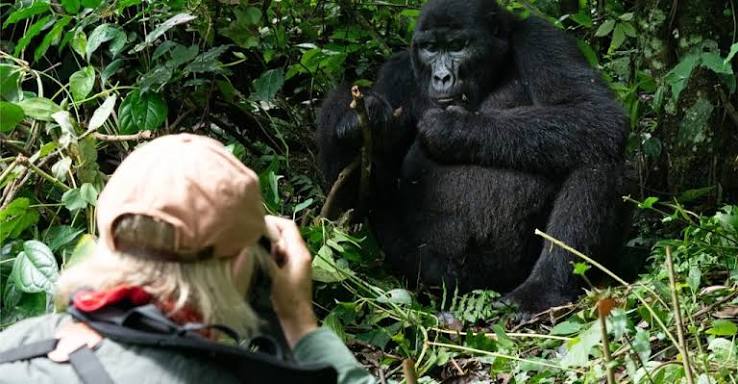
Rushaga is among the most convenient Bwindi destinations for travelers arriving from Kigali.
Situated in the southern part of the national park, Rushaga offers access to several habituated mountain gorilla groups.
The route usually passes through Kisoro before continuing along mountainous roads toward the forest.
As travelers approach Rushaga, the scenery becomes increasingly dramatic.
Terraced farms give way to forested hills, deep valleys, and breathtaking views of southwestern Uganda.
Several stretches of the final journey may involve gravel or unpaved mountain roads.
During dry conditions, these sections are generally manageable with a suitable vehicle. However, heavy rainfall can make them slower and more challenging.
A reliable four-wheel-drive safari vehicle is therefore recommended.
Rushaga offers accommodation choices ranging from affordable guesthouses to comfortable midrange and upscale safari lodges.
Visitors who stay close to the gorilla trekking briefing point enjoy a more convenient start on trekking morning.
For travelers seeking a short two-day gorilla safari from Kigali, Rushaga is often one of the most practical choices.
Kigali to Nkuringo Gorilla Trekking Sector
Nkuringo lies in a spectacular mountainous area along Bwindi’s southwestern edge.
The sector is famous for its dramatic scenery, challenging terrain, and remarkable views across the surrounding highlands.
Travelers approaching Nkuringo from Kigali generally cross through Cyanika and continue via Kisoro.
The final transfer involves winding mountain roads that climb toward the forest.
Although Nkuringo can be reached from Kigali within a manageable driving day, the transfer may take longer than expected because of the terrain.
The sector is especially appealing to adventurous travelers who enjoy hiking, remote landscapes, and peaceful accommodation.
Several lodges occupy beautiful hillside positions overlooking forested valleys.
On clear days, guests can appreciate distant views of the Virunga Mountains.
Nkuringo also provides opportunities for guided community walks, birdwatching, and forest exploration.
However, visitors should understand that gorilla trekking conditions vary from day to day.
Choosing Nkuringo does not guarantee a difficult trek, just as choosing another sector does not guarantee an easy one.
The location of gorilla families, weather, and assigned trekking route determine the actual physical demands.
Kigali to Bwindi Drive via Katuna Border
The Gatuna/Katuna route offers another important connection between Rwanda and Uganda.
Travelers leave Kigali and drive north toward Gatuna, which is the name commonly used on the Rwandan side.
After completing immigration, they enter Uganda at Katuna and continue toward Kabale.
This corridor forms part of an important international road network.
Compared with the Cyanika route, it often experiences more commercial traffic, including trucks transporting goods between countries.
Nevertheless, it provides convenient access to Uganda’s Kabale region and several parts of Bwindi.
Travelers heading to Ruhija frequently find this route useful.
For Buhoma, the journey continues farther into southwestern Uganda and normally requires additional driving time.
The route also provides opportunities to visit Lake Bunyonyi, one of Uganda’s most beautiful highland lakes.
Because Katuna is a major international crossing, travelers should allow sufficient time for possible traffic queues and immigration procedures.
A smooth border crossing can save valuable time, but delays should always be included in realistic itinerary planning.
Kigali to Gatuna Border
The drive north from Kigali toward Gatuna passes through rural communities and attractive countryside.
The road follows a major transport corridor used by passenger vehicles and commercial traffic.
Although the route is generally straightforward, journey times may vary according to traffic volumes, roadworks, and weather conditions.
Travelers should depart Kigali with enough time to complete the border crossing comfortably.
A driver familiar with international transfers can assist with identifying the correct immigration offices, parking areas, and vehicle procedures.
Passengers should keep their passports and immigration documents easily accessible.
It is also wise to carry drinking water and essential personal items inside the vehicle rather than placing everything in checked luggage.
Katuna Border to Kabale
After entering Uganda at Katuna, travelers continue toward Kabale.
Kabale is an important highland town surrounded by steep hills, farms, and striking landscapes.
The surrounding countryside is renowned for its terraced agricultural slopes.
Visitors may notice the dramatic changes in elevation as the road passes through valleys and mountain settlements.
Kabale provides useful facilities for travelers, including accommodation, fuel stations, restaurants, and shops.
It also serves as a gateway to Lake Bunyonyi.
For travelers staying in Ruhija, Kabale often becomes the main reference point before continuing toward the forest.
The remaining route depends on the lodge location and condition of the connecting roads.
Kigali to Ruhija Gorilla Trekking Sector
Ruhija occupies the eastern part of Bwindi Impenetrable National Park.
The sector is known for its highland forest environment, birdwatching opportunities, and peaceful atmosphere.
Travelers approaching Ruhija from Kigali commonly use the Gatuna/Katuna border and continue through Kabale.
The final road sections may involve gravel surfaces, steep gradients, and narrow mountain bends.
For this reason, drivers should allow enough time for a safe and comfortable transfer.
Ruhija is particularly attractive to travelers interested in combining gorilla trekking with forest birdwatching.
The surrounding environment supports numerous bird species associated with the Albertine Rift.
Visitors may encounter attractive forest landscapes, misty hillsides, and remarkable views during their stay.
Accommodation ranges from modest guesthouses to comfortable safari lodges.
Because trekking starts early, selecting a lodge near the appropriate briefing location is important.
Kigali to Buhoma Gorilla Trekking Sector
Buhoma is one of Bwindi’s best-known tourism areas and the original gorilla trekking sector developed for visitors.
Located in the northern part of the park, Buhoma has a long history of gorilla tourism and community-based conservation.
Travelers coming from Kigali normally reach Buhoma through the Katuna and Kabale corridor before continuing toward the northern forest region.
The journey is generally longer than transfers to southern Bwindi.
However, Buhoma offers several attractions that make the additional travel worthwhile.
Visitors can enjoy gorilla trekking, guided forest walks, birdwatching, community experiences, and comfortable accommodation surrounded by natural scenery.
Buhoma is also a useful destination for travelers continuing toward the Ishasha sector of Queen Elizabeth National Park.
This connection makes it particularly attractive for longer Uganda wildlife itineraries.
For travelers who wish to combine gorillas with savannah wildlife, Buhoma can fit naturally into a multi-day safari.
Choosing the Best Border for Your Kigali to Bwindi Drive
Selecting the correct border crossing is one of the most important planning decisions.
Travelers visiting Rushaga or Nkuringo will often find Cyanika the most convenient option.
Those heading to Ruhija or Buhoma will generally consider Gatuna/Katuna.
However, road conditions and individual lodge locations can influence the final route.
Some lodges are located a considerable distance from the main sector access road.
Others require navigating steep, narrow roads that may take longer than their distance suggests.
Therefore, the choice of border should be based on the confirmed trekking location and lodge rather than the general name of Bwindi.
Professional safari operators usually review the complete route before finalizing transport arrangements.
This approach helps prevent unnecessary driving, late arrivals, and logistical complications.
Kigali to Bwindi Drive: Border Crossing Requirements
Crossing from Rwanda into Uganda requires travelers to complete official immigration procedures.
Although both countries belong to the East African Community, international visitors must still comply with the entry requirements applicable to their nationality and immigration status.
Most travelers should carry a passport with at least six months of remaining validity, along with the appropriate visa authorization or proof of exemption.
A confirmed travel itinerary, accommodation details, and return or onward travel information may also be useful.
Travelers who have obtained an online visa should keep a digital copy of the approval and a printed backup.
The immigration process generally involves exiting Rwanda, entering Uganda, and completing any necessary vehicle formalities.
Guests traveling with a registered safari operator typically receive assistance from their driver-guide.
However, immigration officers retain responsibility for checking documents and making entry decisions.
It is important to provide accurate information and comply with all official procedures.
Step-by-Step Border Crossing from Rwanda to Uganda
The first stage involves arriving at the designated Rwandan immigration area.
Travelers present their identification and complete the required exit process.
After receiving clearance, they proceed toward the Ugandan immigration facilities.
At the Ugandan side, immigration officers examine the traveler’s passport or accepted travel document and verify the relevant visa or entry authorization.
Depending on the circumstances, officers may request further information about the intended visit.
Once entry permission is granted, travelers may continue with any customs requirements.
For vehicles, additional checks may involve registration documents, cross-border authorization, insurance, or temporary vehicle entry procedures.
When all formalities are completed, the journey continues toward Kisoro or Kabale.
In straightforward cases, the border crossing may take approximately 30–60 minutes. However, travelers should allow more time for queues, document reviews, system interruptions, or other delays.
Uganda Tourist Visa Requirements
Travelers who require a Ugandan tourist visa should complete the appropriate application before beginning the journey.
Uganda provides an official electronic visa application platform through its immigration authorities.
The usual documentation includes a valid passport, passport photograph, itinerary, and accommodation information.
Applicants should use the official government platform rather than relying on unverified commercial websites.
Visa eligibility depends on nationality and immigration status.
Some travelers qualify for visa-free entry, while others must receive approval through the appropriate application process.
The exact entry permission should be confirmed before booking a nonrefundable gorilla trekking package.
For international visitors, applying well ahead of the travel date reduces the risk of last-minute immigration complications.
East African Tourist Visa for Rwanda and Uganda
Travelers planning to explore more than one East African country may benefit from the East African Tourist Visa.
This joint tourist visa allows eligible visitors to travel between Rwanda, Uganda, and Kenya during its validity.
The standard published fee is USD 100, and the visa is valid for up to 90 days.
Importantly, the country issuing the visa must be the traveler’s first point of entry into the participating countries.
For example, a visitor arriving first at Kigali International Airport should ensure that the visa application follows the entry arrangements applicable to Rwanda.
The East African Tourist Visa can be particularly useful for travelers combining Kigali, Volcanoes National Park, Bwindi, Queen Elizabeth National Park, and other regional destinations.
However, travelers should verify current eligibility, approval conditions, and validity before departure.
Returning to Rwanda After Gorilla Trekking
Many visitors begin and finish their safari in Kigali.
Consequently, their itinerary involves entering Uganda and subsequently returning to Rwanda.
This arrangement requires attention to the entry permissions for both countries.
A traveler holding a Rwanda single-entry visa should not automatically assume that the original entry permission remains valid after departing for Uganda.
Depending on nationality and travel status, a multiple-entry visa, East African Tourist Visa, visa waiver, or fresh entry permission may be appropriate.
Travelers should clarify their situation before crossing the border.
This is especially important for visitors with international flights departing from Kigali immediately after their Uganda safari.
Special Arrangements for East African Residents
Certain East African citizens and qualifying residents benefit from regional travel arrangements.
For example, the Uganda High Commission in Kigali publishes guidance on entry exemptions and the InterState Pass available to eligible foreign residents of Rwanda, Uganda, and Kenya.
However, travelers should not assume that holding a residence card automatically makes them eligible for every immigration exemption.
The applicable rules depend on nationality, residence status, documentation, and the specific regional arrangement.
Anyone relying on an exemption should verify it with the relevant immigration authority before traveling.
Yellow Fever and Health Requirements
Health-related entry requirements can change, and travelers should always consult official immigration and medical guidance.
An important update was published by Uganda’s National Citizenship and Immigration Control on October 2, 2026.
The authority confirmed that a yellow fever vaccination certificate is no longer mandatory for entry into Uganda.
This is a significant change because many older gorilla trekking guides still describe the certificate as an unconditional entry requirement.
Nevertheless, travelers should check the separate requirements of Rwanda, any transit countries, airlines, and their onward destinations.
Medical professionals can also advise on recommended vaccinations, malaria prevention, travel insurance, and other health precautions.
For gorilla trekking specifically, visitors must take respiratory symptoms and contagious illnesses seriously because mountain gorillas are vulnerable to human diseases.
Important Time Difference Between Rwanda and Uganda
One commonly overlooked detail is the one-hour time difference between the two countries.
Rwanda operates on Central Africa Time, UTC+2.
Uganda operates on East Africa Time, UTC+3.
Therefore, when it is 7:00 AM in Kigali, it is already 8:00 AM in Uganda.
This difference matters for airport transfers, border crossings, accommodation bookings, and gorilla trekking briefings.
Travelers who leave Kigali should adjust their watches and mobile devices when entering Uganda.
Likewise, anyone returning to Rwanda gains an hour when crossing back.
However, this additional hour should never be used to justify an unrealistic transfer schedule.
Border processing and road conditions remain more important than the clock difference.
Gorilla Trekking Permits for Bwindi
Every visitor participating in mountain gorilla trekking must hold a valid permit issued under the authority of the Uganda Wildlife Authority.
A permit authorizes participation in a scheduled gorilla tracking activity at an approved location.
The permit should be booked before the safari, particularly during popular travel periods.
Visitors should also understand that Bwindi permits relate to specific trekking areas.
A permit issued for one sector should not be treated as permission to trek from any other sector.
For example, a traveler holding a Rushaga permit should arrange accommodation and transport appropriate to Rushaga.
Selecting the wrong lodge can result in unnecessary early-morning transfers or logistical difficulties.
The Uganda Wildlife Authority regulates gorilla trekking activities, including visitor numbers, conservation rules, and the allocation of permits.
Uganda Gorilla Permit Prices in 2026
As of November 2026, the standard published gorilla trekking permit for a foreign non-resident costs USD 800 per person.
The standard permit covers the regulated trekking activity, including ranger guidance and the authorized gorilla viewing period.
However, Uganda introduced special seasonal permit rates during 2026.
For eligible foreign non-residents visiting during April, May, or November, the published low-season gorilla permit costs USD 600 per person.
Foreign residents have a separate published low-season rate of USD 500.
These seasonal rates can provide meaningful savings for travelers planning their visit during quieter months.
Importantly, Uganda Wildlife Authority states that low-season permits cannot be rescheduled.
Rates and availability must always be reconfirmed before payment.
Gorilla Permit Prices for 2027
The Uganda Wildlife Authority’s published tariff changes take effect on January 1, 2027.
Under the announced standard structure, gorilla tracking remains USD 800 for foreign non-residents, USD 700 for foreign residents, and USD 500 for eligible visitors classified under the Rest of Africa category.
East African Community citizens have a separate rate expressed in Uganda shillings.
The published tariff also increases the foreign non-resident gorilla habituation experience fee to USD 1,800 from January 2027.
Because categories and rates differ, travelers should request a quotation based on their actual nationality and qualifying residence status.
Any seasonal rate for a future travel date should be verified at booking rather than assumed.
Gorilla Habituation Experience in Bwindi
The gorilla habituation experience provides a different opportunity from standard gorilla trekking.
During this activity, visitors accompany the specialized teams involved in helping selected gorilla groups become accustomed to a carefully controlled human presence.
The experience allows a longer observation period than the standard one-hour gorilla visit.
It is particularly appealing to wildlife photographers, researchers, and visitors interested in gorilla behavior.
However, it is more expensive and offers limited places.
Furthermore, habituation activities are available only in designated areas and according to the Uganda Wildlife Authority’s current arrangements.
Travelers should confirm availability and the correct trekking sector before choosing their accommodation.
Why Gorilla Permits Should Be Booked Early
Gorilla trekking permits are limited because Uganda controls the number of people permitted to visit each habituated gorilla family.
These limits help protect mountain gorillas from excessive disturbance and reduce the risk of disease transmission.
Consequently, popular travel dates can sell out.
Visitors planning to travel during the main holiday periods should arrange their permits as early as practical.
This is especially important for families, groups, or travelers who need a specific sector.
Since March 2026, the Uganda Wildlife Authority has required full payment to secure gorilla permits rather than allowing the previous seven-day unpaid reservation window.
Therefore, a provisional itinerary is not the same as a confirmed permit.
Travelers should always obtain clear confirmation that their permits have been successfully secured.
Best Time for the Kigali to Bwindi Drive
Travelers can enjoy the Kigali to Bwindi Drive throughout the year, although the best travel conditions depend on seasonal rainfall, road accessibility, and individual preferences for gorilla trekking in Uganda.
Both Rwanda and Uganda offer gorilla trekking experiences during different seasons, and Bwindi remains an extraordinary destination regardless of the month.
However, weather conditions influence the comfort and duration of the road transfer.
The dry periods generally offer easier driving conditions, while the wetter months bring lush scenery and potentially more challenging forest access roads.
Travelers should consider their preferred trekking conditions, photography interests, budget, and flexibility when selecting travel dates.
June to September: Popular Dry-Season Travel
The period from June through September is generally considered one of the more favorable seasons for gorilla trekking.
Rainfall often decreases, particularly during the middle of this period, although showers remain possible in the rainforest.
Road conditions are typically easier than during prolonged wet weather.
Mountain trails may also be less muddy, making trekking more comfortable.
However, these months attract significant visitor interest.
As a result, accommodation and gorilla permits should be arranged early.
Travelers seeking comfortable road transfers and favorable hiking conditions often choose this season.
December to February: Another Attractive Travel Period
December through February also offers relatively favorable conditions for many Rwanda and Uganda safari itineraries.
The landscape remains green, while periods of sunshine may provide beautiful views of the Virunga volcanoes and Bwindi highlands.
Visitors can combine gorilla trekking with photography, cultural tours, and wildlife experiences.
However, conditions vary from year to year.
Travelers should remain prepared for rainfall and occasional delays on mountain roads.
The Christmas and New Year holiday periods can attract strong demand, so early booking remains advisable.
March to May: Rainforest Green Season
March, April, and May generally bring wetter conditions to the region.
Rainfall can make Bwindi’s forest trails muddy and steep access roads more difficult.
Nevertheless, these months offer their own attractions.
The countryside becomes exceptionally green, streams and waterfalls grow more dramatic, and mist frequently settles over the forests.
Wildlife photographers may particularly enjoy the rich colors and atmospheric landscapes.
In addition, some accommodation properties may offer attractive seasonal rates.
April and May also fall within the Uganda Wildlife Authority’s published low-season gorilla permit period.
For flexible travelers, the potential savings may outweigh the inconvenience of additional rainfall.
October and November: Scenic but Wet Conditions
October and November are commonly associated with another rainy period.
Although rainfall can affect driving and trekking conditions, the scenery becomes wonderfully lush.
Visitors may experience mist-covered valleys, dramatic cloud formations, and vibrant vegetation.
November is also included in Uganda’s published low-season permit arrangement.
This can make the month appealing for travelers seeking a more affordable gorilla safari.
However, the journey should be planned with a suitable vehicle and sufficient time allowances.
Travelers should avoid tight schedules that depend on perfect road conditions.
Road Conditions Between Kigali and Bwindi
Road conditions along the Kigali to Bwindi Drive vary depending on the selected route, weather conditions, and the final destination within Bwindi Impenetrable National Park.
In Rwanda, the main routes toward Musanze and Gatuna generally follow established paved roads.
These sections often provide comfortable driving conditions, although traffic, road maintenance, and weather can still affect travel times.
After crossing into Uganda, the road network depends on the destination.
The main approaches toward Kisoro and Kabale include paved sections, while the final connections to Bwindi may involve gravel, dirt, or narrow mountain roads.
These forest access roads often feature steep slopes, sharp bends, and uneven surfaces.
During heavy rainfall, some sections may become muddy or slippery.
For this reason, travelers should avoid assuming that a short remaining distance means a quick transfer.
A final 30-kilometer mountain stretch may take considerably longer than the same distance on a main highway.
Experienced safari drivers understand these differences and plan their journeys accordingly.
Why a 4×4 Vehicle Is Recommended
A four-wheel-drive safari vehicle is an excellent choice for travel between Kigali and Bwindi.
Although parts of the route are paved, the final approaches to the gorilla trekking sectors can be challenging.
A high-clearance 4×4 provides greater confidence on rough roads and uneven mountain surfaces.
The Toyota Land Cruiser is particularly popular for safari transfers because of its sturdy construction, ground clearance, and suitability for rural conditions.
A Toyota Prado or another well-maintained high-clearance 4×4 can also be appropriate.
However, vehicle suitability depends on more than the model name.
Travelers should consider tire condition, maintenance standards, luggage capacity, passenger comfort, and the experience of the driver.
For longer safari itineraries, comfortable seating and sufficient legroom can make a significant difference.
A private vehicle also gives travelers more flexibility to stop for photography, refreshments, or sightseeing.
Private Safari Transport from Kigali to Bwindi
Private transport is one of the most convenient ways to reach Bwindi.
Guests enjoy a dedicated vehicle, flexible departure arrangements, and a driver familiar with the regional road network.
The driver-guide can assist with immigration procedures, coordinate with accommodation properties, and adjust the journey when road conditions change.
This arrangement is particularly valuable for first-time visitors to Rwanda and Uganda.
Private transport also works well for couples, families, photographers, and small groups.
Travelers can arrange pickup directly from Kigali International Airport or their accommodation in the city.
For multi-day safaris, the same driver may remain with the guests throughout the journey.
This creates a smoother experience and reduces the need to coordinate separate transfers.
Self-Driving from Kigali to Bwindi
Self-driving is possible for experienced travelers, but it requires additional preparation.
The rental company must authorize the vehicle to cross the international border.
Travelers should confirm insurance coverage, vehicle registration documentation, required permits, and any additional cross-border charges.
The driver must also possess the appropriate driving license and understand the applicable traffic regulations.
Furthermore, mountain driving requires confidence and good judgment.
The roads approaching Bwindi can become slippery during rainfall, while some remote stretches offer limited services.
Visitors should avoid night driving whenever possible.
A suitable navigation system, offline maps, emergency contacts, and a properly maintained vehicle are strongly recommended.
For travelers unfamiliar with regional road conditions, a private driver-guide usually provides a more comfortable option.
Where to Stay During Your Kigali to Bwindi Drive
Choosing suitable accommodation is an essential part of planning a successful Kigali to Bwindi Drive, especially because travelers should stay close to their assigned gorilla trekking sector.
Bwindi offers a variety of lodging options, ranging from affordable guesthouses to luxurious forest retreats.
However, the most important consideration is location.
A lodge may advertise itself as being near Bwindi Impenetrable National Park while actually lying far from the visitor’s assigned trekking briefing point.
Because gorilla trekking begins early, the distance between the lodge and the correct sector is extremely important.
Travelers should therefore confirm their gorilla permit location before choosing accommodation.
Accommodation in Rushaga
Rushaga offers a range of comfortable lodges and guesthouses positioned within reach of the southern trekking starting points.
The area’s mountainous scenery creates a peaceful atmosphere for visitors.
Many properties offer views of valleys, forested slopes, and surrounding farmland.
Budget travelers can find simple accommodation, while midrange visitors may prefer lodges with private rooms, comfortable dining areas, and scenic terraces.
Staying close to the Rushaga briefing point reduces travel time on trekking morning.
Accommodation in Nkuringo
Nkuringo is known for its dramatic highland accommodation.
Some properties occupy spectacular positions overlooking forested valleys and distant volcanic landscapes.
The atmosphere is often quiet and secluded.
Travelers who enjoy nature, mountain scenery, and peaceful surroundings may find Nkuringo especially attractive.
However, road access can be slower than expected.
Guests should allow enough time to reach their accommodation before darkness.
Accommodation in Ruhija
Ruhija provides a tranquil setting surrounded by highland forest.
Visitors interested in birds, nature walks, and quieter safari experiences often appreciate this area.
Accommodation tends to emphasize access to nature and proximity to trekking activities.
Because temperatures can feel cool at higher elevations, warm clothing is useful during early mornings and evenings.
Accommodation in Buhoma
Buhoma offers some of Bwindi’s best-established safari accommodation.
The sector has properties catering to different budgets, including comfortable lodges surrounded by forest.
Visitors may enjoy beautiful views, relaxing communal spaces, and opportunities to experience nearby community activities.
Buhoma is particularly useful for longer safari itineraries that continue toward Queen Elizabeth National Park.
Kigali to Bwindi Drive for a Two-Day Gorilla Safari
A two-day gorilla trekking safari from Kigali is suitable for travelers with limited time.
However, it requires careful scheduling and a confirmed permit in a conveniently accessible sector.
For many visitors, Rushaga is a practical choice.
Day 1: Kigali to Bwindi Through Cyanika Border
The journey begins with an early departure from Kigali.
Guests travel through Rwanda’s countryside toward Musanze, enjoying scenic landscapes along the way.
After a short stop, the drive continues to the Cyanika border.
Following immigration procedures, travelers enter Uganda and continue toward Kisoro.
The route then climbs through beautiful mountain countryside toward Bwindi.
Depending on the arrival time, guests may enjoy a relaxed afternoon at their lodge.
The evening is dedicated to preparing trekking clothing, checking equipment, and resting before the next day’s adventure.
Overnight accommodation is arranged near the confirmed trekking sector.
Day 2: Gorilla Trekking and Return to Kigali
After an early breakfast, guests transfer to the designated gorilla trekking briefing point.
Park officials explain the trekking procedures, safety requirements, and conservation rules.
Visitors then enter the forest with authorized guides and rangers.
The search for gorillas may involve hiking through dense vegetation, steep slopes, and uneven terrain.
Once the assigned gorilla family is located, visitors enjoy the regulated observation period.
After returning from the forest, guests meet their driver and begin the road transfer back toward Kigali.
Because trekking duration is unpredictable, the return can be late.
Therefore, travelers should avoid scheduling an early international flight from Kigali on the same day.
Three-Day Kigali to Bwindi Gorilla Trekking Safari
A three-day safari offers a more comfortable pace and greater flexibility.
It is particularly suitable for travelers who want to enjoy the road journey without feeling rushed.
Day 1: Kigali City to Bwindi Impenetrable National Park
The safari begins with pickup from Kigali International Airport or a hotel in the city.
Guests travel north through Rwanda’s beautiful countryside toward Musanze and the Cyanika border.
After completing border formalities, the journey continues through Kisoro toward the selected lodge near Bwindi.
Upon arrival, travelers check in and enjoy time to relax.
Depending on the schedule, the afternoon may include a guided community visit or a short nature walk.
Dinner and overnight accommodation take place near the forest.
Day 2: Mountain Gorilla Trekking Experience
The second day begins with an early breakfast and transfer to the appropriate park briefing point.
After receiving instructions from Uganda Wildlife Authority rangers, guests enter the forest.
The trek may take several hours, depending on the location of the gorillas and terrain.
During the encounter, visitors observe fascinating aspects of gorilla family life.
They may see young gorillas playing, adults feeding, mothers caring for infants, or a silverback supervising the group.
After the trek, guests return to their lodge for lunch and relaxation.
The remainder of the afternoon can be spent enjoying the forest surroundings.
An optional community experience may be possible depending on the time and energy available.
Day 3: Return Journey from Bwindi to Kigali
After breakfast, guests check out and begin the return journey toward Kigali.
The drive passes through Uganda’s highland countryside before reaching the border.
Following immigration procedures, travelers re-enter Rwanda and continue toward Musanze.
Depending on the schedule, a short scenic stop may be arranged.
The safari ends with drop-off at a Kigali hotel or Kigali International Airport.
This itinerary provides a balanced combination of adventure, relaxation, and manageable travel times.
Four-Day Kigali to Bwindi and Lake Mutanda Safari
Travelers with additional time can extend their journey to include Lake Mutanda.
Situated near Kisoro, Lake Mutanda is surrounded by remarkable volcanic scenery.
The lake offers a peaceful contrast to Bwindi’s dense rainforest.
A four-day itinerary may begin with the road transfer from Kigali to Kisoro or southern Bwindi.
The second day focuses on mountain gorilla trekking.
On the third day, guests can explore the Lake Mutanda area through approved activities such as canoeing, lakeside walks, or guided cultural experiences.
Depending on the accommodation location, visitors may enjoy views of volcanic peaks rising above the landscape.
The final day involves returning to Kigali through Cyanika.
This itinerary is particularly appealing to travelers who enjoy photography, nature, and relaxed sightseeing.
It also allows more time to appreciate the landscapes between Rwanda and Uganda.
Can You Visit Bwindi from Kigali in One Day?
A same-day gorilla trekking excursion from Kigali is generally not recommended.
Although the southern sectors of Bwindi are relatively close by road, the complete activity requires more than driving time.
Gorilla trekking briefings begin early in the morning, using Ugandan local time.
Visitors must arrive at the correct briefing point before the activity starts.
For a traveler leaving Kigali on the same morning, the distance, international border crossing, and one-hour time difference create significant logistical challenges.
The operating hours of the selected border may make such a journey impractical or impossible.
Additionally, gorilla trekking itself can take several hours.
After completing the forest experience, visitors would still face the return journey to Kigali.
For these reasons, a minimum two-day itinerary is substantially more practical.
A three-day safari offers an even better balance between comfort and adventure.
Kigali to Bwindi Drive Cost and Safari Budget
The total cost of traveling from Kigali to Bwindi depends on the level of service, accommodation, transportation, permits, and duration.
The gorilla trekking permit is usually one of the largest individual expenses.
For eligible foreign non-residents, the standard permit is USD 800 per person under the current published tariff.
During qualifying low-season months, the published rate is USD 600.
However, the permit does not include all the services required for a complete cross-border safari.
Travelers should also budget for private transport, fuel, driver-guide services, accommodation, meals, visas where applicable, and personal expenses.
A short safari may cost less overall than a longer itinerary, but a two-day schedule has less flexibility.
Meanwhile, a three-day itinerary provides additional comfort and accommodation time.
Budget Gorilla Trekking from Kigali
Budget travelers can reduce overall costs by selecting affordable accommodation and avoiding unnecessary additional activities.
Simple guesthouses near Rushaga or other suitable sectors may provide comfortable basic facilities.
Sharing transport with companions can also reduce the per-person cost.
However, budget travel should never compromise vehicle safety, permit validity, or reliable guiding.
It is better to choose modest accommodation with dependable transportation than an expensive lodge combined with unsuitable road arrangements.
The overall itinerary should remain realistic and comfortable enough for the travelers involved.
Midrange Kigali to Bwindi Safaris
Midrange safaris offer an appealing balance between cost and comfort.
Travelers typically enjoy private transportation, comfortable accommodation, and organized meals.
A well-maintained 4×4 vehicle with an experienced driver-guide adds significant convenience.
Midrange lodges often provide attractive views, comfortable rooms, and attentive hospitality.
This style of travel works particularly well for couples, families, and small groups.
Visitors can enjoy the gorilla trekking experience while maintaining reasonable overall travel expenses.
Luxury Gorilla Trekking Safaris from Kigali
Luxury travelers may prefer premium lodges, a private Toyota Land Cruiser, personalized services, and additional leisure experiences.
Accommodation can include spacious rooms, impressive forest views, fine dining, and attentive guest services.
The road journey may also be combined with other high-end safari destinations in Rwanda or Uganda.
However, luxury accommodation does not change the official gorilla trekking regulations.
All visitors must respect the same conservation rules and wildlife viewing limits.
The main advantage of a luxury itinerary is increased comfort, privacy, and personalized travel planning.
What Happens on Gorilla Trekking Day?
Gorilla trekking is the highlight of most visits to Bwindi.
The experience begins early in the morning when travelers arrive at their assigned briefing point.
Visitors present the required identification and permit confirmation before receiving instructions from park officials.
Rangers explain how to behave around the gorillas, maintain safe distances, and protect the natural environment.
Trekking groups are then organized according to the day’s arrangements.
Visitors enter the forest accompanied by authorized guides and trackers.
The search for gorillas can involve walking through dense vegetation, climbing slopes, and crossing uneven ground.
Some treks are relatively short, while others require several hours of hiking.
Once the assigned gorilla family is found, visitors enjoy up to one hour of observation under standard trekking rules.
This is often a remarkable wildlife experience.
Guests may watch gorillas feeding on vegetation, resting, communicating, or interacting with younger family members.
After the observation period, the group returns through the forest.
The experience can be physically demanding, but many travelers consider it one of the most memorable moments of an African safari.
Fitness Requirements for Gorilla Trekking in Uganda
Gorilla trekking requires a reasonable level of physical fitness.
However, the difficulty varies considerably.
Some gorilla families may be located relatively close to the starting point, while others move farther into the forest.
The terrain can include steep hillsides, muddy trails, thick vegetation, and slippery ground.
Visitors should prepare for changing conditions.
Regular walking, moderate hiking, and basic cardiovascular exercise can help improve comfort.
Travelers with limited hiking experience should discuss their physical abilities with the safari operator before departure.
Where practical, park officials may consider visitor fitness when assigning trekking groups, but an easy route cannot be guaranteed.
Porters are often available to assist with personal equipment and provide support during challenging sections.
Hiring a porter also creates employment opportunities for nearby communities.
Gorilla Trekking Rules Visitors Should Understand
Mountain gorillas are highly sensitive wildlife, and strict regulations protect both animals and visitors.
Standard gorilla trekking permits allow a maximum of one hour with the assigned gorilla family.
Visitors must follow ranger instructions throughout the activity.
A safe minimum distance must be maintained, even when gorillas approach unexpectedly.
Flash photography is prohibited.
Travelers should avoid sudden movements, loud voices, and behaviors that might disturb the animals.
Visitors experiencing contagious illnesses should inform the park authorities before trekking.
Food and drinks must not be consumed near the gorillas.
Littering is prohibited, and the forest environment must be respected.
The objective is to observe gorillas responsibly without interfering with their natural behavior.
What to Pack for Your Kigali to Bwindi Drive
Packing appropriately improves comfort during both the road journey and the gorilla trek.
Sturdy hiking boots are among the most important items.
The boots should provide good ankle support and reliable grip on slippery forest paths.
A lightweight waterproof jacket is also essential because rain can occur unexpectedly in Bwindi.
Long trousers and long-sleeved clothing help protect against vegetation and insects.
Gardening-style or trekking gloves can be useful when moving through dense undergrowth.
Gaiters may help prevent mud and insects from entering footwear.
Travelers should also carry a small daypack containing drinking water, snacks, sunscreen, insect repellent, personal medication, and essential documents.
A camera with sufficient battery power is useful for recording the experience.
However, visitors must follow all photography instructions from park rangers.
For the road transfer, comfortable clothing, a light sweater, and easily accessible travel documents are recommended.
Scenic Attractions Along the Kigali to Bwindi Route
The journey between Kigali and Bwindi offers opportunities to appreciate East Africa’s remarkable landscapes.
Rather than treating the road trip as a simple transfer, travelers can incorporate suitable stops into a longer itinerary.
Rwanda’s Rolling Hills and Rural Landscapes
Rwanda is internationally known as the Land of a Thousand Hills.
Travelers leaving Kigali encounter beautiful landscapes shaped by agriculture, settlements, and winding roads.
Banana plantations, terraced farms, and small villages create a memorable introduction to the country.
The scenery changes throughout the journey, offering many photographic opportunities.
Musanze and the Virunga Volcanoes
Musanze provides access to the Virunga volcanic region.
The surrounding landscape features spectacular mountain scenery and important conservation destinations.
Visitors with additional time can explore Volcanoes National Park, enjoy golden monkey trekking, or learn about regional conservation initiatives.
These experiences can easily become part of a longer Rwanda and Uganda safari.
Lake Mutanda Near Kisoro
Lake Mutanda is one of southwestern Uganda’s most beautiful lakes.
Its calm waters and volcanic surroundings create a peaceful environment.
Visitors may enjoy guided canoeing, nature walks, and scenic relaxation.
The lake is particularly attractive for photography during clear mornings and late afternoons.
Lake Bunyonyi Near Kabale
Lake Bunyonyi is another outstanding destination in southwestern Uganda.
Surrounded by steep hills and small islands, the lake offers beautiful scenery and a relaxed atmosphere.
Travelers using the Katuna and Kabale corridor can incorporate Lake Bunyonyi into their itinerary.
A lakeside overnight stay can provide a welcome break between gorilla trekking and longer road transfers.
Combining Bwindi with Volcanoes National Park
A combined Rwanda and Uganda gorilla safari allows visitors to experience two internationally celebrated mountain gorilla destinations.
Volcanoes National Park in Rwanda lies within the Virunga Mountains and offers trekking in an impressive volcanic environment.
Bwindi, by contrast, protects an ancient tropical rainforest with a distinctly different landscape.
Travelers who visit both parks can appreciate the differences in vegetation, terrain, and overall atmosphere.
For example, a safari might begin with gorilla trekking in Rwanda before continuing through Cyanika to southern Bwindi.
Alternatively, visitors may trek in Uganda and then return to Rwanda for golden monkey tracking or cultural experiences.
However, each gorilla trekking experience requires its own official permit.
A permit purchased for Rwanda cannot be used in Uganda, and vice versa.
Combining Bwindi with Queen Elizabeth National Park
Travelers who want both gorilla trekking and traditional African wildlife safaris can extend their journey to Queen Elizabeth National Park.
This Ugandan national park is known for its varied habitats, savannah wildlife, and the Kazinga Channel.
Visitors may encounter elephants, buffaloes, antelopes, hippos, and numerous bird species.
The Ishasha sector is particularly associated with the possibility of observing tree-climbing lions.
However, lion sightings are never guaranteed.
For a combined safari, travelers may visit Buhoma before continuing toward Ishasha and the central areas of Queen Elizabeth National Park.
This creates an appealing journey from tropical rainforest to open savannah.
Visitors with additional time can continue toward Kibale National Park for chimpanzee tracking.
Such an itinerary offers a remarkable combination of primates and classic African wildlife.
Kigali to Bwindi Drive Compared with Entebbe to Bwindi
Both Kigali and Entebbe provide access to Bwindi, but their advantages differ.
Kigali is often more convenient for visitors heading to southern Bwindi and planning short gorilla trekking safaris.
The journey is relatively short, especially when using the Cyanika crossing.
However, it requires an international border crossing.
Entebbe is entirely within Uganda and therefore avoids the Rwanda–Uganda immigration process.
Nevertheless, the road distance from Entebbe to Bwindi is considerably longer.
Travelers already exploring Uganda may find Entebbe the more logical starting point.
Meanwhile, visitors combining Rwanda and Uganda, or those seeking a short cross-border gorilla trekking itinerary, may prefer Kigali.
The best gateway depends on the complete travel plan rather than distance alone.
Kigali Airport Pickup and Transfer to Bwindi
Kigali International Airport is a convenient meeting point for visitors beginning their gorilla safari.
However, arrival time plays an important role in deciding whether travelers should continue directly to Uganda.
Passengers arriving early in the morning may be able to travel to Bwindi on the same day, provided immigration documents, border hours, road conditions, and permit arrangements are suitable.
A late-afternoon or evening arrival is different.
Continuing directly to Bwindi after a late flight may create unnecessary pressure and could conflict with border operating arrangements.
In such cases, an overnight stay in Kigali is often preferable.
The following morning, travelers can enjoy breakfast before beginning the transfer.
This arrangement provides a more relaxed start and reduces the risk of driving on difficult mountain roads after darkness.
Safety Tips for Traveling from Kigali to Bwindi
A well-organized Kigali to Bwindi Drive offers travelers a comfortable and scenic journey when they use reliable transportation, follow border requirements, and allow sufficient travel time.
However, travelers should follow basic safety precautions.
Using a reliable vehicle and experienced driver is particularly important.
Mountain roads require careful driving, especially during rainfall or poor visibility.
Travelers should avoid unnecessary night driving and leave sufficient time between destinations.
Important documents should remain accessible throughout the journey.
Visitors should also carry suitable drinking water, essential medication, and emergency contact information.
Mobile network coverage may vary in remote areas.
Therefore, offline maps and contact arrangements can be useful.
Travel insurance should cover the intended activities, including trekking and appropriate emergency assistance.
Above all, travelers should avoid rushing to meet unrealistic schedules.
Responsible Tourism During the Kigali to Bwindi Drive
Gorilla trekking contributes to the protection of mountain gorillas and their habitat.
However, tourism must be managed responsibly to remain beneficial.
Visitors should respect the environment and the communities living around Bwindi.
Avoid littering, unnecessary disturbance, and activities that damage natural habitats.
Whenever possible, travelers can support local employment by choosing responsible guides, porters, accommodation providers, and community experiences.
Purchasing authentic locally produced goods can also contribute to surrounding communities.
During cultural visits, respectful interaction and permission before taking photographs are important.
Responsible tourism helps create positive relationships between conservation areas, local residents, and visitors.
It also ensures that future generations can continue to appreciate Bwindi’s extraordinary wildlife.
Common Mistakes to Avoid When Planning the Kigali to Bwindi Drive
One frequent mistake is booking accommodation before confirming the gorilla trekking sector.
This can result in staying too far from the assigned briefing point.
Another mistake is underestimating the time required for border procedures.
Even when the road transfer appears short, travelers should allow reasonable immigration buffers.
Some visitors also book international flights too close to their expected return from gorilla trekking.
Because trekking duration cannot be predicted precisely, same-day flight arrangements can be risky.
Choosing an unsuitable vehicle is another common problem.
The final access roads to Bwindi may require a high-clearance 4×4, particularly after rainfall.
Finally, travelers sometimes rely on outdated visa or permit information.
Official regulations and prices can change, so travelers should verify the applicable requirements before departure.
Frequently Asked Questions About the Kigali to Bwindi Drive
How Far Is Bwindi Impenetrable National Park from Kigali?
The road distance depends on the selected trekking sector and route. Southern destinations such as Rushaga are commonly reached through Cyanika and Kisoro, while Ruhija and Buhoma are generally accessed through the Katuna and Kabale corridor. A practical planning range is approximately 200–320 kilometers, depending on the exact destination.
How Many Hours Does It Take to Drive from Kigali to Bwindi?
The journey commonly takes approximately four to seven hours. Rushaga and Nkuringo are generally more convenient from Kigali, while Buhoma often requires a longer transfer. Weather, traffic, border processing, and the selected lodge can affect the final travel time.
Which Border Is Best for Traveling from Kigali to Bwindi?
Cyanika is often preferred for Rushaga and Nkuringo because it connects naturally through Musanze and Kisoro. Gatuna/Katuna is generally useful for Ruhija and Buhoma through Kabale. The correct choice depends on your confirmed trekking sector.
Is the Road from Kigali to Bwindi Paved?
The main roads in Rwanda are generally paved. However, final access roads to Bwindi’s trekking sectors include unpaved mountain sections. Their condition varies with weather and maintenance, so a high-clearance 4×4 is recommended.
Can I Drive from Kigali to Bwindi Without a Tour Operator?
Independent travel is possible, provided you have valid immigration documents, appropriate vehicle authorization, insurance, and a confirmed gorilla permit. However, a private driver-guide can simplify international border procedures and navigation through mountain roads.
Do I Need a Visa to Travel from Rwanda to Uganda?
Visa requirements depend on nationality and qualifying immigration status. Some travelers are exempt, while others must obtain the appropriate Uganda visa or East African Tourist Visa. Check official immigration guidance before traveling.
How Much Does Gorilla Trekking in Bwindi Cost?
The standard published permit fee for foreign non-residents is USD 800 per person. Qualifying low-season permits for April, May, and November are published at USD 600. Transport, accommodation, meals, visas, and other safari services are additional.
Can I Visit Bwindi from Kigali in Two Days?
Yes. A two-day gorilla trekking safari is possible with suitable planning. Typically, the first day involves driving to Bwindi and staying near the trekking sector, while the second day includes gorilla trekking and returning to Kigali.
Is a Three-Day Gorilla Safari Better Than Two Days?
A three-day safari is generally more comfortable because it allows travelers to enjoy the road journey, complete the trekking activity without rushing, and return to Kigali the following day. It also provides more flexibility if trekking takes longer than expected.
Can I Go Gorilla Trekking in Uganda During the Rainy Season?
Yes. Gorilla trekking operates throughout the year, subject to park arrangements. However, rainy-season conditions can make forest trails muddy and mountain roads slower. Waterproof clothing, appropriate footwear, and a suitable vehicle are especially important.
What Is the Best Month for Gorilla Trekking in Bwindi?
June through September and December through February are often preferred for relatively favorable trekking conditions. However, April, May, and November may appeal to budget-conscious travelers because of published low-season permit rates.
Can I Combine Rwanda and Uganda Gorilla Trekking?
Yes. Travelers can arrange a safari that includes Volcanoes National Park in Rwanda and Bwindi Impenetrable National Park in Uganda. Separate permits are required for each country’s gorilla trekking activity.
Is Bwindi Closer to Kigali or Entebbe?
For many visitors traveling to southern Bwindi by road, Kigali is the closer and more convenient international gateway. Entebbe is farther away but avoids crossing an international border between Rwanda and Uganda.
What Time Does Gorilla Trekking Start in Bwindi?
Visitors generally attend an early-morning briefing before entering the forest. The exact reporting time and location are confirmed by the park authorities and safari operator. Travelers must remember that Uganda operates one hour ahead of Rwanda.
Are Children Allowed to Trek Mountain Gorillas in Bwindi?
The standard minimum age for gorilla trekking in Uganda is 15 years. Families traveling with younger children should discuss alternative activities and childcare arrangements with their safari operator.
Can I Choose a Particular Gorilla Family?
Visitors may express preferences, but specific gorilla family allocation is controlled by the park authorities. Assignments depend on operational considerations, conservation requirements, and the location of gorilla groups. A specific family cannot be guaranteed simply because it was requested.
What Happens If It Rains During Gorilla Trekking?
Rain is a normal feature of tropical rainforest environments. Trekking can continue during wet conditions when park authorities consider it safe. Visitors should wear waterproof clothing and follow instructions from their guides.
Is Gorilla Trekking Safe?
Gorilla trekking takes place under the supervision of trained park rangers and authorized guides. Visitors must follow safety instructions, respect minimum distances, and avoid behaviors that disturb gorillas. As with other outdoor activities, the experience involves natural risks that require sensible preparation.
Is It Better to Stay in Rushaga or Nkuringo?
Rushaga is often convenient for travelers seeking straightforward access from Kigali. Nkuringo offers especially dramatic highland scenery and a remote atmosphere. The best choice depends on permit availability, desired accommodation, fitness, and personal interests.
Can I Book a Kigali to Bwindi Safari with Private Transportation?
Yes. Private safaris can include airport pickup, an experienced English-speaking driver-guide, a suitable 4×4 vehicle, accommodation, border assistance, and the required gorilla trekking permits. The itinerary can be adapted to individual travel dates and preferences.
Why Book Your Kigali to Bwindi Drive with Universal Ventures Rwanda?
A well-organized Kigali to Bwindi safari requires accurate planning, reliable transportation, and a clear understanding of cross-border travel.
Universal Ventures Rwanda organizes private safari experiences connecting Rwanda and Uganda’s leading wildlife destinations.
Our team helps travelers plan convenient routes, select suitable accommodation, arrange gorilla trekking permits, and coordinate comfortable road transfers.
Whether you are visiting Bwindi for a short gorilla trekking adventure or combining several East African national parks, we can help create an itinerary that matches your available time and travel preferences.
We understand that every traveler has different expectations.
Some guests prefer a short and affordable trip focused entirely on mountain gorillas. Others want comfortable lodges, private vehicles, cultural encounters, and additional wildlife activities.
Our safari planning approach considers these preferences while maintaining realistic schedules and practical travel arrangements.
Private transportation can be organized from Kigali International Airport, hotels in Kigali, or other suitable pickup locations.
Depending on the safari package, guests may travel in a comfortable 4×4 vehicle with an English-speaking driver-guide.
We can also help travelers combine Bwindi with Rwanda’s Volcanoes National Park, Lake Kivu, Akagera National Park, and other remarkable destinations across Rwanda and Uganda.
Final Thoughts on the Kigali to Bwindi Drive
The Kigali to Bwindi Drive is more than a transfer between two destinations. It is a memorable cross-border journey through some of East Africa’s most beautiful highland landscapes.
From Rwanda’s rolling hills and the magnificent Virunga volcanoes to Uganda’s fertile valleys and mist-covered rainforests, the route introduces travelers to an extraordinary variety of scenery and cultures.
For visitors heading to southern Bwindi, Kigali offers one of the most convenient international gateways.
However, successful planning depends on choosing the correct border crossing, confirming the trekking sector, arranging valid permits, and allowing sufficient time for the journey.
A comfortable private 4×4 vehicle, an experienced driver-guide, and well-located accommodation can greatly improve the overall experience.
Whether you choose a two-day adventure, a relaxed three-day safari, or a longer journey combining several destinations, Bwindi offers one of Africa’s most remarkable wildlife encounters.
Standing quietly in a rainforest while observing a mountain gorilla family is an experience that few travelers ever forget.
With thoughtful preparation, your journey from Kigali to Bwindi can become one of the highlights of your African safari.
Book Your Kigali to Bwindi Gorilla Trekking Safari
Are you planning a road trip from Kigali to Bwindi Impenetrable National Park?
Universal Ventures Rwanda can assist with private gorilla trekking safaris, cross-border transfers, customized itineraries, accommodation arrangements, and wildlife experiences throughout Rwanda and Uganda.
Contact Universal Ventures Rwanda
Company: Universal Ventures Rwanda
Address: Kigali, Rwanda, East Africa
Email: info@universalventuresrwanda.com
Telephone / WhatsApp: +250 781 441 853
Website: www.universalventuresrwanda.com
